Basilica of St. Mary of the Assumption of the Blessed Virgin Mary in Gdańsk things to do, attractions, restaurants, events info and trip planning
PolandPomeranian VoivodeshipGdanskBasilica of St. Mary of the Assumption of the Blessed Virgin Mary in Gdańsk
Basic Info
Basilica of St. Mary of the Assumption of the Blessed Virgin Mary in Gdańsk
Podkramarska 5, 80-834 Gdańsk, Poland
4.7(7.7K)
Closed
Save
spot
spot
Ratings & Description
Info
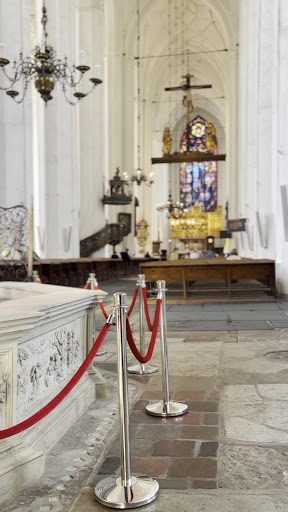
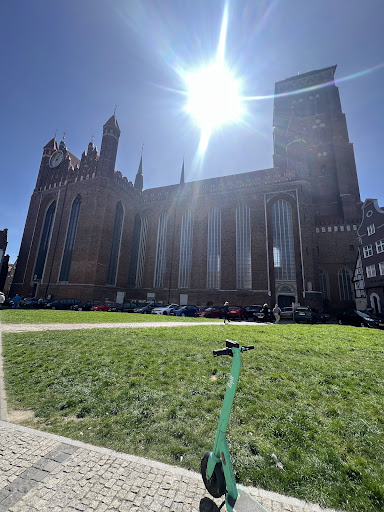
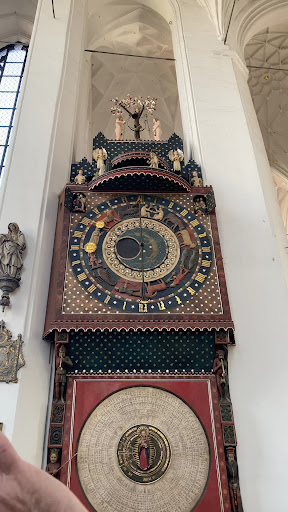
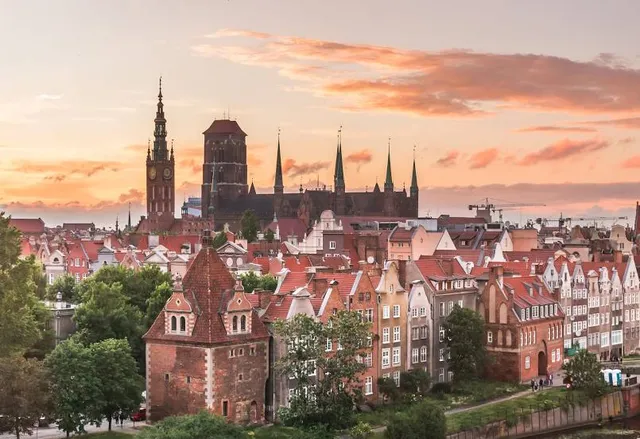
St. Mary's Church, or formally the Basilica of the Assumption of the Blessed Virgin Mary, is a Brick Gothic Catholic church located in central Gdańsk, Poland. With its volume between 185,000 m³ and 190,000 m³ it is currently one of the two or three largest brick churches in the world.
Cultural
Accessibility
attractions: Neptune's Fountain, Długi Targ, Artus Court, Museum of Gdańsk - Main Town Hall, Four Quarters Fountain, Old Toy Gallery, Royal Chapel, Golden Gate, Crane. Branch of the National Martime Museum, Gdańsk Długa Street, restaurants: Pierogarnia Stary Młyn Gdańsk Św. Ducha, MONO Kitchen Gdańsk, Restauracja Gvara, Hola Tapas, Pub Red Light, Original Burger, No To Cyk, PanKejk, Piwnica Rajców, MANNA 68 - restauracja wegańska, local businesses: Long Market, La Pampa Steakhouse, Puerta Dorada, Whiskey in the Jar, Długa, Mariacka Street, Main Town Hall, Studio Amber S.C., KEBAB EL MEDINA, Szeroka 22/23
 Learn more insights from Wanderboat AI.
Phone
+48 58 301 39 82
Website
bazylikamariacka.gdansk.pl
Open hoursSee all hours
Fri9 AM - 5 PMClosed
Plan your stay

Pet-friendly Hotels in Gdansk
Find a cozy hotel nearby and make it a full experience.

Affordable Hotels in Gdansk
Find a cozy hotel nearby and make it a full experience.

The Coolest Hotels You Haven't Heard Of (Yet)
Find a cozy hotel nearby and make it a full experience.

Trending Stays Worth the Hype in Gdansk
Find a cozy hotel nearby and make it a full experience.
Reviews
Live events

Explore Gdansk by kayak – Winter Edition
Sat, Feb 21 • 11:00 AM
80-863, Gdańsk, Pomeranian Voivodeship, Poland
View details
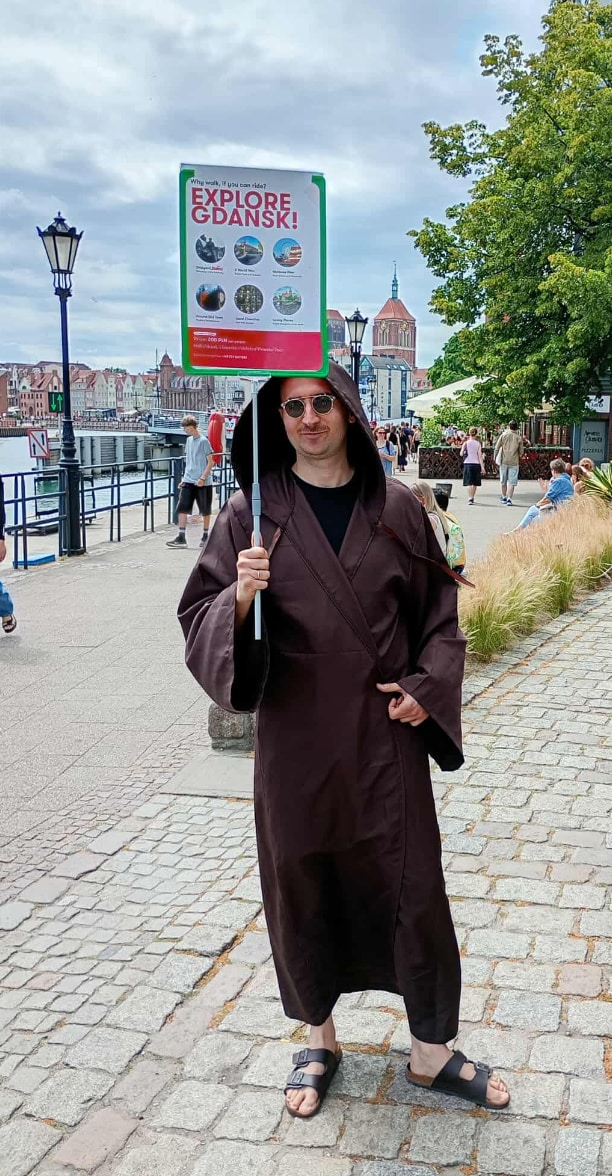
From medieval to modern times in Gdańsk
Sat, Feb 21 • 10:00 AM
80-825, Gdańsk, Pomeranian Voivodeship, Poland
View details
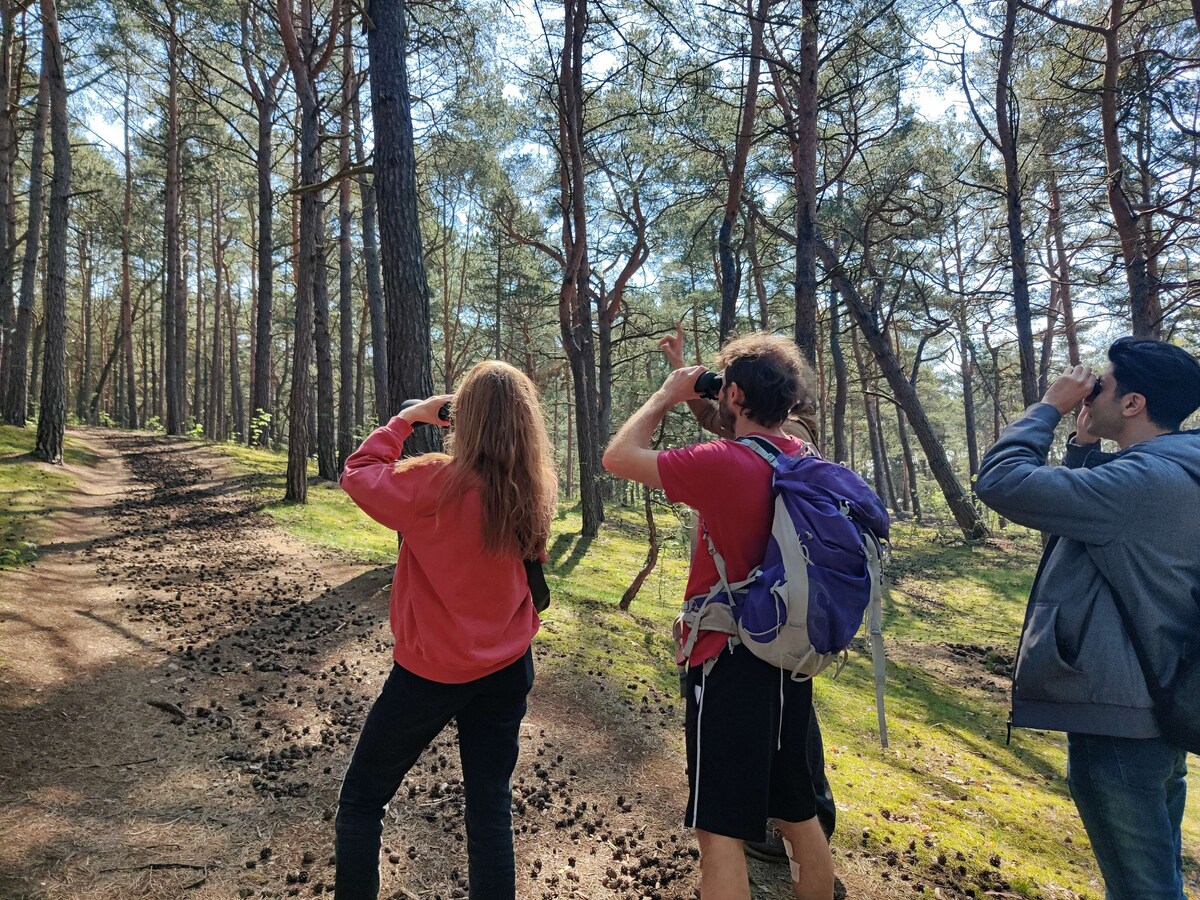
Nature Walk and Wildlife Tour in Sobieszewo Island
Tue, Feb 24 • 8:30 AM
80-680, Gdańsk, Pomeranian Voivodeship, Poland
View details
Nearby attractions of Basilica of St. Mary of the Assumption of the Blessed Virgin Mary in Gdańsk
Neptune's Fountain
Długi Targ
Artus Court
Museum of Gdańsk - Main Town Hall
Four Quarters Fountain
Old Toy Gallery
Royal Chapel
Golden Gate
Crane. Branch of the National Martime Museum
Gdańsk Długa Street
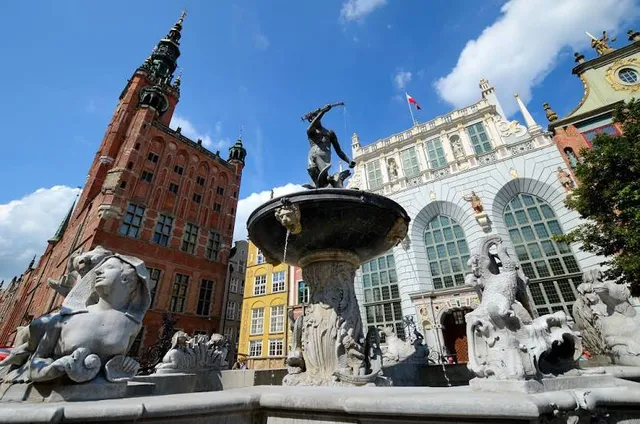
Neptune's Fountain
4.8
(15.9K)
Open until 12:00 AM
Click for details
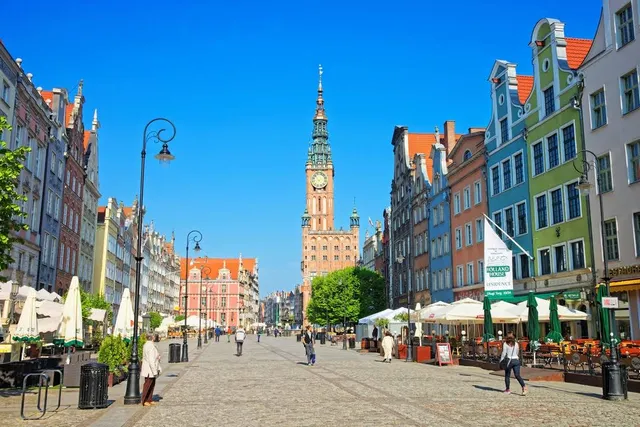
Długi Targ
4.8
(6.1K)
Open until 12:00 AM
Click for details
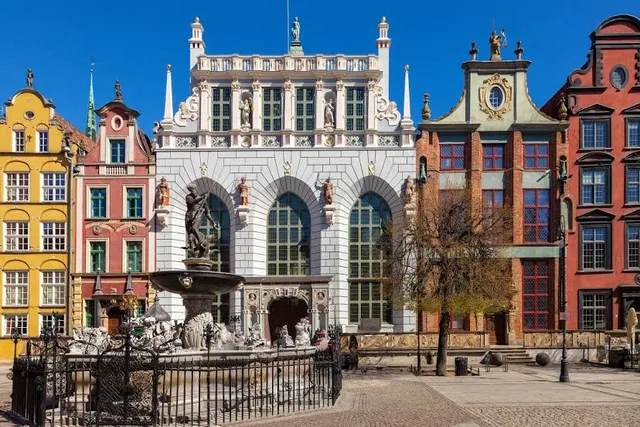
Artus Court
4.6
(1.1K)
Closed
Click for details
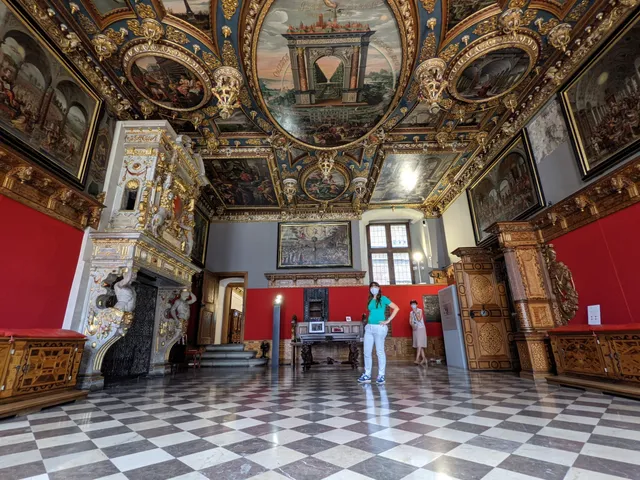
Museum of Gdańsk - Main Town Hall
4.6
(965)
Closed
Click for details
Nearby restaurants of Basilica of St. Mary of the Assumption of the Blessed Virgin Mary in Gdańsk
Pierogarnia Stary Młyn Gdańsk Św. Ducha
MONO Kitchen Gdańsk
Restauracja Gvara
Hola Tapas
Pub Red Light
Original Burger
No To Cyk
PanKejk
Piwnica Rajców
MANNA 68 - restauracja wegańska
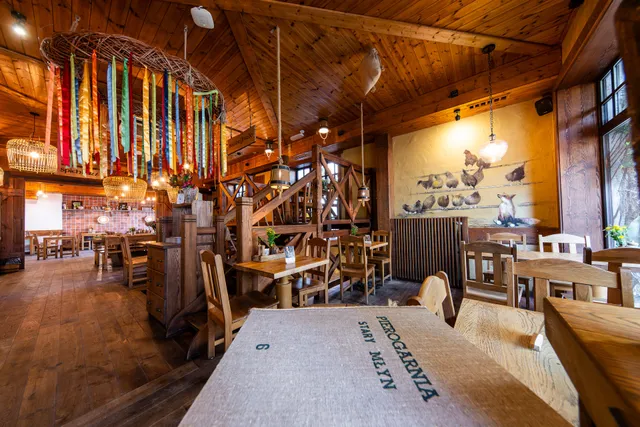
Pierogarnia Stary Młyn Gdańsk Św. Ducha
4.5
(5.4K)
Closed
Click for details
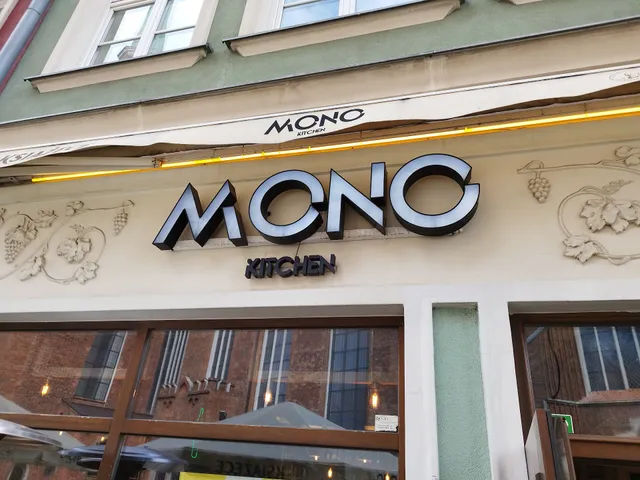
MONO Kitchen Gdańsk
4.5
(2.3K)
$$
Closed
Click for details

Restauracja Gvara
4.6
(1.6K)
$$
Click for details

Hola Tapas
4.8
(2.1K)
$$
Closed
Click for details
Nearby local services of Basilica of St. Mary of the Assumption of the Blessed Virgin Mary in Gdańsk
Long Market
La Pampa Steakhouse
Puerta Dorada
Whiskey in the Jar
Długa
Mariacka Street
Main Town Hall
Studio Amber S.C.
KEBAB EL MEDINA
Szeroka 22/23
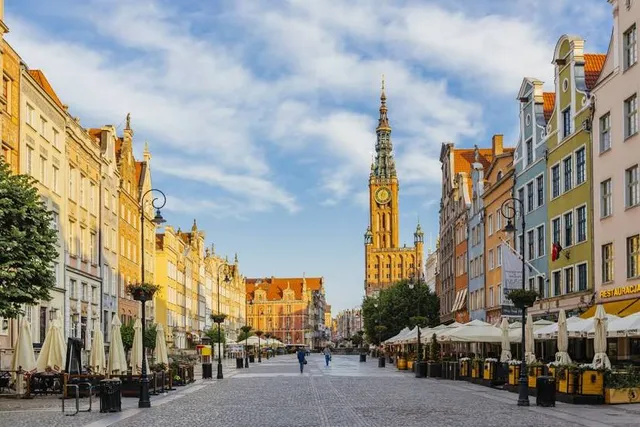
Long Market
4.8
(5.5K)
Click for details
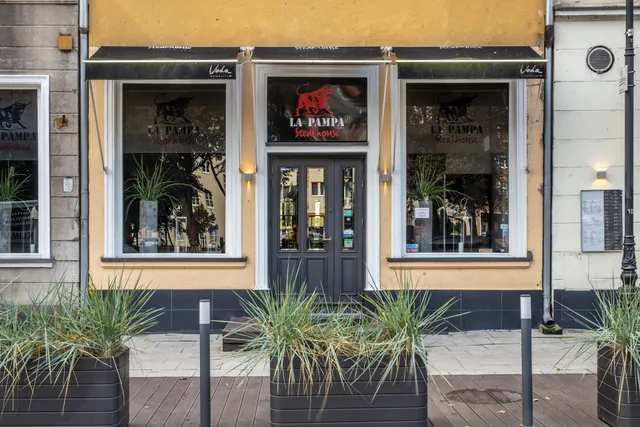
La Pampa Steakhouse
4.4
(943)
Click for details
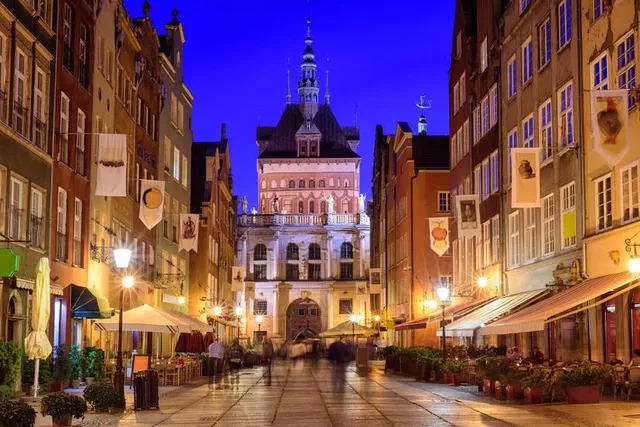
Puerta Dorada
4.7
(4.7K)
Click for details
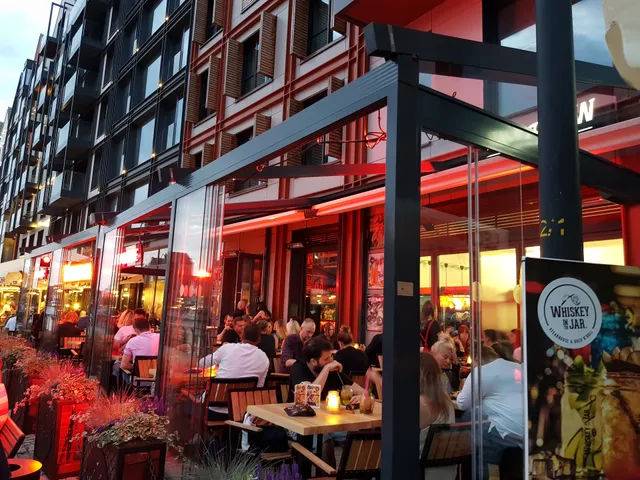
Whiskey in the Jar
4.7
(3.9K)
Click for details