Museum in Gliwice - the Piast Castle things to do, attractions, restaurants, events info and trip planning
Basic Info
Museum in Gliwice - the Piast Castle
Pod Murami 2, 44-100 Gliwice, Poland
4.5(510)
Closed
Save
spot
spot
Ratings & Description
Info
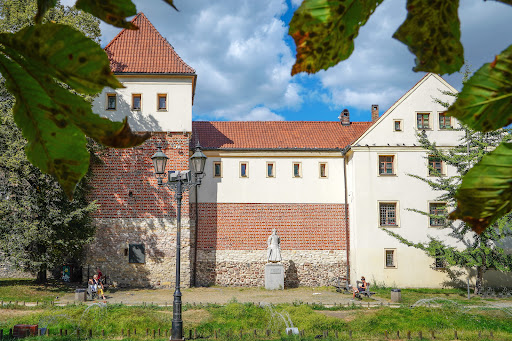
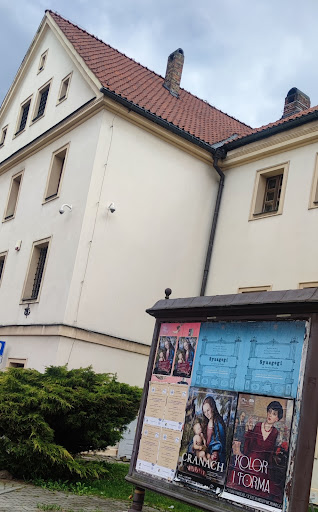
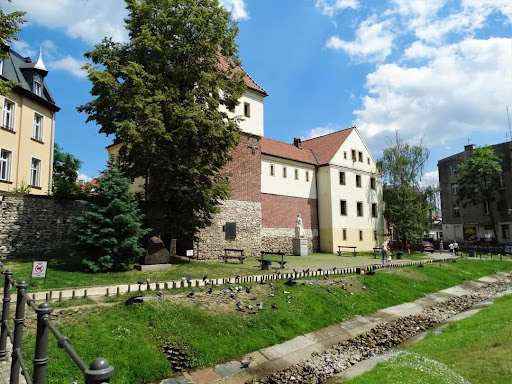
The so-called Piasts' Castle in Gliwice, southern Poland, dates back to the mid-14th century. It consists of a tower from 1322, which was originally part of the city walls, and an adjoining building which was probably an armory.
Cultural
Family friendly
Accessibility
attractions: Sts. Peter and Paul Cathedral, Gliwice, Neptune Fountain in Gliwice, Fountain with three fauns, restaurants: Pataya - Sushi Bar & Thai Restaurant, Olio Pizza Napoletana, Dobra Kasza Nasza, Kawiarenka Zamkowa, Desa Gastro Bar, Club Hemingway, Dobre Sushi, IBU Craft Beers, Pizza Saluto, Boska, local businesses: Ice Cream Parlor Cold Bastard - Ice cream craft, Morawskie Sklepy, All Saints Church, HABIB KEBAB GLIWICE, Museum Villa Caro in Gleiwitz, Beer Brothers, Bobo Bene, Minibrowar Majer, Jana Pawła II 11, Miedziana Craft Beer & Chill
 Learn more insights from Wanderboat AI.
Phone
+48 32 231 44 94
Website
muzeum.gliwice.pl
Open hoursSee all hours
Sun11 AM - 4 PMClosed
Plan your stay

Pet-friendly Hotels in Gliwice
Find a cozy hotel nearby and make it a full experience.

Affordable Hotels in Gliwice
Find a cozy hotel nearby and make it a full experience.

The Coolest Hotels You Haven't Heard Of (Yet)
Find a cozy hotel nearby and make it a full experience.

Trending Stays Worth the Hype in Gliwice
Find a cozy hotel nearby and make it a full experience.
Reviews
Live events
Candlelight: Cztery pory roku Vivaldiego
Sat, Jan 31 • 7:45 PM
plac Sławika i Antalla 1, Katowice, 40-163
View details
Nearby attractions of Museum in Gliwice - the Piast Castle
Sts. Peter and Paul Cathedral, Gliwice
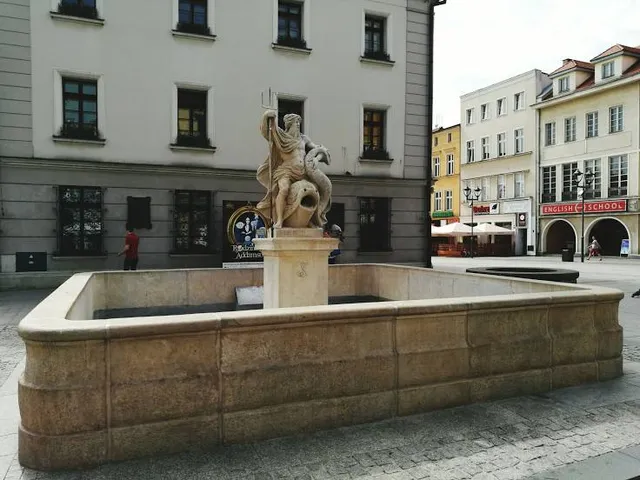
Neptune Fountain in Gliwice
Fountain with three fauns
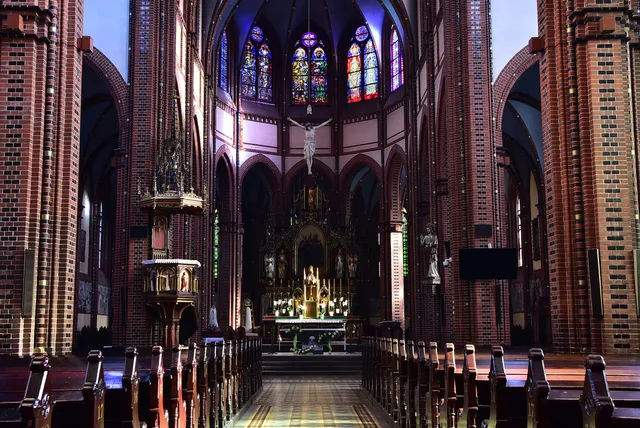
Sts. Peter and Paul Cathedral, Gliwice
4.7
(594)
Open 24 hours
Click for details
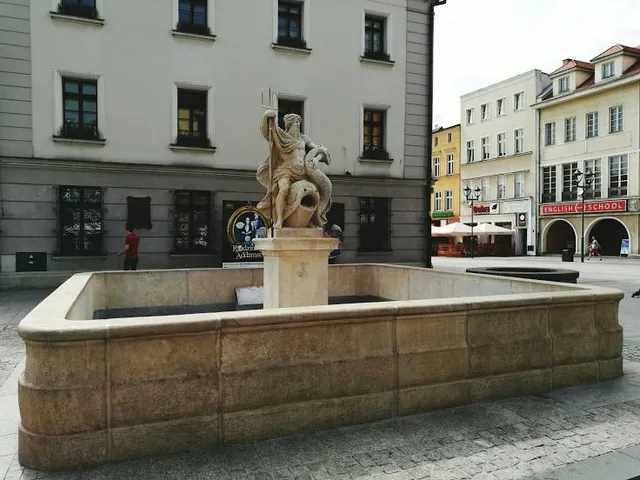
Neptune Fountain in Gliwice
4.8
(115)
Open until 12:00 AM
Click for details
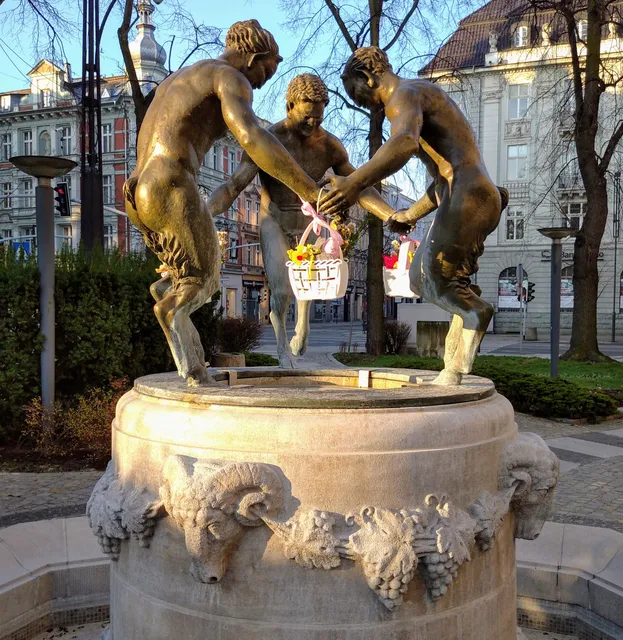
Fountain with three fauns
4.7
(124)
Open until 12:00 AM
Click for details
Nearby restaurants of Museum in Gliwice - the Piast Castle
Pataya - Sushi Bar & Thai Restaurant
Olio Pizza Napoletana
Dobra Kasza Nasza
Kawiarenka Zamkowa
Desa Gastro Bar
Club Hemingway
Dobre Sushi
IBU Craft Beers
Pizza Saluto
Boska
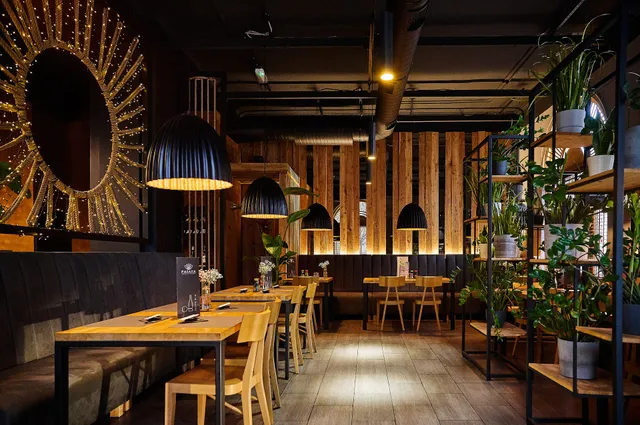
Pataya - Sushi Bar & Thai Restaurant
4.4
(796)
$$
Open until 9:00 PM
Click for details
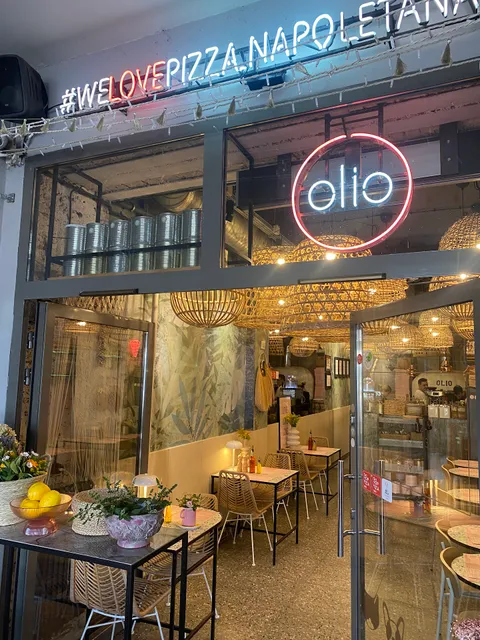
Olio Pizza Napoletana
4.7
(1.3K)
Open until 10:00 PM
Click for details
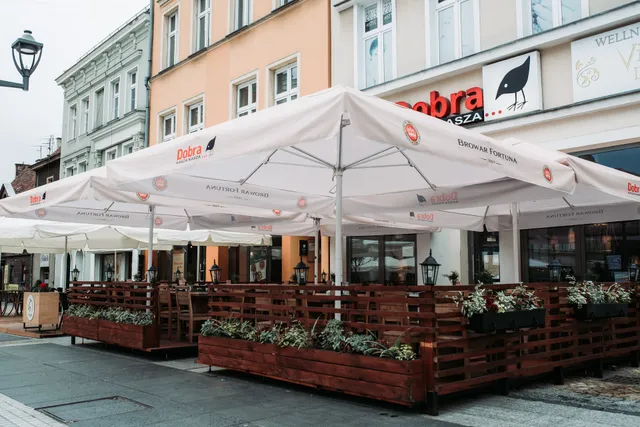
Dobra Kasza Nasza
4.4
(872)
Open until 10:00 PM
Click for details
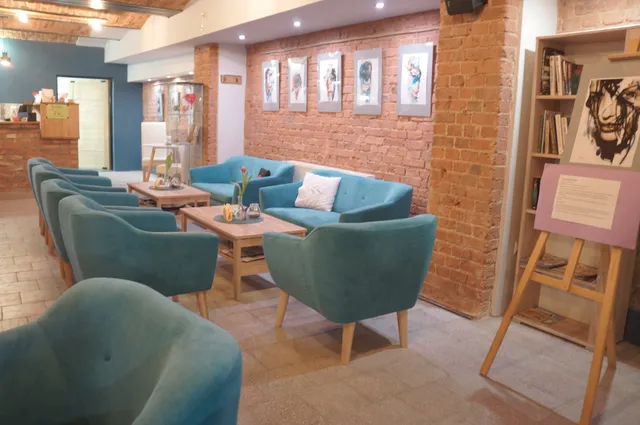
Kawiarenka Zamkowa
4.8
(241)
Closed
Click for details
Nearby local services of Museum in Gliwice - the Piast Castle
Ice Cream Parlor Cold Bastard - Ice cream craft
Morawskie Sklepy
All Saints Church
HABIB KEBAB GLIWICE
Museum Villa Caro in Gleiwitz
Beer Brothers
Bobo Bene
Minibrowar Majer
Jana Pawła II 11
Miedziana Craft Beer & Chill
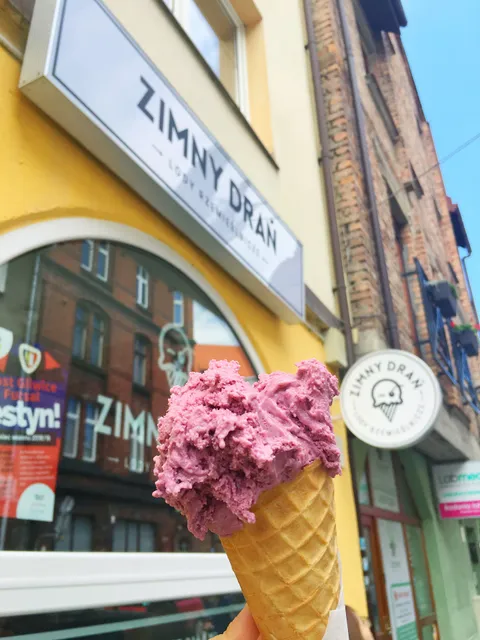
Ice Cream Parlor Cold Bastard - Ice cream craft
4.6
(790)
Click for details

Morawskie Sklepy
4.9
(107)
Click for details
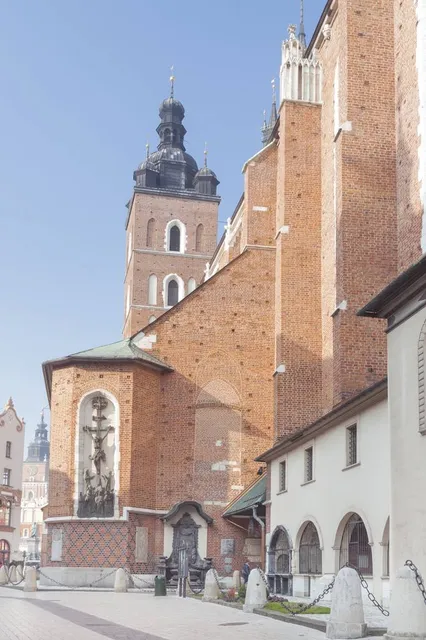
All Saints Church
4.7
(369)
Click for details
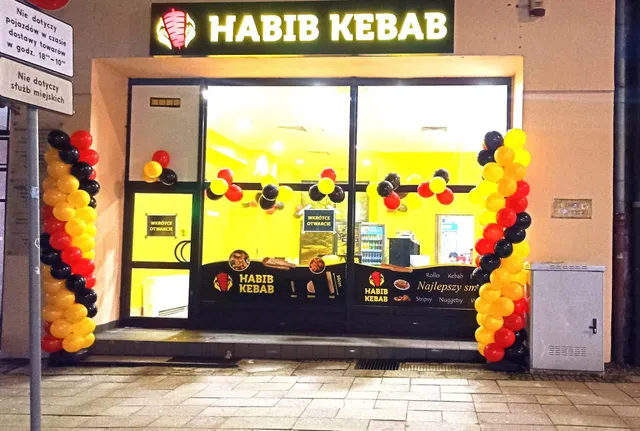
HABIB KEBAB GLIWICE
3.8
(346)
Click for details