HTML SitemapExplore
logo
Find Things to DoFind The Best Restaurants

Tomb of the Unknown Soldier — Attraction in Warsaw

Name
Tomb of the Unknown Soldier
Description
The Tomb of the Unknown Soldier is a historic funerary monument dedicated to deceased U.S. service members whose remains have not been identified. It is located in Arlington National Cemetery in Virginia, United States.
Nearby attractions
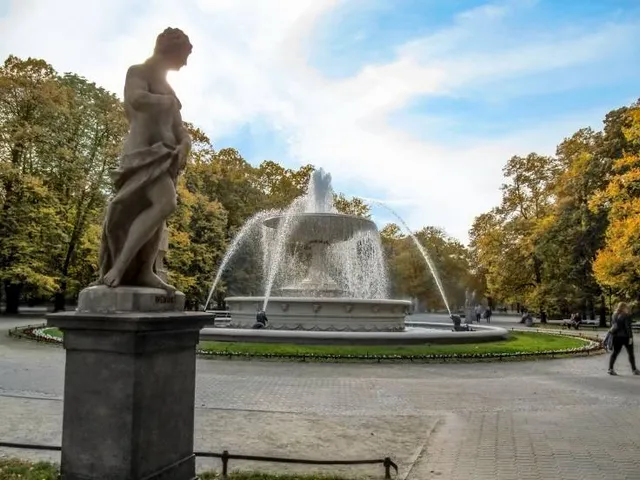
Fountain in the Saxon Garden
Saxon Garden, 05-075 Warszawa, Poland
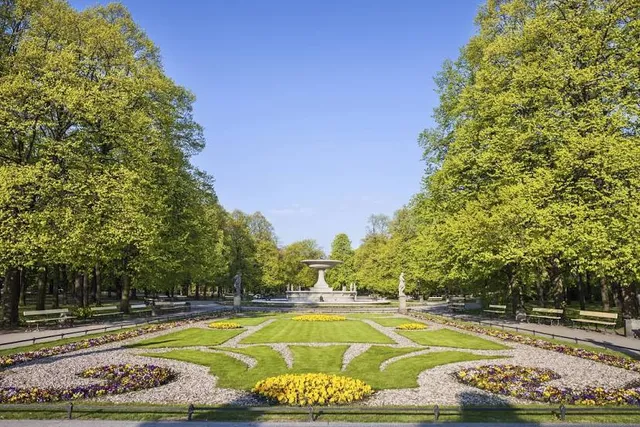
Saxon Garden
Marszałkowska, 00-102 Warszawa, Poland
Zachęta – National Gallery of Art
plac Stanisława Małachowskiego 3, 00-916 Warszawa, Poland
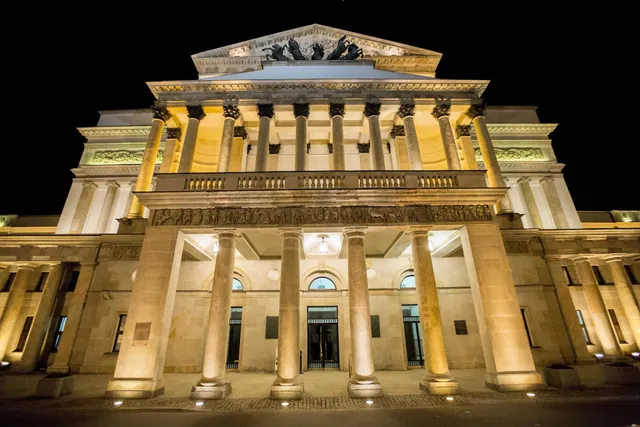
Teatr Wielki - Polish National Opera
plac Teatralny 1, 00-950 Warszawa
Monument to the Victims of the Smolensk Tragedy in 2010
plac Marszałka Józefa Piłsudskiego, 00-078 Warszawa, Poland
National Theatre
plac Teatralny 3, 00-077 Warszawa, Poland
Chopin Bench
plac Marszałka Józefa Piłsudskiego, Warszawa, Poland
Pałac Saski - w odbudowie
00-001 Warsaw, Poland
Presidential Palace, Warsaw
Krakowskie Przedmieście 48/50, 00-071 Warszawa, Poland
Czapski Palace
Krakowskie Przedmieście 5, 00-068 Warszawa, Poland
Nearby restaurants
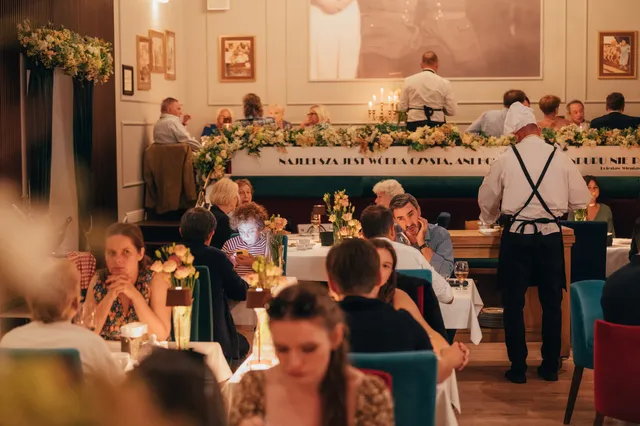
Restauracja U Wieniawy
plac Marszałka Józefa Piłsudskiego 9, 00-078 Warszawa
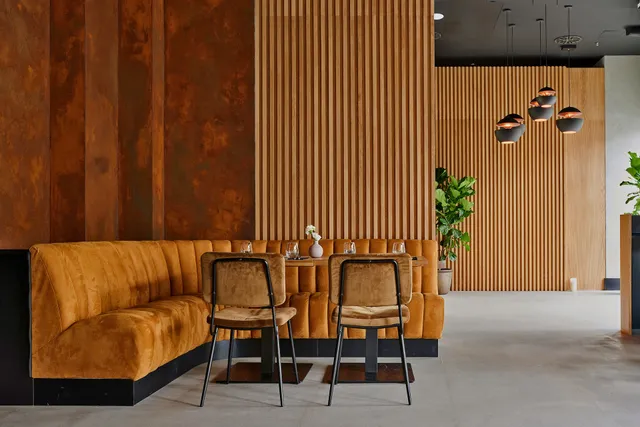
SELAVI Restaurant & Bar
plac Stanisława Małachowskiego 2, 00-066 Warszawa, Poland
InFormal Kitchen
plac Stanisława Małachowskiego 2, 00-066 Warszawa, Poland
Restauracja Bubbles Warszawa
plac Marszałka Józefa Piłsudskiego 9, 00-078 Warszawa, Poland
Epoka
Ossolińskich 3, 00-072 Warszawa, Poland
Rusiko Restaurant
Wierzbowa 11, 00-094 Warszawa, Poland
Ceprownia - polska restauracja w góralskim stylu
Krakowskie Przedmieście 7, 00-068 Warszawa, Poland
Restauracja ELIXIR by Dom Wódki | polish restaurant Warsaw
Wierzbowa 9/308, 00-094 Warszawa, Poland
Manekin
Marszałkowska 140, 00-061 Warszawa, Poland
Europejski Grill
Krakowskie Przedmieście 13, 00-071 Warszawa, Poland
Nearby hotels
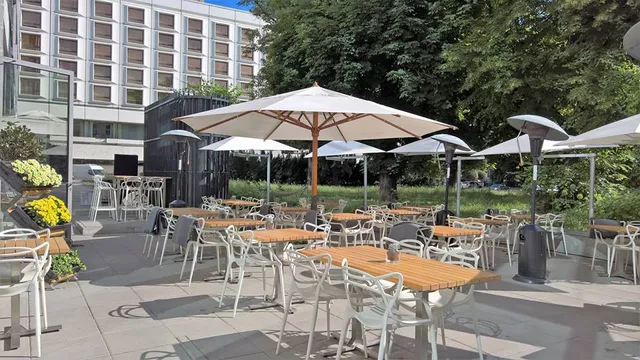
Sofitel Warsaw Victoria
Królewska 11, 00-065 Warszawa, Poland
Hotel Bristol, a Luxury Collection Hotel, Warsaw
Krakowskie Przedmieście 42/44, 00-325 Warszawa, Poland
PURO Warszawa Stare Miasto
Canaletta 4, 00-099 Warszawa, Poland
Kapsuła Hostel - komfortowy i bezpieczny nocleg w centrum Warszawy
Dowcip 4, 00-051 Warszawa, Poland
Safestay Warsaw
Krakowskie Przedmieście 55, 00-071 Warszawa, Poland
Bez Kantów Art Rooms
Królewska 2, 00-065 Warszawa, Poland
Tiffi Old Town Hotel Warszawa
Krakowskie Przedmieście 7, 00-068 Warszawa, Poland
Bellotto Hotel
Senatorska 13/15, 00-075 Warszawa, Poland
Jess Hotel & Spa Warsaw Old Town
Krakowskie Przedmieście 47/49/51, 00-071 Warszawa, Poland
Hotel Mazowiecki WOW
Mazowiecka 10, 00-048 Warszawa, Poland
Related posts
Keywords
Tomb of the Unknown Soldier tourism.Tomb of the Unknown Soldier hotels.Tomb of the Unknown Soldier bed and breakfast. flights to Tomb of the Unknown Soldier.Tomb of the Unknown Soldier attractions.Tomb of the Unknown Soldier restaurants.Tomb of the Unknown Soldier travel.Tomb of the Unknown Soldier travel guide.Tomb of the Unknown Soldier travel blog.Tomb of the Unknown Soldier pictures.Tomb of the Unknown Soldier photos.Tomb of the Unknown Soldier travel tips.Tomb of the Unknown Soldier maps.Tomb of the Unknown Soldier things to do.
Tomb of the Unknown Soldier things to do, attractions, restaurants, events info and trip planning
Tomb of the Unknown Soldier
PolandMasovian VoivodeshipWarsawTomb of the Unknown Soldier

Basic Info

Tomb of the Unknown Soldier

plac Marszałka Józefa Piłsudskiego 1-3, 00-078 Warszawa, Poland
4.8(3.6K)
Open 24 hours
Save
spot

Ratings & Description

Info

The Tomb of the Unknown Soldier is a historic funerary monument dedicated to deceased U.S. service members whose remains have not been identified. It is located in Arlington National Cemetery in Virginia, United States.

Cultural
Accessibility
attractions: Fountain in the Saxon Garden, Saxon Garden, Zachęta – National Gallery of Art, Teatr Wielki - Polish National Opera, Monument to the Victims of the Smolensk Tragedy in 2010, National Theatre, Chopin Bench, Pałac Saski - w odbudowie, Presidential Palace, Warsaw, Czapski Palace, restaurants: Restauracja U Wieniawy, SELAVI Restaurant & Bar, InFormal Kitchen, Restauracja Bubbles Warszawa, Epoka, Rusiko Restaurant, Ceprownia - polska restauracja w góralskim stylu, Restauracja ELIXIR by Dom Wódki | polish restaurant Warsaw, Manekin, Europejski Grill
logoLearn more insights from Wanderboat AI.

Plan your stay

hotel
Pet-friendly Hotels in Warsaw
Find a cozy hotel nearby and make it a full experience.

hotel
Affordable Hotels in Warsaw
Find a cozy hotel nearby and make it a full experience.

hotel
The Coolest Hotels You Haven't Heard Of (Yet)
Find a cozy hotel nearby and make it a full experience.

hotel
Trending Stays Worth the Hype in Warsaw
Find a cozy hotel nearby and make it a full experience.

Reviews

Nearby attractions of Tomb of the Unknown Soldier

Fountain in the Saxon Garden

Saxon Garden

Zachęta – National Gallery of Art

Teatr Wielki - Polish National Opera

Monument to the Victims of the Smolensk Tragedy in 2010

National Theatre

Chopin Bench

Pałac Saski - w odbudowie

Presidential Palace, Warsaw

Czapski Palace

Fountain in the Saxon Garden

Fountain in the Saxon Garden

4.8

(832)

Open 24 hours
Click for details
Saxon Garden

Saxon Garden

4.7

(10.4K)

Open until 12:00 AM
Click for details
Zachęta – National Gallery of Art

Zachęta – National Gallery of Art

4.5

(2K)

Open until 8:00 PM
Click for details
Teatr Wielki - Polish National Opera

Teatr Wielki - Polish National Opera

4.8

(4.2K)

Open 24 hours
Click for details

Things to do nearby

Warsaw Old Town and more with Antek and Tomek
Sun, Dec 7 • 10:30 AM
01-195, Warsaw, Masovian Voivodeship, Poland
View details
Historic Heart of Warsaw
Sun, Dec 7 • 10:00 AM
00-277, Warsaw, Masovian Voivodeship, Poland
View details

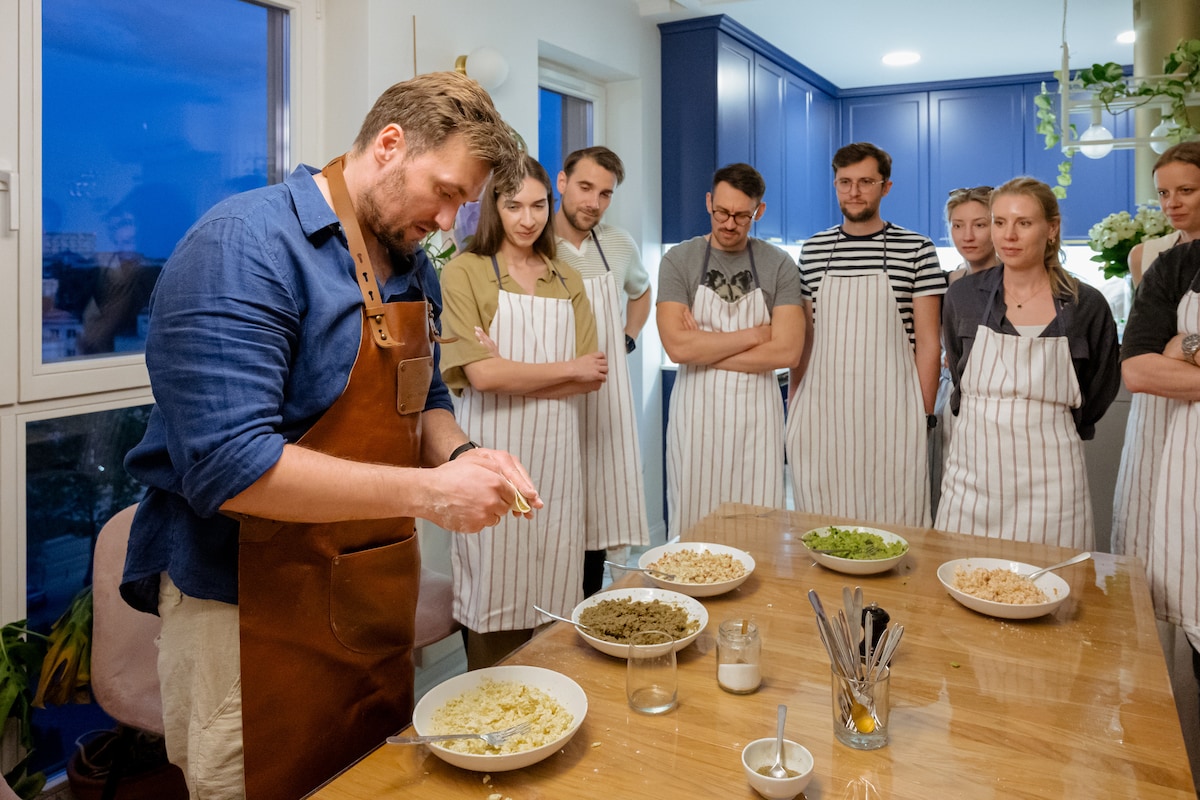
Make pierogi and try liqours with a Warsaw native
Mon, Dec 8 • 5:30 PM
02-353, Warsaw, Masovian Voivodeship, Poland
View details

Nearby restaurants of Tomb of the Unknown Soldier

Restauracja U Wieniawy

SELAVI Restaurant & Bar

InFormal Kitchen

Restauracja Bubbles Warszawa

Epoka

Rusiko Restaurant

Ceprownia - polska restauracja w góralskim stylu
Restauracja ELIXIR by Dom Wódki | polish restaurant Warsaw

Manekin

Europejski Grill

Restauracja U Wieniawy

Restauracja U Wieniawy

4.8

(849)

Click for details
SELAVI Restaurant & Bar

SELAVI Restaurant & Bar

4.3

(689)

$$$

Click for details
InFormal Kitchen

InFormal Kitchen

4.7

(1.1K)

$$

Click for details
Restauracja Bubbles Warszawa

Restauracja Bubbles Warszawa

4.5

(566)

$$

Click for details
Get the Appoverlay
Get the AppOne tap to find yournext favorite spots!
Wanderboat LogoWanderboat

Your everyday Al companion for getaway ideas

CompanyAbout Us
InformationAI Trip PlannerSitemap
SocialXInstagramTiktokLinkedin
LegalTerms of ServicePrivacy Policy

Get the app

© 2025 Wanderboat. All rights reserved.
logo

Posts

Abubakr MamajonovAbubakr Mamajonov
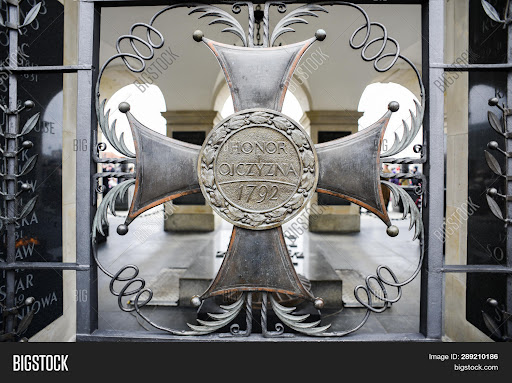
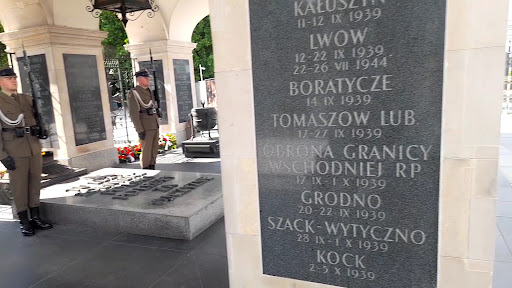
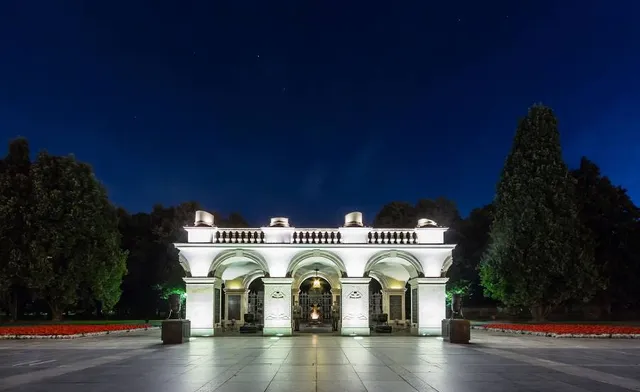
Historical place. The first memorial in Poland to honour the Unknown Soldier was unveiled on 2 November 1925. It was integrated into the arcades connecting the south and north wings of the Saxon Palace in Warsaw. The middle arcades comprised the centre of the mausoleum. The unidentified remains of a soldier who had fallen in the Polish-Ukrainian War (1918/1919) were buried with a silver wreath, the foundation charter of the monument, and fourteen vessels, each of which contained soil from one of the battlegrounds where Polish combat units had fought during the wars in the eastern borderlands (1918–1921). The foundation charter declared that the nation and the government, along with the clergy, the army, and institutions of self-government rendered “homage to the thousands of heroes who in the course of 130 years of struggle for freedom had fallen on the Field of Honour for the nation’s cause.”[1] The wrought-iron fences between the three middle arcades bore national and military insignia signifying the military tradition of the nation which had fought for independence. The fence behind the head of the tomb showed the national emblem, the eagle with the crown. To the right and left were displayed the Cross of Valor (Krzyż Walecznych) and the Cross of Virtuti Militari, the highest Polish military award for bravery, both of which honoured the Unknown Soldier. The memorial slab was inscribed: “Here lies a Polish Soldier who fell for the Fatherland”. Four granite plates mounted on the pillars near the grave bore the names of the villages and towns near which Polish combat units had fought on the Eastern and Western fronts (1914–1918) and during the wars in the borderlands (1918–1921). The memorial was embedded in the national tradition of commemoration for warriors who had fallen while fighting for the country’s independence. During the First World War the Polish nation had not been a belligerent, but it had experienced war, forced migration, an economic crisis and occupation. Additionally, Russia, Germany and Austria-Hungary had forced Poles to serve in their armies. In Poland the war was widely interpreted as the climax of Polish martyrdom. At the end of the war, the nation achieved an independent state and frontiers in the west and east which largely corresponded with the expectations of most political groups. The eastern territories were incorporated into the newly founded Polish state after the military victories over Ukraine and Soviet Russia in 1919-1920. The idea of constructing a memorial to the Polish soldiers who had lost their lives arose following news of the entombment of the Unknown Soldier in Unknown Soldier Tomb in Paris and London on 11 November 1920. In June 1921 a Committee for Honoring the Fallen 1914-1920 was founded in Warsaw. Preparations were accelerated after 2 December 1924 when a then unknown group (the Federation of Polish Associations of the Republic, as it turned out four years later) laid down a memorial slab before the equestrian statue of Józef Poniatowski (1763–1813), dedicating it to the “Unknown Soldier who fell for the Fatherland”.[2] The act was enthusiastically welcomed by the public. The Cabinet Council commissioned the artist Stanisław Ostrowski (1879–1947) who was to create the memorial and decided, according to the wishes of the public, that the memorial would be erected in the Saxon Square. The plan was connected with the reconstruction of the Square, which had previously served as a parade-ground and a site of memory to the Russian rulers. In 1841 the Russian authorities had built an obelisk to commemorate seven Polish officers who during the uprising in 1830 had been killed by insurgents because they had not been willing to join the uprising. In 1894 a Russian-Orthodox church was built on the same site and dedicated to Alexander Nevsky (1220–1263), a prominent Russian national hero. Now in independent Poland the Saxon Square was given a new purpose: triumph and celebration of independence.
Gary Mchugh (Gam)Gary Mchugh (Gam)
December 2024, came to visit here again, it always feels different at various times of the year and different seasons🥶 I timed it just right again, not long to wait in the cold, before the Guards changed over, got some great videos again 👌🇵🇱 October 2023, I felt it only right to come to The Tomb of the unknown Soldier again, to pay my respects to all the brave Polish people who have given their lives for the love of their country, Poland 🇵🇱 I got here late in the afternoon today, there was only about 5 people here! I didn't get to see the Soldier guards change over, but witnessed the the two soldiers inside by the Tomb, march out and around the edge of the ruined building. Their march is very precise and loud! I saw their guns at close range, the bayonets were so bright and clean, glistening in the strong sun light. Took some pics in different light today👍 I Am in Warsaw again, June 2023, so have come to the Tomb of the unknown Soldier again. I waited 45 minutes or so, to see the soldiers march up to the Tomb and change over with the previous guards. Prior to this, two other soldiers came up, saluted to the guards, then checked over the flower tributes inside and picked up some litter outside, that someone had dropped. I thought this was quite remarkable and respectful👍😀 I was pleased to see the soldiers change over again. Last year when I visited here, there was digging machines behind the fencing, surrounding each side of the Tomb, as you approached. This time, I viewed through the fencing today to see that they have uncovered the foundations of the Palace that once stood here!😱 it was a huge place looking at it now. I do hope they can restore it all one day. My first visit. 2022. I saw the soldiers marching across the square to the monument. A very official moment. Viewed the tomb within the monument, where there are two guards permanently there. A special moment to honour the unknown soldier, its very respectful👍 Apparently, there used to be a huge Palace here😱 you only see part of what used to be there! It was destroyed by communists back in the day, to eliminate Polish history!😡 I timed it perfectly to be there, not sure how many times a day, the 3 soldier's march across the square? I was only there about 15 minutes to take all this in, so only a quick visit. Had lunch in the huge gardens behind it after. I am due to visit Warsaw again soon, so I will come back and visit here again, its worth coming here, a special place.😀
Tomasz MesterTomasz Mester
"SŁAWA BOHATERÓW STRZEŻONA CAŁĄ DOBĘ..."❤️🇵🇱 Ocalały z wojennej zawieruchy niewielki fragment Pałacu Saskiego, a pod nim żołnierski grób, to miejsce znane i chętnie odwiedzane nie tylko przez Warszawiaków, ale i przybywających do stolicy gości z całego świata... Grób Nieznanego Żołnierza to miejsce pamięci narodowej, gdzie odbywają się najważniejsze uroczystości obchodów świąt Państwowych, defilady ⚔wojskowe, gdzie według zasad protokołu dyplomatycznego delegacje zagraniczne składają wieńce i kwiaty 💐- miejsce, przy którym codziennie, przez całą dobę, żołnierze Batalionu Reprezentacyjnego Wojska Polskiego 🇵🇱👍- pełnią wartę honorową...! ❤️🌹Warszawski Grób Nieznanego Żołnierza powstał w 1925roku. Natomiast tradycja czczenia bezimiennych żołnierzy zrodziła się w Europie po I Wojnie Światowej, która to pochłonęła blisko 10 milionów ludzkich istnień, i została uznana jako tzw. wojna chemiczna. Inicjatorem tegoż pomysłu i całej kampanii, był 🇫🇷Francuz Fryderyk Simon - działacz wielu francuskich towarzystw patriotycznych... - Podczas tej wojny stracił trzech synów, a ich ciał nigdy nie odnalazł...🖤🫶🌹W Polsce 🇵🇱już na początku 1922r rozgrzała dyskusja na temat miejsca przyszłego spoczynku nieznanego żołnierza. Spór został rozstrzygnięty przez przypadek. Otóż w przejściu arkadowym 🏰Pałacu Saskiego, gdzie swoją siedzibę miał w okresie międzywojennym Sztab Generalny Wojska Polskiego - ktoś położył granitową płytę z napisem : "Tu leży żołnierz nieznany" - a ów tajemniczy fakt przesądził kwestię lokalizacji tego Obiektu Pamięci... Właściwą mogiłą, w której spoczywa słynny żołnierz, jest wybór Pani Jadwigi Zarugiewiczowej - matki studenta Politechniki Lwowskiej, który zginął podczas wojny w 1920r. I to ona kładąc dłoń 🤚na jednej z wykopanych na cmentarzu ⚰trumien, dokonała ostatecznego wyboru - młodego szeregowca z przestrzeloną 💀czaszką. Ten nieznany OBROŃCA POLSKI 🇵🇱- LWOWA - mógł mieć najwyżej 15 lat!!! 🥰❤️Później, po całym procesie ekschumacyjnym i transporcie z honorami do Polski - ostatecznie 2.11.1925r o godzinie 6.00 🕕 rano ozdobiony Białym Orłem i barwami narodowymi pociąg 🚝dotarł do Warszawy - i po uroczystej Mszy Świętej w kościele Św. Jana na Starym Mieście - następnie o 13.00 🕐 po południu Nieznany Żołnierz spoczął pod kolumną Pałacu Saskiego. - Potem zapłonął olbrzymi znicz i wieniec - jako pierwszy 🥇złożył ówczesny prezydent S.Wojciechowski. A wartę honorową zaciągnęli żołnierze 36. Pułku Legii Akademickiej - z jednostki garnizonu w Warszawie... Pomnik ten został zaprojektowany przez S.Ostrowskiego. Na około grobu umieszczono urny z ziemią z miejsc, gdzie walczyli i ginęli polscy żołnierze, na filarach arkad zawieszono granitowe tablice z nazwami pól bitew, tylne arkady ozdobiono kratą - po środku której znajdował się orzeł 🦅, stylizowany na noszonego przez żołnierzy na czapkach 🧢, a prawą przestrzeń kraty wypełniał wizerunek Krzyża Walecznych, lewą order Virtuti Militari...❤️🖤🌹 Ostatecznie od dnia 02.11.1925r Grób Nieznanego Żołnierza stał się miejscem pamięci narodowej. Niezależnie od warunków atmosferycznych, codziennie strzegą tej BOHATERSKIEJ PAMIĘCI I OFIARY - żyjący "żołnierscy bracia" 🤙, nieprzerwanie pali 🔥się wieczny znicz, natomiast szpaler turystów ustawia się w pobliżu, kiedy o pełnych godzinach odbywa się zmiana warty.(Na zdjęciach...) W okolicy nie ma ani śladu toalety 🚻publicznej. Parking 🅿odpłatny znajduje się w okolicach Parku Saskiego i Placu Piłsudskiego... Wstęp jak najbardziej jest wolny całodobowo. Osoby niepełnosprawne ♿łatwo tu się dostaną! 🥰❤️😊 CZEŚĆ I CHWAŁA BOHATEROM!!! ❤️❤️❤️🇵🇱🌹
See more posts
See more posts
hotel
Find your stay

Pet-friendly Hotels in Warsaw

Find a cozy hotel nearby and make it a full experience.

Historical place. The first memorial in Poland to honour the Unknown Soldier was unveiled on 2 November 1925. It was integrated into the arcades connecting the south and north wings of the Saxon Palace in Warsaw. The middle arcades comprised the centre of the mausoleum. The unidentified remains of a soldier who had fallen in the Polish-Ukrainian War (1918/1919) were buried with a silver wreath, the foundation charter of the monument, and fourteen vessels, each of which contained soil from one of the battlegrounds where Polish combat units had fought during the wars in the eastern borderlands (1918–1921). The foundation charter declared that the nation and the government, along with the clergy, the army, and institutions of self-government rendered “homage to the thousands of heroes who in the course of 130 years of struggle for freedom had fallen on the Field of Honour for the nation’s cause.”[1] The wrought-iron fences between the three middle arcades bore national and military insignia signifying the military tradition of the nation which had fought for independence. The fence behind the head of the tomb showed the national emblem, the eagle with the crown. To the right and left were displayed the Cross of Valor (Krzyż Walecznych) and the Cross of Virtuti Militari, the highest Polish military award for bravery, both of which honoured the Unknown Soldier. The memorial slab was inscribed: “Here lies a Polish Soldier who fell for the Fatherland”. Four granite plates mounted on the pillars near the grave bore the names of the villages and towns near which Polish combat units had fought on the Eastern and Western fronts (1914–1918) and during the wars in the borderlands (1918–1921). The memorial was embedded in the national tradition of commemoration for warriors who had fallen while fighting for the country’s independence. During the First World War the Polish nation had not been a belligerent, but it had experienced war, forced migration, an economic crisis and occupation. Additionally, Russia, Germany and Austria-Hungary had forced Poles to serve in their armies. In Poland the war was widely interpreted as the climax of Polish martyrdom. At the end of the war, the nation achieved an independent state and frontiers in the west and east which largely corresponded with the expectations of most political groups. The eastern territories were incorporated into the newly founded Polish state after the military victories over Ukraine and Soviet Russia in 1919-1920. The idea of constructing a memorial to the Polish soldiers who had lost their lives arose following news of the entombment of the Unknown Soldier in Unknown Soldier Tomb in Paris and London on 11 November 1920. In June 1921 a Committee for Honoring the Fallen 1914-1920 was founded in Warsaw. Preparations were accelerated after 2 December 1924 when a then unknown group (the Federation of Polish Associations of the Republic, as it turned out four years later) laid down a memorial slab before the equestrian statue of Józef Poniatowski (1763–1813), dedicating it to the “Unknown Soldier who fell for the Fatherland”.[2] The act was enthusiastically welcomed by the public. The Cabinet Council commissioned the artist Stanisław Ostrowski (1879–1947) who was to create the memorial and decided, according to the wishes of the public, that the memorial would be erected in the Saxon Square. The plan was connected with the reconstruction of the Square, which had previously served as a parade-ground and a site of memory to the Russian rulers. In 1841 the Russian authorities had built an obelisk to commemorate seven Polish officers who during the uprising in 1830 had been killed by insurgents because they had not been willing to join the uprising. In 1894 a Russian-Orthodox church was built on the same site and dedicated to Alexander Nevsky (1220–1263), a prominent Russian national hero. Now in independent Poland the Saxon Square was given a new purpose: triumph and celebration of independence.
Abubakr Mamajonov

Abubakr Mamajonov

hotel
Find your stay

Affordable Hotels in Warsaw

Find a cozy hotel nearby and make it a full experience.

Get the Appoverlay
Get the AppOne tap to find yournext favorite spots!
December 2024, came to visit here again, it always feels different at various times of the year and different seasons🥶 I timed it just right again, not long to wait in the cold, before the Guards changed over, got some great videos again 👌🇵🇱 October 2023, I felt it only right to come to The Tomb of the unknown Soldier again, to pay my respects to all the brave Polish people who have given their lives for the love of their country, Poland 🇵🇱 I got here late in the afternoon today, there was only about 5 people here! I didn't get to see the Soldier guards change over, but witnessed the the two soldiers inside by the Tomb, march out and around the edge of the ruined building. Their march is very precise and loud! I saw their guns at close range, the bayonets were so bright and clean, glistening in the strong sun light. Took some pics in different light today👍 I Am in Warsaw again, June 2023, so have come to the Tomb of the unknown Soldier again. I waited 45 minutes or so, to see the soldiers march up to the Tomb and change over with the previous guards. Prior to this, two other soldiers came up, saluted to the guards, then checked over the flower tributes inside and picked up some litter outside, that someone had dropped. I thought this was quite remarkable and respectful👍😀 I was pleased to see the soldiers change over again. Last year when I visited here, there was digging machines behind the fencing, surrounding each side of the Tomb, as you approached. This time, I viewed through the fencing today to see that they have uncovered the foundations of the Palace that once stood here!😱 it was a huge place looking at it now. I do hope they can restore it all one day. My first visit. 2022. I saw the soldiers marching across the square to the monument. A very official moment. Viewed the tomb within the monument, where there are two guards permanently there. A special moment to honour the unknown soldier, its very respectful👍 Apparently, there used to be a huge Palace here😱 you only see part of what used to be there! It was destroyed by communists back in the day, to eliminate Polish history!😡 I timed it perfectly to be there, not sure how many times a day, the 3 soldier's march across the square? I was only there about 15 minutes to take all this in, so only a quick visit. Had lunch in the huge gardens behind it after. I am due to visit Warsaw again soon, so I will come back and visit here again, its worth coming here, a special place.😀
Gary Mchugh (Gam)

Gary Mchugh (Gam)

hotel
Find your stay

The Coolest Hotels You Haven't Heard Of (Yet)

Find a cozy hotel nearby and make it a full experience.

hotel
Find your stay

Trending Stays Worth the Hype in Warsaw

Find a cozy hotel nearby and make it a full experience.

"SŁAWA BOHATERÓW STRZEŻONA CAŁĄ DOBĘ..."❤️🇵🇱 Ocalały z wojennej zawieruchy niewielki fragment Pałacu Saskiego, a pod nim żołnierski grób, to miejsce znane i chętnie odwiedzane nie tylko przez Warszawiaków, ale i przybywających do stolicy gości z całego świata... Grób Nieznanego Żołnierza to miejsce pamięci narodowej, gdzie odbywają się najważniejsze uroczystości obchodów świąt Państwowych, defilady ⚔wojskowe, gdzie według zasad protokołu dyplomatycznego delegacje zagraniczne składają wieńce i kwiaty 💐- miejsce, przy którym codziennie, przez całą dobę, żołnierze Batalionu Reprezentacyjnego Wojska Polskiego 🇵🇱👍- pełnią wartę honorową...! ❤️🌹Warszawski Grób Nieznanego Żołnierza powstał w 1925roku. Natomiast tradycja czczenia bezimiennych żołnierzy zrodziła się w Europie po I Wojnie Światowej, która to pochłonęła blisko 10 milionów ludzkich istnień, i została uznana jako tzw. wojna chemiczna. Inicjatorem tegoż pomysłu i całej kampanii, był 🇫🇷Francuz Fryderyk Simon - działacz wielu francuskich towarzystw patriotycznych... - Podczas tej wojny stracił trzech synów, a ich ciał nigdy nie odnalazł...🖤🫶🌹W Polsce 🇵🇱już na początku 1922r rozgrzała dyskusja na temat miejsca przyszłego spoczynku nieznanego żołnierza. Spór został rozstrzygnięty przez przypadek. Otóż w przejściu arkadowym 🏰Pałacu Saskiego, gdzie swoją siedzibę miał w okresie międzywojennym Sztab Generalny Wojska Polskiego - ktoś położył granitową płytę z napisem : "Tu leży żołnierz nieznany" - a ów tajemniczy fakt przesądził kwestię lokalizacji tego Obiektu Pamięci... Właściwą mogiłą, w której spoczywa słynny żołnierz, jest wybór Pani Jadwigi Zarugiewiczowej - matki studenta Politechniki Lwowskiej, który zginął podczas wojny w 1920r. I to ona kładąc dłoń 🤚na jednej z wykopanych na cmentarzu ⚰trumien, dokonała ostatecznego wyboru - młodego szeregowca z przestrzeloną 💀czaszką. Ten nieznany OBROŃCA POLSKI 🇵🇱- LWOWA - mógł mieć najwyżej 15 lat!!! 🥰❤️Później, po całym procesie ekschumacyjnym i transporcie z honorami do Polski - ostatecznie 2.11.1925r o godzinie 6.00 🕕 rano ozdobiony Białym Orłem i barwami narodowymi pociąg 🚝dotarł do Warszawy - i po uroczystej Mszy Świętej w kościele Św. Jana na Starym Mieście - następnie o 13.00 🕐 po południu Nieznany Żołnierz spoczął pod kolumną Pałacu Saskiego. - Potem zapłonął olbrzymi znicz i wieniec - jako pierwszy 🥇złożył ówczesny prezydent S.Wojciechowski. A wartę honorową zaciągnęli żołnierze 36. Pułku Legii Akademickiej - z jednostki garnizonu w Warszawie... Pomnik ten został zaprojektowany przez S.Ostrowskiego. Na około grobu umieszczono urny z ziemią z miejsc, gdzie walczyli i ginęli polscy żołnierze, na filarach arkad zawieszono granitowe tablice z nazwami pól bitew, tylne arkady ozdobiono kratą - po środku której znajdował się orzeł 🦅, stylizowany na noszonego przez żołnierzy na czapkach 🧢, a prawą przestrzeń kraty wypełniał wizerunek Krzyża Walecznych, lewą order Virtuti Militari...❤️🖤🌹 Ostatecznie od dnia 02.11.1925r Grób Nieznanego Żołnierza stał się miejscem pamięci narodowej. Niezależnie od warunków atmosferycznych, codziennie strzegą tej BOHATERSKIEJ PAMIĘCI I OFIARY - żyjący "żołnierscy bracia" 🤙, nieprzerwanie pali 🔥się wieczny znicz, natomiast szpaler turystów ustawia się w pobliżu, kiedy o pełnych godzinach odbywa się zmiana warty.(Na zdjęciach...) W okolicy nie ma ani śladu toalety 🚻publicznej. Parking 🅿odpłatny znajduje się w okolicach Parku Saskiego i Placu Piłsudskiego... Wstęp jak najbardziej jest wolny całodobowo. Osoby niepełnosprawne ♿łatwo tu się dostaną! 🥰❤️😊 CZEŚĆ I CHWAŁA BOHATEROM!!! ❤️❤️❤️🇵🇱🌹
Tomasz Mester

Tomasz Mester

See more posts
See more posts

Reviews of Tomb of the Unknown Soldier

4.8
(3,593)
avatar
5.0
5y

Historical place. The first memorial in Poland to honour the Unknown Soldier was unveiled on 2 November 1925. It was integrated into the arcades connecting the south and north wings of the Saxon Palace in Warsaw. The middle arcades comprised the centre of the mausoleum. The unidentified remains of a soldier who had fallen in the Polish-Ukrainian War (1918/1919) were buried with a silver wreath, the foundation charter of the monument, and fourteen vessels, each of which contained soil from one of the battlegrounds where Polish combat units had fought during the wars in the eastern borderlands (1918–1921). The foundation charter declared that the nation and the government, along with the clergy, the army, and institutions of self-government rendered “homage to the thousands of heroes who in the course of 130 years of struggle for freedom had fallen on the Field of Honour for the nation’s cause.”[1] The wrought-iron fences between the three middle arcades bore national and military insignia signifying the military tradition of the nation which had fought for independence. The fence behind the head of the tomb showed the national emblem, the eagle with the crown. To the right and left were displayed the Cross of Valor (Krzyż Walecznych) and the Cross of Virtuti Militari, the highest Polish military award for bravery, both of which honoured the Unknown Soldier. The memorial slab was inscribed: “Here lies a Polish Soldier who fell for the Fatherland”. Four granite plates mounted on the pillars near the grave bore the names of the villages and towns near which Polish combat units had fought on the Eastern and Western fronts (1914–1918) and during the wars in the borderlands (1918–1921). The memorial was embedded in the national tradition of commemoration for warriors who had fallen while fighting for the country’s independence. During the First World War the Polish nation had not been a belligerent, but it had experienced war, forced migration, an economic crisis and occupation. Additionally, Russia, Germany and Austria-Hungary had forced Poles to serve in their armies. In Poland the war was widely interpreted as the climax of Polish martyrdom. At the end of the war, the nation achieved an independent state and frontiers in the west and east which largely corresponded with the expectations of most political groups. The eastern territories were incorporated into the newly founded Polish state after the military victories over Ukraine and Soviet Russia in 1919-1920. The idea of constructing a memorial to the Polish soldiers who had lost their lives arose following news of the entombment of the Unknown Soldier in Unknown Soldier Tomb in Paris and London on 11 November 1920. In June 1921 a Committee for Honoring the Fallen 1914-1920 was founded in Warsaw. Preparations were accelerated after 2 December 1924 when a then unknown group (the Federation of Polish Associations of the Republic, as it turned out four years later) laid down a memorial slab before the equestrian statue of Józef Poniatowski (1763–1813), dedicating it to the “Unknown Soldier who fell for the Fatherland”.[2] The act was enthusiastically welcomed by the public. The Cabinet Council commissioned the artist Stanisław Ostrowski (1879–1947) who was to create the memorial and decided, according to the wishes of the public, that the memorial would be erected in the Saxon Square. The plan was connected with the reconstruction of the Square, which had previously served as a parade-ground and a site of memory to the Russian rulers. In 1841 the Russian authorities had built an obelisk to commemorate seven Polish officers who during the uprising in 1830 had been killed by insurgents because they had not been willing to join the uprising. In 1894 a Russian-Orthodox church was built on the same site and dedicated to Alexander Nevsky (1220–1263), a prominent Russian national hero. Now in independent Poland the Saxon Square was given a new purpose: triumph and celebration of...

   Read more
avatar
5.0
3y

December 2024, came to visit here again, it always feels different at various times of the year and different seasons🥶 I timed it just right again, not long to wait in the cold, before the Guards changed over, got some great videos again 👌🇵🇱

October 2023, I felt it only right to come to The Tomb of the unknown Soldier again, to pay my respects to all the brave Polish people who have given their lives for the love of their country, Poland 🇵🇱 I got here late in the afternoon today, there was only about 5 people here! I didn't get to see the Soldier guards change over, but witnessed the the two soldiers inside by the Tomb, march out and around the edge of the ruined building. Their march is very precise and loud! I saw their guns at close range, the bayonets were so bright and clean, glistening in the strong sun light. Took some pics in different light today👍

I Am in Warsaw again, June 2023, so have come to the Tomb of the unknown Soldier again. I waited 45 minutes or so, to see the soldiers march up to the Tomb and change over with the previous guards.

Prior to this, two other soldiers came up, saluted to the guards, then checked over the flower tributes inside and picked up some litter outside, that someone had dropped. I thought this was quite remarkable and respectful👍😀 I was pleased to see the soldiers change over again.

Last year when I visited here, there was digging machines behind the fencing, surrounding each side of the Tomb, as you approached. This time, I viewed through the fencing today to see that they have uncovered the foundations of the Palace that once stood here!😱 it was a huge place looking at it now. I do hope they can restore it all one day.

My first visit. 2022. I saw the soldiers marching across the square to the monument. A very official moment. Viewed the tomb within the monument, where there are two guards permanently there. A special moment to honour the unknown soldier, its very respectful👍

Apparently, there used to be a huge Palace here😱 you only see part of what used to be there! It was destroyed by communists back in the day, to eliminate Polish history!😡

I timed it perfectly to be there, not sure how many times a day, the 3 soldier's march across the square?

I was only there about 15 minutes to take all this in, so only a quick visit. Had lunch in the huge gardens behind it after.

I am due to visit Warsaw again soon, so I will come back and visit here again, its worth coming here, a...

   Read more
avatar
5.0
1y

"SŁAWA BOHATERÓW STRZEŻONA CAŁĄ DOBĘ..."❤️🇵🇱 Ocalały z wojennej zawieruchy niewielki fragment Pałacu Saskiego, a pod nim żołnierski grób, to miejsce znane i chętnie odwiedzane nie tylko przez Warszawiaków, ale i przybywających do stolicy gości z całego świata... Grób Nieznanego Żołnierza to miejsce pamięci narodowej, gdzie odbywają się najważniejsze uroczystości obchodów świąt Państwowych, defilady ⚔wojskowe, gdzie według zasad protokołu dyplomatycznego delegacje zagraniczne składają wieńce i kwiaty 💐- miejsce, przy którym codziennie, przez całą dobę, żołnierze Batalionu Reprezentacyjnego Wojska Polskiego 🇵🇱👍- pełnią wartę honorową...! ❤️🌹Warszawski Grób Nieznanego Żołnierza powstał w 1925roku. Natomiast tradycja czczenia bezimiennych żołnierzy zrodziła się w Europie po I Wojnie Światowej, która to pochłonęła blisko 10 milionów ludzkich istnień, i została uznana jako tzw. wojna chemiczna. Inicjatorem tegoż pomysłu i całej kampanii, był 🇫🇷Francuz Fryderyk Simon - działacz wielu francuskich towarzystw patriotycznych... - Podczas tej wojny stracił trzech synów, a ich ciał nigdy nie odnalazł...🖤🫶🌹W Polsce 🇵🇱już na początku 1922r rozgrzała dyskusja na temat miejsca przyszłego spoczynku nieznanego żołnierza. Spór został rozstrzygnięty przez przypadek. Otóż w przejściu arkadowym 🏰Pałacu Saskiego, gdzie swoją siedzibę miał w okresie międzywojennym Sztab Generalny Wojska Polskiego - ktoś położył granitową płytę z napisem : "Tu leży żołnierz nieznany" - a ów tajemniczy fakt przesądził kwestię lokalizacji tego Obiektu Pamięci... Właściwą mogiłą, w której spoczywa słynny żołnierz, jest wybór Pani Jadwigi Zarugiewiczowej - matki studenta Politechniki Lwowskiej, który zginął podczas wojny w 1920r. I to ona kładąc dłoń 🤚na jednej z wykopanych na cmentarzu ⚰trumien, dokonała ostatecznego wyboru - młodego szeregowca z przestrzeloną 💀czaszką. Ten nieznany OBROŃCA POLSKI 🇵🇱- LWOWA - mógł mieć najwyżej 15 lat!!! 🥰❤️Później, po całym procesie ekschumacyjnym i transporcie z honorami do Polski - ostatecznie 2.11.1925r o godzinie 6.00 🕕 rano ozdobiony Białym Orłem i barwami narodowymi pociąg 🚝dotarł do Warszawy - i po uroczystej Mszy Świętej w kościele Św. Jana na Starym Mieście - następnie o 13.00 🕐 po południu Nieznany Żołnierz spoczął pod kolumną Pałacu Saskiego. - Potem zapłonął olbrzymi znicz i wieniec - jako pierwszy 🥇złożył ówczesny prezydent S.Wojciechowski. A wartę honorową zaciągnęli żołnierze 36. Pułku Legii Akademickiej - z jednostki garnizonu w Warszawie... Pomnik ten został zaprojektowany przez S.Ostrowskiego. Na około grobu umieszczono urny z ziemią z miejsc, gdzie walczyli i ginęli polscy żołnierze, na filarach arkad zawieszono granitowe tablice z nazwami pól bitew, tylne arkady ozdobiono kratą - po środku której znajdował się orzeł 🦅, stylizowany na noszonego przez żołnierzy na czapkach 🧢, a prawą przestrzeń kraty wypełniał wizerunek Krzyża Walecznych, lewą order Virtuti Militari...❤️🖤🌹 Ostatecznie od dnia 02.11.1925r Grób Nieznanego Żołnierza stał się miejscem pamięci narodowej. Niezależnie od warunków atmosferycznych, codziennie strzegą tej BOHATERSKIEJ PAMIĘCI I OFIARY - żyjący "żołnierscy bracia" 🤙, nieprzerwanie pali 🔥się wieczny znicz, natomiast szpaler turystów ustawia się w pobliżu, kiedy o pełnych godzinach odbywa się zmiana warty.(Na zdjęciach...) W okolicy nie ma ani śladu toalety 🚻publicznej. Parking 🅿odpłatny znajduje się w okolicach Parku Saskiego i Placu Piłsudskiego... Wstęp jak najbardziej jest wolny całodobowo. Osoby niepełnosprawne ♿łatwo tu się dostaną! 🥰❤️😊 CZEŚĆ I CHWAŁA...

   Read more
Page 1 of 7
Previous
Next