Igreja de São Tiago things to do, attractions, restaurants, events info and trip planning
Basic Info
Igreja de São Tiago
Praça do Comércio 57, 3000-180 Coimbra, Portugal
4.4(149)
Open 24 hours
Save
spot
spot
Ratings & Description
Info
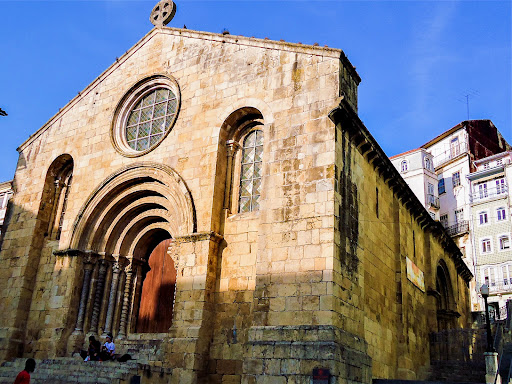
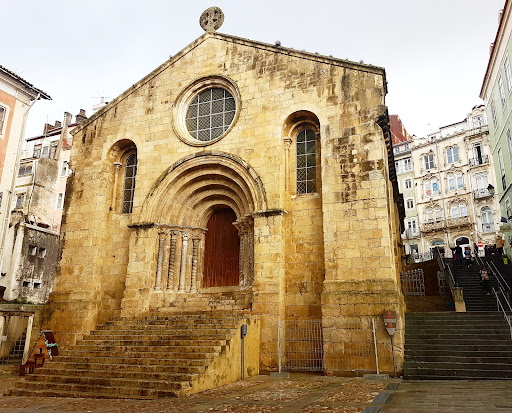
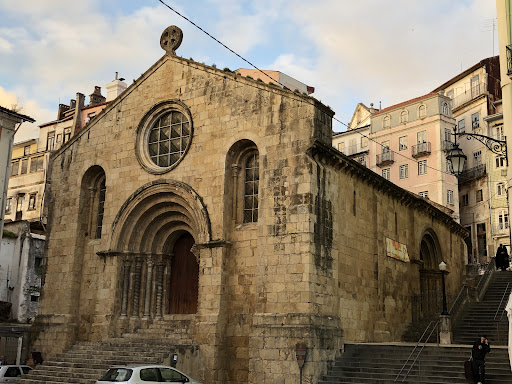
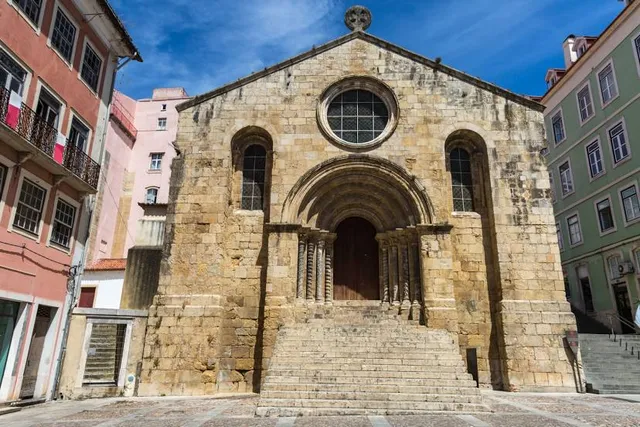
Igreja de Santiago is a church located at Praça do Comércio in São Bartolomeu parish, Coimbra, Portugal. Built between the late 12th and early 13th centuries, it is one of the great Romanesque monuments of the city, and is classified as a National Monument.
Cultural
Accessibility
attractions: Barbican Gate, Santa Cruz Church, Sé Velha - Coimbra, Salão Brazil, Torre de Anto, University of Coimbra, National Museum Machado de Castro, Arco de Almedina, Igreja de S. Bartolomeu, Tower of University of Coimbra, restaurants: Bresca Coimbra, Café Restaurante Nicola de Coimbra, Lda, Paço do Conde, Restaurante Tapas nas Costas, Restaurante Sete, Kaju - Brunch Restaurant, Café Santa Cruz, A Cozinha da Maria, Luca Restaurante, DOPPO Gelataria, local businesses: Palacio de las Escuelas, Torre, Centro de Arte Contemporânea de Coimbra, Biblioteca Joanina, Rua Direita, Estatua de D. Juan III, Estádio Universitário de Coimbra, Chemistry Laboratory, Convent of Christ, Museo del Agua
 Learn more insights from Wanderboat AI.
Plan your stay

Pet-friendly Hotels in Coimbra
Find a cozy hotel nearby and make it a full experience.

Affordable Hotels in Coimbra
Find a cozy hotel nearby and make it a full experience.

The Coolest Hotels You Haven't Heard Of (Yet)
Find a cozy hotel nearby and make it a full experience.

Trending Stays Worth the Hype in Coimbra
Find a cozy hotel nearby and make it a full experience.
Reviews
Live events

Candlelight: Coldplay vs. Imagine Dragons
Fri, Feb 13 • 7:30 PM
Rua Francisco de Lemos 43, Condeixa-a-Nova, 3150-142
View details
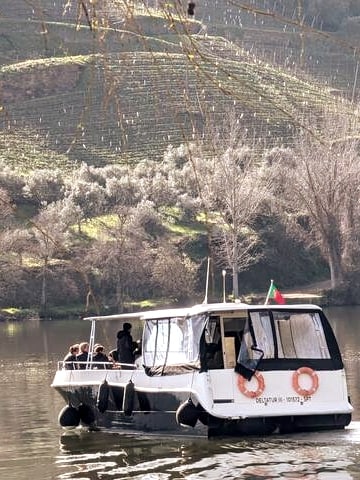
Royale Douro Valley Powered by Luxury Mercedes
Fri, Feb 13 • 9:30 AM
5050-280, Peso da Régua, Portugal
View details
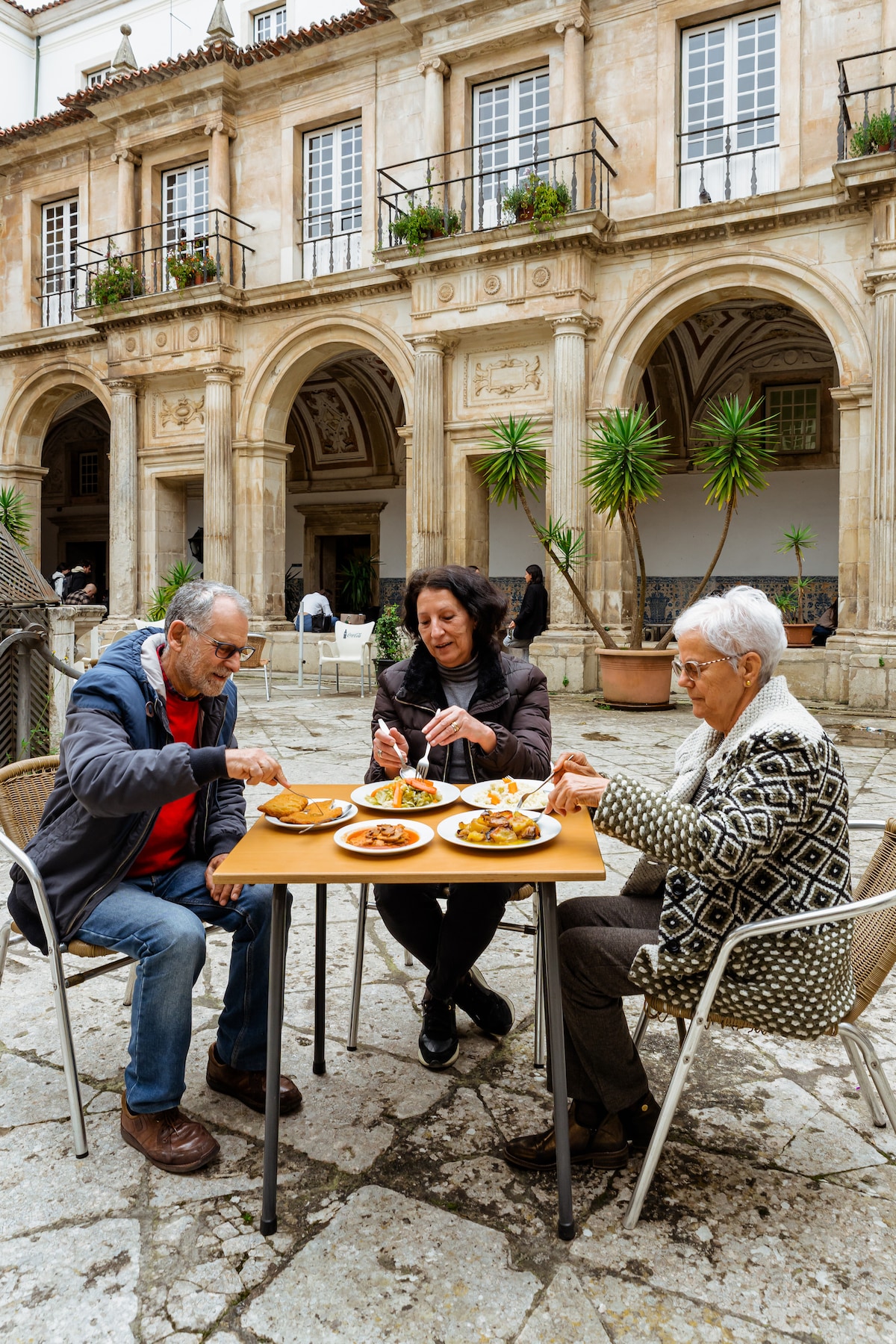
Coimbra Food and Wine Tasting Private Guided Walk
Fri, Feb 13 • 1:30 PM
3000-150, Coimbra, Portugal
View details
Nearby attractions of Igreja de São Tiago
Barbican Gate
Santa Cruz Church
Sé Velha - Coimbra
Salão Brazil
Torre de Anto
University of Coimbra
National Museum Machado de Castro
Arco de Almedina
Igreja de S. Bartolomeu
Tower of University of Coimbra
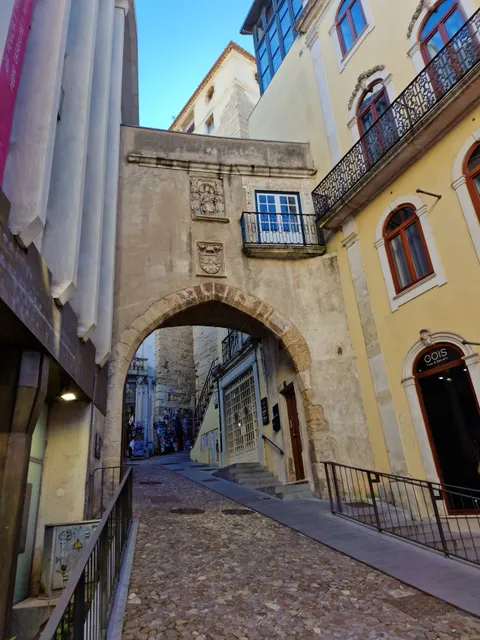
Barbican Gate
4.5
(1.1K)
Open until 12:00 AM
Click for details
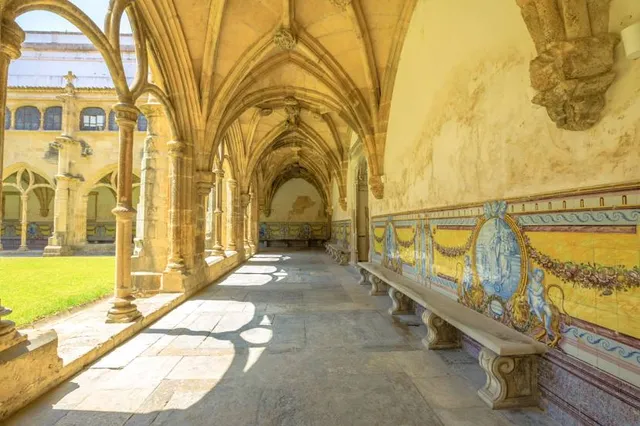
Santa Cruz Church
4.6
(2.8K)
Closed
Click for details
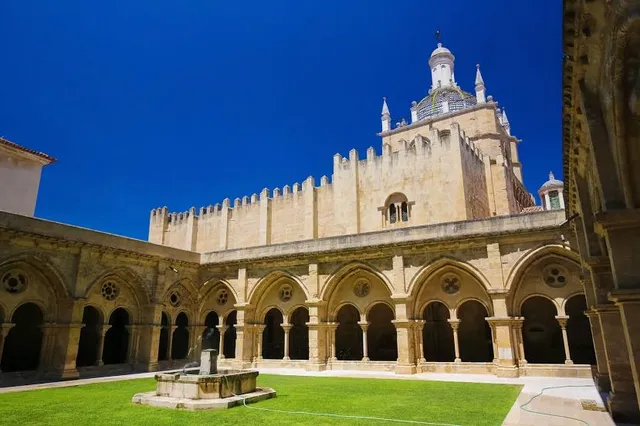
Sé Velha - Coimbra
4.5
(2.1K)
Closed
Click for details
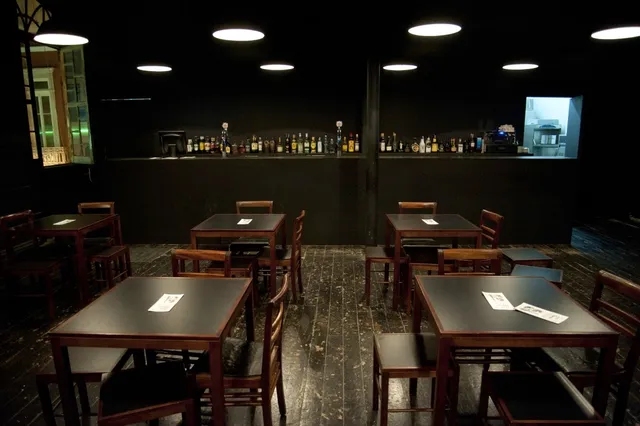
Salão Brazil
4.6
(302)
Open 24 hours
Click for details
Nearby restaurants of Igreja de São Tiago
Bresca Coimbra
Café Restaurante Nicola de Coimbra, Lda
Paço do Conde
Restaurante Tapas nas Costas
Restaurante Sete
Kaju - Brunch Restaurant
Café Santa Cruz
A Cozinha da Maria
Luca Restaurante
DOPPO Gelataria
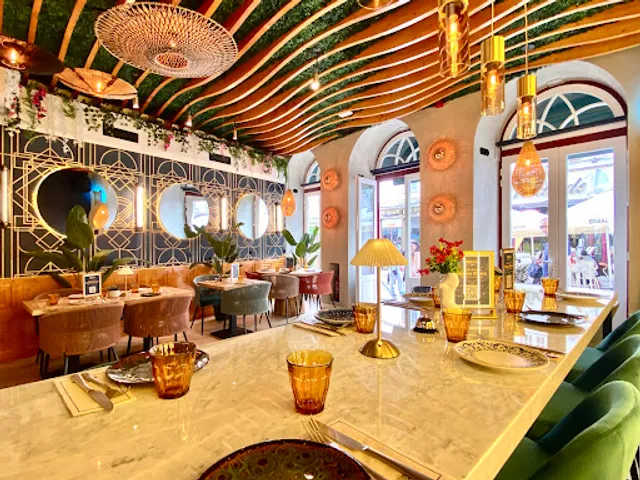
Bresca Coimbra
4.6
(625)
Open until 12:30 AM
Click for details
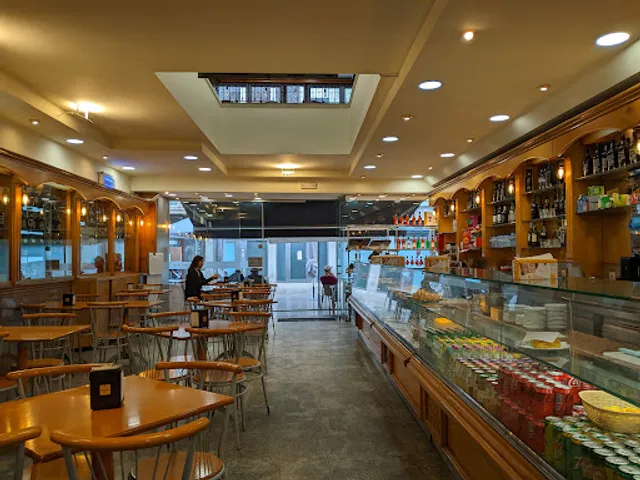
Café Restaurante Nicola de Coimbra, Lda
4.0
(572)
$$
Open until 10:00 PM
Click for details
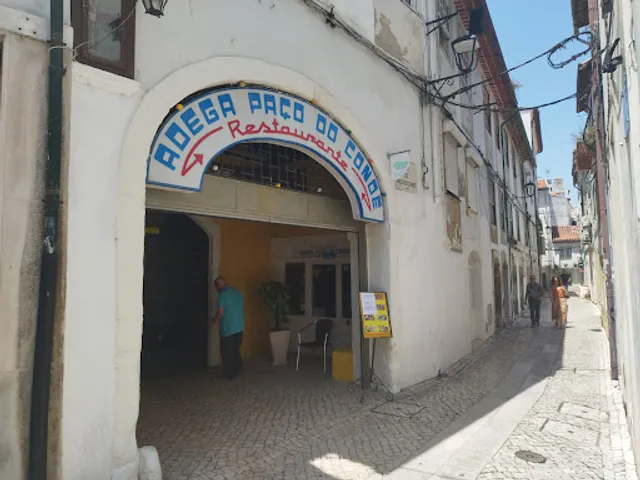
Paço do Conde
4.1
(870)
Open until 10:00 PM
Click for details
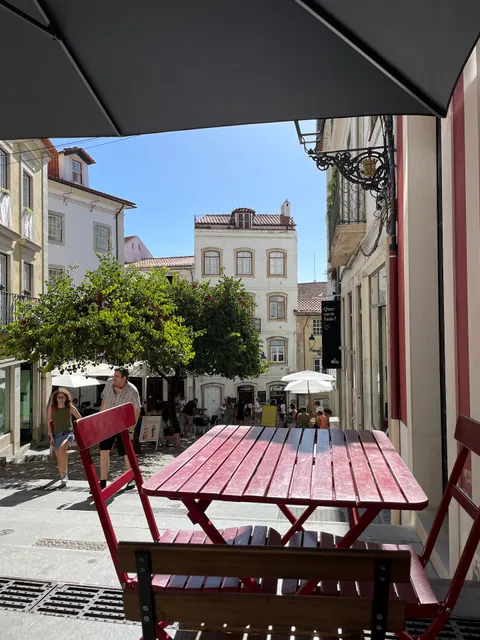
Restaurante Tapas nas Costas
4.5
(795)
$$
Open until 11:00 PM
Click for details
Nearby local services of Igreja de São Tiago
Palacio de las Escuelas
Torre
Centro de Arte Contemporânea de Coimbra
Biblioteca Joanina
Rua Direita
Estatua de D. Juan III
Estádio Universitário de Coimbra
Chemistry Laboratory
Convent of Christ
Museo del Agua
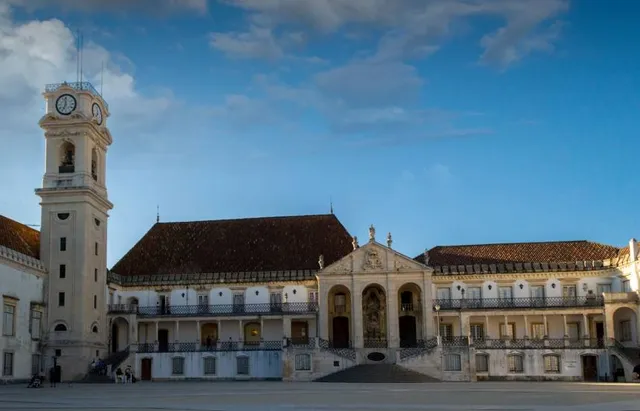
Palacio de las Escuelas
4.5
(6.7K)
Click for details
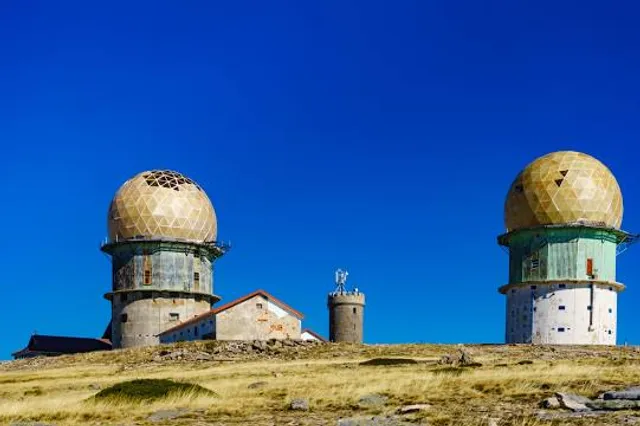
Torre
4.5
(685)
Click for details
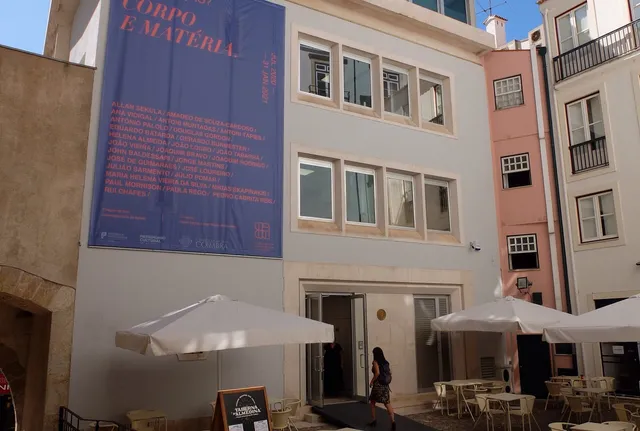
Centro de Arte Contemporânea de Coimbra
4.0
(20)
Click for details
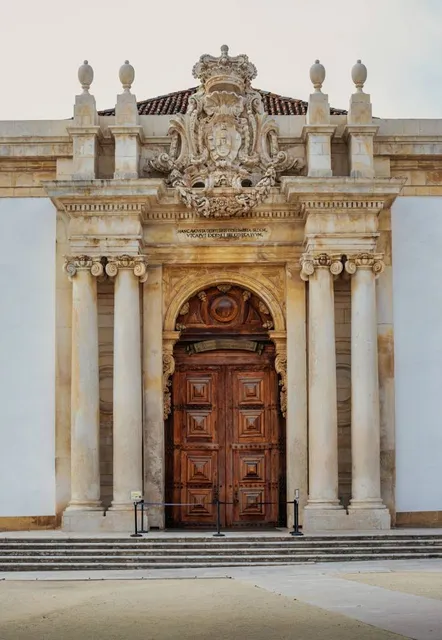
Biblioteca Joanina
3.7
(219)
Click for details