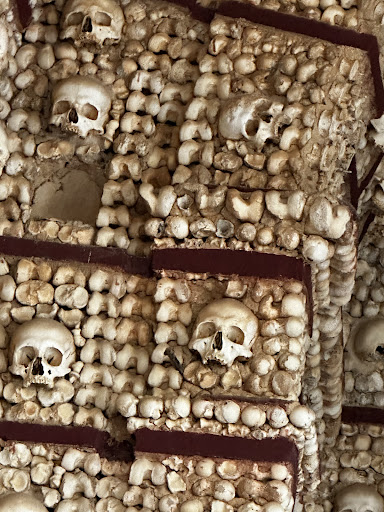
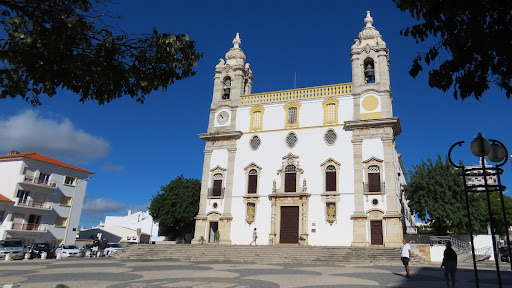
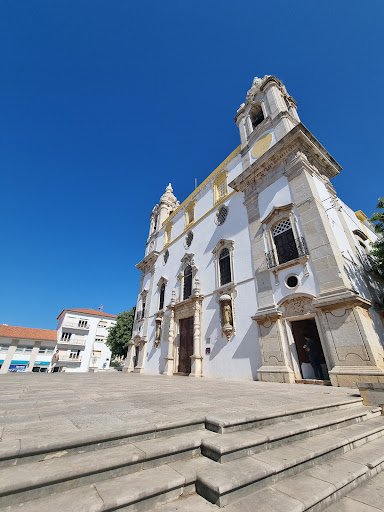
Igreja da Ordem Terceira de Nossa Senhora do Monte do Carmo things to do, attractions, restaurants, events info and trip planning
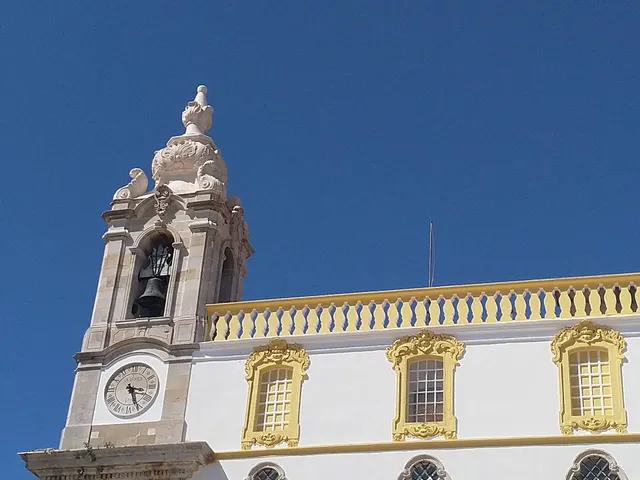
Basic Info
Igreja da Ordem Terceira de Nossa Senhora do Monte do Carmo
Largo do Carmo 21, 8000-148 Faro, Portugal
4.4(1.5K)
Open until 12:00 AM
Save
spot
spot
Ratings & Description
Info
Cultural
Scenic
Family friendly
Accessibility
attractions: Igreja de São Pedro, Teatro Lethes, Faro Marina, Museu Regional do Algarve, Faro Cathedral, Igreja da Misericórdia, Municipal Museum of Faro, Algarve Life Sciences Center, Arco do Repouso, Fado no Museu, restaurants: O Seu Café, O Alminhas, Maktostas, Tascaria Chafariz, A Venda, Vegan Box, Yokohama, Nepali Food faro, O Chaparro, Astor Café e Brunch, local businesses: Church of the Third Order of Our Lady of Monte do Carmo, Chapel of Bones of Faro, Faro Marina, Comur - Faro, Açaí+, Chelsea Gelataria, Welwitschia, Santa Maria Cathedral, O Terceiro Lugar, Retalhos de Portugal - Produtos Tradicionais
 Learn more insights from Wanderboat AI.
Phone
+351 289 824 490
Website
carmo.site44.com
Open hoursSee all hours
SunClosedOpen
Plan your stay

Pet-friendly Hotels in Faro
Find a cozy hotel nearby and make it a full experience.

Affordable Hotels in Faro
Find a cozy hotel nearby and make it a full experience.

The Coolest Hotels You Haven't Heard Of (Yet)
Find a cozy hotel nearby and make it a full experience.

Trending Stays Worth the Hype in Faro
Find a cozy hotel nearby and make it a full experience.
Reviews
Live events

Faro: The Anti Walking Tour Walking Tour
Sun, Feb 22 • 2:00 PM
8000, Faro, Portugal
View details
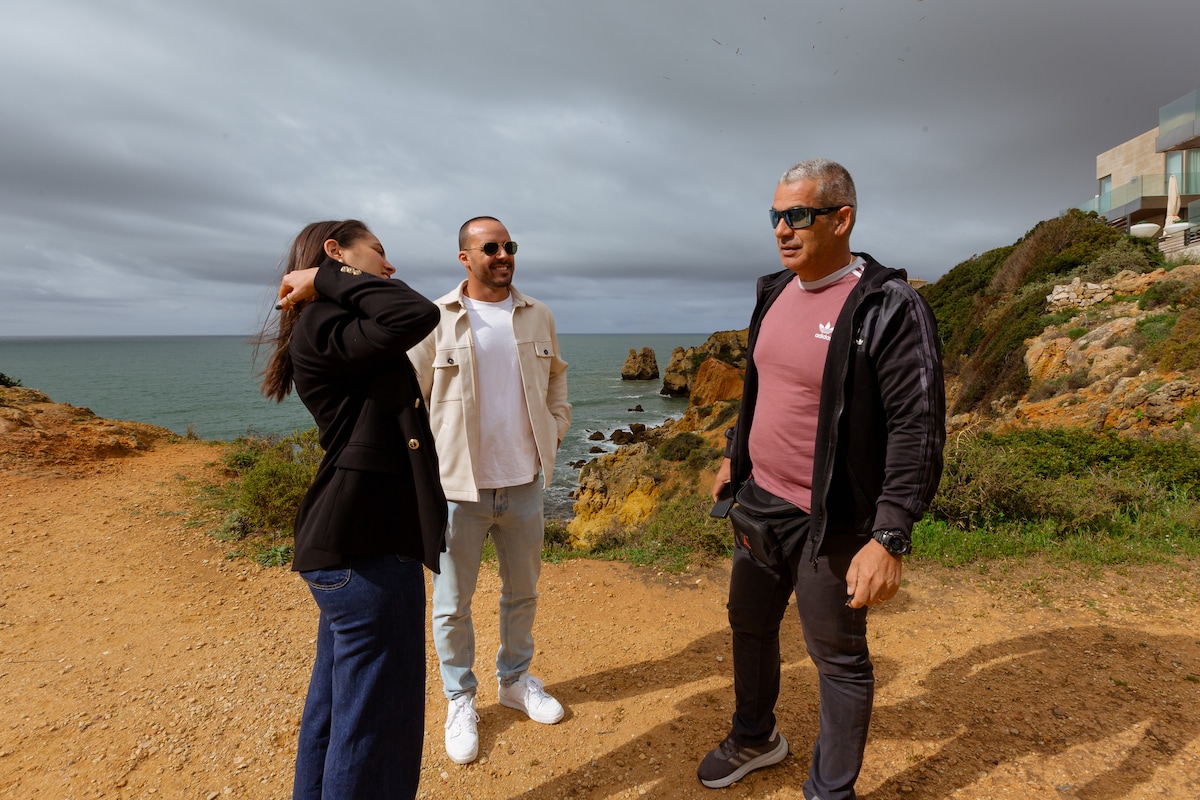
Uncover Albufeira
Sat, Feb 21 • 10:30 PM
8200, Albufeira, Portugal
View details
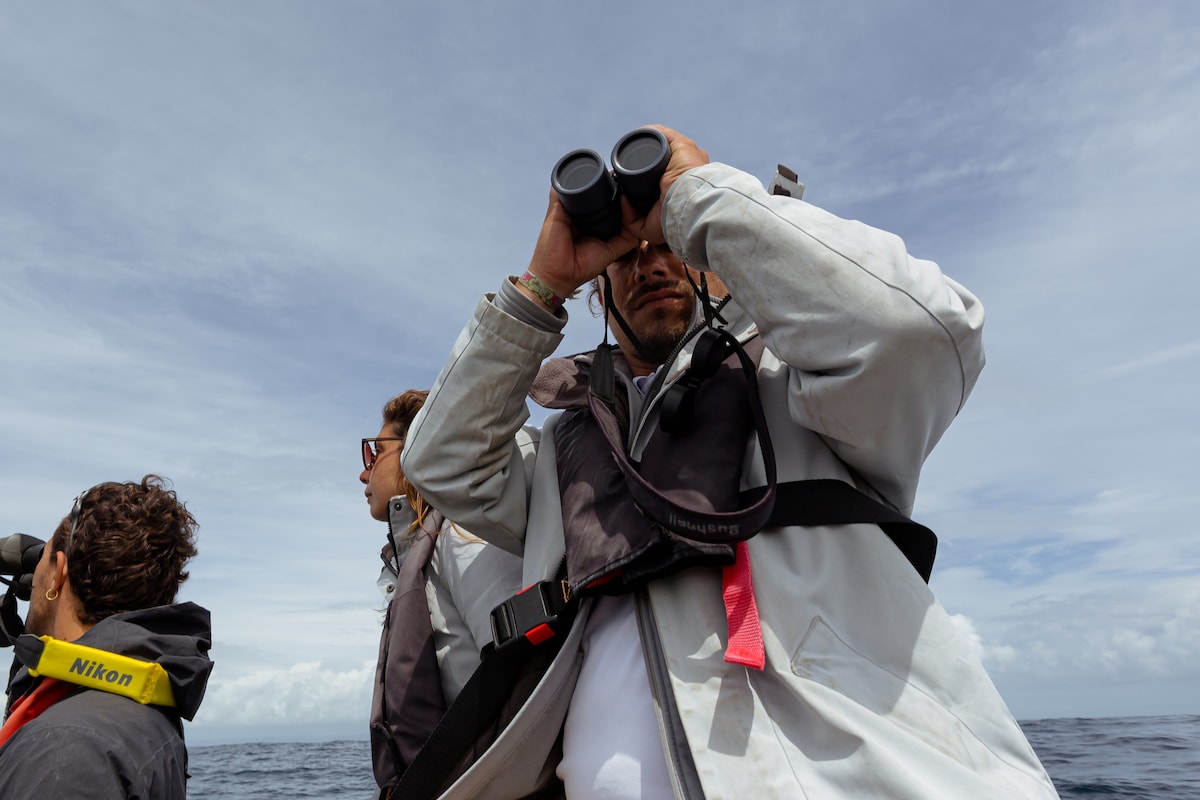
Meet dolphins and more with a marine biologist
Sun, Feb 22 • 8:30 AM
8001-901, Faro, Portugal
View details
Nearby attractions of Igreja da Ordem Terceira de Nossa Senhora do Monte do Carmo
Igreja de São Pedro
Teatro Lethes
Faro Marina
Museu Regional do Algarve
Faro Cathedral
Igreja da Misericórdia
Municipal Museum of Faro
Algarve Life Sciences Center
Arco do Repouso
Fado no Museu
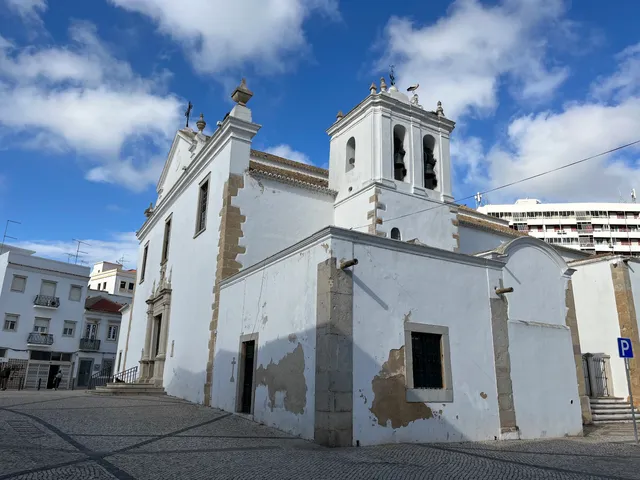
Igreja de São Pedro
4.6
(236)
Closed
Click for details
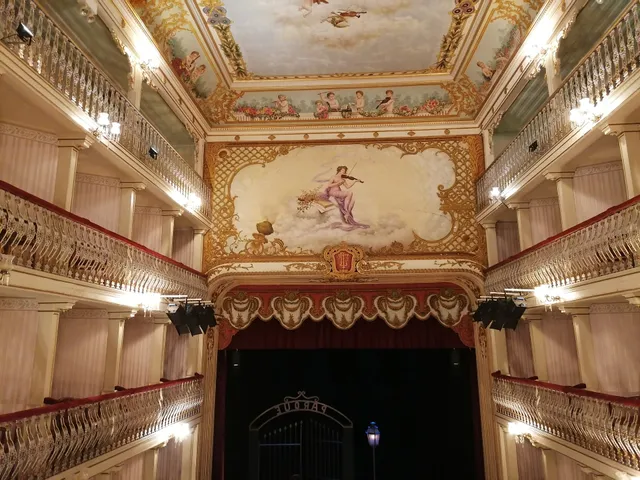
Teatro Lethes
4.7
(331)
Open 24 hours
Click for details
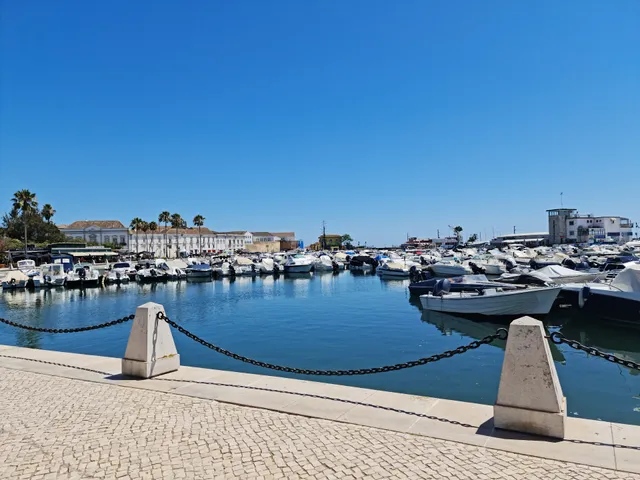
Faro Marina
4.4
(2.2K)
Open until 12:00 AM
Click for details
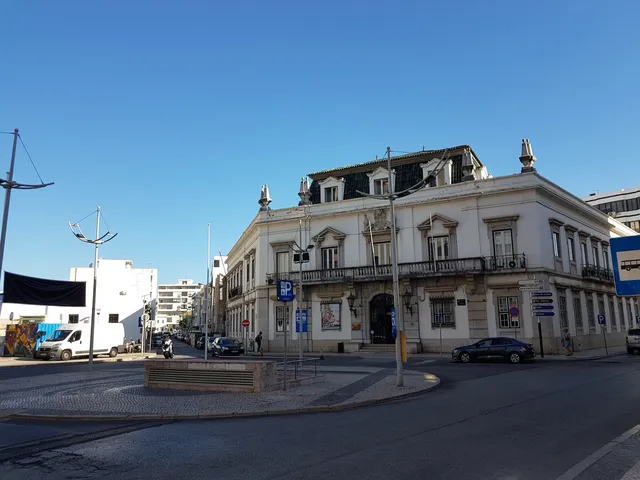
Museu Regional do Algarve
4.3
(246)
Open until 12:00 AM
Click for details
Nearby restaurants of Igreja da Ordem Terceira de Nossa Senhora do Monte do Carmo
O Seu Café
O Alminhas
Maktostas
Tascaria Chafariz
A Venda
Vegan Box
Yokohama
Nepali Food faro
O Chaparro
Astor Café e Brunch
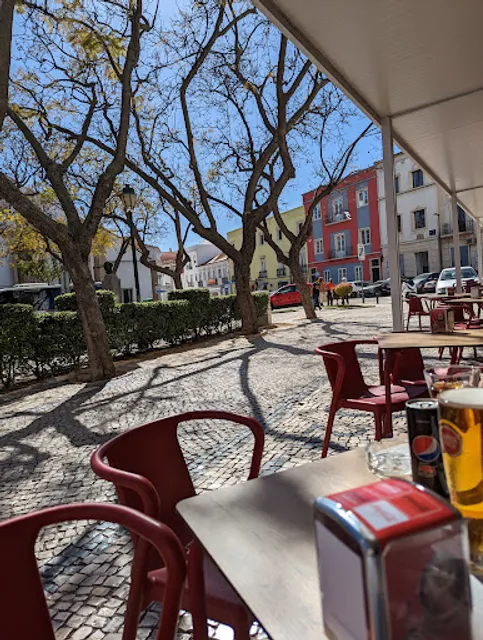
O Seu Café
3.7
(923)
Closed
Click for details
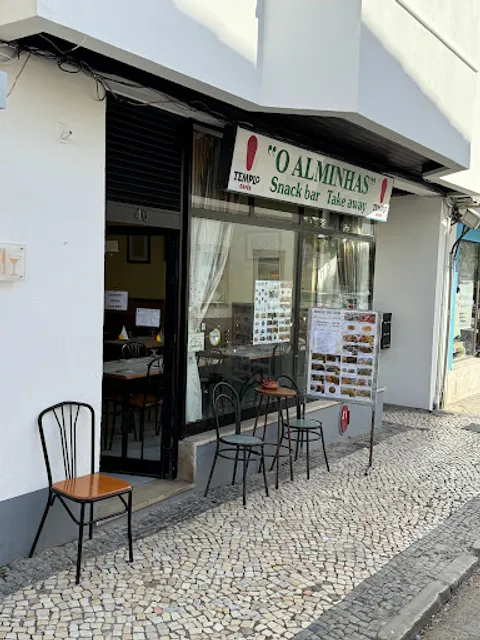
O Alminhas
4.5
(444)
Closed
Click for details
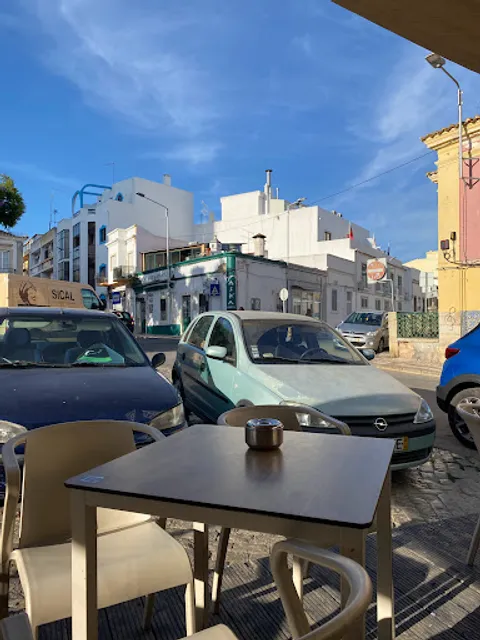
Maktostas
4.1
(602)
Open until 2:00 AM
Click for details
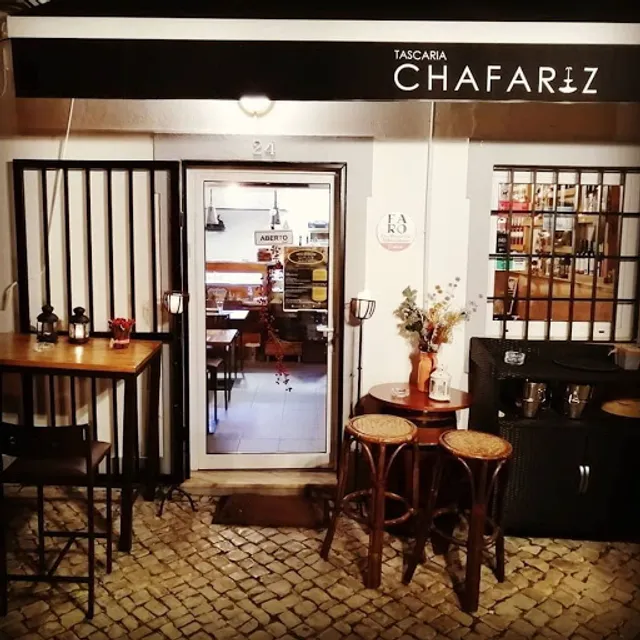
Tascaria Chafariz
4.6
(227)
$$
Click for details
Nearby local services of Igreja da Ordem Terceira de Nossa Senhora do Monte do Carmo
Church of the Third Order of Our Lady of Monte do Carmo
Chapel of Bones of Faro
Faro Marina
Comur - Faro
Açaí+
Chelsea Gelataria
Welwitschia
Santa Maria Cathedral
O Terceiro Lugar
Retalhos de Portugal - Produtos Tradicionais
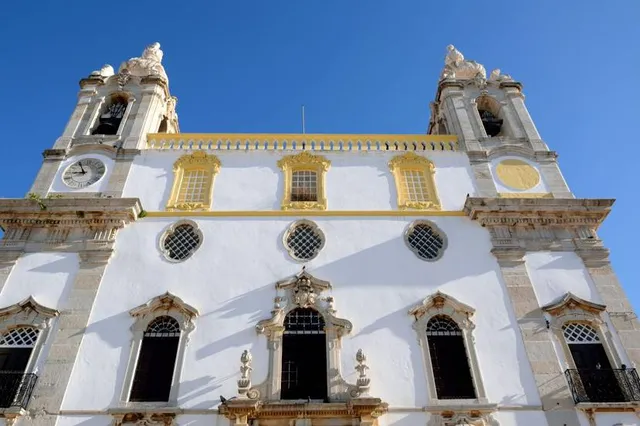
Church of the Third Order of Our Lady of Monte do Carmo
4.4
(1.1K)
Click for details
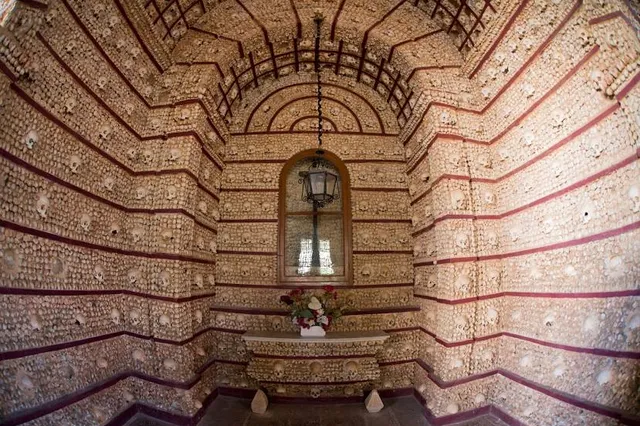
Chapel of Bones of Faro
4.3
(840)
Click for details
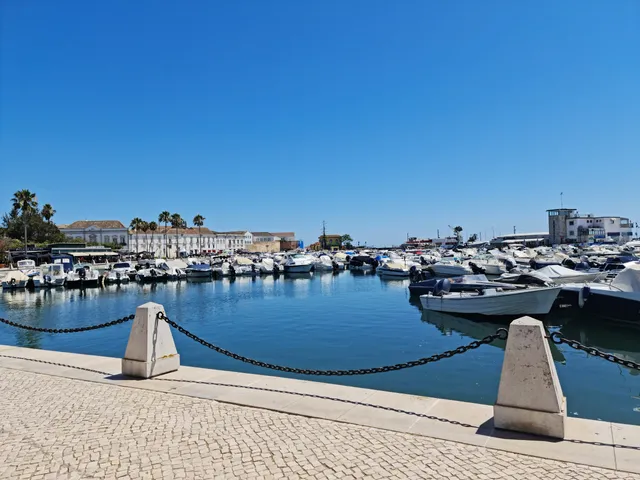
Faro Marina
4.4
(1.8K)
Click for details
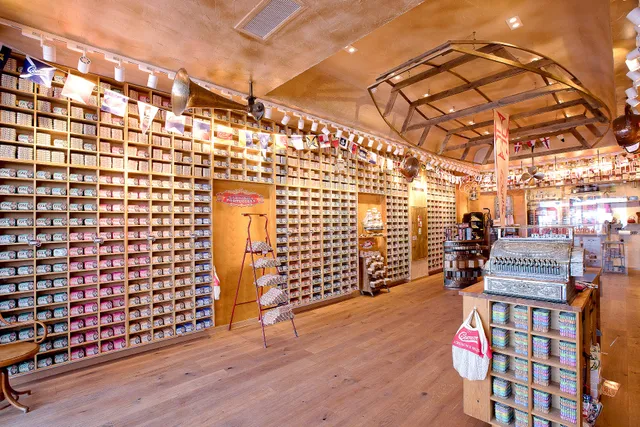
Comur - Faro
4.1
(59)
Click for details