MUDE things to do, attractions, restaurants, events info and trip planning
Basic Info
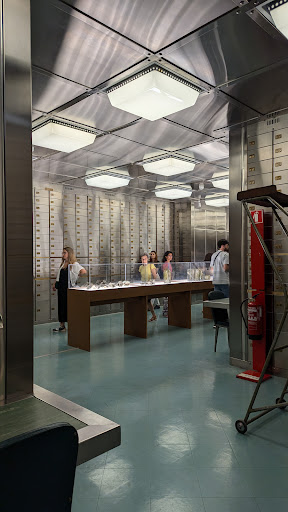
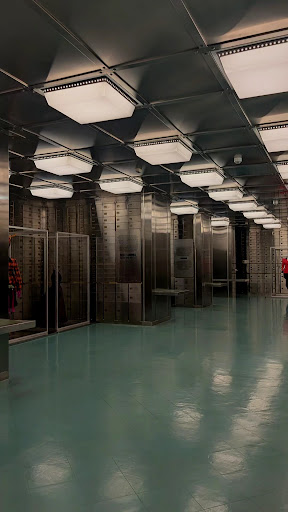
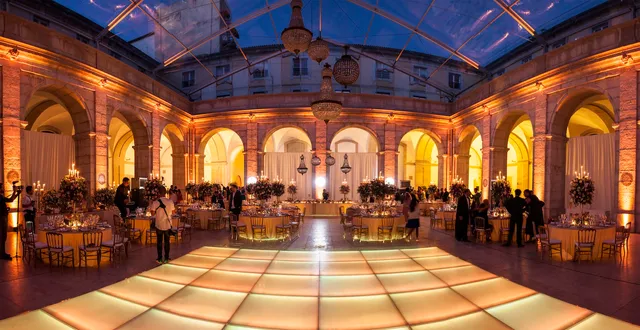
MUDE
R. Augusta 24, 1100-053 Lisboa, Portugal
3.8(381)
Closed
tickets
Save
spot
spot
Ratings & Description
Info
Cultural
Entertainment
Accessibility
Family friendly
attractions: Arco da Rua Augusta, Praça do Comércio, Lisboa Story Centre, Lisbon Cathedral, Santa Justa Lift, Cais das Colunas, Galerias Romanas da Rua da Prata, Equestrian Statue of King José I, Lisbon in Fado, Ask Me Lisboa | Praça do Comércio, restaurants: Pizzaria Tapas La Familia, da Prata 52, Nicolau Lisboa, Cotidiano, Uma Marisqueira II (R. do Comércio ), Pastelaria Néné, Fábrica Coffee Roasters, Hygge Kaffe Baixa, Yuki Ramen, O castico restaurant, local businesses: Núcleo Arqueológico da Rua dos Correeiros (Fundação Millennium bcp), R. Augusta, Armazéns do Chiado, Gale patio, Catacumbas romanas de Lisboa, Church of Saint Anthony of Lisbon, Lisbon City Hall, Tabacaria Continental Lda, Livraria Bertrand - Chiado, Lisbon Shop
 Learn more insights from Wanderboat AI.
Phone
+351 21 817 1892
Website
mude.pt
Open hoursSee all hours
Fri10 AM - 8 PMClosed
Plan your stay

Pet-friendly Hotels in Lisbon
Find a cozy hotel nearby and make it a full experience.

Affordable Hotels in Lisbon
Find a cozy hotel nearby and make it a full experience.

The Coolest Hotels You Haven't Heard Of (Yet)
Find a cozy hotel nearby and make it a full experience.

Trending Stays Worth the Hype in Lisbon
Find a cozy hotel nearby and make it a full experience.
Reviews
Live events
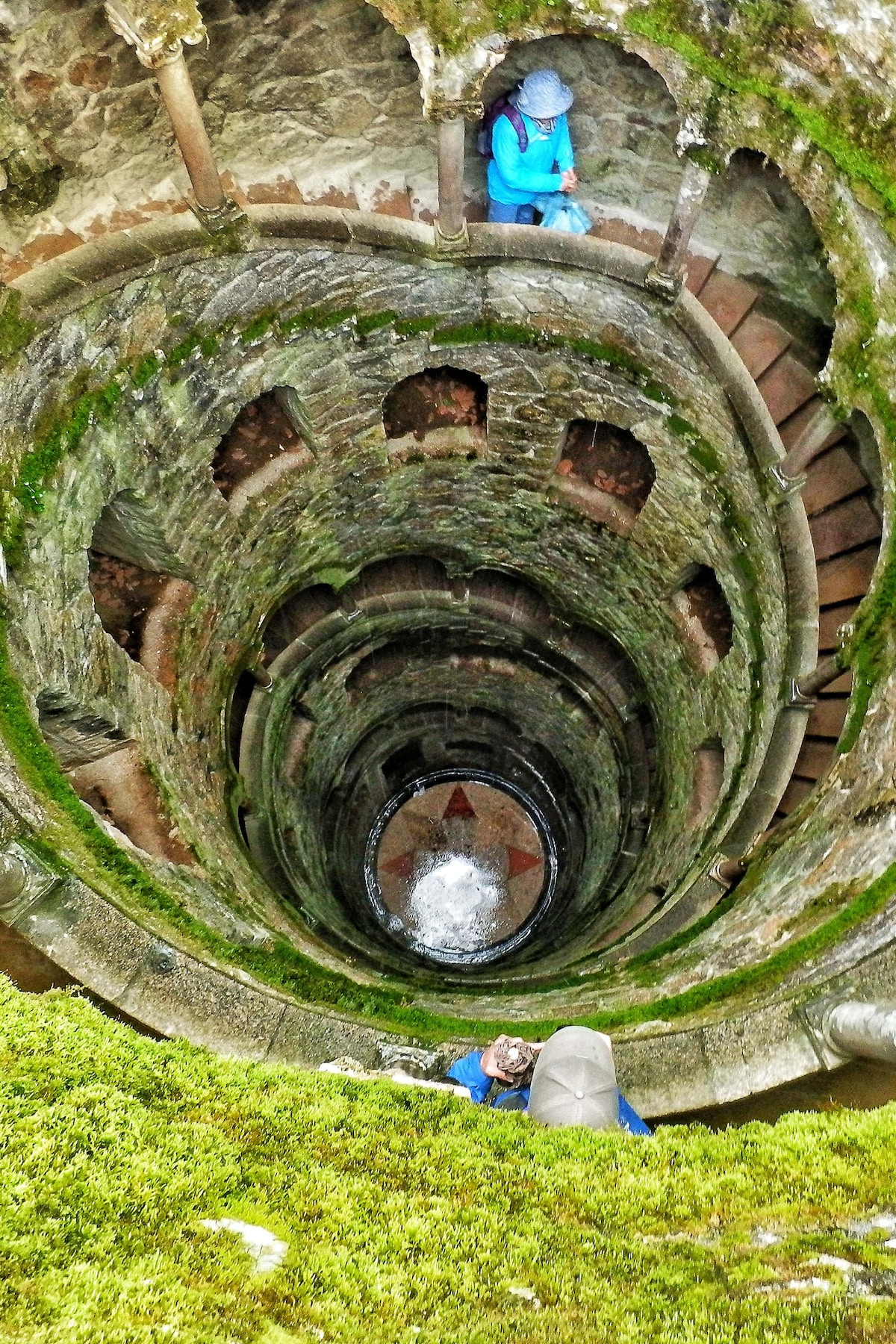
Sintra Tour from Lisbon - The True Experience
Sat, Feb 28 • 8:30 AM
1249-970, Lisbon, Portugal
View details

Bake Pastel de Nata in a real bakery in Lisbon
Sat, Feb 28 • 10:00 AM
1100-581, Lisbon, Portugal
View details
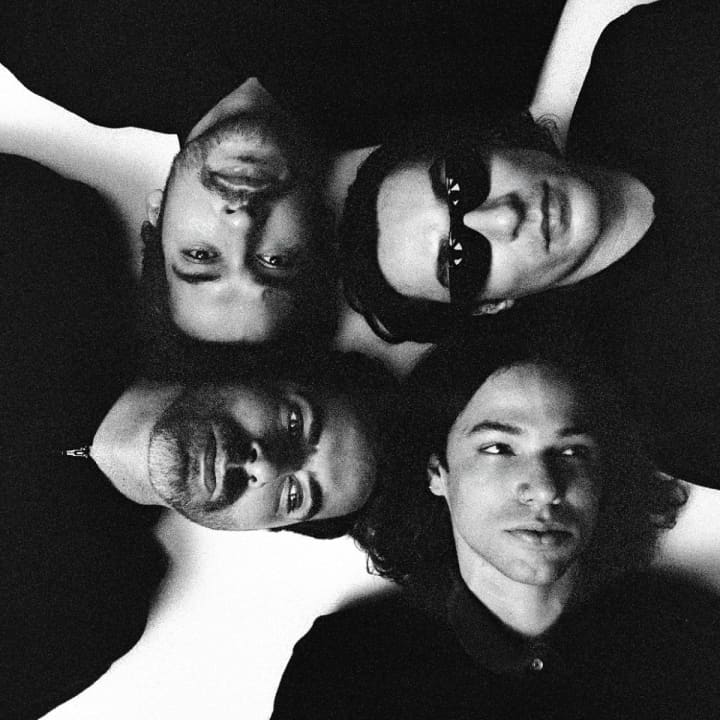
Terno Rei no LAV2, Lisbon 2026
Sat, Feb 28 • 8:00 PM
Av. Mar. Gomes da Costa 29 B1, 1800-255
View details
Nearby attractions of MUDE
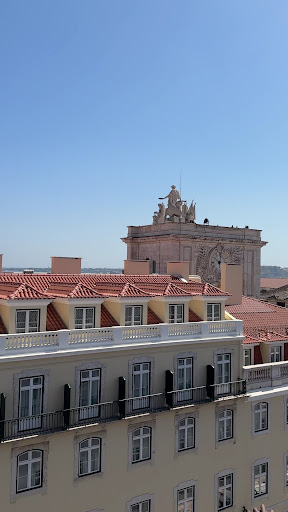
Arco da Rua Augusta
Praça do Comércio
Lisboa Story Centre
Lisbon Cathedral
Santa Justa Lift
Cais das Colunas
Galerias Romanas da Rua da Prata
Equestrian Statue of King José I
Lisbon in Fado
Ask Me Lisboa | Praça do Comércio

Arco da Rua Augusta
4.7
(9.8K)
Closed
Click for details
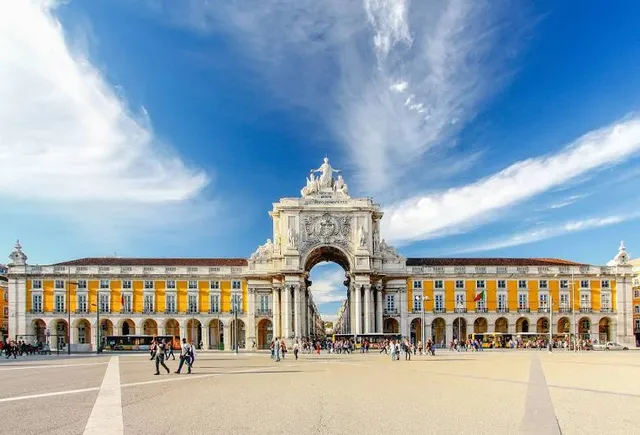
Praça do Comércio
4.7
(42.3K)
Open until 12:00 AM
Click for details
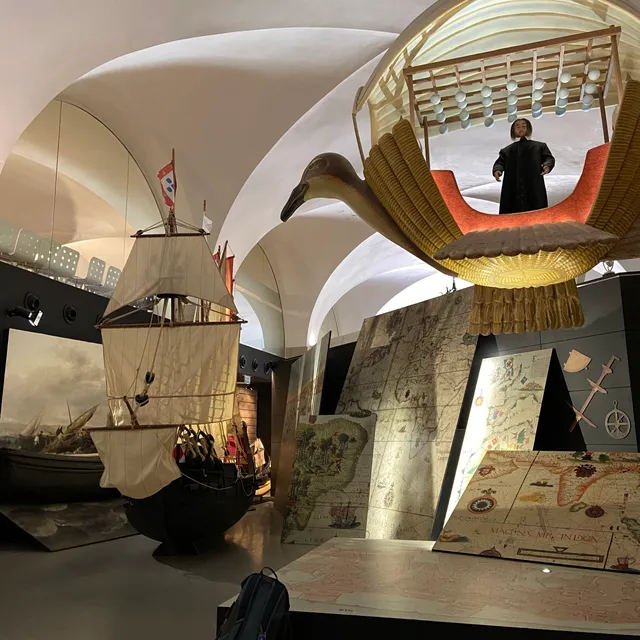
Lisboa Story Centre
4.3
(1.5K)
Closed
Click for details
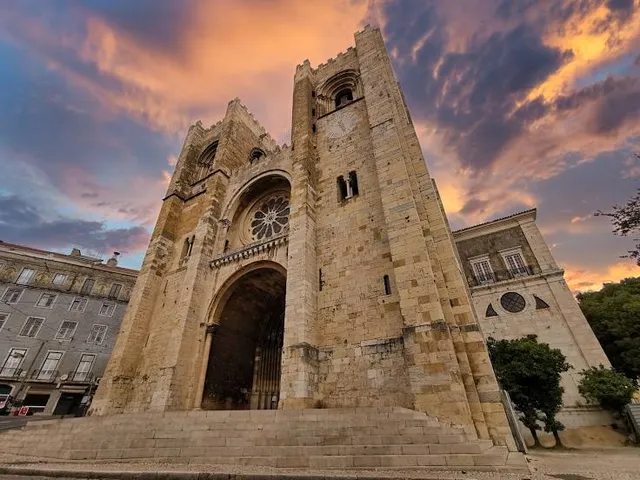
Lisbon Cathedral
4.4
(12.5K)
Closed
Click for details
Nearby restaurants of MUDE
Pizzaria Tapas La Familia
da Prata 52
Nicolau Lisboa
Cotidiano
Uma Marisqueira II (R. do Comércio )
Pastelaria Néné
Fábrica Coffee Roasters
Hygge Kaffe Baixa
Yuki Ramen
O castico restaurant
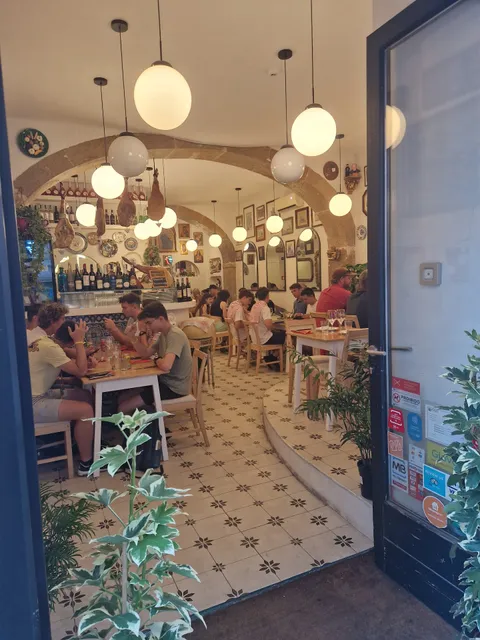
Pizzaria Tapas La Familia
4.7
(2K)
Closed
Click for details
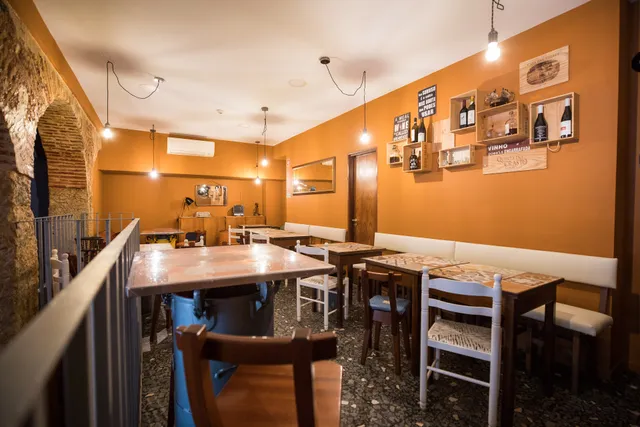
da Prata 52
4.7
(1.4K)
$$
Closed
Click for details
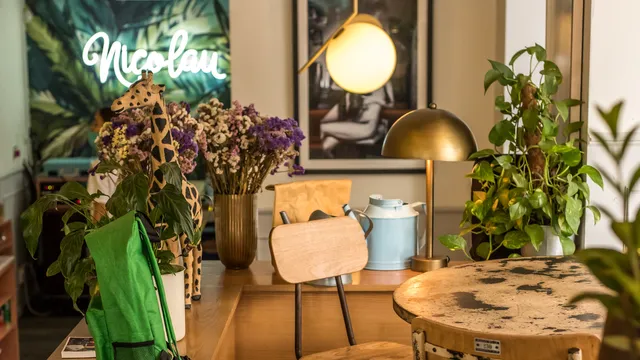
Nicolau Lisboa
4.5
(4K)
Closed
Click for details
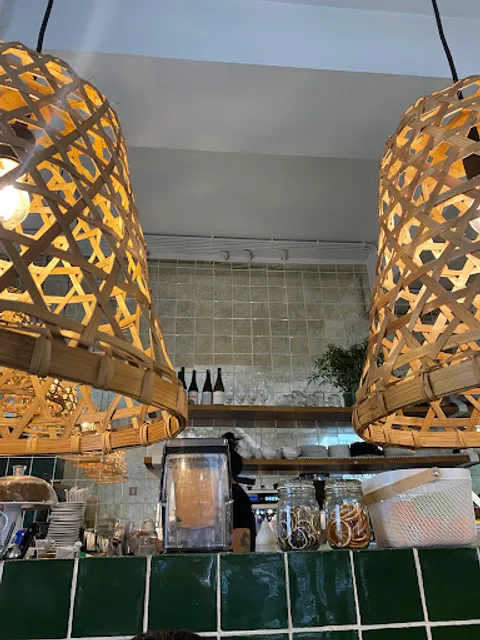
Cotidiano
4.8
(537)
Closed
Click for details
Nearby local services of MUDE
Núcleo Arqueológico da Rua dos Correeiros (Fundação Millennium bcp)
R. Augusta
Armazéns do Chiado
Gale patio
Catacumbas romanas de Lisboa
Church of Saint Anthony of Lisbon
Lisbon City Hall
Tabacaria Continental Lda
Livraria Bertrand - Chiado
Lisbon Shop
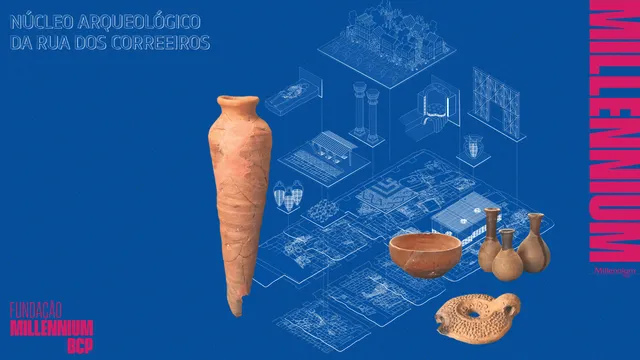
Núcleo Arqueológico da Rua dos Correeiros (Fundação Millennium bcp)
4.5
(436)
Click for details
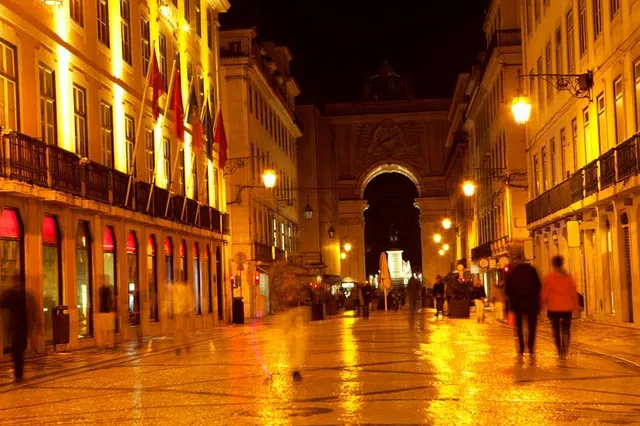
R. Augusta
4.6
(563)
Click for details
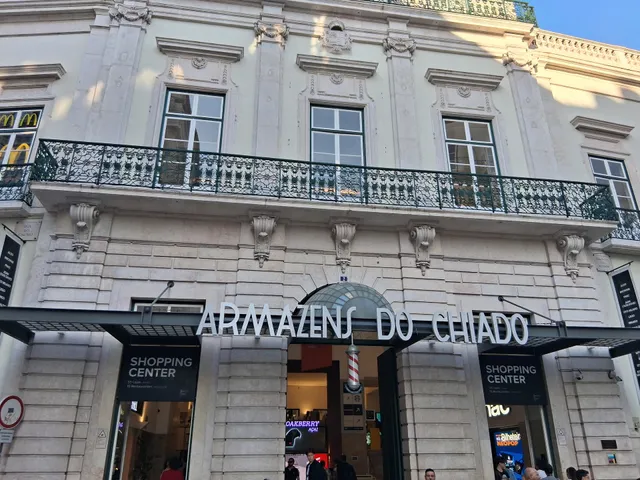
Armazéns do Chiado
4.4
(3.3K)
Click for details
Gale patio
4.4
(312)
Click for details