Lisbon Cathedral things to do, attractions, restaurants, events info and trip planning
Basic Info
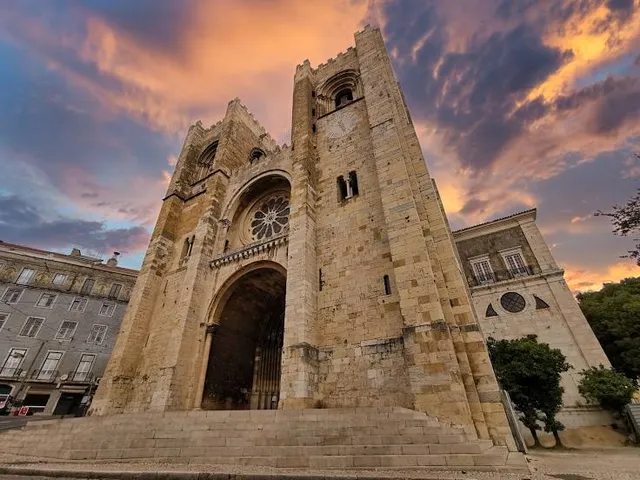
Lisbon Cathedral
Largo da Sé 1, 1100-585 Lisboa, Portugal
4.4(12.3K)
Closed


tickets
Save
spot
spot
Ratings & Description
Info
The Cathedral of Saint Mary Major, often called Lisbon Cathedral or simply the Sé, is a Roman Catholic cathedral located in Lisbon, Portugal. The oldest church in the city, it is the seat of the Patriarchate of Lisbon.
Cultural
Accessibility
attractions: Museum Aljube Resistência e Liberdade, Casa dos Bicos / José Saramago Foundation, Museu de Lisboa - Teatro Romano, Miradouro de Santa Luzia, Praça do Comércio, Arco da Rua Augusta, Castelo de S. Jorge, Museum of Saint Anthony, Church Nossa Senhora da Conceição Velha, Church of Saint Mary Magdalene, restaurants: Lisboa Tu e Eu 2, Breakfast Lovers Alfama, Solar dos Bicos, Cais na Preguiça, Adega do Atum, Fado ao Carmo - Alfama, The Folks Blue Street - Specialty Coffee, Breakfast & Brunch, Bueno y Guapo, Dear Breakfast - Alfama, Discreto, local businesses: Church of Saint Anthony of Lisbon, Teatro Romano de Lisboa, Sé, Terreiro do Paço, Sé, Núcleo Arqueológico da Rua dos Correeiros (Fundação Millennium bcp), Ginjinha da Sé, Elevador da Baixa, R. Augusta, Terreiro do Paço
 Learn more insights from Wanderboat AI.
Phone
+351 21 886 6752
Website
sedelisboa.pt
Open hoursSee all hours
Tue10 AM - 6 PMClosed
Plan your stay

Pet-friendly Hotels in Lisbon
Find a cozy hotel nearby and make it a full experience.

Affordable Hotels in Lisbon
Find a cozy hotel nearby and make it a full experience.

The Coolest Hotels You Haven't Heard Of (Yet)
Find a cozy hotel nearby and make it a full experience.

Trending Stays Worth the Hype in Lisbon
Find a cozy hotel nearby and make it a full experience.
Reviews
Live events

Splash&Spa
Tue, Feb 24 • 10:00 AM
Rua das Palmeiras, Lote 5 - Quinta da Marinha, 2750-005
View details
Horizonte de Quéops: Viagem ao Antigo Egito
Thu, Feb 26 • 12:00 PM
Terreiro do Paço, Lisboa, 1100-278
View details
Museu das Ilusões - Lisboa
Tue, Feb 24 • 10:00 AM
R. Ivens 62, Lisboa, 1200-227
View details
Nearby attractions of Lisbon Cathedral
Museum Aljube Resistência e Liberdade
Casa dos Bicos / José Saramago Foundation
Museu de Lisboa - Teatro Romano
Miradouro de Santa Luzia
Praça do Comércio
Arco da Rua Augusta
Castelo de S. Jorge
Museum of Saint Anthony
Church Nossa Senhora da Conceição Velha
Church of Saint Mary Magdalene
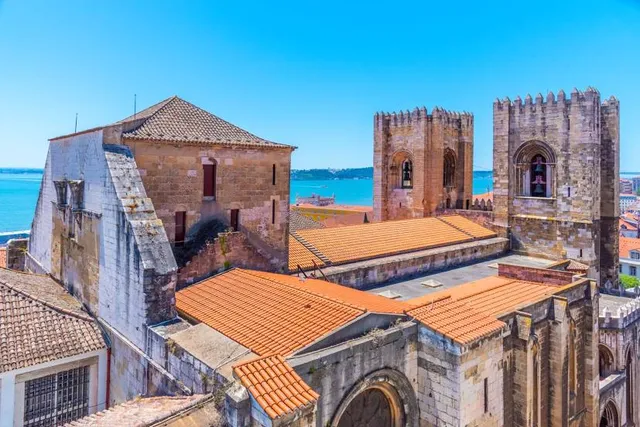
Museum Aljube Resistência e Liberdade
4.7
(774)
Open until 12:00 AM
Click for details
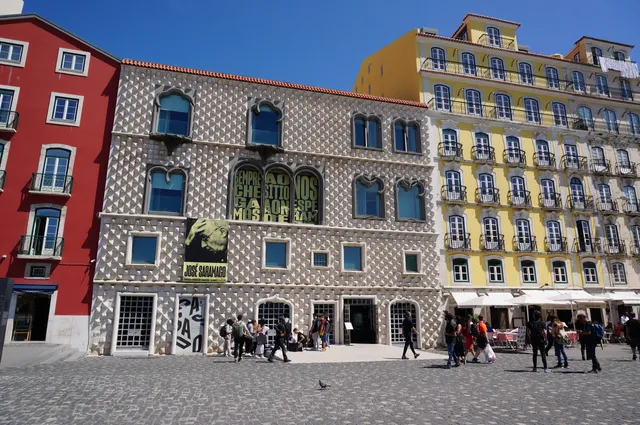
Casa dos Bicos / José Saramago Foundation
4.4
(888)
Closed
Click for details

Museu de Lisboa - Teatro Romano
4.4
(543)
Open until 12:00 AM
Click for details
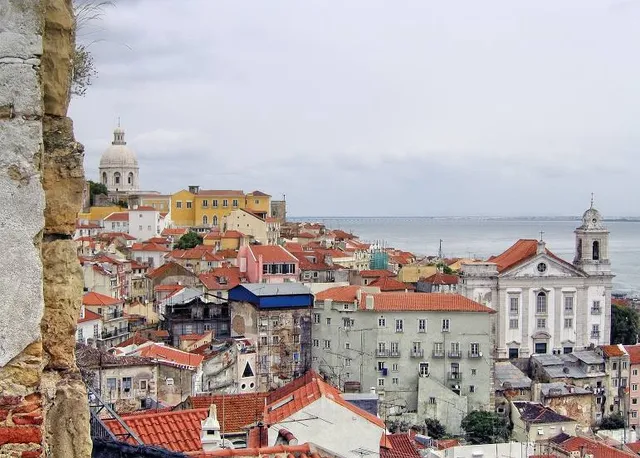
Miradouro de Santa Luzia
4.7
(14.3K)
Open until 12:00 AM
Click for details
Nearby restaurants of Lisbon Cathedral
Lisboa Tu e Eu 2
Breakfast Lovers Alfama
Solar dos Bicos
Cais na Preguiça
Adega do Atum
Fado ao Carmo - Alfama
The Folks Blue Street - Specialty Coffee, Breakfast & Brunch
Bueno y Guapo
Dear Breakfast - Alfama
Discreto
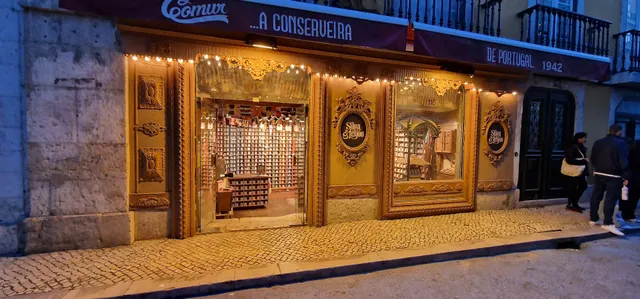
Lisboa Tu e Eu 2
4.6
(2.3K)
Closed
Click for details
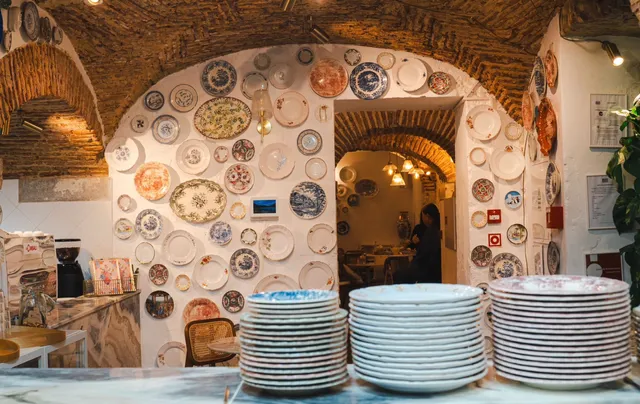
Breakfast Lovers Alfama
4.9
(2.3K)
Closed
Click for details
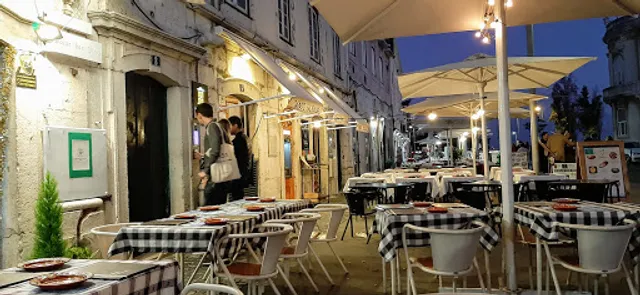
Solar dos Bicos
4.6
(2.8K)
$$
Closed
Click for details
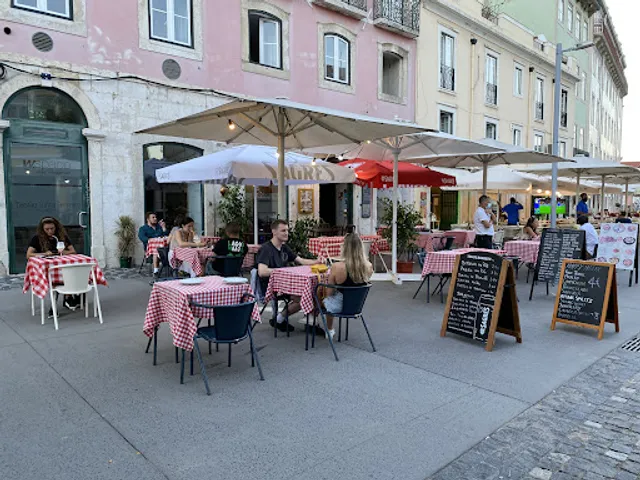
Cais na Preguiça
4.7
(1.8K)
$$
Closed
Click for details
Nearby local services of Lisbon Cathedral
Church of Saint Anthony of Lisbon
Teatro Romano de Lisboa
Sé
Terreiro do Paço
Sé
Núcleo Arqueológico da Rua dos Correeiros (Fundação Millennium bcp)
Ginjinha da Sé
Elevador da Baixa
R. Augusta
Terreiro do Paço
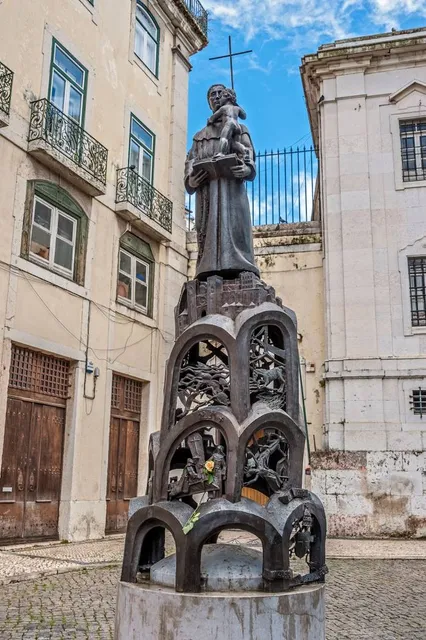
Church of Saint Anthony of Lisbon
4.7
(1.6K)
Click for details
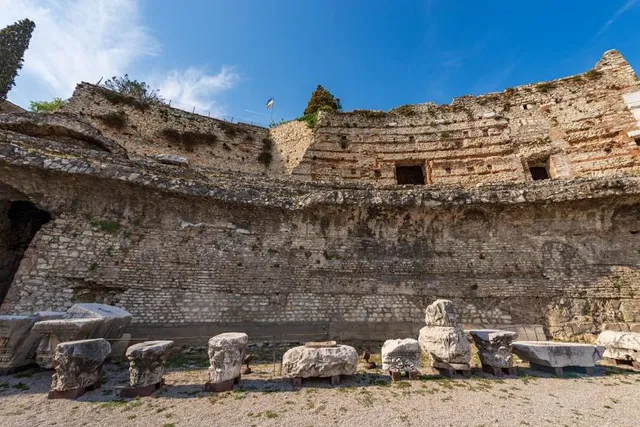
Teatro Romano de Lisboa
4.4
(456)
Click for details
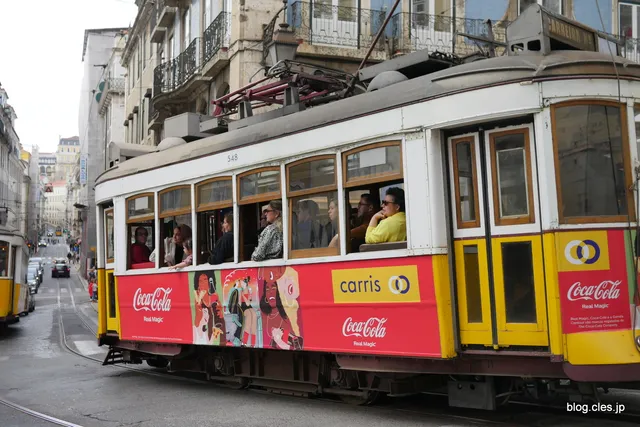
Sé
4.6
(25)
Click for details
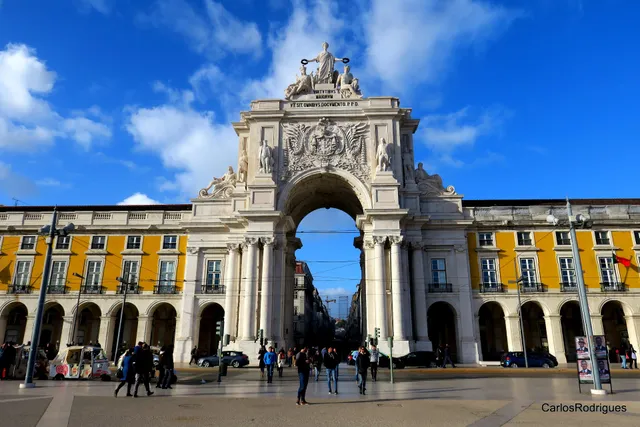
Terreiro do Paço
4.5
(200)
Click for details