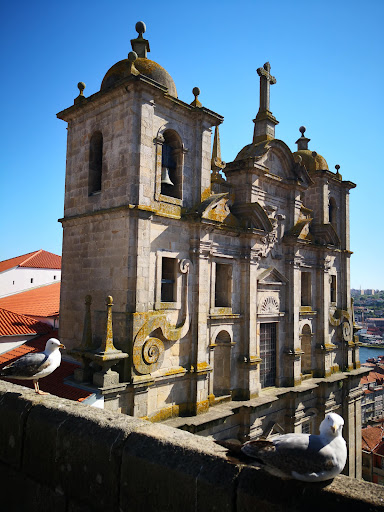
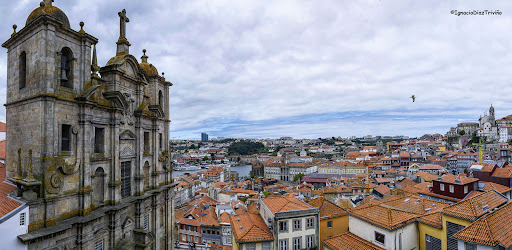
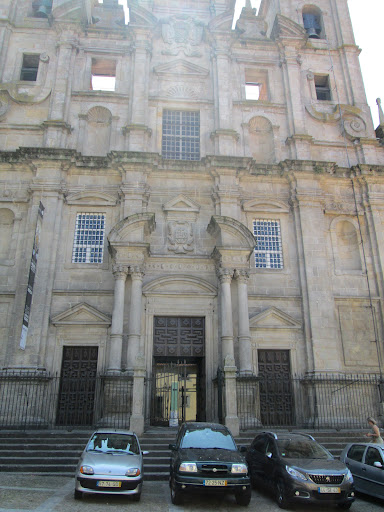
Saint Lawrence Church things to do, attractions, restaurants, events info and trip planning
Basic Info
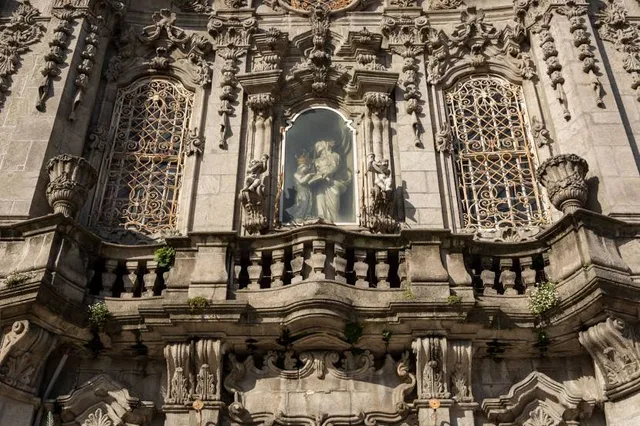
Saint Lawrence Church
Largo do Colégio, 4050-028 Porto, Portugal
4.4(135)
Closed
Save
spot
spot
Ratings & Description
Info
Cultural
Family friendly
Accessibility
attractions: Porto Cathedral, Luís I Bridge, Episcopal Palace of Porto, Bolsa Palace, Fado na Baixa, Porto Tourism Office - Sé, Pillory of Porto, Mercado Ferreira Borges, Church of Saint Francis, Miradouro da Vitória, restaurants: The Wine Box, Taberna Dos Mercadores, Sagardi Porto, Ribeira Square, Casa da Mariquinhas - Fado Porto Est. 1968, Porto Á Noite, Local Food Experience, Prégar Baixa, Chez Lapin, Postigo do Carvão, local businesses: Paço Episcopal do Porto - Episcopal Palace, Pomar Macedo, Convento dos Grilos, MASA - Museu de Arte Sacra e Arqueologia, Igreja da Misericórdia, Porto Museum—Casa do Infante, João Pedro Andrade Jewelry, R. da Fonte Taurina 59, Funicular dos Guindais, Lado Wines Ribeira - Porto & Douro Wine Bar & Tastings by AVEPOD
 Learn more insights from Wanderboat AI.
Phone
+351 22 339 5020
Open hoursSee all hours
Sat10 AM - 12:30 PM, 1:30 - 6 PMClosed
Plan your stay

Pet-friendly Hotels in Vila Nova de Gaia
Find a cozy hotel nearby and make it a full experience.

Affordable Hotels in Vila Nova de Gaia
Find a cozy hotel nearby and make it a full experience.

The Coolest Hotels You Haven't Heard Of (Yet)
Find a cozy hotel nearby and make it a full experience.

Trending Stays Worth the Hype in Vila Nova de Gaia
Find a cozy hotel nearby and make it a full experience.
Reviews
Live events
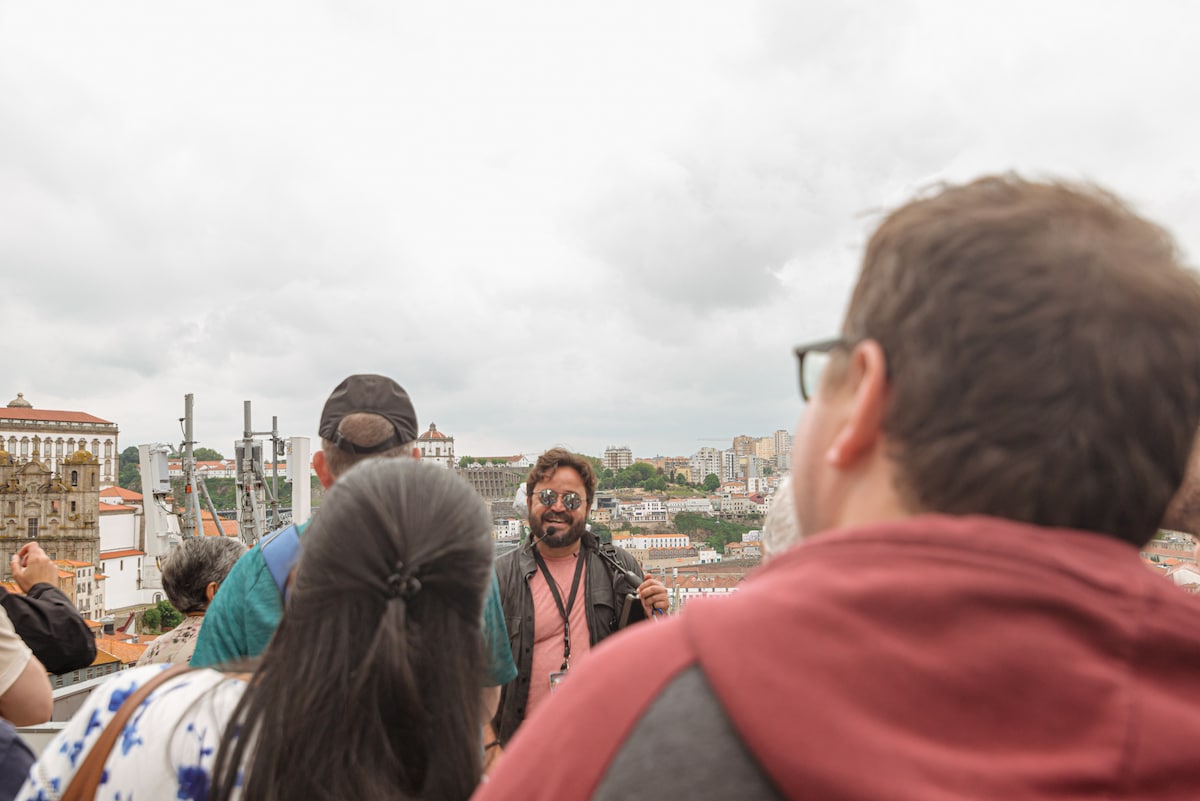
Uncover Portos history with a local guide
Sat, Feb 28 • 10:00 AM
4050-161, Porto, Portugal
View details
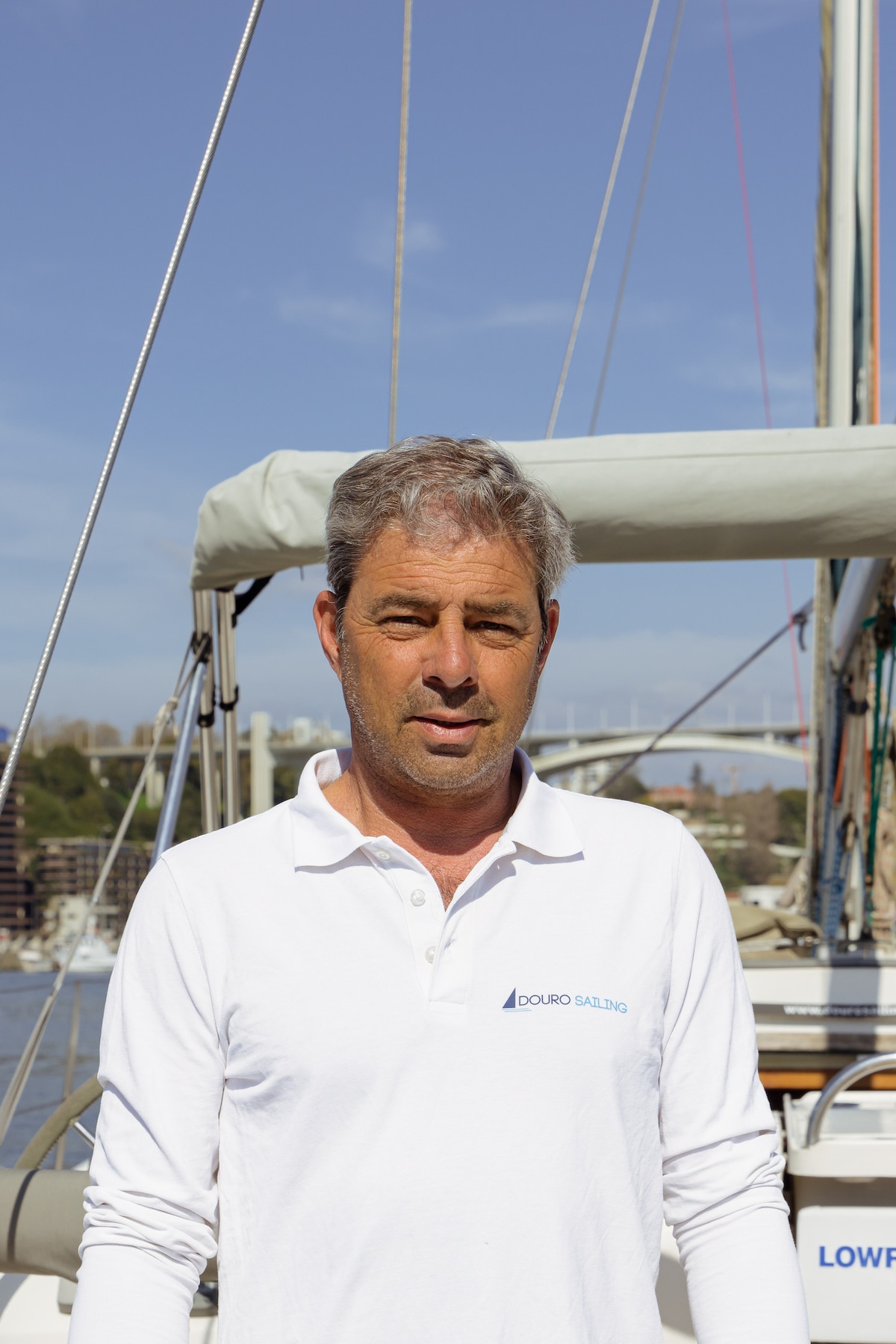
Douro sailing experience & wine tasting
Sat, Feb 28 • 11:00 AM
4400-354, Vila Nova de Gaia, Portugal
View details
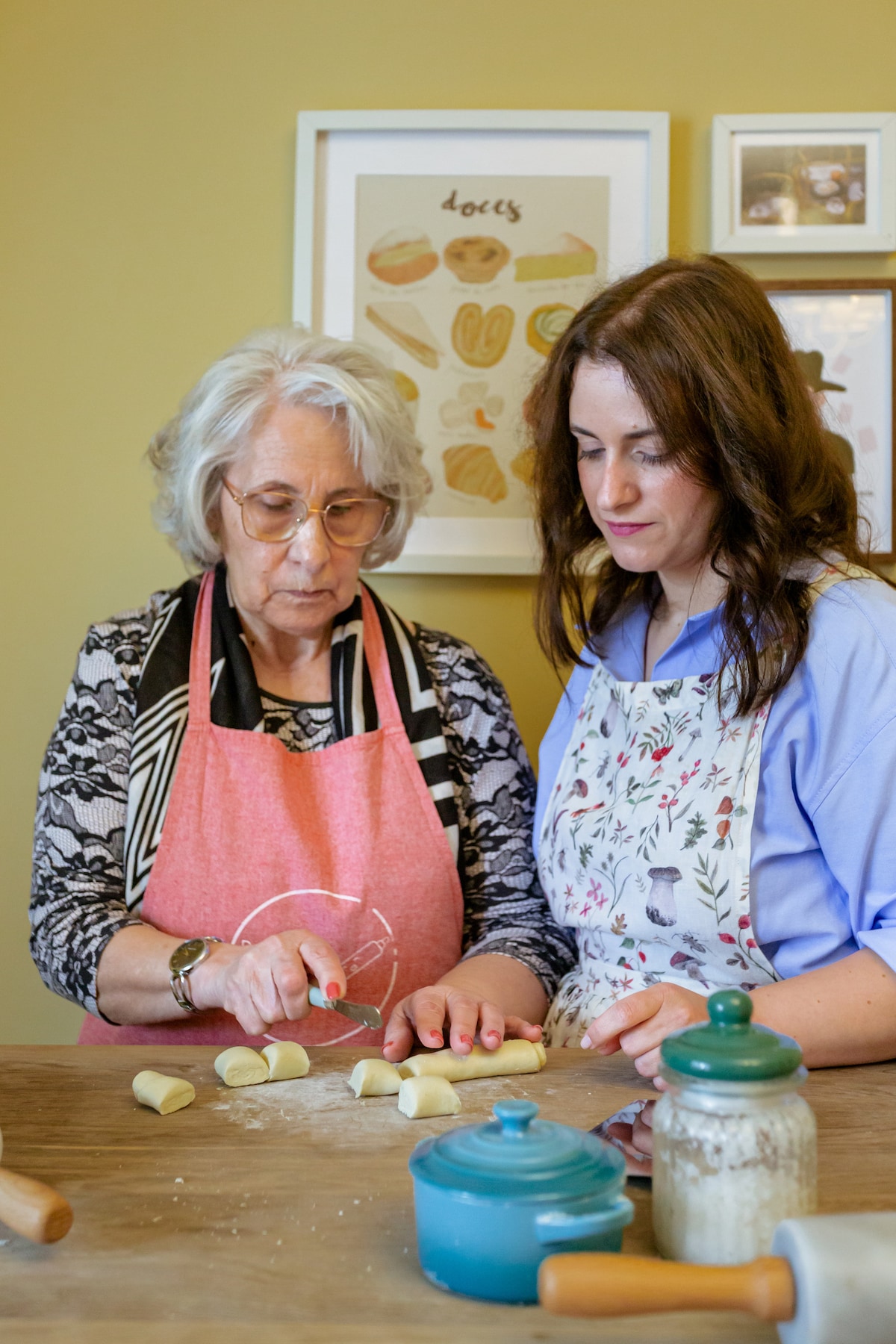
Learn to make Pastel de Nata
Sat, Feb 28 • 10:00 AM
4510-551, Fânzeres, Portugal
View details
Nearby attractions of Saint Lawrence Church
Porto Cathedral
Luís I Bridge
Episcopal Palace of Porto
Bolsa Palace
Fado na Baixa
Porto Tourism Office - Sé
Pillory of Porto
Mercado Ferreira Borges
Church of Saint Francis
Miradouro da Vitória
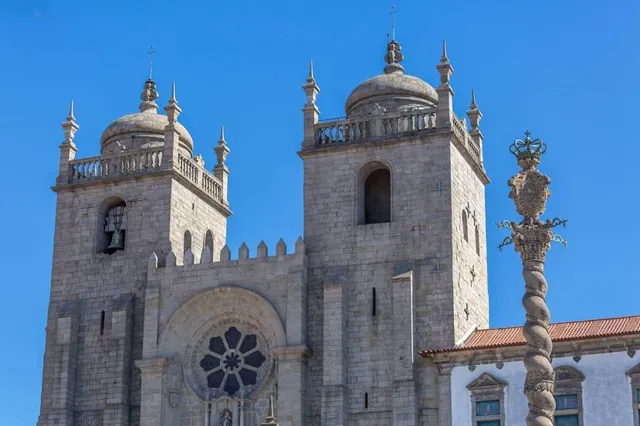
Porto Cathedral
4.6
(13.6K)
Closed
Click for details
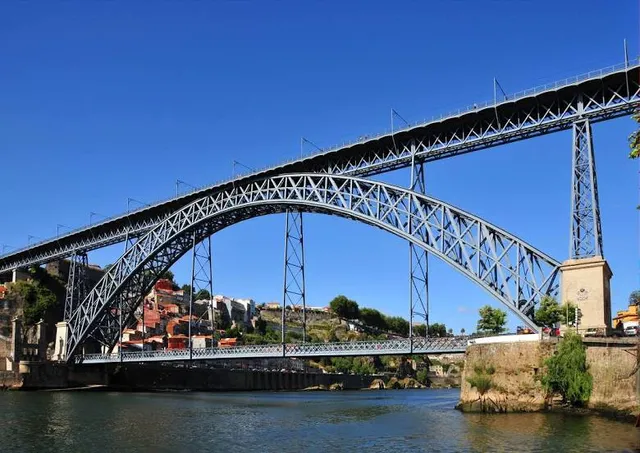
Luís I Bridge
4.8
(31.4K)
Open 24 hours
Click for details
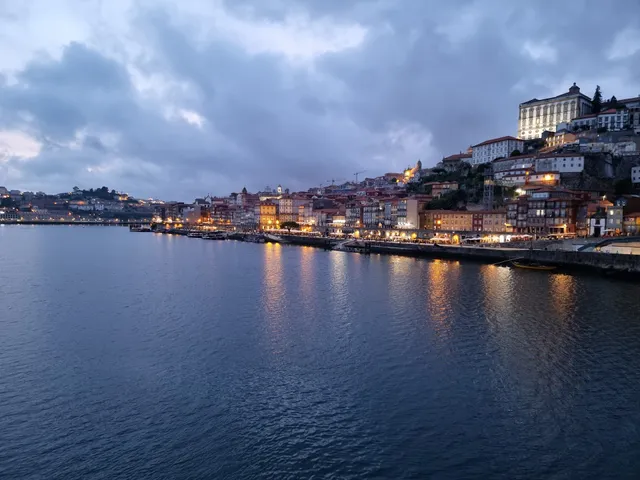
Episcopal Palace of Porto
4.4
(360)
Closed
Click for details
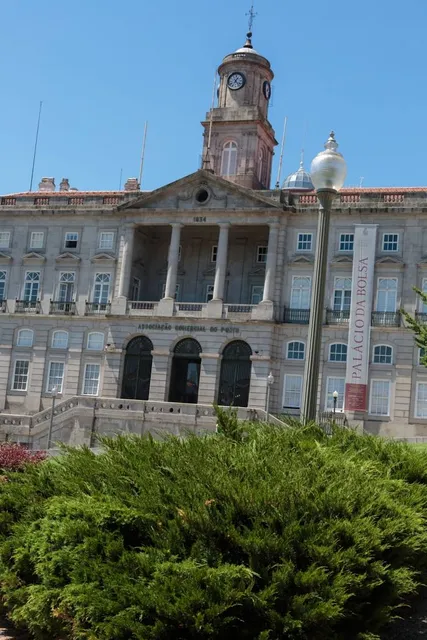
Bolsa Palace
4.5
(5K)
Closed
Click for details
Nearby restaurants of Saint Lawrence Church
The Wine Box
Taberna Dos Mercadores
Sagardi Porto
Ribeira Square
Casa da Mariquinhas - Fado Porto Est. 1968
Porto Á Noite
Local Food Experience
Prégar Baixa
Chez Lapin
Postigo do Carvão
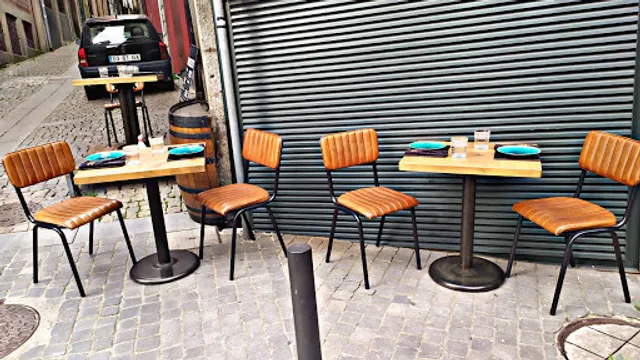
The Wine Box
4.4
(1.2K)
$$
Closed
Click for details
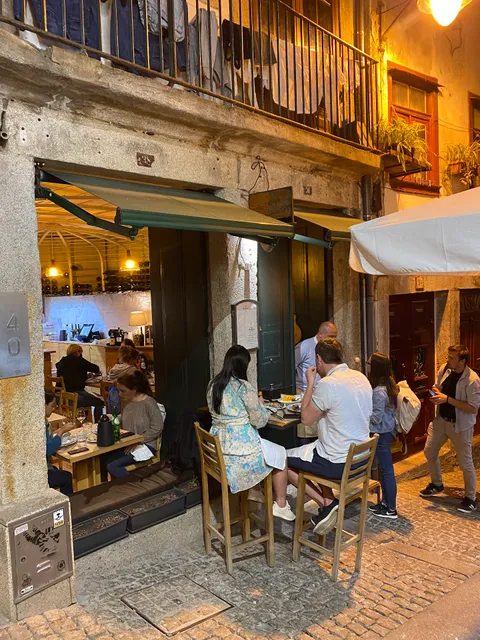
Taberna Dos Mercadores
4.5
(1.6K)
$$
Closed
Click for details
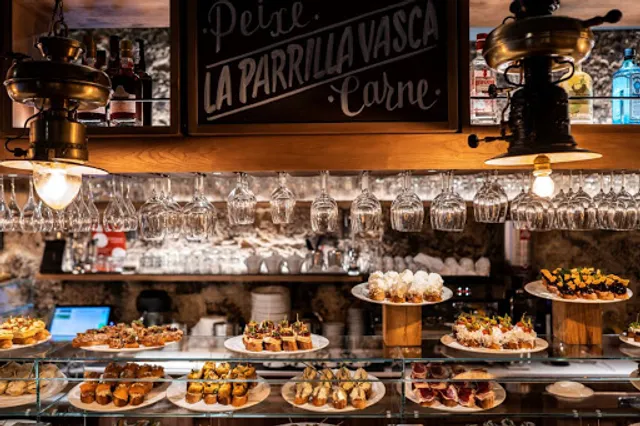
Sagardi Porto
4.2
(796)
$$
Closed
Click for details
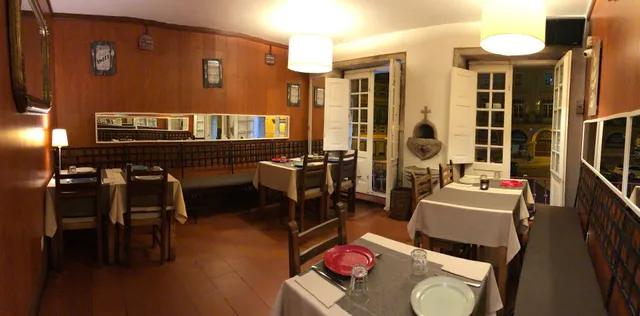
Ribeira Square
4.7
(1.4K)
$$
Closed
Click for details
Nearby local services of Saint Lawrence Church
Paço Episcopal do Porto - Episcopal Palace
Pomar Macedo
Convento dos Grilos
MASA - Museu de Arte Sacra e Arqueologia
Igreja da Misericórdia
Porto Museum—Casa do Infante
João Pedro Andrade Jewelry
R. da Fonte Taurina 59
Funicular dos Guindais
Lado Wines Ribeira - Porto & Douro Wine Bar & Tastings by AVEPOD
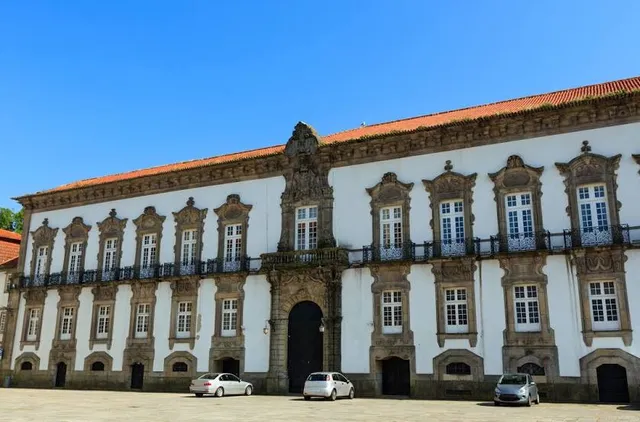
Paço Episcopal do Porto - Episcopal Palace
4.3
(275)
Click for details
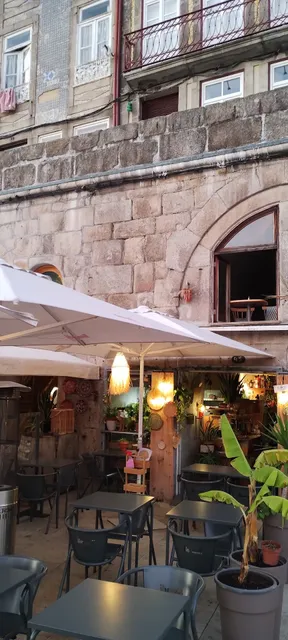
Pomar Macedo
2.9
(878)
Click for details
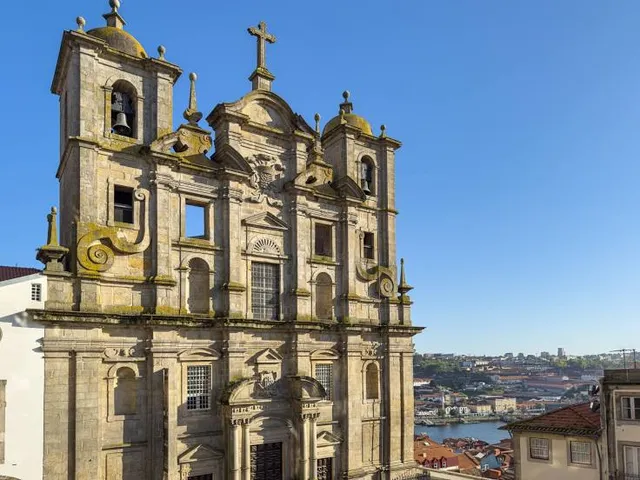
Convento dos Grilos
4.6
(54)
Click for details
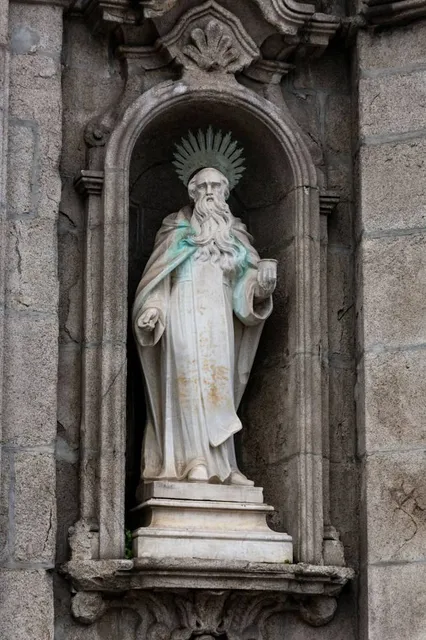
MASA - Museu de Arte Sacra e Arqueologia
4.3
(29)
Click for details