Biserica Zlătari things to do, attractions, restaurants, events info and trip planning
Basic Info
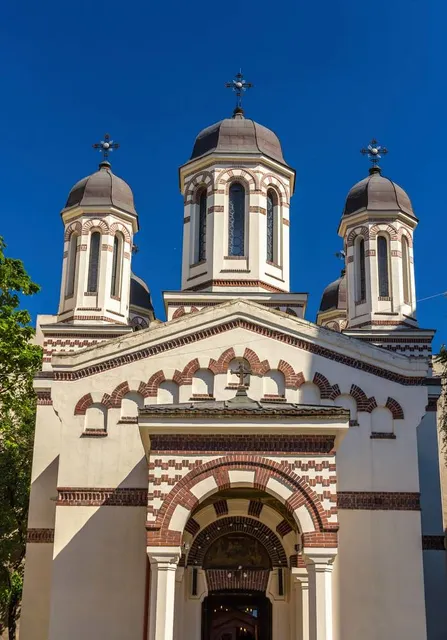
Biserica Zlătari
Calea Victoriei 12D, 030026 București, Romania
4.8(787)
Closed
Save
spot
spot
Ratings & Description
Info
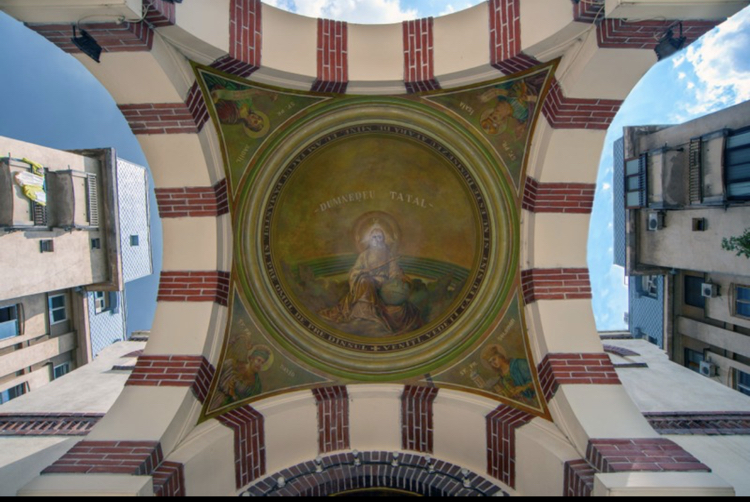
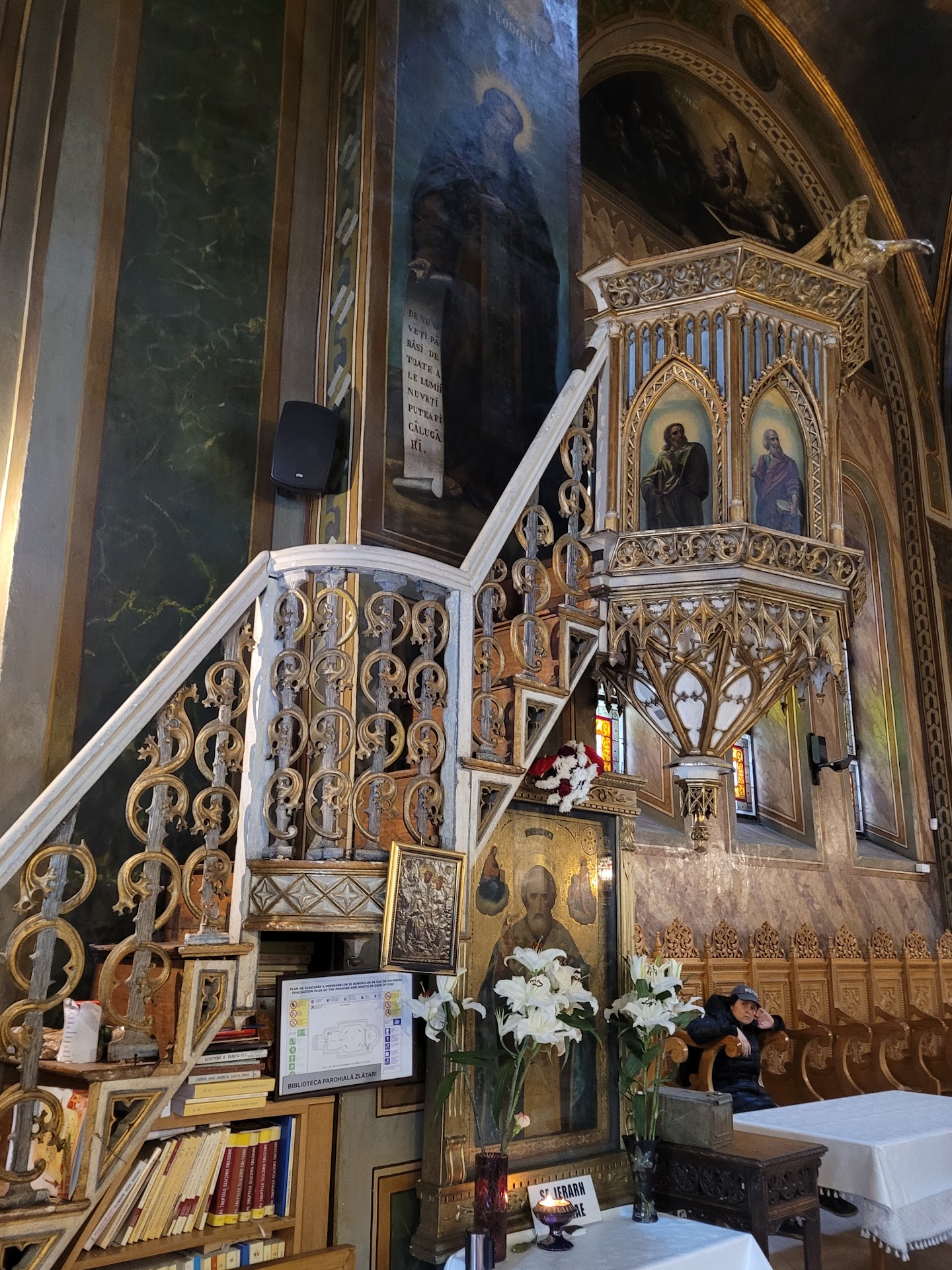
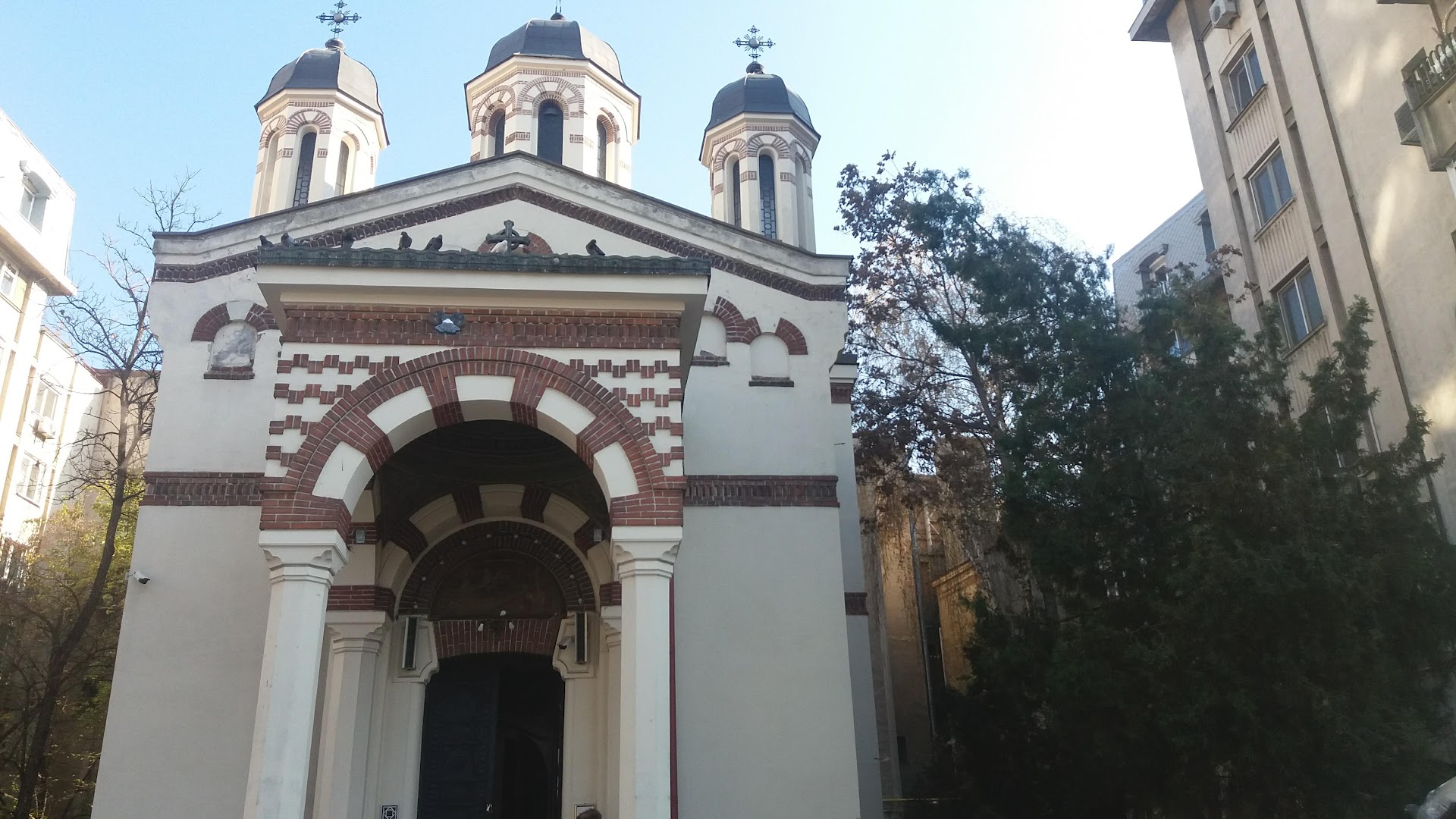
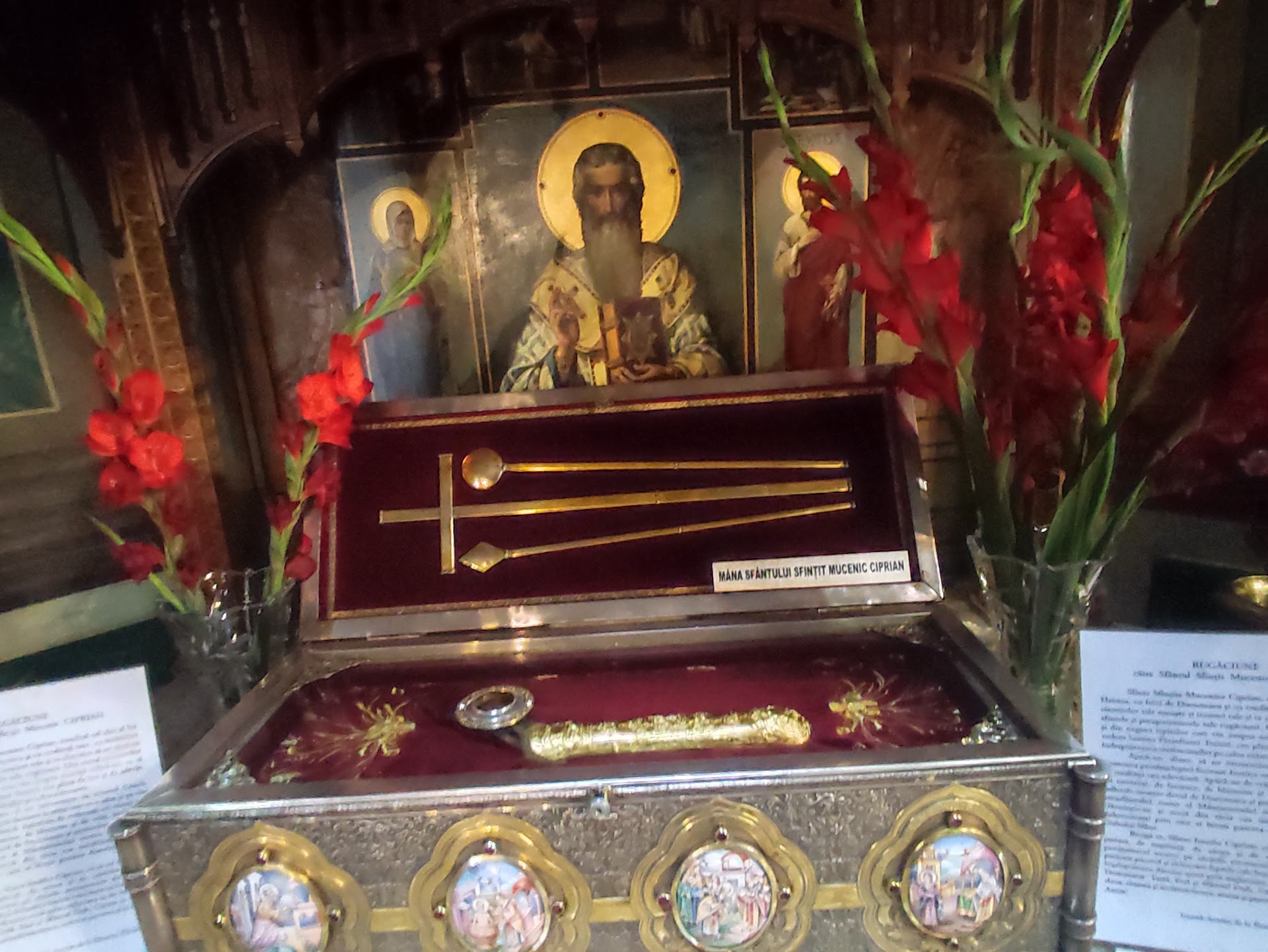
The Zlătari Church is a Romanian Orthodox church located at 12 Calea Victoriei in the Lipscani district of Bucharest, Romania. It is dedicated to the Nativity of Mary. Reportedly, the first church on the site was built in the mid-17th century, likely of wood, and is mentioned in a 1667 document.
Cultural
Family friendly
Accessibility
attractions: National Museum of Romanian History, The Church of the "Stavropoleos" Monastery, Macca-Vilacrosse Passage, Palace of the Deposits and Consignments, National Bank of Romania Museum, University's Square, The Little Paris Museum | Bucharest, The Toys' Museum, "Saint Anthony" Church, Stock Exchange Palace, restaurants: Caru' cu bere, Le Bab Downtown, Linea | Closer To The Moon, Grand Café Van Gogh, Saray, Il Tagliere Ristorante italiano, Aperitivi, Bar., Jeonjuu Korean BBQ, Energiea, NOA Steakhouse, Pekin Restaurant, local businesses: Cărturești Carusel, Treevi Pizza, Musée Art Safari, "Saint Demetrius" Church, Control Club, Vinoteca Hugo, Odeon Theatre, Corinthia Grand Hotel du Boulevard Bucharest, Ground Zero Beer Taproom, Holocaust-Mahnmal
 Learn more insights from Wanderboat AI.
Phone
+40 21 313 8341
Website
zlatari.ro
Open hoursSee all hours
Fri8 AM - 8 PMClosed
Plan your stay

Pet-friendly Hotels in Bucharest
Find a cozy hotel nearby and make it a full experience.

Affordable Hotels in Bucharest
Find a cozy hotel nearby and make it a full experience.

The Coolest Hotels You Haven't Heard Of (Yet)
Find a cozy hotel nearby and make it a full experience.

Trending Stays Worth the Hype in Bucharest
Find a cozy hotel nearby and make it a full experience.
Reviews
Live events
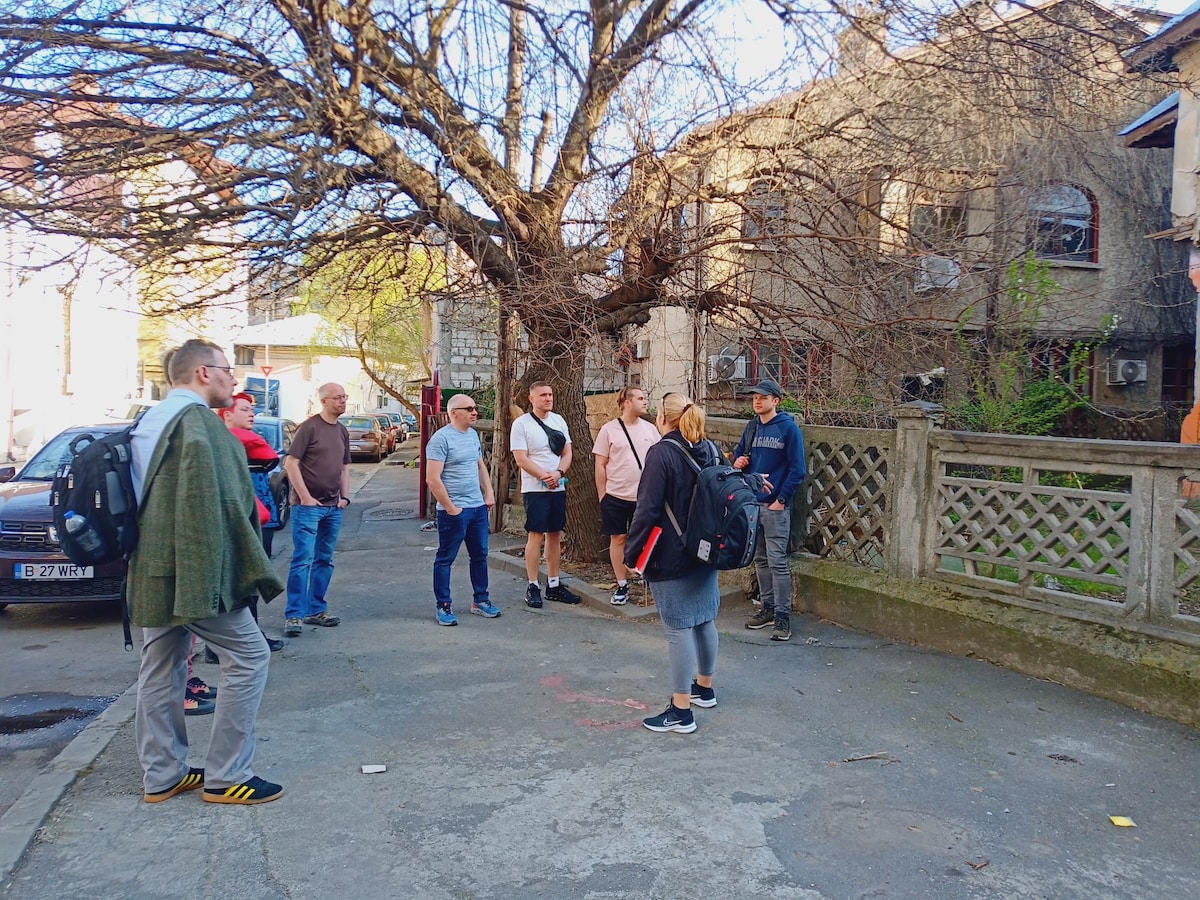
Real Tour on Communism in Romania
Fri, Feb 27 • 1:30 PM
Bucharest, Bucharest, 030167, Romania
View details
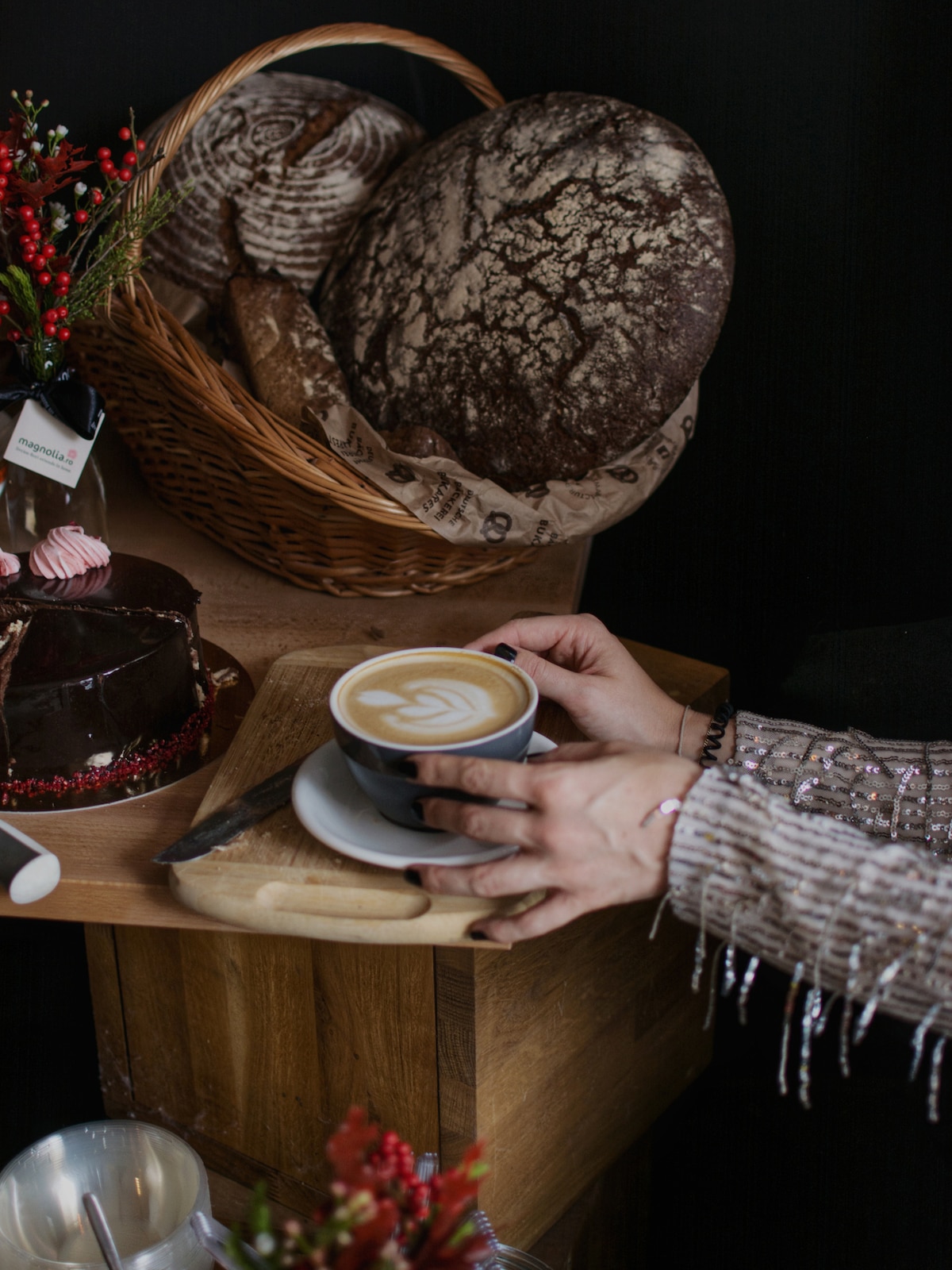
Local Food and History Tour of Bucharest
Sat, Feb 28 • 9:00 AM
Bucharest, Bucharest, 10391, Romania
View details
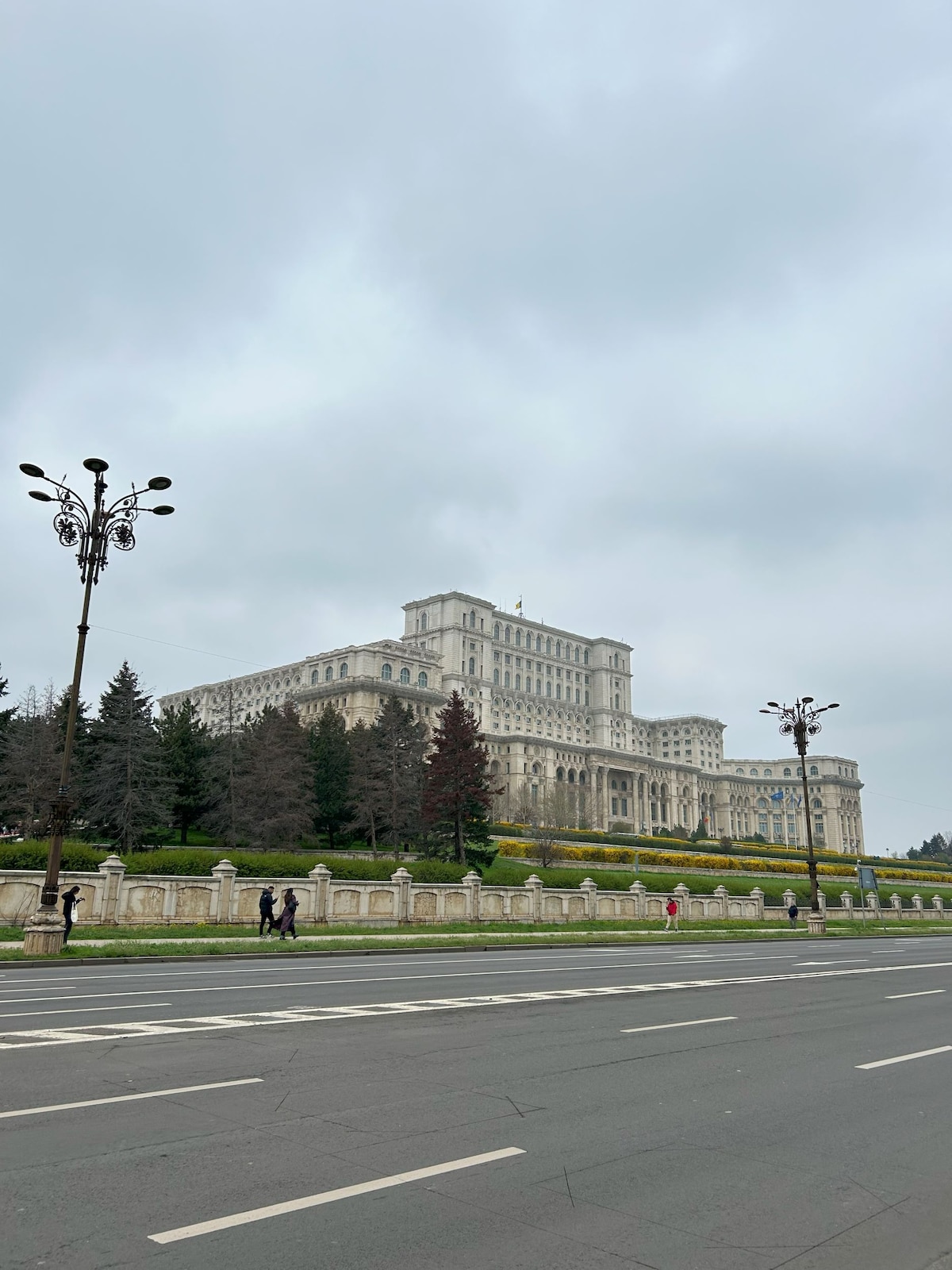
Unpack Bucharests communist past with small group
Fri, Feb 27 • 10:00 AM
Bucharest, Bucharest, 010027, Romania
View details
Nearby attractions of Biserica Zlătari
National Museum of Romanian History
The Church of the "Stavropoleos" Monastery
Macca-Vilacrosse Passage
Palace of the Deposits and Consignments
National Bank of Romania Museum
University's Square
The Little Paris Museum | Bucharest
The Toys' Museum
"Saint Anthony" Church
Stock Exchange Palace
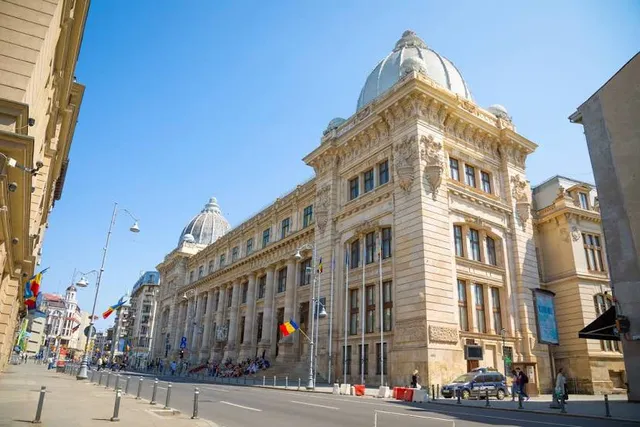
National Museum of Romanian History
4.4
(3.2K)
Closed
Click for details
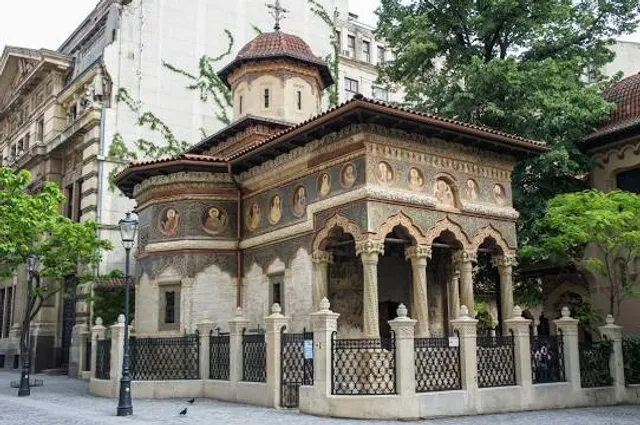
The Church of the "Stavropoleos" Monastery
4.8
(2.4K)
Closed
Click for details
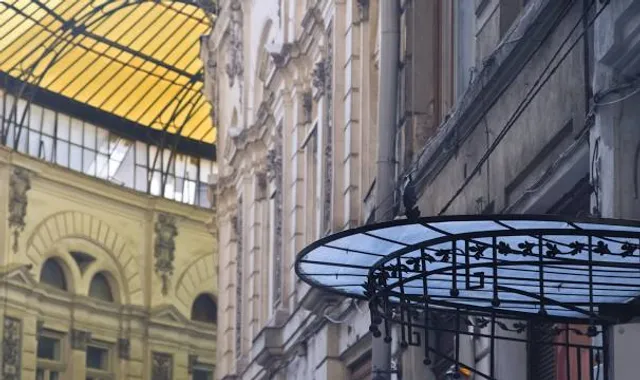
Macca-Vilacrosse Passage
4.2
(1.5K)
Open until 12:00 AM
Click for details
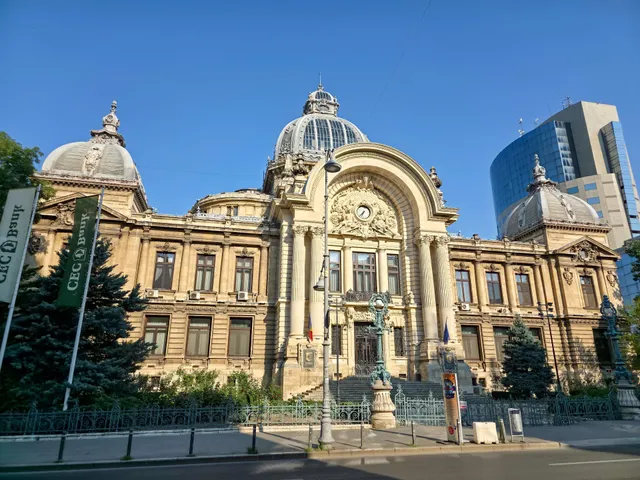
Palace of the Deposits and Consignments
4.6
(425)
Closed
Click for details
Nearby restaurants of Biserica Zlătari
Caru' cu bere
Le Bab Downtown
Linea | Closer To The Moon
Grand Café Van Gogh
Saray
Il Tagliere Ristorante italiano, Aperitivi, Bar.
Jeonjuu Korean BBQ
Energiea
NOA Steakhouse
Pekin Restaurant
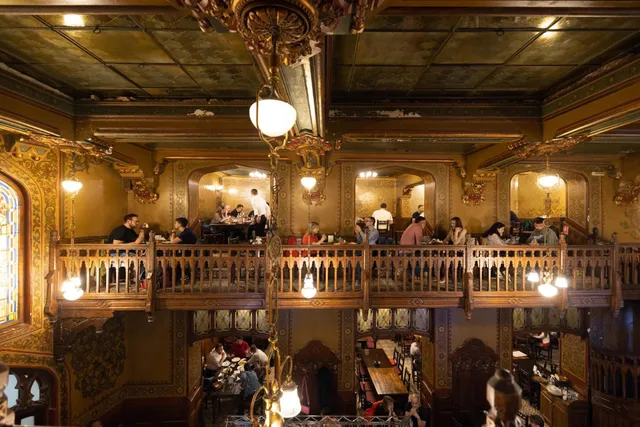
Caru' cu bere
4.5
(27.1K)
$$
Closed
Click for details
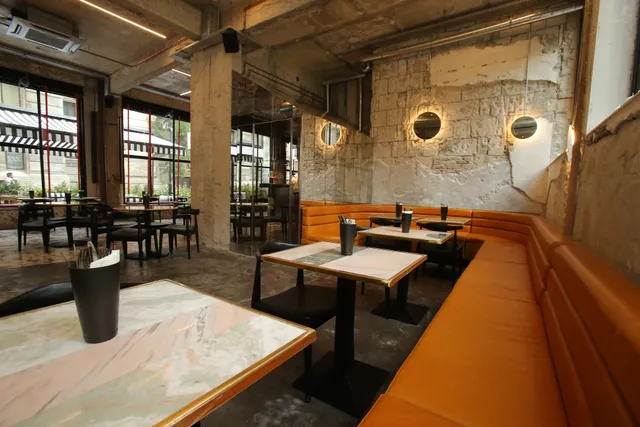
Le Bab Downtown
4.7
(1.9K)
$$$
Closed
Click for details
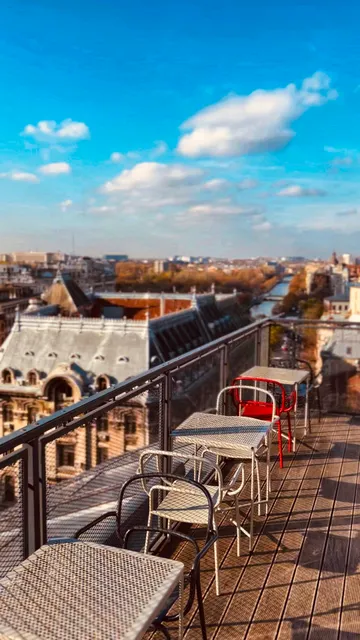
Linea | Closer To The Moon
4.4
(3.6K)
$$
Closed
Click for details
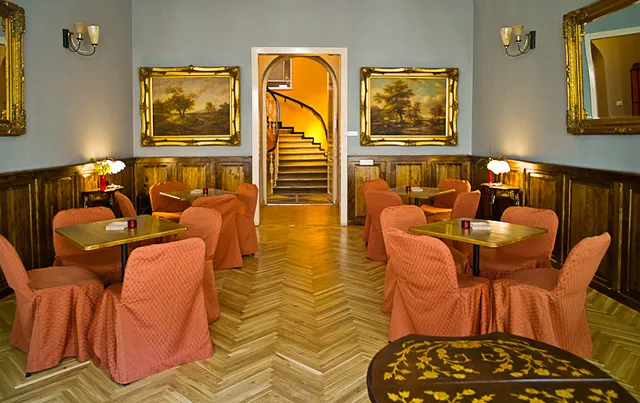
Grand Café Van Gogh
4.2
(4.9K)
$$
Closed
Click for details
Nearby local services of Biserica Zlătari
Cărturești Carusel
Treevi Pizza
Musée Art Safari
"Saint Demetrius" Church
Control Club
Vinoteca Hugo
Odeon Theatre
Corinthia Grand Hotel du Boulevard Bucharest
Ground Zero Beer Taproom
Holocaust-Mahnmal
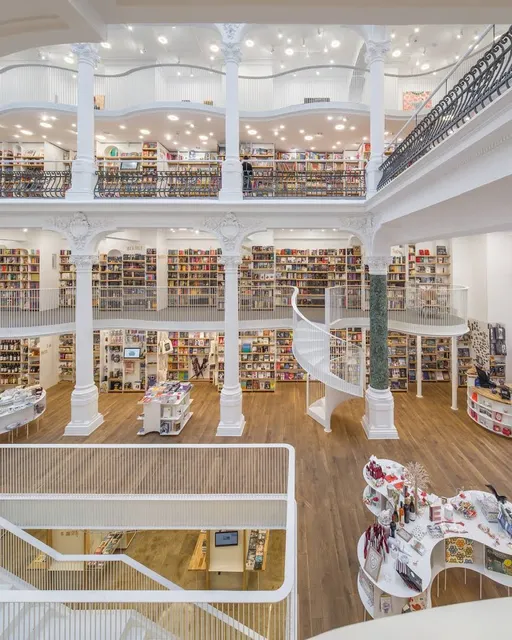
Cărturești Carusel
4.8
(9K)
Click for details
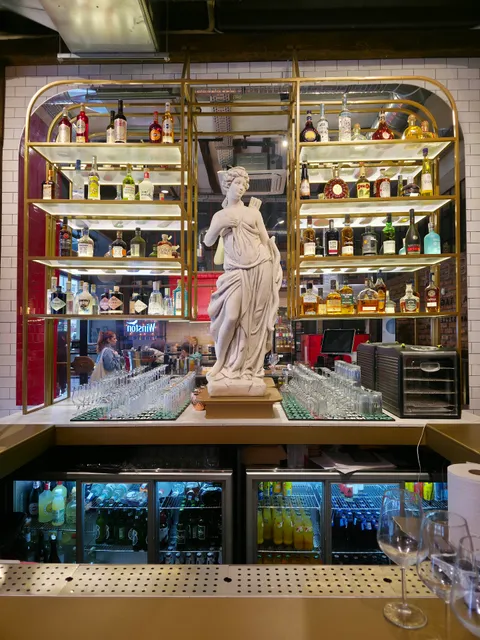
Treevi Pizza
4.2
(690)
Click for details
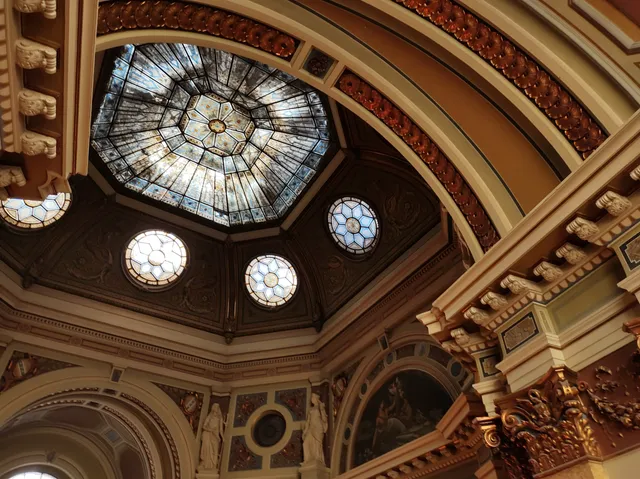
Musée Art Safari
4.3
(355)
Click for details
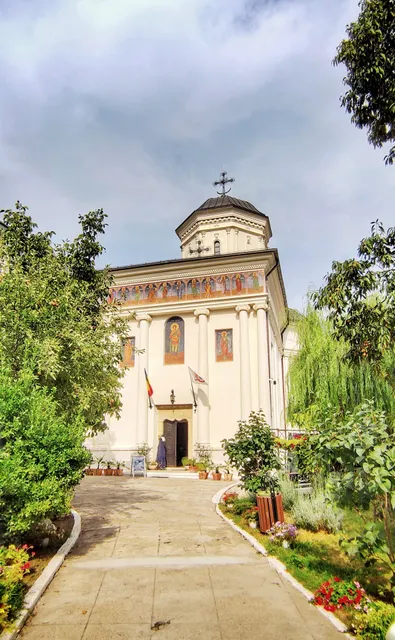
"Saint Demetrius" Church
4.7
(194)
Click for details