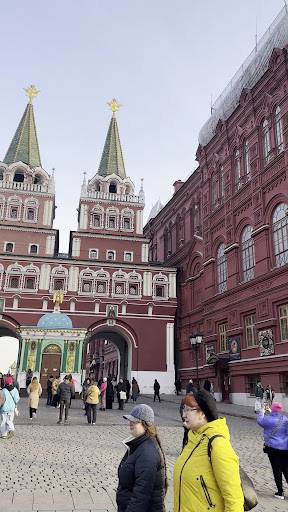
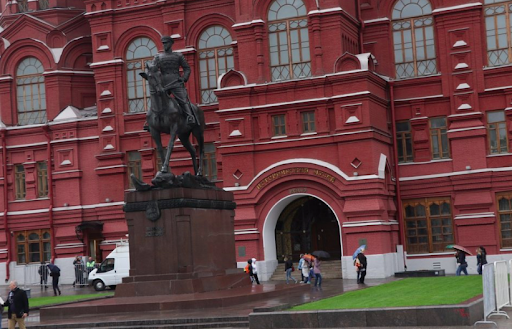
Marshal Zhukov monument things to do, attractions, restaurants, events info and trip planning
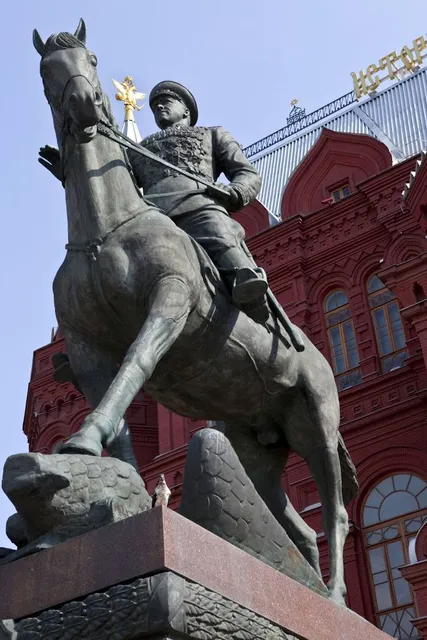
Basic Info
Marshal Zhukov monument
Manege Sq, Moscow, Russia, 109012
4.8(4.8K)
Open until 12:00 AM
Save
spot
spot
Ratings & Description
Info
Cultural
N/a
attractions: Red Square, Nulevoy Kilometr, Museum of Archeology of Moscow, Tomb of the Unknown Soldier, Museum of the Patriotic War of 1812, World Clock Fountain, Kazan Cathedral, Мавзолей В.И. Ленина на Красной площади, Iverskaya Chasovnya, Nikolskaya Tower, restaurants: Mu-Mu, Grand Cafe Dr. Jhivago, Rostic's, Shokoladnica, Moskovsky Bar, Goodman, La Bottega Siciliana, Ресторан Peshi, Strana Kotoroy Net, Osteria Mario, local businesses: Rive Gauche, Торговая Галерея Seasons, Mausoleo de Lenin, GUM, Okhotnyy ryad, Natura Siberica, Moscow Manege, Kiko Milano, Tts Manezhnyy, Реберная №1
 Learn more insights from Wanderboat AI.
Open hoursSee all hours
SatOpen 24 hoursOpen
Plan your stay

Pet-friendly Hotels in Tverskoy District
Find a cozy hotel nearby and make it a full experience.

Affordable Hotels in Tverskoy District
Find a cozy hotel nearby and make it a full experience.

The Coolest Hotels You Haven't Heard Of (Yet)
Find a cozy hotel nearby and make it a full experience.

Trending Stays Worth the Hype in Tverskoy District
Find a cozy hotel nearby and make it a full experience.
Reviews
Live events

Escape the Fate in Москва
Sun, Feb 22 • 6:00 PM
Adrenaline Stadium, Adrenaline Stadium, Moscow, MC, Russia
View details
Nearby attractions of Marshal Zhukov monument
Red Square
Nulevoy Kilometr
Museum of Archeology of Moscow
Tomb of the Unknown Soldier
Museum of the Patriotic War of 1812
World Clock Fountain
Kazan Cathedral
Мавзолей В.И. Ленина на Красной площади
Iverskaya Chasovnya
Nikolskaya Tower
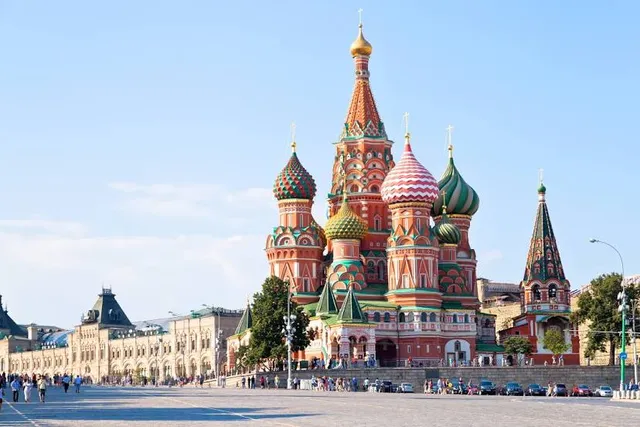
Red Square
4.8
(53.9K)
Open 24 hours
Click for details
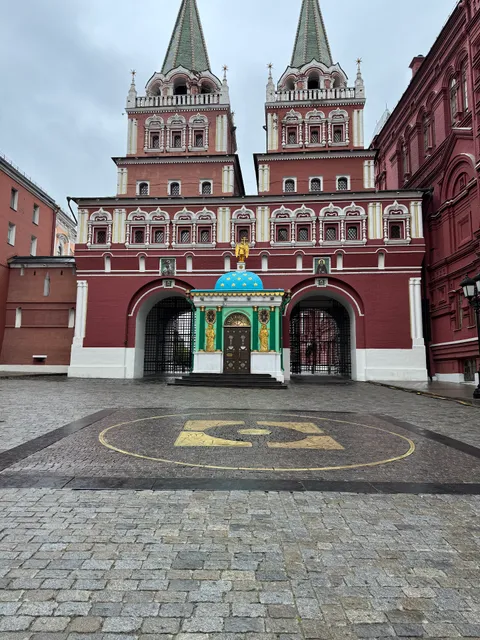
Nulevoy Kilometr
4.8
(1.1K)
Open until 12:00 AM
Click for details
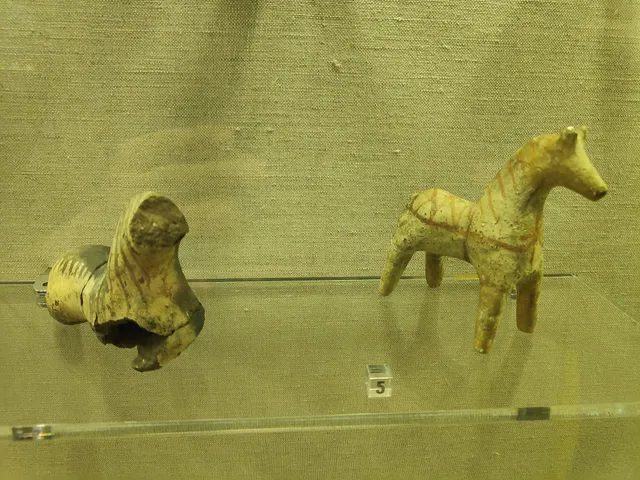
Museum of Archeology of Moscow
4.6
(733)
Closed
Click for details
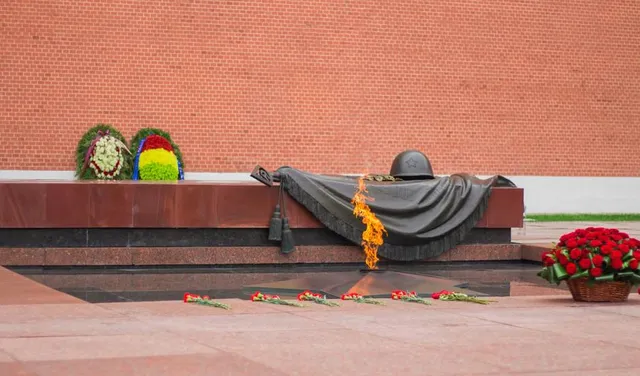
Tomb of the Unknown Soldier
4.9
(1.4K)
Open until 12:00 AM
Click for details
Nearby restaurants of Marshal Zhukov monument
Mu-Mu
Grand Cafe Dr. Jhivago
Rostic's
Shokoladnica
Moskovsky Bar
Goodman
La Bottega Siciliana
Ресторан Peshi
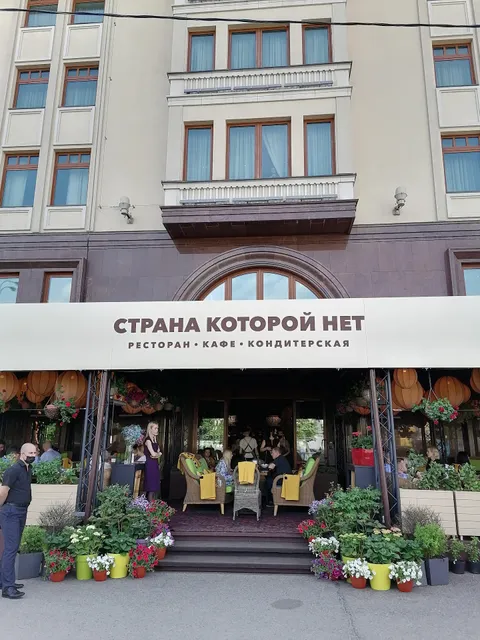
Strana Kotoroy Net
Osteria Mario
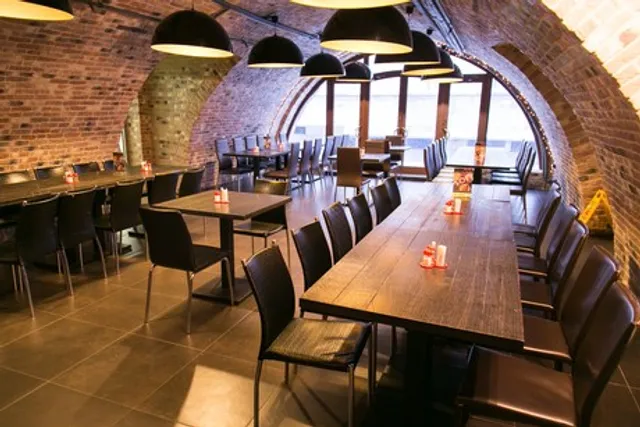
Mu-Mu
4.3
(1.9K)
$$
Open until 11:00 PM
Click for details
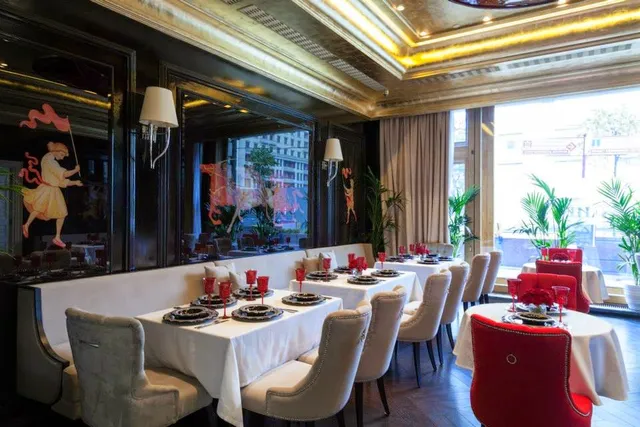
Grand Cafe Dr. Jhivago
4.4
(2.1K)
$$
Open until 12:00 AM
Click for details
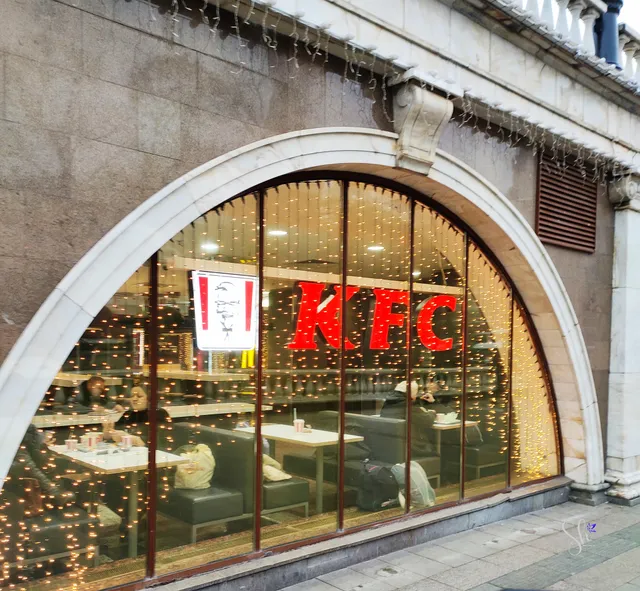
Rostic's
4.1
(2.9K)
$$
Open until 12:00 AM
Click for details
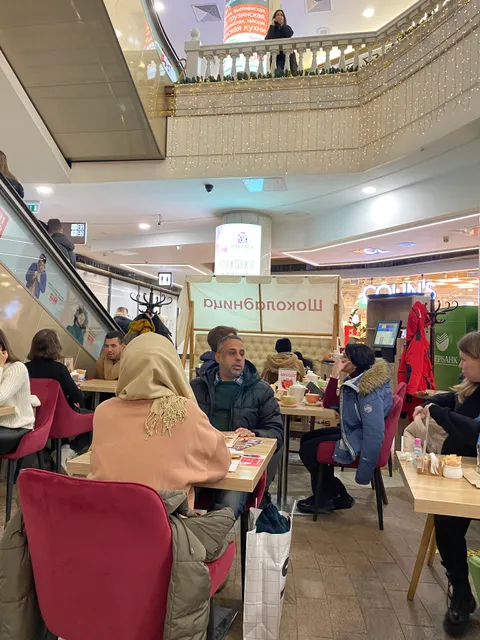
Shokoladnica
4.1
(400)
$$
Closed
Click for details
Nearby local services of Marshal Zhukov monument
Rive Gauche
Торговая Галерея Seasons
Mausoleo de Lenin
GUM
Okhotnyy ryad
Natura Siberica
Moscow Manege
Kiko Milano
Tts Manezhnyy
Реберная №1
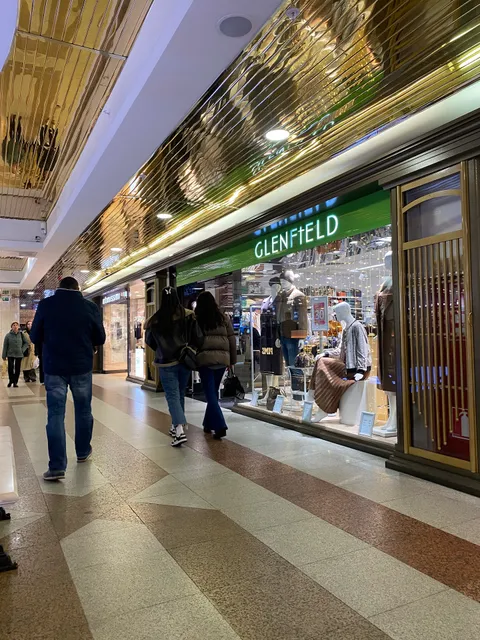
Rive Gauche
4.5
(270)
Click for details
Торговая Галерея Seasons
4.4
(912)
Click for details
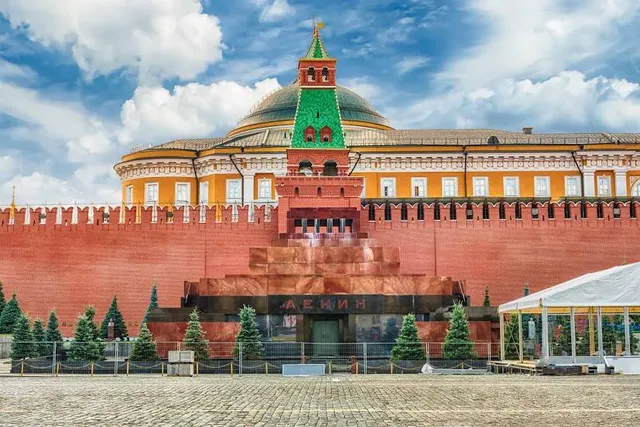
Mausoleo de Lenin
4.4
(1.6K)
Click for details
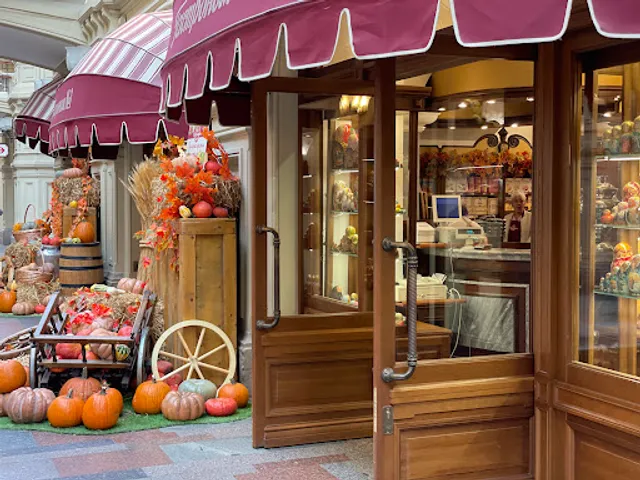
GUM
4.6
(1.5K)
Click for details