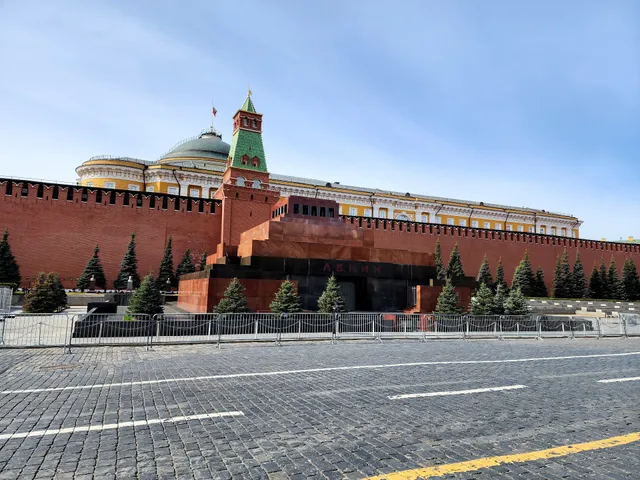
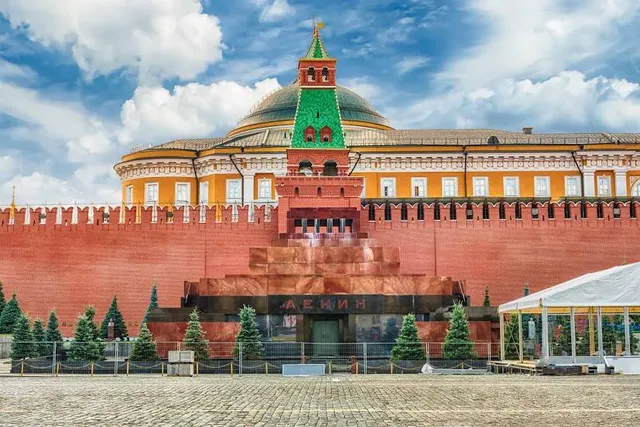
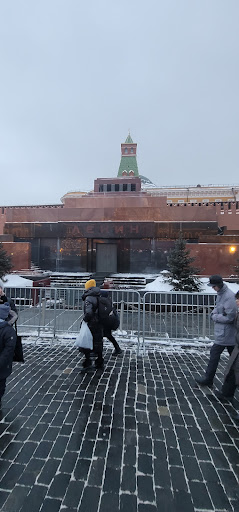
Visiting Lenin’s Mausoleum in Red Square, Moscow, was a fascinating and thought-provoking experience that left a lasting impression on me. As a history enthusiast, the opportunity to stand before the embalmed body of one of the most iconic figures of the 20th century was something I’d long anticipated. The mausoleum itself, located in the heart of Moscow, exudes an air of reverence and solemnity, surrounded by the majestic architecture of Red Square and the imposing Kremlin walls. The contrast between the ancient structures and the modern world outside made the experience even more striking.
The moment I entered the mausoleum, I was immediately struck by the quiet, almost reverential atmosphere. The lighting is dim, with deep shadows casting a sense of mystery, enhancing the somber feeling of the space. Lenin’s body, preserved in a state of eerie stillness, lies on display in a glass sarcophagus, encircled by guards standing motionless at attention. His face appears remarkably well-preserved, frozen in a moment of calm repose, which is both unsettling and awe-inspiring. It’s hard not to feel the weight of history when standing in front of Lenin’s remains—this is a man whose ideologies shaped the course of history, and whose actions continue to reverberate in the modern world.
As I moved through the mausoleum, I couldn’t help but reflect on the historical significance of Lenin’s role in the Russian Revolution and the creation of the Soviet Union. He is often portrayed as a visionary and revolutionary leader, but also as a figure who presided over a turbulent and, at times, brutal period in Russian history. Standing there, surrounded by the echoes of history, I found myself grappling with the complexity of his legacy. Lenin’s mausoleum is not merely a place of remembrance but also a symbol of the profound ideological shifts that took place in Russia during the early 20th century.
It was also fascinating to consider how Lenin’s tomb has become a symbol in itself, attracting both reverence and controversy. Over the years, many have debated whether his body should remain on display, with some arguing that it is an anachronism in a modern Russia that has moved away from communism. Others see the mausoleum as an important historical artifact, preserving the memory of a pivotal moment in Russian history. Regardless of one’s perspective on Lenin’s political legacy, there’s no denying the cultural and historical importance of the mausoleum as a place of reflection on the past.
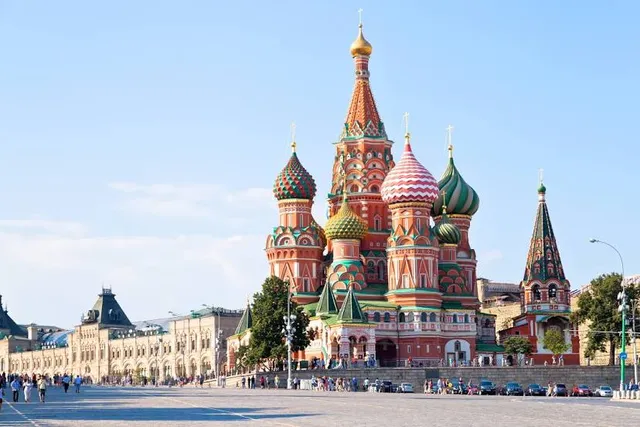
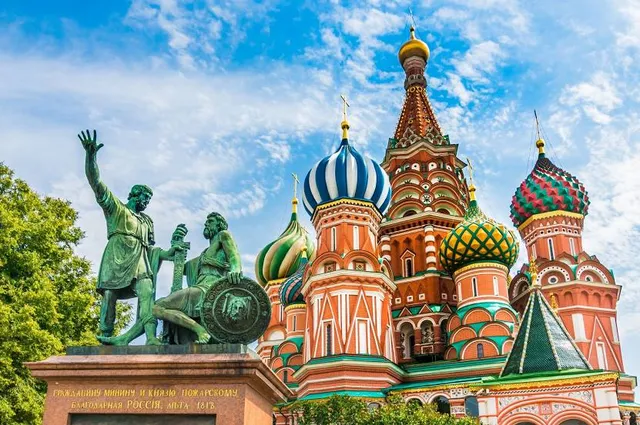
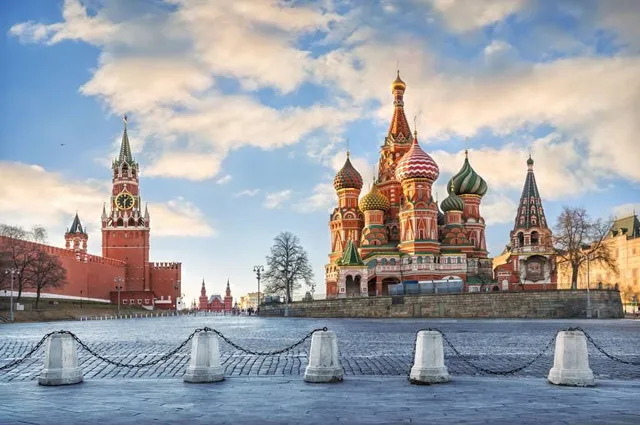
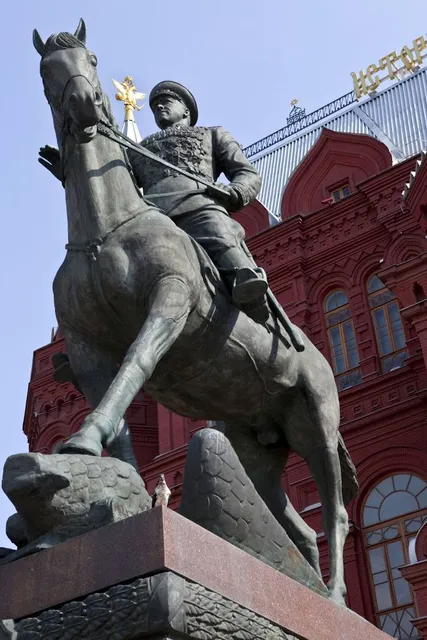
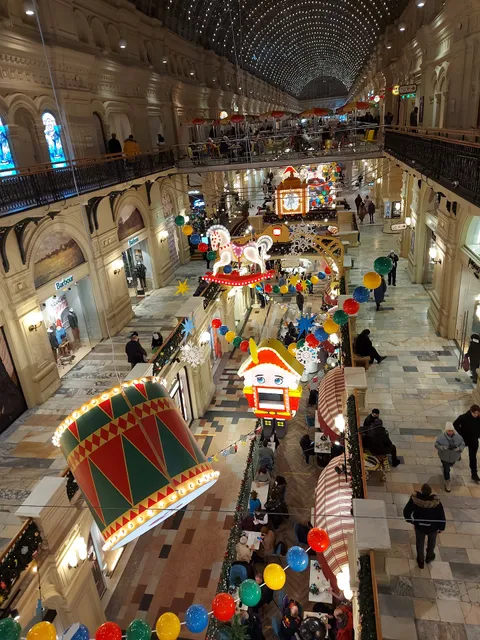
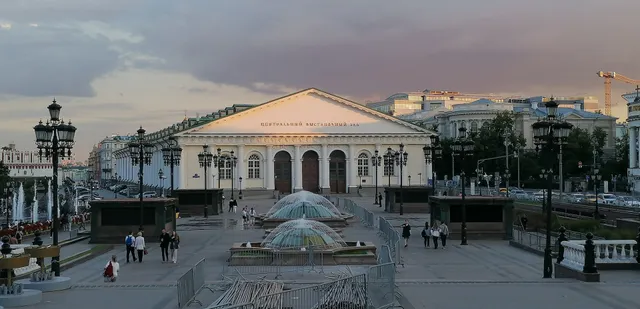
Visiting Lenin in Red Square was also an opportunity to experience the vibrant heart of Moscow itself. Red Square is teeming with life, and it’s hard not to feel the energy of the city as you pass through this historic site. The juxtaposition of the mausoleum with the nearby GUM department store, the State Historical Museum, and the towering spires of St. Basil’s Cathedral creates a fascinating contrast between Russia’s imperial past, Soviet history, and modern-day Moscow.
In conclusion, my visit to Lenin’s Mausoleum in Red Square was a deeply impactful experience. It not only allowed me to pay homage to one of history’s most influential figures but also offered a moment to reflect on the complex legacy of the Soviet Union. Whether one admires Lenin’s contributions or critiques them, standing in front of his preserved body is an encounter with history that’s...
Read moreLenin's Tomb, situated in Red Square in the center of Moscow, is the mausoleum that serves as the resting place of Vladimir Lenin. His embalmed body has been on public display there since shortly after his death in 1924, with rare exceptions in wartime. In 1973, I stood in a four hour line with regular average Russians waiting to go into see Lenin's Tomb. Only when I got close to the tomb in Red Square, did I realize that that there was a special 11:00am viewing for foreign visitors, that allowed them to skip the wait.
Могила Ленина, расположенный на Красной площади в центре Москвы, является мавзолей, который служит местом упокоения Владимира Ленина. Его забальзамированное тело было на всеобщее обозрение там, так как вскоре после его смерти в 1924 году, за редким исключением в военное время. В 1973 году я стоял в четыре часа линии с регулярными среднестатистического россиянина, ожидающих, чтобы войти в увидеть Мавзолея Ленина. Только тогда, когда я приблизился к могиле на Красной площади, я понял, что это был специальный 11:00 утра просмотра для иностранных посетителей, что позволило им пропустить ждать.
Lénine Tomb, situé sur la Place Rouge dans le centre de Moscou, est le mausolée qui sert de lieu de repos de Vladimir Lénine. Son corps embaumé a été mis sur l'affichage public là depuis peu de temps après sa mort en 1924, à de rares exceptions en temps de guerre. En 1973, je me trouvais dans une ligne de quatre heures avec les Russes moyens réguliers d'attente pour entrer dans voir le tombeau de Lénine. Seulement quand je suis près de la tombe de la Place Rouge, je me rends compte que qu'il y avait une 11:00 spéciale visualisation pour les visiteurs étrangers, qui leur a permis de sauter l'attente.
Lenin-Mausoleum, befindet sich auf dem Roten Platz im Zentrum von Moskau, ist das Mausoleum, das als letzte Ruhestätte von Vladimir Lenin dient. Seine einbalsamierte Körper öffentlich zur Schau gab es seit kurz nach seinem Tod im Jahre 1924, mit seltenen Ausnahmen im Krieg. Im Jahr 1973 stand ich in einer vierstündigen Linie mit regelmäßigen durchschnittlichen Russen darauf warten, in sehen Lenin Grab zu gehen. Erst als ich zum Grab auf dem Roten Platz nahe kam, wurde mir klar, dass es eine spezielle 11.00 Uhr war für ausländische Besucher sehen, die ihnen erlaubt, die Wartezeit zu...
Read moreWaited almost 2 hours on a very long long líne (I was there at 10:50AM), and whilst we were approaching the entrance we were told that they do not admit anyone else. Instead of cutting the line at some point or saying at 12 that no more people will be amitted into the mausoleum, the guards just make us wait under the rain for nothing. Wasted an entire morning here instead of being somewhere else. In addition, the red square is full of scafoldings as they are preparing a festival for the end of august (of who was the great idea of doing that in peak season?), so you cannot do a photo of the mausoleum nearby. The guards just stand there and control your belongings, but they are not prepared for managing the mausoleum nor the lines to see lenin. Lenin will be embarrassed of their attitude, this was a dismiss.
In addition, a russian man who came from far away told the guards that he waited for more than 2 hours and that this was not a proper way of managing things (which indeed its true). He indeed lived in the good soviet era but indeed those guys does not understand that they are guarding an important piece of the...
Read more