HTML SitemapExplore
logo
Find Things to DoFind The Best Restaurants

Statue of King Sejong the Great — Attraction in Seoul

Name
Statue of King Sejong the Great
Description
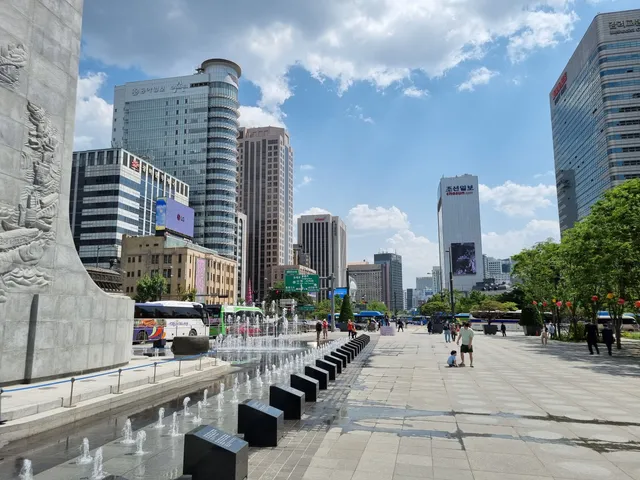
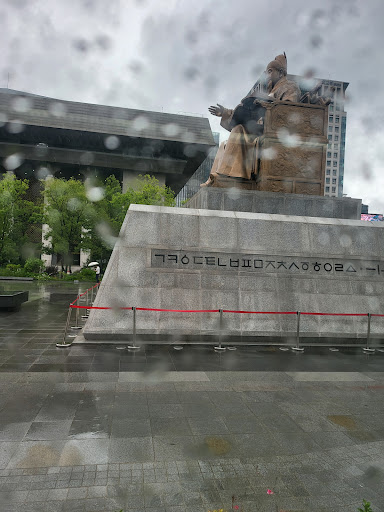
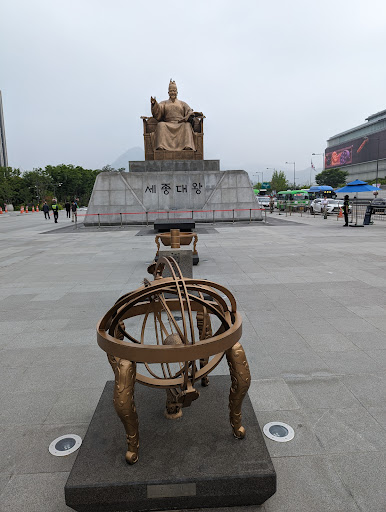
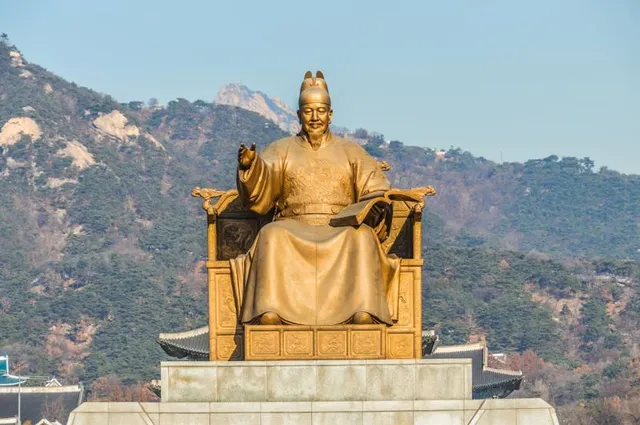
Statue of King Sejong is located at the Sejongno, Gwanghwamun Plaza in central Seoul, South Korea. It is dedicated to the 15th century Korean monarch, Sejong the Great, the fourth king of Joseon dynasty and one of Korea's most famous historical figures. The statue is considered one of Seoul's major landmarks.
Nearby attractions
Gwanghwamun Square
172 Sejong-daero, Jongno District, Seoul, South Korea
Sejong Center for the Performing Arts
175 Sejong-daero, Jongno District, Seoul, South Korea
National Museum of Korean Contemporary History
198 Sejong-daero, Jongno District, Seoul, South Korea
The Story of King Sejong and 'Chungmugong' Admiral Yi
지하 175 Sejong-daero, Jongno District, Seoul, South Korea
세종로공원
175 Sejong-daero, Sejongno, Jongno District, Seoul, South Korea
Gwanghwamun Gate
161 Sajik-ro, Jongno District, Seoul, South Korea
Cheonggye Plaza
148 Seorin-dong, Jongno District, Seoul, South Korea
Cheonggyecheon
Jongno District, Seoul, South Korea
National Palace Museum of Korea
12 Hyoja-ro, Jongno District, Seoul, South Korea
Jogyesa Temple
55 Ujeongguk-ro, Jongno District, Seoul, South Korea
Nearby restaurants
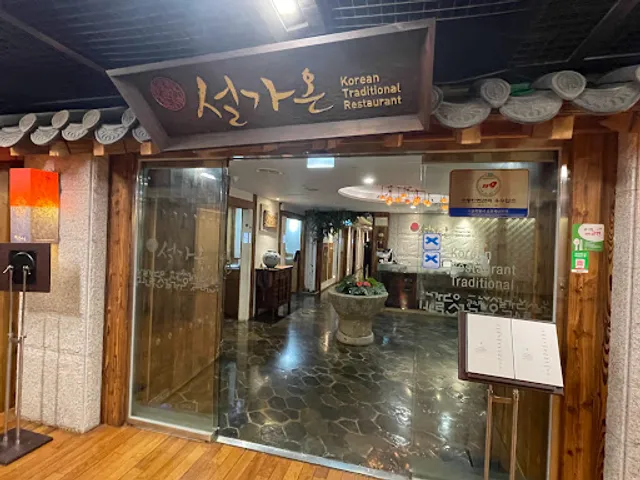
설가온
175 Sejong-daero, Jongno District, Seoul, South Korea
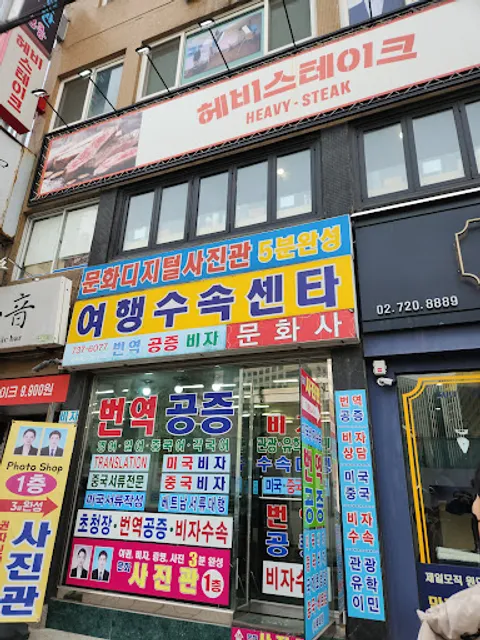
Heavy Steak Jongno-gu office
42 Sambong-ro, Jongno District, Seoul, South Korea
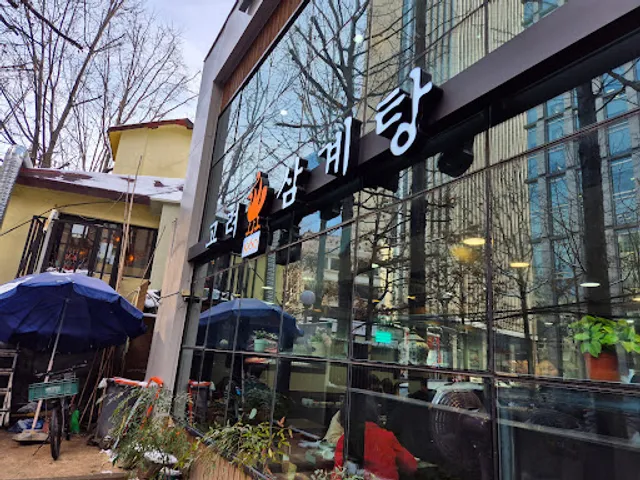
Goryeo Samgyetang Gwanghwamun
5-1 Sejong-daero 23-gil, Jongno District, Seoul, South Korea
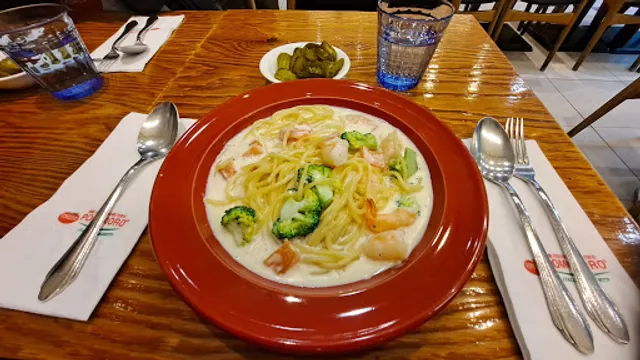
POMODORO Gwanghwamun
19-1 Saemunan-ro 9-gil, Jongno District, Seoul, South Korea
KFC Gwanghwamun
7 Sejong-daero 23-gil, Jongno District, Seoul, South Korea
화목순대국 광화문1호점
11 Saemunan-ro 5-gil, Jongno District, Seoul, South Korea
On The Border Gwanghwamun D Tower
South Korea, Seoul, Jongno District, Jong-ro 3-gil, 17 D타워 2층 4호
Ilpumdang
South Korea, Seoul, Jongno District, 당주동 16-1
Gwanghwamun house
12 Saemunan-ro 5-gil, Jongno District, Seoul, South Korea
Paulie's Brick Oven Pizzeria
South Korea, Seoul, Jongno District, Jong-ro 3-gil, 17 광화문D타워 2층
Nearby hotels
Four Seasons Hotel Seoul
97 Saemunan-ro, Dangju-dong, Jongno District, Seoul, South Korea
Shilla Stay Gwanghwamun
8층, G타워, 71 Sambong-ro, Jongno District, Seoul, South Korea
Somerset Palace Seoul
7 Yulgok-ro 2-gil, Jongno District, Seoul, South Korea
KOREANA HOTEL
Koreana Hotel, 135 Sejong-daero, Jung District, Seoul, South Korea
Soo Song Guest House
59 Yulgok-ro 4-gil, Jongno District, Seoul, South Korea
New Seoul Hotel
16 Sejong-daero 22-gil, Jung District, Seoul, South Korea
Nine Tree by Parnas Seoul Insadong
49 Insadong-gil, Jongno District, Seoul, South Korea
NEW KUKJE HOTEL
12 Sejong-daero 22-gil, Jung District, Seoul, South Korea
AMID Hotel Seoul
38 Insadong 5-gil, Jongno District, Seoul, South Korea
Hostel Coco
19 Jong-ro, Jongno District, Seoul, South Korea
Related posts
Keywords
Statue of King Sejong the Great tourism.Statue of King Sejong the Great hotels.Statue of King Sejong the Great bed and breakfast. flights to Statue of King Sejong the Great.Statue of King Sejong the Great attractions.Statue of King Sejong the Great restaurants.Statue of King Sejong the Great travel.Statue of King Sejong the Great travel guide.Statue of King Sejong the Great travel blog.Statue of King Sejong the Great pictures.Statue of King Sejong the Great photos.Statue of King Sejong the Great travel tips.Statue of King Sejong the Great maps.Statue of King Sejong the Great things to do.
Statue of King Sejong the Great things to do, attractions, restaurants, events info and trip planning
Statue of King Sejong the Great
South KoreaSeoulStatue of King Sejong the Great

Basic Info

Statue of King Sejong the Great

172 Sejong-daero, Sejongno, Jongno District, Seoul, South Korea
4.7(558)
Open until 12:00 AM
Save
spot

Ratings & Description

Info

Statue of King Sejong is located at the Sejongno, Gwanghwamun Plaza in central Seoul, South Korea. It is dedicated to the 15th century Korean monarch, Sejong the Great, the fourth king of Joseon dynasty and one of Korea's most famous historical figures. The statue is considered one of Seoul's major landmarks.

Cultural
Scenic
Accessibility
Family friendly
attractions: Gwanghwamun Square, Sejong Center for the Performing Arts, National Museum of Korean Contemporary History, The Story of King Sejong and 'Chungmugong' Admiral Yi, 세종로공원, Gwanghwamun Gate, Cheonggye Plaza, Cheonggyecheon, National Palace Museum of Korea, Jogyesa Temple, restaurants: 설가온, Heavy Steak Jongno-gu office, Goryeo Samgyetang Gwanghwamun, POMODORO Gwanghwamun, KFC Gwanghwamun, 화목순대국 광화문1호점, On The Border Gwanghwamun D Tower, Ilpumdang, Gwanghwamun house, Paulie's Brick Oven Pizzeria
logoLearn more insights from Wanderboat AI.
Open hoursSee all hours
FriOpen 24 hoursOpen

Plan your stay

hotel
Pet-friendly Hotels in Seoul
Find a cozy hotel nearby and make it a full experience.

hotel
Affordable Hotels in Seoul
Find a cozy hotel nearby and make it a full experience.

hotel
The Coolest Hotels You Haven't Heard Of (Yet)
Find a cozy hotel nearby and make it a full experience.

hotel
Trending Stays Worth the Hype in Seoul
Find a cozy hotel nearby and make it a full experience.

Reviews

Nearby attractions of Statue of King Sejong the Great

Gwanghwamun Square

Sejong Center for the Performing Arts

National Museum of Korean Contemporary History

The Story of King Sejong and 'Chungmugong' Admiral Yi

세종로공원

Gwanghwamun Gate

Cheonggye Plaza

Cheonggyecheon

National Palace Museum of Korea
Jogyesa Temple

Gwanghwamun Square

Gwanghwamun Square

4.5

(5.4K)

Open until 12:00 AM
Click for details
Sejong Center for the Performing Arts

Sejong Center for the Performing Arts

4.4

(3.3K)

Open 24 hours
Click for details
National Museum of Korean Contemporary History

National Museum of Korean Contemporary History

4.5

(1.6K)

Open 24 hours
Click for details
The Story of King Sejong and 'Chungmugong' Admiral Yi

The Story of King Sejong and 'Chungmugong' Admiral Yi

4.6

(371)

Open 24 hours
Click for details

Things to do nearby

Seoul Pub Crawl
Seoul Pub Crawl
Fri, Dec 5 • 8:00 PM
Seoul, Mapo-gu, 04049, South Korea
View details
ExploreTimeless Culture and Tradition of Korea
Sat, Dec 6 • 10:00 AM
Seoul, Jongno-gu, 110-250, South Korea
View details
Eat & drink your way thru Seouls hidden alleys
Sat, Dec 6 • 2:00 PM
Seoul, Jongno-gu, 03195, South Korea
View details

Nearby restaurants of Statue of King Sejong the Great

설가온

Heavy Steak Jongno-gu office

Goryeo Samgyetang Gwanghwamun

POMODORO Gwanghwamun

KFC Gwanghwamun

화목순대국 광화문1호점

On The Border Gwanghwamun D Tower

Ilpumdang

Gwanghwamun house

Paulie's Brick Oven Pizzeria

설가온

설가온

3.7

(356)

$$$

Click for details
Heavy Steak Jongno-gu office

Heavy Steak Jongno-gu office

4.8

(1.0K)

Click for details
Goryeo Samgyetang Gwanghwamun

Goryeo Samgyetang Gwanghwamun

4.1

(302)

Click for details
POMODORO Gwanghwamun

POMODORO Gwanghwamun

4.2

(471)

$

Click for details
Get the Appoverlay
Get the AppOne tap to find yournext favorite spots!
Wanderboat LogoWanderboat

Your everyday Al companion for getaway ideas

CompanyAbout Us
InformationAI Trip PlannerSitemap
SocialXInstagramTiktokLinkedin
LegalTerms of ServicePrivacy Policy

Get the app

© 2025 Wanderboat. All rights reserved.
logo

Reviews of Statue of King Sejong the Great

4.7
(558)
avatar
5.0
2y

There is a statue of King Sejong the Great in Gwanghwamun Square built on Sejong-ro in front of Gyeongbokgung Palace. King Sejong the Great, as a national hero, was the first king to ascend to the throne at Gyeongbokgung Palace. Considering the historical facts, the statue of King Sejong the Great was built with a new spirit to raise the pride of the nation and to publicize the excellence of the nation widely to the world. .The bronze statue is 6.2m high and 4.3m wide.

The appearance of the statue gives a friendly feeling, as if holding a book in one hand and comforting the people with the other hand, with a gentle expression rather than the king's dignity. In the space in front of the statue of King Sejong the Great, Honcheonui (an instrument that served as an astronomical clock by measuring the movement and position of celestial bodies), a rain gauge (an instrument used to measure rainfall from after King Sejong to the end of the Joseon Dynasty), Angbuilgu (sundials made in the 17th and 18th centuries) were made and displayed, and a chronological table of the Joseon Dynasty is engraved on the waterway flowing along the edge of the square. And on the back of the statue, on the six pillar-shaped colonnades, the map of Jiphyeonjeon, the map of Jujaso, the map of six camps, the map of conquering Tsushima, the map of Jieumdo, and the map of Seoungwan are carved in relief form to symbolically show the achievements of King Sejong the Great. There is an entrance leading to the basement of the Sejong Story Exhibition Hall.

This is the reign of the 4th king of Joseon (1418-50). During his reign, he solidified the foundation of the Joseon Dynasty by establishing the foundation of Confucian politics and revamping various systems such as enforcing public laws. In addition, it contributed to the prosperity of culture in the Joseon Dynasty, including the creation of Hangeul, greatly developed science and technology, and expanded its territory based on accumulated national power. He is the third son of King Taejong, whose name is Doja Won-won, and his mother is Queen Won-gyeong of the Min clan. His consort is Queen Soheon, daughter of Sim On, Buwongun of Cheongcheon. [Every...

   Read more
avatar
5.0
20w

Wisdom Incarnate: The Statue of King Sejong the Great Standing proudly in the vast expanse of Gwanghwamun Plaza, the Statue of King Sejong the Great (세종대왕 동상) is more than just a monumental figure; it's a powerful symbol of Korea's intellectual prowess and enduring cultural identity. Revered as one of the most visionary leaders in Korean history, King Sejong's statue invites you to reflect on a golden age of innovation and enlightenment. My personal experience visiting this statue is always humbling. Perched regally on his throne, King Sejong looks out with a calm, benevolent gaze, holding a book – a poignant tribute to his profound scholarship and dedication to knowledge. He is best known for orchestrating the creation of Hangul (한글), the remarkably logical and accessible Korean alphabet, a gift to his people that empowered literacy and fostered a unique national identity. Below the statue, a fascinating underground museum, the Story of King Sejong, further details his numerous achievements in science, astronomy, music, and military defense. It's an incredible deep dive into the mind of a true polymath. This statue isn't just for history buffs or academics; it's a profound source of national pride and a testament to the power of wisdom and leadership. It represents the very essence of a nation that values education and progress. Standing before King Sejong, you feel the weight of history and the enduring legacy of a ruler who genuinely sought to uplift his people. It's an inspiring landmark that powerfully conveys the spirit of innovation that continues to...

   Read more
avatar
5.0
46w

If you are visiting Gyeongbokgung Palace, it will be a must for you to come visit this most iconic statue of South Korea. Although this statue may not be as visible from far compared to the Statue of Admiral Yi Sun-sin, which is much taller, but this gold statue is dedicated to the most influential monarchs in Korean history, King Sejong the Great.

King Sejong the Great ⭐⭐⭐⭐⭐ As the 4th king of the Joseon Dynasty, King Sejong the Great is regarded as one of the greatest rulers in Korean history, and is remembered as the inventor of Hangul, the native alphabet of the Korean language. He also promoted agriculture, literature, science and technology, as well as Confucian philosophy during his reign.

The Statue ⭐⭐⭐⭐⭐ The statue has one hand raised and the other holding a book, represents his contribution to the literature, culture and literacy to Korea. The sides of the statue display all of the Hangul alphabet characters. In front, there are small models of a celestial globe, a rain gauge, and a sundial, these inventions are also attributed to him.

The surrounding ⭐⭐⭐⭐⭐ The statue is located at Gwanghwamun Square, a very iconic and photogenic open space in Seoul City. Here you will notice Statue of Admiral Yi Sun-sin is standing guard in front, then King Sejong the Great sitting in the middle, at the back is Gyeongbokgung Palace, with the Bugaksan Mountain as...

   Read more
Page 1 of 7
Previous
Next

Posts

Toon TranToon Tran
Wisdom Incarnate: The Statue of King Sejong the Great Standing proudly in the vast expanse of Gwanghwamun Plaza, the Statue of King Sejong the Great (세종대왕 동상) is more than just a monumental figure; it's a powerful symbol of Korea's intellectual prowess and enduring cultural identity. Revered as one of the most visionary leaders in Korean history, King Sejong's statue invites you to reflect on a golden age of innovation and enlightenment. My personal experience visiting this statue is always humbling. Perched regally on his throne, King Sejong looks out with a calm, benevolent gaze, holding a book – a poignant tribute to his profound scholarship and dedication to knowledge. He is best known for orchestrating the creation of Hangul (한글), the remarkably logical and accessible Korean alphabet, a gift to his people that empowered literacy and fostered a unique national identity. Below the statue, a fascinating underground museum, the Story of King Sejong, further details his numerous achievements in science, astronomy, music, and military defense. It's an incredible deep dive into the mind of a true polymath. This statue isn't just for history buffs or academics; it's a profound source of national pride and a testament to the power of wisdom and leadership. It represents the very essence of a nation that values education and progress. Standing before King Sejong, you feel the weight of history and the enduring legacy of a ruler who genuinely sought to uplift his people. It's an inspiring landmark that powerfully conveys the spirit of innovation that continues to define Korea.
Jo LeeJo Lee
If you are visiting Gyeongbokgung Palace, it will be a must for you to come visit this most iconic statue of South Korea. Although this statue may not be as visible from far compared to the Statue of Admiral Yi Sun-sin, which is much taller, but this gold statue is dedicated to the most influential monarchs in Korean history, King Sejong the Great. King Sejong the Great ⭐⭐⭐⭐⭐ As the 4th king of the Joseon Dynasty, King Sejong the Great is regarded as one of the greatest rulers in Korean history, and is remembered as the inventor of Hangul, the native alphabet of the Korean language. He also promoted agriculture, literature, science and technology, as well as Confucian philosophy during his reign. The Statue ⭐⭐⭐⭐⭐ The statue has one hand raised and the other holding a book, represents his contribution to the literature, culture and literacy to Korea. The sides of the statue display all of the Hangul alphabet characters. In front, there are small models of a celestial globe, a rain gauge, and a sundial, these inventions are also attributed to him. The surrounding ⭐⭐⭐⭐⭐ The statue is located at Gwanghwamun Square, a very iconic and photogenic open space in Seoul City. Here you will notice Statue of Admiral Yi Sun-sin is standing guard in front, then King Sejong the Great sitting in the middle, at the back is Gyeongbokgung Palace, with the Bugaksan Mountain as the backdrop.
Захар КадочкинЗахар Кадочкин
Корейский алфавит хангыль был создан в 1446 году королем Сечжоном Великим( кор.-세종대왕), пользовавшимся огромной любовью простого народа. Мальчик Ли До (имя при рождении) родился 7 мая 1397 года и был третьим сыном вана Тхэчжона династии Ли. Именно ему достался королевский трон, а не его братьям. Старший брат разгневал своего отца, а средний добровольно уступил престол младшему Сечжону, который унаследовал власть в 1418 году в возрасте 22 лет. Передавая трон Сечжону, король Тхэчжон напутствовал, чтобы тот принес мир и спокойствие своему народу, поскольку ему самому в свое время пришлось быть безжалостным, чтобы утвердить королевскую власть и заложить основы династии Чосон. Король Тхэчжон видел в своем младшем сыне все задатки, необходимые монарху – образованность, здравый ум и решительность. С детства Сечжон много читал и проявлял интерес к разным наукам. В 1420 году, на второй год своего правления, Сечжон основал академию под названием Чипхёнчжон, или «Ассамблею достойных», в которую привлек талантливую молодежь. «Ассамблея» издала много трудов по различным отраслям знаний, в том числе руководство по земледелию «Нонса чиксоль» и справочник по медицине «Хянъяк чипсонбан». В стенах академии родились законы по налогообложению, государственному управлению и уголовному преследованию. В отличие от своего отца государственные дела Сечжон, как правило, обсуждал с учеными, а территорию королевства расширял посредством строительства крепостей и военных постов на северных границах Чосона. В 1442 году Сечжон Великий изобрел первый в мире дождемер, за два столетия до появления подобного устройства в Европе. Ему также принадлежит авторство в изобретении водяных и солнечных часов, значительно облегчивших жизнь простых людей. Король Сечжон открыл для Кореи китайскую ритуальную музыку, способствовал её распространению и развитию в собственной стране. То, что позволило Сечжону стать величайшим из монархов эпохи Чосон, это – его замечательная философия, благодаря которой стали возможными многие из его достижений и изобретений. Сечжон Великий часто говорил, что народ составляет основу любого государства. Он много сделал для его блага. Величайшим из них является корейский фонетический алфавит, получивший название Хунмин чоным. До изобретения корейской азбуки простой народ Чосона был безграмотен, поскольку овладение китайской иероглифической письменностью было слишком трудным для простого человека. Чтобы грамота стала доступной широким слоям населения, Сечжон Великий создал алфавит из 28 букв, начертание которых напоминает положение органов речи человека при произнесении гласных и согласных звуков. Благодаря хангылю, любой человек мог легко записывать слова, сообразуясь с их произношением.Однако в процессе популяризации хангыля королю Сечжону пришлось столкнуться с серьезным противодействием его противников, опасавшихся, что внедрение национальной азбуки не понравится Китаю, чья культура была широко распространена в Корее в эпоху Чосон. Но несмотря ни на что Сечжон Великий был убежден, что народ должен иметь доступ к грамоте, а страна должна быть более независимой, а, значит, без собственной письменности не обойтись.
See more posts
See more posts
hotel
Find your stay

Pet-friendly Hotels in Seoul

Find a cozy hotel nearby and make it a full experience.

Wisdom Incarnate: The Statue of King Sejong the Great Standing proudly in the vast expanse of Gwanghwamun Plaza, the Statue of King Sejong the Great (세종대왕 동상) is more than just a monumental figure; it's a powerful symbol of Korea's intellectual prowess and enduring cultural identity. Revered as one of the most visionary leaders in Korean history, King Sejong's statue invites you to reflect on a golden age of innovation and enlightenment. My personal experience visiting this statue is always humbling. Perched regally on his throne, King Sejong looks out with a calm, benevolent gaze, holding a book – a poignant tribute to his profound scholarship and dedication to knowledge. He is best known for orchestrating the creation of Hangul (한글), the remarkably logical and accessible Korean alphabet, a gift to his people that empowered literacy and fostered a unique national identity. Below the statue, a fascinating underground museum, the Story of King Sejong, further details his numerous achievements in science, astronomy, music, and military defense. It's an incredible deep dive into the mind of a true polymath. This statue isn't just for history buffs or academics; it's a profound source of national pride and a testament to the power of wisdom and leadership. It represents the very essence of a nation that values education and progress. Standing before King Sejong, you feel the weight of history and the enduring legacy of a ruler who genuinely sought to uplift his people. It's an inspiring landmark that powerfully conveys the spirit of innovation that continues to define Korea.
Toon Tran

Toon Tran

hotel
Find your stay

Affordable Hotels in Seoul

Find a cozy hotel nearby and make it a full experience.

Get the Appoverlay
Get the AppOne tap to find yournext favorite spots!
If you are visiting Gyeongbokgung Palace, it will be a must for you to come visit this most iconic statue of South Korea. Although this statue may not be as visible from far compared to the Statue of Admiral Yi Sun-sin, which is much taller, but this gold statue is dedicated to the most influential monarchs in Korean history, King Sejong the Great. King Sejong the Great ⭐⭐⭐⭐⭐ As the 4th king of the Joseon Dynasty, King Sejong the Great is regarded as one of the greatest rulers in Korean history, and is remembered as the inventor of Hangul, the native alphabet of the Korean language. He also promoted agriculture, literature, science and technology, as well as Confucian philosophy during his reign. The Statue ⭐⭐⭐⭐⭐ The statue has one hand raised and the other holding a book, represents his contribution to the literature, culture and literacy to Korea. The sides of the statue display all of the Hangul alphabet characters. In front, there are small models of a celestial globe, a rain gauge, and a sundial, these inventions are also attributed to him. The surrounding ⭐⭐⭐⭐⭐ The statue is located at Gwanghwamun Square, a very iconic and photogenic open space in Seoul City. Here you will notice Statue of Admiral Yi Sun-sin is standing guard in front, then King Sejong the Great sitting in the middle, at the back is Gyeongbokgung Palace, with the Bugaksan Mountain as the backdrop.
Jo Lee

Jo Lee

hotel
Find your stay

The Coolest Hotels You Haven't Heard Of (Yet)

Find a cozy hotel nearby and make it a full experience.

hotel
Find your stay

Trending Stays Worth the Hype in Seoul

Find a cozy hotel nearby and make it a full experience.

Корейский алфавит хангыль был создан в 1446 году королем Сечжоном Великим( кор.-세종대왕), пользовавшимся огромной любовью простого народа. Мальчик Ли До (имя при рождении) родился 7 мая 1397 года и был третьим сыном вана Тхэчжона династии Ли. Именно ему достался королевский трон, а не его братьям. Старший брат разгневал своего отца, а средний добровольно уступил престол младшему Сечжону, который унаследовал власть в 1418 году в возрасте 22 лет. Передавая трон Сечжону, король Тхэчжон напутствовал, чтобы тот принес мир и спокойствие своему народу, поскольку ему самому в свое время пришлось быть безжалостным, чтобы утвердить королевскую власть и заложить основы династии Чосон. Король Тхэчжон видел в своем младшем сыне все задатки, необходимые монарху – образованность, здравый ум и решительность. С детства Сечжон много читал и проявлял интерес к разным наукам. В 1420 году, на второй год своего правления, Сечжон основал академию под названием Чипхёнчжон, или «Ассамблею достойных», в которую привлек талантливую молодежь. «Ассамблея» издала много трудов по различным отраслям знаний, в том числе руководство по земледелию «Нонса чиксоль» и справочник по медицине «Хянъяк чипсонбан». В стенах академии родились законы по налогообложению, государственному управлению и уголовному преследованию. В отличие от своего отца государственные дела Сечжон, как правило, обсуждал с учеными, а территорию королевства расширял посредством строительства крепостей и военных постов на северных границах Чосона. В 1442 году Сечжон Великий изобрел первый в мире дождемер, за два столетия до появления подобного устройства в Европе. Ему также принадлежит авторство в изобретении водяных и солнечных часов, значительно облегчивших жизнь простых людей. Король Сечжон открыл для Кореи китайскую ритуальную музыку, способствовал её распространению и развитию в собственной стране. То, что позволило Сечжону стать величайшим из монархов эпохи Чосон, это – его замечательная философия, благодаря которой стали возможными многие из его достижений и изобретений. Сечжон Великий часто говорил, что народ составляет основу любого государства. Он много сделал для его блага. Величайшим из них является корейский фонетический алфавит, получивший название Хунмин чоным. До изобретения корейской азбуки простой народ Чосона был безграмотен, поскольку овладение китайской иероглифической письменностью было слишком трудным для простого человека. Чтобы грамота стала доступной широким слоям населения, Сечжон Великий создал алфавит из 28 букв, начертание которых напоминает положение органов речи человека при произнесении гласных и согласных звуков. Благодаря хангылю, любой человек мог легко записывать слова, сообразуясь с их произношением.Однако в процессе популяризации хангыля королю Сечжону пришлось столкнуться с серьезным противодействием его противников, опасавшихся, что внедрение национальной азбуки не понравится Китаю, чья культура была широко распространена в Корее в эпоху Чосон. Но несмотря ни на что Сечжон Великий был убежден, что народ должен иметь доступ к грамоте, а страна должна быть более независимой, а, значит, без собственной письменности не обойтись.
Захар Кадочкин

Захар Кадочкин

See more posts
See more posts