HTML SitemapExplore
logo
Find Things to DoFind The Best Restaurants

Gwanghwamun Gate — Attraction in Seoul

Name
Gwanghwamun Gate
Description
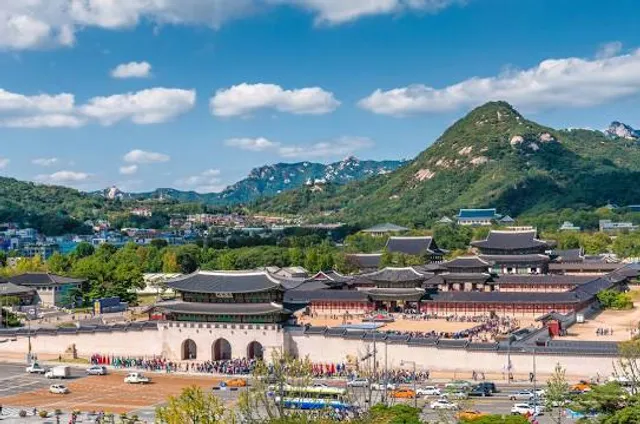
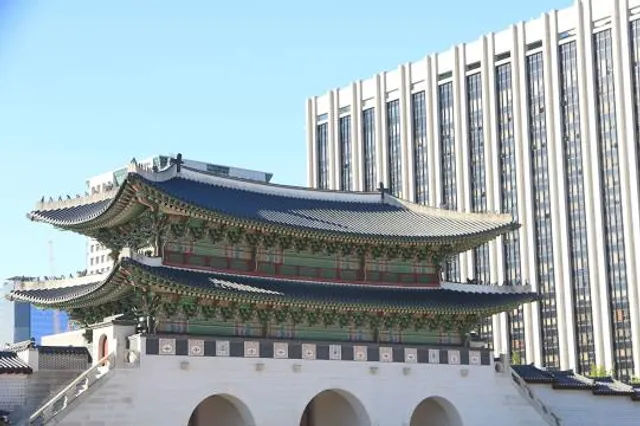
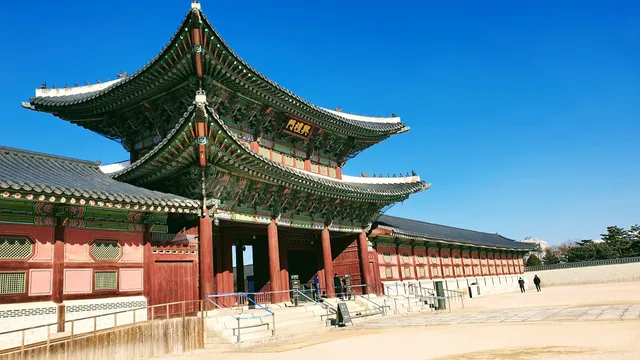
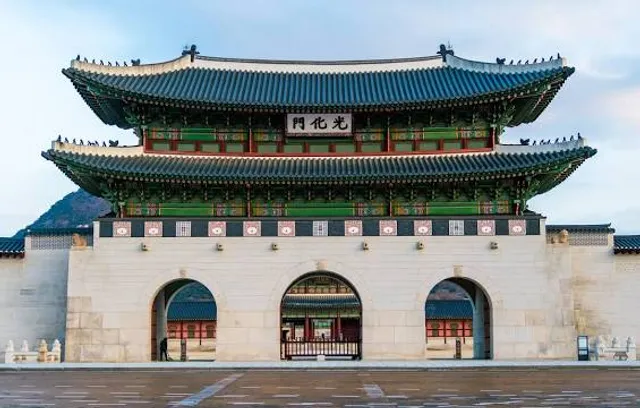
Gwanghwamun is the main and largest gate of Gyeongbok Palace, in Jongno-gu, Seoul, South Korea. It is located at a three-way intersection at the northern end of Sejongno.
Nearby attractions
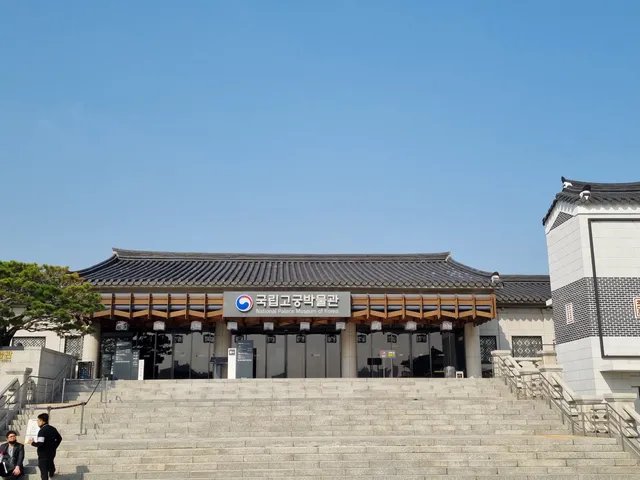
National Palace Museum of Korea
12 Hyoja-ro, Jongno District, Seoul, South Korea
Gyeongbokgung Palace
161 Sajik-ro, Jongno District, Seoul, South Korea
National Museum of Korean Contemporary History
198 Sejong-daero, Jongno District, Seoul, South Korea
Heungnyemun Gate
161 Sajik-ro, Jongno District, Seoul, South Korea
Gwanghwamun Square
172 Sejong-daero, Jongno District, Seoul, South Korea
Sejong Center for the Performing Arts
175 Sejong-daero, Jongno District, Seoul, South Korea
Daelim Museum
21 Jahamun-ro 4-gil, Jongno District, Seoul, South Korea
Statue of King Sejong the Great
172 Sejong-daero, Sejongno, Jongno District, Seoul, South Korea
Geunjeongjeon
161 Sajik-ro, Jongno District, Seoul, South Korea
Gallery Hyundai
14 Samcheong-ro, Jongno District, Seoul, South Korea
Nearby restaurants
Hanilgwan Gwanghwamun
Seoul, South Korea
Cafe Mamas (Gwanghwamun)
83-7 Junghak-dong, Jongno District, Seoul, South Korea
Wooara restaurant
50 Jong-ro 1-gil, Jongno District, Seoul, South Korea
Tosokchon Samgyetang
5 Jahamun-ro 5-gil, Jongno District, Seoul, South Korea
Modowoo Gwanghwamun
South Korea, Seoul, Jongno District, Yulgok-ro 6-gil, 트윈트리 B동 M층
Smith Hanok
22-7 Samcheong-ro, Jongno District, Seoul, South Korea
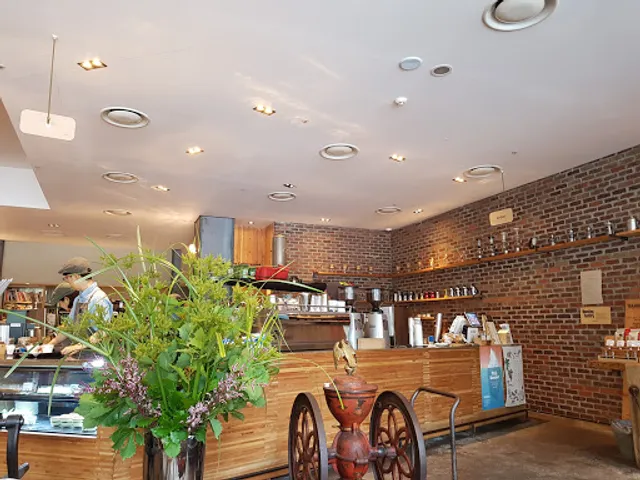
Dugahun
14 Samcheong-ro, Jongno District, Seoul, South Korea
Jeongtong Samgyetang
95 Jong-ro 5-gil, Jongno District, Seoul, South Korea
Beijing koya
25 Yulgok-ro 2-gil, Jongno District, Seoul, South Korea
Heavy Steak Jongno-gu office
42 Sambong-ro, Jongno District, Seoul, South Korea
Related posts
Keywords
Gwanghwamun Gate tourism.Gwanghwamun Gate hotels.Gwanghwamun Gate bed and breakfast. flights to Gwanghwamun Gate.Gwanghwamun Gate attractions.Gwanghwamun Gate restaurants.Gwanghwamun Gate travel.Gwanghwamun Gate travel guide.Gwanghwamun Gate travel blog.Gwanghwamun Gate pictures.Gwanghwamun Gate photos.Gwanghwamun Gate travel tips.Gwanghwamun Gate maps.Gwanghwamun Gate things to do.
Gwanghwamun Gate things to do, attractions, restaurants, events info and trip planning
Gwanghwamun Gate
South KoreaSeoulGwanghwamun Gate

Basic Info

Gwanghwamun Gate

161 Sajik-ro, Jongno District, Seoul, South Korea
4.7(1.6K)
Open 24 hours
Save
spot

Ratings & Description

Info

Gwanghwamun is the main and largest gate of Gyeongbok Palace, in Jongno-gu, Seoul, South Korea. It is located at a three-way intersection at the northern end of Sejongno.

Cultural
Outdoor
Family friendly
Accessibility
attractions: National Palace Museum of Korea, Gyeongbokgung Palace, National Museum of Korean Contemporary History, Heungnyemun Gate, Gwanghwamun Square, Sejong Center for the Performing Arts, Daelim Museum, Statue of King Sejong the Great, Geunjeongjeon, Gallery Hyundai, restaurants: Hanilgwan Gwanghwamun, Cafe Mamas (Gwanghwamun), Wooara restaurant, Tosokchon Samgyetang, Modowoo Gwanghwamun, Smith Hanok, Dugahun, Jeongtong Samgyetang, Beijing koya, Heavy Steak Jongno-gu office
logoLearn more insights from Wanderboat AI.
Phone
+82 2-3700-3900

Plan your stay

hotel
Pet-friendly Hotels in Seoul
Find a cozy hotel nearby and make it a full experience.

hotel
Affordable Hotels in Seoul
Find a cozy hotel nearby and make it a full experience.

hotel
The Coolest Hotels You Haven't Heard Of (Yet)
Find a cozy hotel nearby and make it a full experience.

hotel
Trending Stays Worth the Hype in Seoul
Find a cozy hotel nearby and make it a full experience.

Reviews

Nearby attractions of Gwanghwamun Gate

National Palace Museum of Korea

Gyeongbokgung Palace

National Museum of Korean Contemporary History

Heungnyemun Gate

Gwanghwamun Square

Sejong Center for the Performing Arts

Daelim Museum

Statue of King Sejong the Great

Geunjeongjeon

Gallery Hyundai

National Palace Museum of Korea

National Palace Museum of Korea

4.6

(3K)

Closed
Click for details
Gyeongbokgung Palace

Gyeongbokgung Palace

4.6

(15.6K)

Closed
Click for details
National Museum of Korean Contemporary History

National Museum of Korean Contemporary History

4.5

(1.6K)

Open 24 hours
Click for details
Heungnyemun Gate

Heungnyemun Gate

4.6

(122)

Open 24 hours
Click for details

Things to do nearby

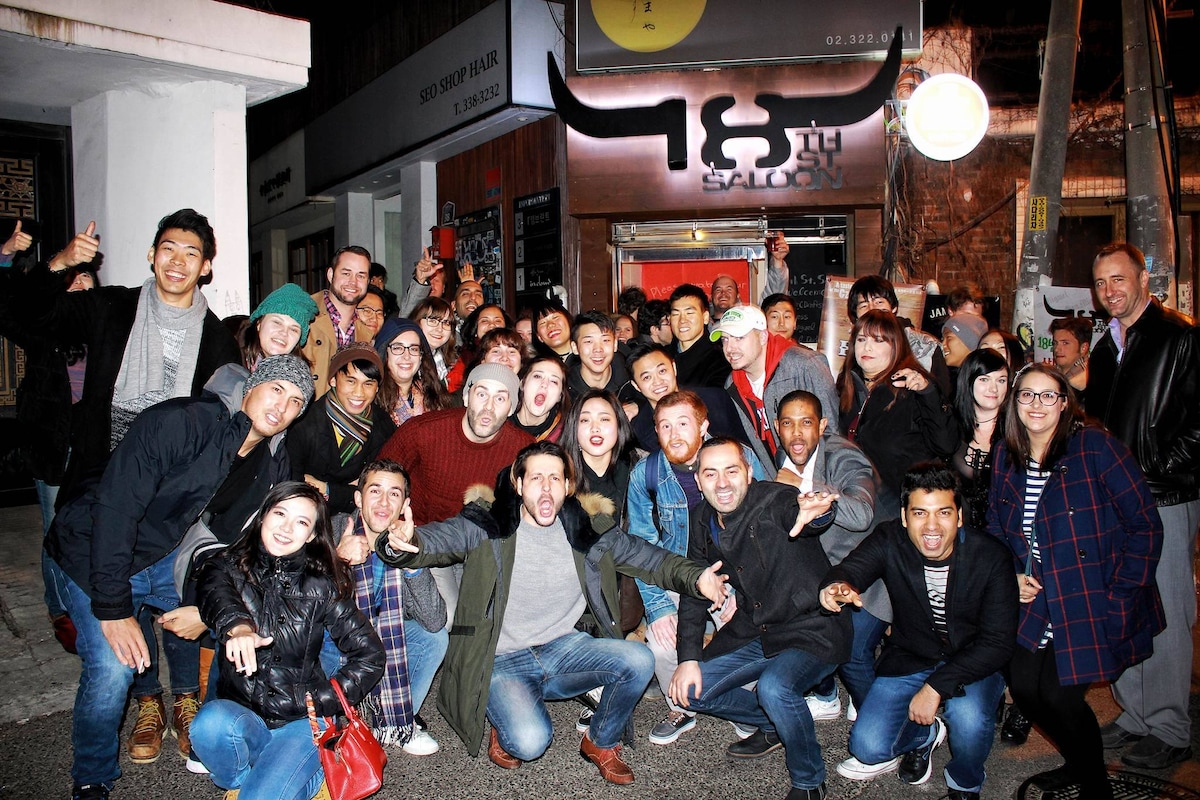
Seoul Pub Crawl
Seoul Pub Crawl
Fri, Dec 5 • 8:00 PM
Seoul, Mapo-gu, 04049, South Korea
View details

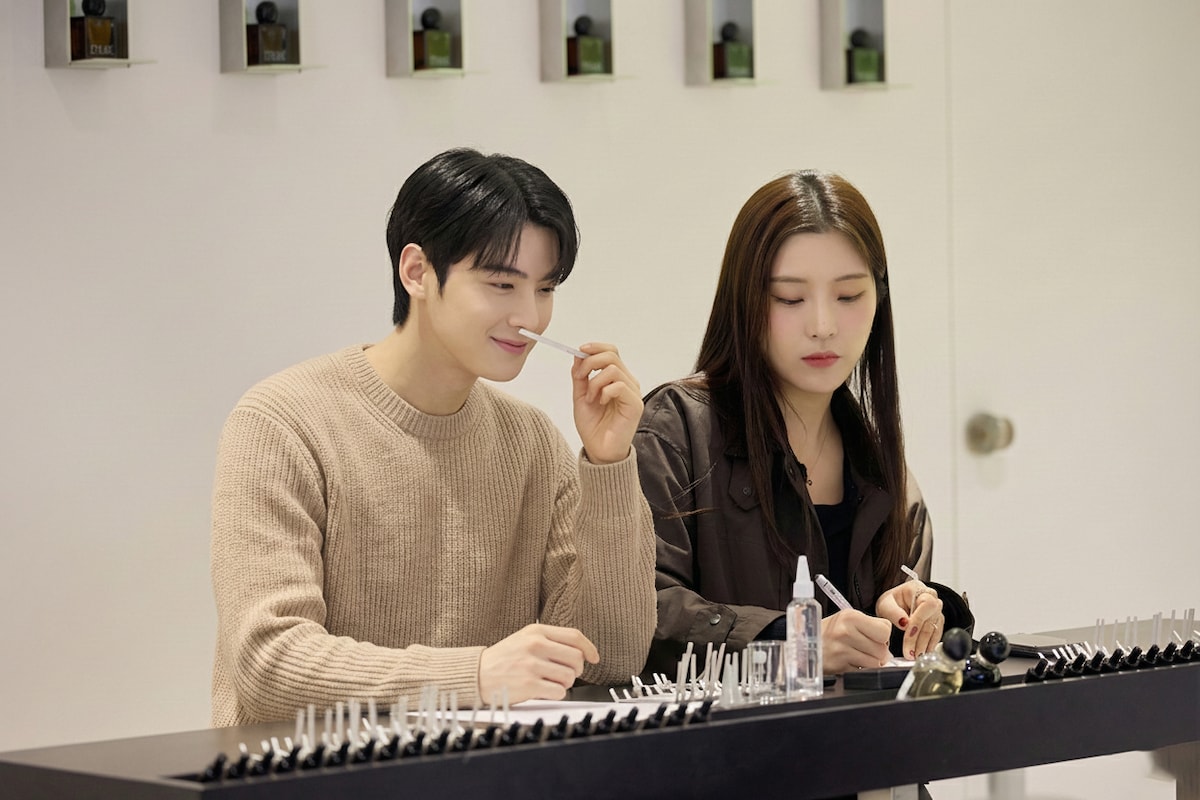
Korean cooking class with a Kimchi chef
Tue, Dec 9 • 10:00 AM
Seoul, 동대문구, South Korea
View details
Cook 3 Authentic Korean Dishes and a Market Tour
Sun, Dec 7 • 10:00 AM
Seoul, Mapo-gu, 03964, South Korea
View details

Nearby restaurants of Gwanghwamun Gate

Hanilgwan Gwanghwamun

Cafe Mamas (Gwanghwamun)

Wooara restaurant

Tosokchon Samgyetang

Modowoo Gwanghwamun

Smith Hanok
Dugahun

Jeongtong Samgyetang

Beijing koya

Heavy Steak Jongno-gu office

Hanilgwan Gwanghwamun

Hanilgwan Gwanghwamun

4.0

(336)

$$$

Click for details
Cafe Mamas (Gwanghwamun)

Cafe Mamas (Gwanghwamun)

4.1

(288)

Click for details
Wooara restaurant

Wooara restaurant

5.0

(175)

Click for details
Tosokchon Samgyetang

Tosokchon Samgyetang

4.2

(4.6K)

Click for details
Get the Appoverlay
Get the AppOne tap to find yournext favorite spots!
Wanderboat LogoWanderboat

Your everyday Al companion for getaway ideas

CompanyAbout Us
InformationAI Trip PlannerSitemap
SocialXInstagramTiktokLinkedin
LegalTerms of ServicePrivacy Policy

Get the app

© 2025 Wanderboat. All rights reserved.
logo

Reviews of Gwanghwamun Gate

4.7
(1,591)
avatar
5.0
1y

Gwanghwamun is an iconic landmark that stands majestically at the heart of Seoul, South Korea, serving as a symbol of the nation's rich history and enduring spirit. This grand gate is the main and largest entrance to Gyeongbokgung Palace, the foremost of the Five Grand Palaces built during the Joseon Dynasty. Gwanghwamun's significance extends beyond its architectural beauty, as it represents centuries of Korean history, culture, and resilience.

The gate itself is an impressive structure, featuring a harmonious blend of wooden beams and stone pillars, crowned with a majestic double-tiered, tiled roof. The intricate details and craftsmanship of Gwanghwamun speak volumes about the architectural sophistication of the Joseon era. The gate has undergone several restorations throughout the years, the most recent of which meticulously returned it to its original splendor, further solidifying its status as a cherished cultural treasure.

Beyond its physical beauty, Gwanghwamun is imbued with symbolic meaning. It has been a witness to many of the pivotal moments in Korea's history, from the rise and fall of dynasties to the challenges of the modern era. Today, it stands not just as a relic of the past but as a beacon of hope and pride for the Korean people, symbolizing the nation's ability to preserve its heritage while embracing the future.

The square in front of Gwanghwamun has become a vibrant public space where history, culture, and civic life intersect. Statues of King Sejong the Great and Admiral Yi Sun-shin, two revered figures in Korean history, stand proudly in the square, serving as reminders of Korea's historical achievements and contributions. The square is also a hub for cultural events, festivals, and peaceful gatherings, reflecting the dynamic spirit of contemporary Seoul.

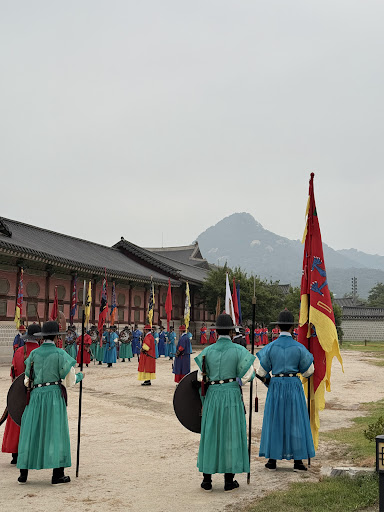
Visiting Gwanghwamun offers an opportunity to step into the heart of Korean history. Tourists can marvel at the gate's architectural beauty, explore the expansive grounds of Gyeongbokgung Palace, and immerse themselves in the stories and traditions that have shaped Korea. The changing of the guard ceremony, performed in traditional attire, is a spectacular event that recreates historical customs and offers a glimpse into the ceremonial practices of the past.

In conclusion, Gwanghwamun is more than just a gate; it is a symbol of Korea's enduring legacy and a testament to the country's strength, resilience, and cultural richness. Its presence in the modern cityscape of Seoul serves as a constant reminder of the importance of preserving history and tradition in the face of progress and change. For visitors, Gwanghwamun is not only a must-see landmark but also a profound cultural experience that connects them to the heart and...

   Read more
avatar
4.0
1y

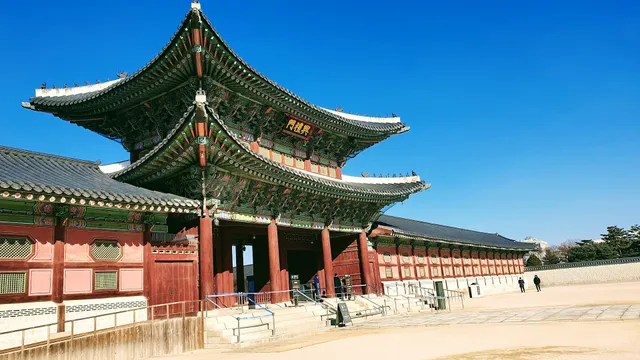
Gwanghwamun Gate is the main and largest gate of Gyeongbokgung Palace, located in Seoul, South Korea. It serves as the primary entrance to the palace and is one of the most iconic historical landmarks in the city. Originally built in 1395 during the Joseon Dynasty, it has been reconstructed several times due to damage from invasions and wars.

When visiting Gwanghwamun Gate, it's important to know that the palace opens at 9 AM, and it's recommended to arrive early to avoid crowds. The gate is part of Gyeongbokgung Palace, so you’ll need to purchase a ticket to enter the palace grounds, which includes access to the gate.

One of the highlights of visiting Gwanghwamun is witnessing the changing of the royal guard ceremony, which takes place in front of the gate. This event occurs multiple times a day and provides a glimpse into Korea’s royal history. The ceremony typically takes place at 10 AM and 2 PM, but it’s good to check the schedule ahead of time as times can vary.

The gate is located near Gwanghwamun Square, where you can find statues of historical figures like King Sejong the Great and Admiral Yi Sun-sin. The area around the gate is rich in cultural and historical significance, with museums and other points of interest nearby.

Visitors can also enjoy great views of Bukhansan Mountain in the background, making the gate a popular spot for photography.

Be mindful of the weather as the area can get quite hot in the summer and cold in the winter. Comfortable walking shoes are recommended, as Gyeongbokgung Palace is large and requires significant walking to...

   Read more
avatar
5.0
47w

Gwanghwamun Gate is one of the most iconic landmarks in Seoul and serves as the main entrance to Gyeongbokgung Palace, one of the city’s most historically significant sites. This grand gate, with its beautiful architecture and strategic location, is a must-visit for anyone exploring Korea’s royal heritage.

A notable feature of Gwanghwamun Gate is the presence of soldiers dressed in traditional Korean military uniforms, adding a sense of grandeur and authenticity to the site. Visitors can take photos with these soldiers, capturing a glimpse of Korea’s rich history through the striking attire and impressive presence of the guards. The vibrant colors of their uniforms and the traditional weapons they carry further enhance the historical atmosphere of the area.

In addition to the photo opportunities, there is also a daily reenactment of the changing of the guard ceremony, which takes place in the afternoon. This lively performance is a fascinating spectacle, showcasing the traditional customs of the Joseon Dynasty. The soldiers march with precision and carry out ceremonial duties in a way that allows visitors to experience a piece of Korea’s royal past. The reenactment is a popular event, so be sure to check the schedule ahead of time to...

   Read more
Page 1 of 7
Previous
Next

Posts

Viga NunuViga Nunu
Gwanghwamun is an iconic landmark that stands majestically at the heart of Seoul, South Korea, serving as a symbol of the nation's rich history and enduring spirit. This grand gate is the main and largest entrance to Gyeongbokgung Palace, the foremost of the Five Grand Palaces built during the Joseon Dynasty. Gwanghwamun's significance extends beyond its architectural beauty, as it represents centuries of Korean history, culture, and resilience. The gate itself is an impressive structure, featuring a harmonious blend of wooden beams and stone pillars, crowned with a majestic double-tiered, tiled roof. The intricate details and craftsmanship of Gwanghwamun speak volumes about the architectural sophistication of the Joseon era. The gate has undergone several restorations throughout the years, the most recent of which meticulously returned it to its original splendor, further solidifying its status as a cherished cultural treasure. Beyond its physical beauty, Gwanghwamun is imbued with symbolic meaning. It has been a witness to many of the pivotal moments in Korea's history, from the rise and fall of dynasties to the challenges of the modern era. Today, it stands not just as a relic of the past but as a beacon of hope and pride for the Korean people, symbolizing the nation's ability to preserve its heritage while embracing the future. The square in front of Gwanghwamun has become a vibrant public space where history, culture, and civic life intersect. Statues of King Sejong the Great and Admiral Yi Sun-shin, two revered figures in Korean history, stand proudly in the square, serving as reminders of Korea's historical achievements and contributions. The square is also a hub for cultural events, festivals, and peaceful gatherings, reflecting the dynamic spirit of contemporary Seoul. Visiting Gwanghwamun offers an opportunity to step into the heart of Korean history. Tourists can marvel at the gate's architectural beauty, explore the expansive grounds of Gyeongbokgung Palace, and immerse themselves in the stories and traditions that have shaped Korea. The changing of the guard ceremony, performed in traditional attire, is a spectacular event that recreates historical customs and offers a glimpse into the ceremonial practices of the past. In conclusion, Gwanghwamun is more than just a gate; it is a symbol of Korea's enduring legacy and a testament to the country's strength, resilience, and cultural richness. Its presence in the modern cityscape of Seoul serves as a constant reminder of the importance of preserving history and tradition in the face of progress and change. For visitors, Gwanghwamun is not only a must-see landmark but also a profound cultural experience that connects them to the heart and soul of Korea.
RR
Gwanghwamun Gate is the main and largest gate of Gyeongbokgung Palace, located in Seoul, South Korea. It serves as the primary entrance to the palace and is one of the most iconic historical landmarks in the city. Originally built in 1395 during the Joseon Dynasty, it has been reconstructed several times due to damage from invasions and wars. When visiting Gwanghwamun Gate, it's important to know that the palace opens at 9 AM, and it's recommended to arrive early to avoid crowds. The gate is part of Gyeongbokgung Palace, so you’ll need to purchase a ticket to enter the palace grounds, which includes access to the gate. One of the highlights of visiting Gwanghwamun is witnessing the changing of the royal guard ceremony, which takes place in front of the gate. This event occurs multiple times a day and provides a glimpse into Korea’s royal history. The ceremony typically takes place at 10 AM and 2 PM, but it’s good to check the schedule ahead of time as times can vary. The gate is located near Gwanghwamun Square, where you can find statues of historical figures like King Sejong the Great and Admiral Yi Sun-sin. The area around the gate is rich in cultural and historical significance, with museums and other points of interest nearby. Visitors can also enjoy great views of Bukhansan Mountain in the background, making the gate a popular spot for photography. Be mindful of the weather as the area can get quite hot in the summer and cold in the winter. Comfortable walking shoes are recommended, as Gyeongbokgung Palace is large and requires significant walking to explore fully.
Wesley WongWesley Wong
Gwanghwamun Gate is one of the most iconic landmarks in Seoul and serves as the main entrance to Gyeongbokgung Palace, one of the city’s most historically significant sites. This grand gate, with its beautiful architecture and strategic location, is a must-visit for anyone exploring Korea’s royal heritage. A notable feature of Gwanghwamun Gate is the presence of soldiers dressed in traditional Korean military uniforms, adding a sense of grandeur and authenticity to the site. Visitors can take photos with these soldiers, capturing a glimpse of Korea’s rich history through the striking attire and impressive presence of the guards. The vibrant colors of their uniforms and the traditional weapons they carry further enhance the historical atmosphere of the area. In addition to the photo opportunities, there is also a daily reenactment of the changing of the guard ceremony, which takes place in the afternoon. This lively performance is a fascinating spectacle, showcasing the traditional customs of the Joseon Dynasty. The soldiers march with precision and carry out ceremonial duties in a way that allows visitors to experience a piece of Korea’s royal past. The reenactment is a popular event, so be sure to check the schedule ahead of time to catch the show.
See more posts
See more posts
hotel
Find your stay

Pet-friendly Hotels in Seoul

Find a cozy hotel nearby and make it a full experience.

Gwanghwamun is an iconic landmark that stands majestically at the heart of Seoul, South Korea, serving as a symbol of the nation's rich history and enduring spirit. This grand gate is the main and largest entrance to Gyeongbokgung Palace, the foremost of the Five Grand Palaces built during the Joseon Dynasty. Gwanghwamun's significance extends beyond its architectural beauty, as it represents centuries of Korean history, culture, and resilience. The gate itself is an impressive structure, featuring a harmonious blend of wooden beams and stone pillars, crowned with a majestic double-tiered, tiled roof. The intricate details and craftsmanship of Gwanghwamun speak volumes about the architectural sophistication of the Joseon era. The gate has undergone several restorations throughout the years, the most recent of which meticulously returned it to its original splendor, further solidifying its status as a cherished cultural treasure. Beyond its physical beauty, Gwanghwamun is imbued with symbolic meaning. It has been a witness to many of the pivotal moments in Korea's history, from the rise and fall of dynasties to the challenges of the modern era. Today, it stands not just as a relic of the past but as a beacon of hope and pride for the Korean people, symbolizing the nation's ability to preserve its heritage while embracing the future. The square in front of Gwanghwamun has become a vibrant public space where history, culture, and civic life intersect. Statues of King Sejong the Great and Admiral Yi Sun-shin, two revered figures in Korean history, stand proudly in the square, serving as reminders of Korea's historical achievements and contributions. The square is also a hub for cultural events, festivals, and peaceful gatherings, reflecting the dynamic spirit of contemporary Seoul. Visiting Gwanghwamun offers an opportunity to step into the heart of Korean history. Tourists can marvel at the gate's architectural beauty, explore the expansive grounds of Gyeongbokgung Palace, and immerse themselves in the stories and traditions that have shaped Korea. The changing of the guard ceremony, performed in traditional attire, is a spectacular event that recreates historical customs and offers a glimpse into the ceremonial practices of the past. In conclusion, Gwanghwamun is more than just a gate; it is a symbol of Korea's enduring legacy and a testament to the country's strength, resilience, and cultural richness. Its presence in the modern cityscape of Seoul serves as a constant reminder of the importance of preserving history and tradition in the face of progress and change. For visitors, Gwanghwamun is not only a must-see landmark but also a profound cultural experience that connects them to the heart and soul of Korea.
Viga Nunu

Viga Nunu

hotel
Find your stay

Affordable Hotels in Seoul

Find a cozy hotel nearby and make it a full experience.

Get the Appoverlay
Get the AppOne tap to find yournext favorite spots!
Gwanghwamun Gate is the main and largest gate of Gyeongbokgung Palace, located in Seoul, South Korea. It serves as the primary entrance to the palace and is one of the most iconic historical landmarks in the city. Originally built in 1395 during the Joseon Dynasty, it has been reconstructed several times due to damage from invasions and wars. When visiting Gwanghwamun Gate, it's important to know that the palace opens at 9 AM, and it's recommended to arrive early to avoid crowds. The gate is part of Gyeongbokgung Palace, so you’ll need to purchase a ticket to enter the palace grounds, which includes access to the gate. One of the highlights of visiting Gwanghwamun is witnessing the changing of the royal guard ceremony, which takes place in front of the gate. This event occurs multiple times a day and provides a glimpse into Korea’s royal history. The ceremony typically takes place at 10 AM and 2 PM, but it’s good to check the schedule ahead of time as times can vary. The gate is located near Gwanghwamun Square, where you can find statues of historical figures like King Sejong the Great and Admiral Yi Sun-sin. The area around the gate is rich in cultural and historical significance, with museums and other points of interest nearby. Visitors can also enjoy great views of Bukhansan Mountain in the background, making the gate a popular spot for photography. Be mindful of the weather as the area can get quite hot in the summer and cold in the winter. Comfortable walking shoes are recommended, as Gyeongbokgung Palace is large and requires significant walking to explore fully.
R

R

hotel
Find your stay

The Coolest Hotels You Haven't Heard Of (Yet)

Find a cozy hotel nearby and make it a full experience.

hotel
Find your stay

Trending Stays Worth the Hype in Seoul

Find a cozy hotel nearby and make it a full experience.

Gwanghwamun Gate is one of the most iconic landmarks in Seoul and serves as the main entrance to Gyeongbokgung Palace, one of the city’s most historically significant sites. This grand gate, with its beautiful architecture and strategic location, is a must-visit for anyone exploring Korea’s royal heritage. A notable feature of Gwanghwamun Gate is the presence of soldiers dressed in traditional Korean military uniforms, adding a sense of grandeur and authenticity to the site. Visitors can take photos with these soldiers, capturing a glimpse of Korea’s rich history through the striking attire and impressive presence of the guards. The vibrant colors of their uniforms and the traditional weapons they carry further enhance the historical atmosphere of the area. In addition to the photo opportunities, there is also a daily reenactment of the changing of the guard ceremony, which takes place in the afternoon. This lively performance is a fascinating spectacle, showcasing the traditional customs of the Joseon Dynasty. The soldiers march with precision and carry out ceremonial duties in a way that allows visitors to experience a piece of Korea’s royal past. The reenactment is a popular event, so be sure to check the schedule ahead of time to catch the show.
Wesley Wong

Wesley Wong

See more posts
See more posts