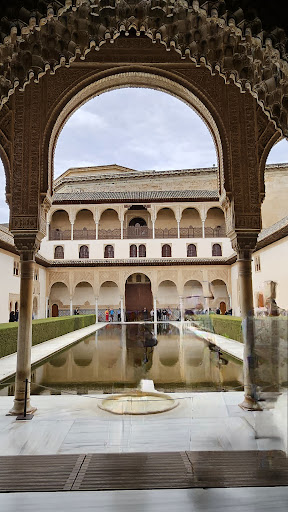
Stepping into Paradise: A Review of the Patio de los Arrayanes
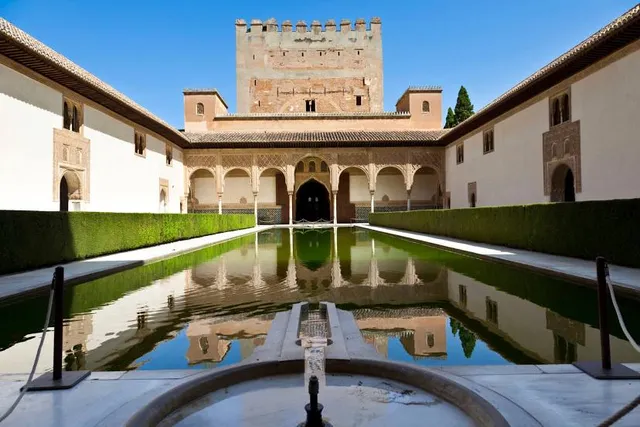
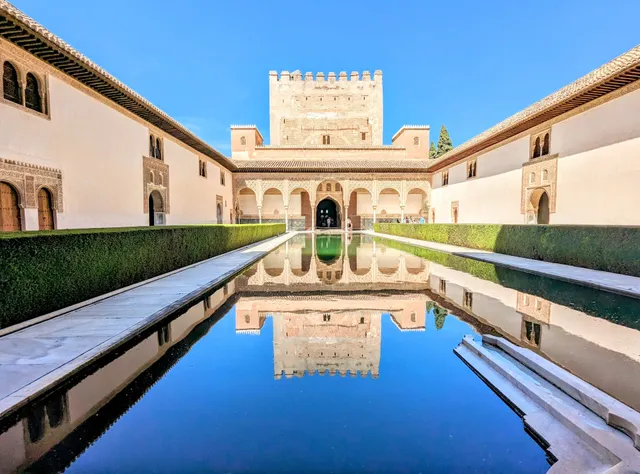
The Patio de los Arrayanes, nestled within the heart of Alhambra's Nasrid Palaces, transcends the realm of mere courtyards. It's a sensory poem etched in water, marble, and sky, a masterpiece where Islamic artistry and nature co-mingle in breathtaking harmony. Stepping into this haven is like stepping into a bygone era, where Moorish sultans strolled amidst the whispering myrtle hedges and the sun played hide-and-seek on the still waters of the reflecting pool.
A Feast for the Eyes:
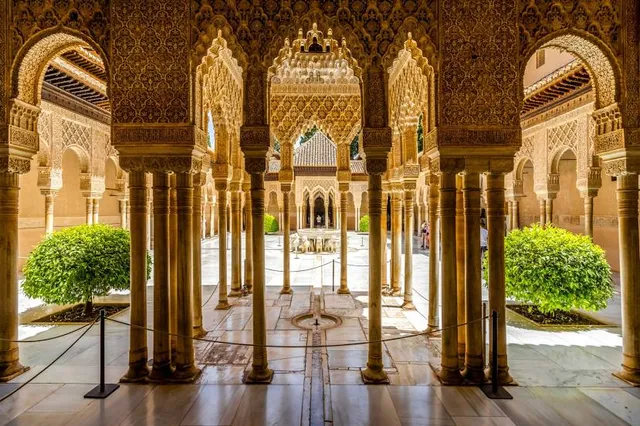
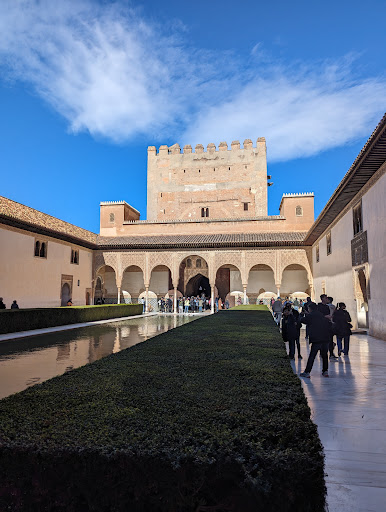
Imagine a long, rectangular canvas, delicately framed by colonnades adorned with intricate arabesques. Sunlight dances through the filigree, casting mesmerizing patterns on the cool, white marble floor. In the center, a mirror of water stretches languidly, its surface reflecting the grandeur of the surrounding architecture and the infinite expanse of the cerulean sky. The air hums with the gentle gurgle of fountains, while the scent of myrtle leaves infuses the atmosphere with a calming fragrance.
Tranquility Found:
Amidst the grandeur, an aura of serenity prevails. The rhythmic murmur of water and the soft rustle of leaves lull the mind into a state of quietude. Here, time seems to slow, inviting introspection and mindful appreciation. Whether you choose to sit on a cool bench, allowing the beauty to wash over you, or wander along the shaded arcades, absorbing the intricate details, the Patio de los Arrayanes offers a sanctuary for the soul.
Beyond the Beauty:
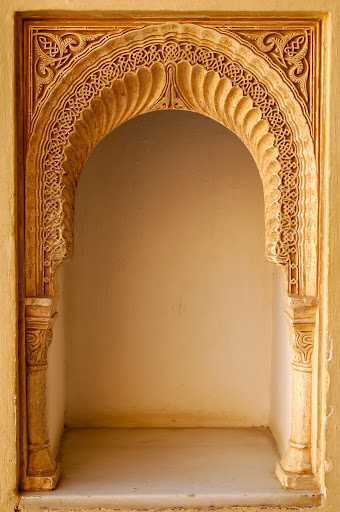
This courtyard is not just a feast for the senses; it's a testament to the ingenuity and artistry of a bygone era. The clever use of water and light creates an illusion of spaciousness, while the meticulous geometric patterns and delicate carvings whisper tales of a rich cultural heritage. Each element, from the glistening pool to the sculpted hedges, plays a role in the harmonious composition, making the Patio de los Arrayanes a masterpiece of Islamic architecture.
A Must-See for Every Traveler:
Whether you're an architecture aficionado, a history buff, or simply someone seeking a moment of tranquility, the Patio de los Arrayanes is an experience not to be missed. It's a place that lingers in the memory long after you leave, a reminder of the exquisite beauty and cultural richness that the world holds. So, if you find yourself in Granada, don't hesitate to step into this oasis of serenity and immerse yourself in its magic. It will leave you breathless, inspired, and forever changed.
Verdict: More than just a courtyard, the Patio de los Arrayanes is a sensory journey, a historical tapestry, and a testament to human artistry. It's a must-see for any traveler seeking beauty, tranquility, and a glimpse into...
Read more아랍 수공간의 정수를 보여주는 장소 건축적으로도 역사적으로도 스페인에서 매우 중요한 곳.
스페인 그라나다의 Patio de Comares는 알함브라 궁전(Alhambra Palace)의 중심부에 위치한 중요한 광장입니다. 이 광장은 14세기 말에 나사르 왕국의 황제 이슬람 왕궁으로 건축되었습니다.
Patio de Comares는 이름 그대로, 코마레스 광장으로도 알려져 있으며, 크기는 약 35 x 17m이며, 이 광장은 알함브라 궁전의 중심부에 위치하며, 광장의 이름은 마르코민디스 교황님이 그라나다를 방문할 때 광장에서 열린 축하 연회에서 유래되었다고 합니다.
이 광장은 이슬람 문화에서 영향을 받은 건축양식으로 디자인되어 있으며, 정사각형으로 구성되어 있습니다. 광장은 가운데에 분수가 있으며, 이곳은 이슬람 문화에서 중요한 공간이며, 왕과 국가의 중심부인 축제와 행사가 열리는 장소였습니다.
또한, Patio de Comares는 그라나다 중세 건축 양식의 대표적인 건물 중 하나입니다. 이슬람 문화의 건축양식과 기묘한 미술 작품을 즐길 수 있는 장소이며, 이슬람 문화와 그라나다의 역사적인 유산을 경험할 수 있는 아름다운 장소입니다.
A place that shows the essence of the Arab water space A very important place in Spain, both architecturally and historically.
The Patio de Comares in Granada, Spain is an important square located in the heart of the Alhambra Palace. This square was built at the end of the 14th century as the palace of the Muslim emperor of Nassar.
Patio de Comares, as its name suggests, is also known as Comares Square, the size is about 35 x 17m, this square is located in the center of the Alhambra Palace, and the name of the square was given to Pope Marcomindis from the square when he visited Granada. It is said to have originated from an open celebration banquet.
This square is designed in an architectural style influenced by Islamic culture and is composed of a square. The square has a fountain in the middle, and it is an important space in Islamic culture, the center of kings and states, where festivals and events were held.
Also, the Patio de Comares is one of the representative buildings of Granada's medieval architecture. It is a place where you can enjoy Islamic architecture and bizarre artwork, and it is a beautiful place to experience Islamic culture and Granada's historical heritage.
アラブ水空間の整数を見せる場所 建築的にも歴史的にもスペインで非常に重要な場所。
スペインのグラナダのPatio de Comaresは、アルハンブラ宮殿の中心部に位置する重要な広場です。 この広場は14世紀末にナザル王国の皇帝イスラム王宮として建てられました。
Patio de Comaresは名前の通り、コマレス広場としても知られており、広さは約35 x 17mで、この広場はアルハンブラ宮殿の中心部に位置しています。 開かれたお祝い宴会に由来したそうです。
この広場はイスラム文化の影響を受けた建築様式でデザインされており、正方形で構成されています。 広場は中央に噴水があり、ここはイスラム文化の重要な空間であり、王と国の中心部である祭りやイベントが開催される場所でした。
また、パティオデコマレスはグラナダの中世建築様式の代表的な建物の一つです。...
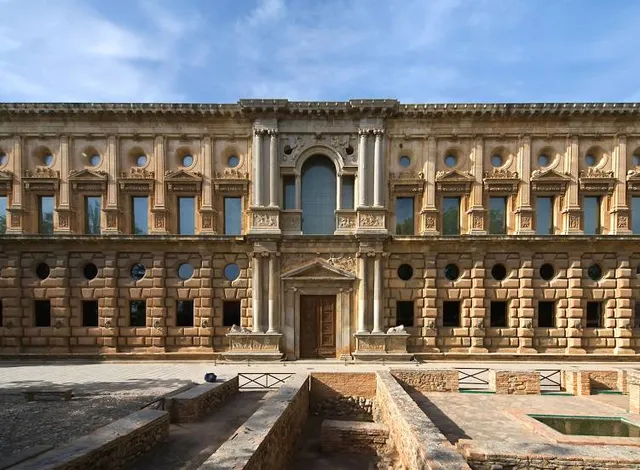
Read morePatio de los Arrayanes, también conocido como de la Alberca y de Comares. Es un patio clásico de tipo arábigo-andaluz, con dos pórticos en sus lados menores, una gran alberca en la que se reflejan las construcciones, rodeada por macizos de arrayán, y dos pilas de mármol que vierten sus aguas en el estanque. Los pórticos tienes 7 arcos semicirculares, siendo mayor el central, de paños de yeso calados. Sobre el pórtico sur se elevan dos plantas, una con siete ventanas con celosías de madera, siendo la central doble, y otra superior ésta con una galería sobre el patio. Las dependencias del pórtico sur quedaron destruidas al construirse el palacio de Carlos V, que se adosa a éste.
En el lado norte encontramos la mayor sala de toda la Alhambra, el Salón de Embajadores, antiguo saló del trono. Esta sala se encuentra cobijada dentro la Torre de Comares, que con sus 45 m. de altura es la mayor de toda la fortaleza. Para llegar a ella, y tras atravesar el pórtico encontramos, en primer lugar, la sala de la Barca, con hermoso techo de madera, copia del original que ardió en un incendio en el siglo XIX; como nota curiosa decir que, tras la puerta que se abre en la parte izquierda de esta sala se encuentra la letrina del palacio, no visitable. Saliendo de la sala de la Barca, en el espacio entre ésta y el Salón de Embajadores, podemos ver, a la derecha, un pequeño oratorio, probablemente reservado para el Sultán.
Llegamos ya al Salón de Embajadores, envuelto en una relajante penumbra. La iluminación nos llega de las ventanas presentes en los camarines que se abren en las paredes, tres por cada muro. En la central, frente a la puerta, era donde se situaba el trono y es la más ricamente decorada. A mayor altura una serie de ventanitas caladas iluminan el bello techo de madera, que representa los siete cielos del cosmos islámico que recorre el alma del creyente hasta encontrar a Allah. De nuevo en el patio, seguiremos la visita por una habitación del lado este, que nos comunica con el Palacio de los Leones. Esta comunicación es moderna, ya que antiguamente estos dos palacios no estaban comunicados...
Read more