Muralla Romana de Lugo things to do, attractions, restaurants, events info and trip planning
Basic Info
Muralla Romana de Lugo
27001 Lugo, Spain
4.7(5.2K)
Open until 12:00 AM
Save
spot
spot
Ratings & Description
Info
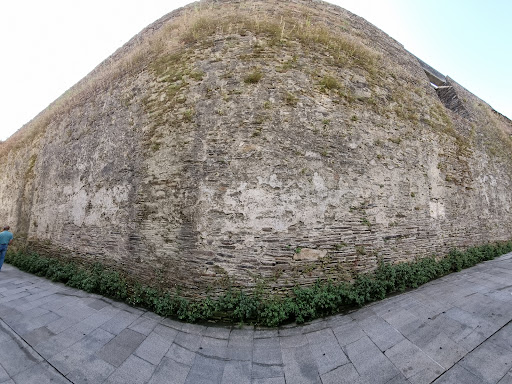
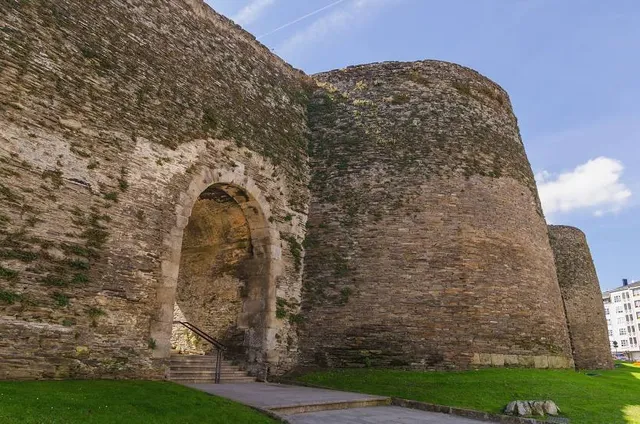
The Roman walls of Lugo are the ancient Roman defensive walls stretching 2,120 metres around the Old Town of Lugo, Spain. They were built in the third century AD to defend the ancient Roman town of Lucus Augusti.
Cultural
Outdoor
Accessibility
Family friendly
attractions: Domus Mitreo, Casa dos Mosaicos, Miñá Gate, Sala Porta Miñá, Museo Diocesano Catedralicio de Lugo, Plaza del Campo, Museo Provincial de Lugo, 1. Centro Arqueolóxico San Roque, Public Library of Lugo, Parque Marcos Cela, restaurants: Parrillada Porta Santiago, Restaurante Campos, Bar Cotá, O Novo Pote, Antas de Ulla, Restaurante Pasarela, Restaurante da Rua, Sibuya Urban Sushi Bar, Ave Cesar, El Riba, local businesses: Lugo Cathedral, Parque de Rosalía de Castro, Círculo das Artes, Capela de San Roque, Ichigo Asian Market
 Learn more insights from Wanderboat AI.
Website
ca.www.mcu.es
Open hoursSee all hours
FriOpen 24 hoursOpen
Plan your stay

Pet-friendly Hotels in Lugo
Find a cozy hotel nearby and make it a full experience.

Affordable Hotels in Lugo
Find a cozy hotel nearby and make it a full experience.

The Coolest Hotels You Haven't Heard Of (Yet)
Find a cozy hotel nearby and make it a full experience.

Trending Stays Worth the Hype in Lugo
Find a cozy hotel nearby and make it a full experience.
Reviews
Live events

LUGO - Título oficial GRATUITO: operacións de servizos administrativos
Tue, Mar 3 • 9:00 AM
52 Ronda da Muralla 27002 Lugo
View details
Candlelight: Conciertos de música clásica en vivo - Lista de espera
Sun, Mar 27 • 12:00 AM
Localización Secreta Lugo, 00000
View details
Nearby attractions of Muralla Romana de Lugo
Domus Mitreo
Casa dos Mosaicos
Miñá Gate
Sala Porta Miñá
Museo Diocesano Catedralicio de Lugo
Plaza del Campo
Museo Provincial de Lugo
1. Centro Arqueolóxico San Roque
Public Library of Lugo
Parque Marcos Cela
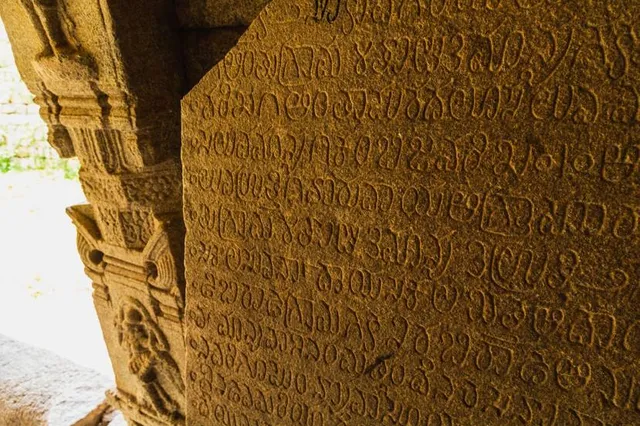
Domus Mitreo
4.5
(272)
Closed
Click for details
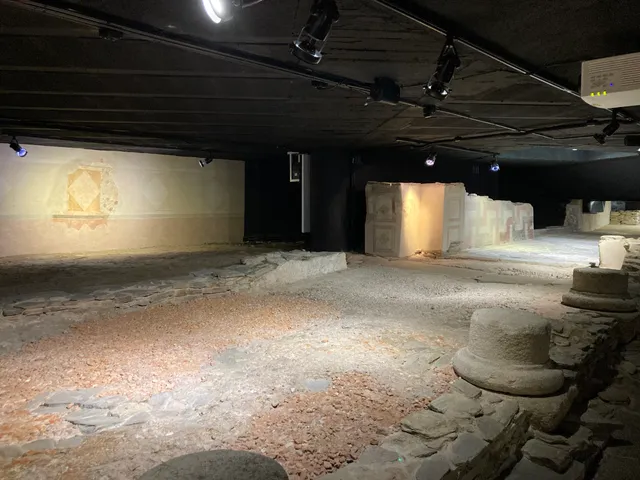
Casa dos Mosaicos
4.3
(414)
Closed
Click for details
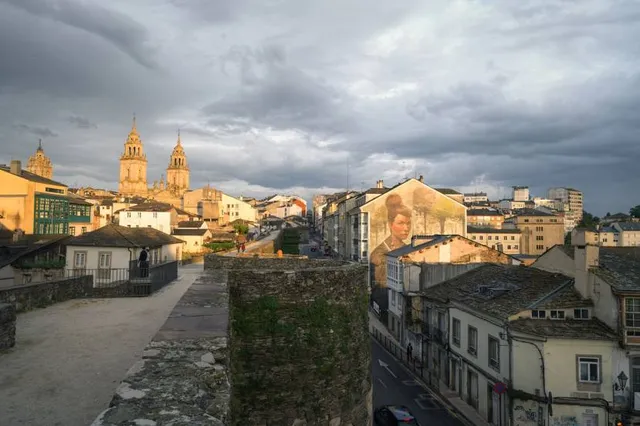
Miñá Gate
4.6
(128)
Open until 12:00 AM
Click for details
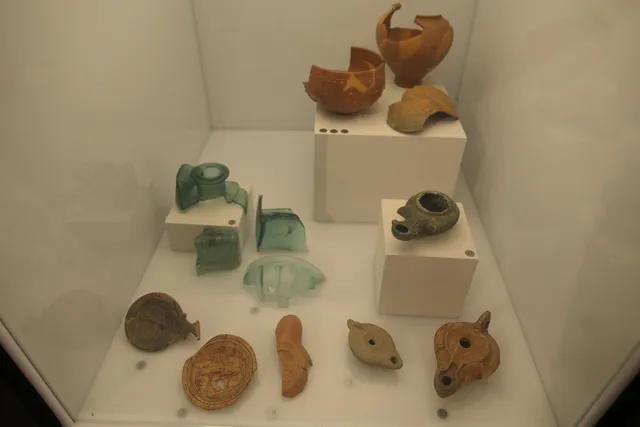
Sala Porta Miñá
4.7
(67)
Closed
Click for details
Nearby restaurants of Muralla Romana de Lugo
Parrillada Porta Santiago
Restaurante Campos
Bar Cotá
O Novo Pote
Antas de Ulla
Restaurante Pasarela
Restaurante da Rua
Sibuya Urban Sushi Bar
Ave Cesar
El Riba
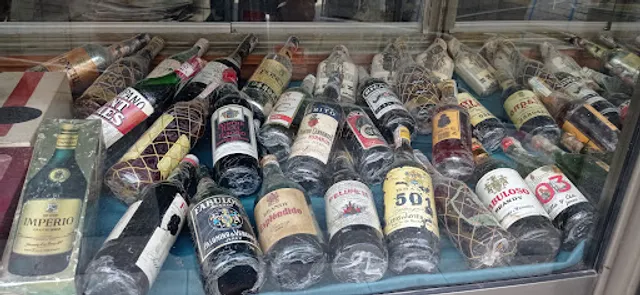
Parrillada Porta Santiago
4.3
(259)
$$
Open until 12:00 AM
Click for details
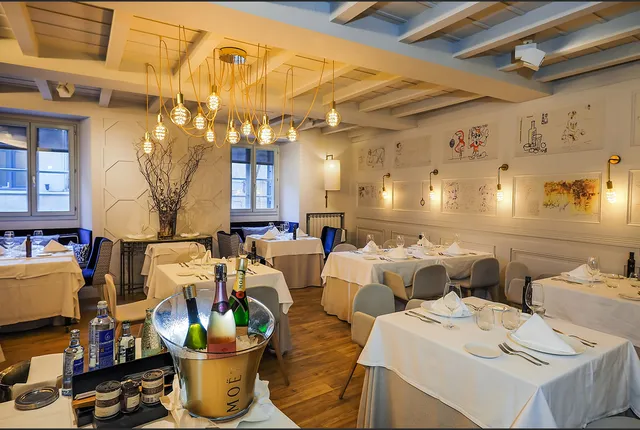
Restaurante Campos
4.5
(904)
$$$
Open until 11:30 PM
Click for details
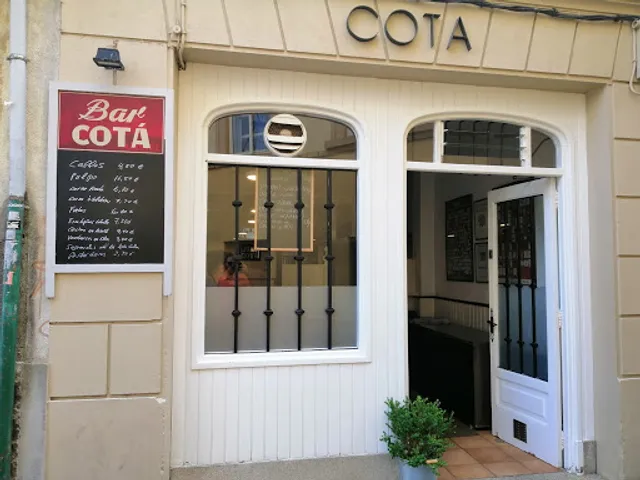
Bar Cotá
4.3
(354)
Open until 12:30 AM
Click for details
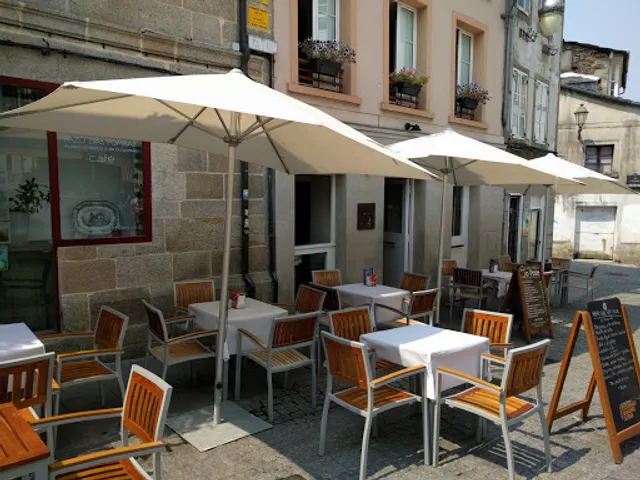
O Novo Pote
4.1
(270)
Open until 12:00 AM
Click for details
Nearby local services of Muralla Romana de Lugo
Lugo Cathedral
Parque de Rosalía de Castro
Círculo das Artes
Capela de San Roque
Ichigo Asian Market
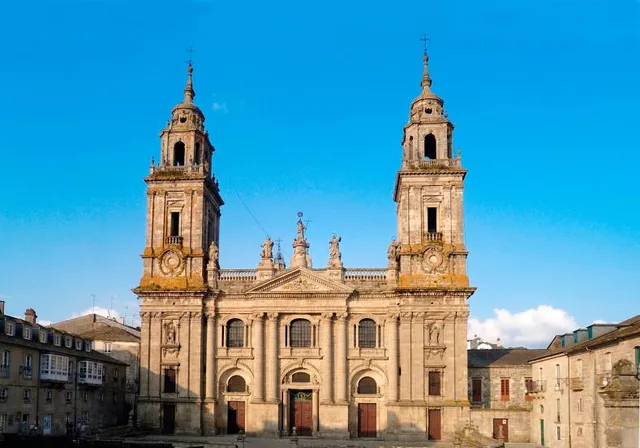
Lugo Cathedral
4.5
(2.1K)
Click for details
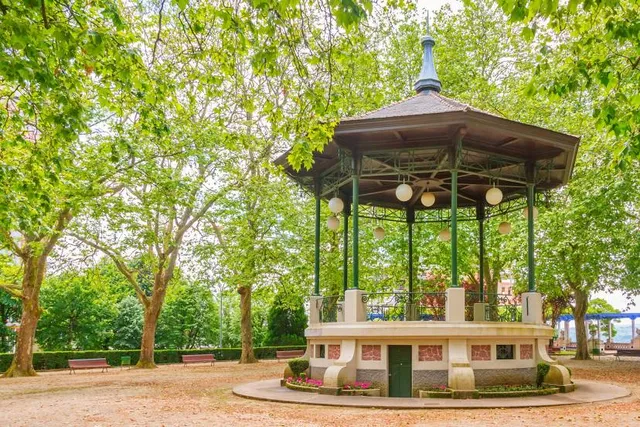
Parque de Rosalía de Castro
4.4
(2.1K)
Click for details
Círculo das Artes
4.4
(292)
Click for details

Capela de San Roque
4.5
(15)
Click for details