The Central Point - Economic History Museum things to do, attractions, restaurants, events info and trip planning
Basic Info
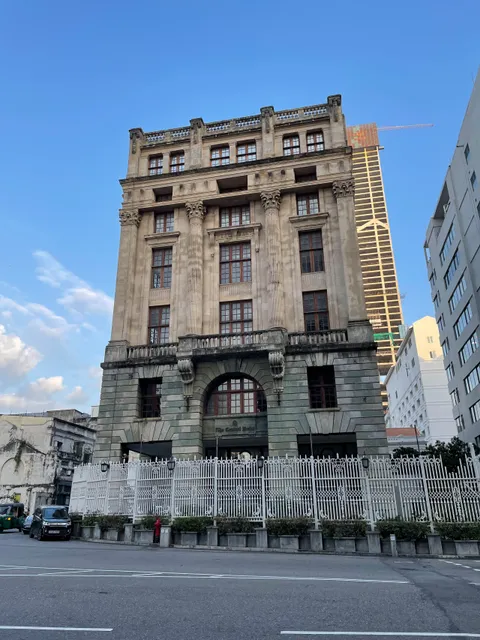
The Central Point - Economic History Museum
WRMV+Q8Q, Chatham St, Colombo 00100, Sri Lanka
4.5(70)
Open until 12:00 AM
Save
spot
spot
Ratings & Description
Info
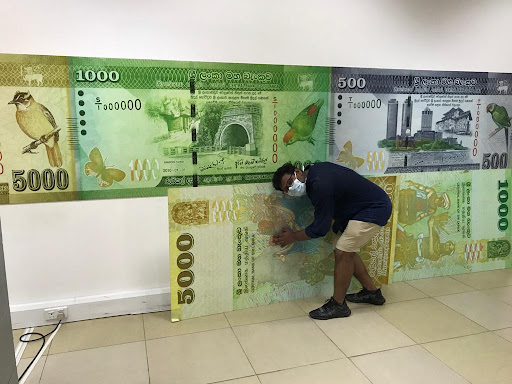
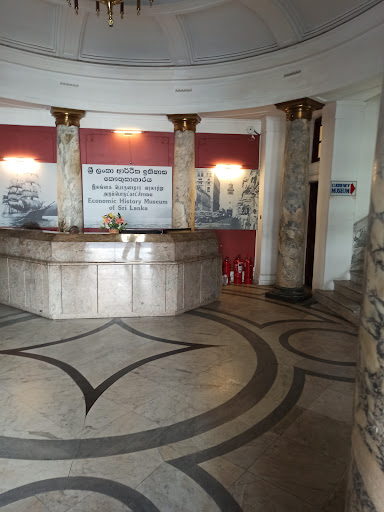
Economic History Museum of Sri Lanka is located in the Central Point building, 54 Chatham Street, Colombo Fort.
Cultural
Family friendly
Accessibility
attractions: Colombo City Walks, Colombo Walks, Colombo Lighthouse, Sambodhi Pagoda Temple, Colombo Port Maritime Museum, Gaffoor Building, Galle Face Urban Forest Park, Khan Clock Tower, Galle Face Beach, Adventure Zone, restaurants: Java Lounge - Fort, Ministry of Crab, t-lounge by Dilmah – Chatham Street ️, Taphouse by RnR Colombo, The Kingsbury Colombo, Dutch Pub Colombo, The REPUBLK, Harpo's Colombo Fort Cafe, The Joint Pub and Grill, Heladiv Tea Club, local businesses: Dutch Hospital - Shopping Precinct, Spa Ceylon Chatham - Spa & Boutique, Lighthouse Clock Tower, Spa Ceylon Boutique - Dutch Hospital, Colombo Port Old Lighthouse, Kings SteakBar, One Galle Face Mall, Fort Railway station, Bally's Casino Colombo, ODEL - OGF Mall
 Learn more insights from Wanderboat AI.
Phone
+94 112 444 503
Website
cbsl.gov.lk
Open hoursSee all hours
Mon9 AM - 1:15 PM, 2:15 - 4 PMOpen
Plan your stay

Pet-friendly Hotels in Colombo
Find a cozy hotel nearby and make it a full experience.

Affordable Hotels in Colombo
Find a cozy hotel nearby and make it a full experience.

The Coolest Hotels You Haven't Heard Of (Yet)
Find a cozy hotel nearby and make it a full experience.

Trending Stays Worth the Hype in Colombo
Find a cozy hotel nearby and make it a full experience.
Reviews
Live events
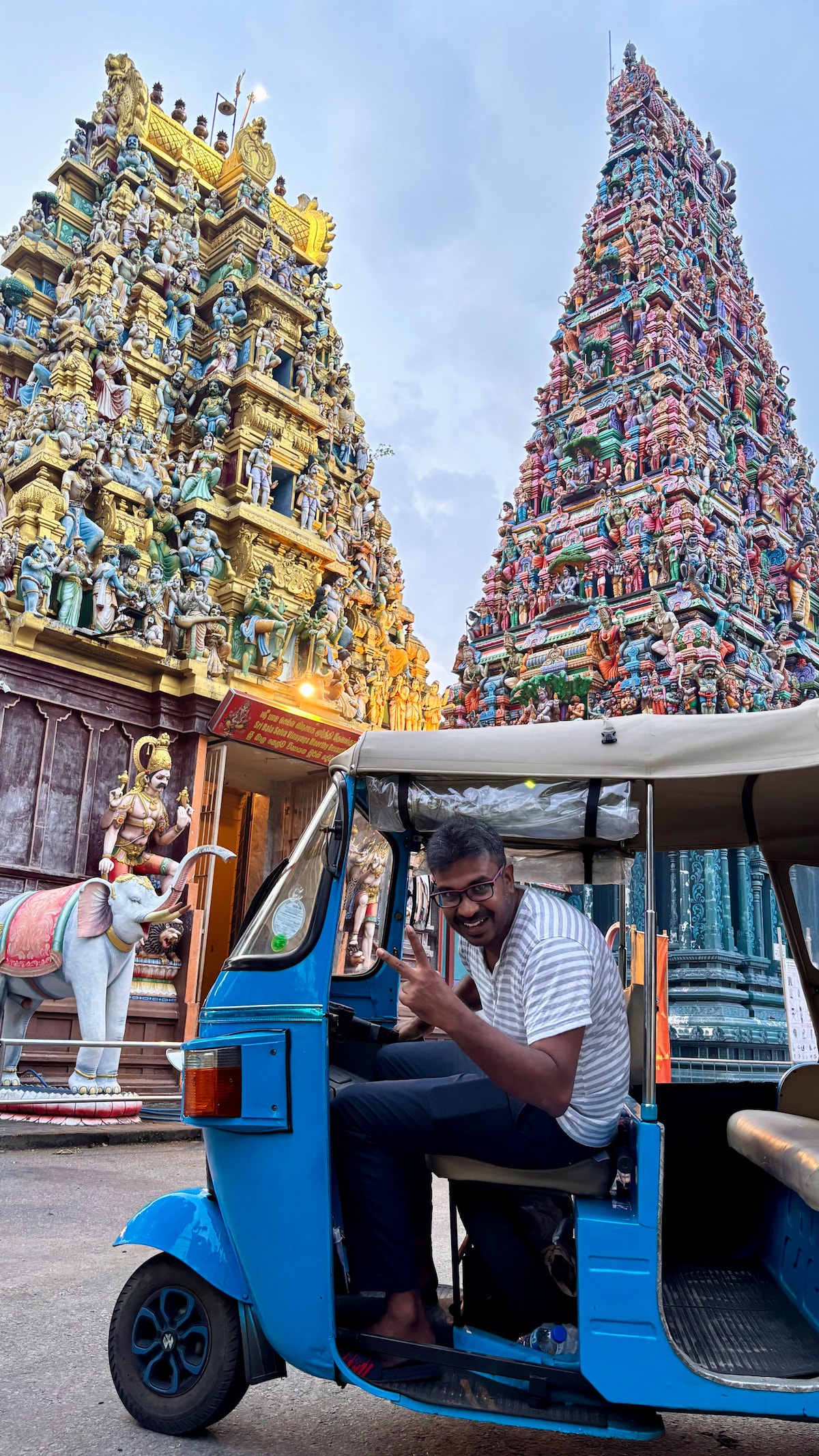
Colombo City Tour by Tuk Tuk - Private & Authentic
Tue, Feb 24 • 9:30 AM
Colombo, Western Province 00300, Sri Lanka
View details
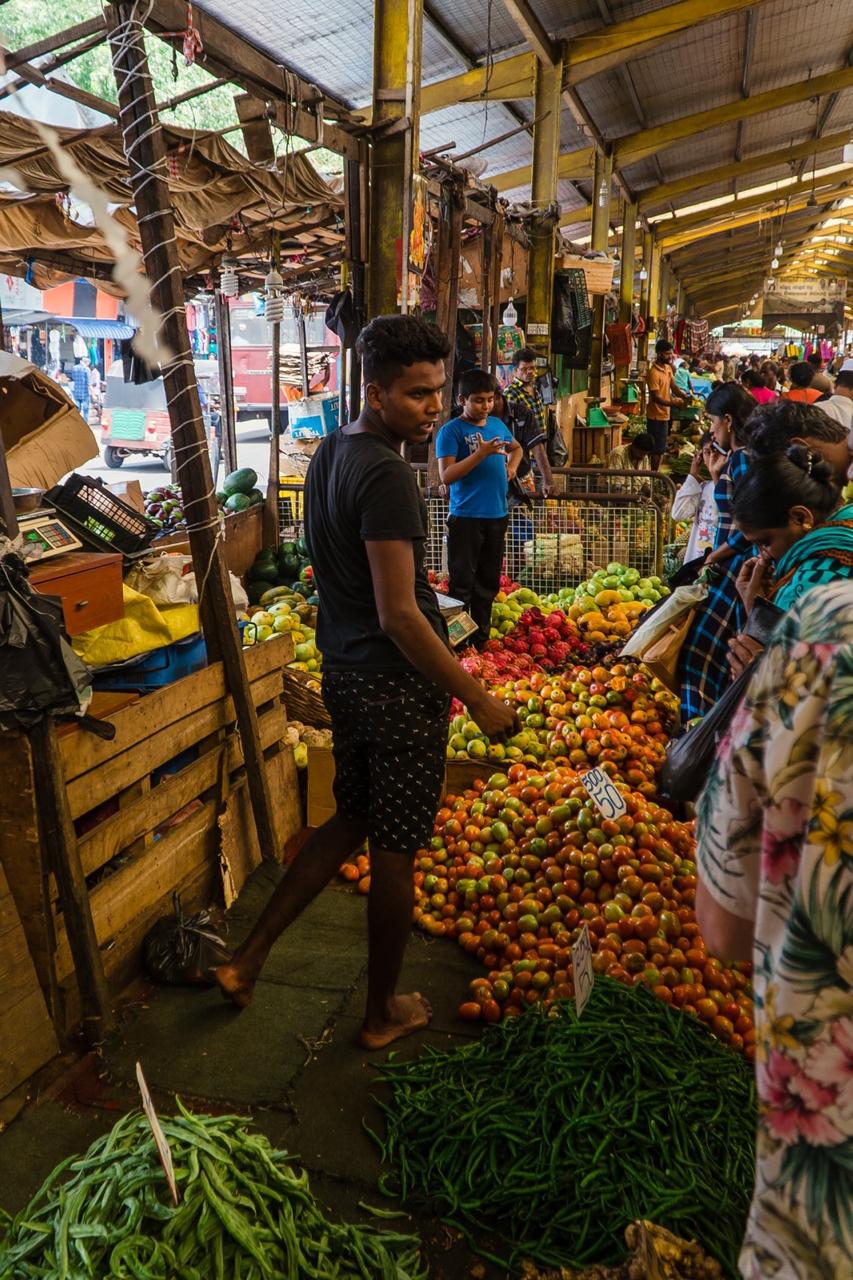
Explore Colombos hidden gems
Tue, Feb 24 • 9:00 AM
Colombo, Western Province 00700, Sri Lanka
View details

Cooking Class in Sri Lanka
Tue, Feb 24 • 10:00 AM
Katunayake, Western Province 0000, Sri Lanka
View details
Nearby attractions of The Central Point - Economic History Museum
Colombo City Walks
Colombo Walks
Colombo Lighthouse
Sambodhi Pagoda Temple
Colombo Port Maritime Museum
Gaffoor Building
Galle Face Urban Forest Park
Khan Clock Tower
Galle Face Beach
Adventure Zone
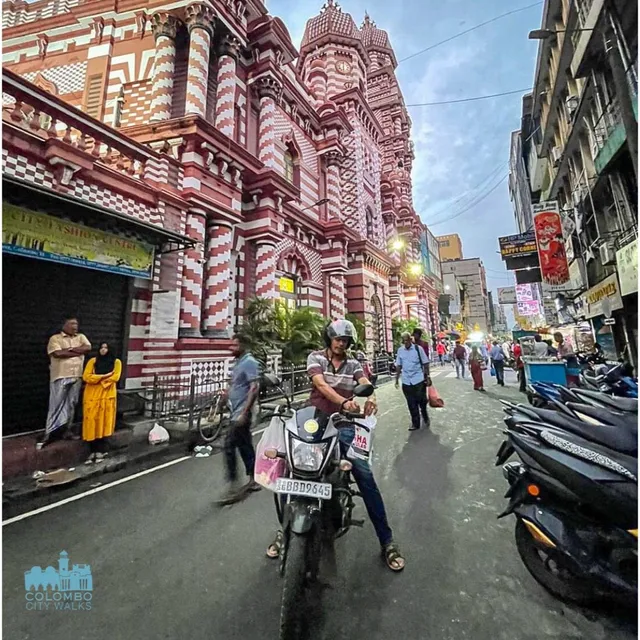
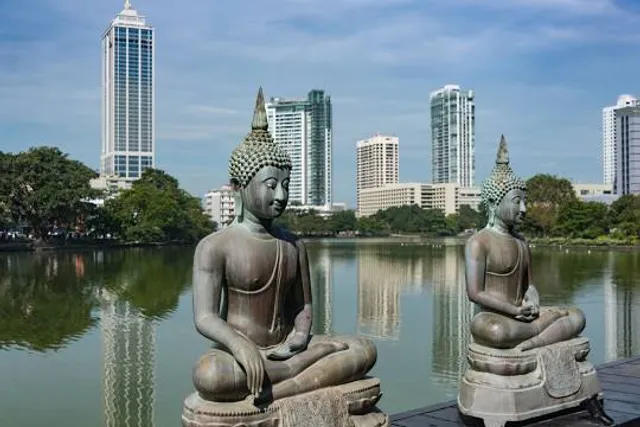
Colombo City Walks
4.4
(45)
Closed
Click for details
Colombo Walks
4.4
(55)
Closed
Click for details
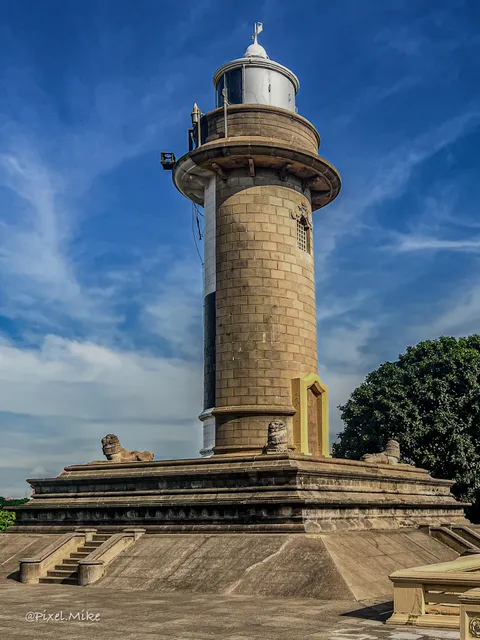
Colombo Lighthouse
4.3
(398)
Closed
Click for details
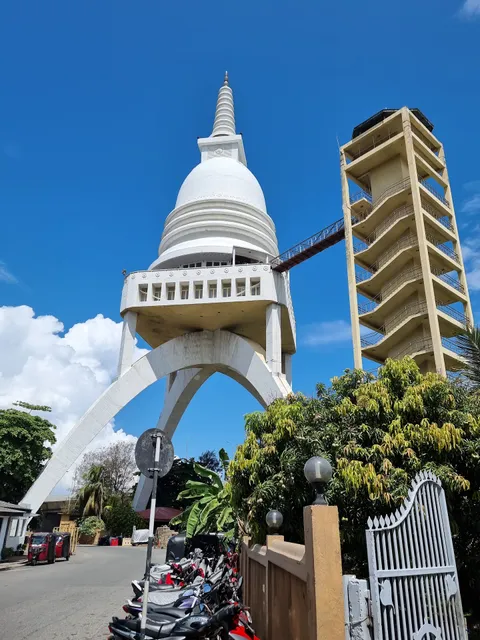
Sambodhi Pagoda Temple
4.6
(258)
Open 24 hours
Click for details
Nearby restaurants of The Central Point - Economic History Museum
Java Lounge - Fort
Ministry of Crab
t-lounge by Dilmah – Chatham Street ️
Taphouse by RnR Colombo
The Kingsbury Colombo
Dutch Pub Colombo
The REPUBLK
Harpo's Colombo Fort Cafe
The Joint Pub and Grill
Heladiv Tea Club
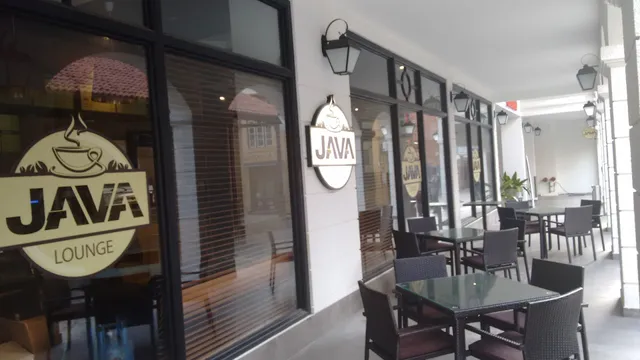
Java Lounge - Fort
4.7
(1.4K)
Closed
Click for details
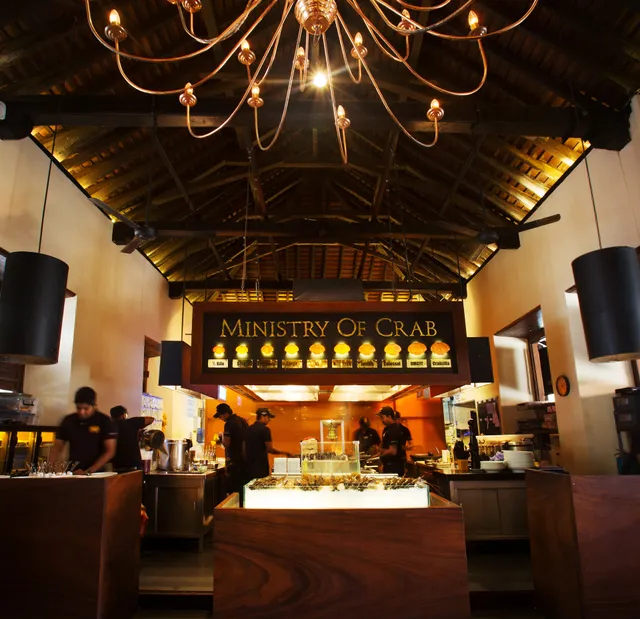
Ministry of Crab
4.4
(2.3K)
Closed
Click for details
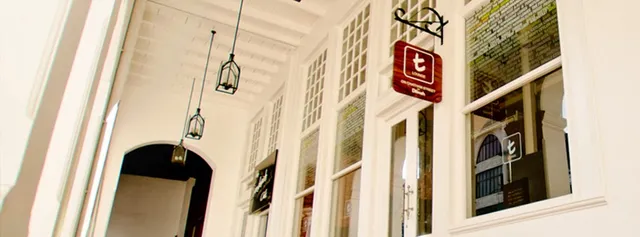
t-lounge by Dilmah – Chatham Street ️
4.5
(656)
$$
Closed
Click for details
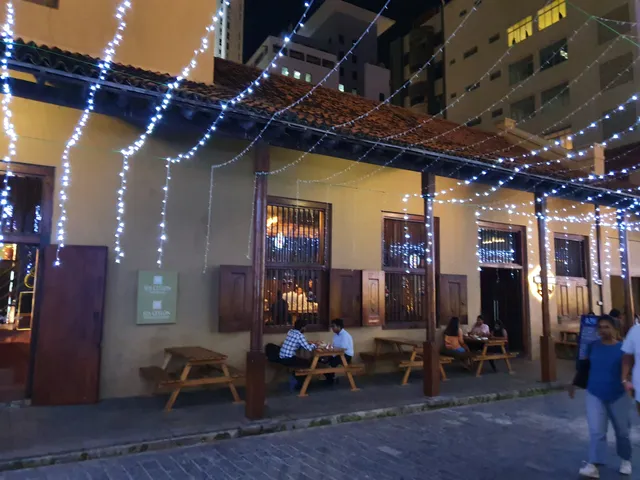
Taphouse by RnR Colombo
4.2
(945)
Open until 12:00 AM
Click for details
Nearby local services of The Central Point - Economic History Museum
Dutch Hospital - Shopping Precinct
Spa Ceylon Chatham - Spa & Boutique
Lighthouse Clock Tower
Spa Ceylon Boutique - Dutch Hospital
Colombo Port Old Lighthouse
Kings SteakBar
One Galle Face Mall
Fort Railway station
Bally's Casino Colombo
ODEL - OGF Mall
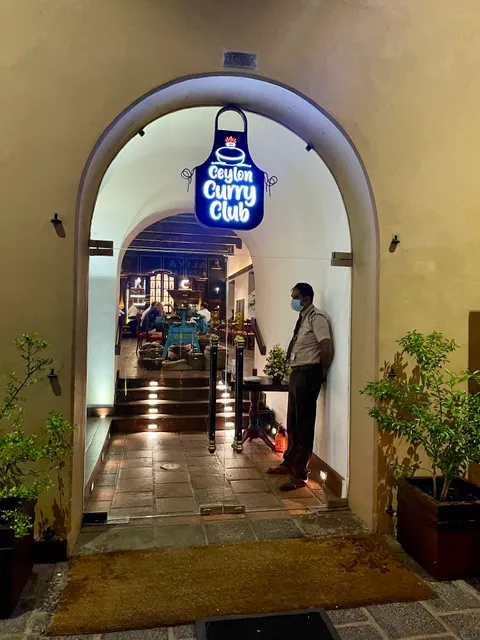
Dutch Hospital - Shopping Precinct
4.4
(2.6K)
Click for details
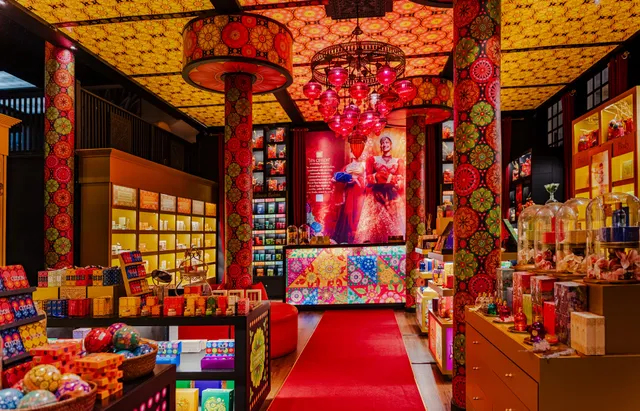
Spa Ceylon Chatham - Spa & Boutique
4.4
(94)
Click for details
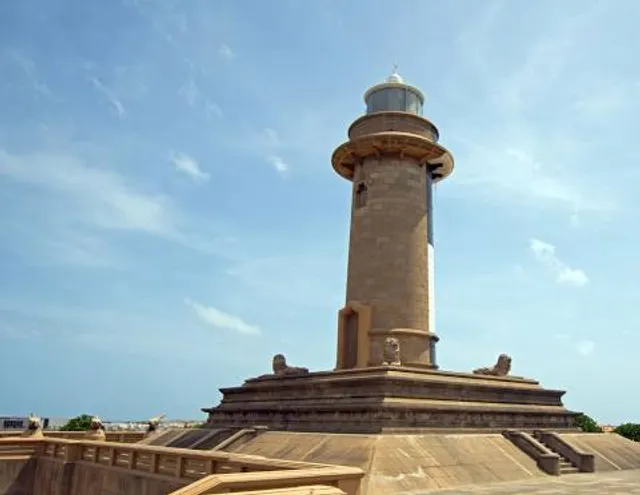
Lighthouse Clock Tower
4.2
(101)
Click for details
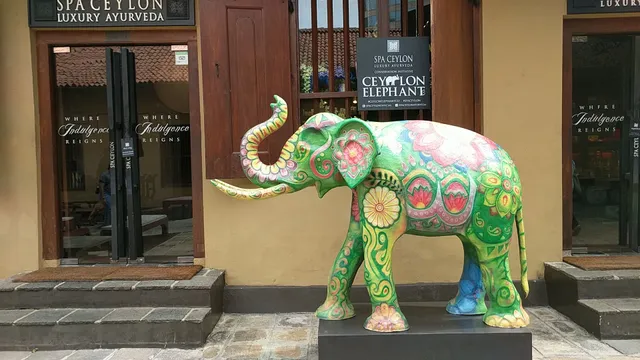
Spa Ceylon Boutique - Dutch Hospital
4.1
(76)
Click for details