SEMSIPASA COMPLEX
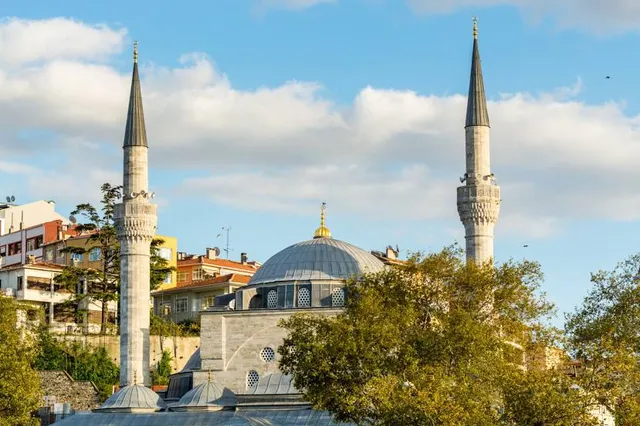
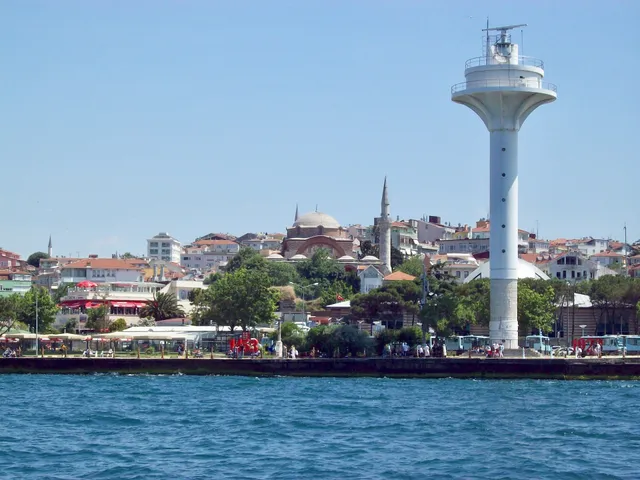
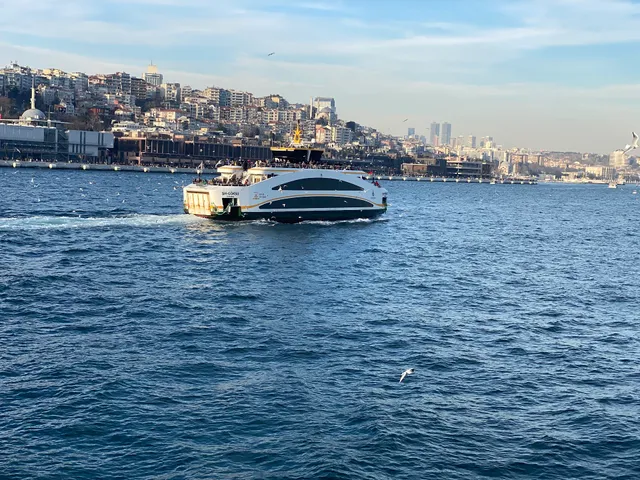
The complex which consists of mosques, mausole ums and madrasas is Architect Sinan's work and was commissioned by Samsi Ahmed Pasha in 1580. Semsi Pasha Complex, the smallest of complexes which are built by Mimar Sinan, exhibits a tidy exam ple of classical Ottoman architecture and reveals a concept of space exceeding its period with the set tlement pattern beyond the classical Ottoman archi tecture. Complex structures are placed suitable for a narrow area of 1390-meter close to rectangular and in moderation. The complex built according to the clas sical Ottoman Style has two entrances, one in the southeast, on the land side, and the other on the side of the sea on the north.
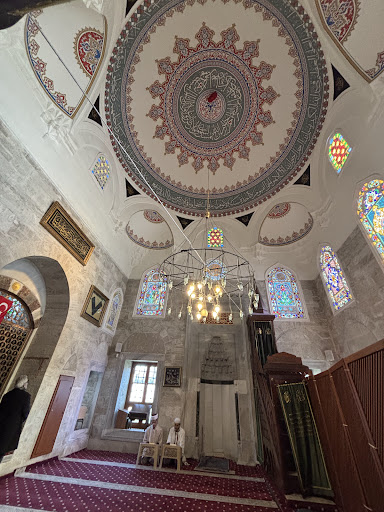
The complex, was devastated over time, was repaired between the years of 1938-1940 under the control of Architect Sureyya Yücel. The state of mosque disposed at an angle of approximately 37 degrees to south-east by the upright arm of the madrasa Bosphorus depends on considering the direction of the qibla rather than the lack of space. Therefore, even if usual symmetrical con nection was not established between the mosque and madrasa, the buildings were placed to look pleasing to the eye with dimensions Sinan perfectly applied. The square planned mosque in the size of 8x8 meters is also popularly known as "Kuskonmaz Mosque".
The mosque and the tomb were designed in smooth coarse stone covered with lead, single structure adjacent to each other. The mosque's marble altar has muqarnas decoration. On either side of the altar marble colonnettes are also situated. The upper part of the mihrab niche is ended by a pelmet series. The tomb adjacent to the north east facade of the mosque is 4x4, 50 meters in size, shows a plan shape close to the square. The entire structure is covered with "mirrored vault". In the tomb appearing to be quite small, simple room, sarcophagus of Semsi Pasha is lo cated on...
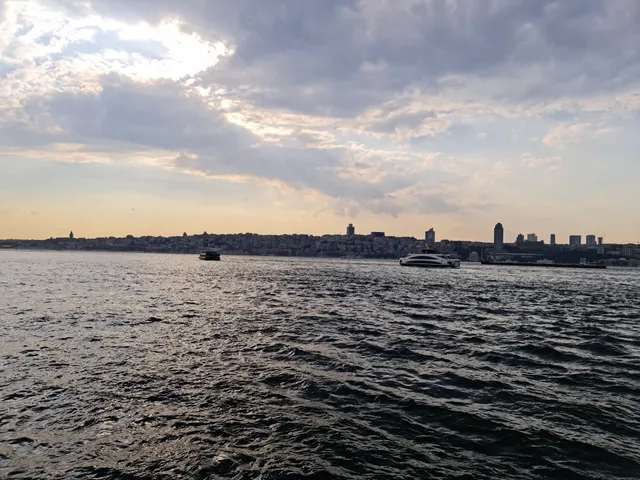
Read moreThe Şemsi Pasha Mosque is a historic Ottoman-era mosque on the banks of the Bosphorus in Istanbul. It was commissioned by Grand Vizier Şemsi Pasha in 1581 and designed by the famous Ottoman architect Mimar Sinan. This historic landmark is famous for being the mosque where birds do not perch, as it was built at the point where the Bosphorus Strait meets the Sea of Marmara. The Şemsi Pasha Mosque was built during the reign of Sultan Suleiman the Magnificent and has a fascinating story that has been passed down from generation to generation among Turks. Turkish sources report that Grand Vizier Şemsi Pasha asked the renowned architect Mimar Sinan to build a mosque that birds would not perch on, so as not to soil its walls. The brilliant architect considered all possible solutions and chose the Üsküdar district in the center of historic Istanbul, directly on the coast. The reason behind choosing this location stems from the fact that the area experiences strong winds, making it difficult for birds to land on the mosque's walls or minaret. Therefore, the mosque never gets dirty, and its dome and minaret remain clean, without the need for cleaning staff. The mosque also contains unique ventilation systems, the only one of their kind in Turkey. Seawater, with its ebb and flow, enters from under the mosque, creating natural ventilation without the need for electrical appliances. Adjacent to the left side of the mosque is the tomb of Grand Vizier Şemsi Ahmed Pasha, which overlooks the coast directly. Inside, there is a school used for teaching Islamic religion during the Ottoman rule. To this day, tourists continue to visit the mosque, amazed by its meticulous engineering and the skill of the architect who planned, designed, and constructed this historical...
Read moreÜsküdar sahilinde kendi adıyla anılan semtte cami, medrese (dârülhadis) ve türbeden meydana gelen küçük bir külliye olup 988 (1580) yılında Mimar Sinan tarafından yapılmıştır. Bânisi eski Şam Beylerbeyi Vezir Şemsi Ahmed Paşa’dır. 1894 depreminde oldukça fazla zarar görmüş ve ertesi yıl tamir edilmiştir. Cumhuriyet dönemine harabe halinde ulaşan caminin minaresi kaideye kadar yıkık, cami ve medrese kubbeleri çatlak, kurşun kaplamaları çalınmış, türbe duvarı ve tonozu yıkıktı; camları kırılmıştı ve medresesi hayvan barınağı olarak kullanılmaktaydı. Mustafa Kemal Atatürk tarafından külliyenin restorasyonu emredildikten sonra onarımı 1940-1943 yıllarında Vakıflar Müdürlüğü tarafından gerçekleştirilmiş, 2007-2008’deki son onarımda deniz yönüne tehlikeli bir eğim gösteren minaresi aslına uygun biçimde tamir edilmiştir.
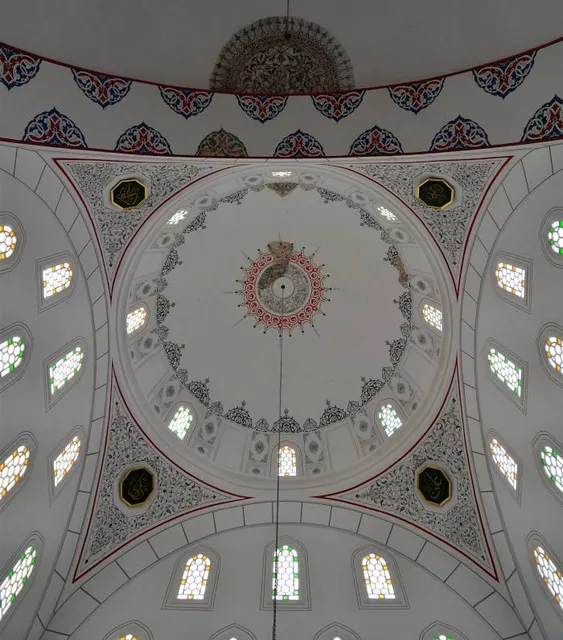
Külliye kesme taştan yapılmış, demir şebekeli pencereleri olan bir çevre duvarının içinde yer alır. Bu duvar üzerinde biri doğu, diğeri kuzey (deniz) yönünde bulunan basık kemerli iki kapı ile avluya geçilir. Avlunun orta kısmında yer alan cami 8 × 8 m. boyutlarında kare planlı ve üstü tek kubbeyle örtülü, tamamen kesme taştan bir yapıdır. Kuzey ve batı cephelerinin önünde on adet ince sütunla desteklenen düz çatılı bir son cemaat revakı dolanır. Batı köşesinde tek şerefeli zarif minaresi yükselir. Kırmızı ve beyaz taşlardan örülmüş kapı kemerinin üzerinde yer alan dört mısralık sülüs yazılı kitâbedeki manzume şair Ulvî’ye aittir. Kitâbenin son beyti 988 yılını verir. Caminin 8,20 m. çapındaki kubbesi kalın duvarlar üzerine oturan, köşeleri stalaktitli, tromplu ve yüksek kasnaklıdır. Altta dikdörtgen söveli, üstte sivri kemerli ve dairesel biçimli iki sıra kubbe kasnağında kemerli küçük pencereleri vardır. Üst sıra pencereleri dekoratif alçı şebekeli ve revzenlidir. Mermer mihrabı mukarnas yaşmaklıdır. Ahşap minberi ve vaaz kürsüsü yenidir. Kubbe içi ve kasnağı rûmî, palmet gibi klasik motifler kullanılarak meydana getirilmiş çok renkli kalem işi süslemeye sahiptir. Kubbedeki celî sülüs yazılar İsmail Hakkı Altunbezer tarafından yazılmıştır. Cami ile son derece uyumlu biçimde inşa edilen kesme taş minaresinin şerefe altı stalaktitlidir. Halkın “Kuşkonmaz Camii” diye andığı Sinan’ın bu küçük, fakat son derece zarif ve orantılı yapısı genellikle külliyenin planı asimetrik olsa da âhengi bozan bir görüntü teşkil etmez.
Külliye inşa edilirken 1580 yılında vefat eden Şemsi Ahmed Paşa’nın türbesi caminin deniz yönüne doğru olan kuzeydoğu cephesine bitişiktir. Türbe kapısı üzerinde bulunan, iki satır halindeki dört mısralık sülüs yazılı kitâbede tarih yoktur. 4,5 × 4 m. boyutlarındaki türbe bir aynalı tonozla örtülüdür. Kemerli kapısı kuzeybatı cephesinde yer almakta, diğer cephelerinde iki kat halinde üç sıra pencere bulunmaktadır. Alttaki pencereler dikdörtgen söveli, üsttekiler sivri kemerli ve petek şeklinde alçı şebekelidir. Türbenin harime bakan güneybatı kenarı geniş kemerli bir açıklık halinde olup bronz bir şebekeyle camiden ayrılır. Türbenin içindeki sanduka 1984 yılında yapılmıştır. Caminin doğu kısmındaki küçük hazîrede çoğunluğu XVIII. yüzyıla ait mezarlar bulunmaktadır.
İç avluyu batı ve güney yönlerinden sınırlayan medrese “L” şeklinde iki kanattan meydana gelir. Batı kanadının merkezî kısmında yer alan 7 × 7 m. boyutlarında, yüksek kasnaklı bir kubbeyle örtülü dershane on iki adet kare planlı, 3 × 3 m. boyutlarında, kubbeyle örtülü hücrelerden oluşur. Bu bölümün önünde baklava başlıklı on sekiz sütunun taşıdığı sivri kemerli, düz çatılı bir revak yer alır. Dershane ve medrese hücreleri çift sıra pencere ile ışık alır. Medresenin inşaatında cami ve türbeden farklı biçimde kesme taşın yanında tuğla kullanılmıştır. Tuhfetü’l-mi‘mârîn’deki notlardan anlaşıldığına göre medrese tekke olarak hizmet vermiş, Balkan savaşları sırasında ve 1914’te içinde göçmenler barınmıştır. 1953 yılından itibaren halk kütüphanesi olarak kullanılmaktadır. Medresenin sahile paralel kanadının güney ucundaki tonozlu mekânda helâ ve abdest...
Read more