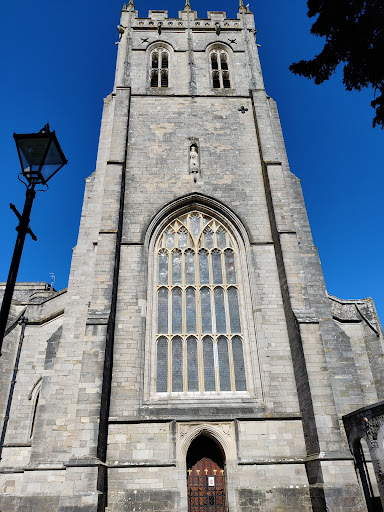
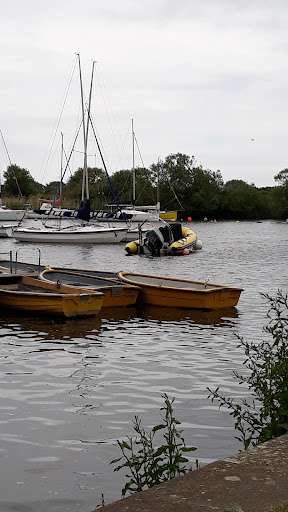
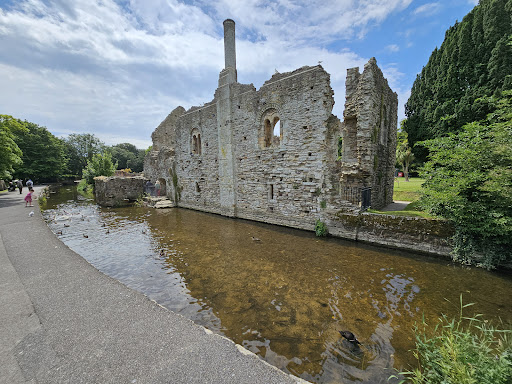
Norman House things to do, attractions, restaurants, events info and trip planning
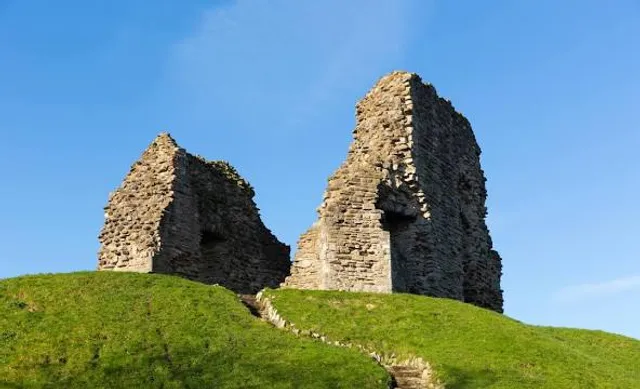
Basic Info
Norman House
Castle and Norman House, Castle St, Christchurch BH23 1DT, United Kingdom
4.5(589)
Open until 12:00 AM
Save
spot
spot
Ratings & Description
Info
Cultural
Scenic
Family friendly
attractions: Christchurch Priory, Red House Museum and Gardens, Hatch Gallery, Regent Box Office and Information Centre, Christchurch Library, Quomps Splashpark, restaurants: Ye Olde George Christchurch, Arcado Lounge, The Thomas Tripp, Pinocchio Restaurant Christchurch, The Raft at Wild & Free, Soho, NUSARA | Thai, Loch & Quay, Dirty Gerties Gin Parlour, Coast Coffee Co, local businesses: The Regent, Christchurch Priory Car Park, Jaylo's, Alex & Us, Ye Olde Eight Bells Gift Shoppe, The Shopping Village / The Emporium, Roller City South, Keith Bryant, Royalty Fishery, Miller Bros & FP Butler
 Learn more insights from Wanderboat AI.
Website
english-heritage.org.uk
Open hoursSee all hours
MonOpen 24 hoursOpen
Plan your stay

Pet-friendly Hotels in Christchurch
Find a cozy hotel nearby and make it a full experience.

Affordable Hotels in Christchurch
Find a cozy hotel nearby and make it a full experience.

The Coolest Hotels You Haven't Heard Of (Yet)
Find a cozy hotel nearby and make it a full experience.

Trending Stays Worth the Hype in Christchurch
Find a cozy hotel nearby and make it a full experience.
Reviews
Live events
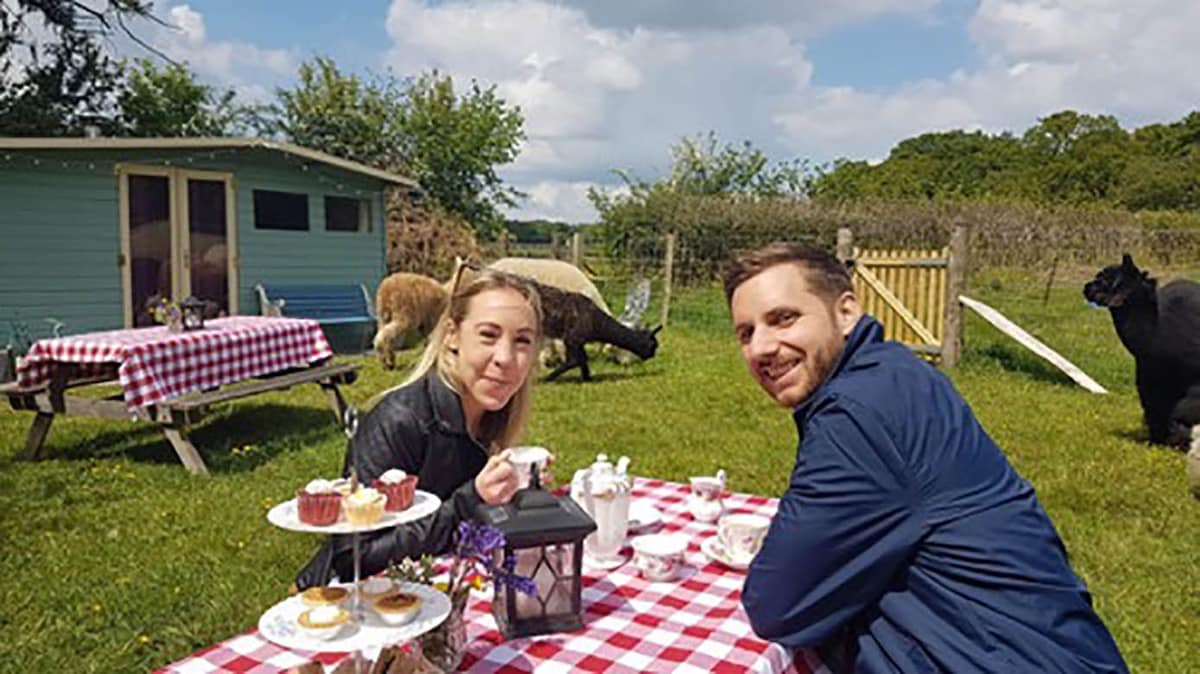
Enjoy afternoon tea with Alpacas
Mon, Feb 23 • 1:00 PM
Hampshire, SO40 4UL, United Kingdom
View details
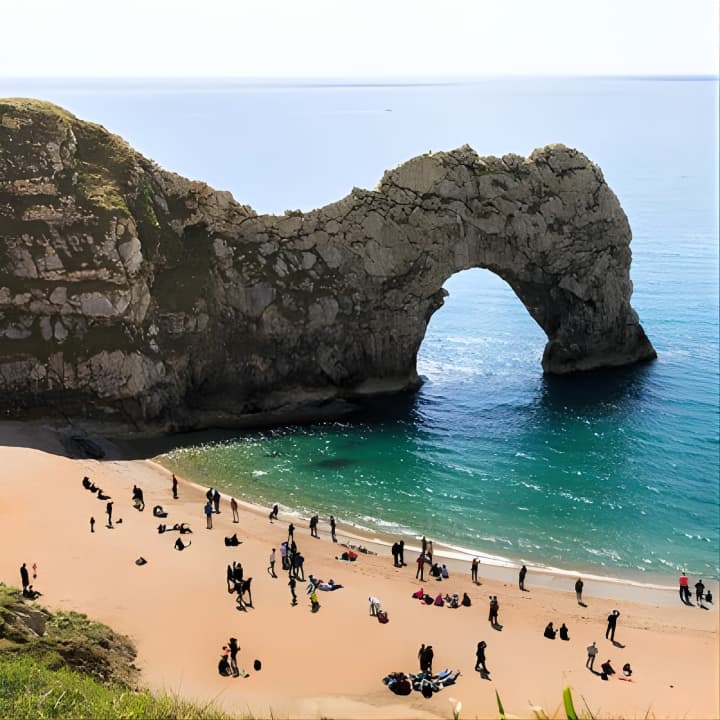
Lulworth Cove & Durdle Door Mini-Coach Tour from Bournemouth
Mon, Feb 23 • 11:00 AM
Bournemouth, BH8 8DL
View details
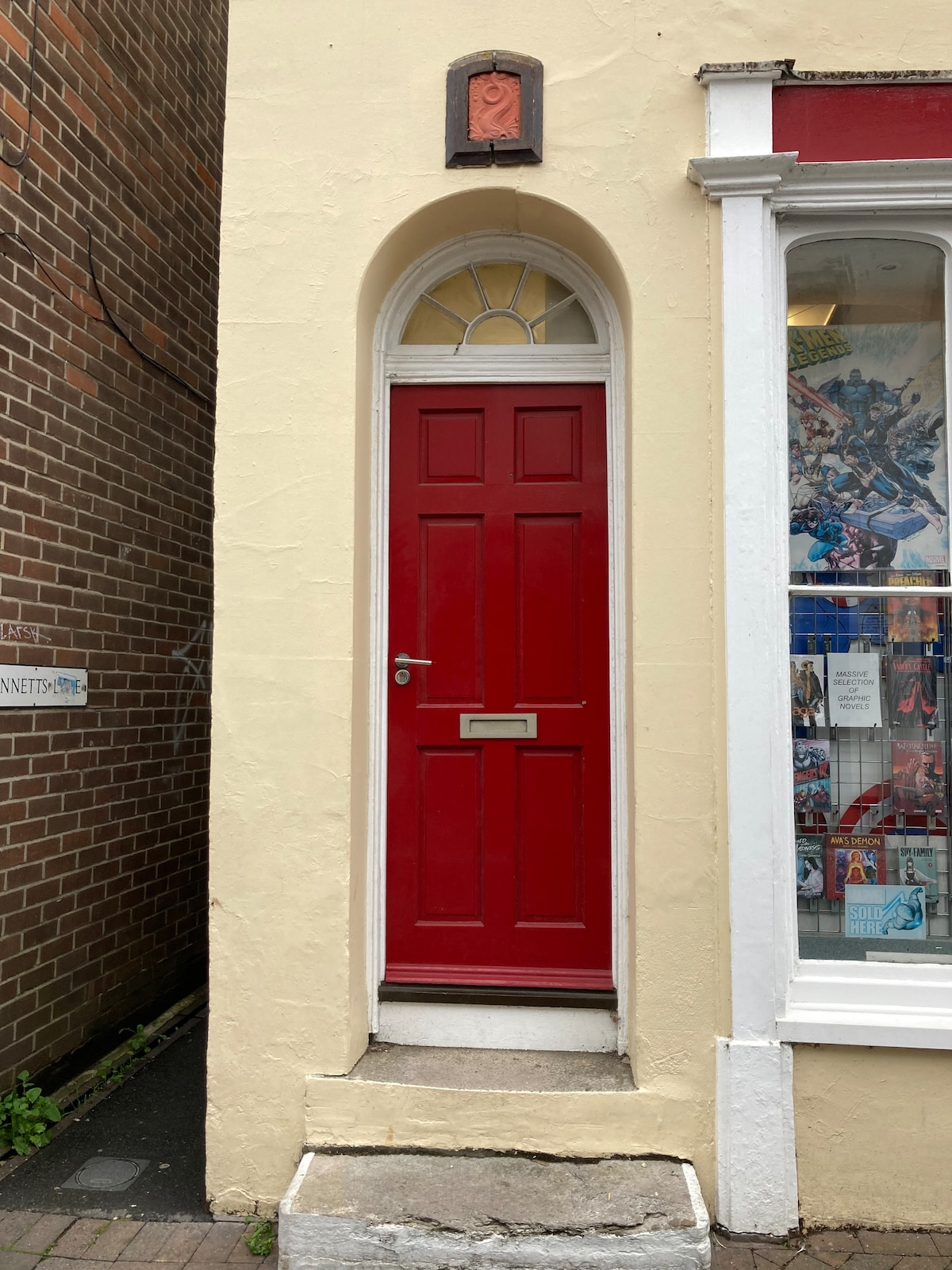
Historic Walking Tour of Poole
Mon, Feb 23 • 5:30 PM
Bournemouth, Christchurch and Poole, BH15 1AB, United Kingdom
View details
Nearby attractions of Norman House
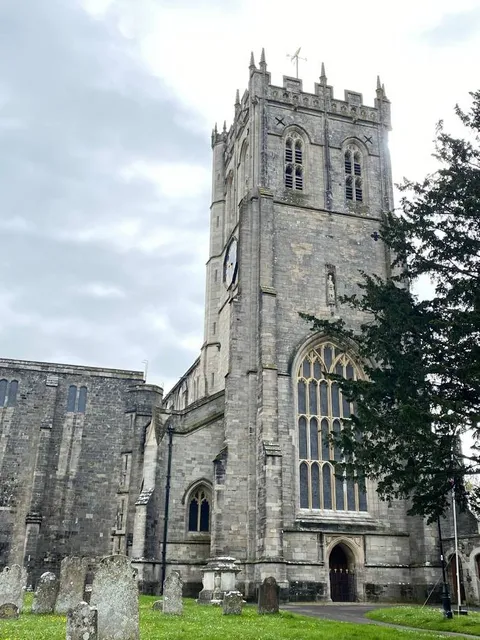
Christchurch Priory
Red House Museum and Gardens
Hatch Gallery
Regent Box Office and Information Centre
Christchurch Library
Quomps Splashpark
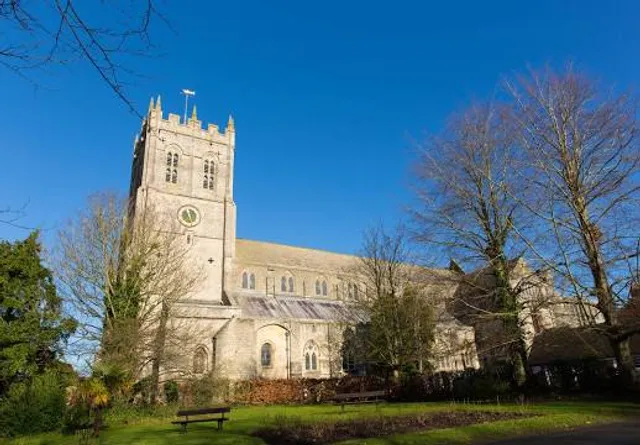
Christchurch Priory
4.8
(691)
Closed
Click for details
Red House Museum and Gardens
4.7
(158)
Open until 12:00 AM
Click for details
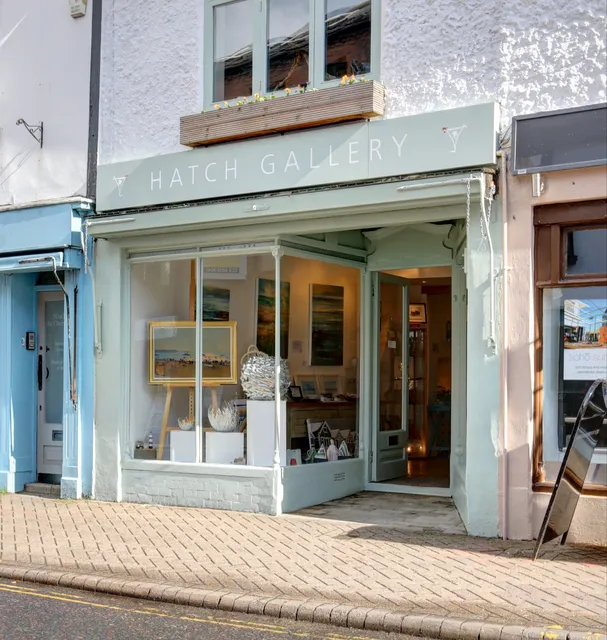
Hatch Gallery
4.1
(11)
Open until 12:00 AM
Click for details

Regent Box Office and Information Centre
4.6
(19)
Open until 12:00 AM
Click for details
Nearby restaurants of Norman House
Ye Olde George Christchurch
Arcado Lounge
The Thomas Tripp
Pinocchio Restaurant Christchurch
The Raft at Wild & Free
Soho
NUSARA | Thai
Loch & Quay
Dirty Gerties Gin Parlour
Coast Coffee Co
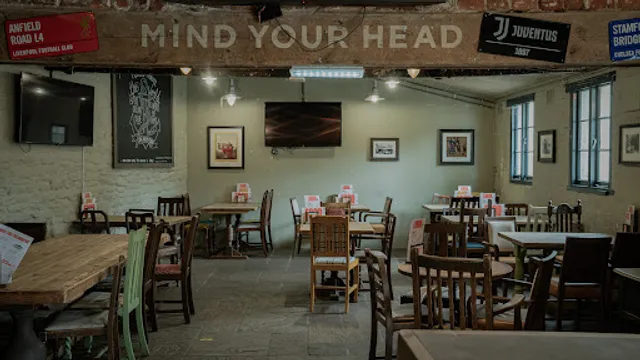
Ye Olde George Christchurch
4.2
(733)
Closed
Click for details
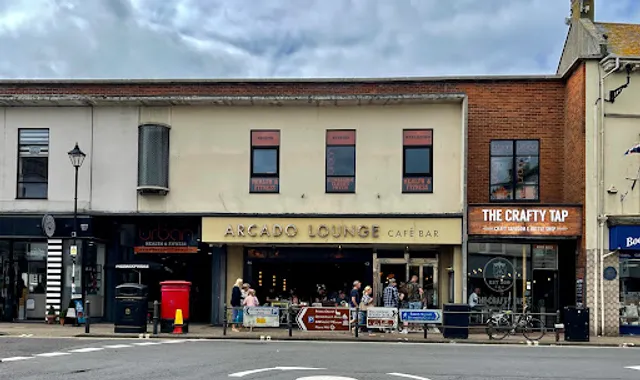
Arcado Lounge
4.4
(720)
Closed
Click for details
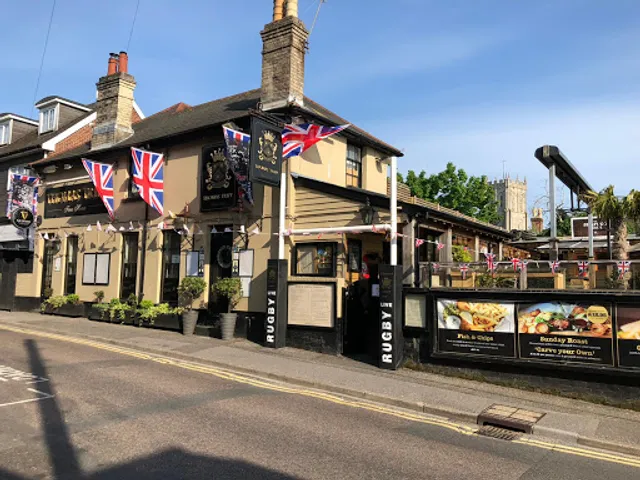
The Thomas Tripp
4.4
(702)
Closed
Click for details
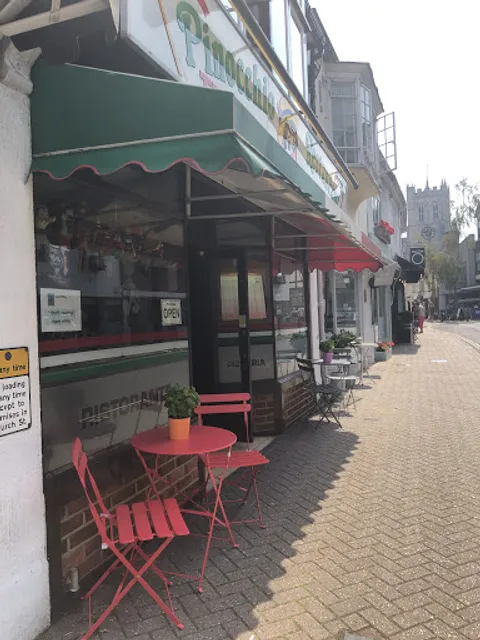
Pinocchio Restaurant Christchurch
3.9
(247)
Closed
Click for details
Nearby local services of Norman House
The Regent
Christchurch Priory Car Park
Jaylo's
Alex & Us
Ye Olde Eight Bells Gift Shoppe
The Shopping Village / The Emporium
Roller City South
Keith Bryant
Royalty Fishery
Miller Bros & FP Butler

The Regent
4.7
(669)
Click for details
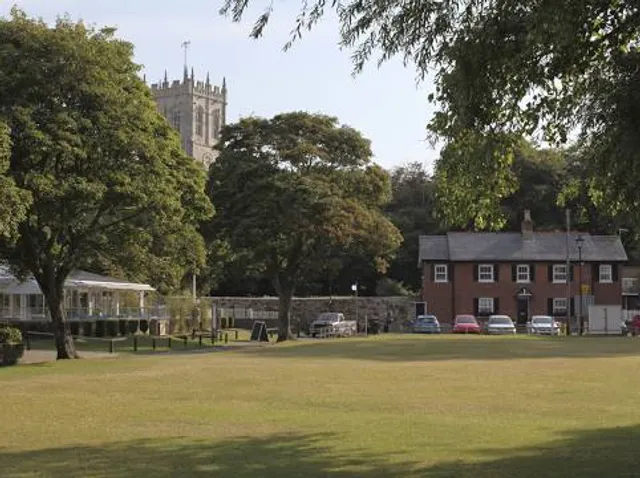
Christchurch Priory Car Park
4.3
(273)
Click for details

Jaylo's
4.3
(20)
Click for details

Alex & Us
4.8
(9)
Click for details