Royal Pavilion things to do, attractions, restaurants, events info and trip planning
Basic Info
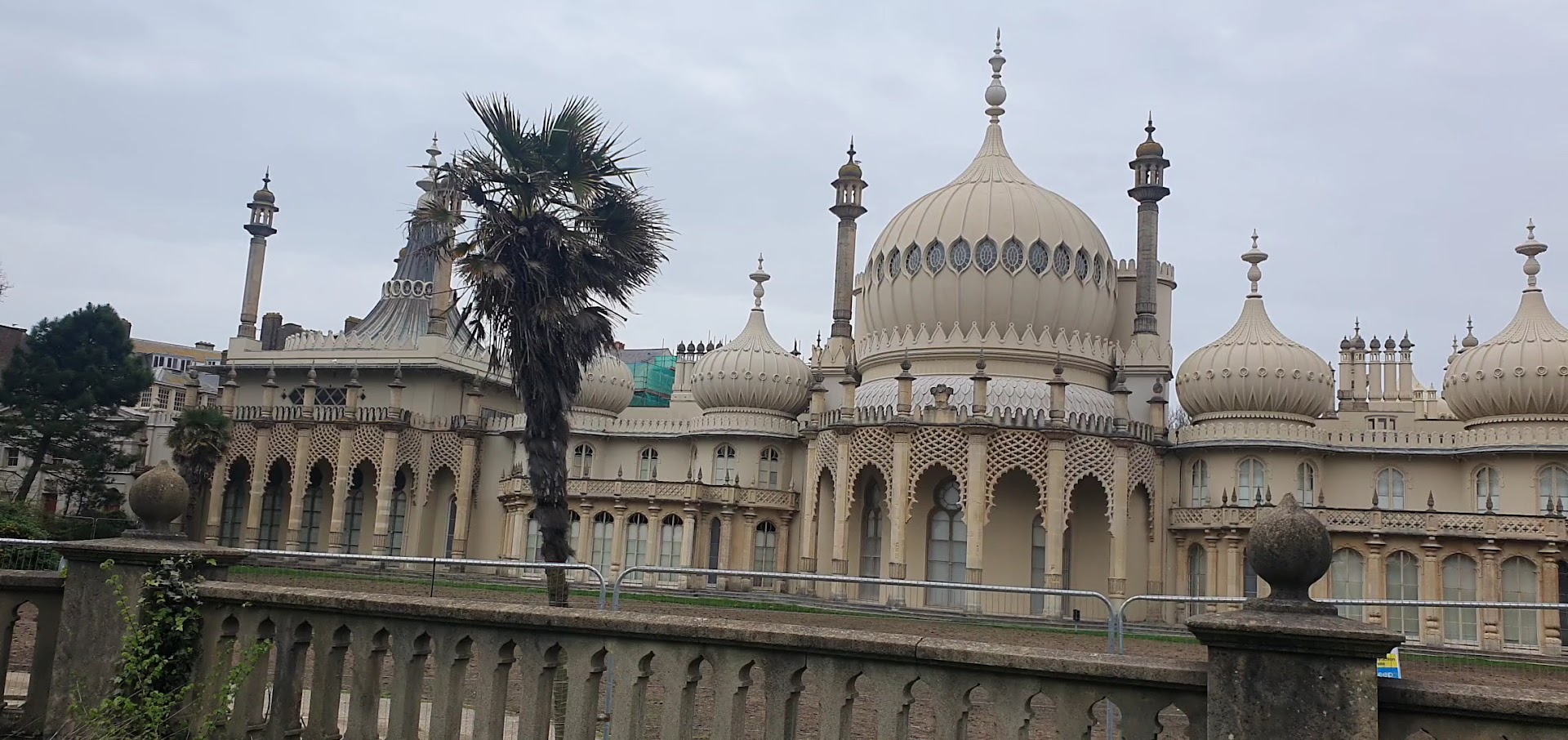
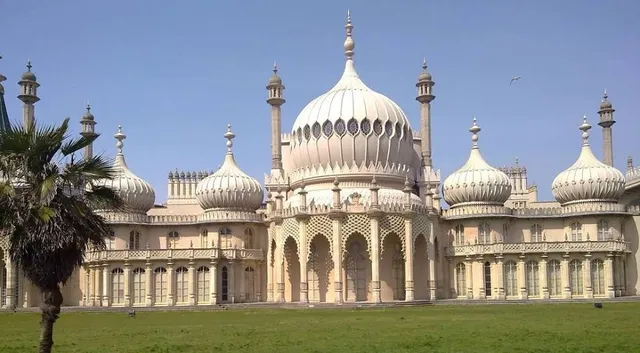
Royal Pavilion
4/5 Pavilion Buildings, Brighton and Hove, Brighton BN1 1EE, United Kingdom
4.6(5.1K)
Closed


tickets
Save
spot
spot
Ratings & Description
Info
Cultural
Accessibility
attractions: Brighton Museum & Art Gallery, Royal Pavilion Gardens, Theatre Royal Brighton, Old Steine Gardens, SEA LIFE Brighton, Victoria Gardens, Labyrinth Gallery, Enter Gallery, Brighton Beach, Liberation Art Gallery, restaurants: Al Duomo, Dishoom Permit Room Brighton, Be At One - Brighton, Crepeaffaire Brighton, Donatello, VIP Pizza Brighton, Wahaca Brighton, The Post & Telegraph - JD Wetherspoon, Fitz Regent, Sabai Thai Brighton, local businesses: 4/5 Pavilion Buildings, Pavilion Gardens Cafe, Royal Pavilion Ice Rink, Studio Hatch, Morrisons, TK Maxx, The Treatment Rooms Brighton, Brass Monkey Ice Cream, Mooch, Fargs (formally OS Lifestyle)
 Learn more insights from Wanderboat AI.
Phone
+44 300 029 0900
Website
brightonmuseums.org.uk
Open hoursSee all hours
Fri10 AM - 4:30 PMClosed
Plan your stay

Pet-friendly Hotels in Great Britain
Find a cozy hotel nearby and make it a full experience.

Affordable Hotels in Great Britain
Find a cozy hotel nearby and make it a full experience.

The Coolest Hotels You Haven't Heard Of (Yet)
Find a cozy hotel nearby and make it a full experience.

Trending Stays Worth the Hype in Great Britain
Find a cozy hotel nearby and make it a full experience.
Reviews
Live events

The Jury Experience - Death by AI: Who Pays the Price?
Sun, Feb 22 • 4:00 PM
Lawrence House, Roedean School, Brighton and Hove, Brighton, BN2 5RQ
View details

Buff Bingo Drag Brunch - Brighton
Sat, Feb 21 • 12:00 PM
77 West Street, Brighton, BN1 2RA
View details

Candlelight: Tribute to Queen
Fri, Feb 20 • 9:00 PM
4/5 Pavilion Buildings, Brighton, BN1 1EE
View details
Nearby attractions of Royal Pavilion
Brighton Museum & Art Gallery
Royal Pavilion Gardens
Theatre Royal Brighton
Old Steine Gardens
SEA LIFE Brighton
Victoria Gardens
Labyrinth Gallery
Enter Gallery
Brighton Beach
Liberation Art Gallery
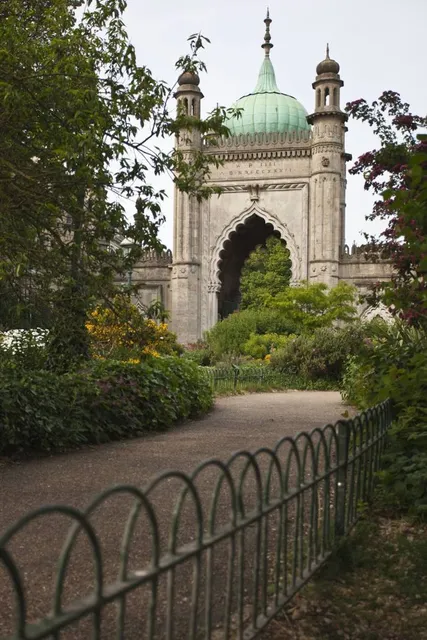
Brighton Museum & Art Gallery
4.4
(796)
Closed
Click for details
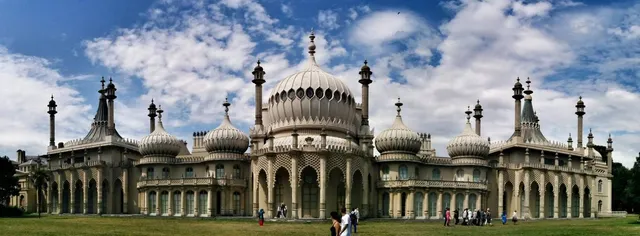
Royal Pavilion Gardens
4.6
(139)
Open 24 hours
Click for details
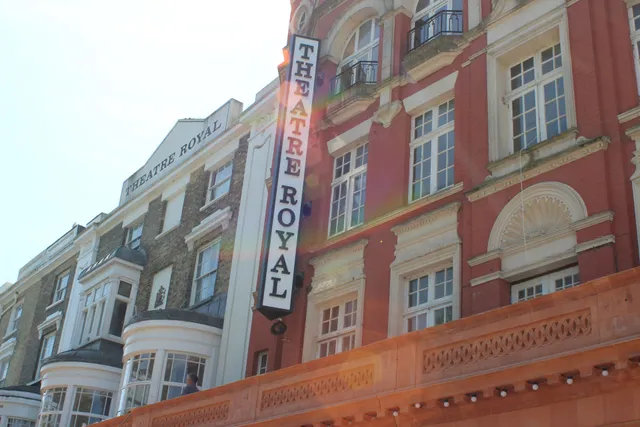
Theatre Royal Brighton
4.4
(1.1K)
Open 24 hours
Click for details
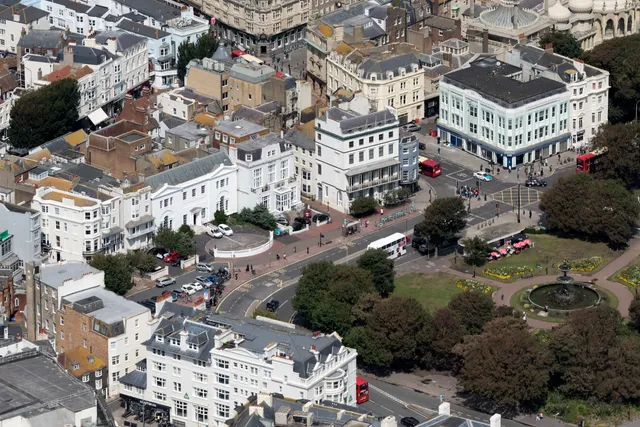
Old Steine Gardens
4.2
(503)
Open 24 hours
Click for details
Nearby restaurants of Royal Pavilion
Al Duomo
Dishoom Permit Room Brighton
Be At One - Brighton
Crepeaffaire Brighton
Donatello
VIP Pizza Brighton
Wahaca Brighton
The Post & Telegraph - JD Wetherspoon
Fitz Regent
Sabai Thai Brighton

Al Duomo
4.4
(877)
Open until 10:30 PM
Click for details
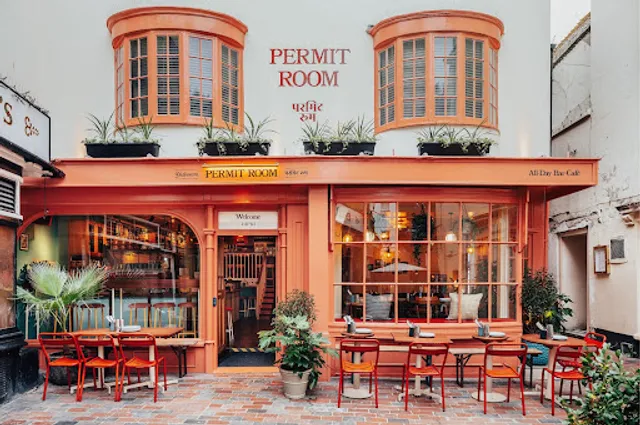
Dishoom Permit Room Brighton
4.9
(2.3K)
$$
Open until 10:00 PM
Click for details
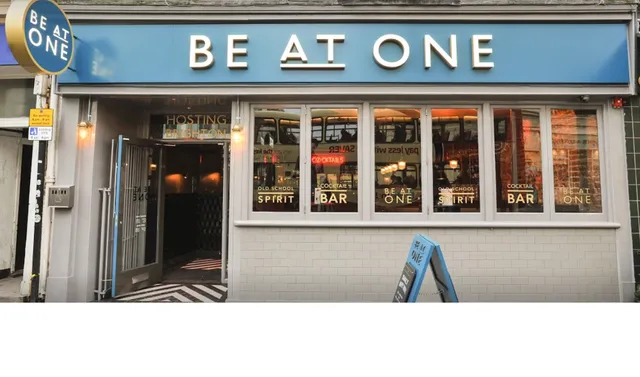
Be At One - Brighton
4.6
(779)
Open until 2:00 AM
Click for details
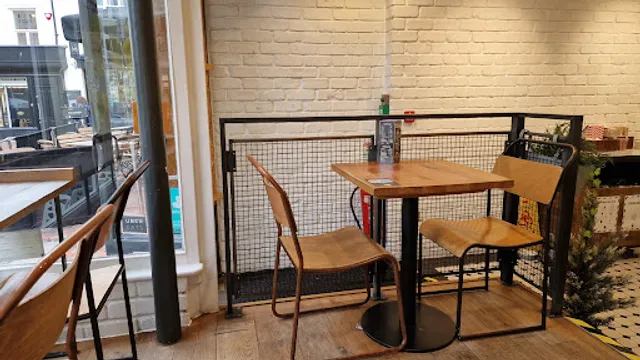
Crepeaffaire Brighton
4.8
(1.2K)
$$
Closed
Click for details
Nearby local services of Royal Pavilion
4/5 Pavilion Buildings
Pavilion Gardens Cafe
Royal Pavilion Ice Rink
Studio Hatch
Morrisons
TK Maxx
The Treatment Rooms Brighton
Brass Monkey Ice Cream
Mooch
Fargs (formally OS Lifestyle)
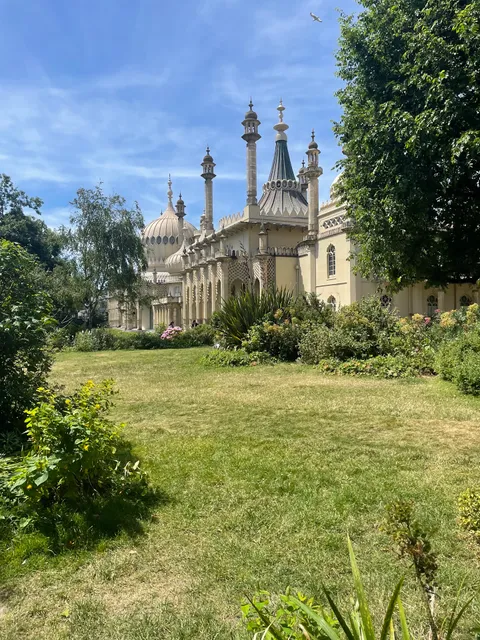
4/5 Pavilion Buildings
4.5
(5.2K)
Click for details
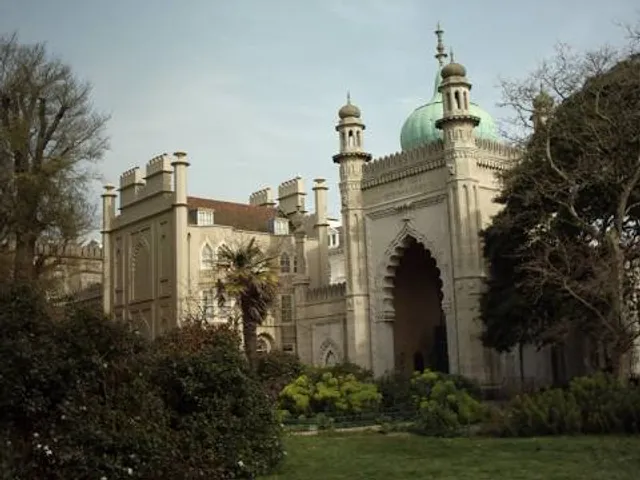
Pavilion Gardens Cafe
4.4
(807)
Click for details
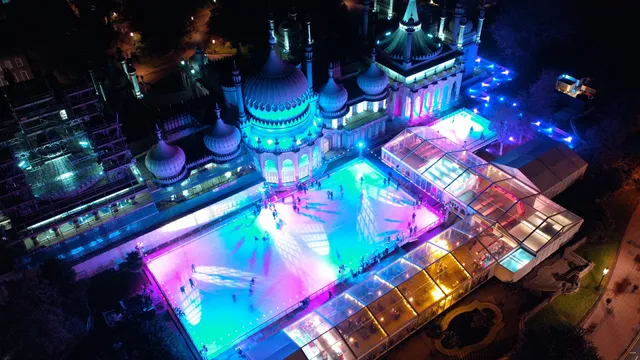
Royal Pavilion Ice Rink
3.8
(141)
Click for details

Studio Hatch
5.0
(394)
Click for details