Liverpool Parish Church (Our Lady and Saint Nicholas) things to do, attractions, restaurants, events info and trip planning
Basic Info
Liverpool Parish Church (Our Lady and Saint Nicholas)
Old Churchyard, Liverpool L2 8TZ, United Kingdom
4.7(263)
Open until 5:00 PM
Save
spot
spot
Ratings & Description
Info
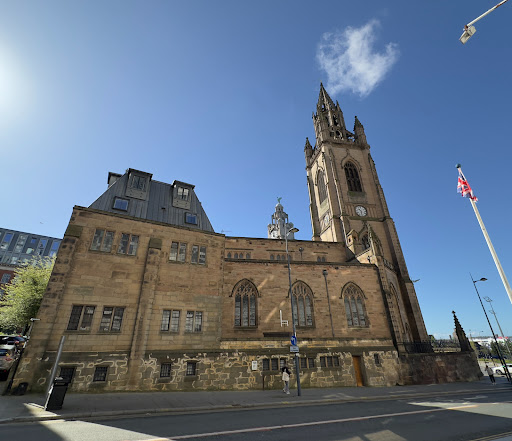
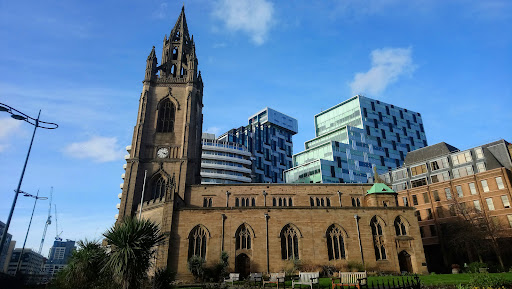
The Church of Our Lady and Saint Nicholas is the Anglican parish church of Liverpool. The site is said to have been a place of worship since at least the 1250s. The church is situated close to the River Mersey near the Pier Head.
Cultural
Scenic
Relaxation
Family friendly
Accessibility
attractions: Western Approaches, The British Music Experience, The Beatles Statue, Liverpool Waterfront, Royal Liver Building 360 Tour, Memorial to the Marine Engine Room Heroes, Museum of Liverpool, Cavern Club, Tate Liverpool, Liverpool Town Hall, restaurants: the coffee. ザ・コーヒー, Mowgli Street Food Water Street, Hooters of Liverpool, Fazenda Rodizio Bar & Grill Liverpool, Cafe Lucaya, OH ME OH MY, Riva Blu Italian Restaurant & Bar, Liverpool, 51 Italian, Rudy's Pizza Napoletana - Castle Street, Gaucho Liverpool, local businesses: Cunard Building, British Music Experience, Bold as Brass Tattoo Company, Oriel Close Barbershop, The Liverpool Blitz Memorial, The Beauty & Holistic Lounge, Turmeaus Cigars & Whisky, Gents Code, West Africa House, Liverpool Gin Distillery
 Learn more insights from Wanderboat AI.
Phone
+44 151 236 5287
Website
livpc.co.uk
Open hoursSee all hours
Mon9 a.m. - 5 p.m.Open
Plan your stay

Pet-friendly Hotels in Liverpool
Find a cozy hotel nearby and make it a full experience.

Affordable Hotels in Liverpool
Find a cozy hotel nearby and make it a full experience.

The Coolest Hotels You Haven't Heard Of (Yet)
Find a cozy hotel nearby and make it a full experience.

Trending Stays Worth the Hype in Liverpool
Find a cozy hotel nearby and make it a full experience.
Reviews
Live events

Walk through Liverpools history
Mon, Jan 26 • 10:00 AM
Merseyside, L3 1HU, United Kingdom
View details
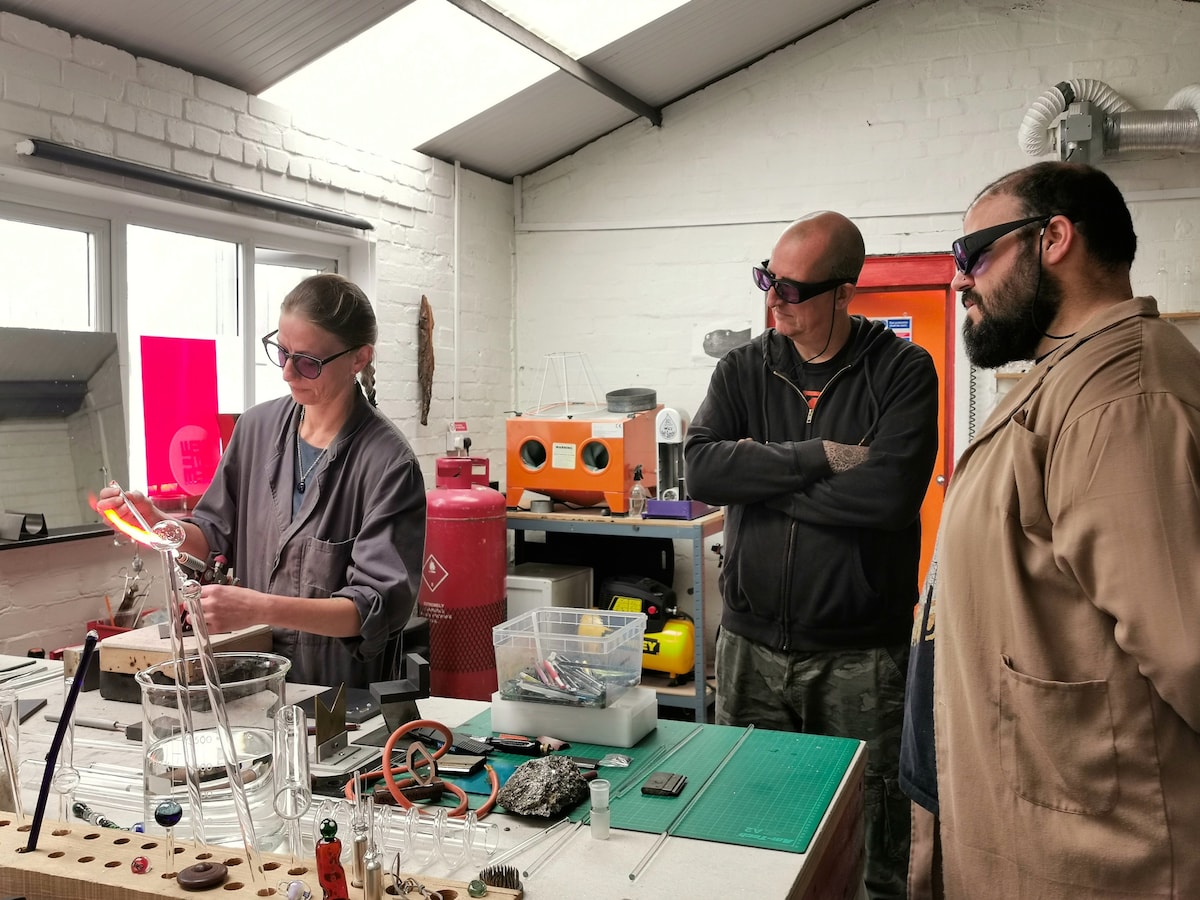
Glassblowing experience for beginners
Tue, Jan 27 • 1:30 PM
Merseyside, L19 8JA, United Kingdom
View details
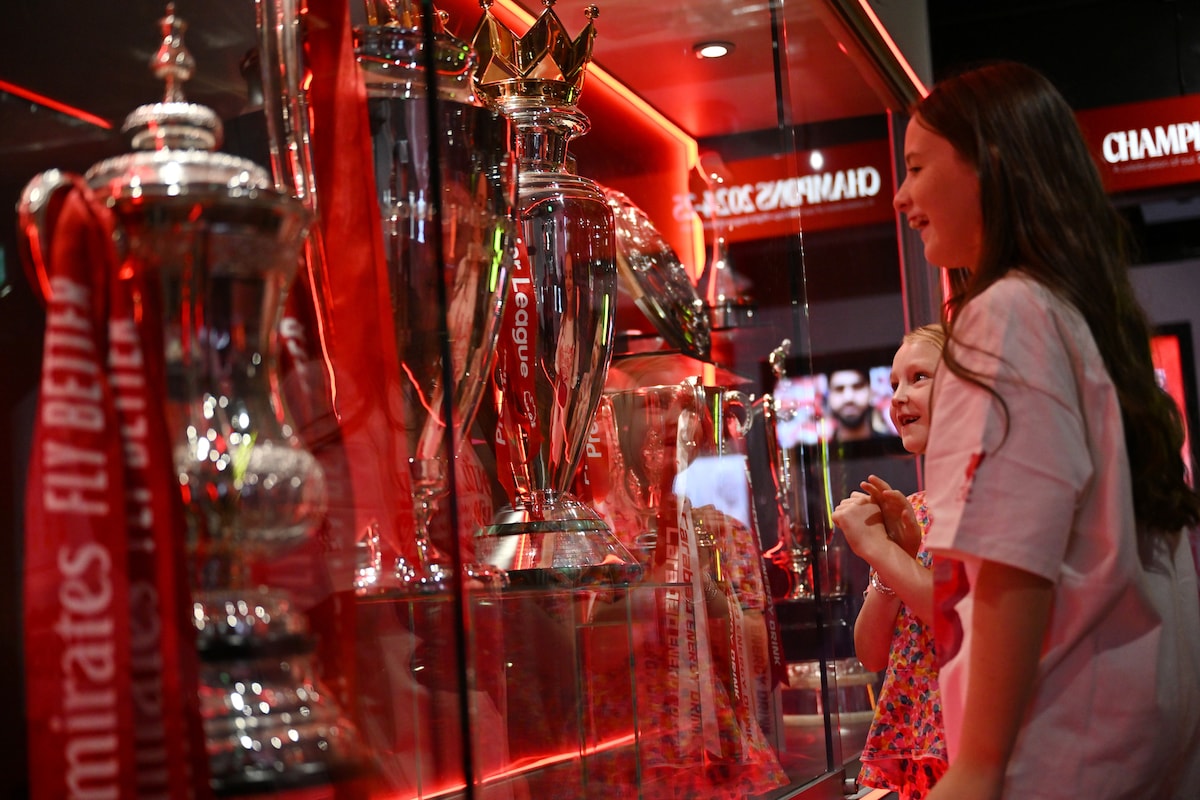
Liverpool Football Club Stadium Tour and Museum
Mon, Jan 26 • 10:00 AM
Anfield, L4 0TH, United Kingdom
View details
Nearby attractions of Liverpool Parish Church (Our Lady and Saint Nicholas)
Western Approaches
The British Music Experience
The Beatles Statue
Liverpool Waterfront
Royal Liver Building 360 Tour
Memorial to the Marine Engine Room Heroes
Museum of Liverpool
Cavern Club
Tate Liverpool
Liverpool Town Hall
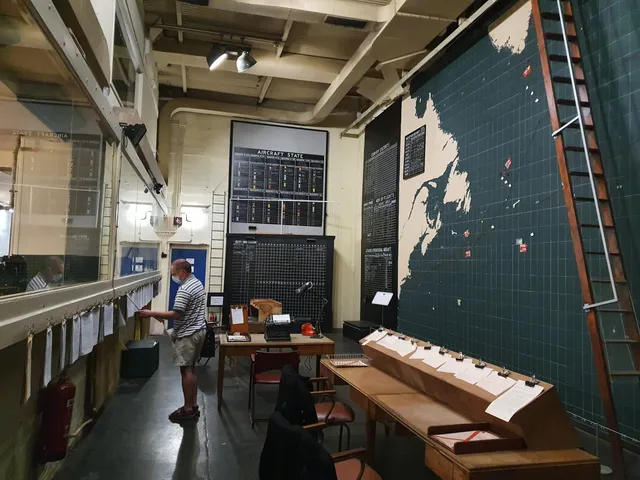
Western Approaches
4.7
(738)
Open until 6:00 PM
Click for details
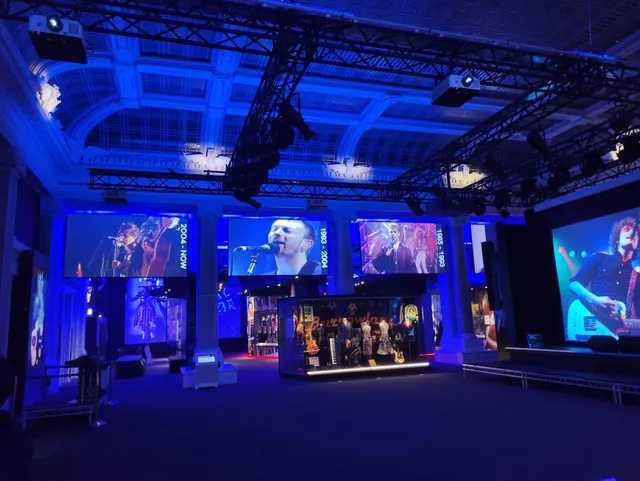
The British Music Experience
4.5
(828)
Open until 5:00 PM
Click for details
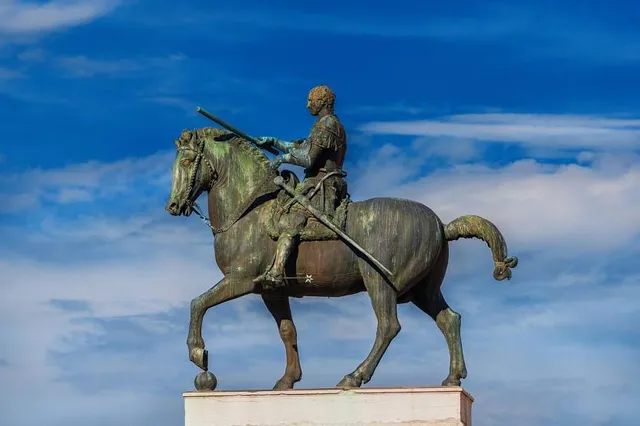
The Beatles Statue
4.7
(3K)
Open until 12:00 AM
Click for details
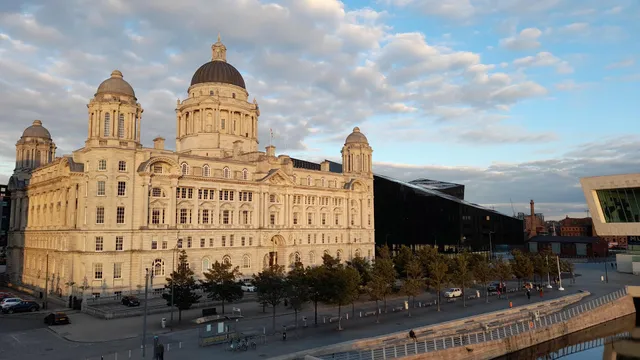
Liverpool Waterfront
4.7
(2.8K)
Open until 12:00 AM
Click for details
Nearby restaurants of Liverpool Parish Church (Our Lady and Saint Nicholas)
the coffee. ザ・コーヒー
Mowgli Street Food Water Street
Hooters of Liverpool
Fazenda Rodizio Bar & Grill Liverpool
Cafe Lucaya
OH ME OH MY
Riva Blu Italian Restaurant & Bar, Liverpool
51 Italian
Rudy's Pizza Napoletana - Castle Street
Gaucho Liverpool

the coffee. ザ・コーヒー
4.2
(19)
Open until 10:00 PM
Click for details
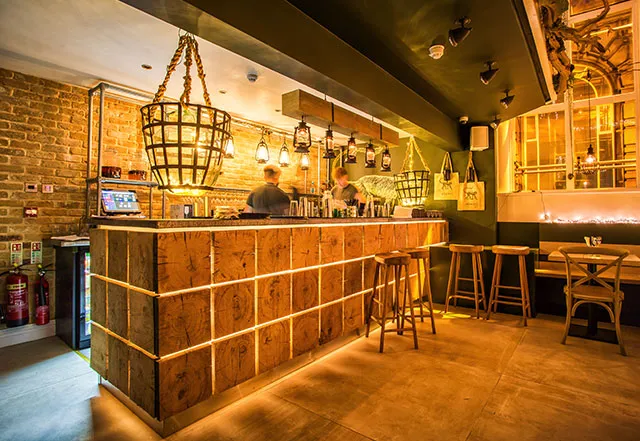
Mowgli Street Food Water Street
4.6
(2.1K)
Closed
Click for details
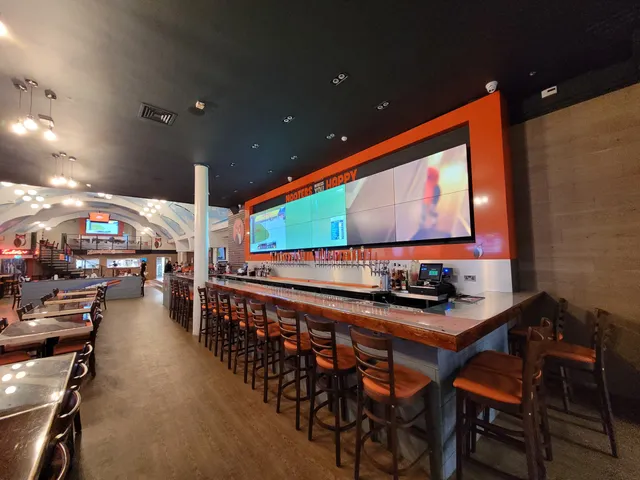
Hooters of Liverpool
4.6
(1.0K)
$$
Closed
Click for details
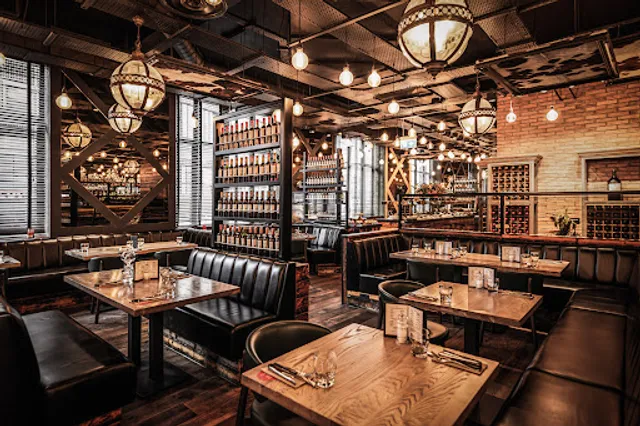
Fazenda Rodizio Bar & Grill Liverpool
4.7
(1.1K)
$$$
Closed
Click for details
Nearby local services of Liverpool Parish Church (Our Lady and Saint Nicholas)
Cunard Building
British Music Experience
Bold as Brass Tattoo Company
Oriel Close Barbershop
The Liverpool Blitz Memorial
The Beauty & Holistic Lounge
Turmeaus Cigars & Whisky
Gents Code
West Africa House
Liverpool Gin Distillery
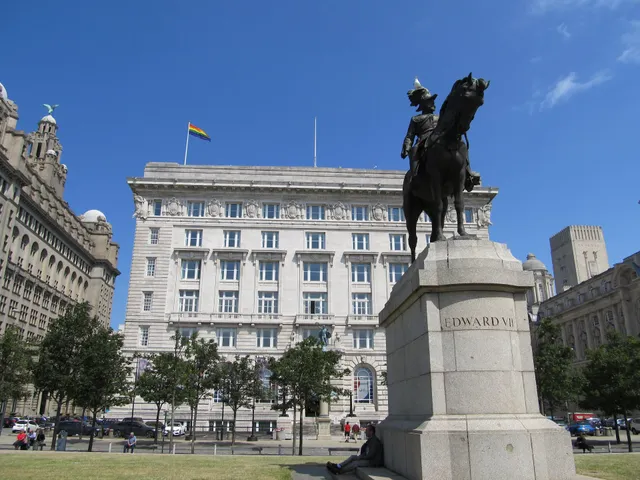
Cunard Building
4.5
(902)
Click for details
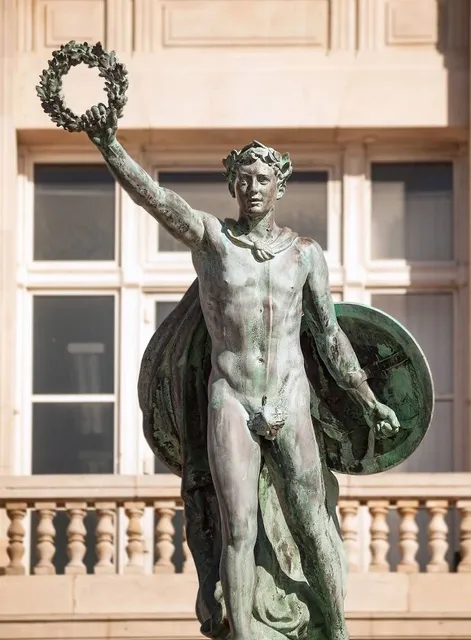
British Music Experience
4.6
(665)
Click for details

Bold as Brass Tattoo Company
5.0
(216)
Click for details

Oriel Close Barbershop
5.0
(78)
Click for details