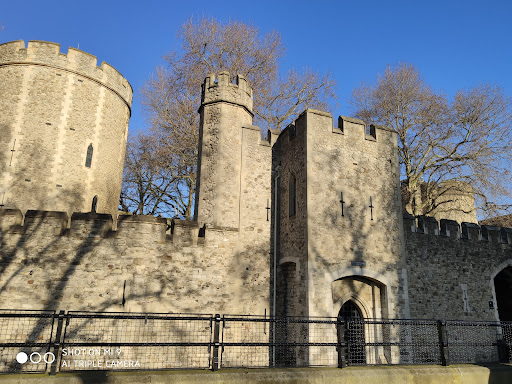
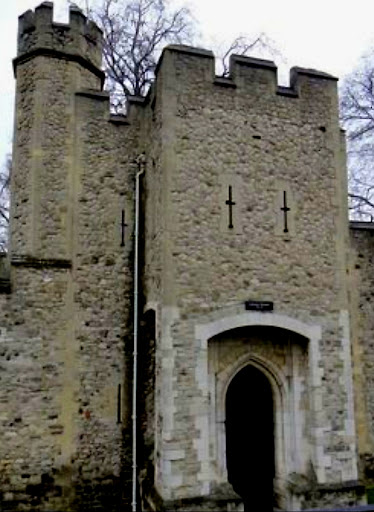
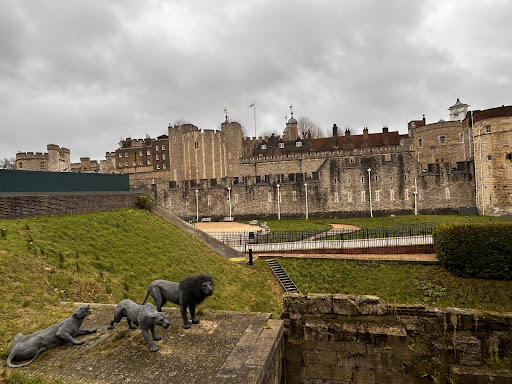
Cradle Tower things to do, attractions, restaurants, events info and trip planning
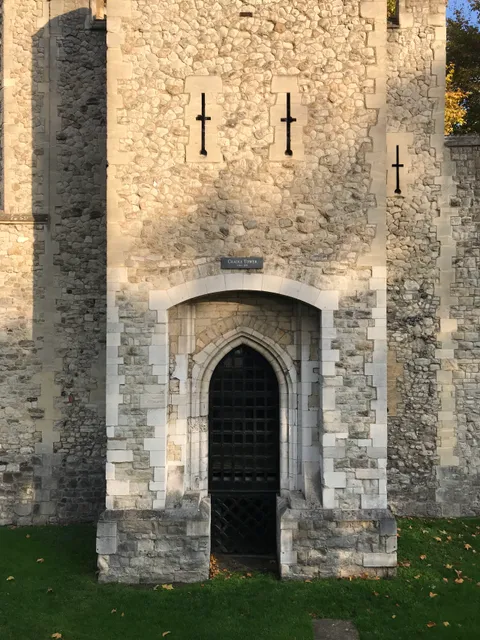
Basic Info
Cradle Tower
Tower Bridge, London EC3N 4AB, United Kingdom
4.4(22)
Open 24 hours
Save
spot
spot
Ratings & Description
Info
Cultural
Scenic
Family friendly
Accessibility
attractions: Tower of London, Tower Bridge, Lanthorn Tower, The Crown Jewels, St Katharine Docks, Royal Armouries, Chapel Royal of St Peter ad Vincula, City Cruises, Salt Tower, Girl with a Dolphin, restaurants: Tower Bridge Collective, Slug & Lettuce Tower Bridge, Côte St Katharine Docks, Café Rouge - St Katharine Docks, Coppa Club Tower Bridge, Vicinity, New Armouries, VU from The Tower, Zizzi - St Katharine's Docks, The Liberty Bounds - JD Wetherspoon, local businesses: Tower Bridge House, Terrible Thames Tours, Dog & Cone, Tower of London Shop, Potters Fields Park, Tower Bridge Events, Tower Bridge Engine Rooms, Dexters Tower Bridge Estate Agents, Third Space Tower Bridge, Absolute Party Boats London
 Learn more insights from Wanderboat AI.
Plan your stay

Pet-friendly Hotels in London
Find a cozy hotel nearby and make it a full experience.

Affordable Hotels in London
Find a cozy hotel nearby and make it a full experience.

The Coolest Hotels You Haven't Heard Of (Yet)
Find a cozy hotel nearby and make it a full experience.

Trending Stays Worth the Hype in London
Find a cozy hotel nearby and make it a full experience.
Reviews
Live events

Walk London with a local - in easy English
Sun, Feb 8 • 9:30 AM
Greater London, W1J 9BT, United Kingdom
View details

London Pottery Workshop
Sun, Feb 8 • 11:00 AM
Greater London, HA0 1RQ, United Kingdom
View details
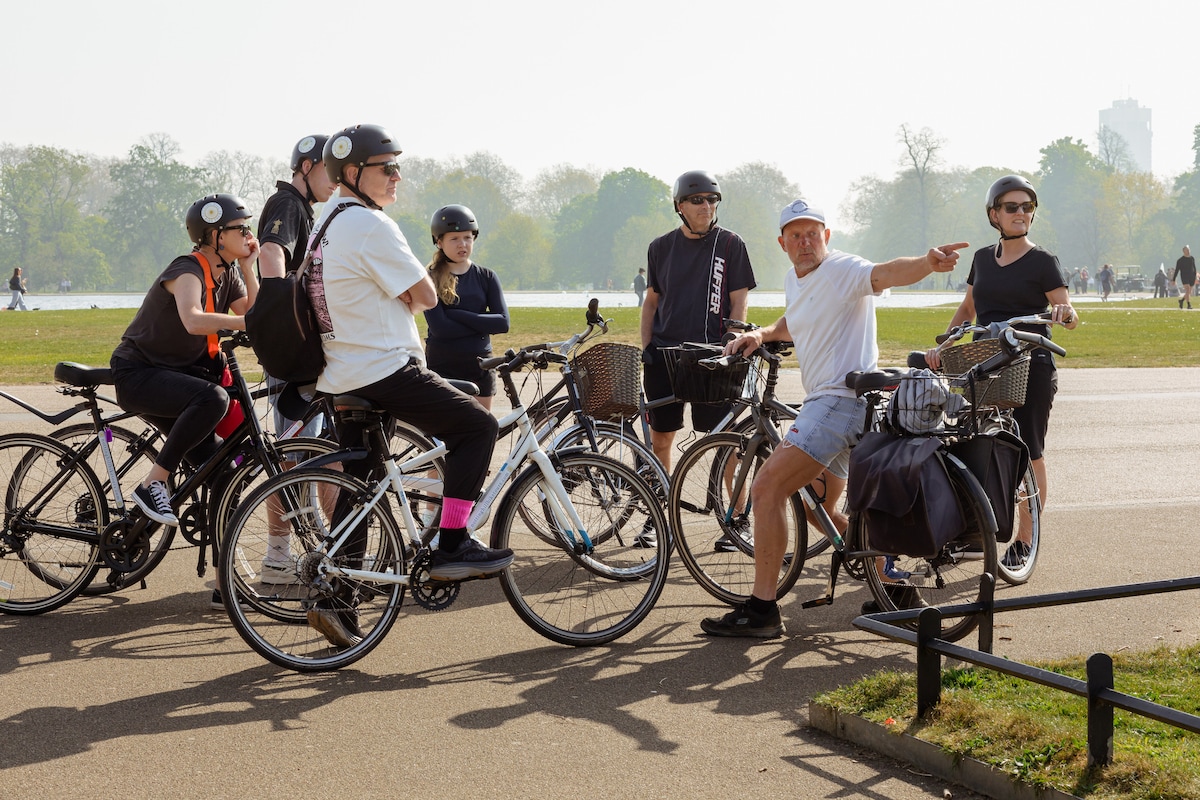
Visit London landmarks and royal parks
Sat, Feb 14 • 10:00 AM
Greater London, W2 4RJ, United Kingdom
View details
Nearby attractions of Cradle Tower
Tower of London
Tower Bridge
Lanthorn Tower
The Crown Jewels
St Katharine Docks
Royal Armouries
Chapel Royal of St Peter ad Vincula
City Cruises
Salt Tower
Girl with a Dolphin
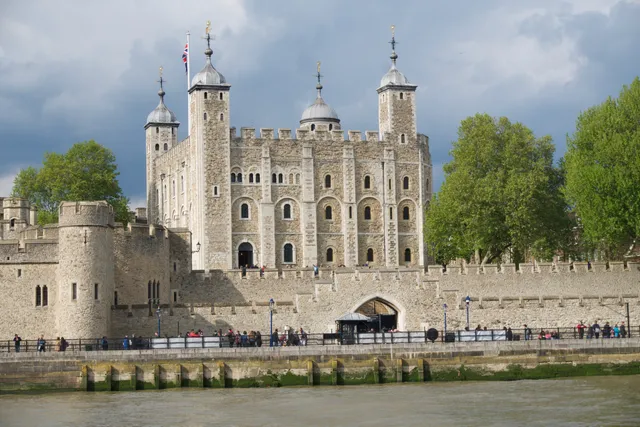
Tower of London
4.7
(37.4K)
Closed
Click for details
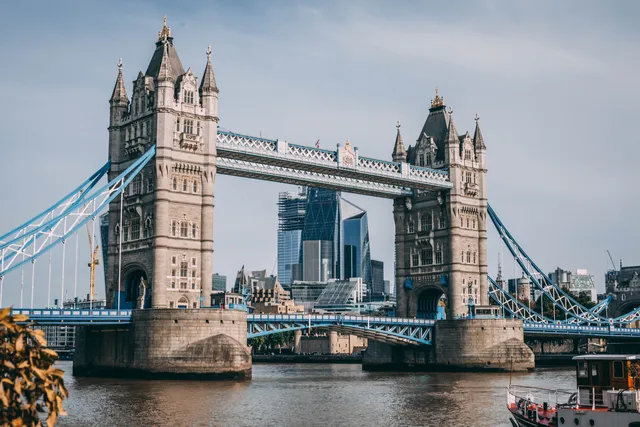
Tower Bridge
4.8
(57.1K)
Closed
Click for details
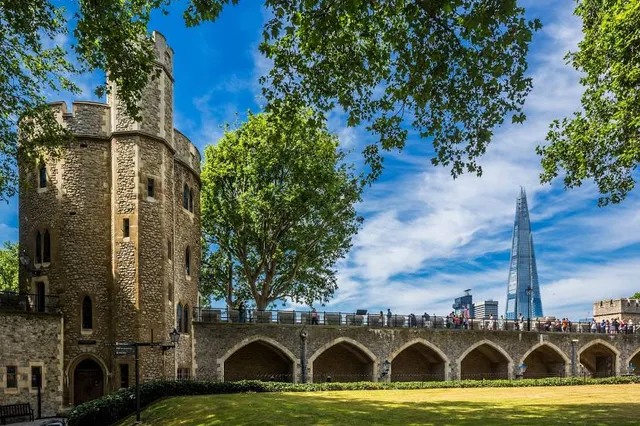
Lanthorn Tower
4.7
(100)
Closed
Click for details
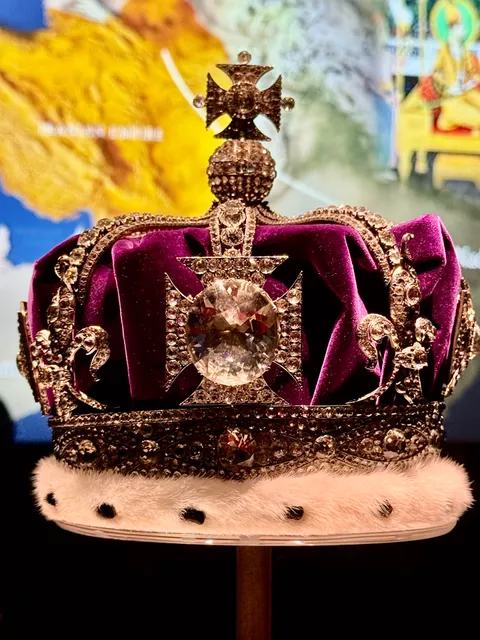
The Crown Jewels
4.6
(731)
Closed
Click for details
Nearby restaurants of Cradle Tower
Tower Bridge Collective
Slug & Lettuce Tower Bridge
Côte St Katharine Docks
Café Rouge - St Katharine Docks
Coppa Club Tower Bridge
Vicinity
New Armouries
VU from The Tower
Zizzi - St Katharine's Docks
The Liberty Bounds - JD Wetherspoon

Tower Bridge Collective
4.4
(126)
Open until 10:30 PM
Click for details
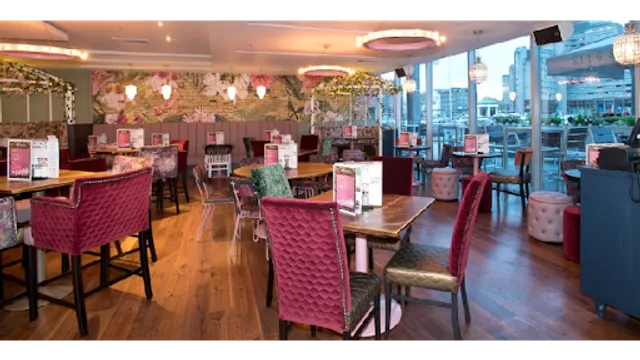
Slug & Lettuce Tower Bridge
4.3
(1.6K)
Open until 11:00 PM
Click for details
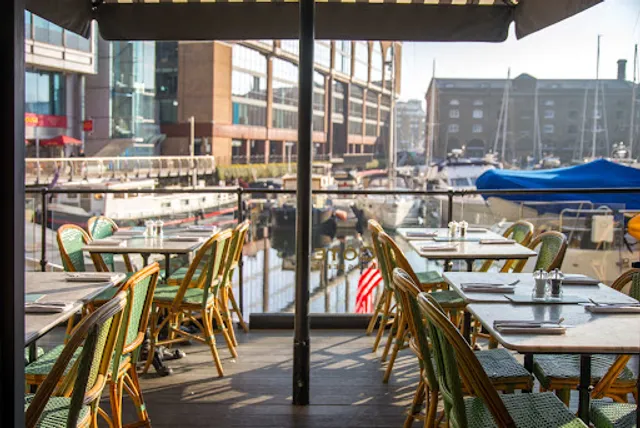
Côte St Katharine Docks
4.4
(1.2K)
$$
Open until 11:00 PM
Click for details
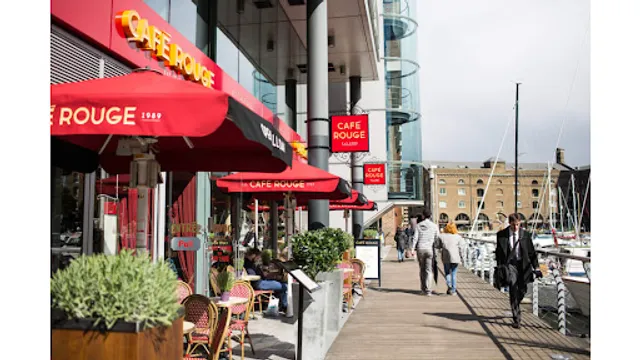
Café Rouge - St Katharine Docks
4.4
(1.8K)
Open until 9:00 PM
Click for details
Nearby local services of Cradle Tower
Tower Bridge House
Terrible Thames Tours
Dog & Cone
Tower of London Shop
Potters Fields Park
Tower Bridge Events
Tower Bridge Engine Rooms
Dexters Tower Bridge Estate Agents
Third Space Tower Bridge
Absolute Party Boats London
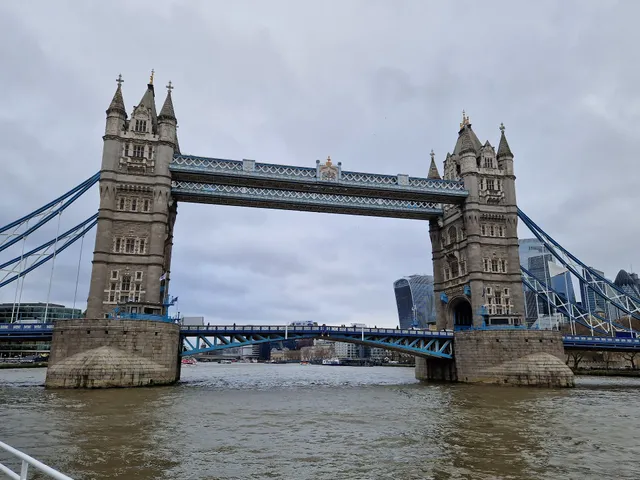
Tower Bridge House
4.9
(286)
Click for details
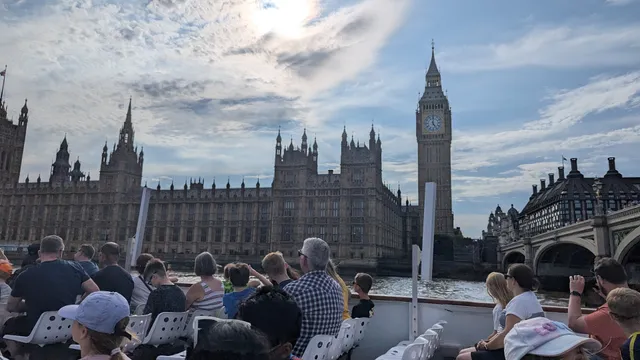
Terrible Thames Tours
4.7
(82)
Click for details
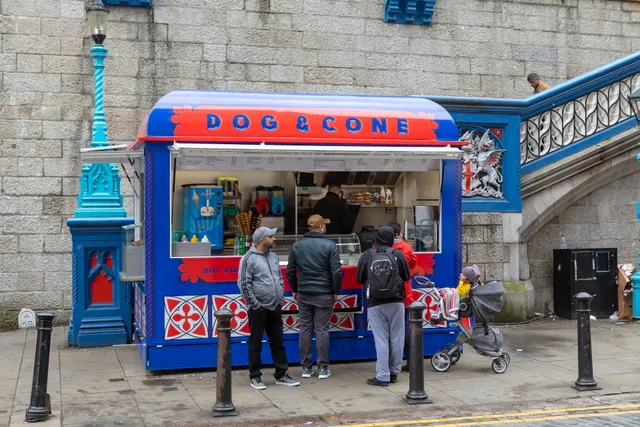
Dog & Cone
4.0
(38)
Click for details

Tower of London Shop
4.4
(252)
Click for details


The hit list



Plan your trip with Wanderboat
Welcome to Wanderboat AI, your AI search for local Eats and Fun, designed to help you explore your city and the world with ease.
Powered by Wanderboat AI trip planner.