St Andrew Undershaft Church things to do, attractions, restaurants, events info and trip planning
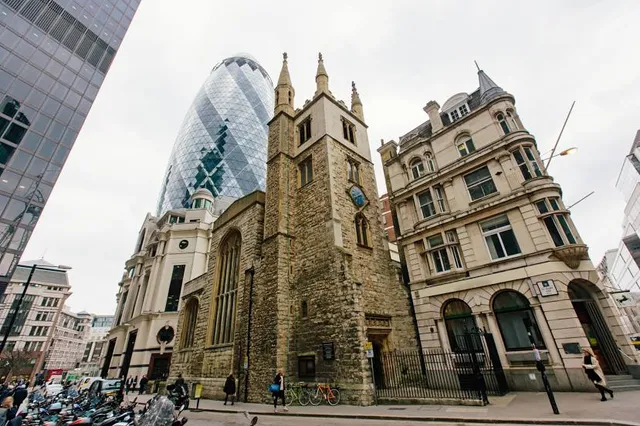
Basic Info
St Andrew Undershaft Church
St Mary Axe, London EC3A 8BN, United Kingdom
4.9(58)
Open 24 hours
Save
spot
spot
Ratings & Description
Info
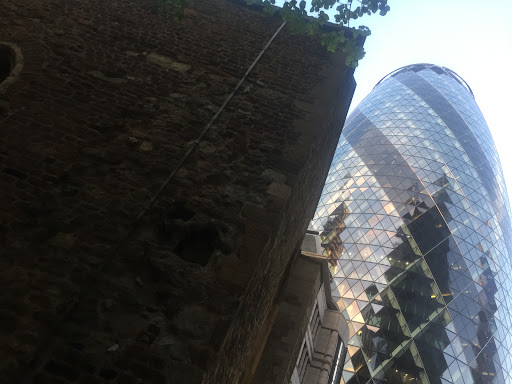
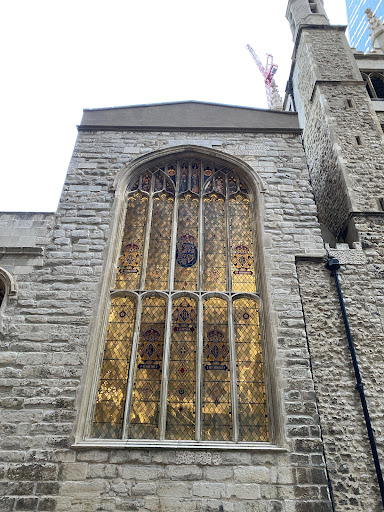
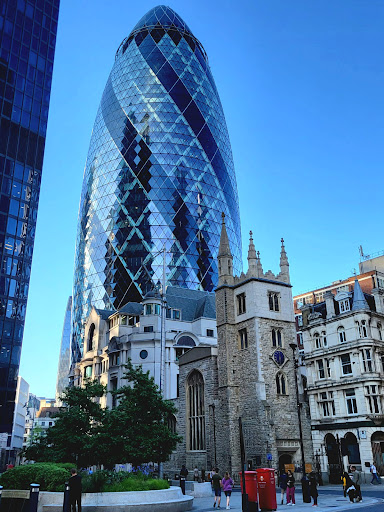
St Andrew Undershaft is a Church of England church in the City of London, the historic nucleus and modern financial centre of London. It is located on St Mary Axe, within the Aldgate ward, and is a rare example of a City church that survived both the Great Fire of London and the Blitz.
Cultural
Accessibility
Family friendly
attractions: 30 St Mary Axe (The Gherkin), Horizon 22, The Garden at 120, St Helen's Church, Bishopsgate, The Fenchurch Building (The Walkie-Talkie), Rooftop Garden 120 Fenchurch, Bevis Marks Synagogue, The Guild Church of St Katharine Cree, Aldgate Square, Diagon Alley (Harry Potter film), restaurants: Searcys at The Gherkin, Slug & Lettuce - St Mary Axe, Black Sheep Coffee & Cocktails, Duck & Waffle, The Alchemist Bevis Marks, Bob Bob Ricard City, Lucky Cat by Gordon Ramsay - Bishopsgate, SUSHISAMBA London, Roxy Ball Room London St Mary Axe, 14 Stories, local businesses: Leadenhall Market, 22 Bishopsgate, The Leadenhall Building, The War of The Worlds: The Immersive Experience, The Lookout, Lloyd's of London, Signature by Regus - London Tower 42, Ted's Grooming Room, Waterstones, Fitness First Bishopsgate
 Learn more insights from Wanderboat AI.
Phone
+44 20 7283 2231
Website
st-helens.org.uk
Plan your stay

Pet-friendly Hotels in London
Find a cozy hotel nearby and make it a full experience.

Affordable Hotels in London
Find a cozy hotel nearby and make it a full experience.

The Coolest Hotels You Haven't Heard Of (Yet)
Find a cozy hotel nearby and make it a full experience.

Trending Stays Worth the Hype in London
Find a cozy hotel nearby and make it a full experience.
Reviews
Live events
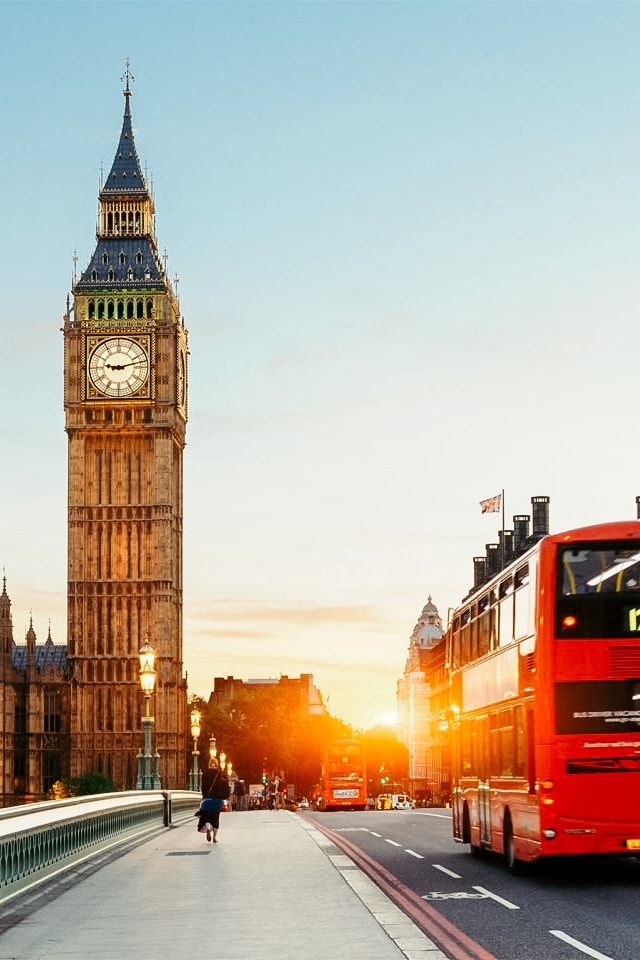
Explore 30+ London sights
Mon, Feb 16 • 10:00 AM
Greater London, W1J 9BR, United Kingdom
View details

Top-Rated London Harry Potter Tour—Family Friendly
Mon, Feb 16 • 9:30 AM
Greater London, N1 9AP, United Kingdom
View details
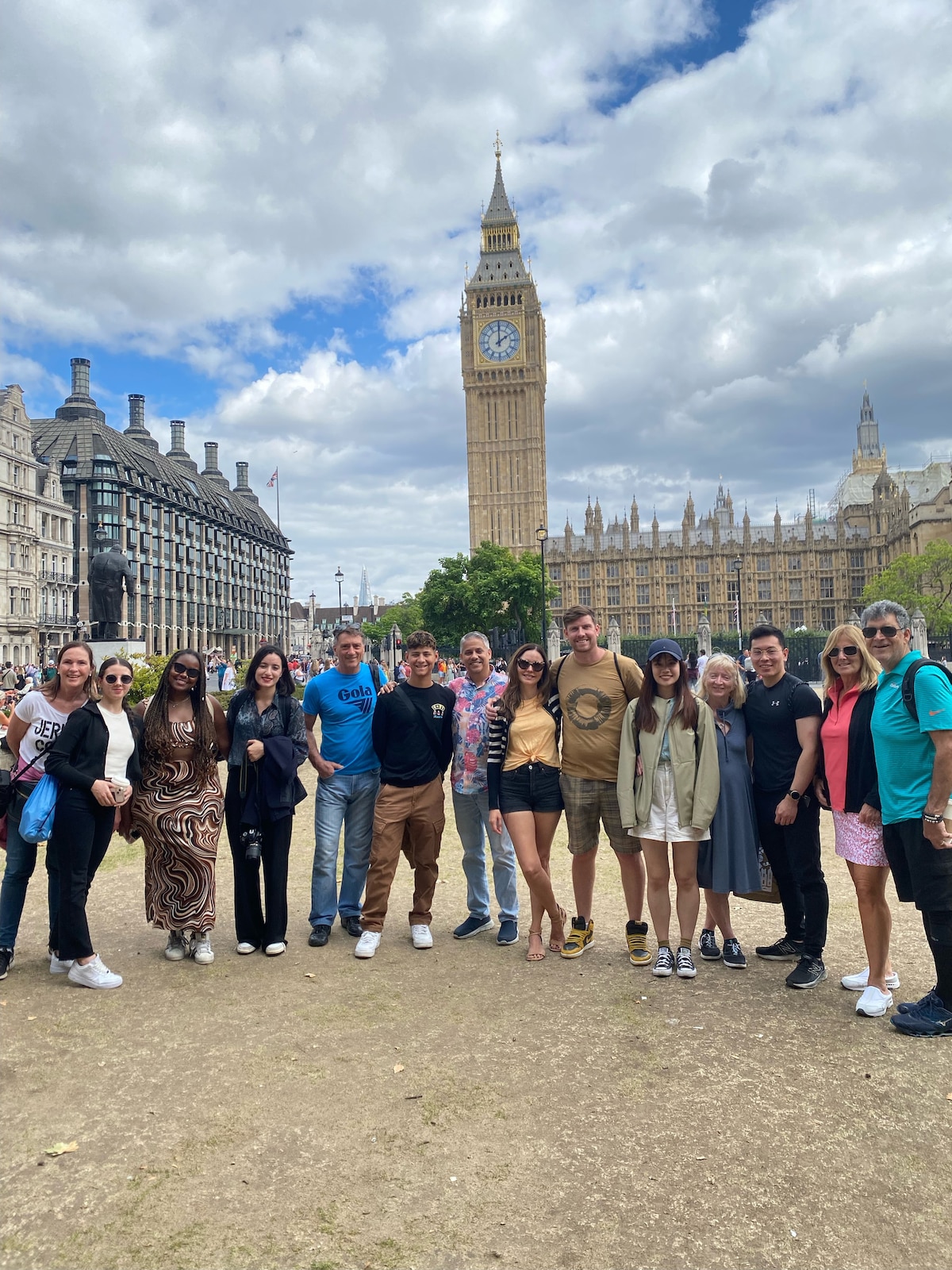
London sightseeing walking tour with 30 sights
Mon, Feb 16 • 10:00 AM
Greater London, SW1E 5EA, United Kingdom
View details
Nearby attractions of St Andrew Undershaft Church
30 St Mary Axe (The Gherkin)
Horizon 22
The Garden at 120
St Helen's Church, Bishopsgate
The Fenchurch Building (The Walkie-Talkie)
Rooftop Garden 120 Fenchurch
Bevis Marks Synagogue
The Guild Church of St Katharine Cree
Aldgate Square
Diagon Alley (Harry Potter film)
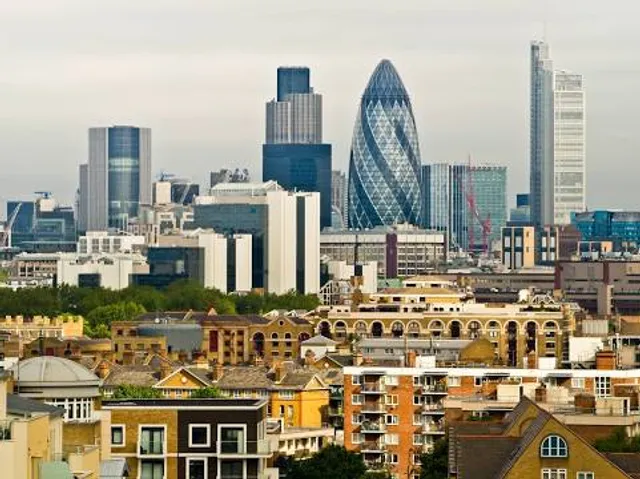
30 St Mary Axe (The Gherkin)
4.6
(2.6K)
Open until 12:00 AM
Click for details
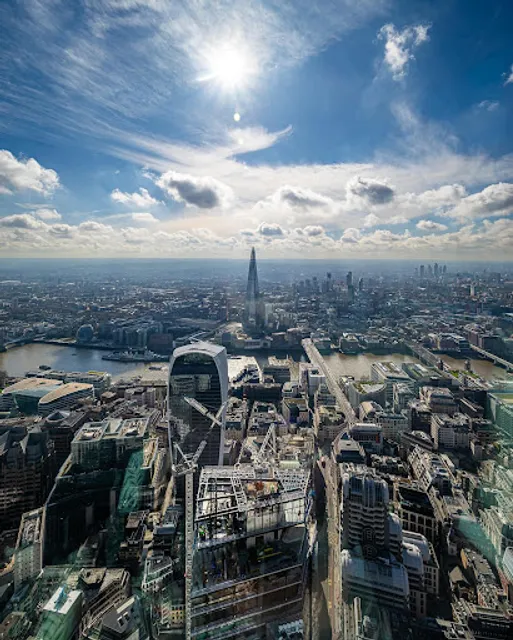
Horizon 22
4.8
(2.1K)
Closed
Click for details

The Garden at 120
4.8
(3.1K)
Closed
Click for details
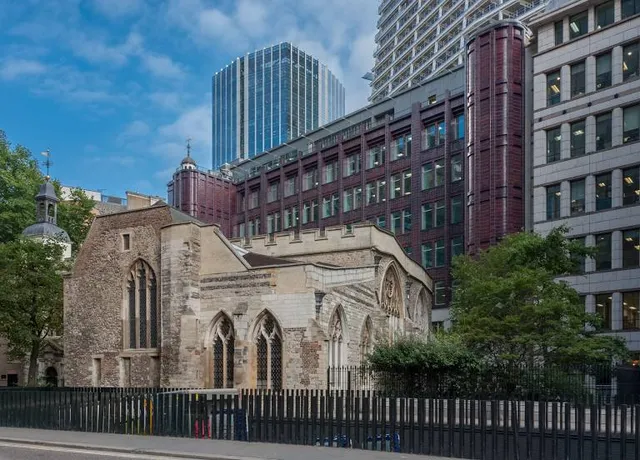
St Helen's Church, Bishopsgate
4.7
(277)
Open until 12:00 AM
Click for details
Nearby restaurants of St Andrew Undershaft Church
Searcys at The Gherkin
Slug & Lettuce - St Mary Axe
Black Sheep Coffee & Cocktails
Duck & Waffle
The Alchemist Bevis Marks
Bob Bob Ricard City
Lucky Cat by Gordon Ramsay - Bishopsgate
SUSHISAMBA London
Roxy Ball Room London St Mary Axe
14 Stories
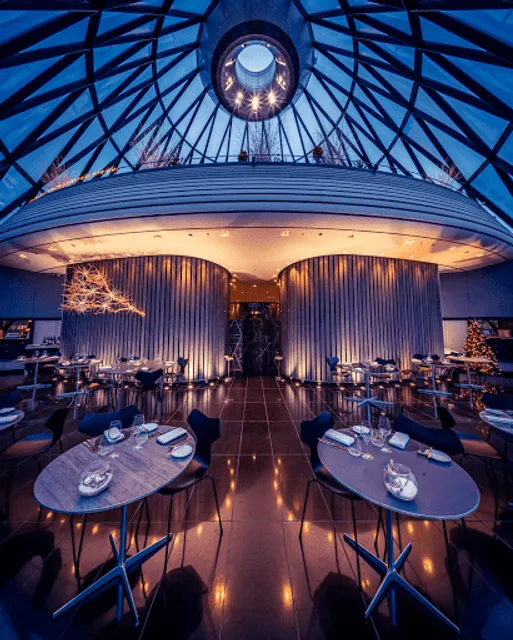
Searcys at The Gherkin
4.3
(973)
$$$$
Open until 12:00 AM
Click for details
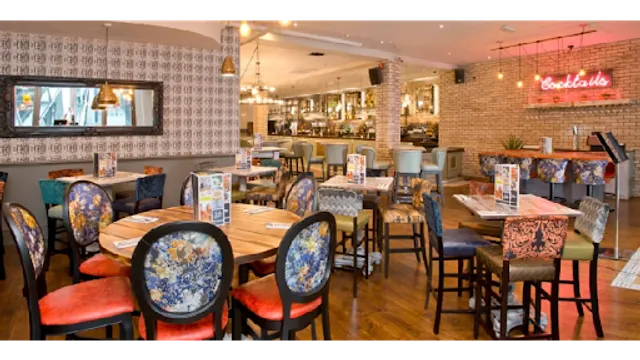
Slug & Lettuce - St Mary Axe
4.4
(815)
Closed
Click for details

Black Sheep Coffee & Cocktails
4.5
(413)
Closed
Click for details
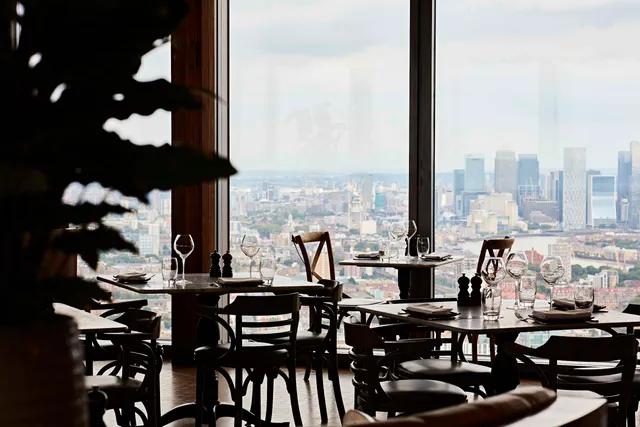
Duck & Waffle
4.4
(6.4K)
$$$
Open until 12:00 AM
Click for details
Nearby local services of St Andrew Undershaft Church
Leadenhall Market
22 Bishopsgate
The Leadenhall Building
The War of The Worlds: The Immersive Experience
The Lookout
Lloyd's of London
Signature by Regus - London Tower 42
Ted's Grooming Room
Waterstones
Fitness First Bishopsgate
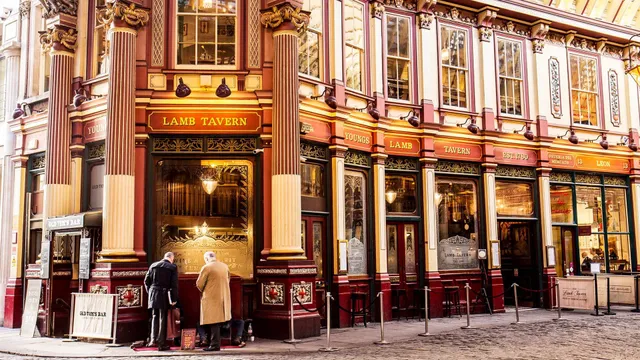
Leadenhall Market
4.4
(8.8K)
Click for details
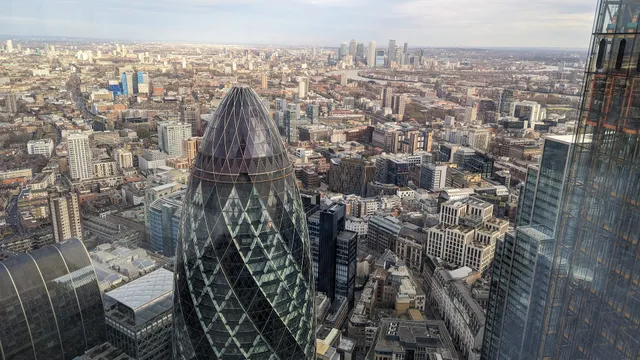
22 Bishopsgate
4.8
(2.1K)
Click for details

The Leadenhall Building
4.6
(441)
Click for details
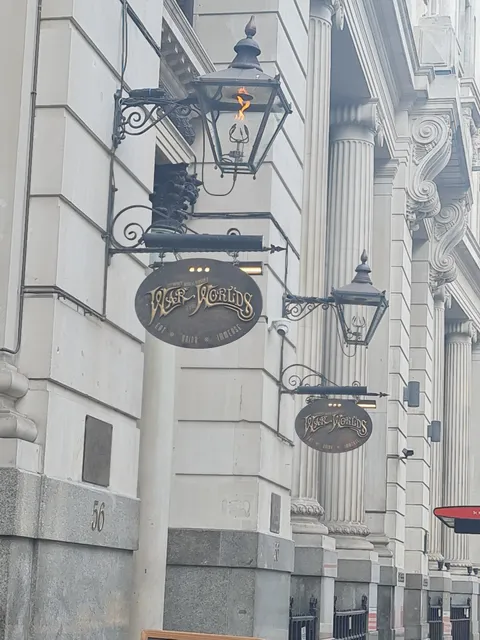
The War of The Worlds: The Immersive Experience
4.8
(1.5K)
Click for details


The hit list



Plan your trip with Wanderboat
Welcome to Wanderboat AI, your AI search for local Eats and Fun, designed to help you explore your city and the world with ease.
Powered by Wanderboat AI trip planner.