St Pancras Church, Euston Road things to do, attractions, restaurants, events info and trip planning
Basic Info
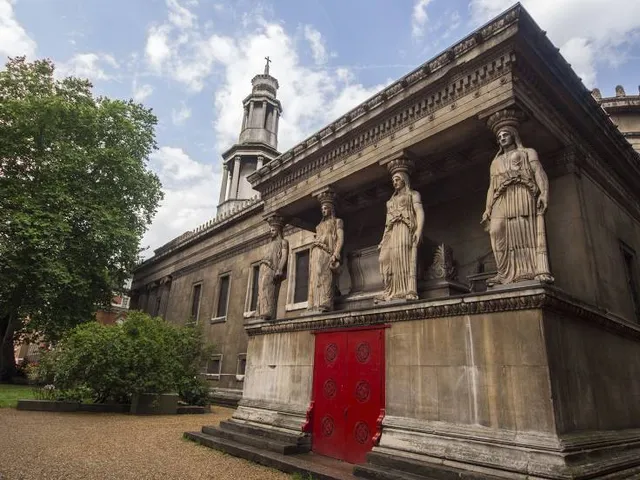
St Pancras Church, Euston Road
St Pancras Church, 165 Euston Rd., London NW1 2BA, United Kingdom
4.5(188)
Closed
Save
spot
spot
Ratings & Description
Info
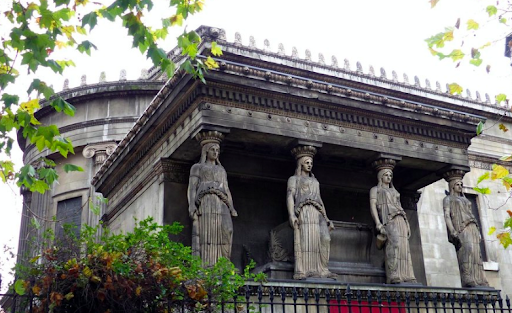
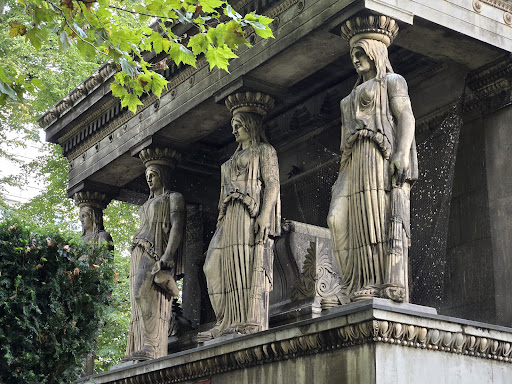
St Pancras Church is a Greek Revival church in St Pancras, London, built in 1819–22 to the designs of William and Henry William Inwood. The church is one of the most important 19th-century churches in England and is a Grade I listed building.
Cultural
"accessibility"
attractions: Crypt Gallery, Euston Square Gardens, Shaw Theatre, 30 Euston Square, P21 Gallery, Bloomsbury Theatre and Studio, UCL Faculty of Laws, University College London, Cartwright Gardens, Universities UK, restaurants: The Rocket, Prezzo Italian Restaurant London Euston, The Euston Tap, Yatri Indian Restaurant, Nando's Euston, Just Falafels, The Doric Arch, Euston, Royal George, Mabel's Tavern, Adeline Restaurant & Bar - The Memoir Club, local businesses: London Euston Station, Euston, Euston Square Gardens, Euston, Euston Station, Woolf Kings X, DL Business Consultancy, Garden Halls, Gay's The Word, Judd Books
 Learn more insights from Wanderboat AI.
Phone
+44 20 7388 1461
Website
stpancraschurch.org
Open hoursSee all hours
Sun10 AM - 4 PMClosed
Plan your stay

Pet-friendly Hotels in London
Find a cozy hotel nearby and make it a full experience.

Affordable Hotels in London
Find a cozy hotel nearby and make it a full experience.

The Coolest Hotels You Haven't Heard Of (Yet)
Find a cozy hotel nearby and make it a full experience.

Trending Stays Worth the Hype in London
Find a cozy hotel nearby and make it a full experience.
Reviews
Live events

Create your own jewellery with Stööki
Thu, Jan 29 • 2:00 PM
Greater London, SE18 5NR, United Kingdom
View details
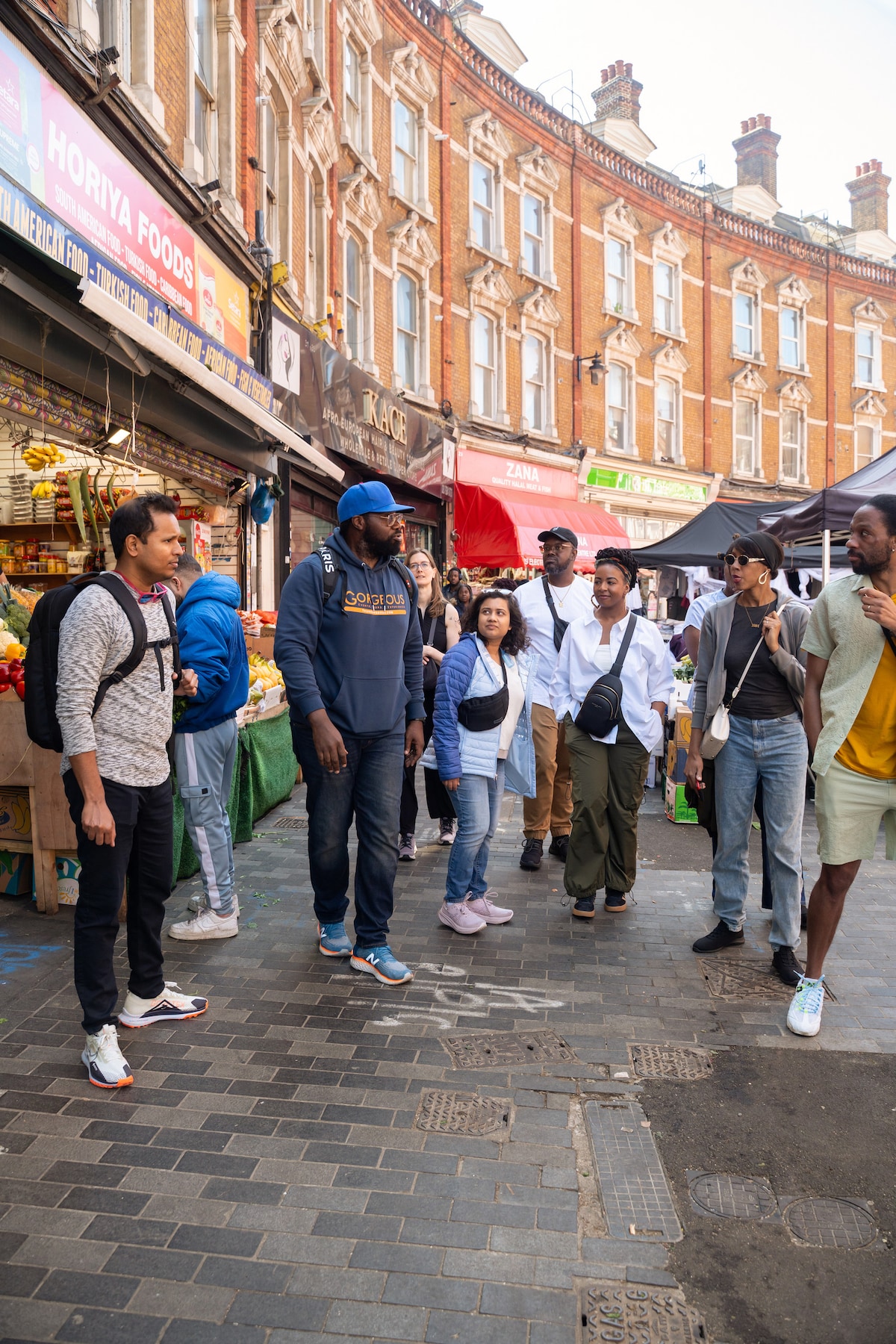
Obis African and Caribbean Food Tour in Brixton
Mon, Jan 26 • 1:00 PM
Greater London, SW9 8EA, United Kingdom
View details
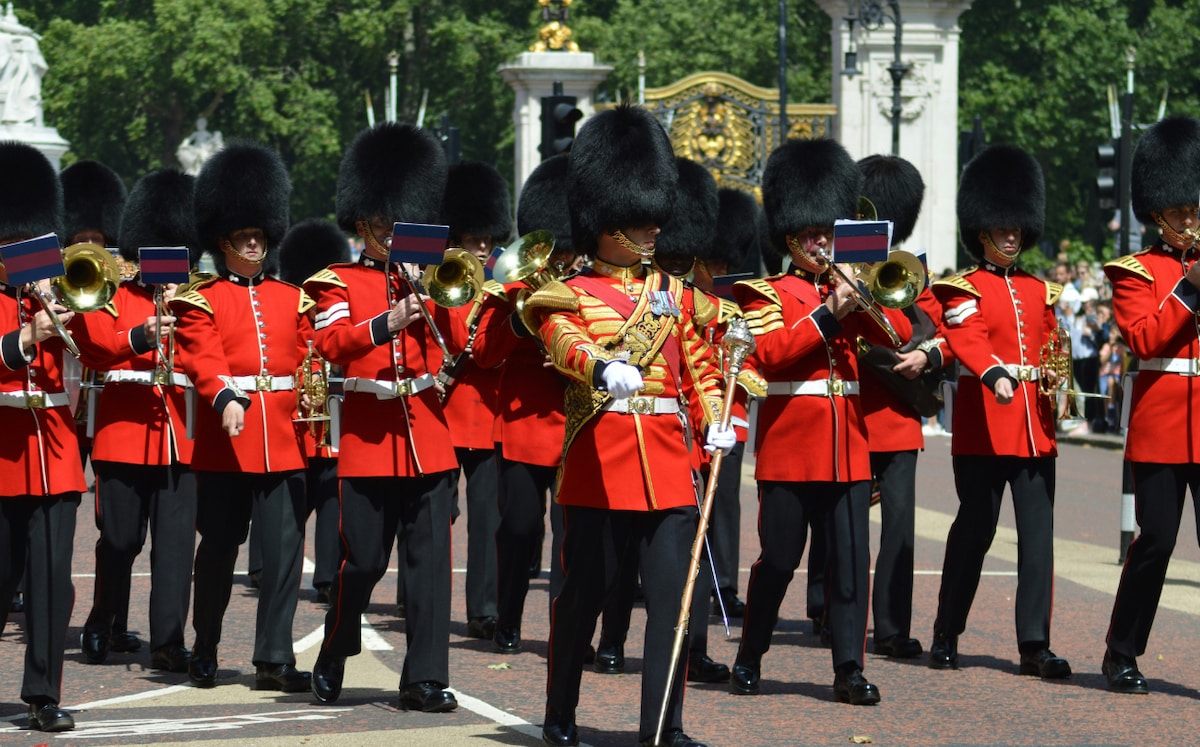
Changing of the Guard Walking Tour
Mon, Jan 26 • 10:00 AM
Greater London, SW1E 5EA, United Kingdom
View details
Nearby attractions of St Pancras Church, Euston Road
Crypt Gallery
Euston Square Gardens
Shaw Theatre
30 Euston Square
P21 Gallery
Bloomsbury Theatre and Studio
UCL Faculty of Laws
University College London
Cartwright Gardens
Universities UK
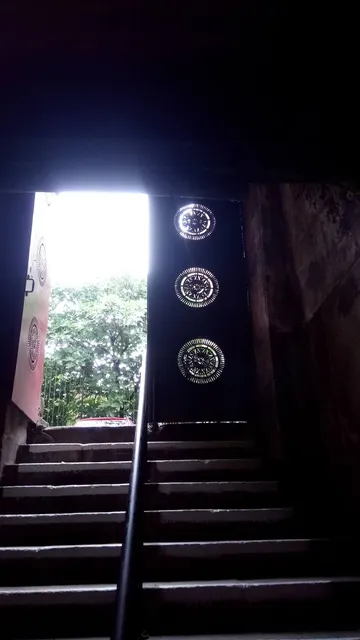
Crypt Gallery
4.5
(108)
Open 24 hours
Click for details
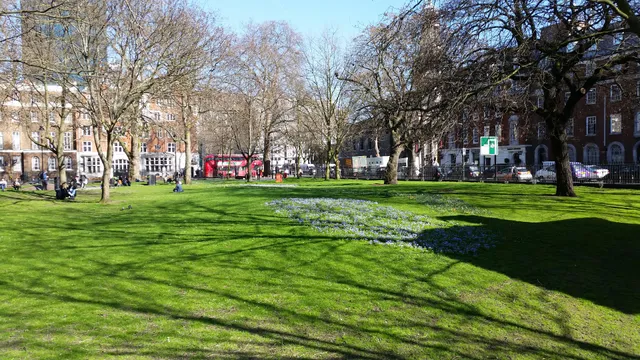
Euston Square Gardens
3.9
(261)
Open 24 hours
Click for details
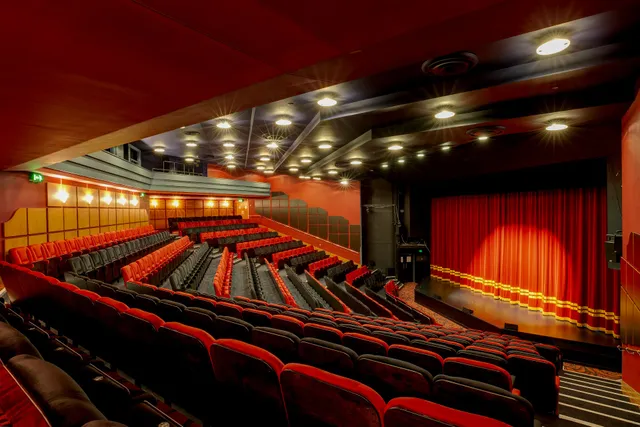
Shaw Theatre
4.5
(447)
Open 24 hours
Click for details
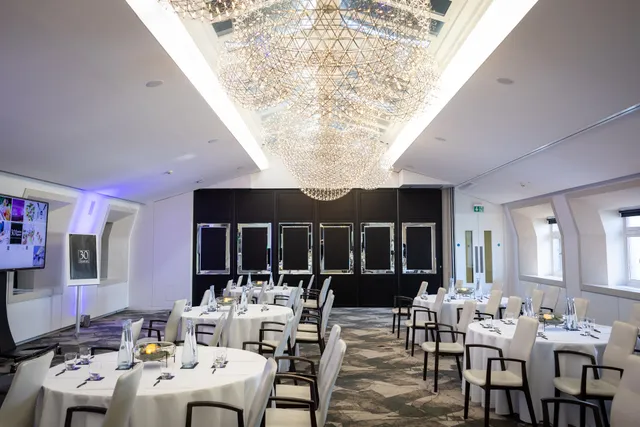
30 Euston Square
4.4
(321)
Open 24 hours
Click for details
Nearby restaurants of St Pancras Church, Euston Road
The Rocket
Prezzo Italian Restaurant London Euston
The Euston Tap
Yatri Indian Restaurant
Nando's Euston
Just Falafels
The Doric Arch, Euston
Royal George
Mabel's Tavern
Adeline Restaurant & Bar - The Memoir Club
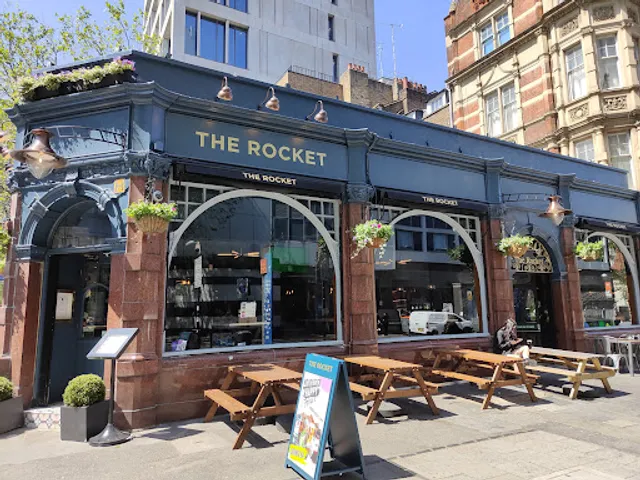
The Rocket
4.2
(1.8K)
Open until 12:00 AM
Click for details
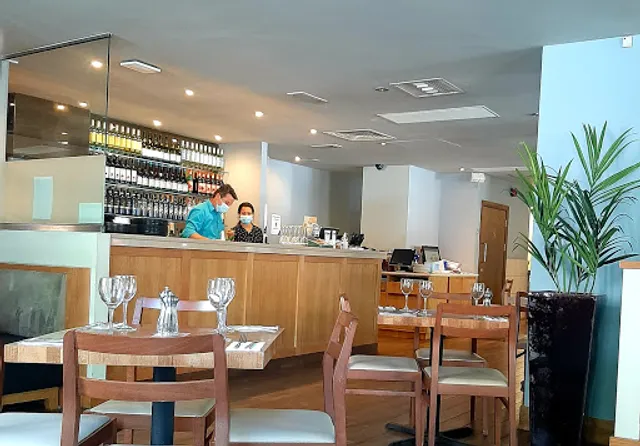
Prezzo Italian Restaurant London Euston
4.3
(418)
Closed
Click for details
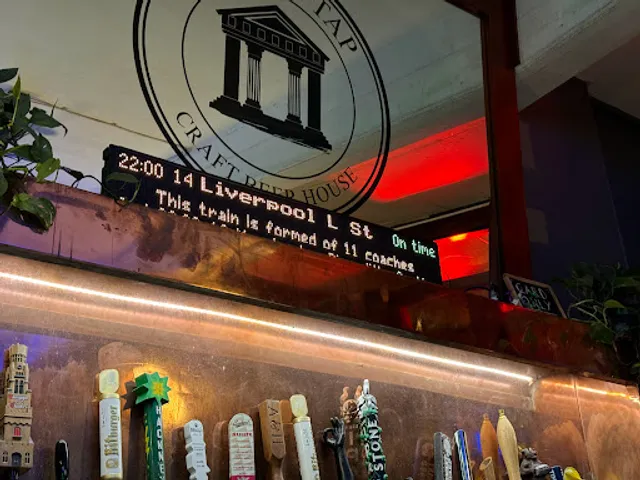
The Euston Tap
4.5
(1.4K)
Closed
Click for details
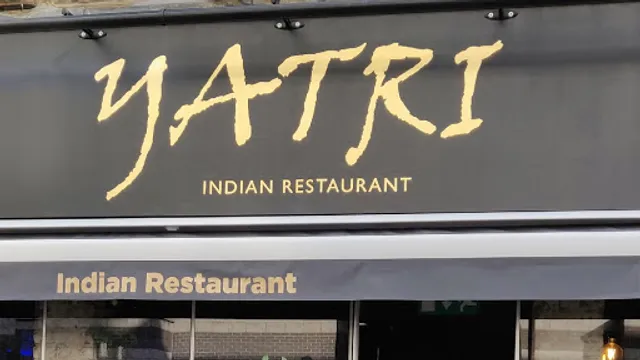
Yatri Indian Restaurant
4.7
(1.1K)
Open until 11:00 PM
Click for details
Nearby local services of St Pancras Church, Euston Road
London Euston Station
Euston
Euston Square Gardens
Euston
Euston Station
Woolf Kings X
DL Business Consultancy
Garden Halls
Gay's The Word
Judd Books
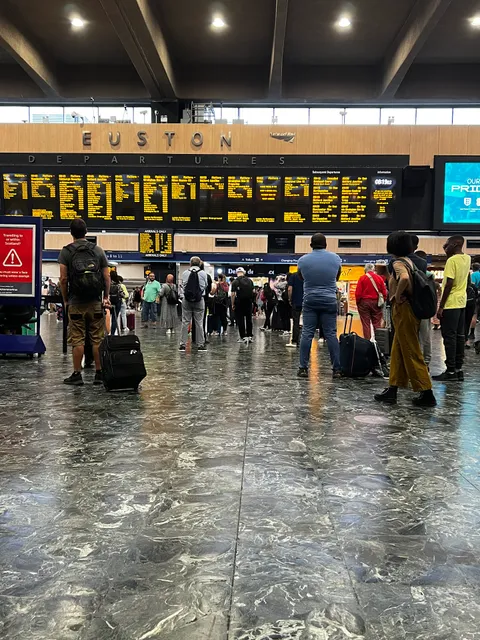
London Euston Station
4.3
(1.1K)
Click for details
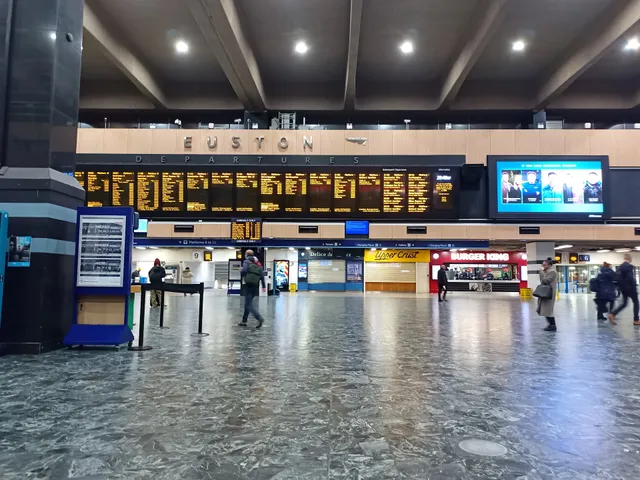
Euston
3.9
(1.5K)
Click for details
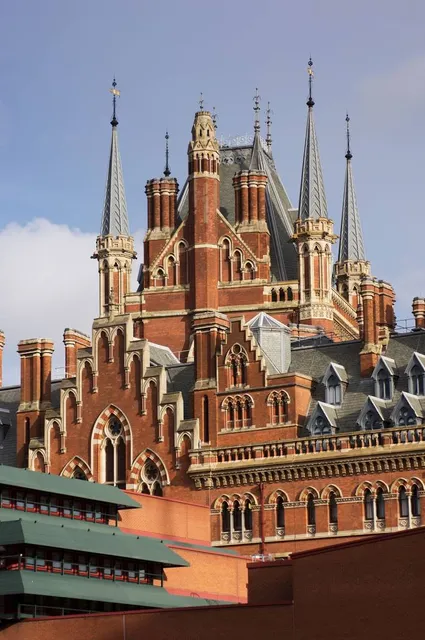
Euston Square Gardens
3.8
(264)
Click for details
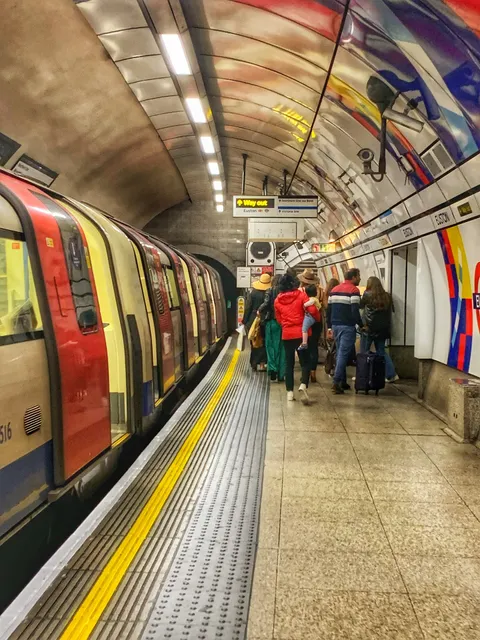
Euston
4.1
(319)
Click for details


The hit list



Plan your trip with Wanderboat
Welcome to Wanderboat AI, your AI search for local Eats and Fun, designed to help you explore your city and the world with ease.
Powered by Wanderboat AI trip planner.