Wallis Annenberg Center for the Performing Arts things to do, attractions, restaurants, events info and trip planning
Basic Info
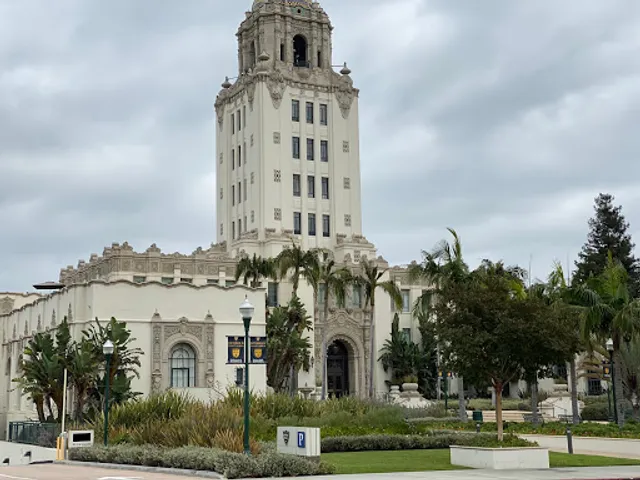
Wallis Annenberg Center for the Performing Arts
9390 N Santa Monica Blvd, Beverly Hills, CA 90210
4.8(13)
Open 24 hours
Save
spot
spot
Ratings & Description
Info
Cultural
Entertainment
Accessibility
Family friendly
attractions: Beverly Gardens Park, Beverly Hills Sign, Beverly Hills Visitor Center, Beverly Hills Public Library, The Lily Pond, Rodeo Drive Walk Of Style, "The Drummer" - Barry Flanagan, "Hymn of Life: Tulips"🌷- Yayoi Kusama, Gagosian, Beverly Cañon Gardens, restaurants: Wally's Beverly Hills, Funke, Il Tramezzino, La Scala 🇮🇹, Porta Via Beverly Hills, Il Pastaio, Nate'n Al's, Jade Beverly Hills 🇯🇵, Nua, Bacio Di Latte | Beverly Hills, LA, local businesses: Edelweiss Chocolates, Bram Goldsmith Theater, Beverly Hills City Hall, DreamSofa, Stay Awhile Villas - Beverly Hills, Crate & Barrel, Beverly Hills Concierge Doctor: Ehsan Ali, MD, The Beverly Hills artSHOW, Beverly Hills Watch Co, Rodeo Drive
 Learn more insights from Wanderboat AI.
Phone
(310) 246-3800
Website
thewallis.org
Plan your stay

Pet-friendly Hotels in Beverly Hills
Find a cozy hotel nearby and make it a full experience.

Affordable Hotels in Beverly Hills
Find a cozy hotel nearby and make it a full experience.

The Coolest Hotels You Haven't Heard Of (Yet)
Find a cozy hotel nearby and make it a full experience.

Trending Stays Worth the Hype in Beverly Hills
Find a cozy hotel nearby and make it a full experience.
Reviews
Live events

Fly an airplane over LA’s epic landmarks
Mon, Feb 9 • 10:00 AM
Los Angeles, California, 91406
View details

Desserts & Diamonds Event – Robbins Brothers Torrance
Fri, Feb 6 • 10:00 AM
21200 Hawthorne Blvd. Torrance, CA 90503
View details

Girly Core 2: Galentine Party with Live Music, Workshops, and Vendors
Sun, Feb 8 • 11:00 AM
3382 East Florence Avenue Huntington Park, CA 90255
View details
Nearby attractions of Wallis Annenberg Center for the Performing Arts
Beverly Gardens Park
Beverly Hills Sign
Beverly Hills Visitor Center
Beverly Hills Public Library
The Lily Pond
Rodeo Drive Walk Of Style
"The Drummer" - Barry Flanagan
"Hymn of Life: Tulips"🌷- Yayoi Kusama
Gagosian
Beverly Cañon Gardens
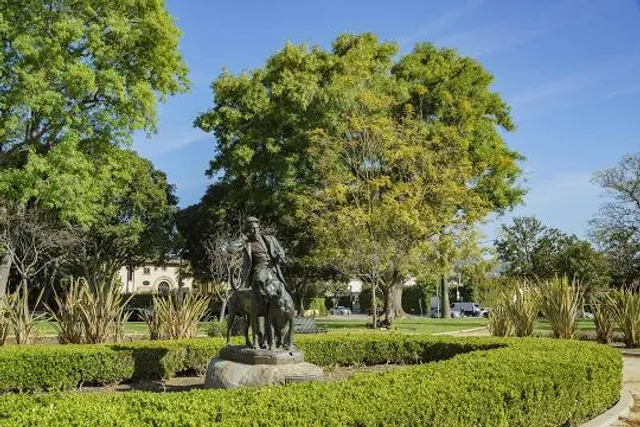
Beverly Gardens Park
4.6
(5.4K)
Open until 9:30 PM
Click for details
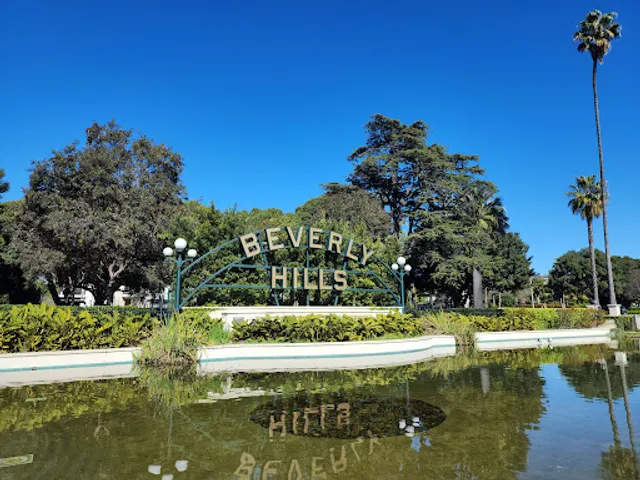
Beverly Hills Sign
4.7
(782)
Open 24 hours
Click for details
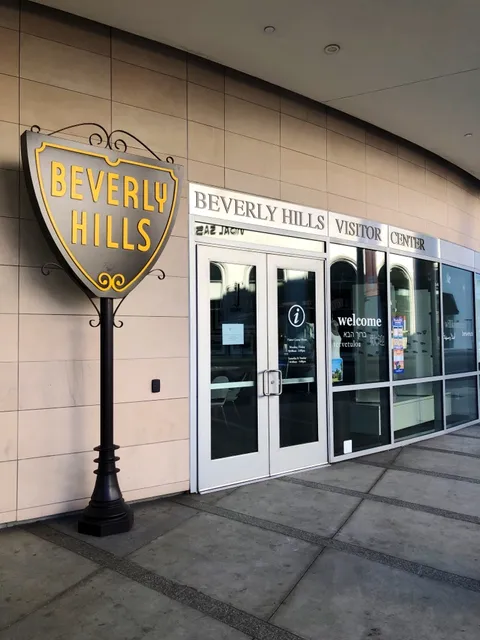
Beverly Hills Visitor Center
4.5
(42)
Open until 5:00 PM
Click for details
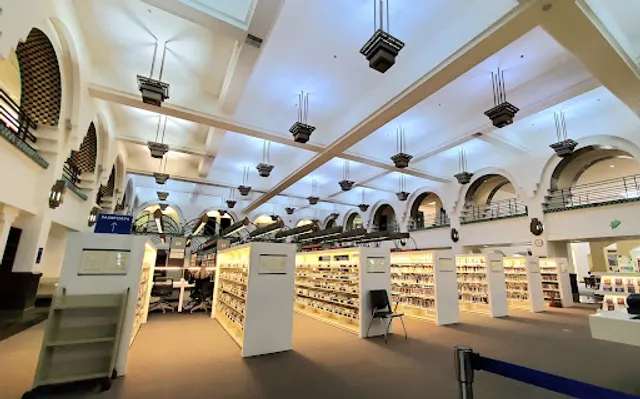
Beverly Hills Public Library
4.4
(165)
Open until 6:00 PM
Click for details
Nearby restaurants of Wallis Annenberg Center for the Performing Arts
Wally's Beverly Hills
Funke
Il Tramezzino
La Scala 🇮🇹
Porta Via Beverly Hills
Il Pastaio
Nate'n Al's
Jade Beverly Hills 🇯🇵
Nua
Bacio Di Latte | Beverly Hills, LA
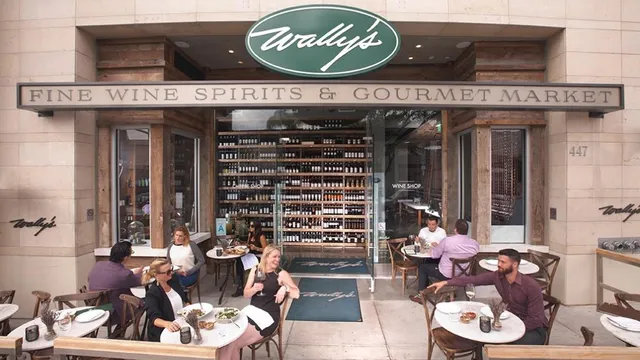
Wally's Beverly Hills
4.3
(724)
$$$
Open until 12:30 AM
Click for details
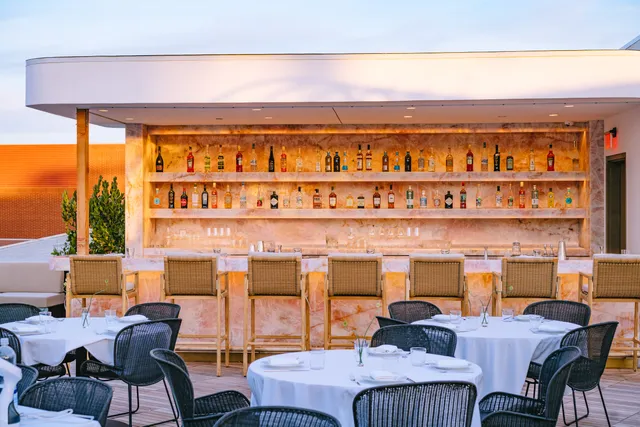
Funke
4.2
(170)
$$$$
Open until 12:00 AM
Click for details

Il Tramezzino
4.4
(186)
$$
Open until 6:00 PM
Click for details
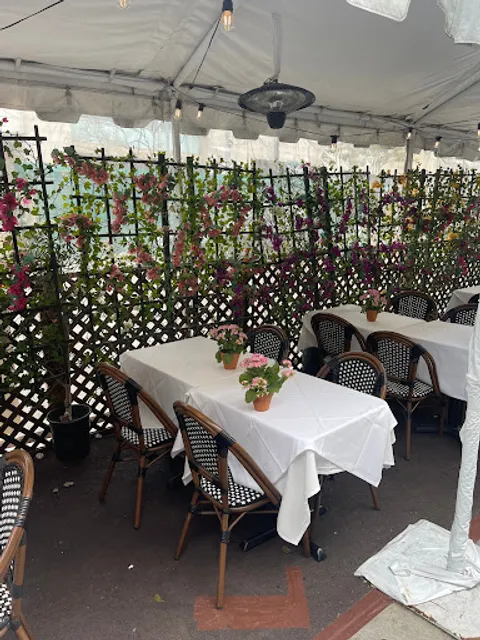
La Scala 🇮🇹
3.9
(278)
$$$
Open until 12:00 AM
Click for details
Nearby local services of Wallis Annenberg Center for the Performing Arts
Edelweiss Chocolates
Bram Goldsmith Theater
Beverly Hills City Hall
DreamSofa
Stay Awhile Villas - Beverly Hills
Crate & Barrel
Beverly Hills Concierge Doctor: Ehsan Ali, MD
The Beverly Hills artSHOW
Beverly Hills Watch Co
Rodeo Drive
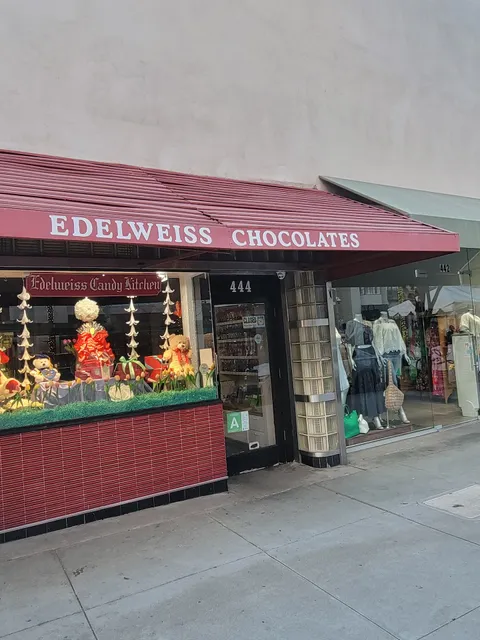
Edelweiss Chocolates
4.5
(66)
Click for details
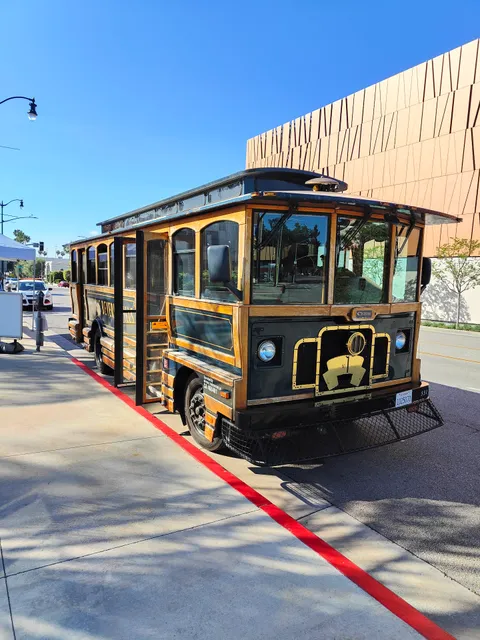
Bram Goldsmith Theater
4.8
(13)
Click for details
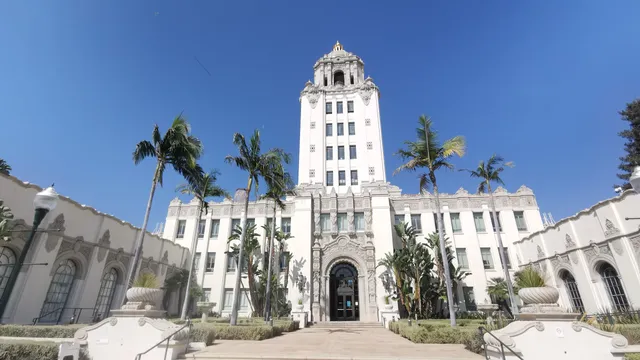
Beverly Hills City Hall
4.5
(69)
Click for details
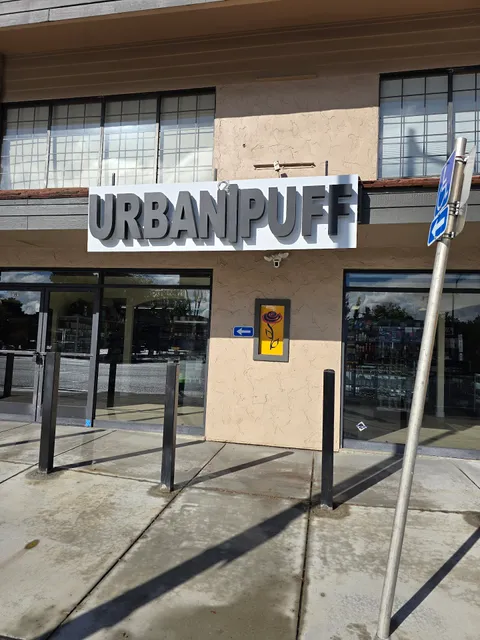
DreamSofa
4.7
(87)
Click for details