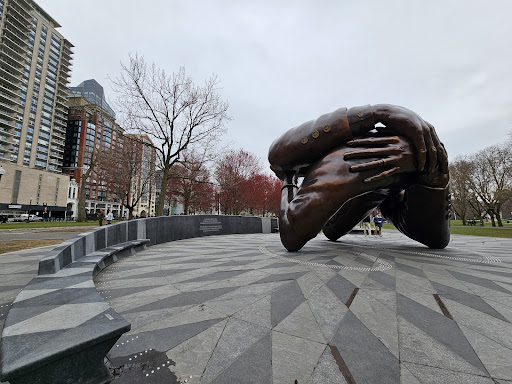
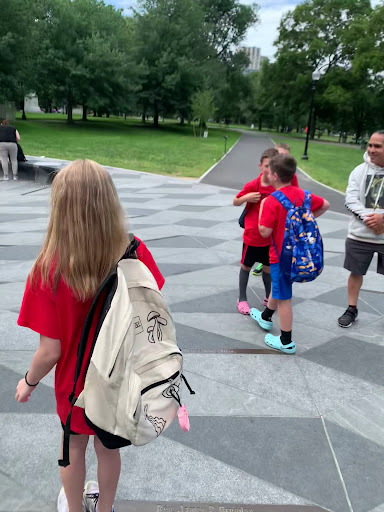
The Embrace things to do, attractions, restaurants, events info and trip planning
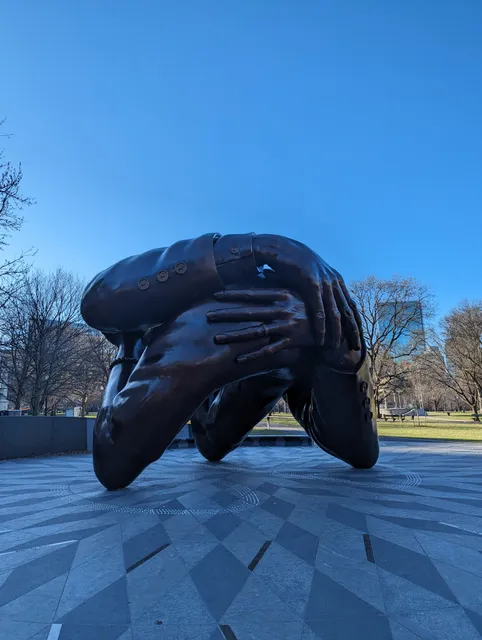
Basic Info
The Embrace
139 Tremont St, Boston, MA 02108
4.2(137)
Open until 12:00 AM
Save
spot
spot
Ratings & Description
Info
Cultural
Scenic
attractions: Boston Common, Escape the Room Boston, Trapology Boston, Freedom Trail, Freedom Trail, Citizens Opera House, Boston Common Visitors Center, Parkman Bandstand, Emerson Paramount Center, Tadpole Playground, restaurants: Thinking Cup, Bakey, Sal's Pizza | Tremont Street | Boston, MA, jm Curley, Black Seed Halal Grill, Cafe Bonjour, Yvonne's, Yvonne's, RUKA, Back Deck, local businesses: AMC Boston Common 19, Brattle Book Shop, Carbon Salon, Primark, Macy's, Boston Freedom Trail Walking Tour, Planet Fitness, Saint Paul’s Cathedral, The Corner Mall, Downtown Crossing
 Learn more insights from Wanderboat AI.
Website
embraceboston.org
Open hoursSee all hours
TueOpen 24 hoursOpen
Plan your stay

Pet-friendly Hotels in Boston
Find a cozy hotel nearby and make it a full experience.

Affordable Hotels in Boston
Find a cozy hotel nearby and make it a full experience.

The Coolest Hotels You Haven't Heard Of (Yet)
Find a cozy hotel nearby and make it a full experience.

Trending Stays Worth the Hype in Boston
Find a cozy hotel nearby and make it a full experience.
Reviews
Live events
Bostons Politically Incorrect North End Food Tour
Sat, Feb 28 • 11:00 AM
Boston, Massachusetts, 02113
View details

Traditional Irish Fiddle Workshop with Gerry OConnor
Thu, Feb 26 • 7:00 PM
202 Arlington Street Watertown, MA 02472
View details

Stand Up Stick Up Comedy Show @ The Vault Theatre - ft. Hanna Evensen
Thu, Feb 26 • 7:30 PM
25 Exchange Street Lynn, MA 01901
View details
Nearby attractions of The Embrace
Boston Common
Escape the Room Boston
Trapology Boston
Freedom Trail
Freedom Trail
Citizens Opera House
Boston Common Visitors Center
Parkman Bandstand
Emerson Paramount Center
Tadpole Playground
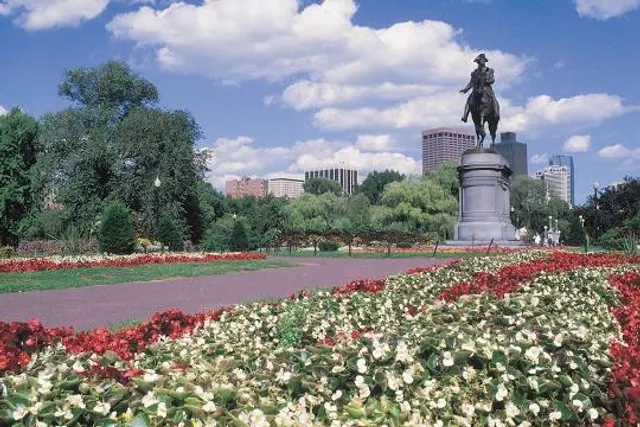
Boston Common
4.7
(13.6K)
Open until 11:30 PM
Click for details
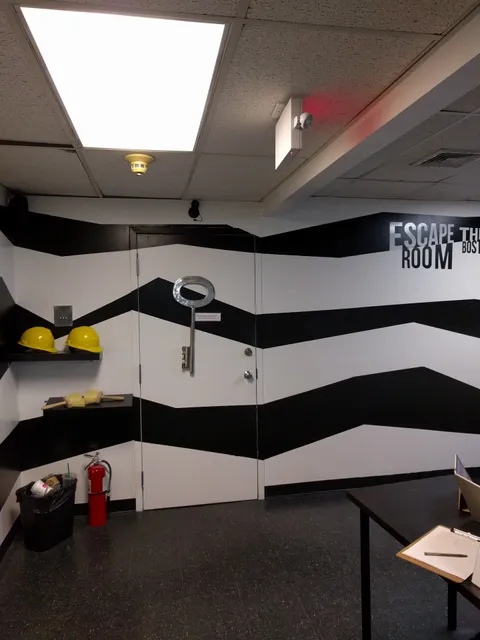
Escape the Room Boston
4.9
(3.9K)
Open until 10:00 PM
Click for details
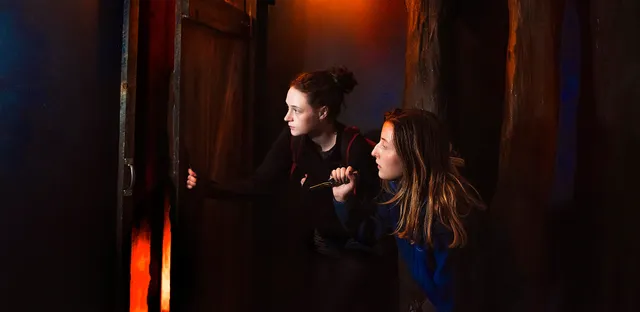
Trapology Boston
5.0
(3.6K)
Open until 12:00 AM
Click for details
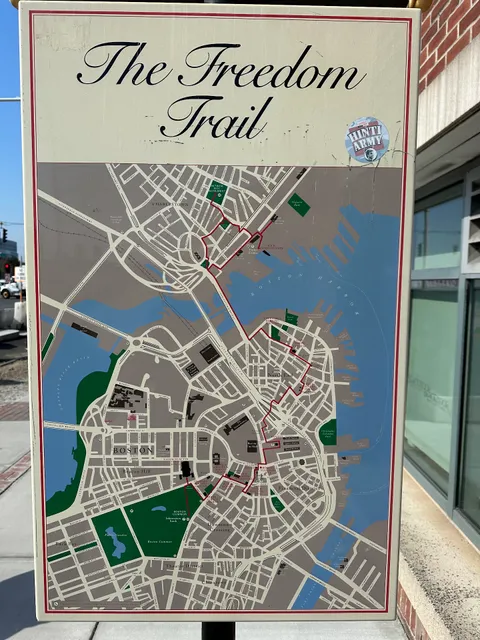
Freedom Trail
4.8
(588)
Open until 11:30 PM
Click for details
Nearby restaurants of The Embrace
Thinking Cup
Bakey
Sal's Pizza | Tremont Street | Boston, MA
jm Curley
Black Seed Halal Grill
Cafe Bonjour
Yvonne's
Yvonne's
RUKA
Back Deck
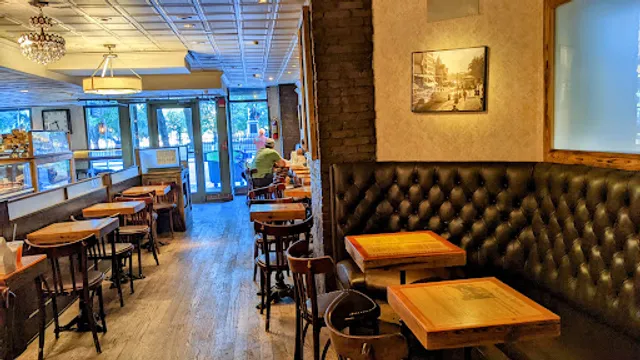
Thinking Cup
4.4
(964)
$
Closed
Click for details
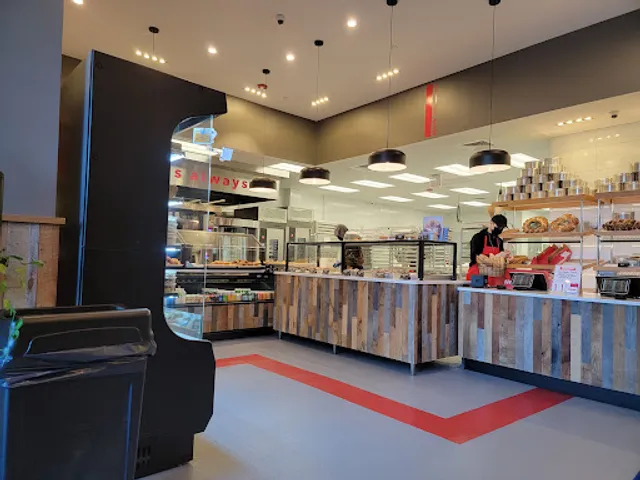
Bakey
4.7
(617)
$
Closed
Click for details
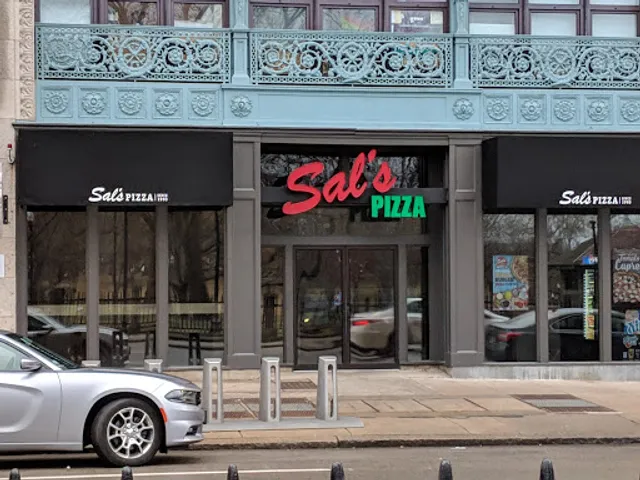
Sal's Pizza | Tremont Street | Boston, MA
3.9
(308)
$
Closed
Click for details
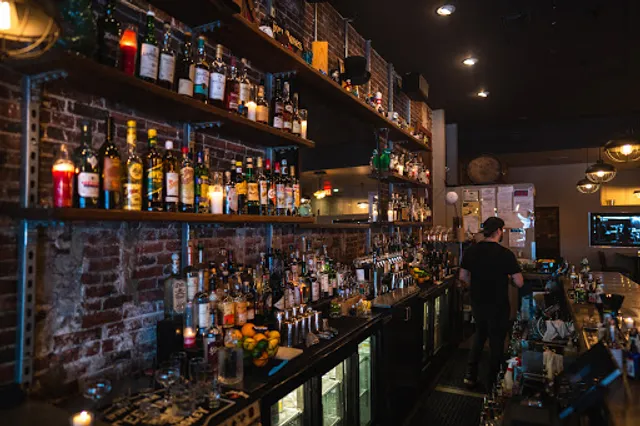
jm Curley
4.3
(678)
$$
Open until 2:00 AM
Click for details
Nearby local services of The Embrace
AMC Boston Common 19
Brattle Book Shop
Carbon Salon
Primark
Macy's
Boston Freedom Trail Walking Tour
Planet Fitness
Saint Paul’s Cathedral
The Corner Mall
Downtown Crossing
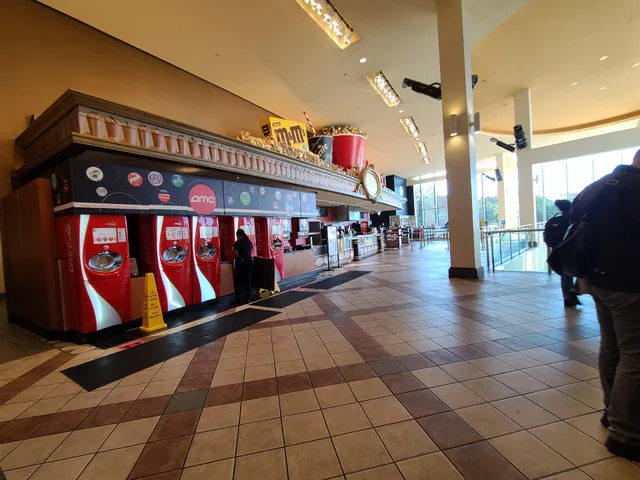
AMC Boston Common 19
4.1
(2.7K)
Click for details
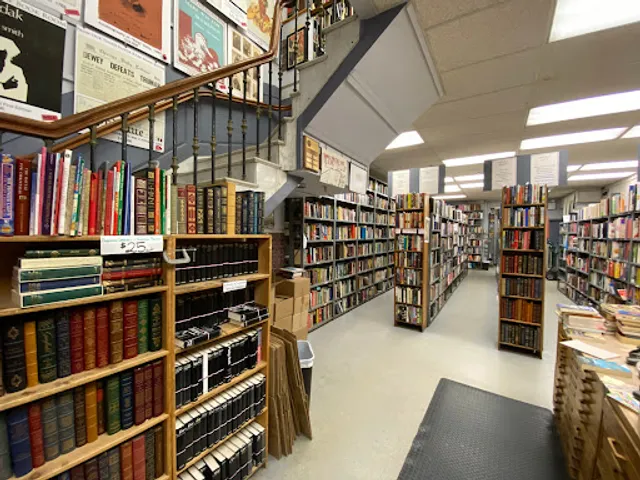
Brattle Book Shop
4.7
(765)
Click for details

Carbon Salon
4.8
(212)
Click for details

Primark
4.5
(4.2K)
Click for details


The hit list

Plan your trip with Wanderboat
Welcome to Wanderboat AI, your AI search for local Eats and Fun, designed to help you explore your city and the world with ease.
Powered by Wanderboat AI trip planner.