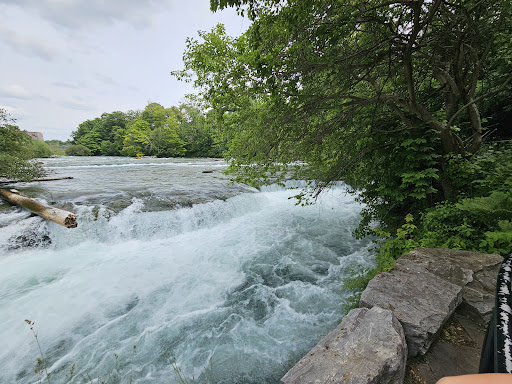
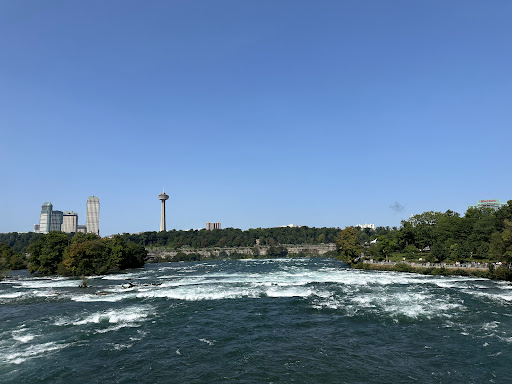
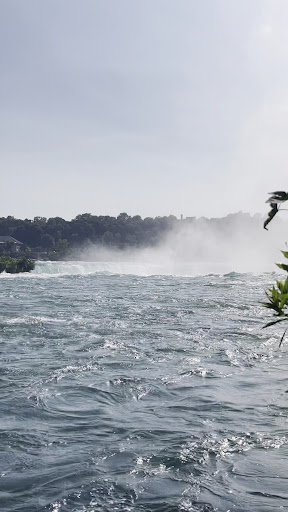
Goat Island things to do, attractions, restaurants, events info and trip planning
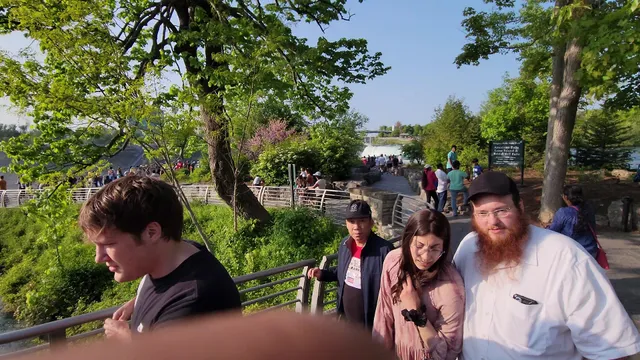
Basic Info
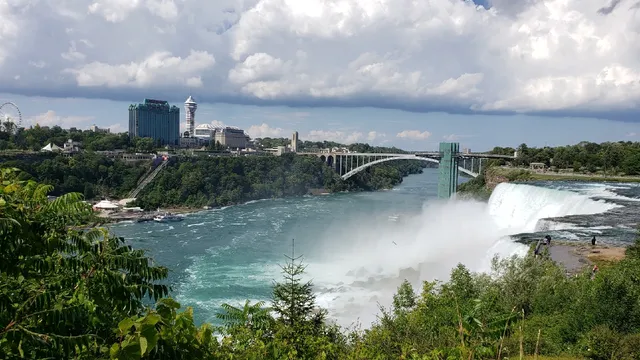
Goat Island
Niagara Falls, NY 14303, United States
4.8(201)
Open until 12:00 AM
Save
spot
spot
Ratings & Description
Info
Outdoor
Scenic
Adventure
Family friendly
Accessibility
attractions: Cave of the Winds, Niagara Falls, Niagara Falls State Park, Three Sisters Islands, Nikola Tesla Monument, Maid of the Mist, Three Sisters Island, Cave of the Winds Lookout, Niagara Falls Observation Point, Niagara Falls Observation Tower, restaurants: Top of the Falls, BOMBAY PALACE EATERY, SPoT Niagara Falls, Anchor Bar Niagara Falls, Kathi Rolls on the Falls, Annapurna Indian kitchen, Hard Rock Cafe, Royal Dragon Noodle Bar & Grill, Flip Burger - Sweet Spot, Murugan Cafe, local businesses: Goat Island, Niagara Falls State Park - Goat Island, Fallsview Casino Resort, Niagara Falls Adventures, Horseshoe Falls, Luna Island, Three Sisters Islands, American Falls, Fallsview Tourist Area, Horseshoe Falls of Canada
 Learn more insights from Wanderboat AI.
Phone
+1 877-325-5787
Open hoursSee all hours
MonOpen 24 hoursOpen
Plan your stay

Pet-friendly Hotels in City of Niagara Falls
Find a cozy hotel nearby and make it a full experience.

Affordable Hotels in City of Niagara Falls
Find a cozy hotel nearby and make it a full experience.

The Coolest Hotels You Haven't Heard Of (Yet)
Find a cozy hotel nearby and make it a full experience.

Trending Stays Worth the Hype in City of Niagara Falls
Find a cozy hotel nearby and make it a full experience.
Reviews
Live events
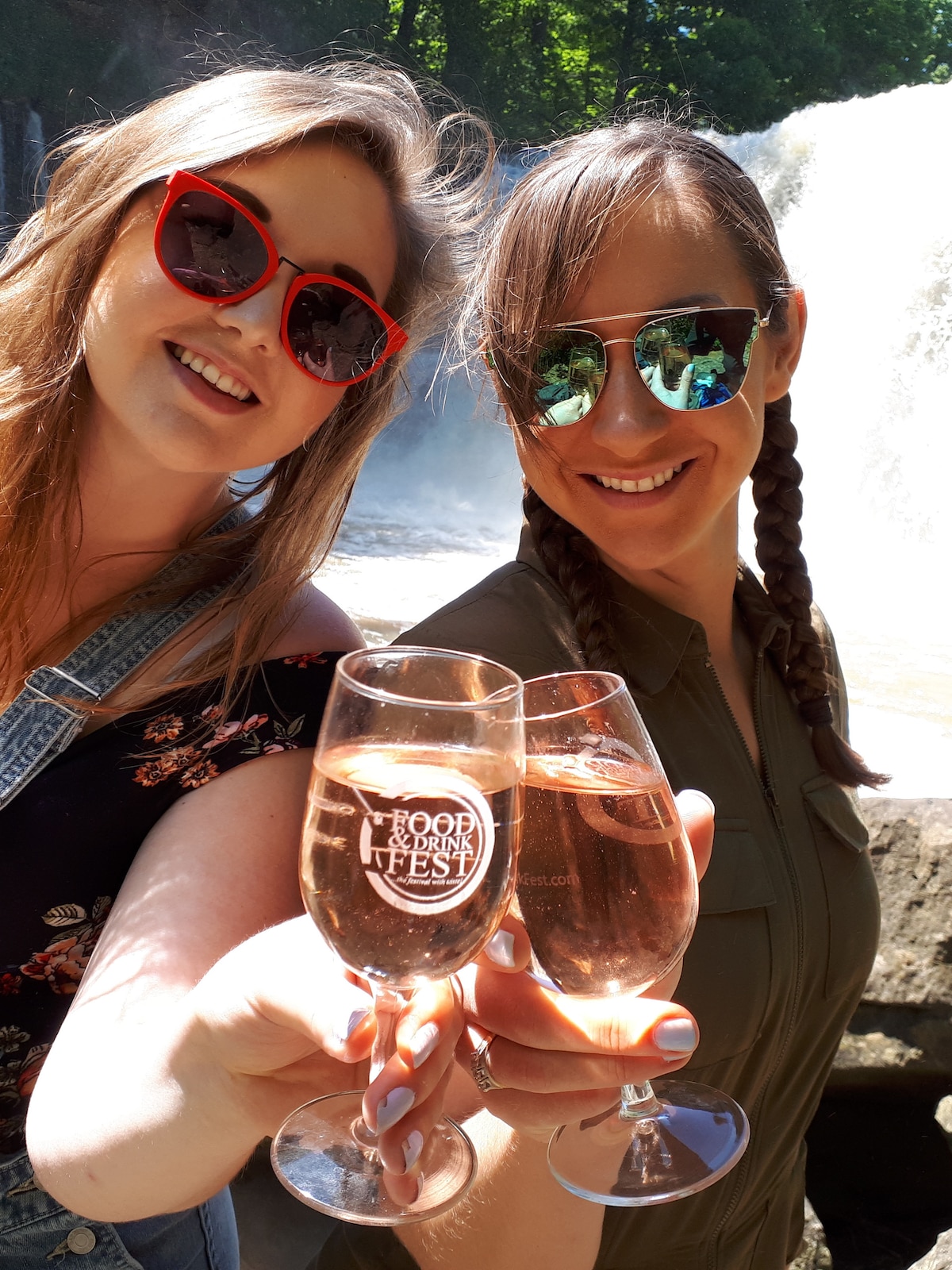
Waterfalls & Wine
Mon, Feb 16 • 1:00 PM
Lincoln, Ontario, L0R 1S0, Canada
View details

Uncover Niagaras vineyard gems in a private tour
Mon, Feb 16 • 11:00 AM
Niagara-on-the-Lake, Ontario, L0S 1J0, Canada
View details
St. Catharines Murder Mystery: Solve the case!
Sun, Feb 1 • 12:00 AM
51 Church St, St. Catharines, ON L2R 3C3, Canada, L2R 3C3
View details
Nearby attractions of Goat Island
Cave of the Winds
Niagara Falls
Niagara Falls State Park
Three Sisters Islands
Nikola Tesla Monument
Maid of the Mist
Three Sisters Island
Cave of the Winds Lookout
Niagara Falls Observation Point
Niagara Falls Observation Tower
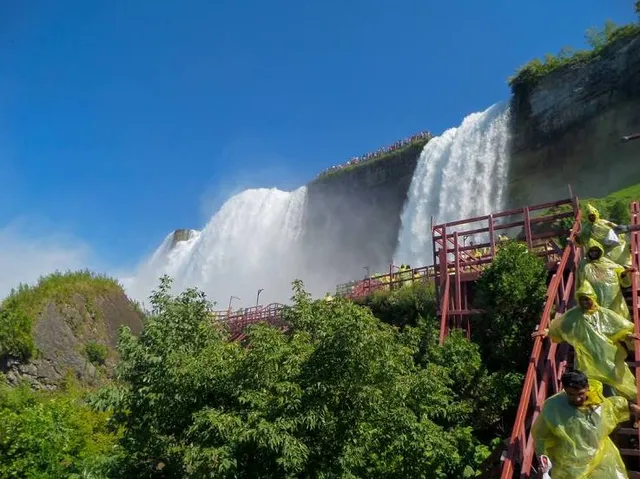
Cave of the Winds
4.8
(5K)
Closed
Click for details
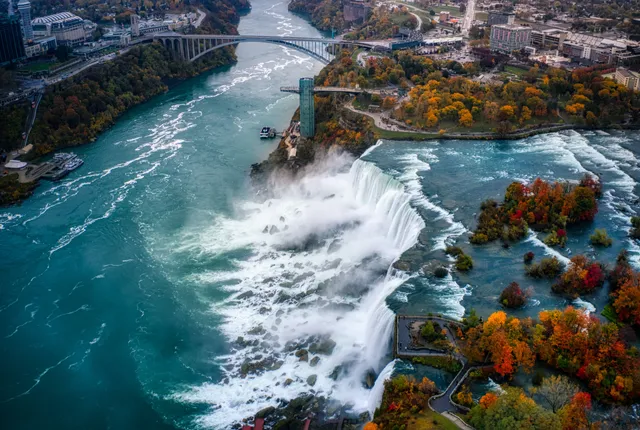
Niagara Falls
4.8
(42.4K)
Open until 12:00 AM
Click for details
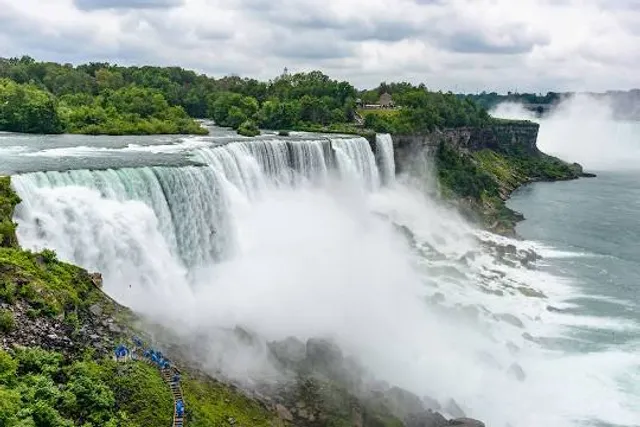
Niagara Falls State Park
4.8
(27.5K)
Open until 12:00 AM
Click for details
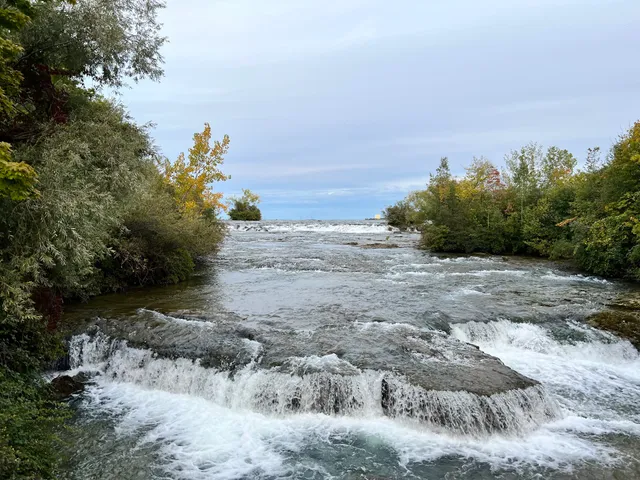
Three Sisters Islands
4.9
(68)
Open until 12:00 AM
Click for details
Nearby restaurants of Goat Island
Top of the Falls
BOMBAY PALACE EATERY
SPoT Niagara Falls
Anchor Bar Niagara Falls
Kathi Rolls on the Falls
Annapurna Indian kitchen
Hard Rock Cafe
Royal Dragon Noodle Bar & Grill
Flip Burger - Sweet Spot
Murugan Cafe
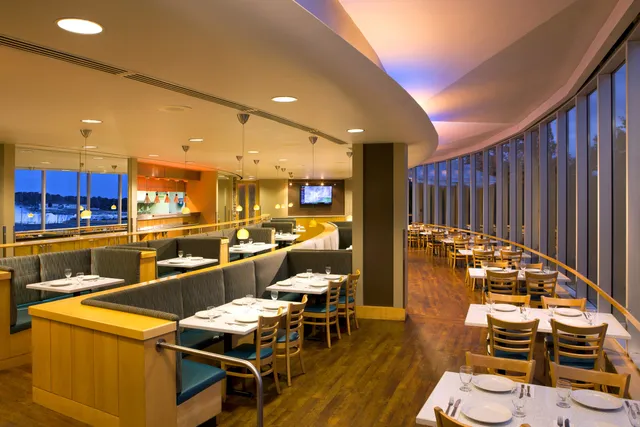
Top of the Falls
3.9
(592)
$$
Click for details
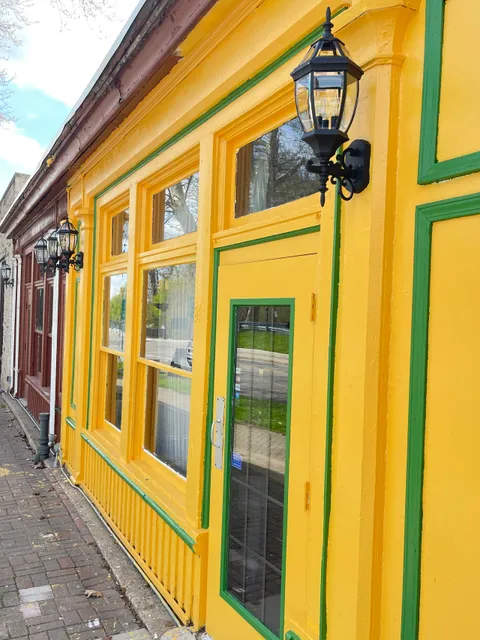
BOMBAY PALACE EATERY
4.4
(790)
$$
Click for details

SPoT Niagara Falls
4.4
(669)
$
Closed
Click for details
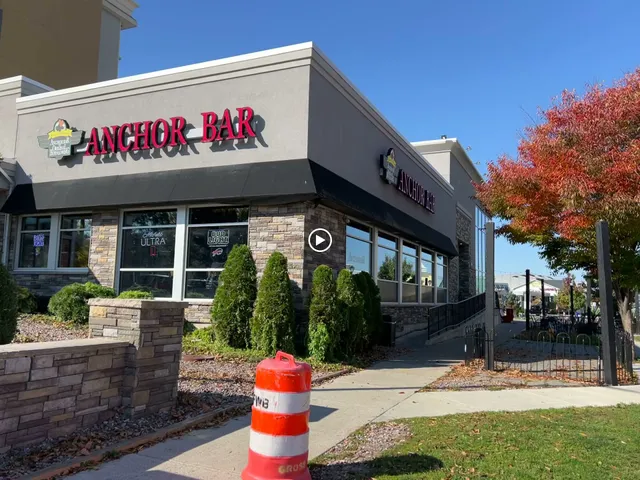
Anchor Bar Niagara Falls
3.8
(1.7K)
$$
Closed
Click for details
Nearby local services of Goat Island
Goat Island
Niagara Falls State Park - Goat Island
Fallsview Casino Resort
Niagara Falls Adventures
Horseshoe Falls
Luna Island
Three Sisters Islands
American Falls
Fallsview Tourist Area
Horseshoe Falls of Canada
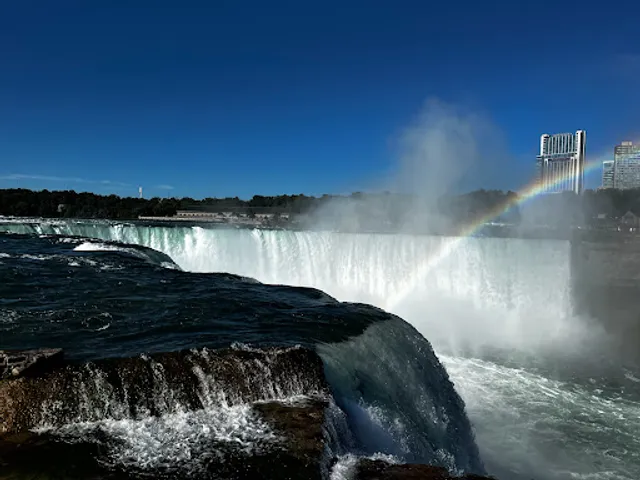
Goat Island
4.8
(302)
Click for details
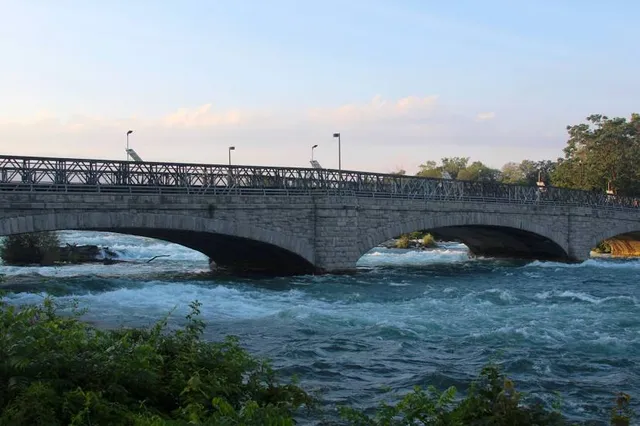
Niagara Falls State Park - Goat Island
4.8
(47)
Click for details
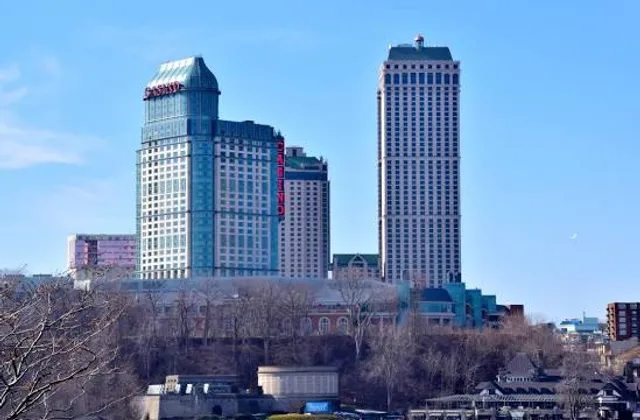
Fallsview Casino Resort
4.3
(8.2K)
Click for details
Niagara Falls Adventures
4.9
(1.1K)
Click for details