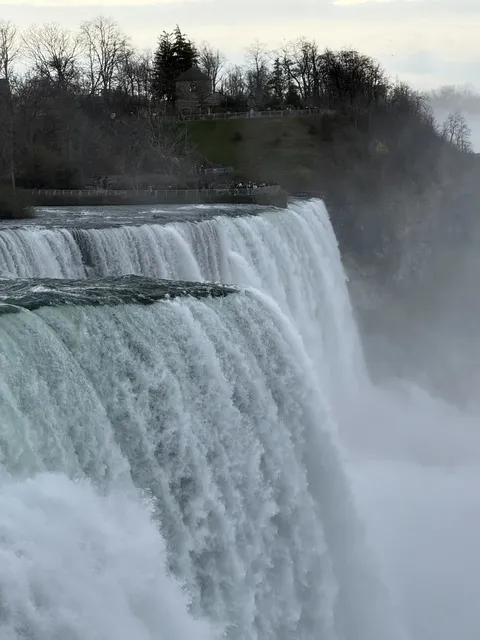
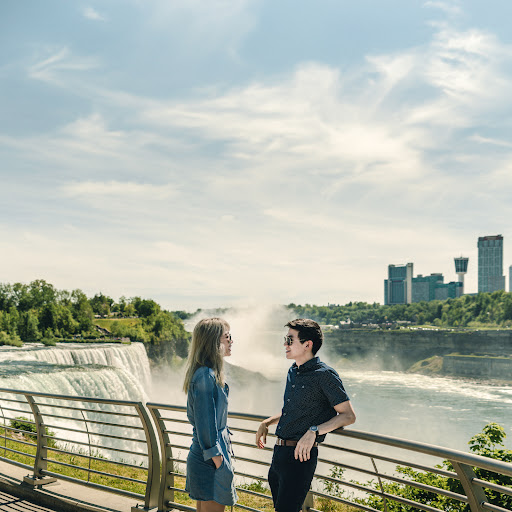
Prospect Point Observation Point things to do, attractions, restaurants, events info and trip planning

Basic Info
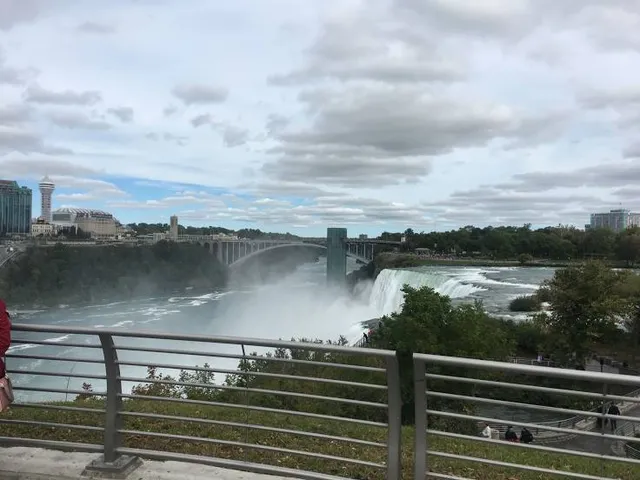
Prospect Point Observation Point
151 Buffalo Ave, Niagara Falls, NY 14303, United States
4.8(227)
Open until 12:00 AM
Save
spot
spot
Ratings & Description
Info
Outdoor
Scenic
Family friendly
Accessibility
attractions: Niagara Falls State Park, Maid of the Mist, Niagara Falls Observation Tower, Niagara Falls Fireworks Displays, Crows Nest, Cave of the Winds, Rainbow International Bridge, Niagara City Cruises, Niagara Falls State Park Administration, Niagara Wax Museum of History, restaurants: The Scoopery Ice Cream, Hard Rock Cafe, Flip Burger - Sweet Spot, Kathi Rolls on the Falls, Royal Dragon Noodle Bar & Grill, Niagara Tandoori Hut, Taj Mahal Cuisine, Mario's Pizza, Everest Cafe Mobile Food Truck, Vegetarian Restaurant Delhi Chaat Corner, local businesses: Fallsview Casino Resort, American Falls, American Falls, Prospect Point, Maid of the Mist Store, Niagara Falls Fireworks Displays, Niagara Scenic Trolley, Niagara Falls Visitor Center Parking Lot 1, Rainbow International Bridge, Luna Island
 Learn more insights from Wanderboat AI.
Website
niagarafallsstatepark.com
Open hoursSee all hours
TueOpen 24 hoursOpen
Plan your stay

Pet-friendly Hotels in City of Niagara Falls
Find a cozy hotel nearby and make it a full experience.

Affordable Hotels in City of Niagara Falls
Find a cozy hotel nearby and make it a full experience.

The Coolest Hotels You Haven't Heard Of (Yet)
Find a cozy hotel nearby and make it a full experience.

Trending Stays Worth the Hype in City of Niagara Falls
Find a cozy hotel nearby and make it a full experience.
Reviews
Live events

Roller Skate Lessons (semi private)
Wed, Jan 28 • 5:00 PM
101 Oliver Street, North Tonawanda, NY 14120
View details

How to Secure Grants $15k-$100k+! Community Development Forum
Wed, Jan 28 • 6:00 PM
1324 Jefferson Avenue Buffalo, NY 14208
View details

Building Bridges: A Community Conversation with Cheryl McKissack Daniel
Thu, Jan 29 • 6:00 PM
701 East Delavan Avenue Buffalo, NY 14215
View details
Nearby attractions of Prospect Point Observation Point
Niagara Falls State Park
Maid of the Mist
Niagara Falls Observation Tower
Niagara Falls Fireworks Displays
Crows Nest
Cave of the Winds
Rainbow International Bridge
Niagara City Cruises
Niagara Falls State Park Administration
Niagara Wax Museum of History

Niagara Falls State Park
4.8
(26.3K)
Open until 12:00 AM
Click for details

Maid of the Mist
4.8
(7.9K)
Open 24 hours
Click for details
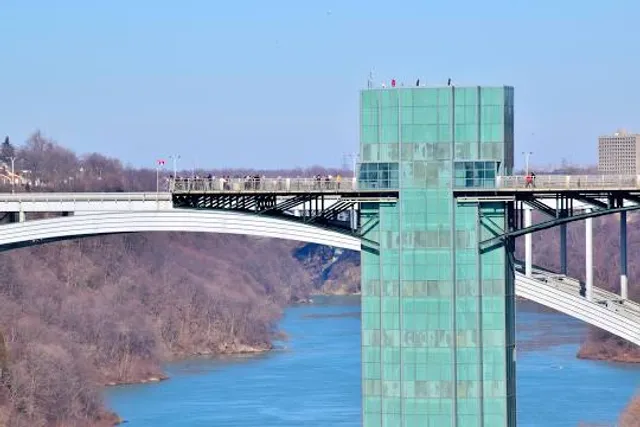
Niagara Falls Observation Tower
4.8
(3.7K)
Open until 4:30 PM
Click for details
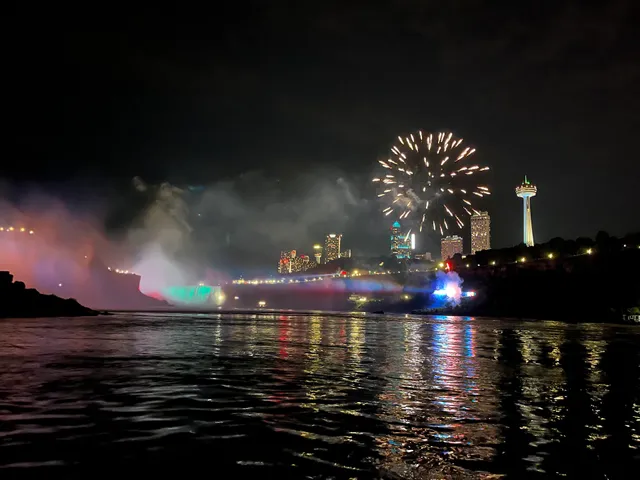
Niagara Falls Fireworks Displays
4.6
(275)
Open 24 hours
Click for details
Nearby restaurants of Prospect Point Observation Point
The Scoopery Ice Cream
Hard Rock Cafe
Flip Burger - Sweet Spot
Kathi Rolls on the Falls
Royal Dragon Noodle Bar & Grill
Niagara Tandoori Hut
Taj Mahal Cuisine
Mario's Pizza
Everest Cafe Mobile Food Truck
Vegetarian Restaurant Delhi Chaat Corner

The Scoopery Ice Cream
3.1
(21)
Click for details

Hard Rock Cafe
4.1
(2.8K)
$$
Open until 8:30 PM
Click for details
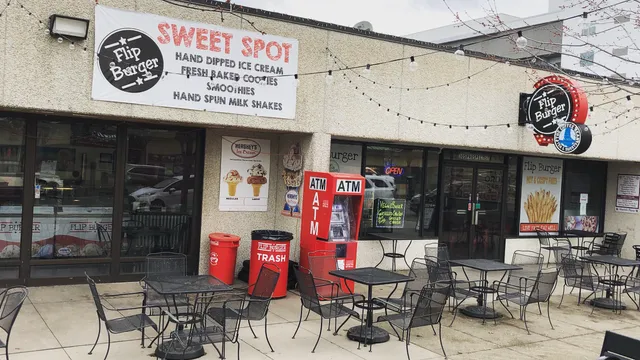
Flip Burger - Sweet Spot
4.4
(366)
$
Click for details

Kathi Rolls on the Falls
4.5
(292)
Open until 10:00 PM
Click for details
Nearby local services of Prospect Point Observation Point
Fallsview Casino Resort
American Falls
American Falls
Prospect Point
Maid of the Mist Store
Niagara Falls Fireworks Displays
Niagara Scenic Trolley
Niagara Falls Visitor Center Parking Lot 1
Rainbow International Bridge
Luna Island

Fallsview Casino Resort
4.3
(8.2K)
Click for details
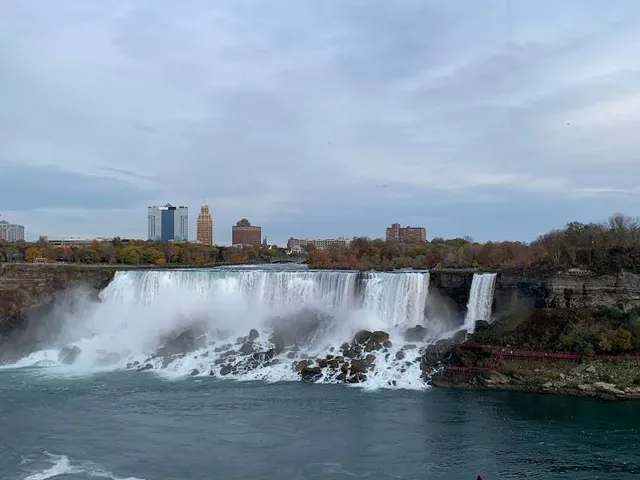
American Falls
4.7
(162)
Click for details
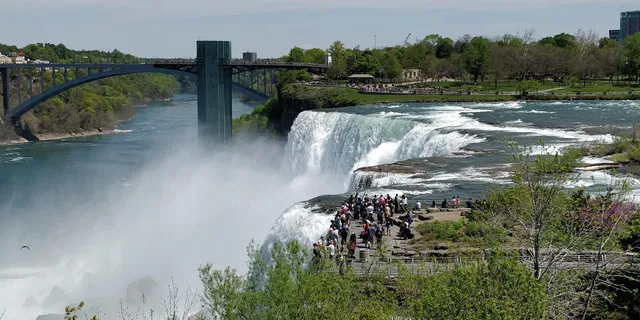
American Falls
4.8
(349)
Click for details
Prospect Point
4.7
(61)
Click for details