Japanese Cultural Center of Hawaiʻi things to do, attractions, restaurants, events info and trip planning
Basic Info
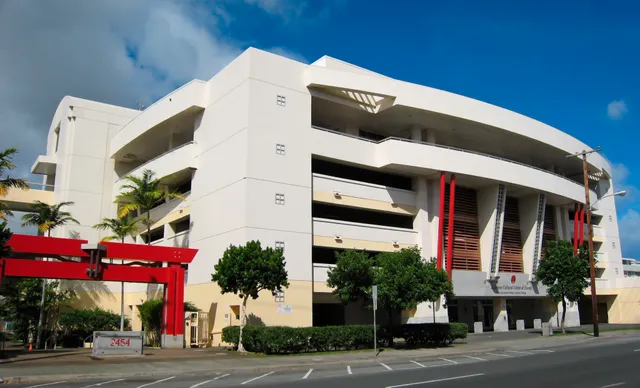
Japanese Cultural Center of Hawaiʻi
2454 S Beretania St., Honolulu, HI 96826
4.3(17)
Closed
Save
spot
spot
Ratings & Description
Info
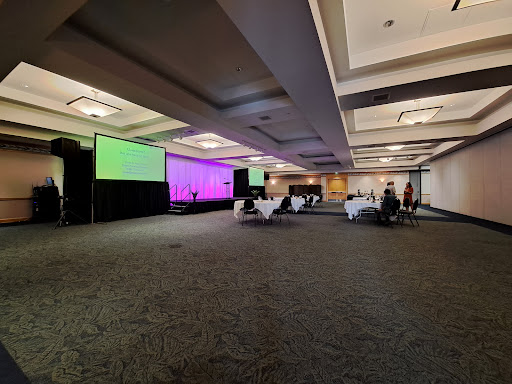
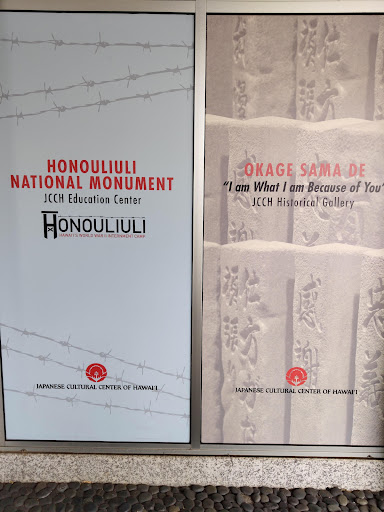
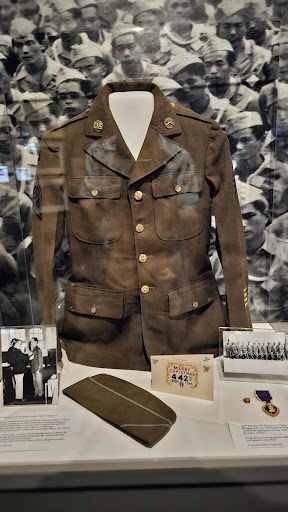
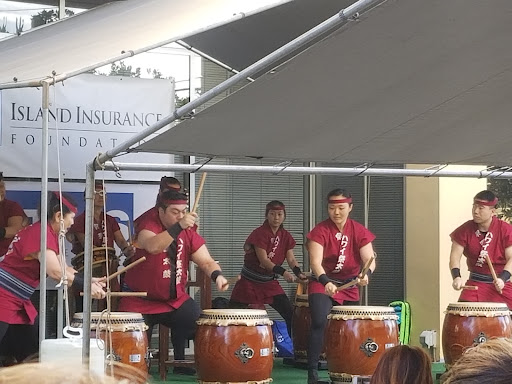
The Japanese Cultural Center of Hawaii is a cultural center and history museum in Moiliili, Hawaii that focuses on the Japanese-American experience in Hawaii, especially internment.
Cultural
Family friendly
Accessibility
attractions: Mōʻiliʻili Neighborhood Park, Church of the Crossroads, Old Stadium Park, Bankoh Arena at Stan Sheriff Center, McCully–Mōʻiliʻili Public Library, Clarence T.C. Ching Athletics Complex, University of Hawaii at Manoa, University of Hawaiʻi System, Les Murakami Stadium, McCully District Park, restaurants: Teddy's Bigger Burgers - University, Yakiniku Korea House, Anna O'Brien's, Da Spot, Cafe Maharani, Kokoro-tei, Kahai Street Kitchen, Yama's Fish Market, Castaways Ice Cream--Moiliili, One Plus One Drive Inn, local businesses: India Market, Mo'ili'ili Fitness, Music Center of Hawaii Inc, Pipeline Smokeshop, Savers, Nijiya Market University Store, SuperGeeks, Puck's Alley, Shinnyo-En Hawaii, Parado Power Personal Training
 Learn more insights from Wanderboat AI.
Phone
(808) 945-7633
Website
jcchawaii.org
Open hoursSee all hours
SunClosed
Plan your stay

Pet-friendly Hotels in Honolulu
Find a cozy hotel nearby and make it a full experience.

Affordable Hotels in Honolulu
Find a cozy hotel nearby and make it a full experience.

The Coolest Hotels You Haven't Heard Of (Yet)
Find a cozy hotel nearby and make it a full experience.

Trending Stays Worth the Hype in Honolulu
Find a cozy hotel nearby and make it a full experience.
Reviews
Live events
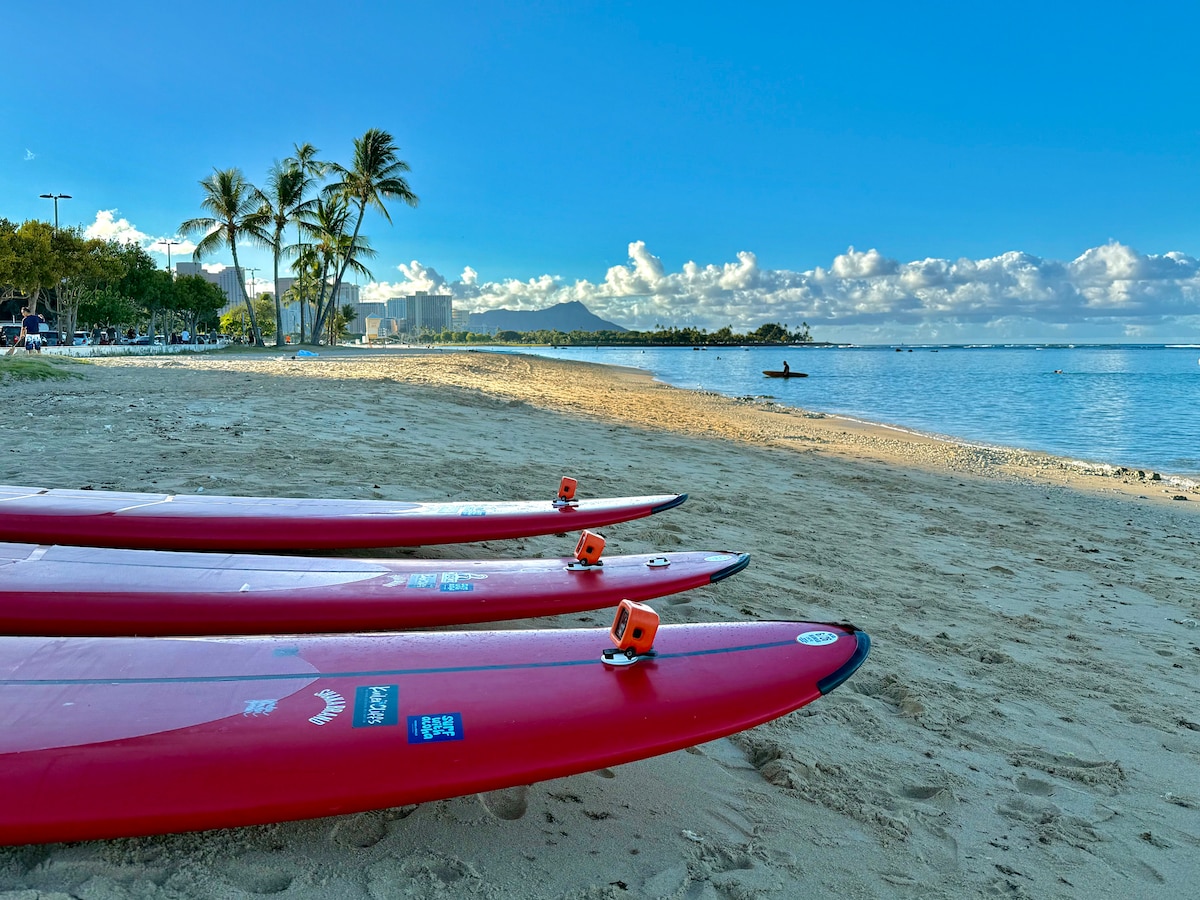
Learn to surf No crowds Gopro vids included
Mon, Feb 16 • 7:00 AM
Honolulu, Hawaii, 96815
View details
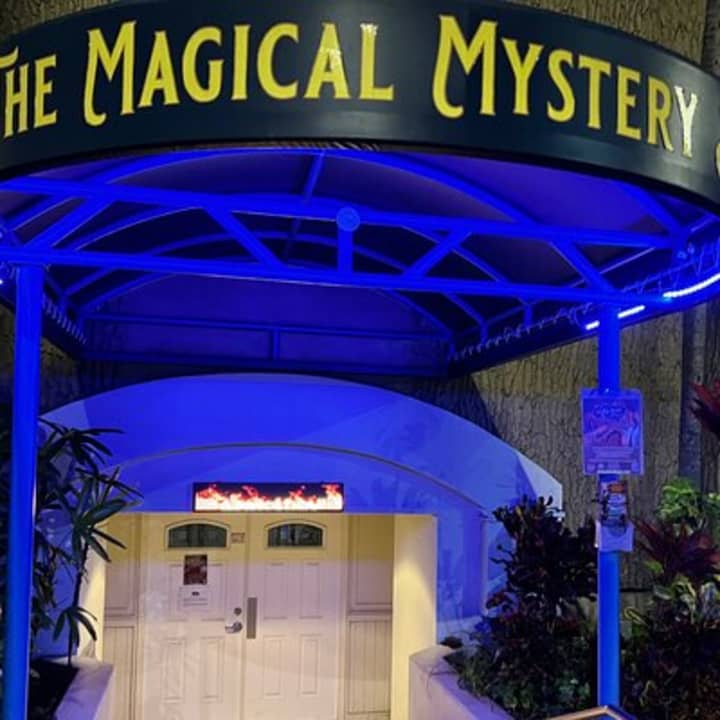
The Magical Mystery Show! at Hilton Waikiki Beach Hotel
Sun, Feb 15 • 5:00 PM
2500 Kūhiō Avenue, Honolulu, 96815
View details
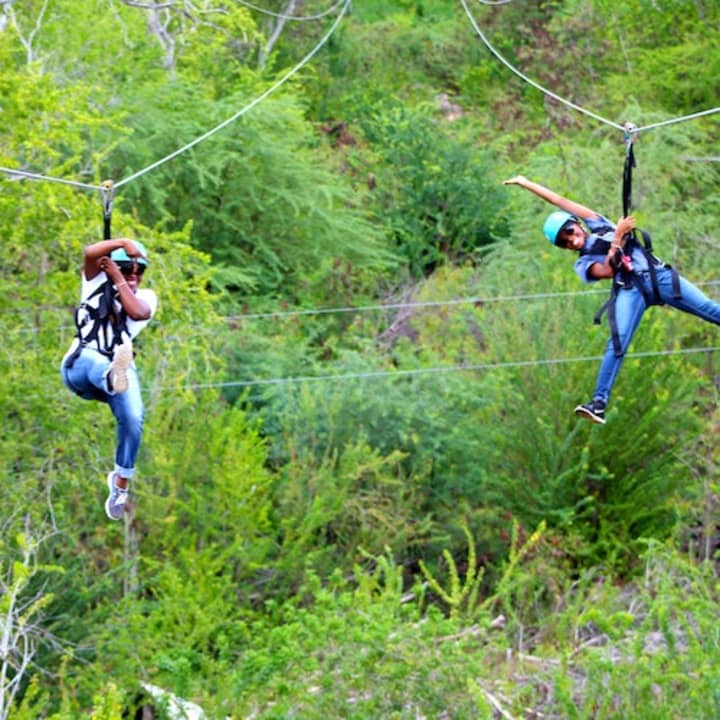
Coral Crater Park: Zipline Adventure
Sun, Feb 15 • 9:00 AM
91-1780 Midway Street, Kapolei, 96707
View details
Nearby attractions of Japanese Cultural Center of Hawaiʻi
Mōʻiliʻili Neighborhood Park
Church of the Crossroads
Old Stadium Park
Bankoh Arena at Stan Sheriff Center
McCully–Mōʻiliʻili Public Library
Clarence T.C. Ching Athletics Complex
University of Hawaii at Manoa
University of Hawaiʻi System
Les Murakami Stadium
McCully District Park
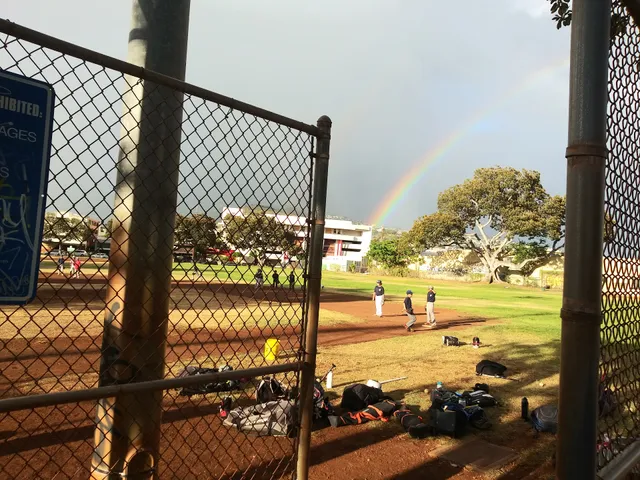
Mōʻiliʻili Neighborhood Park
3.5
(66)
Open until 10:00 PM
Click for details
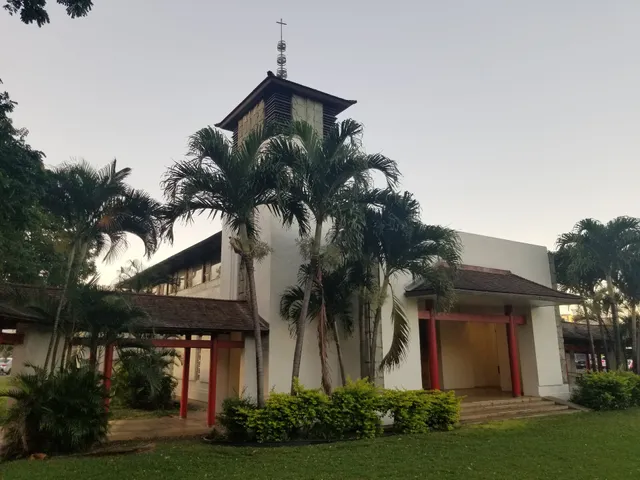
Church of the Crossroads
4.6
(37)
Open 24 hours
Click for details
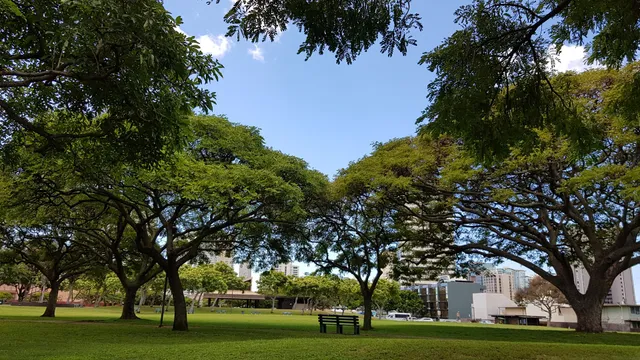
Old Stadium Park
3.9
(69)
Open until 10:00 PM
Click for details
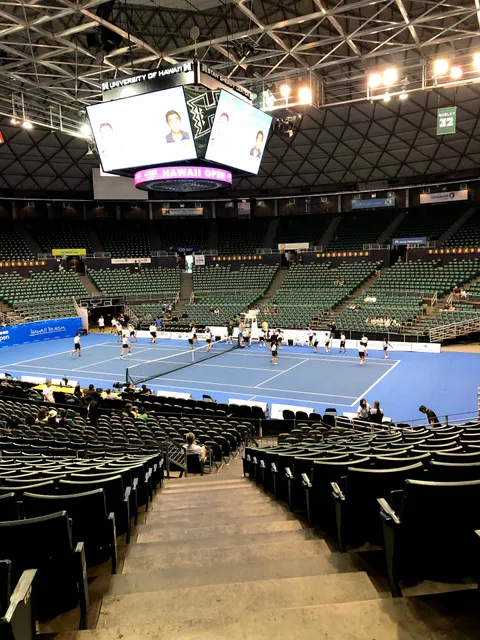
Bankoh Arena at Stan Sheriff Center
4.5
(323)
Open 24 hours
Click for details
Nearby restaurants of Japanese Cultural Center of Hawaiʻi
Teddy's Bigger Burgers - University
Yakiniku Korea House
Anna O'Brien's
Da Spot
Cafe Maharani
Kokoro-tei
Kahai Street Kitchen
Yama's Fish Market
Castaways Ice Cream--Moiliili
One Plus One Drive Inn
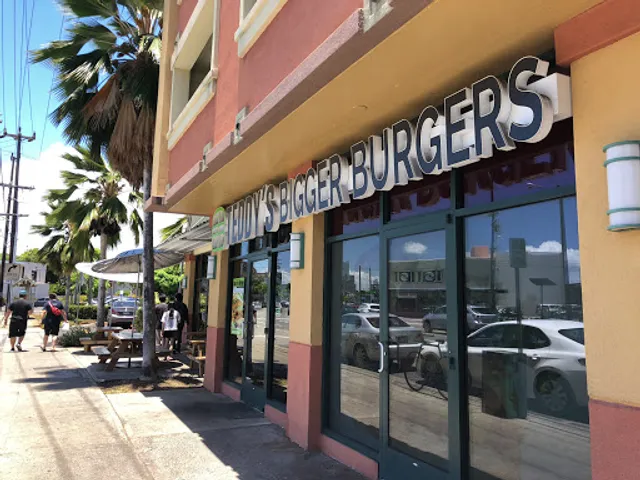
Teddy's Bigger Burgers - University
4.3
(536)
$
Open until 9:00 PM
Click for details
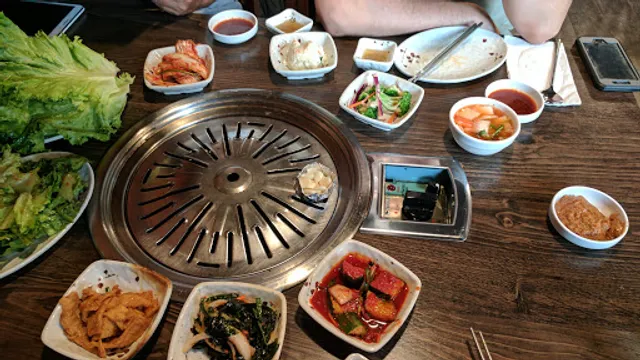
Yakiniku Korea House
4.1
(339)
$$
Open until 10:00 PM
Click for details
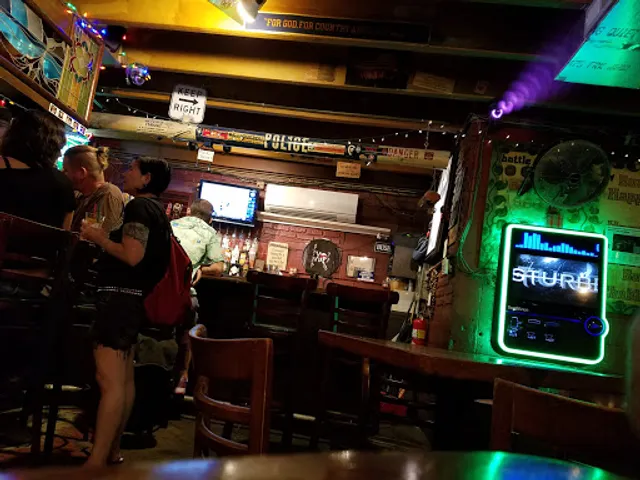
Anna O'Brien's
4.4
(207)
$
Open until 2:00 AM
Click for details
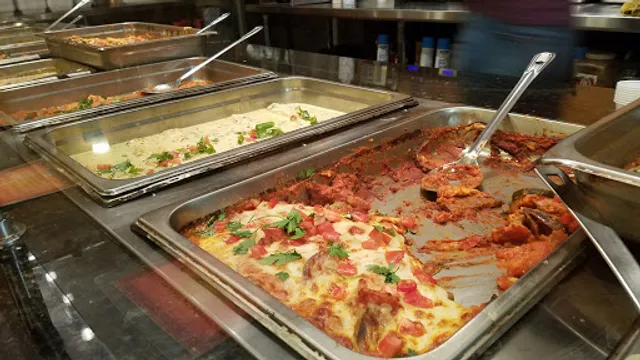
Da Spot
4.5
(424)
$
Open until 9:30 PM
Click for details
Nearby local services of Japanese Cultural Center of Hawaiʻi
India Market
Mo'ili'ili Fitness
Music Center of Hawaii Inc
Pipeline Smokeshop
Savers
Nijiya Market University Store
SuperGeeks
Puck's Alley
Shinnyo-En Hawaii
Parado Power Personal Training
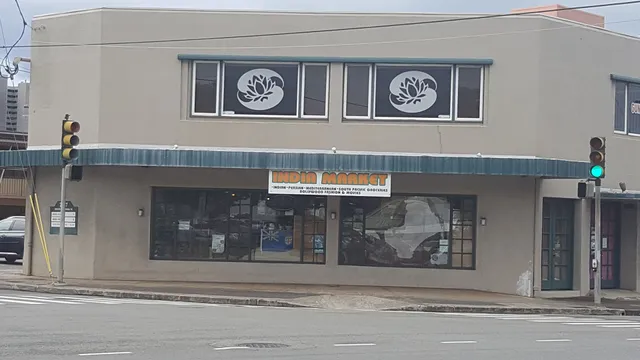
India Market
4.3
(196)
Click for details
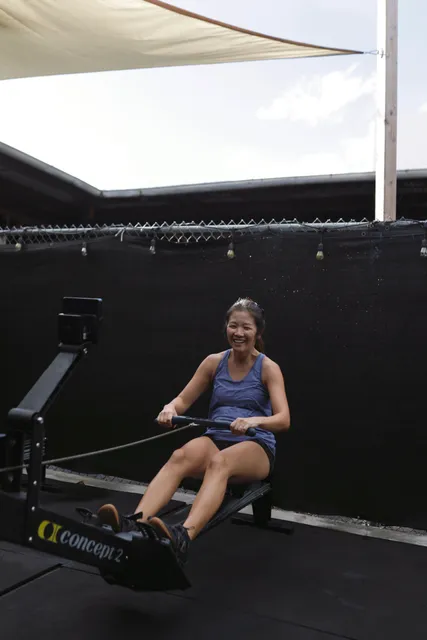
Mo'ili'ili Fitness
5.0
(101)
Click for details
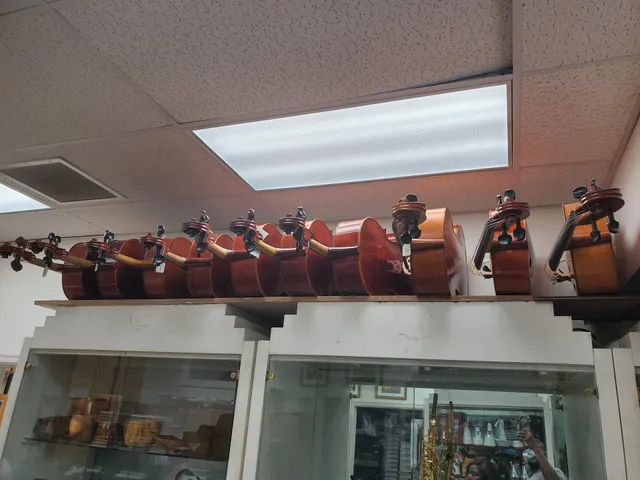
Music Center of Hawaii Inc
4.7
(70)
Click for details
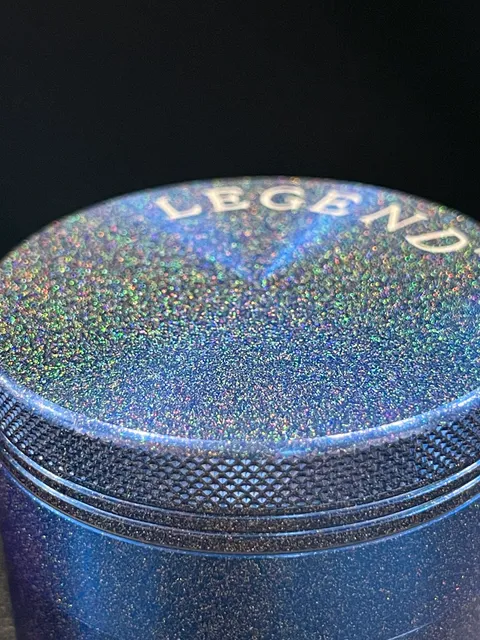
Pipeline Smokeshop
4.8
(168)
Click for details