The history museum is the most covert yet purest ideological apparatus. It dictates history in an authoritarian manner, leading visitors to forget that history itself is a selective construction. In doing so, it blinds citizens in the truest sense: they see physical evidence of the past but remain oblivious to its actual meaning.
The museum teaches people to disregard their own histories and those at the margins, instead immersing them in a universal fiction—in this case, the doctrine of Manifest Destiny as conceived by white America. All other social histories—whether of different ethnic groups, identities, or socioeconomic classes—are either erased or relegated to decorative embellishments.
At the outset of the exhibition, the museum presents the following narrative, constructed from artifacts unearthed at shopping mall and apartment construction sites: from prehistoric tribes ten thousand years ago to the present-day metropolis, Miami (Florida) has always been shaped by immigration. Time and again, people have arrived with dreams and reshaped this place, ultimately transforming it into the vibrant, unique city it is today.
This is an utterly nauseating expression of white centrism. Can you imagine how an Indigenous person would feel upon seeing their land’s history framed in this way?
Such rhetoric sugarcoats centuries of ongoing violence and atrocities committed by white colonizers against Indigenous peoples and racial minorities, whitewashing genocide into a “natural” process of immigration. The museum feigns neutrality by acknowledging Indigenous history, yet, in its silence, it denies their very humanity. This is not only a shameless absolution of historical crimes but also an act of cowardice, an unwillingness to confront reality.
This ideological machine continues to manipulate historical narratives to indoctrinate visitors: in a brief chapter explaining the disappearance of Indigenous peoples, the museum titles the section The Demise of a Culture. One must ask: was the English language lacking the word genocide at the time of writing?
Such euphemistic corruption of language suggests that the museum’s curators cannot even muster the honesty to face their ancestors’ past. The modern-day narrators of this history recognize its profound moral depravity, yet they cannot bear its weight. Instead, they fabricate a palatable version of history to preserve their dignity, perpetuating a cycle of denial and oppression.
Another egregious instance of linguistic corruption in the museum is the selective use of the term massacre. The only time it appears is in reference to an event where “Indians” (yes, the museum still employs this outdated and discriminatory term instead of “Indigenous peoples”) ambushed and killed most of a U.S. military force that had been sent to exterminate them.
If this were an Indigenous-run museum, the same event would be framed as a great victory—even though time has long since erased its effects, and their resistance ultimately ended in defeat. Such a narrative would highlight the courage of Indigenous warriors who fought off invaders with simple weapons against overwhelming technological force.
In the film Independence Day, only the alien invaders would describe the human army’s triumph as a massacre.
The subsequent exhibits follow a predictable pattern, centering the culture of affluent white elites: aristocratic sports, elegant (segregated white) architecture, and an idealized white lifestyle. The modern histories of racial minorities are conspicuously absent.
To be sure, the museum does display a handful of artifacts related to segregation and the civil rights movement, but its overarching narrative is built upon a tacit acceptance of white supremacist history as the legitimate and inevitable order of things. It does not even acknowledge that the museum itself stands on land stolen from...
Read moreI have visited a lot of museums in South Florida but somehow missed this one. I have wanted to come ever since I paid a visit to the Miami Circle and found out that the artifacts they found in the circle are house here. The first weekend of the month is free for Bank of America account holders so I saved my visit for today.
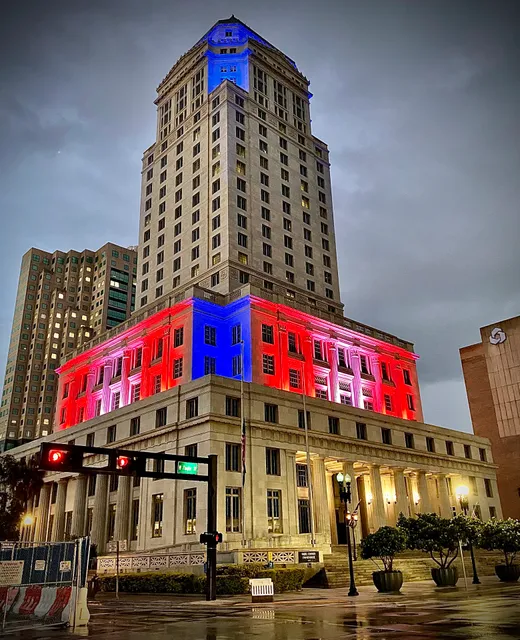
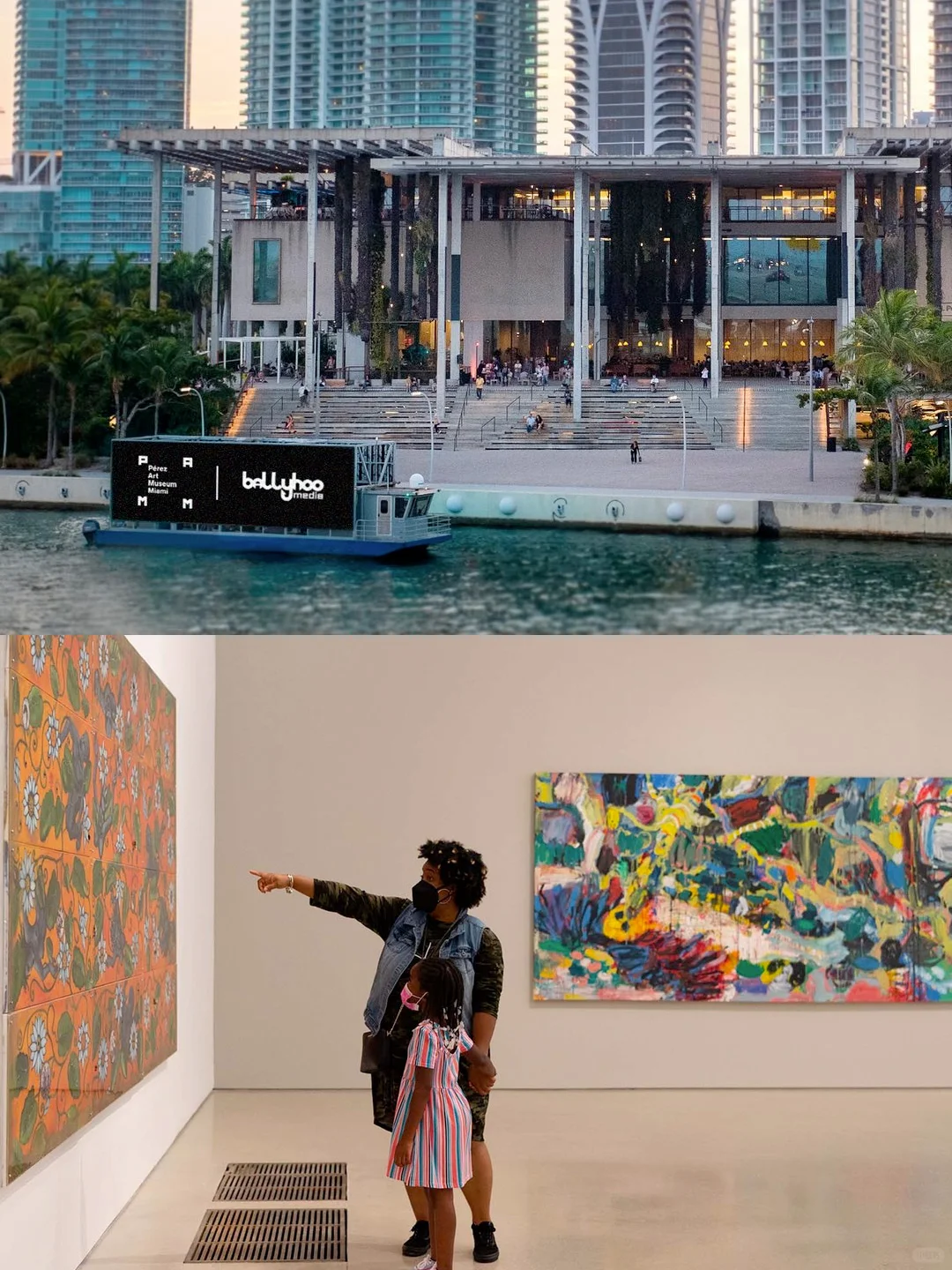
The museum is housed in a complex that also contains the Miami Library. If you are a Miami resident you can check out a pass to visit the museum for free from the library. Parking is available in the cultural arts garage across the street. If you have your parking ticket validated at the museum then parking is only $5 no matter how long you stay.
The museum is housed in two buildings. The north side housed the historical items I was most interested in especially the top floor. The first floor offers a display on the development of Miami Beach and it also houses a large research library. The second floor provides an entire history of South Florida from the time of the first people to present day. It starts with the Tequesta and there is a display specifically on the Miami Circle. From there the museum examines the British and Spanish influence on Florida. I especially liked the items relating to the the wreck of the Atocha. Further rooms offer displays on the Seminoles and the Seminole Wars. From there Henry Flagler brings the railroad to Florida and along with it the first tourists. We move into the Art Deco Age, the Great Depression, World War I and II, and the Cold War era. You literally move in a circle through the entire history of Florida with a concentration on Miami history.
The south building houses items related to things currently happening in Miami. The second floor also has room for traveling exhibits. On my visit the exhibit was called Miami Rocks and was composed of videos and photos of the Miami Pop Festival held held in May 1968. Some of the artists features were Jimi Hendrix and Frank Zappa. The exhibit is ongoing until September 30th. They even gave us a poster related to the exhibit at the front desk.
If you are interested in history at all this museum is a must see. I really took the time to read the signs. For instance I did not know that by the time the US government got done forcing the Seminoles out of Florida into Oklahoma there were only 40 of them left. They fled into the Everglades where the government was unable to reach them. A very sad chapter of Florida history. This museum is not flashy or interactive but there are great stories and photographs here documenting important historical events. I enjoyed my...
Read moreMiami is known worldwide as a “fiesta city”; but although it doesn’t have a lot of museums like other big cities, if you are interested in culture, you can find some good venues/events here as well.
One of them if the History Miami Museum, located Downtown, in an area frequented by a lot of people not as fortunate as we all are, but frankly I never had a problem walking there (at least during the day).
We found this little gem thanks to a Groupon offer, and went to Miami last month for a day trip just to see the museum. Unfortunately we found it closed, and there was no sign at all at the entrance, nothing indicated on their website, no special message on their answering machine… It was a passer-by that reminded us it was Veteran’s Day: our fault for not having thought of that, but I’m still rating the museum 4 stars instead of 5 because of their lack of proper communication (potential international visitors won’t know that city’s offices are closed for Veteran’s Day).
So we took another day trip to Miami this month to go and see the museum.
The museum consists in 2 buildings of 2 floors, and you start your visit in the building displaying items belonging to the most recent history of Miami. I understand that in this section they also have special exhibits, but unfortunately there was none not when we visited.
I found the second building much more interesting: it goes from the old times and also has more items.
The place is small, but I think we stayed in the second building for almost a couple of hours: I loved it! It’s very informative, shows lots of very old pictures, a video, and makes you want to further study Miami’s history.
I really...
Read more