La Casa de Estudillo things to do, attractions, restaurants, events info and trip planning
Basic Info
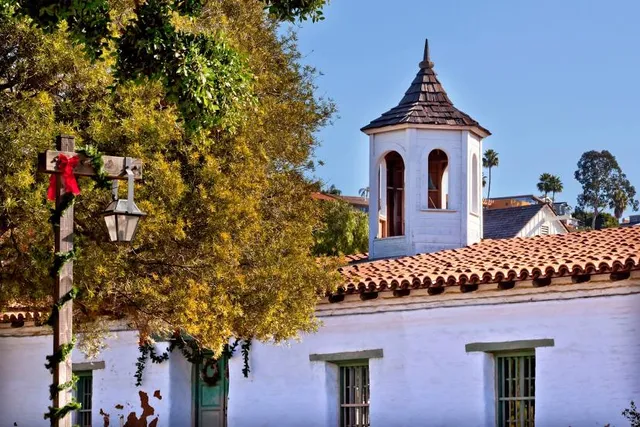
La Casa de Estudillo
4000 Mason St, San Diego, CA 92110
4.7(52)
Open until 12:00 AM
Save
spot
spot
Ratings & Description
Info
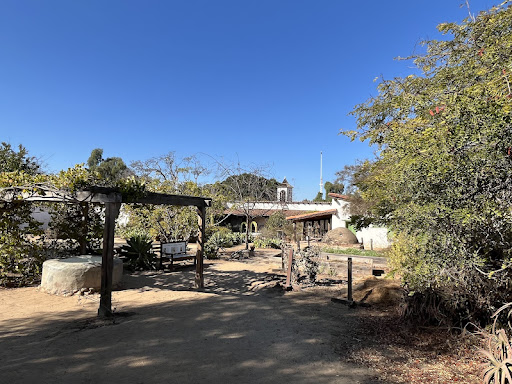
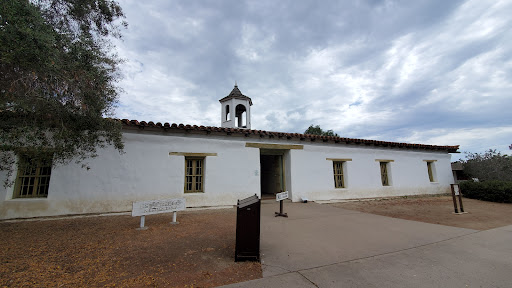
The Casa de Estudillo, also known as the Estudillo House, is a historic adobe house in San Diego, California, United States.
Cultural
Family friendly
Accessibility
attractions: Old Town San Diego State Park, Old Town Market, Old Town San Diego, Miner's Gems and Minerals, Mormon Battalion Historic Site, Whaley House Museum, Immaculate Conception Catholic Church, El Centro Artesano, Seeley Stable, Old town San Diego, restaurants: Casa de Reyes, Cosmopolitan Hotel and Restaurant, Barra Barra, Pizza Bella Italian Bistro, Casa de Maria Restaurant, Old Town Mexican Cafe, Rockin' Baja Lobster - Old Town, Cafe Coyote, Casa Guadalajara Mexican Restaurant, Harney Sushi, local businesses: Cousin's Candy Shops, Old Town San Diego, Racine & Laramie Tobacconist, GoCar Tours, Fiesta de Reyes, Nibble Chocolate, Gum Saan, San Diego Ghost Tours, First San Diego Courthouse, Old Town Local
 Learn more insights from Wanderboat AI.
Phone
(619) 220-5422
Website
parks.ca.gov
Open hoursSee all hours
MonClosedOpen
Plan your stay

Pet-friendly Hotels in San Diego
Find a cozy hotel nearby and make it a full experience.

Affordable Hotels in San Diego
Find a cozy hotel nearby and make it a full experience.

The Coolest Hotels You Haven't Heard Of (Yet)
Find a cozy hotel nearby and make it a full experience.

Trending Stays Worth the Hype in San Diego
Find a cozy hotel nearby and make it a full experience.
Reviews
Live events

The Art of Banksy: Without Limits Exhibition
Mon, Feb 23 • 12:00 PM
2260 Jimmy Durante Blvd, 92014
View details

Remember a Time: A Creative Writing Experience
Mon, Feb 23 • 6:00 PM
810 Imperial Beach Boulevard Imperial Beach, CA 91932
View details

Unofficial Tony Robbins Birthday “Firewalk” Celebration!
Sat, Feb 28 • 3:30 PM
1555 Camino Del Mar ##115 Del Mar, CA 92014
View details
Nearby attractions of La Casa de Estudillo
Old Town San Diego State Park
Old Town Market
Old Town San Diego
Miner's Gems and Minerals
Mormon Battalion Historic Site
Whaley House Museum
Immaculate Conception Catholic Church
El Centro Artesano
Seeley Stable
Old town San Diego
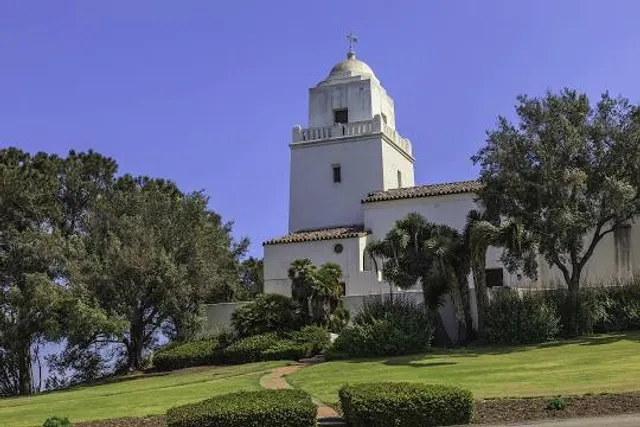
Old Town San Diego State Park
4.7
(11.4K)
Closed
Click for details
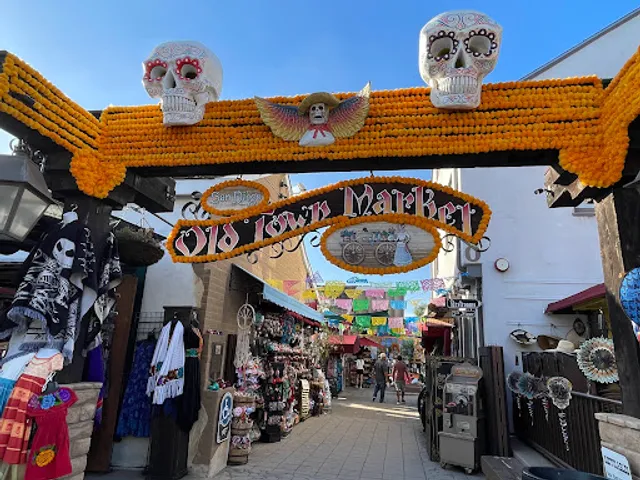
Old Town Market
4.7
(970)
Closed
Click for details
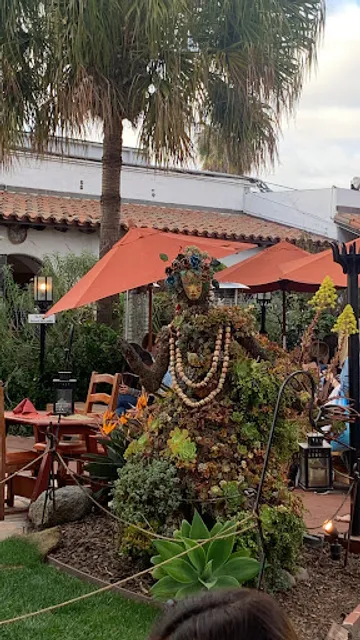
Old Town San Diego
4.7
(1.1K)
Closed
Click for details
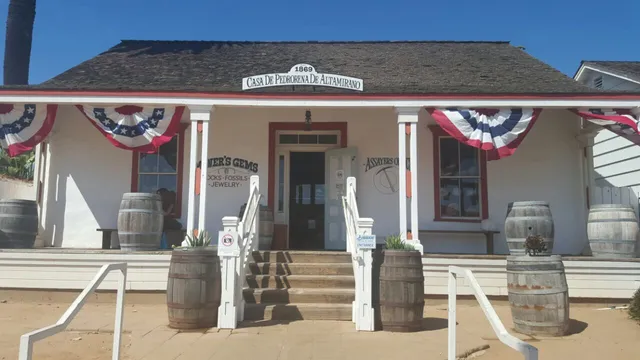
Miner's Gems and Minerals
4.5
(234)
Closed
Click for details
Nearby restaurants of La Casa de Estudillo
Casa de Reyes
Cosmopolitan Hotel and Restaurant
Barra Barra
Pizza Bella Italian Bistro
Casa de Maria Restaurant
Old Town Mexican Cafe
Rockin' Baja Lobster - Old Town
Cafe Coyote
Casa Guadalajara Mexican Restaurant
Harney Sushi
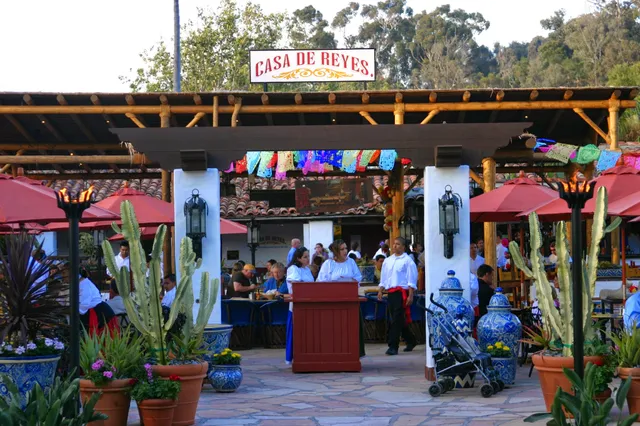
Casa de Reyes
4.4
(3.1K)
$$
Closed
Click for details
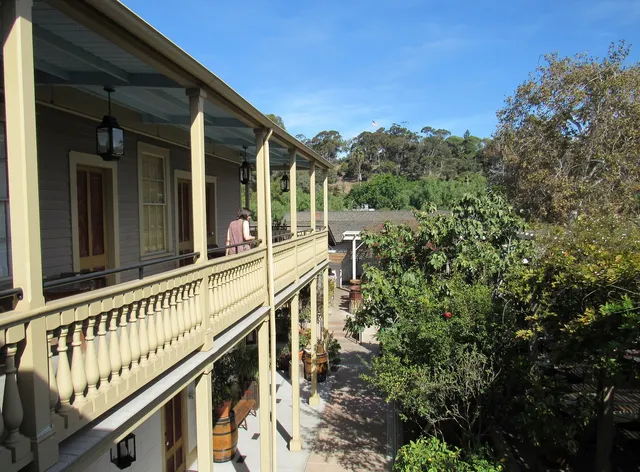
Cosmopolitan Hotel and Restaurant
4.4
(476)
Click for details
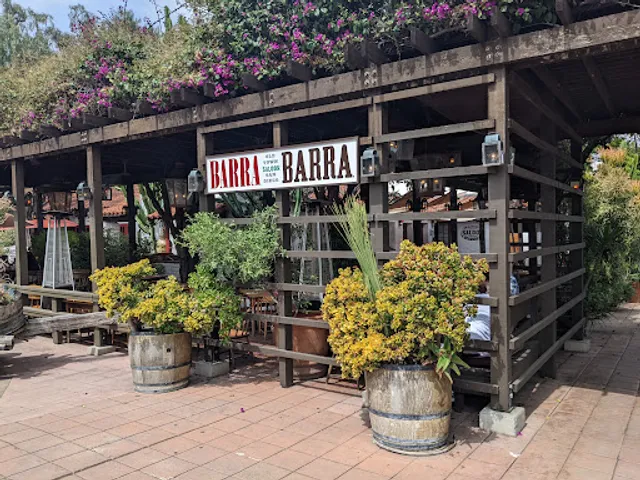
Barra Barra
4.1
(971)
$$
Closed
Click for details
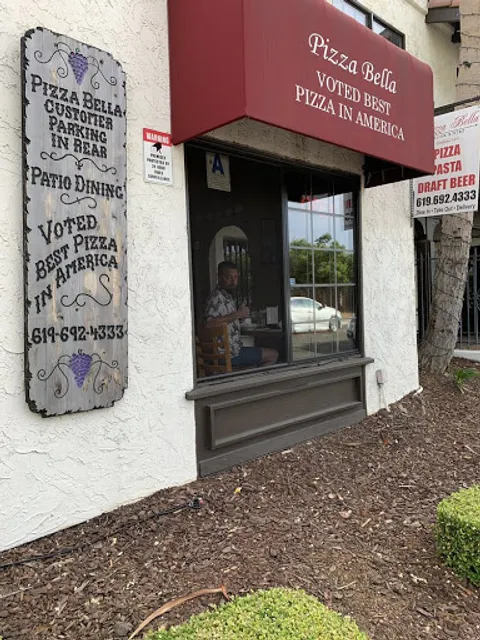
Pizza Bella Italian Bistro
4.5
(682)
$$
Closed
Click for details
Nearby local services of La Casa de Estudillo
Cousin's Candy Shops
Old Town San Diego
Racine & Laramie Tobacconist
GoCar Tours
Fiesta de Reyes
Nibble Chocolate
Gum Saan
San Diego Ghost Tours
First San Diego Courthouse
Old Town Local
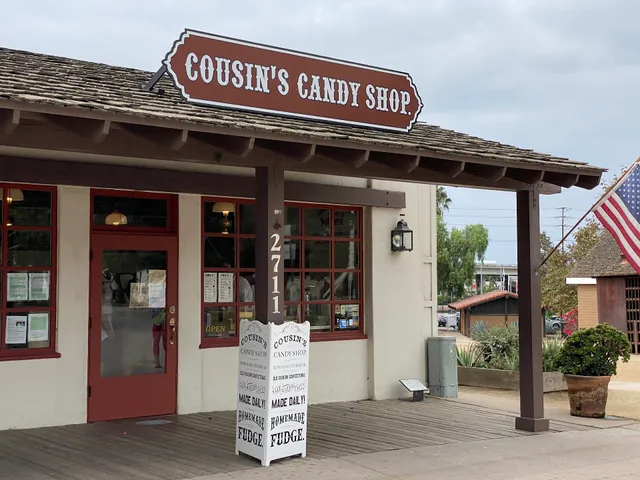
Cousin's Candy Shops
4.6
(154)
Click for details
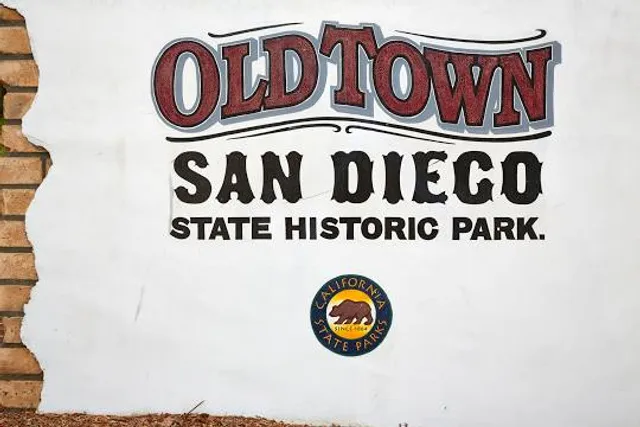
Old Town San Diego
4.7
(90)
Click for details
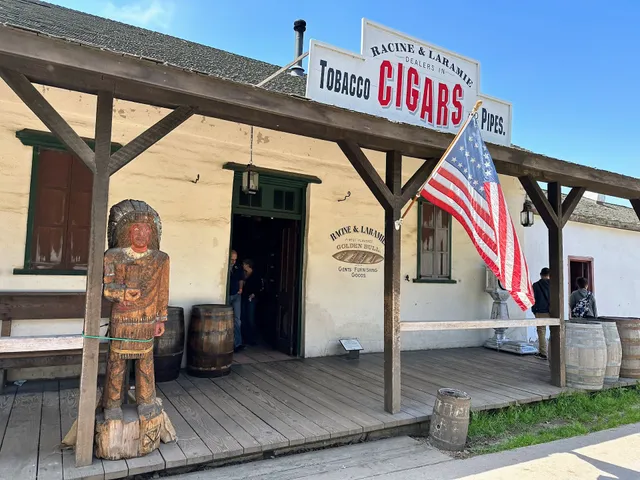
Racine & Laramie Tobacconist
4.9
(153)
Click for details
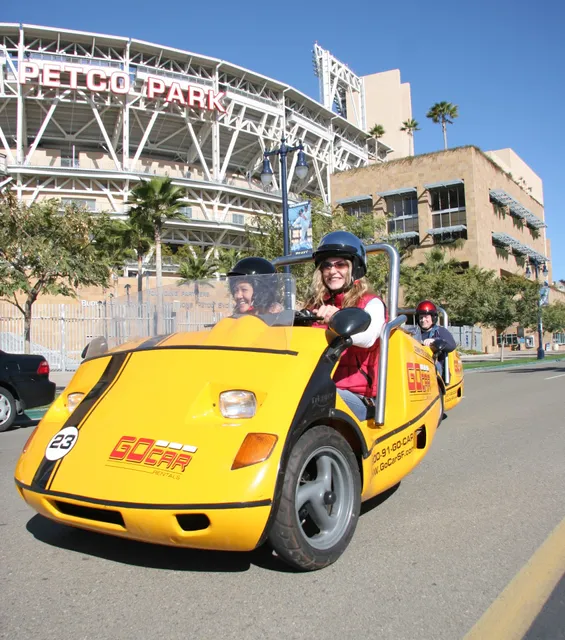
GoCar Tours
4.8
(557)
Click for details


The hit list


Plan your trip with Wanderboat
Welcome to Wanderboat AI, your AI search for local Eats and Fun, designed to help you explore your city and the world with ease.
Powered by Wanderboat AI trip planner.