Grace Cathedral things to do, attractions, restaurants, events info and trip planning
Basic Info
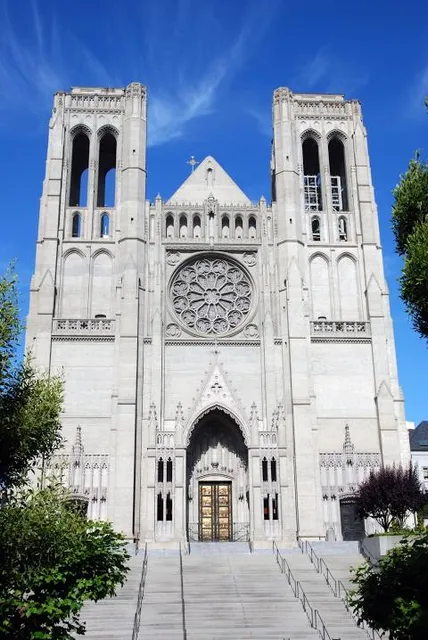
Grace Cathedral
1100 California St, San Francisco, CA 94108
4.6(1.1K)
Closed


tickets
Save
spot
spot
Ratings & Description
Info
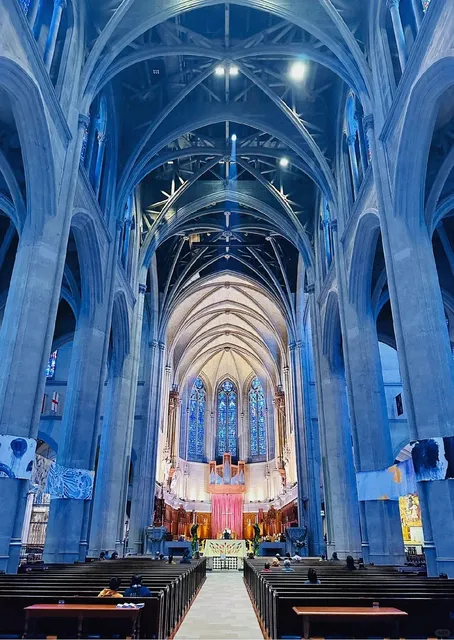
Grace Cathedral is an American cathedral of the Episcopal Church in San Francisco, California. On top of Nob Hill, Grace is the cathedral church of the Episcopal Diocese of California, led by Bishop Marc Andrus since 2006, while the cathedral's local parish has been led by Dean Malcolm Clemens Young since 2015.
Cultural
Accessibility
attractions: The Masonic, Huntington Park, San Francisco Cable Car Museum, Masons Grand Lodge of California, Chinatown San Francisco, James C. Flood Mansion, Union Square, Chinese Historical Society of America Museum, California St & Powell St Viewpoint, San Francisco Playhouse, restaurants: Osso Steakhouse, Nob Hill Cafe, TONGA ROOM & HURRICANE BAR, Top of the Mark, Gusto Pinsa Romana, Fresh Brew Coffee, Del Popolo, Yoki Sushi, Peacekeeper, Another Cafe, local businesses: AURA: An Immersive Odyssey of Breathtaking Proportions, Berber Barbershop, SIXT Rent a Car San Francisco Fairmont Hotel, Market Mayflower & Deli, California Street Cannabis Company - A Weed Dispensary & Delivery, Raquel Scalon Private Yoga, Robin Woolard Custom Designs, San Francisco, Fog City Social Club, 501 Post St, Live Fit Gym • Nob Hill
 Learn more insights from Wanderboat AI.
Phone
(415) 749-6300
Website
gracecathedral.org
Open hoursSee all hours
Sun1 - 5 PMClosed
Plan your stay

Pet-friendly Hotels in San Francisco
Find a cozy hotel nearby and make it a full experience.

Affordable Hotels in San Francisco
Find a cozy hotel nearby and make it a full experience.

The Coolest Hotels You Haven't Heard Of (Yet)
Find a cozy hotel nearby and make it a full experience.

Trending Stays Worth the Hype in San Francisco
Find a cozy hotel nearby and make it a full experience.
Reviews
Live events
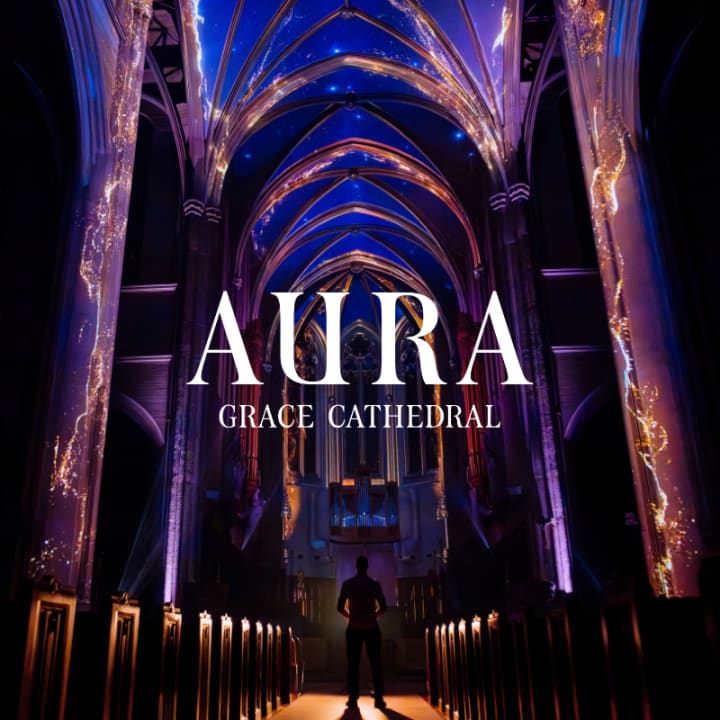
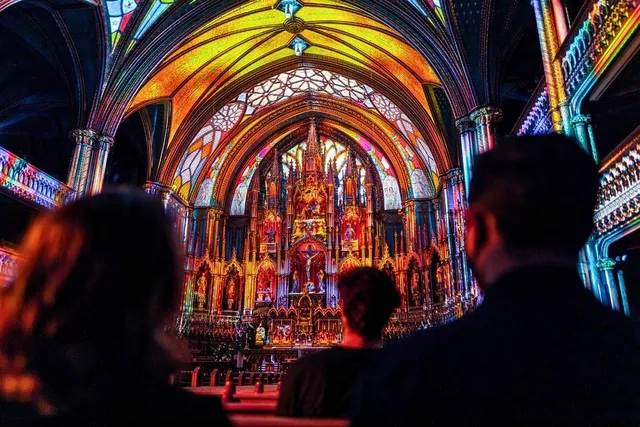
AURA: An Immersive Odyssey of Breathtaking Proportions
Sun, Feb 8 • 8:00 PM
1100 California St, San Francisco, CA, 94108
View details

Wilderness First Aid with CPR and AED (SOLO Certification)
Sat, Feb 7 • 8:00 AM
1100 James Place, El Cerrito, CA 94530
View details

Mahjong at the Mart!
Sun, Feb 8 • 11:00 AM
2257 Larkspur Landing Circle Larkspur, CA 94939
View details
Nearby attractions of Grace Cathedral
The Masonic
Huntington Park
San Francisco Cable Car Museum
Masons Grand Lodge of California
Chinatown San Francisco
James C. Flood Mansion
Union Square
Chinese Historical Society of America Museum
California St & Powell St Viewpoint
San Francisco Playhouse
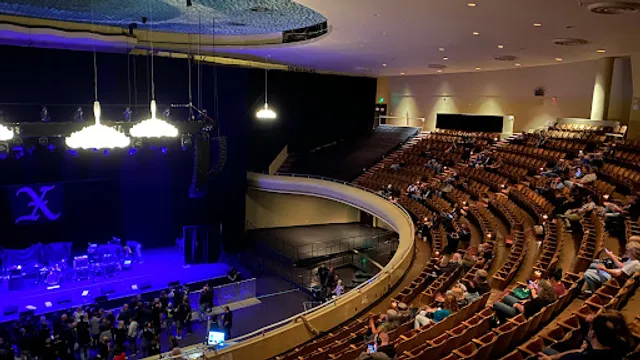
The Masonic
4.5
(1.3K)
Open 24 hours
Click for details
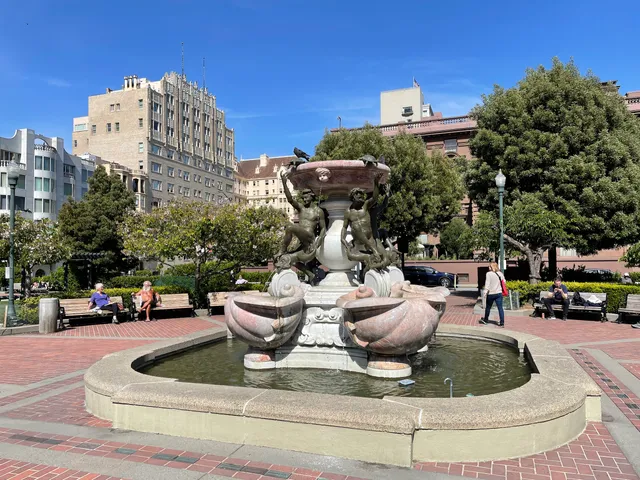
Huntington Park
4.6
(587)
Open 24 hours
Click for details
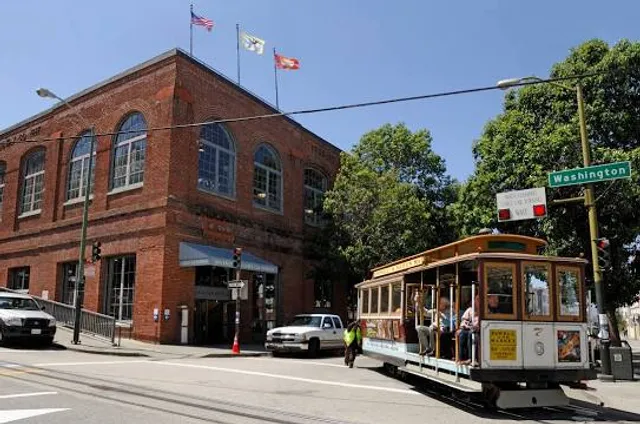
San Francisco Cable Car Museum
4.7
(2.9K)
Closed
Click for details
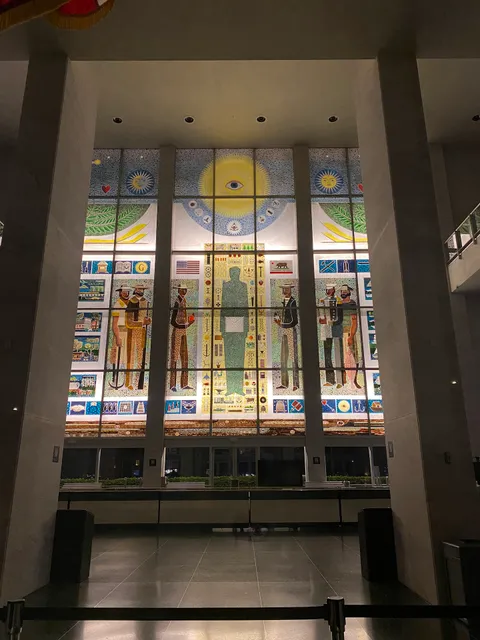
Masons Grand Lodge of California
4.2
(51)
Open until 12:00 AM
Click for details
Nearby restaurants of Grace Cathedral
Osso Steakhouse
Nob Hill Cafe
TONGA ROOM & HURRICANE BAR
Top of the Mark
Gusto Pinsa Romana
Fresh Brew Coffee
Del Popolo
Yoki Sushi
Peacekeeper
Another Cafe
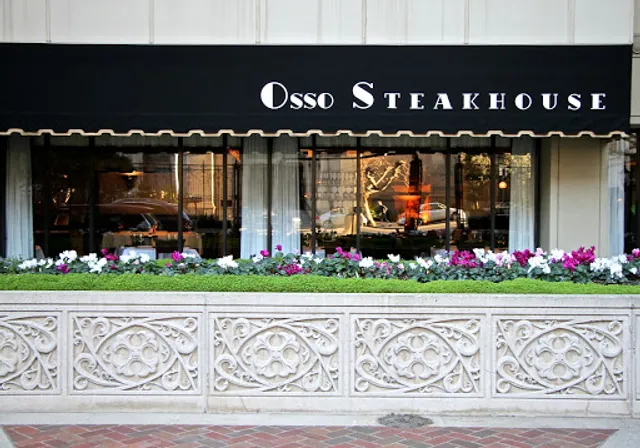
Osso Steakhouse
4.4
(410)
$$$$
Closed
Click for details
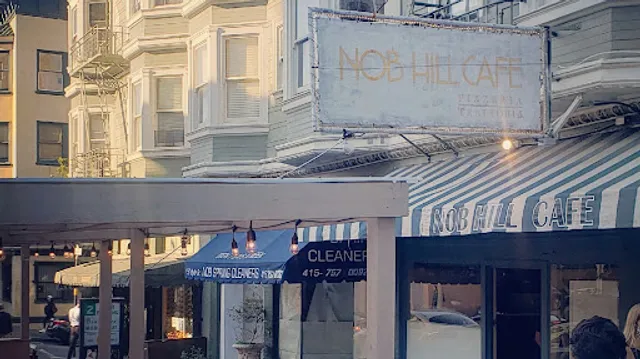
Nob Hill Cafe
4.4
(579)
$$
Closed
Click for details
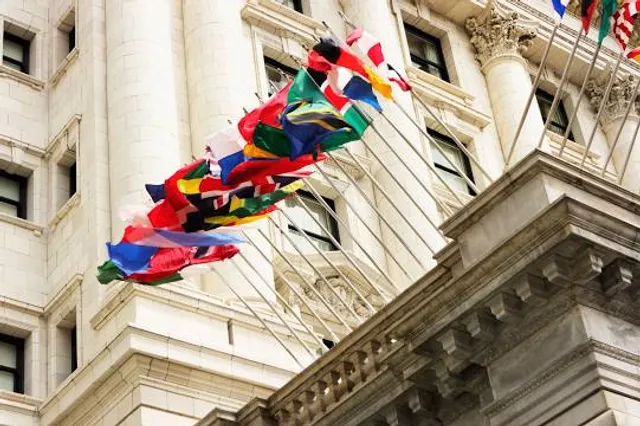
TONGA ROOM & HURRICANE BAR
4.2
(1.1K)
$$$
Open until 12:00 AM
Click for details
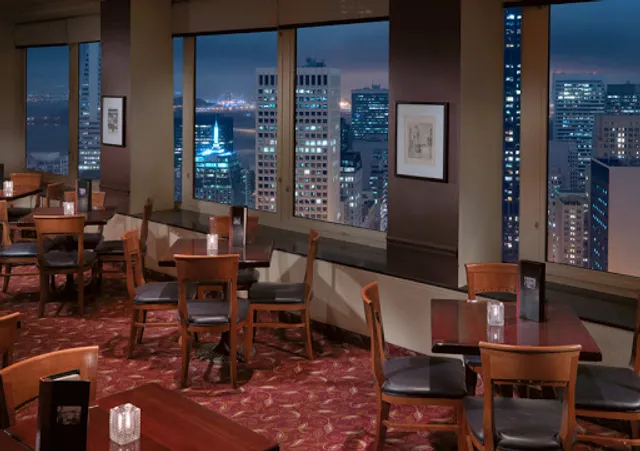
Top of the Mark
4.4
(879)
$$
Closed
Click for details
Nearby local services of Grace Cathedral
AURA: An Immersive Odyssey of Breathtaking Proportions
Berber Barbershop
SIXT Rent a Car San Francisco Fairmont Hotel
Market Mayflower & Deli
California Street Cannabis Company - A Weed Dispensary & Delivery
Raquel Scalon Private Yoga
Robin Woolard Custom Designs, San Francisco
Fog City Social Club
501 Post St
Live Fit Gym • Nob Hill

AURA: An Immersive Odyssey of Breathtaking Proportions
4.5
(92)
Click for details

Berber Barbershop
4.2
(133)
Click for details
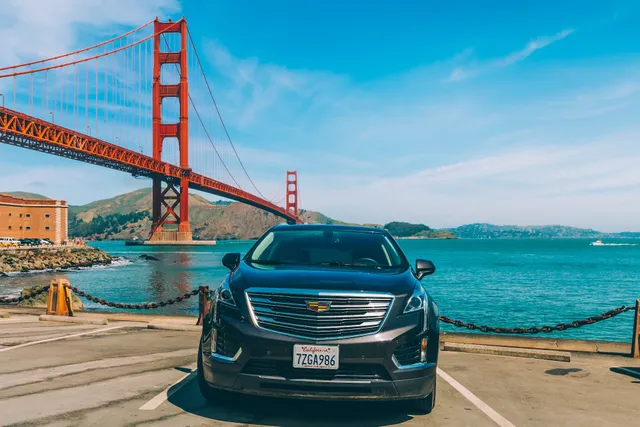
SIXT Rent a Car San Francisco Fairmont Hotel
4.2
(237)
Click for details
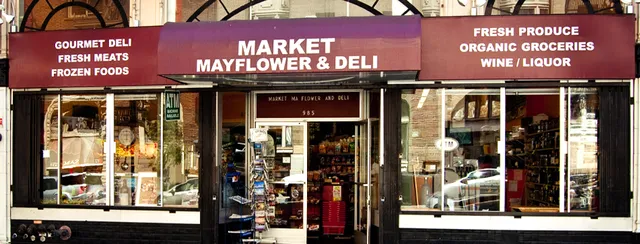
Market Mayflower & Deli
4.3
(62)
Click for details


The hit list
Plan your trip with Wanderboat
Welcome to Wanderboat AI, your AI search for local Eats and Fun, designed to help you explore your city and the world with ease.
Powered by Wanderboat AI trip planner.