Burke Museum of Natural History and Culture things to do, attractions, restaurants, events info and trip planning

Basic Info
Burke Museum of Natural History and Culture
4303 Memorial Way Northeast, Seattle, WA 98195, United States
4.5(550)
Closed

tickets
Save
spot
spot
Ratings & Description
Info
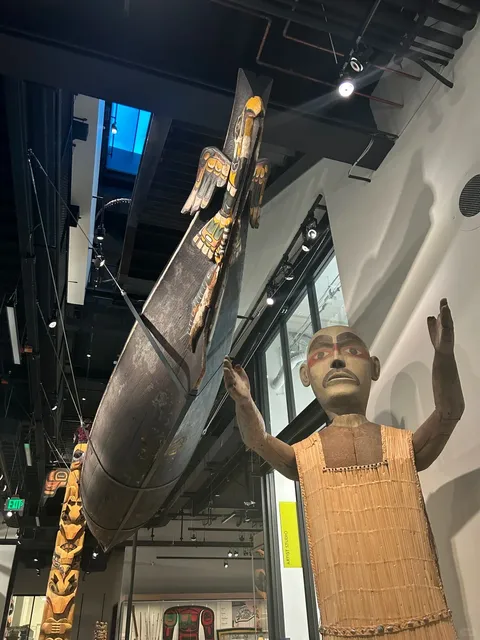
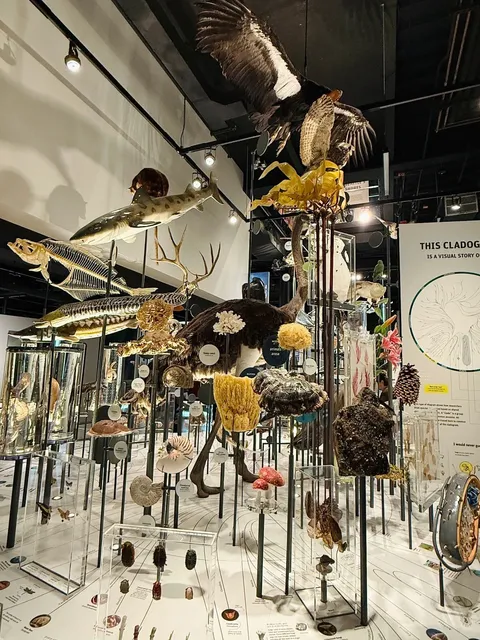
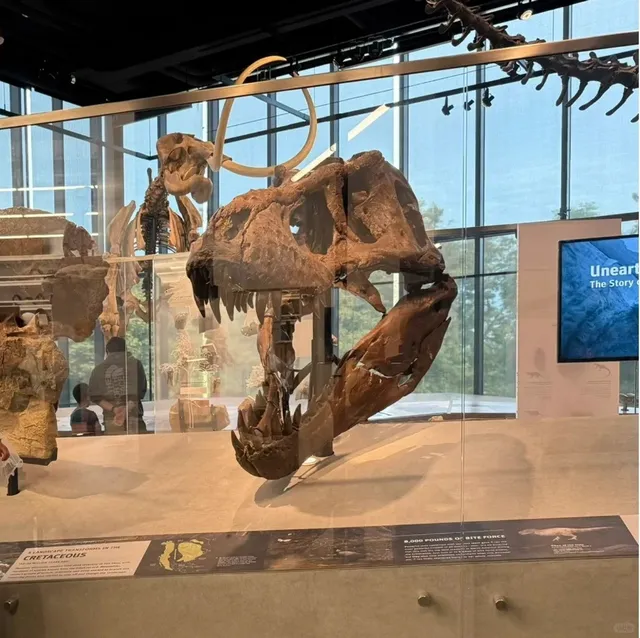
The Burke Museum of Natural History and Culture is a natural history museum in Seattle, Washington, in the United States. Established in 1899 as the Washington State Museum, it traces its origins to a high school naturalist club formed in 1879.
Cultural
Family friendly
Accessibility
attractions: Neptune Theatre, The Unity Museum, The Quad - University of Washington, Henry Art Gallery, Red Square, Odegaard Undergraduate Library, Meany Center for the Performing Arts, Denny Yard, Academic Technologies, Suzzallo and Allen Libraries, restaurants: Just Burgers, Sweet Alchemy Ice Creamery, Taste of Xi'an 西安味道, Earl's on the Ave, U:Don Fresh Japanese Noodle Station – University District, Chili's South Indian Cuisine, Thai Tom, Dont Yell At Me, Cedars of Lebanon, Sultan Gyros Grill, local businesses: Tight Cuts, Pink Gorilla Games University District, The Varsity Theatre, H Mart UW, Crossroads Trading, 4525 University Wy NE, Bouldering Project - U District, University Avenue Barber Shop, Happy Boys Hair Salon, Woolly Mammoth
 Learn more insights from Wanderboat AI.
Phone
+1 206-543-7907
Website
burkemuseum.org
Open hoursSee all hours
Wed10 a.m. - 5 p.m.Closed
Plan your stay

Pet-friendly Hotels in Seattle
Find a cozy hotel nearby and make it a full experience.

Affordable Hotels in Seattle
Find a cozy hotel nearby and make it a full experience.

The Coolest Hotels You Haven't Heard Of (Yet)
Find a cozy hotel nearby and make it a full experience.

Trending Stays Worth the Hype in Seattle
Find a cozy hotel nearby and make it a full experience.
Reviews
Live events
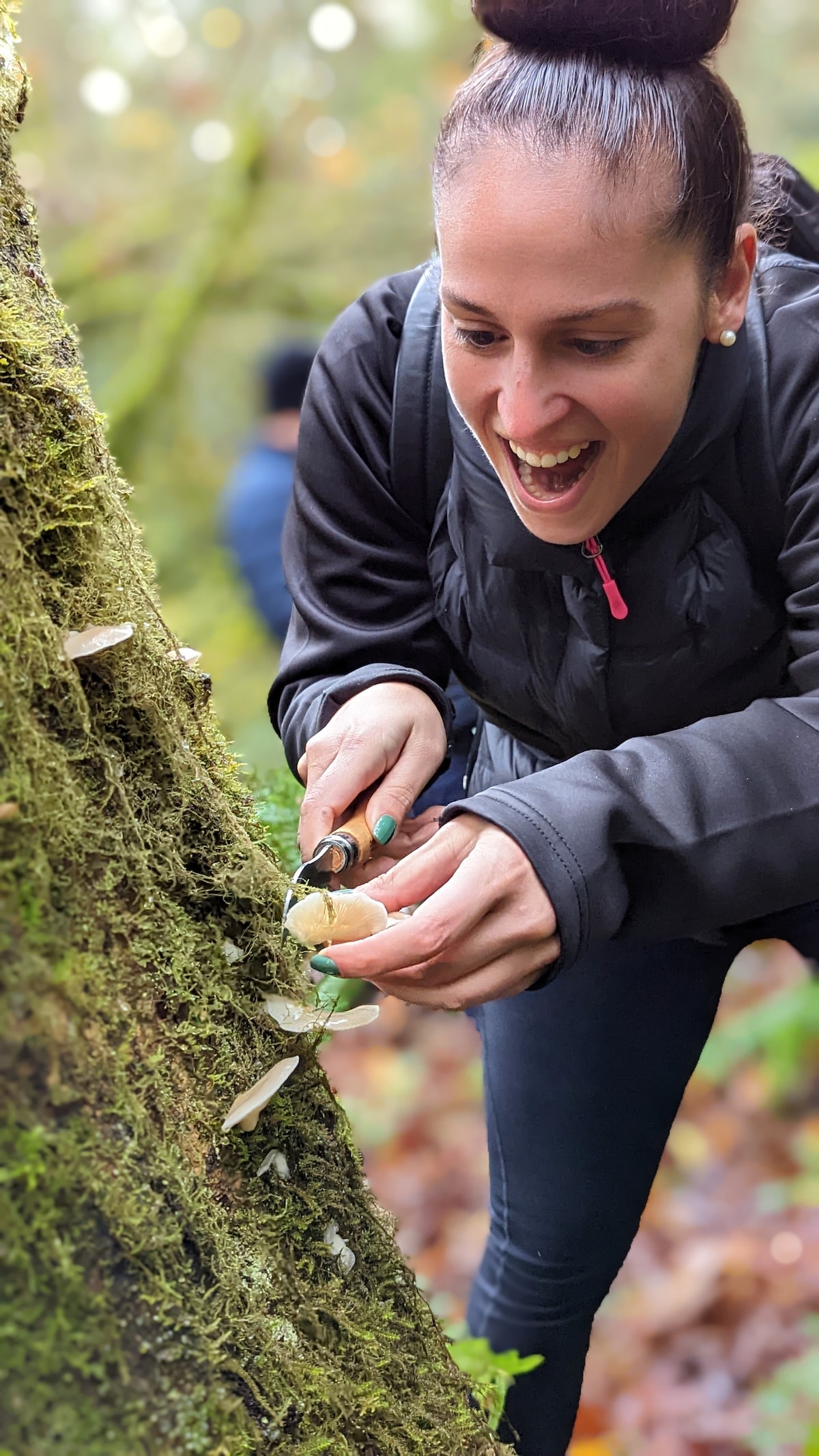
Intro to Mushroom Foraging: Seattle
Sat, Jan 31 • 1:00 PM
Kirkland, Washington, 98033
View details
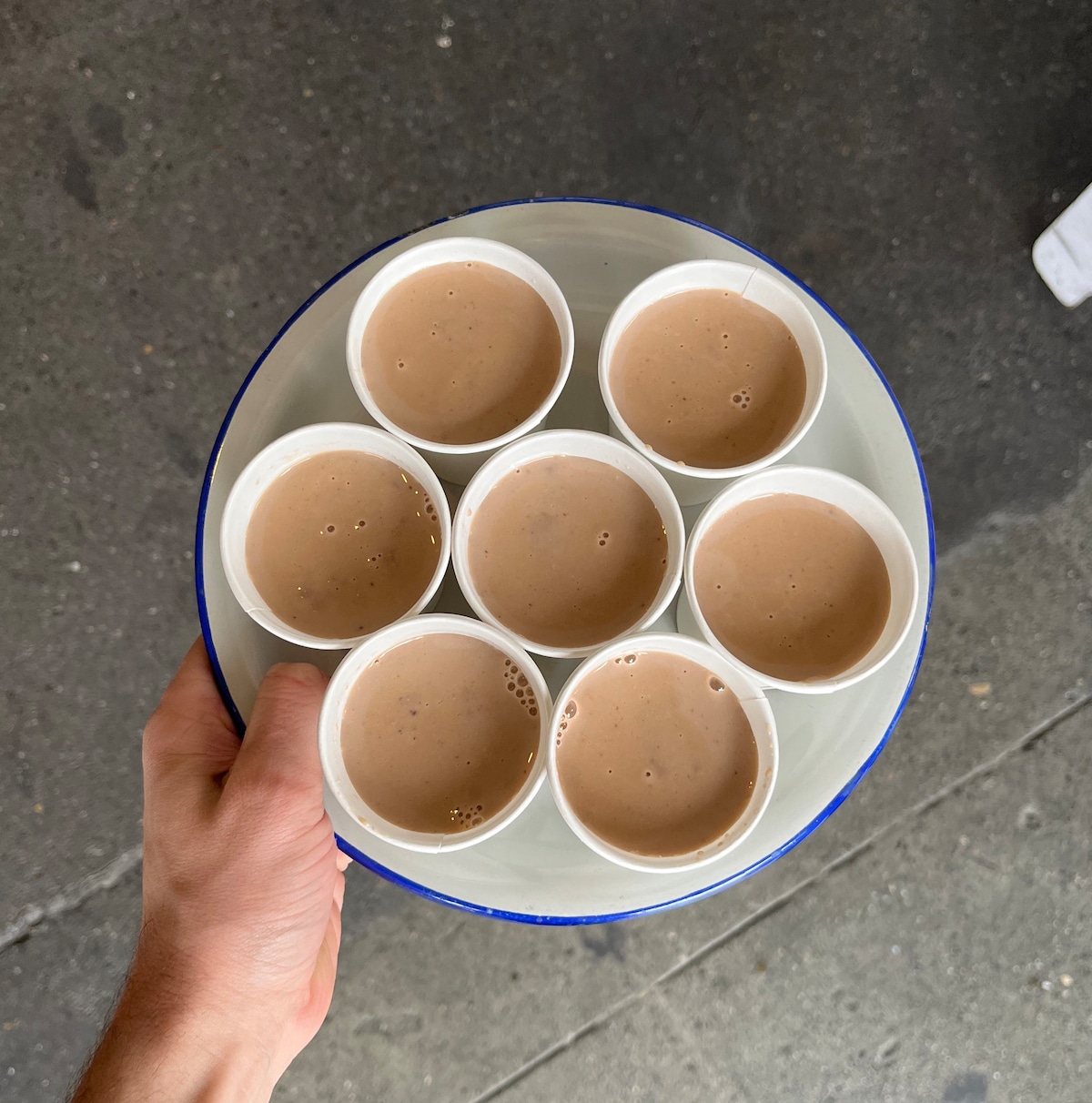
Taste Chocolate from local Artisans
Thu, Jan 29 • 10:30 AM
Seattle, Washington, 98121
View details

Disneys Frozen, Jr
Fri, Jan 30 • 7:00 PM
400 South 2nd Street Renton, WA 98057
View details
Nearby attractions of Burke Museum of Natural History and Culture
Neptune Theatre
The Unity Museum
The Quad - University of Washington
Henry Art Gallery
Red Square
Odegaard Undergraduate Library
Meany Center for the Performing Arts
Denny Yard
Academic Technologies
Suzzallo and Allen Libraries
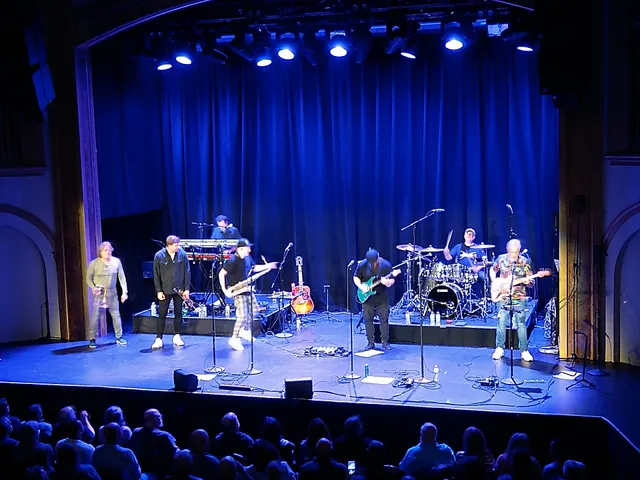
Neptune Theatre
4.6
(274)
Open 24 hours
Click for details
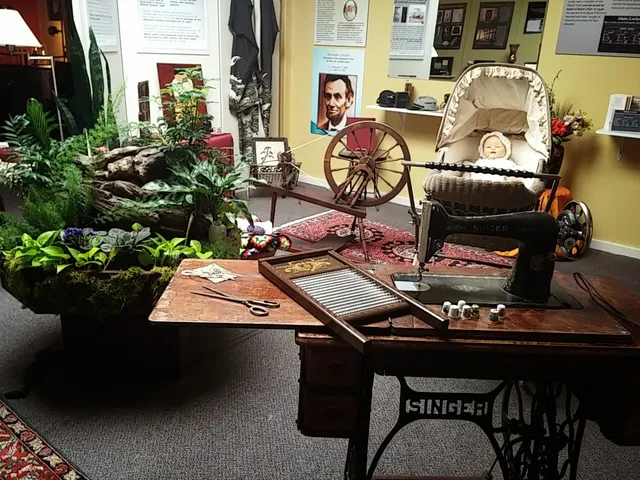
The Unity Museum
4.7
(17)
Closed
Click for details
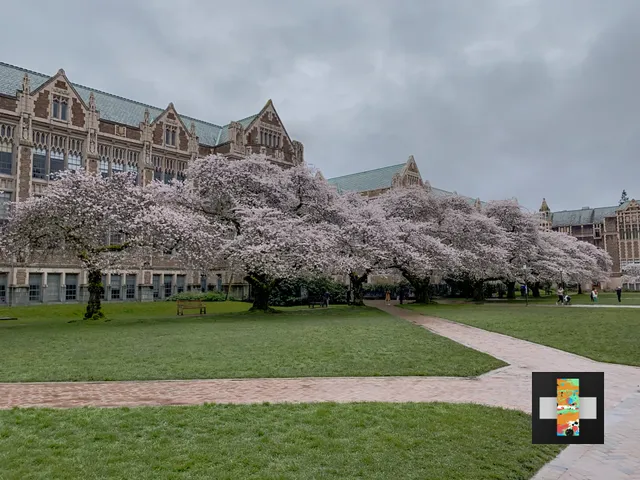
The Quad - University of Washington
4.8
(908)
Open until 12:00 AM
Click for details
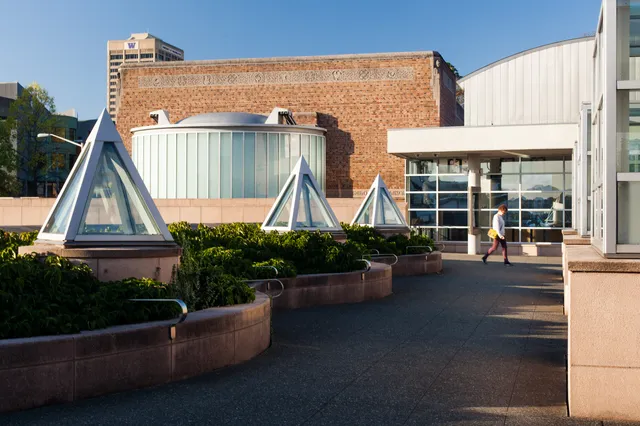
Henry Art Gallery
4.3
(241)
Open until 12:00 AM
Click for details
Nearby restaurants of Burke Museum of Natural History and Culture
Just Burgers
Sweet Alchemy Ice Creamery
Taste of Xi'an 西安味道
Earl's on the Ave
U:Don Fresh Japanese Noodle Station – University District
Chili's South Indian Cuisine
Thai Tom
Dont Yell At Me
Cedars of Lebanon
Sultan Gyros Grill
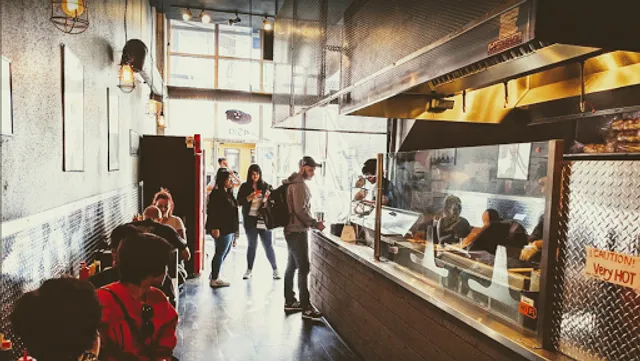
Just Burgers
4.3
(653)
$
Closed
Click for details
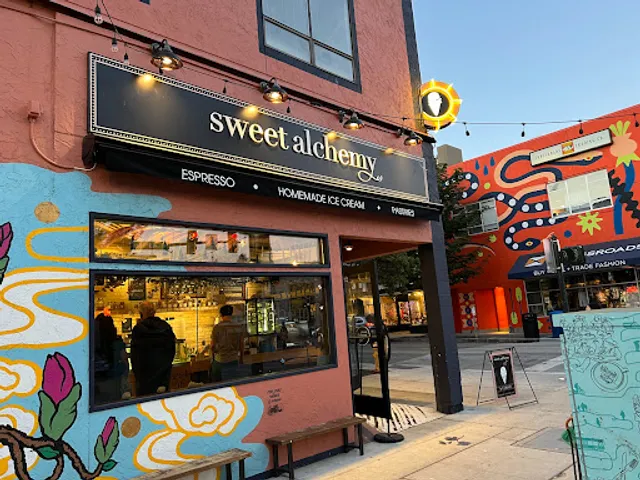
Sweet Alchemy Ice Creamery
4.4
(520)
$$
Closed
Click for details
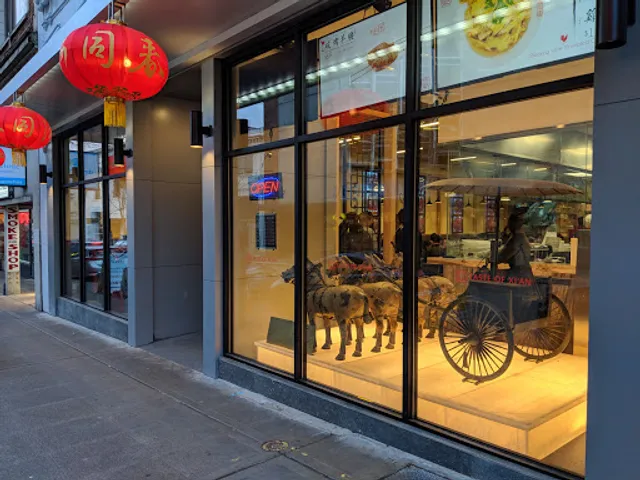
Taste of Xi'an 西安味道
4.5
(848)
$
Closed
Click for details
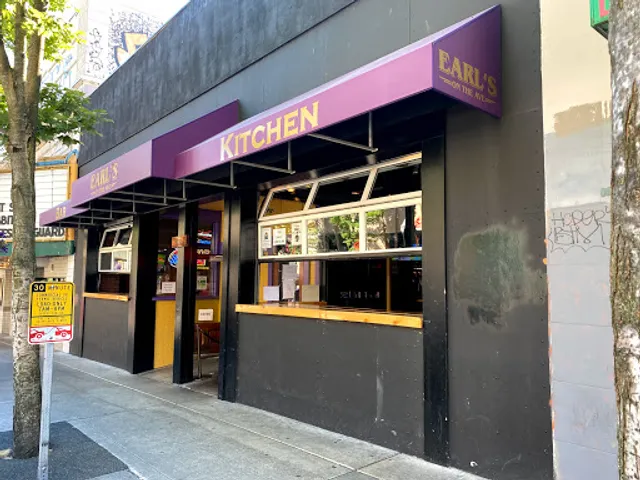
Earl's on the Ave
4.0
(319)
$
Closed
Click for details
Nearby local services of Burke Museum of Natural History and Culture
Tight Cuts
Pink Gorilla Games University District
The Varsity Theatre
H Mart UW
Crossroads Trading
4525 University Wy NE
Bouldering Project - U District
University Avenue Barber Shop
Happy Boys Hair Salon
Woolly Mammoth
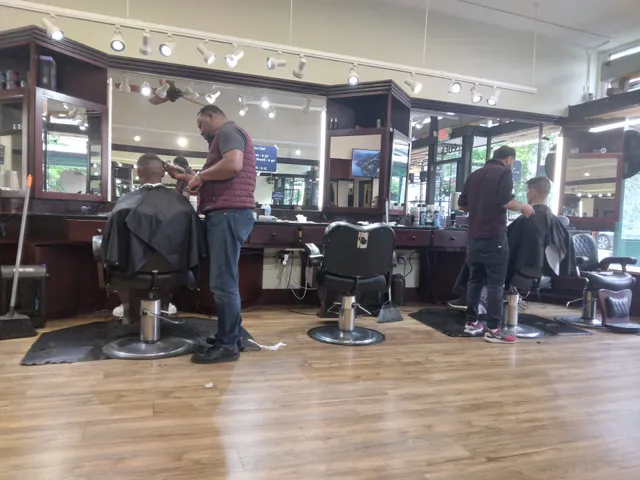
Tight Cuts
4.8
(558)
Click for details
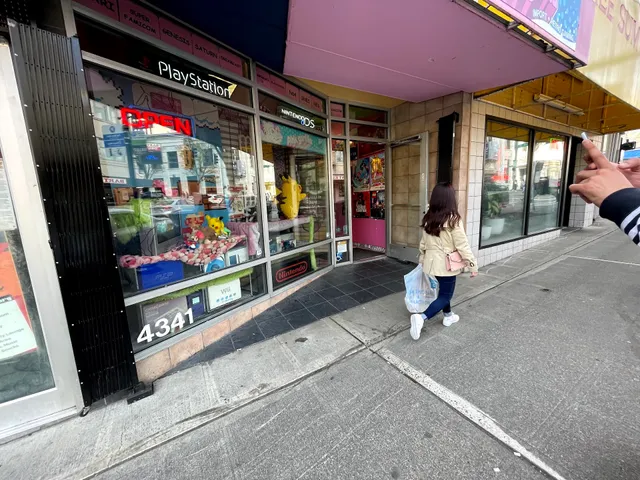
Pink Gorilla Games University District
4.7
(366)
Click for details
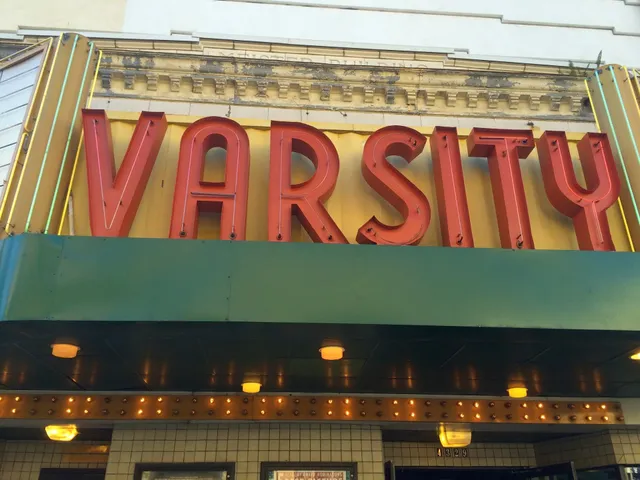
The Varsity Theatre
4.1
(159)
Click for details
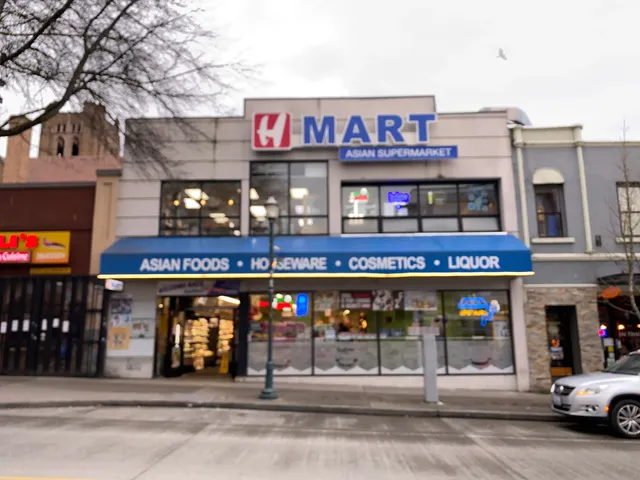
H Mart UW
4.3
(544)
Click for details