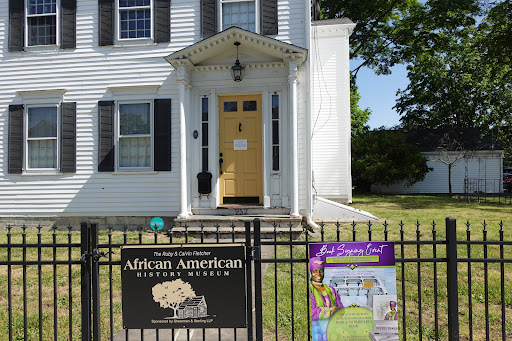
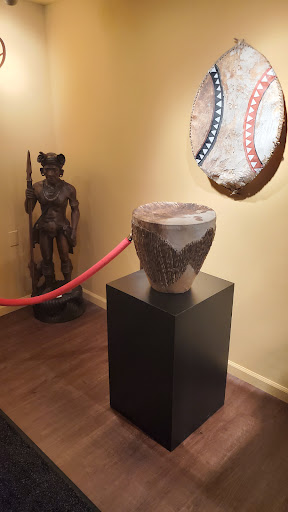
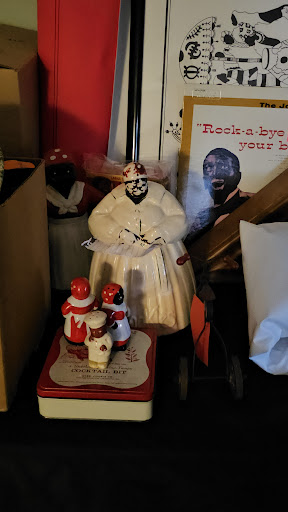
Ruby & Calvin Fletcher African American History Museum things to do, attractions, restaurants, events info and trip planning
Basic Info
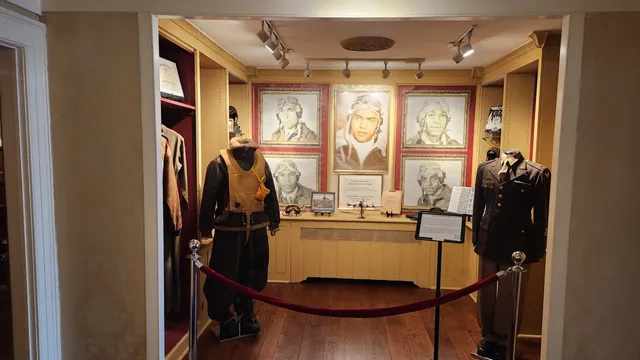
Ruby & Calvin Fletcher African American History Museum
952 E Broadway, Stratford, CT 06615
4.9(18)
Open until 12:00 AM
Save
spot
spot
Ratings & Description
Info
Cultural
Family friendly
Accessibility
attractions: Fright Haven, National Helicopter Museum Inc, Stratford Library, Stratford Historical Society, restaurants: Kama Sushi, Frenchies Coffee Bar, Acapulcos Mexican Family Restaurant & Cantina, Goody Bassett's Ice Cream, Heffer, Pre Game Stratford, StationHouse Wine Bar & Grill, TD Vietnam Palace, Blue Sky Diner, LobsterCraft, local businesses: Colonial Square Shopping Center, Last Call Wine & Spirits, Rachel's Hair Boutique, 2480 Main St, Stratford, Station House Square, LA Fitness, Stratford Square, Verizon, B & B Cigar
 Learn more insights from Wanderboat AI.
Phone
(203) 843-3102
Website
africanamericanmuseumct.org
Open hoursSee all hours
Mon10 AM - 3 PMOpen
Plan your stay

Pet-friendly Hotels in Stratford
Find a cozy hotel nearby and make it a full experience.

Affordable Hotels in Stratford
Find a cozy hotel nearby and make it a full experience.

The Coolest Hotels You Haven't Heard Of (Yet)
Find a cozy hotel nearby and make it a full experience.

Trending Stays Worth the Hype in Stratford
Find a cozy hotel nearby and make it a full experience.
Reviews
Live events

Singles Party
Tue, Jan 27 • 8:00 PM
West Haven, West Haven, CT 06516
View details

Spiritual Night - A Night of Readings
Thu, Jan 29 • 4:00 PM
285 Main Street Derby, CT 06418
View details

Speed Dating Ages 40s-50s in Derby, CT at Tipsy Tomato
Thu, Jan 29 • 6:00 PM
656 New Haven Avenue, Derby, CT 06418
View details
Nearby attractions of Ruby & Calvin Fletcher African American History Museum
Fright Haven
National Helicopter Museum Inc
Stratford Library
Stratford Historical Society
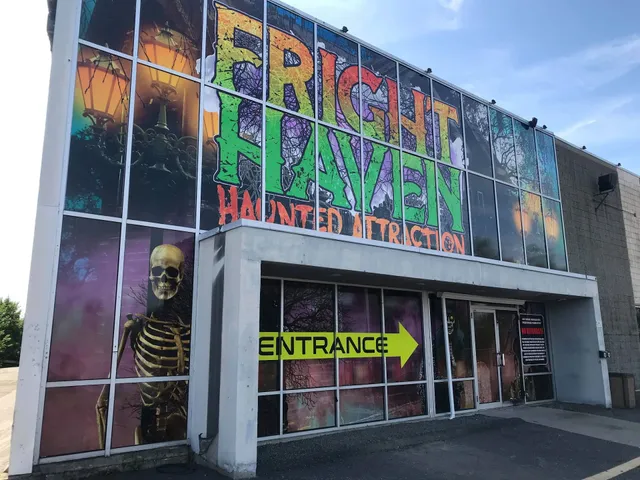
Fright Haven
4.4
(507)
Open until 12:00 AM
Click for details
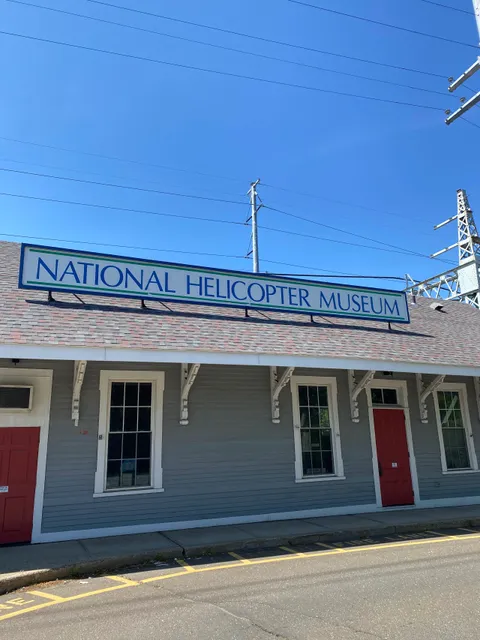
National Helicopter Museum Inc
4.3
(28)
Open until 12:00 AM
Click for details
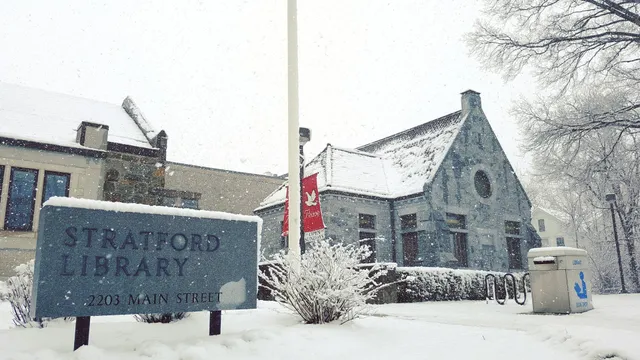
Stratford Library
4.7
(72)
Open until 12:00 AM
Click for details
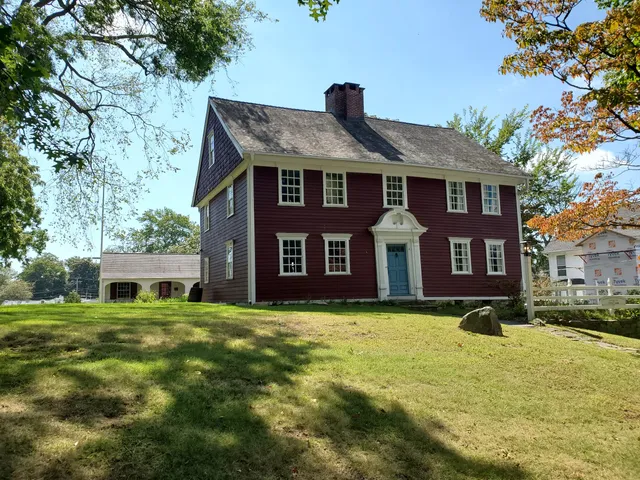
Stratford Historical Society
4.6
(19)
Open until 12:00 AM
Click for details
Nearby restaurants of Ruby & Calvin Fletcher African American History Museum
Kama Sushi
Frenchies Coffee Bar
Acapulcos Mexican Family Restaurant & Cantina
Goody Bassett's Ice Cream
Heffer
Pre Game Stratford
StationHouse Wine Bar & Grill
TD Vietnam Palace
Blue Sky Diner
LobsterCraft
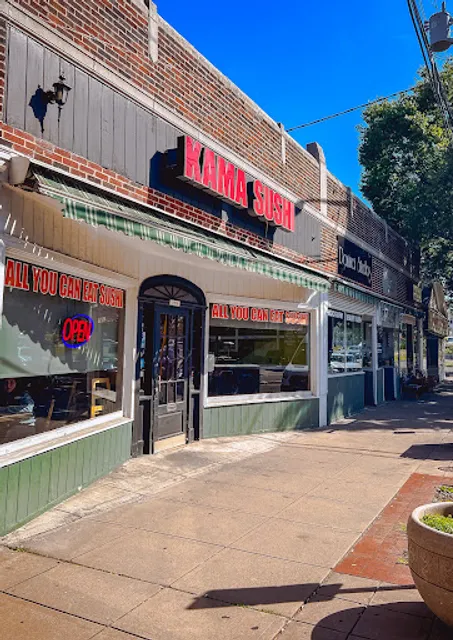
Kama Sushi
4.3
(356)
$$
Open until 12:00 AM
Click for details
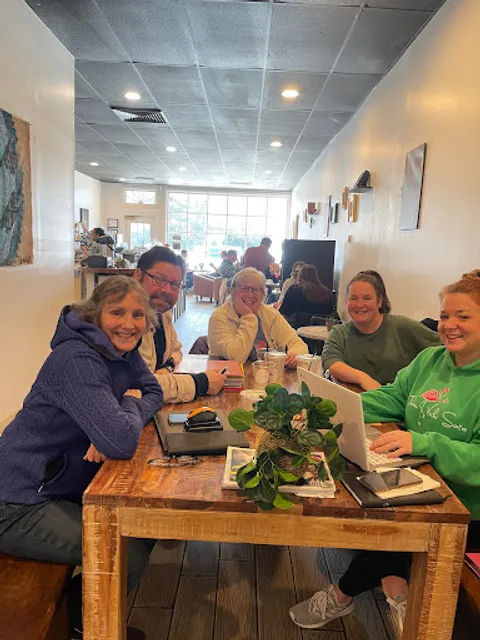
Frenchies Coffee Bar
4.8
(129)
$
Closed
Click for details
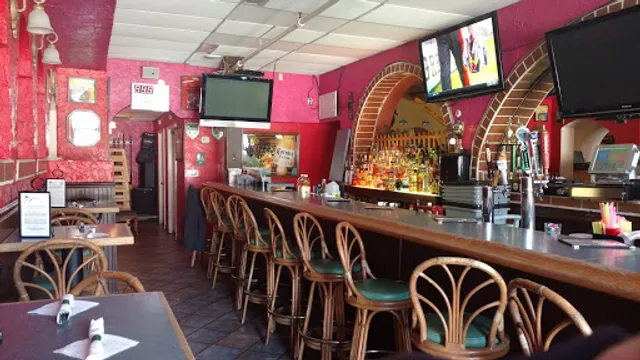
Acapulcos Mexican Family Restaurant & Cantina
4.2
(425)
$$
Closed
Click for details
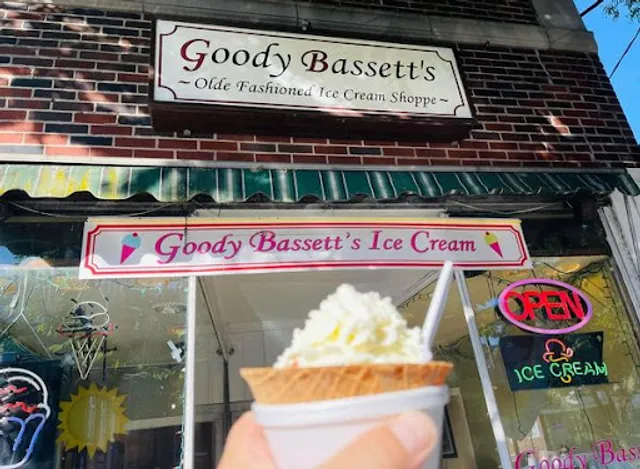
Goody Bassett's Ice Cream
4.5
(100)
$$
Open until 12:00 AM
Click for details
Nearby local services of Ruby & Calvin Fletcher African American History Museum
Colonial Square Shopping Center
Last Call Wine & Spirits
Rachel's Hair Boutique
2480 Main St
Stratford
Station House Square
LA Fitness
Stratford Square
Verizon
B & B Cigar
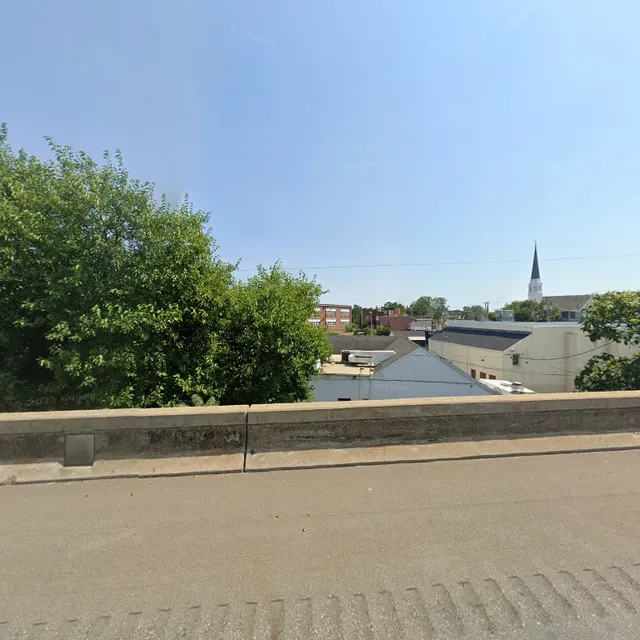
Colonial Square Shopping Center
4.3
(118)
Click for details
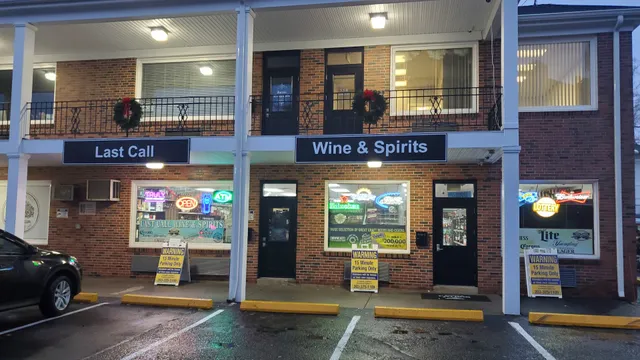
Last Call Wine & Spirits
4.6
(44)
Click for details

Rachel's Hair Boutique
4.9
(16)
Click for details
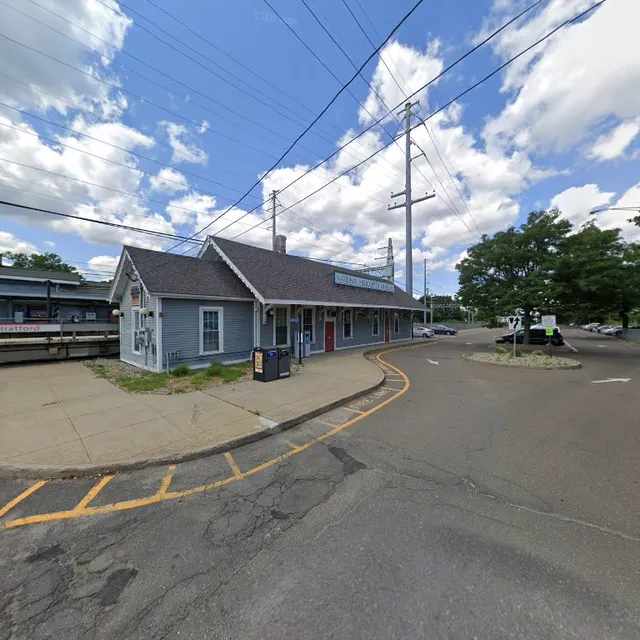
2480 Main St
3.8
(29)
Click for details