Vietnam National Fine Arts Museum things to do, attractions, restaurants, events info and trip planning
Basic Info
Vietnam National Fine Arts Museum
66 P. Nguyễn Thái Học, Điện Biên, Ba Đình, Hà Nội, Vietnam
4.5(2K)
Closed

tickets
Save
spot
spot
Ratings & Description
Info
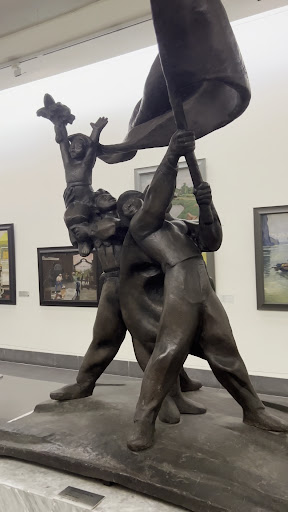
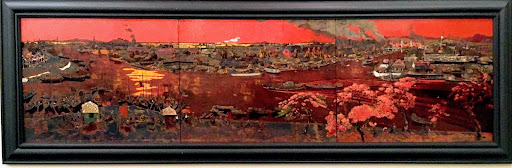
The Vietnam National Museum of Fine Arts is located in Hanoi, Vietnam. It is a museum showcasing Vietnam's fine arts from a range of historical periods. It is the country's primary art museum, the second being the smaller Ho Chi Minh City Museum of Fine Arts.
Cultural
Family friendly
Accessibility
attractions: Statue of Lenin, Hanoi Flagtower, Khue Van Cac, Nguyen Art Gallery, Imperial Citadel of Thang Long, Pearls Lake Pagoda, One Pillar Pagoda, Ho Chi Minh's Mausoleum, Ho Chi Minh Museum, Hanoi Train Street, restaurants: Salmonoid, Pincho - Tapas Kitchen and Drinks, Lê Art Cafe Wine Bistro, Kei korean restaurant, Café Goethe, Papa's Dessert & Cafe, PHỞ GÀ VM17, Cà phê Hai Bốn - Văn Miếu, yumMI - The Boutique Noodle House, Tầm vị, local businesses: Đại Trung Môn, Bóc giấy ép uy tín hà nội, Temple Of Literature, Quảng trường Ba Đình, Essencia Spa, Trust Spa - Massage, Xuami Spa, DaNi Spa, Hồ Giám, Soleil Spa Hanoi
 Learn more insights from Wanderboat AI.
Phone
+84 24 3823 3084
Website
vnfam.vn
Open hoursSee all hours
Sun8:30 AM - 5 PMClosed
Plan your stay

Pet-friendly Hotels in Hà Nội
Find a cozy hotel nearby and make it a full experience.

Affordable Hotels in Hà Nội
Find a cozy hotel nearby and make it a full experience.

The Coolest Hotels You Haven't Heard Of (Yet)
Find a cozy hotel nearby and make it a full experience.

Trending Stays Worth the Hype in Hà Nội
Find a cozy hotel nearby and make it a full experience.
Reviews
Live events

Ninh Binh Small Group 15–17 pax Full-Day Limousine
Sun, Feb 15 • 7:15 AM
Hoàn Kiếm, Hà Nội, 100000, Vietnam
View details

Ha Long Bay by luxury boat and limousine bus
Sun, Feb 15 • 7:45 AM
Trang Tien, Hanoi, 100000, Vietnam
View details

Hanoi Cooking Class & Coffee Tasting Delights
Fri, Feb 20 • 8:30 AM
Ba Đình, Hà Nội, 100000, Vietnam
View details
Nearby attractions of Vietnam National Fine Arts Museum
Statue of Lenin
Hanoi Flagtower
Khue Van Cac
Nguyen Art Gallery
Imperial Citadel of Thang Long
Pearls Lake Pagoda
One Pillar Pagoda
Ho Chi Minh's Mausoleum
Ho Chi Minh Museum
Hanoi Train Street
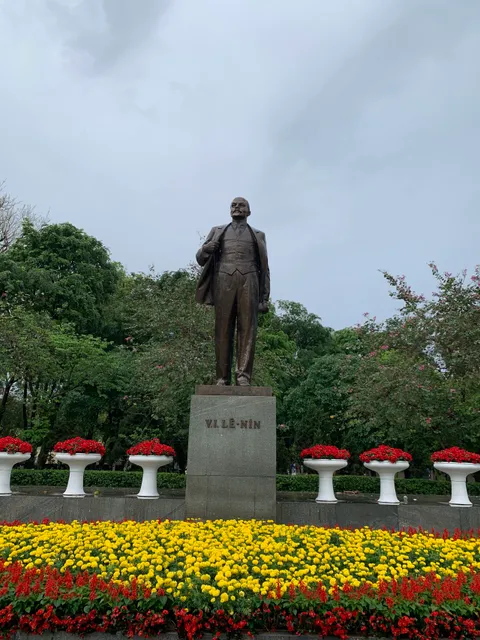
Statue of Lenin
4.5
(428)
Open 24 hours
Click for details
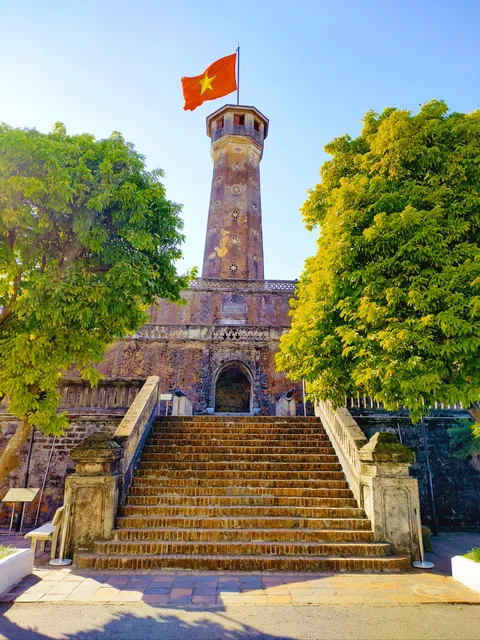
Hanoi Flagtower
4.5
(1.1K)
Open until 5:00 PM
Click for details
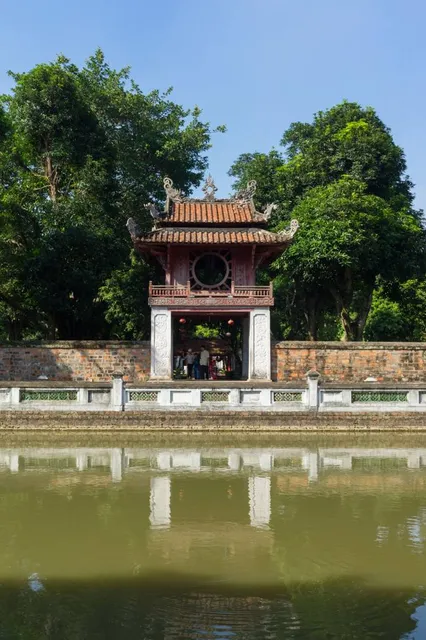
Khue Van Cac
4.6
(206)
Open until 5:00 PM
Click for details
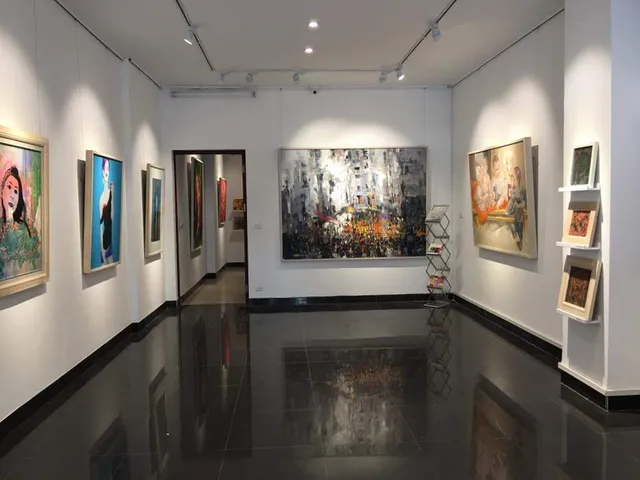
Nguyen Art Gallery
4.7
(84)
Closed
Click for details
Nearby restaurants of Vietnam National Fine Arts Museum
Salmonoid
Pincho - Tapas Kitchen and Drinks
Lê Art Cafe Wine Bistro
Kei korean restaurant
Café Goethe
Papa's Dessert & Cafe
PHỞ GÀ VM17
Cà phê Hai Bốn - Văn Miếu
yumMI - The Boutique Noodle House
Tầm vị
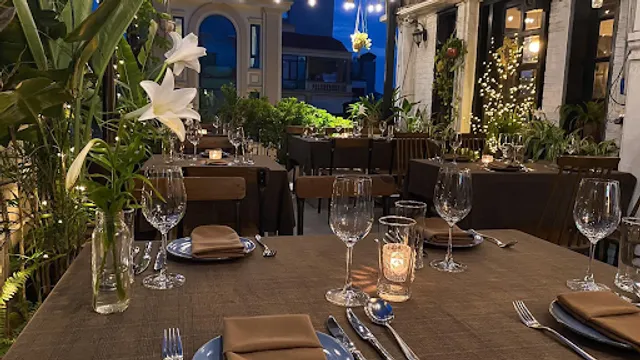
Salmonoid
4.8
(1.3K)
$$$
Closed
Click for details
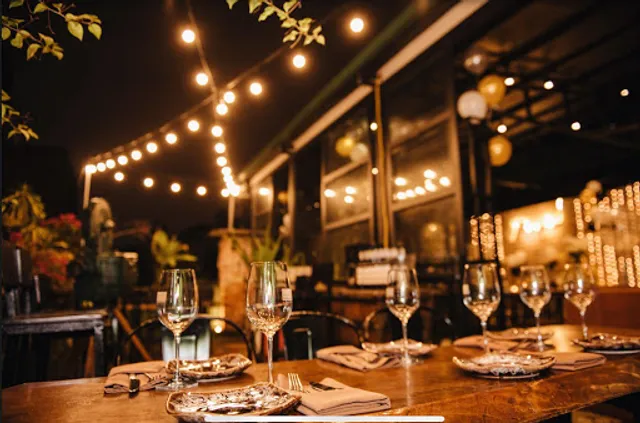
Pincho - Tapas Kitchen and Drinks
4.8
(986)
$$
Closed
Click for details
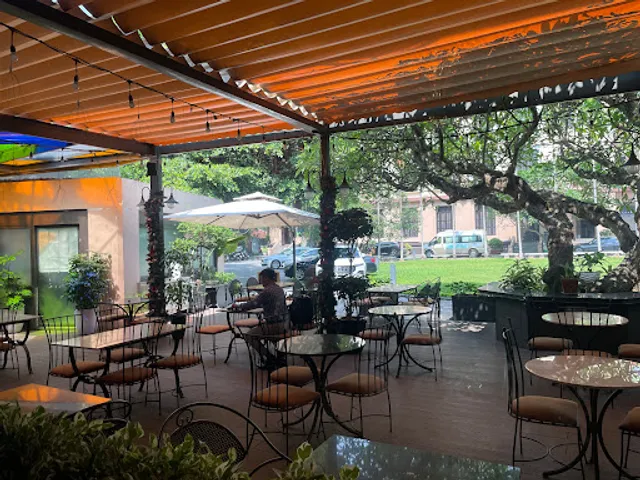
Lê Art Cafe Wine Bistro
3.9
(71)
Open until 10:00 PM
Click for details
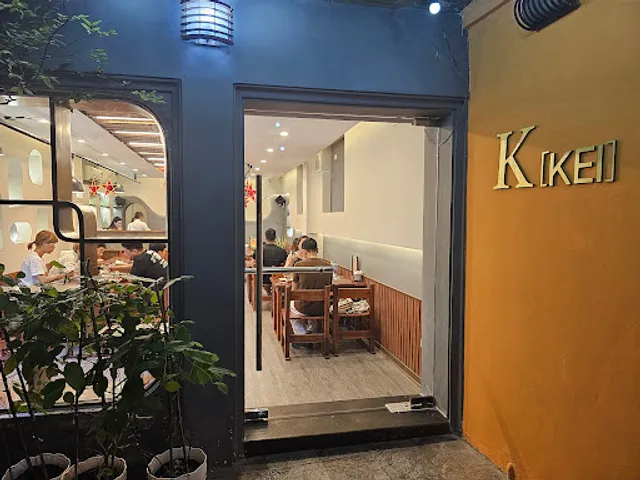
Kei korean restaurant
4.2
(114)
Closed
Click for details
Nearby local services of Vietnam National Fine Arts Museum
Đại Trung Môn
Bóc giấy ép uy tín hà nội
Temple Of Literature
Quảng trường Ba Đình
Essencia Spa
Trust Spa - Massage
Xuami Spa
DaNi Spa
Hồ Giám
Soleil Spa Hanoi
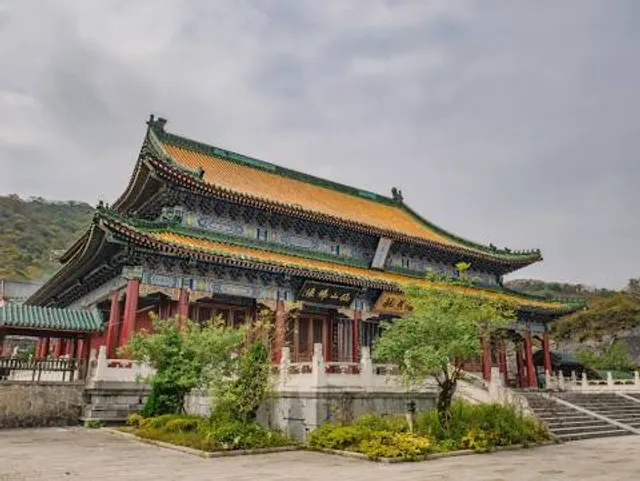
Đại Trung Môn
4.6
(36)
Click for details
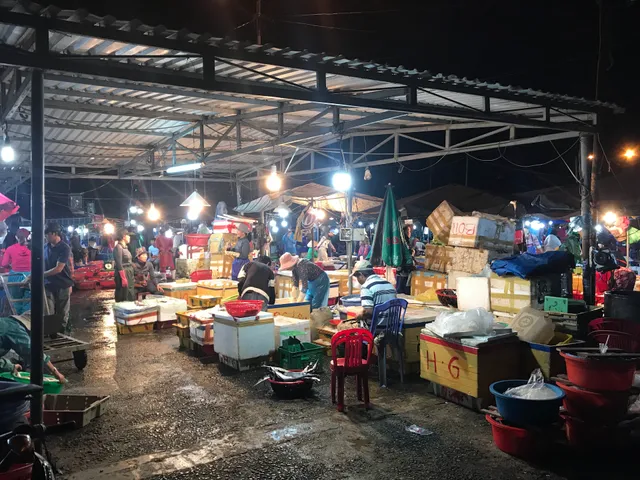
Bóc giấy ép uy tín hà nội
4.4
(790)
Click for details
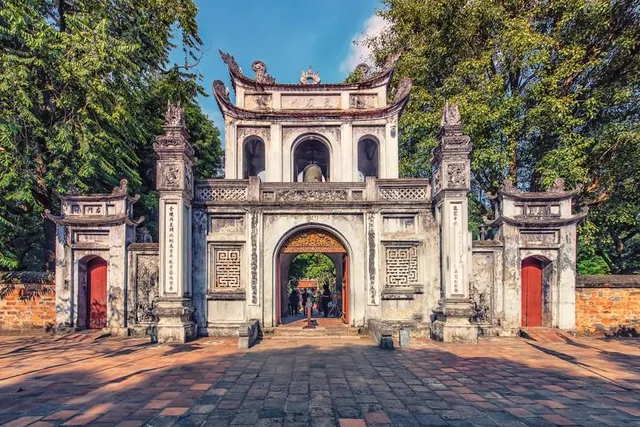
Temple Of Literature
4.6
(61)
Click for details
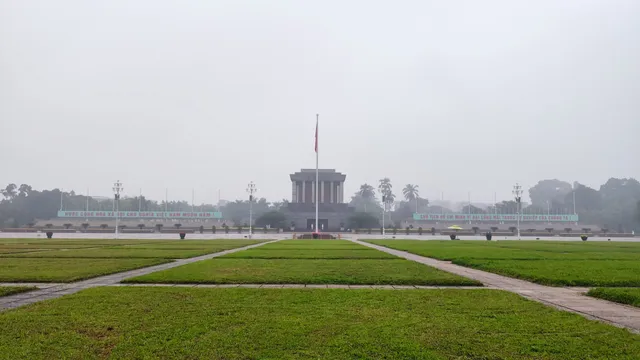
Quảng trường Ba Đình
4.6
(2.6K)
Click for details