HTML SitemapExplore

Chùa Cầu — Attraction in Hội An

Name
Chùa Cầu
Description
Nearby attractions
Chùa Cầu
Nguyễn Thị Minh Khai, Phường Minh An, Hội An, Quảng Nam 564010, Vietnam
Hội An Night Market
Nguyễn Hoàng, Phường Minh An, Hội An, Quảng Nam, Vietnam
The Old House of Phung Hung
4 Nguyễn Thị Minh Khai, Phường Minh An, Hội An, Quảng Nam, Vietnam
Hoi An ancient town
Nguyễn Tri Phương, Cẩm Nam, Hội An, Đà Nẵng, Vietnam
HAHA - Art In Everything
155 Trần Phú, Phường Minh An, Hội An, Quảng Nam, Vietnam
Old House of Tan Ky
101 Nguyễn Thái Học, Phường Minh An, Hội An, Quảng Nam, Vietnam
Chùa Pháp Bảo
V8HG+CPQ, Đ. Phan Chu Trinh, Phường Minh An, Hội An, Quảng Nam, Vietnam
Đình Cẩm Phô
52 Nguyễn Thị Minh Khai, Phường Minh An, Hội An, Quảng Nam, Vietnam
Museum of Folk Culture
33 Nguyễn Thái Học, Phường Minh An, Hội An, Quảng Nam, Vietnam
Hoi An Traditional Art Performance House
66 Đ. Bạch Đằng, Old Town, Hội An, Quảng Nam, Vietnam
Nearby restaurants
All Day Bánh Mì - Serving History in Every Bite - Hoi An
25 Công Nữ Ngọc Hoa, Phường Minh An, Hội An, Quảng Nam, Vietnam
Nữ Eatery
10A Nguyễn Thị Minh Khai, Phường Minh An, Hội An, Quảng Nam, Vietnam
POISON CAFÉ - The Original Herbal Coffee Lounge
7 Nguyễn Thị Minh Khai, Phường Minh An, Hội An, Quảng Nam, Vietnam
Hoian som & Bingsu
182 Trần Phú, Phường Minh An, Hội An, Quảng Nam, Vietnam
Baba's Kitchen Indian Restaurant - Hoian
115 Đ. Phan Chu Trinh, Phường Minh An, Hội An, Quảng Nam, Vietnam
188 Hoa Vang Restaurant
188A/5, Trần Phú, Phường Minh An, Hội An, Quảng Nam 51000, Vietnam
MẸT Hội An - Vietnamese restaurant & Vegetarian Food MET 10
47 Nguyễn Phúc Chu, Phường Minh An, Hội An, Quảng Nam 560000, Vietnam
MAAZI Hoi An
132A Nguyễn Thái Học, Old Town, Hội An, Quảng Nam 560000, Vietnam
Mê Hội An Rooftop Coffee & Kitchen
166 Trần Phú, Phường Minh An, Hội An, Quảng Nam 560000, Vietnam
Morning Glory Original
106 Nguyễn Thái Học, Phường, Hội An, Đà Nẵng, Vietnam
Nearby local services
Cantonese Assembly Hall
176 Trần Phú, Phường Minh An, Hội An, Quảng Nam, Vietnam
The Center for Culture and Sports of Hoi An city
01 Đường Cao Hồng Lãnh, st, Hội An, Quảng Nam 560000, Vietnam
My Grandma's Home Cooking
61 Ngo Quyen, Islet, An Hội, Tp. Hội An, Quảng Nam, Vietnam
Tran Family Chapel
21 Lê Lợi, Phường Minh An, Hội An, Quảng Nam, Vietnam
The Timing Masks
58/7 Lê Lợi, Old Town, Hội An, Quảng Nam, Vietnam
Co May Tailor Hoi An
55 Đ. Phan Chu Trinh, Phường Minh An, Hội An, Quảng Nam 51300, Vietnam
Cầu Quảng Trường
V8GF+J65, Cao Hồng Lãnh VN, Hội An, Vietnam
Eat Hoi An
37 Đ. Phan Chu Trinh, Phường Minh An, Hội An, Quảng Nam 560000, Vietnam
Đài Kỷ Niệm Danh Nhân Chí Sĩ Quảng Nam
121 Trần Hưng Đạo, Phường Cẩm Phổ, Hội An, Quảng Nam, Vietnam
Sen Tailor Hoi An
04 Nguyễn Thái Học, Old Town, Hội An, Quảng Nam, Vietnam
Nearby hotels
The Imperfect Downtown Hostel
50A Nguyễn Phúc Tần, Phường Minh An, Hội An, Quảng Nam 51300, Vietnam
The Signature Hoi An
21 La Hối, Phường, Hội An, Đà Nẵng 51309, Vietnam
Hoi An Golden River Hotel & Restaurant
4 Nguyen Phuc Nguyen, An Hội, Hội An, Quảng Nam, Vietnam
Homestay Lan Uyên
25 Nguyễn Phúc Tần, Phường Minh An, Hội An, Quảng Nam 563800, Vietnam
Vinh Hung Riverside Resort & Spa
111 Ngô Quyền, Phường Minh An, Hội An, Quảng Nam, Vietnam
Green Sand Homestay
26A La Hối, Phường Minh An, Hội An, Quảng Nam 560000, Vietnam
Nu Ni Homestay
131/12 Trần Hưng Đạo, Phường Minh An, Hội An, Quảng Nam, Vietnam
Homestay May Trang
38-40 Lưu Qúy Kỳ, An Hội, Hội An, Quảng Nam, Vietnam
Cosy House Homestay
22 La Hối, Phường Minh An, Hội An, Quảng Nam, Vietnam
Nam Hội Homestay
71 Nguyễn Phúc Tần, Phường Minh An, Hội An, Quảng Nam 560000, Vietnam
Related posts
Keywords
Chùa Cầu tourism.Chùa Cầu hotels.Chùa Cầu bed and breakfast. flights to Chùa Cầu.Chùa Cầu attractions.Chùa Cầu restaurants.Chùa Cầu local services.Chùa Cầu travel.Chùa Cầu travel guide.Chùa Cầu travel blog.Chùa Cầu pictures.Chùa Cầu photos.Chùa Cầu travel tips.Chùa Cầu maps.Chùa Cầu things to do.
Chùa Cầu things to do, attractions, restaurants, events info and trip planning
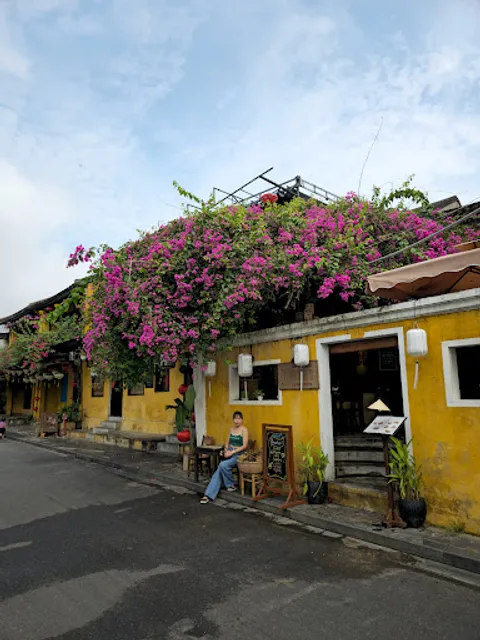
Chùa Cầu
VietnamQuảng Nam ProvinceHội AnChùa Cầu

Basic Info

Chùa Cầu

Nguyễn Thị Minh Khai, Phường Minh An, Hội An, Quảng Nam 564010, Vietnam
4.3(10.4K)
Closed
ticket
ticket
Get
tickets
Save
spot

Ratings & Description

Info

Cultural
Scenic
Outdoor
Family friendly
attractions: Chùa Cầu, Hội An Night Market, The Old House of Phung Hung, Hoi An ancient town, HAHA - Art In Everything, Old House of Tan Ky, Chùa Pháp Bảo, Đình Cẩm Phô, Museum of Folk Culture, Hoi An Traditional Art Performance House, restaurants: All Day Bánh Mì - Serving History in Every Bite - Hoi An, Nữ Eatery, POISON CAFÉ - The Original Herbal Coffee Lounge, Hoian som & Bingsu, Baba's Kitchen Indian Restaurant - Hoian, 188 Hoa Vang Restaurant, MẸT Hội An - Vietnamese restaurant & Vegetarian Food MET 10, MAAZI Hoi An, Mê Hội An Rooftop Coffee & Kitchen, Morning Glory Original, local businesses: Cantonese Assembly Hall, The Center for Culture and Sports of Hoi An city, My Grandma's Home Cooking, Tran Family Chapel, The Timing Masks, Co May Tailor Hoi An, Cầu Quảng Trường, Eat Hoi An, Đài Kỷ Niệm Danh Nhân Chí Sĩ Quảng Nam, Sen Tailor Hoi An

logoLearn more insights from Wanderboat AI.
Website
klook.com
Open hoursSee all hours
Thu9 AM - 10 PMClosed

Plan your stay

hotel
Pet-friendly Hotels in Hội An
Find a cozy hotel nearby and make it a full experience.

hotel
Affordable Hotels in Hội An
Find a cozy hotel nearby and make it a full experience.

hotel
The Coolest Hotels You Haven't Heard Of (Yet)
Find a cozy hotel nearby and make it a full experience.

hotel
Trending Stays Worth the Hype in Hội An
Find a cozy hotel nearby and make it a full experience.

Reviews

Live events
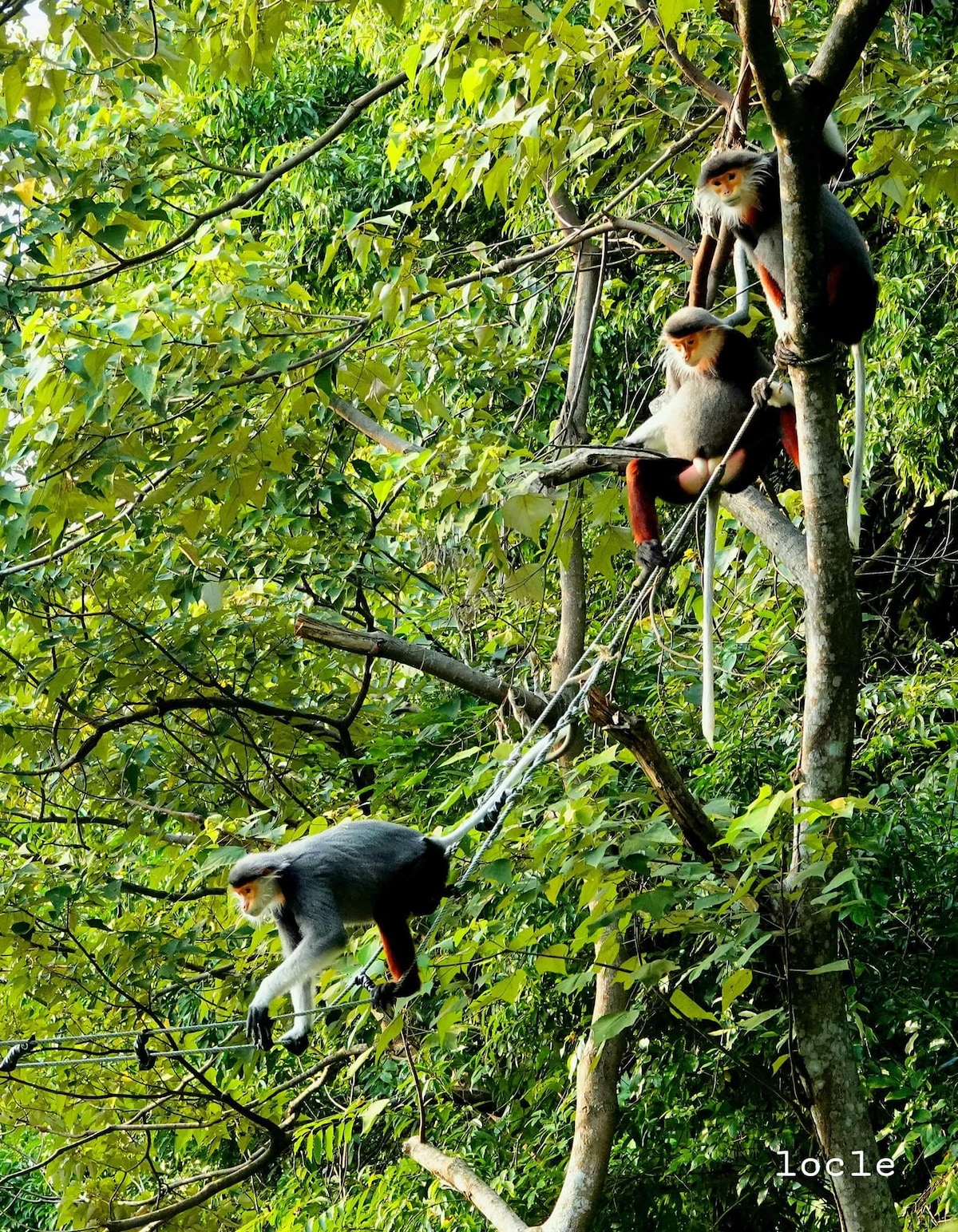
Da Nang endangered wildlife safari
Thu, Feb 26 • 7:30 AM
Sơn Trà, Đà Nẵng, 550000, Vietnam
View details
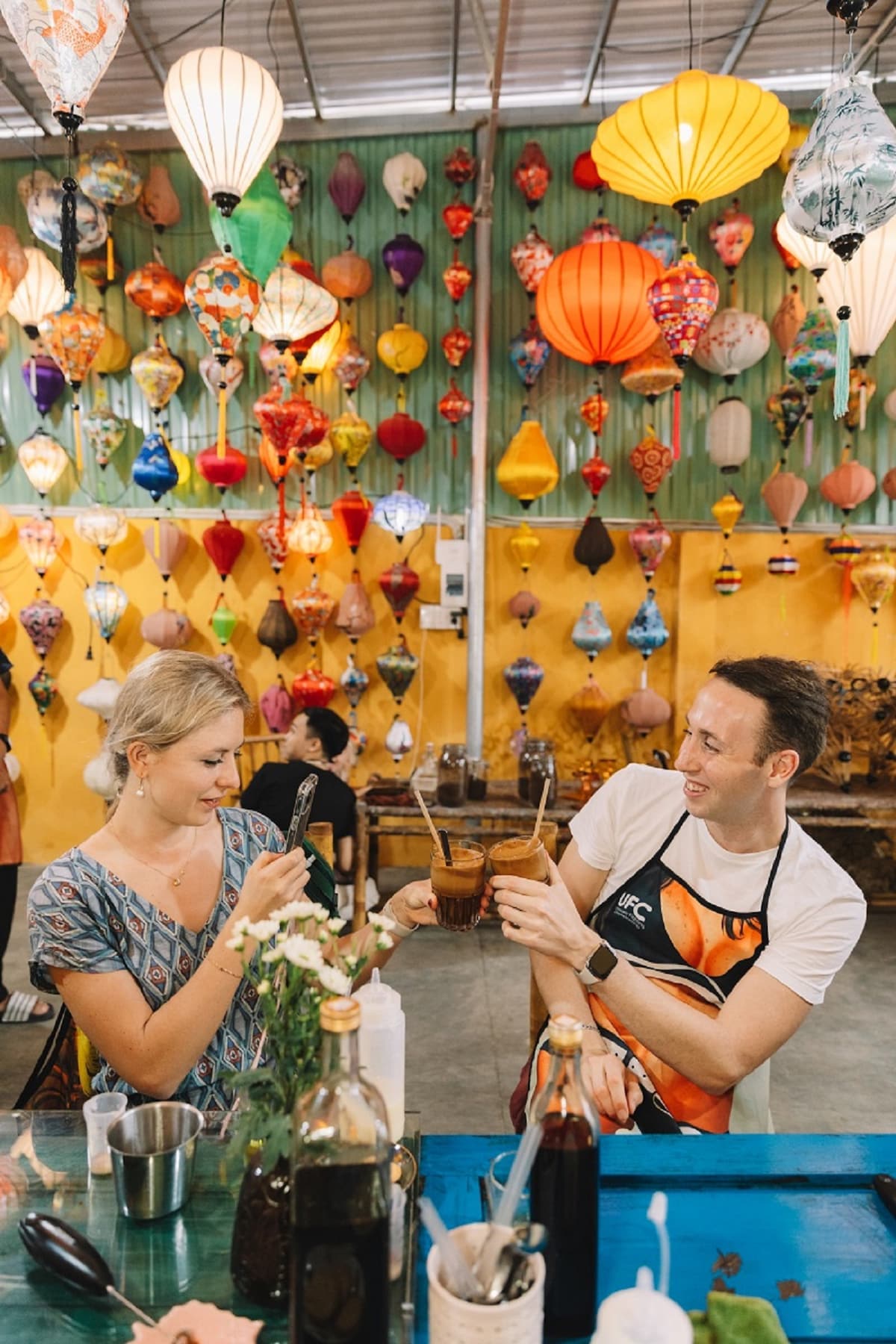
Vietnamese culture and coffee making class
Thu, Feb 26 • 10:00 AM
Hội An, Quảng Nam, 56000, Vietnam
View details
Traditional lantern class in Old Town
Thu, Feb 26 • 9:00 AM
Hội An, Quảng Nam, Vietnam
View details

Nearby attractions of Chùa Cầu

Chùa Cầu

Hội An Night Market

The Old House of Phung Hung

Hoi An ancient town

HAHA - Art In Everything

Old House of Tan Ky

Chùa Pháp Bảo

Đình Cẩm Phô

Museum of Folk Culture

Hoi An Traditional Art Performance House
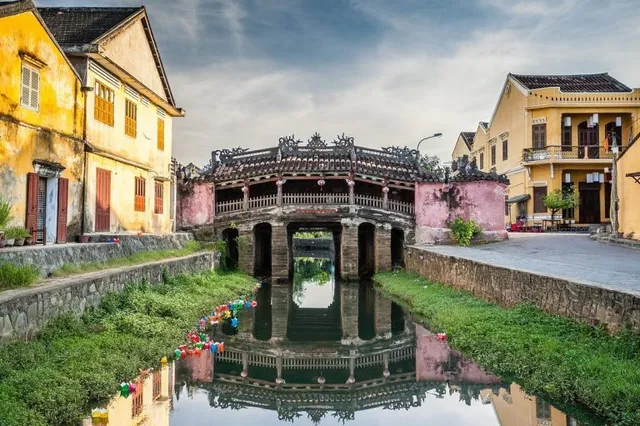
Chùa Cầu

Chùa Cầu

4.3

(10.7K)

Closed
Click for details
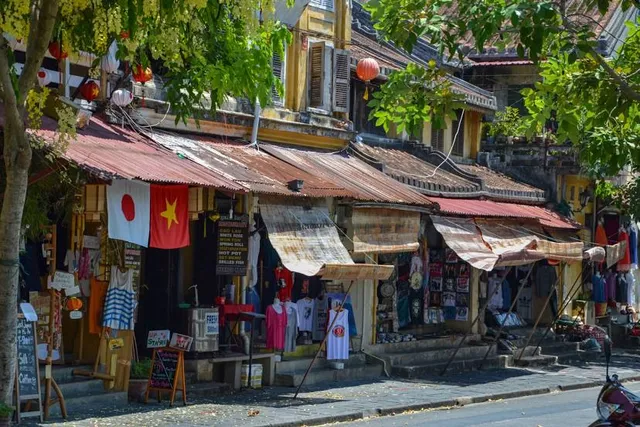
Hội An Night Market

Hội An Night Market

4.4

(12.1K)

Closed
Click for details
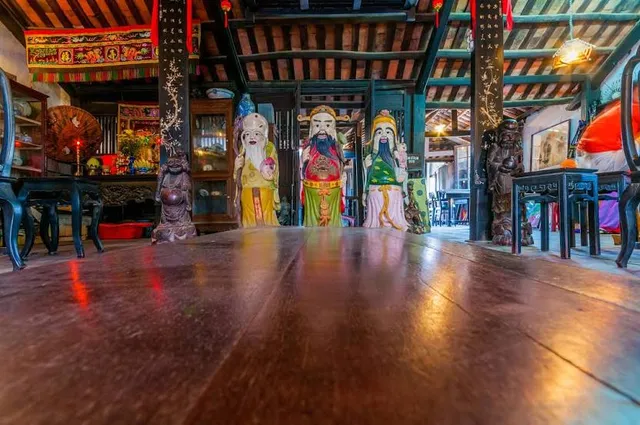
The Old House of Phung Hung

The Old House of Phung Hung

3.6

(310)

Closed
Click for details
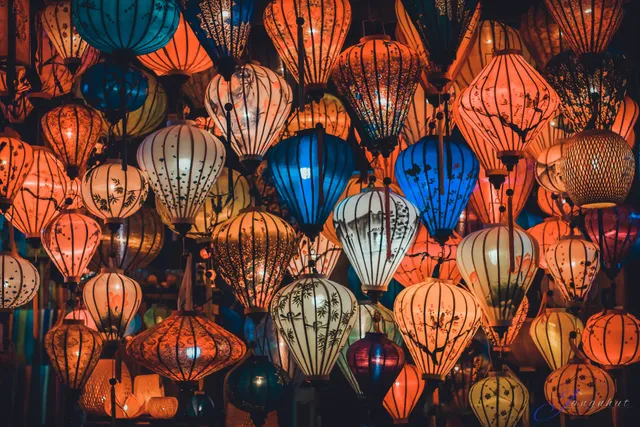
Hoi An ancient town

Hoi An ancient town

4.7

(226)

Closed
Click for details

Nearby restaurants of Chùa Cầu

All Day Bánh Mì - Serving History in Every Bite - Hoi An

Nữ Eatery

POISON CAFÉ - The Original Herbal Coffee Lounge

Hoian som & Bingsu

Baba's Kitchen Indian Restaurant - Hoian

188 Hoa Vang Restaurant

MẸT Hội An - Vietnamese restaurant & Vegetarian Food MET 10

MAAZI Hoi An

Mê Hội An Rooftop Coffee & Kitchen

Morning Glory Original
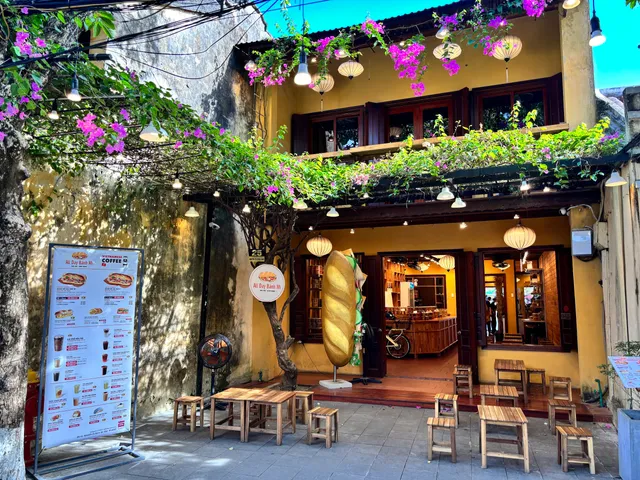
All Day Bánh Mì - Serving History in Every Bite - Hoi An

All Day Bánh Mì - Serving History in Every Bite - Hoi An

4.9

(2.3K)

Closed
Click for details
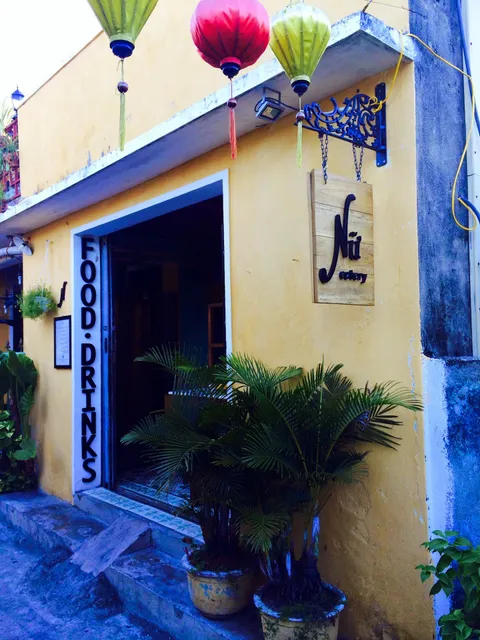
Nữ Eatery

Nữ Eatery

4.6

(1.1K)

Closed
Click for details
POISON CAFÉ - The Original Herbal Coffee Lounge

POISON CAFÉ - The Original Herbal Coffee Lounge

4.8

(746)

Closed
Click for details
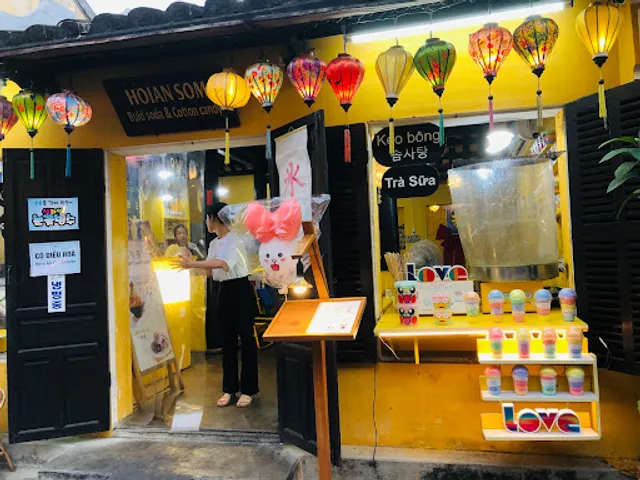
Hoian som & Bingsu

Hoian som & Bingsu

4.7

(560)

Closed
Click for details

Nearby local services of Chùa Cầu

Cantonese Assembly Hall

The Center for Culture and Sports of Hoi An city

My Grandma's Home Cooking

Tran Family Chapel

The Timing Masks

Co May Tailor Hoi An

Cầu Quảng Trường

Eat Hoi An

Đài Kỷ Niệm Danh Nhân Chí Sĩ Quảng Nam

Sen Tailor Hoi An
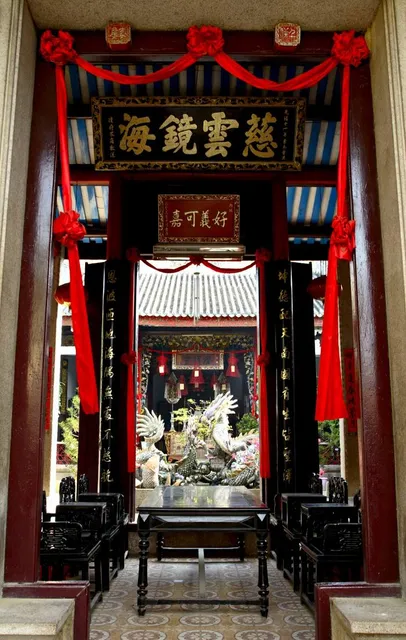
Cantonese Assembly Hall

Cantonese Assembly Hall

4.4

(100)

Click for details
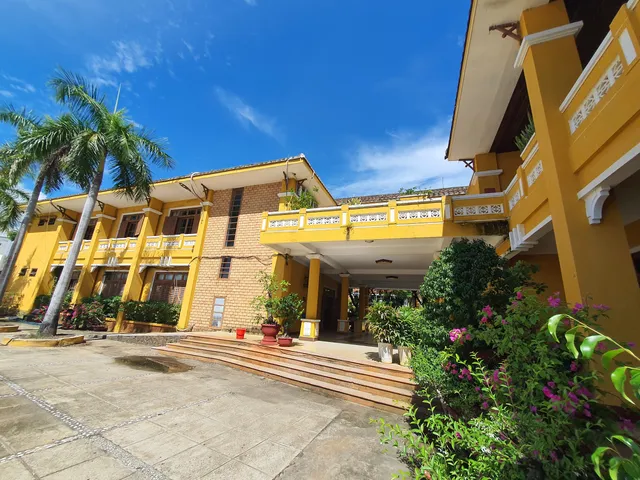
The Center for Culture and Sports of Hoi An city

The Center for Culture and Sports of Hoi An city

4.0

(68)

Click for details
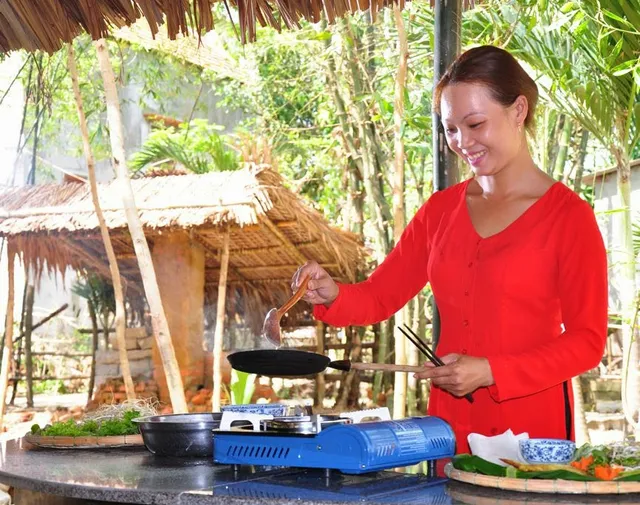
My Grandma's Home Cooking

My Grandma's Home Cooking

4.9

(56)

Click for details
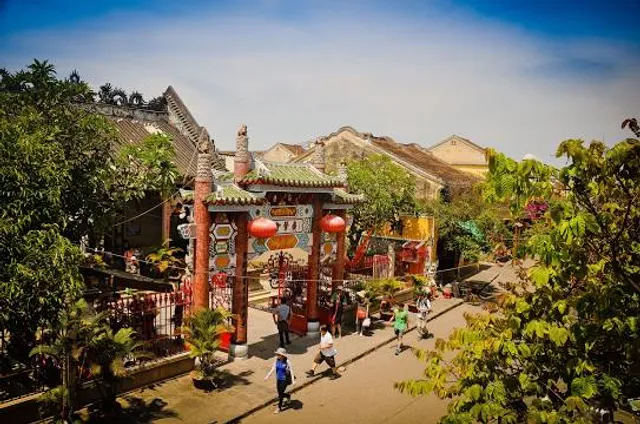
Tran Family Chapel

Tran Family Chapel

3.7

(123)

Click for details

Get the Appoverlay
Get the AppOne tap to find yournext favorite spots!
Wanderboat LogoWanderboat

Your everyday Al companion for getaway ideas

CompanyAbout Us
InformationAI Trip PlannerSitemap
SocialXInstagramTiktokLinkedin
LegalTerms of ServicePrivacy Policy

Get the app

© 2025 Wanderboat. All rights reserved.

Reviews of Chùa Cầu

4.3
(10,447)
avatar
5.0
33w

The Japanese Bridge, located in Hoi An Ancient Town, a UNESCO World Heritage Site, is one of the most fascinating cultural attractions in Vietnam. Built in the 17th century, this monument has witnessed many changes in the town. If you come to Hoi An, it is a must-visit.

The Japanese Bridge is called Chua Cau Bridge in Vietnamese. It was built by Japanese merchants to connect with the Chinese neighborhood. It was built for communication and connections and has a very important meaning.

The Japanese Bridge in Hoi An is considered a beautiful representation of the town’s long history. For centuries, this bridge has connected the past, present, and future.

In 1719, Lord Nguyen Phuc Chu visited Hoi An and inscribed the name “Lai Vien Kieu” in three characters at the entrance of the bridge.

This means “Lai Vien Kieu” in Vietnamese and “Bridge to Welcome Guests from Far Away” in English.

Also, because this tower was mainly built by the Japanese, it was named the "Japanese Bridge" or "Japanese Covered Bridge." Although it is commonly called the "Japanese Bridge," it is a unique combination of Vietnamese, Japanese, and Chinese cultures in terms of building materials, design, patterns, and decorations.

On February 17, 1990, this bridge was designated as a national historic and cultural heritage. There are a dog and a monkey at the entrance and exit of the bridge, respectively. These two statues symbolize the guardian deities of the bridge, as they symbolize protection and safety in Japanese culture. It is also said that these two statues mean that the construction began in the Year of the Monkey and was completed in the Year of the Dog.

Various cafes and restaurants have been built on both sides of the street centered around the Japanese Bridge, utilizing old and quaint houses. The old cultural heritage of Hoi An (UNESCO World Heritage) and the appearance of the ancient city still remain along the street. There are many unique cafes and restaurants here. There are also many shops selling traditional specialties, handmade products, and souvenirs on the street. And there are various galleries of various genres gathered here. This street was also a place where trade between Vietnam and Japan was active in the 17th century. It is a place with many things to see, so I recommend you visit.

Unlike the daytime, the nighttime scenery is also...

   Read more
avatar
5.0
1y

The Chùa Cầu, or Japanese Covered Bridge, is undoubtedly one of Hoi An's most iconic landmarks and a masterpiece of cultural heritage. Visiting this historic bridge was a profound experience that allowed us to connect with the town’s rich history and vibrant culture.

Built in the late 16th century by the Japanese community residing in Hoi An, the bridge was constructed to link the Japanese and Chinese quarters of the town, symbolizing unity and cultural harmony. Its architectural beauty is both simple and elegant, showcasing a fusion of Japanese, Chinese, and Vietnamese influences. The arched wooden structure, with its intricate carvings and tiled roof, stands as a testament to the craftsmanship and artistic traditions of the past.

A unique feature of Chùa Cầu is the small temple located at its center, dedicated to the deity Tran Vo Bac De, who is believed to protect the bridge and town from floods and other misfortunes. This spiritual element adds a layer of significance to the bridge, making it not just a functional structure but also a sacred space.

Chùa Cầu holds immense importance for Hoi An, both historically and culturally. It represents the town’s era of prosperity as a bustling international trading port and the harmonious coexistence of diverse communities. Over the centuries, it has become a symbol of resilience and unity, surviving the tests of time and remaining a central figure in the town’s identity.

Strolling across the bridge, we couldn’t help but admire its timeless beauty and the stories it embodies. It was a humbling reminder of the interconnectedness of cultures and the importance of preserving historical treasures. Visiting Chùa Cầu is a must for anyone exploring Hoi An, as it captures the essence of this UNESCO World Heritage...

   Read more
avatar
5.0
47w

Japanese Covered Bridge / Japanese Covered Bridge Hoi An

The Japanese Covered Bridge, known locally as Chùa Cầu, is a historic landmark in Hoi An, Vietnam, with a rich history spanning over four centuries. Constructed in 1593 by Japanese merchants, the bridge was built to connect the Japanese and Chinese quarters of the town, symbolizing the harmonious relationship between these communities. In 1653, a small temple was added atop the bridge, dedicated to the weather deity Tran Vo Bac De, reflecting the cultural integration of Japanese, Chinese, and Vietnamese influences over time.

Between December 2022 and July 2024, the bridge underwent significant restoration due to structural deterioration, including cracks in its foundations and pillars. The restoration project, funded by the Hoi An People's Committee with an investment exceeding VND 20 billion, aimed to preserve the bridge's architectural integrity. However, the initial repainting with brighter colors drew criticism from residents and tourists for not aligning with the bridge's historical aesthetic. In response, authorities ordered a second repainting to restore its traditional appearance.

Visitors can access the Japanese Covered Bridge via Nguyen Thi Minh Khai Street in Hoi An's Ancient Town. While crossing the bridge is free, entry to the temple requires a ticket. The entrance fee is 150,000 VND for international visitors and 80,000 VND for Vietnamese visitors, which includes access to five monuments within the Ancient Town. It's advisable to retain your ticket throughout your visit, as it grants entry to multiple historical sites.

The Japanese Covered Bridge stands as a testament to Hoi An's multicultural heritage and remains a must-visit destination for those exploring the...

   Read more
Page 1 of 7
Previous
Next

Posts

Volkan SakaryaVolkan Sakarya
The Chùa Cầu, or Japanese Covered Bridge, is undoubtedly one of Hoi An's most iconic landmarks and a masterpiece of cultural heritage. Visiting this historic bridge was a profound experience that allowed us to connect with the town’s rich history and vibrant culture. Built in the late 16th century by the Japanese community residing in Hoi An, the bridge was constructed to link the Japanese and Chinese quarters of the town, symbolizing unity and cultural harmony. Its architectural beauty is both simple and elegant, showcasing a fusion of Japanese, Chinese, and Vietnamese influences. The arched wooden structure, with its intricate carvings and tiled roof, stands as a testament to the craftsmanship and artistic traditions of the past. A unique feature of Chùa Cầu is the small temple located at its center, dedicated to the deity Tran Vo Bac De, who is believed to protect the bridge and town from floods and other misfortunes. This spiritual element adds a layer of significance to the bridge, making it not just a functional structure but also a sacred space. Chùa Cầu holds immense importance for Hoi An, both historically and culturally. It represents the town’s era of prosperity as a bustling international trading port and the harmonious coexistence of diverse communities. Over the centuries, it has become a symbol of resilience and unity, surviving the tests of time and remaining a central figure in the town’s identity. Strolling across the bridge, we couldn’t help but admire its timeless beauty and the stories it embodies. It was a humbling reminder of the interconnectedness of cultures and the importance of preserving historical treasures. Visiting Chùa Cầu is a must for anyone exploring Hoi An, as it captures the essence of this UNESCO World Heritage Site perfectly.
Your browser does not support the video tag.
Russ LacuataRuss Lacuata
The Hoi An Covered Bridge is known a the tourist symbol of the Old Town. One of the highlights on Hoi An tourism with its quiet street scenery. The pagoda is designed with wood imbued with Japanese style with a graceful roof and the foundation is made of stone pillars.
Manoj JadhavManoj Jadhav
Japanese Covered Bridge / Japanese Covered Bridge Hoi An The Japanese Covered Bridge, known locally as Chùa Cầu, is a historic landmark in Hoi An, Vietnam, with a rich history spanning over four centuries. Constructed in 1593 by Japanese merchants, the bridge was built to connect the Japanese and Chinese quarters of the town, symbolizing the harmonious relationship between these communities. In 1653, a small temple was added atop the bridge, dedicated to the weather deity Tran Vo Bac De, reflecting the cultural integration of Japanese, Chinese, and Vietnamese influences over time. Between December 2022 and July 2024, the bridge underwent significant restoration due to structural deterioration, including cracks in its foundations and pillars. The restoration project, funded by the Hoi An People's Committee with an investment exceeding VND 20 billion, aimed to preserve the bridge's architectural integrity. However, the initial repainting with brighter colors drew criticism from residents and tourists for not aligning with the bridge's historical aesthetic. In response, authorities ordered a second repainting to restore its traditional appearance. Visitors can access the Japanese Covered Bridge via Nguyen Thi Minh Khai Street in Hoi An's Ancient Town. While crossing the bridge is free, entry to the temple requires a ticket. The entrance fee is 150,000 VND for international visitors and 80,000 VND for Vietnamese visitors, which includes access to five monuments within the Ancient Town. It's advisable to retain your ticket throughout your visit, as it grants entry to multiple historical sites. The Japanese Covered Bridge stands as a testament to Hoi An's multicultural heritage and remains a must-visit destination for those exploring the Ancient Town.
See more posts
See more posts
hotel
Find your stay

Pet-friendly Hotels in Hội An

Find a cozy hotel nearby and make it a full experience.

The Chùa Cầu, or Japanese Covered Bridge, is undoubtedly one of Hoi An's most iconic landmarks and a masterpiece of cultural heritage. Visiting this historic bridge was a profound experience that allowed us to connect with the town’s rich history and vibrant culture. Built in the late 16th century by the Japanese community residing in Hoi An, the bridge was constructed to link the Japanese and Chinese quarters of the town, symbolizing unity and cultural harmony. Its architectural beauty is both simple and elegant, showcasing a fusion of Japanese, Chinese, and Vietnamese influences. The arched wooden structure, with its intricate carvings and tiled roof, stands as a testament to the craftsmanship and artistic traditions of the past. A unique feature of Chùa Cầu is the small temple located at its center, dedicated to the deity Tran Vo Bac De, who is believed to protect the bridge and town from floods and other misfortunes. This spiritual element adds a layer of significance to the bridge, making it not just a functional structure but also a sacred space. Chùa Cầu holds immense importance for Hoi An, both historically and culturally. It represents the town’s era of prosperity as a bustling international trading port and the harmonious coexistence of diverse communities. Over the centuries, it has become a symbol of resilience and unity, surviving the tests of time and remaining a central figure in the town’s identity. Strolling across the bridge, we couldn’t help but admire its timeless beauty and the stories it embodies. It was a humbling reminder of the interconnectedness of cultures and the importance of preserving historical treasures. Visiting Chùa Cầu is a must for anyone exploring Hoi An, as it captures the essence of this UNESCO World Heritage Site perfectly.
Volkan Sakarya

Volkan Sakarya

hotel
Find your stay

Affordable Hotels in Hội An

Find a cozy hotel nearby and make it a full experience.

Get the Appoverlay
Get the AppOne tap to find yournext favorite spots!
The Hoi An Covered Bridge is known a the tourist symbol of the Old Town. One of the highlights on Hoi An tourism with its quiet street scenery. The pagoda is designed with wood imbued with Japanese style with a graceful roof and the foundation is made of stone pillars.
Russ Lacuata

Russ Lacuata

hotel
Find your stay

The Coolest Hotels You Haven't Heard Of (Yet)

Find a cozy hotel nearby and make it a full experience.

hotel
Find your stay

Trending Stays Worth the Hype in Hội An

Find a cozy hotel nearby and make it a full experience.

Japanese Covered Bridge / Japanese Covered Bridge Hoi An The Japanese Covered Bridge, known locally as Chùa Cầu, is a historic landmark in Hoi An, Vietnam, with a rich history spanning over four centuries. Constructed in 1593 by Japanese merchants, the bridge was built to connect the Japanese and Chinese quarters of the town, symbolizing the harmonious relationship between these communities. In 1653, a small temple was added atop the bridge, dedicated to the weather deity Tran Vo Bac De, reflecting the cultural integration of Japanese, Chinese, and Vietnamese influences over time. Between December 2022 and July 2024, the bridge underwent significant restoration due to structural deterioration, including cracks in its foundations and pillars. The restoration project, funded by the Hoi An People's Committee with an investment exceeding VND 20 billion, aimed to preserve the bridge's architectural integrity. However, the initial repainting with brighter colors drew criticism from residents and tourists for not aligning with the bridge's historical aesthetic. In response, authorities ordered a second repainting to restore its traditional appearance. Visitors can access the Japanese Covered Bridge via Nguyen Thi Minh Khai Street in Hoi An's Ancient Town. While crossing the bridge is free, entry to the temple requires a ticket. The entrance fee is 150,000 VND for international visitors and 80,000 VND for Vietnamese visitors, which includes access to five monuments within the Ancient Town. It's advisable to retain your ticket throughout your visit, as it grants entry to multiple historical sites. The Japanese Covered Bridge stands as a testament to Hoi An's multicultural heritage and remains a must-visit destination for those exploring the Ancient Town.
Manoj Jadhav

Manoj Jadhav

See more posts
See more posts

