HTML SitemapExplore
logo
Find Things to DoFind The Best Restaurants

Nine Dynastic Urns — Attraction in Hue City

Name
Nine Dynastic Urns
Description
Nearby attractions
Hien Lam Pavilion
FH8G+MRG, Hai Mươi Ba Tháng Tám, Phú Hậu, Huế, Thành phố Huế, Vietnam
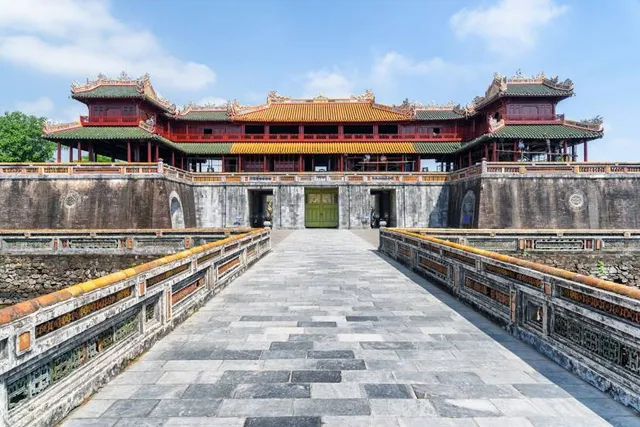
Meridian Gate
FH9H+3MF, Phú Hậu, Huế, Thành phố Huế, Vietnam
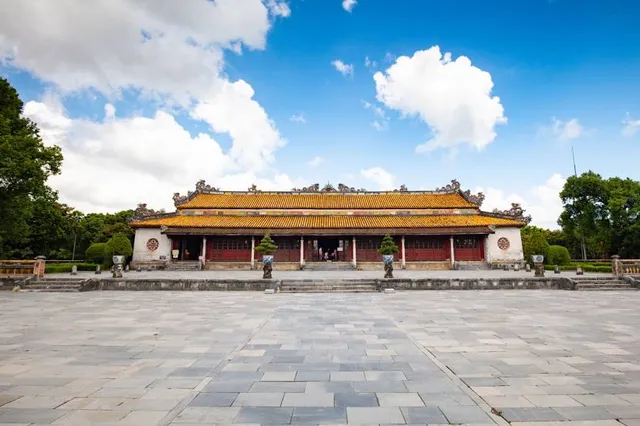
Thái Hòa Palace
Điện Thái Hòa, Hai Mươi Ba Tháng Tám, Phú Hậu, Huế, Thành phố Huế, Vietnam
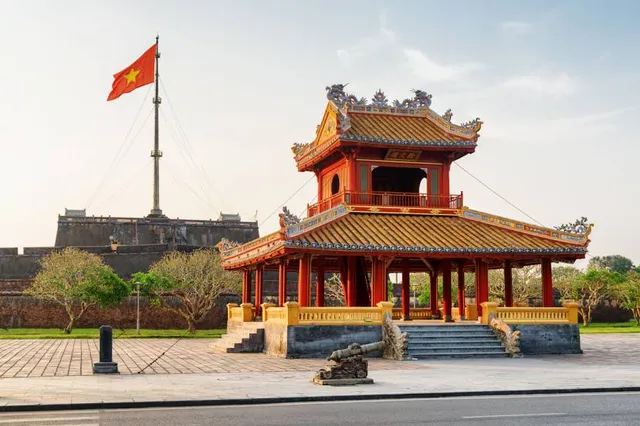
Phu Van Lau
FH8J+59V, Lê Duẩn, Phú Thuân, Huế, Thành phố Huế, Vietnam
Can Chanh Palace
FH9H+9CQ, Cửa Ngăn, Phú Hậu, Huế, Thành phố Huế, Vietnam
Duyet Thi Duong Royal Theater
FHCH+4C6, Đoàn Thị Điểm, Phú Hậu, Huế, Thành phố Huế, Vietnam
The Flag Tower
FH8J+F26 Imperial City, Thuận Hoà, Huế, Thành phố Huế, Vietnam
Kiến Trung Palace
32 Đặng Thái Thân, Phú Hậu, Huế, Thành phố Huế, Vietnam
Thai Binh Pavilion
FHCH+73Q, Đoàn Thị Điểm, Phú Hậu, Huế, Thành phố Huế, Vietnam
Thiệu Phương Garden
FHCH+C82, Đoàn Thị Điểm, Phú Hậu, Huế, Thành phố Huế, Vietnam
Nearby restaurants
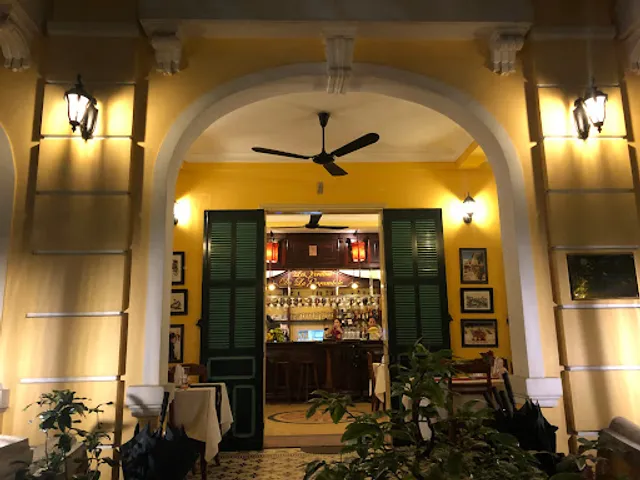
Les Jardins de la Carambole
32 Đặng Trần Côn, Thuận Hoà, Huế, Thành phố Huế, Vietnam
Anchay-The Garden Cafe & Vegetarian food
47B Trần Nguyên Hãn, Thuận Hoà, Huế, Thành phố Huế 53000, Vietnam
Bánh Canh Bà Đợi
69 Nguyễn Trãi, Thuận Hoà, Huế, Thành phố Huế, Vietnam
LẨU PHỐ
14 Nguyễn Trãi, Thuận Hoà, Thành phố Huế, Thừa Thiên Huế, Vietnam
Vietnamese Restaurant - FastFood 22 & Restaurants
22 Trần Huy Liệu, Phường, Huế, Thành phố Huế 49000, Vietnam
N. Cafe & Food
08 Trần Huy Liệu, Phú Hoà, Huế, Thành phố Huế 53000, Vietnam
Bún bò O Thư
41 Đ. Ông Ích Khiêm, Thuận Hoà, Huế, Thành phố Huế, Vietnam
LẨU BÒ A BÌNH - 17 Trần Nguyên Đán - TP Huế
17 Trần Nguyên Đán, Thuận Hoà, Huế, Thành phố Huế, Vietnam
Quán Cơm Xuân Nhạn
78 Lê Duẩn, Phú Hoà, Huế, Thành phố Huế, Vietnam
Café Nhạc Hoa Viên - Huế
72 Đ. Ông Ích Khiêm, Phú Hậu, Huế, Thành phố Huế, Vietnam
Nearby hotels
Mint Homestay
23 Lê Huân, Thuận Hoà, Huế, Thành phố Huế 52000, Vietnam
Le Robinet Homestay
47B Trần Nguyên Hãn, Thuận Hoà, Huế, Thành phố Huế 530000, Vietnam
Le Robinet Villa
27 Trần Bình Trọng, Thuận Hoà, Huế, Thành phố Huế 49121, Vietnam
Moon Homestay
Hue Historic Citadel, 24 Đặng Trần Côn, Thuận Hoà, Huế, Thành phố Huế 49121, Vietnam
Nội Homestay
61 Nguyễn Trãi, Thuận Hoà, Huế, Thành phố Huế 530000, Vietnam
Nemo Homestay
27 Trần Nguyên Hãn, Thuận Hoà, Huế, Thành phố Huế 49000, Vietnam
Huế Thơ Homestay
29 Đ. Ông Ích Khiêm, Thuận Hoà, Huế, Thành phố Huế 530000, Vietnam
XINH HOMESTAY
19 Trần Nguyên Hãn, Thuận Hoà, Huế, Thành phố Huế, Vietnam
Hue 1962 INN
9/130, Đặng Thái Thân, Thuận Hoà, Huế, Thành phố Huế 53000, Vietnam
VIỆT Hostel
64 Lê Duẩn, Quận, Huế, Thành phố Huế, Vietnam
Related posts
Keywords
Nine Dynastic Urns tourism.Nine Dynastic Urns hotels.Nine Dynastic Urns bed and breakfast. flights to Nine Dynastic Urns.Nine Dynastic Urns attractions.Nine Dynastic Urns restaurants.Nine Dynastic Urns travel.Nine Dynastic Urns travel guide.Nine Dynastic Urns travel blog.Nine Dynastic Urns pictures.Nine Dynastic Urns photos.Nine Dynastic Urns travel tips.Nine Dynastic Urns maps.Nine Dynastic Urns things to do.
Nine Dynastic Urns things to do, attractions, restaurants, events info and trip planning
Nine Dynastic Urns
VietnamThừa Thiên Huế ProvinceHue CityNine Dynastic Urns

Basic Info

Nine Dynastic Urns

FH8G+PQP, Lê Huân, Phú Hậu, Huế, Thành phố Huế, Vietnam
4.5(108)
Open 24 hours
Save
spot

Ratings & Description

Info

Cultural
Accessibility
attractions: Hien Lam Pavilion, Meridian Gate, Thái Hòa Palace, Phu Van Lau, Can Chanh Palace, Duyet Thi Duong Royal Theater, The Flag Tower, Kiến Trung Palace, Thai Binh Pavilion, Thiệu Phương Garden, restaurants: Les Jardins de la Carambole, Anchay-The Garden Cafe & Vegetarian food, Bánh Canh Bà Đợi, LẨU PHỐ, Vietnamese Restaurant - FastFood 22 & Restaurants, N. Cafe & Food, Bún bò O Thư, LẨU BÒ A BÌNH - 17 Trần Nguyên Đán - TP Huế, Quán Cơm Xuân Nhạn, Café Nhạc Hoa Viên - Huế
logoLearn more insights from Wanderboat AI.

Plan your stay

hotel
Pet-friendly Hotels in Hue City
Find a cozy hotel nearby and make it a full experience.
hotel
Affordable Hotels in Hue City
Find a cozy hotel nearby and make it a full experience.
hotel
The Coolest Hotels You Haven't Heard Of (Yet)
Find a cozy hotel nearby and make it a full experience.
hotel
Trending Stays Worth the Hype in Hue City
Find a cozy hotel nearby and make it a full experience.

Reviews

Nearby attractions of Nine Dynastic Urns

Hien Lam Pavilion

Meridian Gate

Thái Hòa Palace

Phu Van Lau

Can Chanh Palace

Duyet Thi Duong Royal Theater

The Flag Tower

Kiến Trung Palace

Thai Binh Pavilion

Thiệu Phương Garden

Hien Lam Pavilion

Hien Lam Pavilion

4.7

(57)

Open 24 hours
Click for details
Meridian Gate

Meridian Gate

4.6

(952)

Open 24 hours
Click for details
Thái Hòa Palace

Thái Hòa Palace

4.6

(226)

Open 24 hours
Click for details
Phu Van Lau

Phu Van Lau

4.7

(296)

Open until 12:00 AM
Click for details

Things to do nearby

Hue Imperial and Forbidden City Walking Tour
Sun, Dec 7 • 8:15 AM
Thị xã Hương Trà, Thành phố Huế, 530000, Vietnam
View details
Learn home cooking in Hue with my family
Sun, Dec 7 • 10:00 AM
Hương Thủy, Thua Thien Hue, 550000, Vietnam
View details
Hue Food walking tour and nightlife
Sun, Dec 7 • 5:30 PM
Hue, Thua Thien Hue, 530000, Vietnam
View details

Nearby restaurants of Nine Dynastic Urns

Les Jardins de la Carambole

Anchay-The Garden Cafe & Vegetarian food

Bánh Canh Bà Đợi

LẨU PHỐ

Vietnamese Restaurant - FastFood 22 & Restaurants

N. Cafe & Food

Bún bò O Thư

LẨU BÒ A BÌNH - 17 Trần Nguyên Đán - TP Huế

Quán Cơm Xuân Nhạn

Café Nhạc Hoa Viên - Huế

Les Jardins de la Carambole

Les Jardins de la Carambole

4.6

(622)

$$

Click for details
Anchay-The Garden Cafe & Vegetarian food

Anchay-The Garden Cafe & Vegetarian food

4.7

(99)

Click for details
Bánh Canh Bà Đợi

Bánh Canh Bà Đợi

3.9

(106)

Click for details
LẨU PHỐ

LẨU PHỐ

2.6

(30)

Open until 11:00 PM
Click for details
Get the Appoverlay
Get the AppOne tap to find yournext favorite spots!
Wanderboat LogoWanderboat

Your everyday Al companion for getaway ideas

CompanyAbout Us
InformationAI Trip PlannerSitemap
SocialXInstagramTiktokLinkedin
LegalTerms of ServicePrivacy Policy

Get the app

© 2025 Wanderboat. All rights reserved.
logo

Posts

Thu Ngan NgThu Ngan Ng
Cửu Đỉnh(Nine Dynastic Urns) is a remarkable symbol in my heart 🩷🩷🩷🩷 and for the Nguyễn Dynasty, located in the courtyard of the Thế Miếu(Temple of Generations) within the Imperial City of Huế. These nine bronze urns were cast under the reign of Emperor Minh Mạng in 1835 and are one of the most poetic, symbolic, and historically significant artifacts of the Nguyễn court. They are not only physical representations of the dynasty’s power and longevity but also deeply woven into Vietnamese art, poetry, and historical narratives. Poetry in Bronze: The creation of Cửu Đỉnh is itself an act of artistry and imagination. Each urn represents one of the Nguyễn emperors and is adorned with intricately carved images reflecting various aspects of the empire’s geography, culture, and natural beauty. The carvings depict mountains, rivers, animals, plants, and even historical battles, capturing the essence of the land the Nguyễn rulers governed. Each image has its own story, and together they form a detailed tapestry of Vietnam’s landscape and heritage. The poetic element of the Cửu Đỉnh is found not only in its visual design but also in its symbolism. In Confucian tradition, an urn or cauldron (đỉnh) is a powerful representation of authority and governance. The nine urns, standing tall and immovable, are metaphors for the unshakable rule of the dynasty and the emperor’s deep connection to the land and its people. This sense of permanence and cultural richness has made them a recurring theme in poetry, literature, and art. Inspiration for Art and Culture: The Cửu Đỉnh has been immortalized in many forms of Vietnamese art, including poetry, painting, and music. Artists have long been inspired by the grandeur of these urns and the natural imagery they display. Poets often used them as a metaphor for the lasting legacy of the Nguyễn Dynasty, drawing connections between the power of nature and the resilience of the emperors who ruled Vietnam. In traditional Vietnamese music, references to the Cửu Đỉnh evoke a sense of nostalgia and reverence for a bygone era. The peaceful and dignified presence of the urns in the heart of the Imperial City has been likened to the calm and wisdom of the emperors themselves, providing an emotional depth to many compositions. Historical Significance: Beyond their beauty, the Cửu Đỉnh also serve as historical documents, representing the Nguyễn Dynasty’s efforts to record their reign and connect it to the vast history of Vietnam. Each urn is dedicated to one emperor, from Gia Long, the dynasty’s founder, to later rulers. Together, they signify the lineage and continuity of the Nguyễn Dynasty, a dynasty that lasted over 140 years. During the Nguyễn era, these urns were regarded as symbols of the empire's stability and prosperity. They were a statement of Vietnam’s sovereignty, crafted during a time when the country was asserting its strength amidst both internal challenges and foreign influence. Romantic Legacy in History and Art: The Cửu Đỉnhcontinues to stir emotions not only as historical artifacts but as a living part of Vietnam’s cultural identity. For many, the image of the nine majestic urns standing in serene silence within the Imperial Citadel serves as a powerful reminder of the fleeting nature of power, but also of the enduring nature of beauty and legacy. These urns are more than just physical relics; they embody the spirit of an era in Vietnamese history and the poetry that is drawn from the connection between ruler, land, and people. Whether captured in a painting, referenced in a poem, or admired by visitors to Huế, the Cửu Đỉnh has left an indelible mark on Vietnamese culture. It bridges the gap between the grandeur of the past and the contemplation of the present, embodying a poetic tranquility that has survived through the ages, making them not only a relic of a glorious dynasty but a continuing source of inspiration for generations to come.
I. MorganI. Morgan
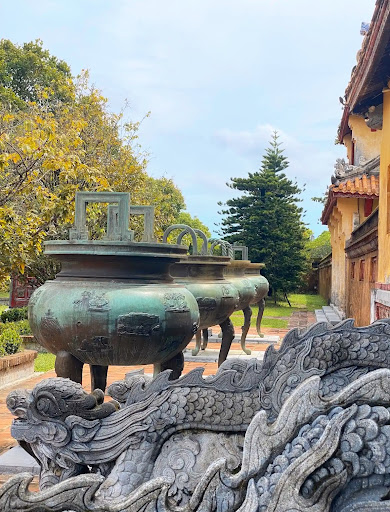
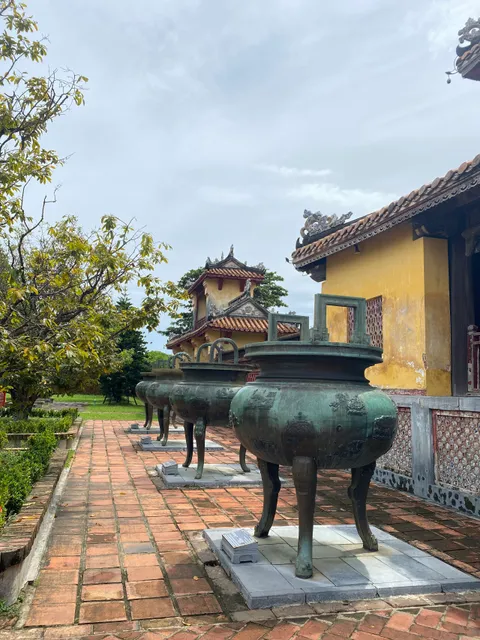
Standing proudly in front of the Thế Miếu (Temple of Generations), these colossal bronze urns were cast in 1835 under Emperor Minh Mạng. Inspired by China’s ancient Nine Tripod Cauldrons, they symbolise the Nguyễn Dynasty’s power, unity, and Vietnam’s rich heritage. Seven of these are the largest and most elaborate, dedicated to the dynasty’s most prominent emperors. Each one is a masterpiece — engraved with mountains, rivers, animals, and celestial symbols, telling the story of a nation in bronze. Commissioned by Emperor Minh Mạng and placed in front of the Thế Miếu. Each is named after the posthumous title of an emperor and decorated with 17–33 engraved motifs showing Vietnam’s geography, fauna, flora, and celestial symbols. Cao Đỉnh is the largest, representing the founder Gia Long, weighing over 2,600 kg. Each urn is positioned in a specific order in front of the ancestral temple, symbolising a lineage of power. The engravings act like a bronze encyclopaedia of 19th-century Vietnam — mapping its geography, recording its flora and fauna, and preserving cultural icons. They have survived multiple wars, including the destruction of much of the Imperial City during the 20th century. Each weighs up to 2,600 kg — a monument not just to emperors, but to an entire nation’s history and resilience. #hueimperialcity #nguyendynasty #vietnamhistory #vietnamheritage #huecity #imperialcity #travelvietnam #visitvietnam #asiatravel #unesco #culturetrip #ancientvietnam #historicvietnam #vietnamtravel #vietnamculture
Helen Yu (Chestnut Journal)Helen Yu (Chestnut Journal)
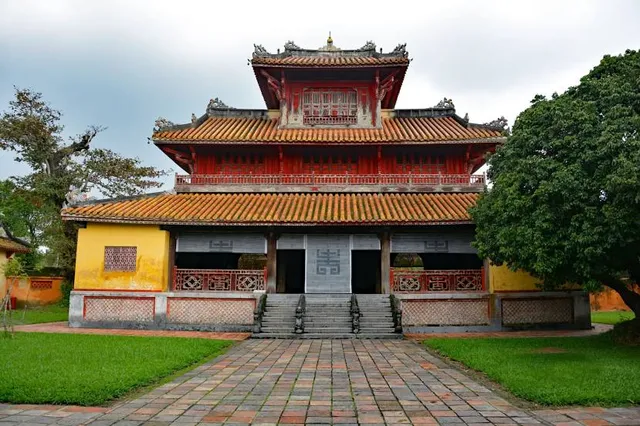
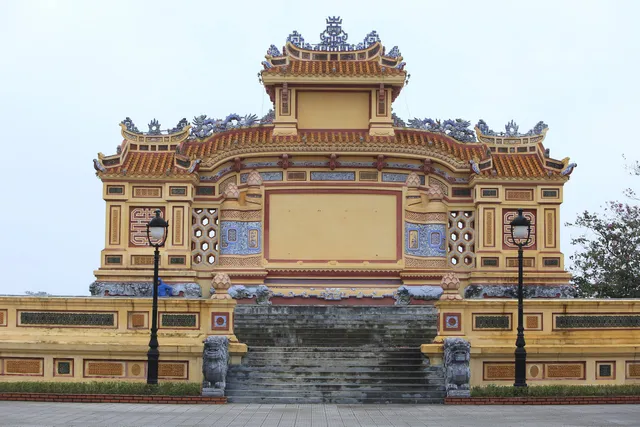
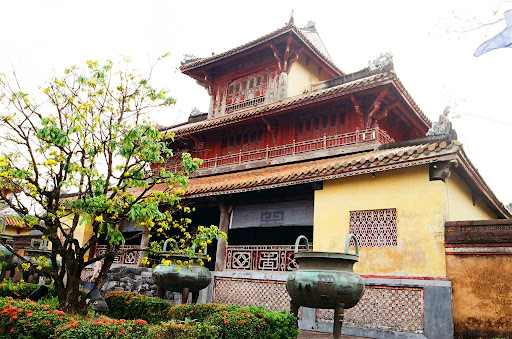
One of the must-visit quarters within the Imperial Enclosure of the Hue Palace. Emperor Minh Mang ordered the casting of these nine majestic bronze urns to commemorate the first nine emperors of the Nguyen Dynasty. They were then cast between the years 1835 and 1837. The one in the middle of the nine is the most ornate, as it commemorates the Founding Emperor of Nguyen Dynasty, Gia Long. Each of the urn bears the posthumous title for the respective Emperor. The Cao urn of 1835 commemorating Gia Long has the name “Cao” meaning height. It weighs 2,604kg as the most prominent urn out of the nine. As with many other features of the Imperial Enclosure, these nine urns are also testament to the Vietnamese royalties’ respect of ancient China. The existence of the nine urns certainly echoes the nine urns of the Xia, Shang and Zhou dynasties, which were the earliest Chinese dynasties (during the Bronze Age) in history. During this time in the 19th Century, bronze was a particularly precious metal in Vietnam. The three-storied structure right at the courtyard of the Nine Dynastic Urns is the Famous Soul Porch, (Hien Lam Cac), built in 1821. At three stories this building is the tallest one within the Imperial Enclosure. There was also an imperial order that it remains the tallest building in the Palace.
See more posts
See more posts
hotel
Find your stay

Pet-friendly Hotels in Hue City

Find a cozy hotel nearby and make it a full experience.

Cửu Đỉnh(Nine Dynastic Urns) is a remarkable symbol in my heart 🩷🩷🩷🩷 and for the Nguyễn Dynasty, located in the courtyard of the Thế Miếu(Temple of Generations) within the Imperial City of Huế. These nine bronze urns were cast under the reign of Emperor Minh Mạng in 1835 and are one of the most poetic, symbolic, and historically significant artifacts of the Nguyễn court. They are not only physical representations of the dynasty’s power and longevity but also deeply woven into Vietnamese art, poetry, and historical narratives. Poetry in Bronze: The creation of Cửu Đỉnh is itself an act of artistry and imagination. Each urn represents one of the Nguyễn emperors and is adorned with intricately carved images reflecting various aspects of the empire’s geography, culture, and natural beauty. The carvings depict mountains, rivers, animals, plants, and even historical battles, capturing the essence of the land the Nguyễn rulers governed. Each image has its own story, and together they form a detailed tapestry of Vietnam’s landscape and heritage. The poetic element of the Cửu Đỉnh is found not only in its visual design but also in its symbolism. In Confucian tradition, an urn or cauldron (đỉnh) is a powerful representation of authority and governance. The nine urns, standing tall and immovable, are metaphors for the unshakable rule of the dynasty and the emperor’s deep connection to the land and its people. This sense of permanence and cultural richness has made them a recurring theme in poetry, literature, and art. Inspiration for Art and Culture: The Cửu Đỉnh has been immortalized in many forms of Vietnamese art, including poetry, painting, and music. Artists have long been inspired by the grandeur of these urns and the natural imagery they display. Poets often used them as a metaphor for the lasting legacy of the Nguyễn Dynasty, drawing connections between the power of nature and the resilience of the emperors who ruled Vietnam. In traditional Vietnamese music, references to the Cửu Đỉnh evoke a sense of nostalgia and reverence for a bygone era. The peaceful and dignified presence of the urns in the heart of the Imperial City has been likened to the calm and wisdom of the emperors themselves, providing an emotional depth to many compositions. Historical Significance: Beyond their beauty, the Cửu Đỉnh also serve as historical documents, representing the Nguyễn Dynasty’s efforts to record their reign and connect it to the vast history of Vietnam. Each urn is dedicated to one emperor, from Gia Long, the dynasty’s founder, to later rulers. Together, they signify the lineage and continuity of the Nguyễn Dynasty, a dynasty that lasted over 140 years. During the Nguyễn era, these urns were regarded as symbols of the empire's stability and prosperity. They were a statement of Vietnam’s sovereignty, crafted during a time when the country was asserting its strength amidst both internal challenges and foreign influence. Romantic Legacy in History and Art: The Cửu Đỉnhcontinues to stir emotions not only as historical artifacts but as a living part of Vietnam’s cultural identity. For many, the image of the nine majestic urns standing in serene silence within the Imperial Citadel serves as a powerful reminder of the fleeting nature of power, but also of the enduring nature of beauty and legacy. These urns are more than just physical relics; they embody the spirit of an era in Vietnamese history and the poetry that is drawn from the connection between ruler, land, and people. Whether captured in a painting, referenced in a poem, or admired by visitors to Huế, the Cửu Đỉnh has left an indelible mark on Vietnamese culture. It bridges the gap between the grandeur of the past and the contemplation of the present, embodying a poetic tranquility that has survived through the ages, making them not only a relic of a glorious dynasty but a continuing source of inspiration for generations to come.
Thu Ngan Ng

Thu Ngan Ng

hotel
Find your stay

Affordable Hotels in Hue City

Find a cozy hotel nearby and make it a full experience.

Get the Appoverlay
Get the AppOne tap to find yournext favorite spots!
Standing proudly in front of the Thế Miếu (Temple of Generations), these colossal bronze urns were cast in 1835 under Emperor Minh Mạng. Inspired by China’s ancient Nine Tripod Cauldrons, they symbolise the Nguyễn Dynasty’s power, unity, and Vietnam’s rich heritage. Seven of these are the largest and most elaborate, dedicated to the dynasty’s most prominent emperors. Each one is a masterpiece — engraved with mountains, rivers, animals, and celestial symbols, telling the story of a nation in bronze. Commissioned by Emperor Minh Mạng and placed in front of the Thế Miếu. Each is named after the posthumous title of an emperor and decorated with 17–33 engraved motifs showing Vietnam’s geography, fauna, flora, and celestial symbols. Cao Đỉnh is the largest, representing the founder Gia Long, weighing over 2,600 kg. Each urn is positioned in a specific order in front of the ancestral temple, symbolising a lineage of power. The engravings act like a bronze encyclopaedia of 19th-century Vietnam — mapping its geography, recording its flora and fauna, and preserving cultural icons. They have survived multiple wars, including the destruction of much of the Imperial City during the 20th century. Each weighs up to 2,600 kg — a monument not just to emperors, but to an entire nation’s history and resilience. #hueimperialcity #nguyendynasty #vietnamhistory #vietnamheritage #huecity #imperialcity #travelvietnam #visitvietnam #asiatravel #unesco #culturetrip #ancientvietnam #historicvietnam #vietnamtravel #vietnamculture
I. Morgan

I. Morgan

hotel
Find your stay

The Coolest Hotels You Haven't Heard Of (Yet)

Find a cozy hotel nearby and make it a full experience.

hotel
Find your stay

Trending Stays Worth the Hype in Hue City

Find a cozy hotel nearby and make it a full experience.

One of the must-visit quarters within the Imperial Enclosure of the Hue Palace. Emperor Minh Mang ordered the casting of these nine majestic bronze urns to commemorate the first nine emperors of the Nguyen Dynasty. They were then cast between the years 1835 and 1837. The one in the middle of the nine is the most ornate, as it commemorates the Founding Emperor of Nguyen Dynasty, Gia Long. Each of the urn bears the posthumous title for the respective Emperor. The Cao urn of 1835 commemorating Gia Long has the name “Cao” meaning height. It weighs 2,604kg as the most prominent urn out of the nine. As with many other features of the Imperial Enclosure, these nine urns are also testament to the Vietnamese royalties’ respect of ancient China. The existence of the nine urns certainly echoes the nine urns of the Xia, Shang and Zhou dynasties, which were the earliest Chinese dynasties (during the Bronze Age) in history. During this time in the 19th Century, bronze was a particularly precious metal in Vietnam. The three-storied structure right at the courtyard of the Nine Dynastic Urns is the Famous Soul Porch, (Hien Lam Cac), built in 1821. At three stories this building is the tallest one within the Imperial Enclosure. There was also an imperial order that it remains the tallest building in the Palace.
Helen Yu (Chestnut Journal)

Helen Yu (Chestnut Journal)

See more posts
See more posts

Reviews of Nine Dynastic Urns

4.5
(108)
avatar
5.0
1y

Cửu Đỉnh(Nine Dynastic Urns) is a remarkable symbol in my heart 🩷🩷🩷🩷 and for the Nguyễn Dynasty, located in the courtyard of the Thế Miếu(Temple of Generations) within the Imperial City of Huế. These nine bronze urns were cast under the reign of Emperor Minh Mạng in 1835 and are one of the most poetic, symbolic, and historically significant artifacts of the Nguyễn court. They are not only physical representations of the dynasty’s power and longevity but also deeply woven into Vietnamese art, poetry, and historical narratives.

Poetry in Bronze: The creation of Cửu Đỉnh is itself an act of artistry and imagination. Each urn represents one of the Nguyễn emperors and is adorned with intricately carved images reflecting various aspects of the empire’s geography, culture, and natural beauty. The carvings depict mountains, rivers, animals, plants, and even historical battles, capturing the essence of the land the Nguyễn rulers governed. Each image has its own story, and together they form a detailed tapestry of Vietnam’s landscape and heritage.

The poetic element of the Cửu Đỉnh is found not only in its visual design but also in its symbolism. In Confucian tradition, an urn or cauldron (đỉnh) is a powerful representation of authority and governance. The nine urns, standing tall and immovable, are metaphors for the unshakable rule of the dynasty and the emperor’s deep connection to the land and its people. This sense of permanence and cultural richness has made them a recurring theme in poetry, literature, and art.

Inspiration for Art and Culture: The Cửu Đỉnh has been immortalized in many forms of Vietnamese art, including poetry, painting, and music. Artists have long been inspired by the grandeur of these urns and the natural imagery they display. Poets often used them as a metaphor for the lasting legacy of the Nguyễn Dynasty, drawing connections between the power of nature and the resilience of the emperors who ruled Vietnam.

In traditional Vietnamese music, references to the Cửu Đỉnh evoke a sense of nostalgia and reverence for a bygone era. The peaceful and dignified presence of the urns in the heart of the Imperial City has been likened to the calm and wisdom of the emperors themselves, providing an emotional depth to many compositions.

Historical Significance: Beyond their beauty, the Cửu Đỉnh also serve as historical documents, representing the Nguyễn Dynasty’s efforts to record their reign and connect it to the vast history of Vietnam. Each urn is dedicated to one emperor, from Gia Long, the dynasty’s founder, to later rulers. Together, they signify the lineage and continuity of the Nguyễn Dynasty, a dynasty that lasted over 140 years.

During the Nguyễn era, these urns were regarded as symbols of the empire's stability and prosperity. They were a statement of Vietnam’s sovereignty, crafted during a time when the country was asserting its strength amidst both internal challenges and foreign influence.

Romantic Legacy in History and Art: The Cửu Đỉnhcontinues to stir emotions not only as historical artifacts but as a living part of Vietnam’s cultural identity. For many, the image of the nine majestic urns standing in serene silence within the Imperial Citadel serves as a powerful reminder of the fleeting nature of power, but also of the enduring nature of beauty and legacy. These urns are more than just physical relics; they embody the spirit of an era in Vietnamese history and the poetry that is drawn from the connection between ruler, land, and people.

Whether captured in a painting, referenced in a poem, or admired by visitors to Huế, the Cửu Đỉnh has left an indelible mark on Vietnamese culture. It bridges the gap between the grandeur of the past and the contemplation of the present, embodying a poetic tranquility that has survived through the ages, making them not only a relic of a glorious dynasty but a continuing source of inspiration for...

   Read more
avatar
5.0
6y

Khâm phục tài nghệ đúc của các cụ ta ngày xưa. Những chiếc đỉnh đồng siêu to khổng lồ lừng lững uy nghi dãi dầu mưa gió mà vẫn đen bóng không hề bị gỉ sét. Tuyệt vời!

Ancient temple of Nguyen's dynasty. The Nine Dynastic Urns is one of the most valuable works of art in Hue in particular and in Vietnam in general. The Dynastic Urns include 9 urns situated in the front of Hien Lam Pavilion, opposite The Mieu Temple and to the southwest of Hue Imperial City. The Nine Dynastic Urns was started its construction in December 1835 and completed in June 1837 under King Minh Mang. This artwork represents the unity and the beauty of the country as well as the sustainable and permanent existence of Nguyen Dynasty. The pictures selected to display on the 9 Urns could also regarded as a vivid encyclopedia of Vietnam country at that time. The Nine Dynastic Urns is one of the fascinating tourist attraction. The Nine Dynastic Urns is one of the most outstanding artworks in tangible cultural treasures of Hue Citadel. The impressive aesthetic characteristics and the high technical qualifications have turned it into one of appealing tourist attractions in Hue. The southwest corner of Hue Citadel is a unique and attractive architectural ensemble mentioned as an indispensable Hue attraction - that is relic complex including Hien Lam Pavilion, The Mieu Temple and The Nine Dynastic Urns. These works are linked together on the architectural space and on the function in the harmonious landscape overall. Hien Lam Pavilion is the memorial built to remember Kings of Nguyen Dynasty. The Mieu Temple is home to worship Kings of Nguyen Dynasty. This is also the place the imperial court sacrificing the deceased Kings... Meanwhile, The Nine Dynastic Urns is a combination of 9 bronze urns placed horizontally below Hien Lam Pavilion's threshold corresponding 9 worshiping place in The Mieu Temple. Prominent among them, an urn is situated in the center, alone in the first row high up 3m high forward with implications for honoring the great contributions of the first King of the Dynasty...

   Read more
avatar
5.0
16w

Standing proudly in front of the Thế Miếu (Temple of Generations), these colossal bronze urns were cast in 1835 under Emperor Minh Mạng. Inspired by China’s ancient Nine Tripod Cauldrons, they symbolise the Nguyễn Dynasty’s power, unity, and Vietnam’s rich heritage.

Seven of these are the largest and most elaborate, dedicated to the dynasty’s most prominent emperors. Each one is a masterpiece — engraved with mountains, rivers, animals, and celestial symbols, telling the story of a nation in bronze.

Commissioned by Emperor Minh Mạng and placed in front of the Thế Miếu. Each is named after the posthumous title of an emperor and decorated with 17–33 engraved motifs showing Vietnam’s geography, fauna, flora, and celestial symbols.

Cao Đỉnh is the largest, representing the founder Gia Long, weighing over 2,600 kg.

Each urn is positioned in a specific order in front of the ancestral temple, symbolising a lineage of power.

The engravings act like a bronze encyclopaedia of 19th-century Vietnam — mapping its geography, recording its flora and fauna, and preserving cultural icons.

They have survived multiple wars, including the destruction of much of the Imperial City during the 20th century.

Each weighs up to 2,600 kg — a monument not just to emperors, but to an entire nation’s history and resilience.

#hueimperialcity #nguyendynasty #vietnamhistory #vietnamheritage #huecity #imperialcity #travelvietnam #visitvietnam #asiatravel #unesco #culturetrip #ancientvietnam #historicvietnam #vietnamtravel...

   Read more
Page 1 of 7
Previous
Next