HTML SitemapExplore
logo
Find Things to DoFind The Best Restaurants

Hoa Lo Prison Relic — Attraction in Hà Nội

Name
Hoa Lo Prison Relic
Description
Hỏa Lò Prison was a prison in Hanoi originally used by the French colonists in Indochina for political prisoners, and later by North Vietnam for U.S. prisoners of war during the Vietnam War. During this later period, it was known to American POWs as the "Hanoi Hilton".
Nearby attractions
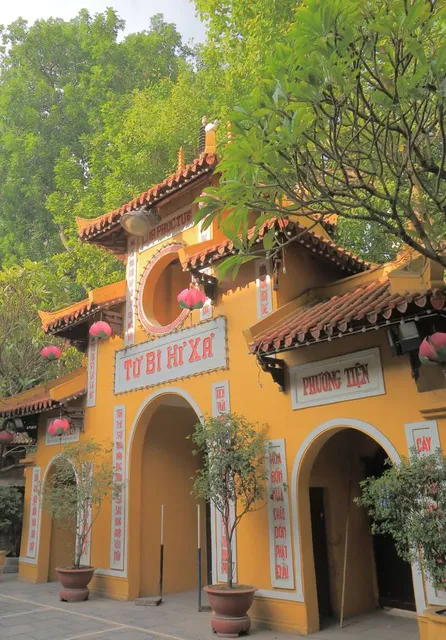
Chùa Quán Sứ
73 P. Quán Sứ, Trần Hưng Đạo, Hoàn Kiếm, Hà Nội, Vietnam
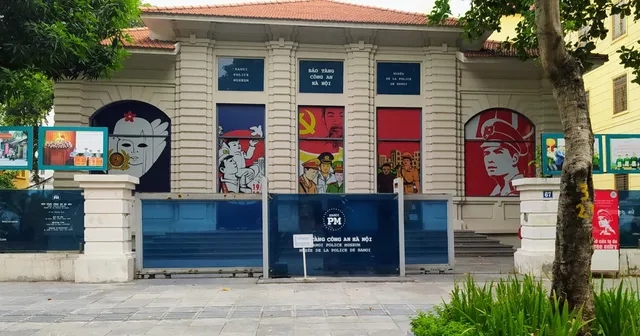
Hanoi Police Museum
67 P. Lý Thường Kiệt, Trần Hưng Đạo, Hoàn Kiếm, Hà Nội, Vietnam
Vietnam - Soviet Friendship Palace of Culture and Labour
91 Trần Hưng Đạo, Hoàn Kiếm, Hà Nội, Vietnam
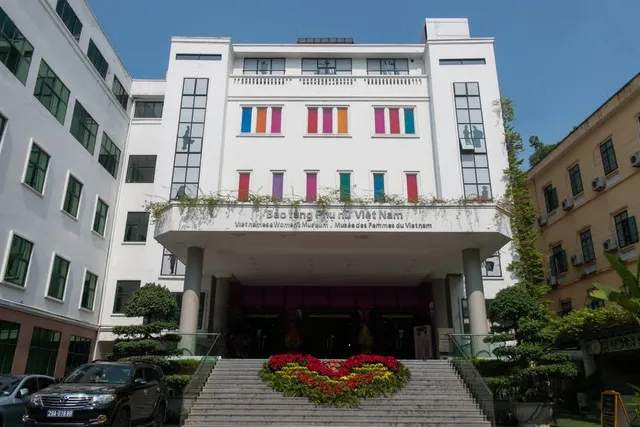
Vietnamese Women's Museum
36 P. Lý Thường Kiệt, Trần Hưng Đạo, Hoàn Kiếm, Hà Nội, Vietnam
Bảo tàng Công An Nhân Dân
2RFW+364, P. Trần Bình Trọng, Trần Hưng Đạo, Hoàn Kiếm, Hà Nội, Vietnam
Hoàn Kiếm Lake
Hang Trong, Hoàn Kiếm, Hanoi, Vietnam
Ba Da Pagoda
Số 3 P. Nhà Thờ, Hàng Trống, Hoàn Kiếm, Hà Nội 100000, Vietnam
Hoa Phong Tower
75b P. Đinh Tiên Hoàng, Tràng Tiền, Hoàn Kiếm, Hà Nội, Vietnam
Hanoi Train Street
161 P. Phùng Hưng, Cửa Đông, Hoàn Kiếm, Hà Nội 10000, Vietnam
Ngoc Son Temple
P. Đinh Tiên Hoàng, Hàng Trống, Hoàn Kiếm, Hà Nội, Vietnam
Nearby restaurants
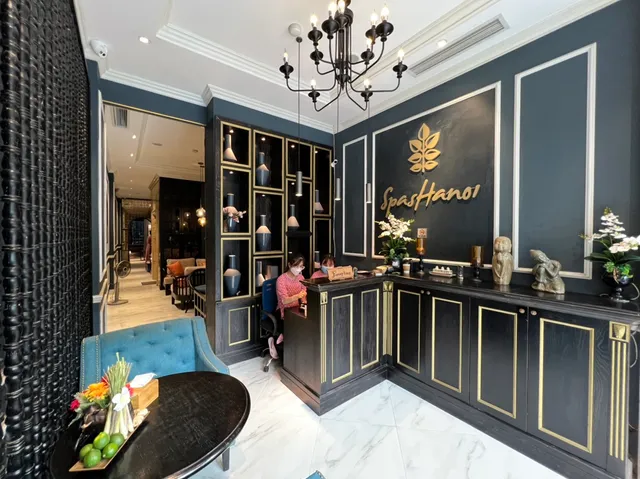
Jaspas
Hanoi Towers, 49 P. Hai Bà Trưng, Trần Hưng Đạo, Hoàn Kiếm, Hà Nội, Vietnam
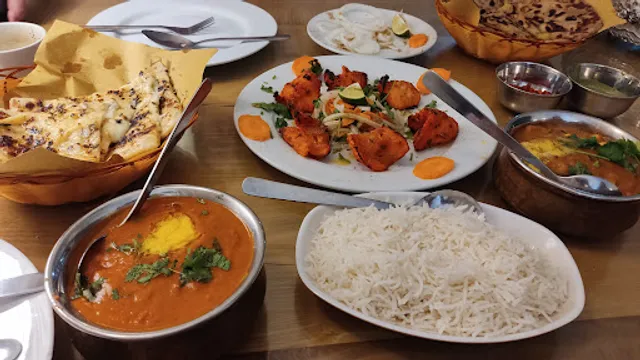
Namaste Hanoi
46 P. Thợ Nhuộm, Trần Hưng Đạo, Hoàn Kiếm, Hà Nội, Vietnam
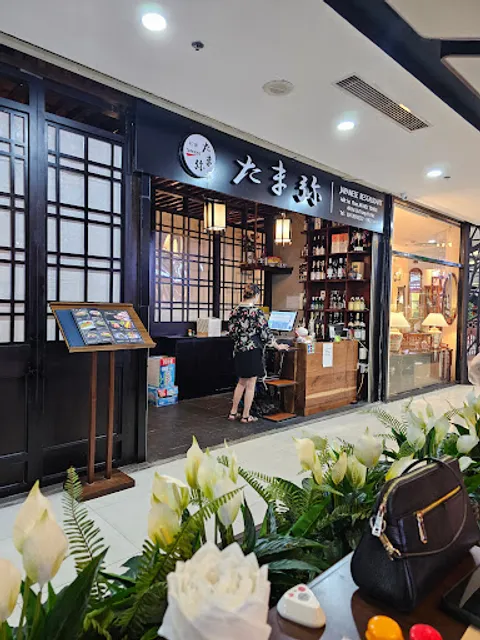
Tamaya Japanese Restaurant
49 P. Hai Bà Trưng, Trần Hưng Đạo, Hoàn Kiếm, Hà Nội, Vietnam
Lobster Queen - Lobster Roll
52 P. Thợ Nhuộm, Việt Nam, Hoàn Kiếm, Hà Nội 100000, Vietnam
Nhà Hàng Nhật Bản Kimono
52-54 P. Lý Thường Kiệt, Trần Hưng Đạo, Hoàn Kiếm, Hà Nội, Vietnam
Abracado
56 P. Thợ Nhuộm, Trần Hưng Đạo, Hoàn Kiếm, Hà Nội, Vietnam
Long Wang - Lẩu Hấp Thủy Nhiệt Hồng Kông - Thợ Nhuộm
34 P. Thợ Nhuộm, Trần Hưng Đạo, Hoàn Kiếm, Hà Nội, Vietnam
Mỹ Vị Restaurant & Cafe
54 P. Lý Thường Kiệt, Trần Hưng Đạo, Hoàn Kiếm, Hà Nội, Vietnam
Ngon Sài Gòn
8 P. Dã Tượng, Trần Hưng Đạo, Hoàn Kiếm, Hà Nội, Vietnam
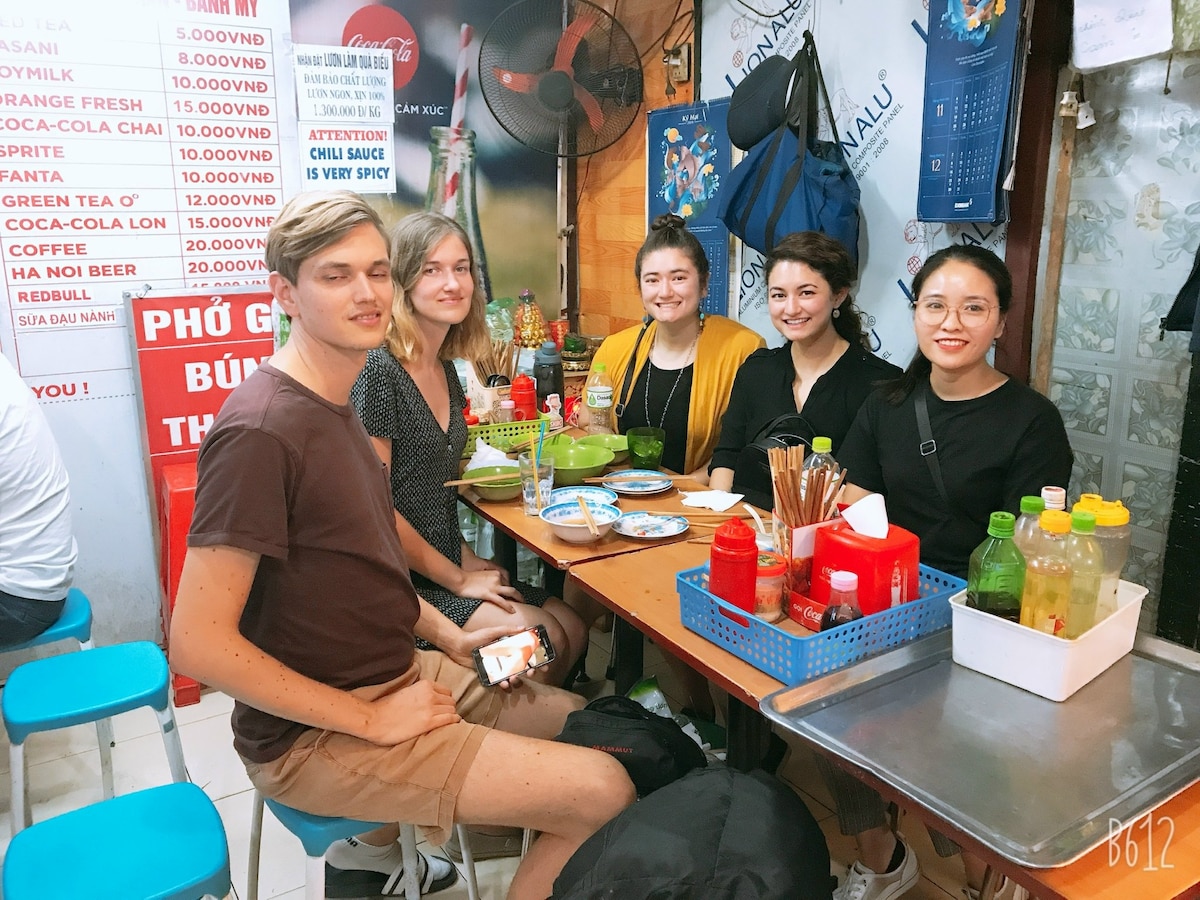
Phở Thành
64 P. Quán Sứ, Trần Hưng Đạo, Hoàn Kiếm, Hà Nội, Vietnam
Nearby hotels
Somerset Grand Hanoi
49 P. Hai Bà Trưng, Trần Hưng Đạo, Hoàn Kiếm, Hà Nội, Vietnam
Meliá Hanoi
44 P. Lý Thường Kiệt, Trần Hưng Đạo, Hoàn Kiếm, Hà Nội, Vietnam
M Village Hotel Thợ Nhuộm
54 P. Thợ Nhuộm, Trần Hưng Đạo, Hoàn Kiếm, Hà Nội 100000, Vietnam
Lenid Hotel Tho Nhuom
54 P. Thợ Nhuộm, Trần Hưng Đạo, Hoàn Kiếm, Hà Nội 11019, Vietnam
Mövenpick Hotel Hanoi Centre
83A P. Lý Thường Kiệt, Cửa Nam, ward, Hà Nội 100000, Vietnam
Mường Thanh Grand Hà Nội Centre Hotel
78 P. Thợ Nhuộm, Trần Hưng Đạo, Hoàn Kiếm, Hà Nội, Vietnam
Signature by M Village Thợ Nhuộm
84 P. Thợ Nhuộm, Trần Hưng Đạo, Hoàn Kiếm, Hà Nội 100000, Vietnam
Acoustic Hotel & Spa
39 P. Thợ Nhuộm, Street, Hoàn Kiếm, Hà Nội 100000, Vietnam
Little Anh House
ngõ 67 P. Lý Thường Kiệt, Trần Hưng Đạo, Hoàn Kiếm, Hà Nội, Vietnam
Silk Path Hotel Hanoi
195 - 199, 195 P. Hàng Bông, Hàng Bông, Hoàn Kiếm, Hà Nội, Vietnam
Related posts
Keywords
Hoa Lo Prison Relic tourism.Hoa Lo Prison Relic hotels.Hoa Lo Prison Relic bed and breakfast. flights to Hoa Lo Prison Relic.Hoa Lo Prison Relic attractions.Hoa Lo Prison Relic restaurants.Hoa Lo Prison Relic travel.Hoa Lo Prison Relic travel guide.Hoa Lo Prison Relic travel blog.Hoa Lo Prison Relic pictures.Hoa Lo Prison Relic photos.Hoa Lo Prison Relic travel tips.Hoa Lo Prison Relic maps.Hoa Lo Prison Relic things to do.
Hoa Lo Prison Relic things to do, attractions, restaurants, events info and trip planning
Hoa Lo Prison Relic
VietnamHà NộiHoa Lo Prison Relic

Basic Info

Hoa Lo Prison Relic

1 P. Hoả Lò, Trần Hưng Đạo, Hoàn Kiếm, Hà Nội, Vietnam
4.5(8.1K)
Open 24 hours
Save
spot

Ratings & Description

Info

Hỏa Lò Prison was a prison in Hanoi originally used by the French colonists in Indochina for political prisoners, and later by North Vietnam for U.S. prisoners of war during the Vietnam War. During this later period, it was known to American POWs as the "Hanoi Hilton".

Cultural
Accessibility
attractions: Chùa Quán Sứ, Hanoi Police Museum, Vietnam - Soviet Friendship Palace of Culture and Labour, Vietnamese Women's Museum, Bảo tàng Công An Nhân Dân, Hoàn Kiếm Lake, Ba Da Pagoda, Hoa Phong Tower, Hanoi Train Street, Ngoc Son Temple, restaurants: Jaspas, Namaste Hanoi, Tamaya Japanese Restaurant, Lobster Queen - Lobster Roll, Nhà Hàng Nhật Bản Kimono, Abracado, Long Wang - Lẩu Hấp Thủy Nhiệt Hồng Kông - Thợ Nhuộm, Mỹ Vị Restaurant & Cafe, Ngon Sài Gòn, Phở Thành
logoLearn more insights from Wanderboat AI.
Phone
+84 825 112 668
Website
hoalo.vn

Plan your stay

hotel
Pet-friendly Hotels in Hà Nội
Find a cozy hotel nearby and make it a full experience.

hotel
Affordable Hotels in Hà Nội
Find a cozy hotel nearby and make it a full experience.

hotel
The Coolest Hotels You Haven't Heard Of (Yet)
Find a cozy hotel nearby and make it a full experience.

hotel
Trending Stays Worth the Hype in Hà Nội
Find a cozy hotel nearby and make it a full experience.

Reviews

Nearby attractions of Hoa Lo Prison Relic

Chùa Quán Sứ

Hanoi Police Museum

Vietnam - Soviet Friendship Palace of Culture and Labour

Vietnamese Women's Museum

Bảo tàng Công An Nhân Dân

Hoàn Kiếm Lake

Ba Da Pagoda

Hoa Phong Tower

Hanoi Train Street

Ngoc Son Temple

Chùa Quán Sứ

Chùa Quán Sứ

4.7

(1.5K)

Open 24 hours
Click for details
Hanoi Police Museum

Hanoi Police Museum

4.2

(223)

Open 24 hours
Click for details
Vietnam - Soviet Friendship Palace of Culture and Labour

Vietnam - Soviet Friendship Palace of Culture and Labour

4.2

(2.7K)

Closed
Click for details
Vietnamese Women's Museum

Vietnamese Women's Museum

4.4

(2.6K)

Open 24 hours
Click for details

Things to do nearby

Taste Vietnamese street cuisine with a local
Tue, Dec 9 • 11:00 AM
Hoàn Kiếm, Hanoi, 11400, Vietnam
View details

Savor Hanoi - Old Quarter Culinary Adventure
Tue, Dec 9 • 11:00 AM
Hoàn Kiếm, Hà Nội, 10000, Vietnam
View details
Ninh Binh: Hoa Lu – Trang An Boat Ride – Mua Cave
Tue, Dec 9 • 7:15 AM
Hoàn Kiếm, Hà Nội, 100000, Vietnam
View details

Nearby restaurants of Hoa Lo Prison Relic

Jaspas

Namaste Hanoi

Tamaya Japanese Restaurant

Lobster Queen - Lobster Roll

Nhà Hàng Nhật Bản Kimono

Abracado

Long Wang - Lẩu Hấp Thủy Nhiệt Hồng Kông - Thợ Nhuộm

Mỹ Vị Restaurant & Cafe

Ngon Sài Gòn

Phở Thành

Jaspas

Jaspas

4.6

(598)

Click for details
Namaste Hanoi

Namaste Hanoi

4.4

(2K)

Click for details
Tamaya Japanese Restaurant

Tamaya Japanese Restaurant

4.5

(391)

Click for details
Lobster Queen - Lobster Roll

Lobster Queen - Lobster Roll

4.7

(319)

Click for details
Get the Appoverlay
Get the AppOne tap to find yournext favorite spots!
Wanderboat LogoWanderboat

Your everyday Al companion for getaway ideas

CompanyAbout Us
InformationAI Trip PlannerSitemap
SocialXInstagramTiktokLinkedin
LegalTerms of ServicePrivacy Policy

Get the app

© 2025 Wanderboat. All rights reserved.
logo

Reviews of Hoa Lo Prison Relic

4.5
(8,099)
avatar
5.0
2y

A must-go place

Immerse yourself in history, and as you walk through the site ( for some moments ), take yourself to the dark era of the wars, especially the 60s and 70s, and as you march through the erstwhile penitentiary ( hereinafter referred to as 'pen' ) and read about the brutalities committed by the colonialists, needless to take their names, it feels gutted to say the very least.

There is a big model & map of the pen in the first room, which includes the central tower for monitoring, the sentry box et al. As you go through the doors of the pen, you see different rooms and cells, one or two having narrow beds used for sleeping by the prisoners, with as many as 20-odd prisoners sleeping side by side ( barely some gap in between two prisoners ), cells for prisoners who flunked the escape attempt, the isolation cells with the bare amount of space for the natural light to pass through, et al. Seeing all this can be quite scary at times.

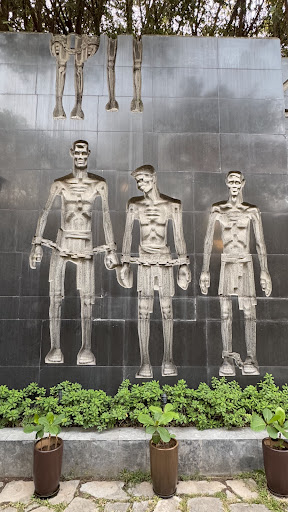
There are also rooms where items like pencils, food containers like glass and serving bowls, bricks for construction, and habiliments i.a. used in those times in the pen are kept. Well, not to forget most of the rudiments ( like a proper meal, clean & safe nosh, proper space for a living ) were often the luxury during those times ( if at all the prisoners were lucky enough to get them ), with prisoners loyal to their own country being deprived of the same more often than not. Unsurprisingly the courts favoured the rulers. You also see the presence of some iron shackles and statues of two prisoners confined to them ( for weeks and weeks ) by the rulers.

There is also a guillotine kept on display in one of the rooms. Those days the rulers were more democratic on paper, but they really couldn't have another answer to the tough spirit of these prisoners and patriotism, and so when the leg shackles and isolation flunked to die down their perseverance, only the guillotine could come to their rescue of the rulers.

Not to forget that there were successful pen-breaks too. Reaching to that point where an escape could be deemed a possibility ( do see the pen map ) was itself a big big deal, let alone actually making your way out, given the security and brutal punishment if the attempt were to flunk. Bending those strong grills and escaping the eyes of the guards is quite a task. And escapes through the sewers ain't any less courageous. The sewers are also kept outside on the display.

Despite all these gruesome challenges ( and uncountable attempts by the rulers to flat-line their spirit of patriotism ), when you learn about the ways these prisoners found to motivate others in unifying for the struggle, finding ways to spread their thoughts, defying the rules imposed on them, refusing to succumb to the warnings of the rulers and not fearing the consequences, i.a., one can't help but feel like giving a salute to their bravery and spirit of patriotism. That fire in them could be seen, it boiled till the victory came, and it never died down till the rulers were successfully pulled out of the country.

The entire pen is not available to be seen by the visitors, but whatever you see is so informative to say the very least. As your two-odd-hour journey from lights to darkness and back to lights gets over, you surely do appreciate the bravery of the countless soldiers who sacrificed their lives for their nation. New enemies kept coming ( again, needless to name the countries ) until finally there were none, the perseverance, the willingness to live in the dark, the want of a new vision and an independent country never died, and you have the results in front of view.

The ticket price is VND 30,000 and unlike other historical sites in Hanoi, it is open diurnally. Time spent here will depend on one's interest but around 3 hrs ideally. There are audio guides available at extra cost, and there are washroom facilities and a restaurant inside. There is some more information about that era displayed on boards as one comes near the exit. Translations are available in both...

   Read more
avatar
5.0
20w

Hỏa Lò Prison, often referred to by American POWs as the "Hanoi Hilton," is a somber yet profoundly important historical site in Hanoi. A visit here is not for the faint of heart, but it offers a crucial and moving perspective on a significant chapter of Vietnam's history. It's an experience that is both educational and deeply emotional. The prison was originally built by French colonists in the late 19th century to house Vietnamese political prisoners and revolutionaries. The first part of the museum's exhibition meticulously details this period, showcasing the brutal conditions and the immense suffering endured by the prisoners. You'll see cramped, dark cells, heavy shackles, and a chillingly preserved French guillotine, which serve as stark reminders of the colonial oppression and the resilience of the Vietnamese people who fought for their independence. The exhibits highlight the unwavering spirit and sacrifices made by these patriots, with powerful photos and artifacts that tell a compelling story of resistance. The second part of the museum focuses on the prison's use during the Vietnam War, when it held American pilots and servicemen. While the museum's portrayal of this period is from the Vietnamese perspective and has been a source of historical debate, it still provides a valuable insight into the North Vietnamese narrative of the war. It's a humbling and thought-provoking experience to see the photos and read the accounts from this time, which paint a picture of a different reality than what many Westerners may be familiar with. The famous "Hanoi Hilton" nickname, a sarcastic comment on the grim conditions, is explored, and the museum's exhibits offer a glimpse into the lives of these prisoners. The overall visit is well-organized, with a mix of static displays, dioramas, and written information. For a small fee, you can rent an audio guide, which is highly recommended as it provides a detailed, multi-layered narrative that brings the exhibits to life. The museum is located in the bustling French Quarter, making it easily accessible and a key part of any historical tour of Hanoi. Hỏa Lò Prison is not a place to seek light entertainment. It is a place for reflection, for understanding, and for honoring the memory of those who were imprisoned within its walls. It's a powerful and essential stop for anyone who wishes to delve deeper into the complex and often painful...

   Read more
avatar
4.0
48w

Hoa Lo Prison – A Place of Profound Historical Significance

Hoa Lo Prison, often referred to as the “Hanoi Hilton” during the Vietnam War, holds undeniable historical importance. A visit here offers a sobering and thought-provoking look into Vietnam’s tumultuous past, spanning from its colonial struggles against the French to the Vietnam War. However, the quality of the experience largely depends on how you choose to engage with the museum.

To truly appreciate the depth of this site, I strongly recommend using the audio guide. It allows you to explore the exhibits at your own pace, immersing yourself in the narratives of those who lived, fought, and suffered here. The stories of the Vietnamese revolutionaries who endured brutal conditions under French colonial rule and the American POWs held during the war are presented with a balance of emotional resonance and factual depth. The audio guide adds nuance to the exhibits, enriching your understanding of the prison’s dual role as a symbol of resilience and propaganda.

That said, the experience can be diminished by large tourist groups with guides. The confined nature of the former cells and hallways becomes overwhelming when crowded, and the noise from these groups can disrupt the solemn atmosphere that this site deserves. For this reason, I recommend planning your visit during off-peak hours or using noise-canceling headphones to stay immersed in the experience.

The museum itself is well-curated, with artifacts such as letters, photographs, and personal items that humanize the historical accounts. The juxtaposition of the harrowing French colonial period and the more politically complex Vietnam War era invites visitors to reflect on the layers of history embedded within this site.

While Hoa Lo Prison may not offer the grandeur of larger historical sites, its emotional and intellectual weight makes it a must-visit for those interested in understanding Vietnam’s history. Approach it with curiosity, sensitivity, and a willingness to delve into the difficult realities of the past, and you’ll find it to be a deeply...

   Read more
Page 1 of 7
Previous
Next

Posts

Fernando MachadoFernando Machado
Hoa Lo Prison – A Place of Profound Historical Significance Hoa Lo Prison, often referred to as the “Hanoi Hilton” during the Vietnam War, holds undeniable historical importance. A visit here offers a sobering and thought-provoking look into Vietnam’s tumultuous past, spanning from its colonial struggles against the French to the Vietnam War. However, the quality of the experience largely depends on how you choose to engage with the museum. To truly appreciate the depth of this site, I strongly recommend using the audio guide. It allows you to explore the exhibits at your own pace, immersing yourself in the narratives of those who lived, fought, and suffered here. The stories of the Vietnamese revolutionaries who endured brutal conditions under French colonial rule and the American POWs held during the war are presented with a balance of emotional resonance and factual depth. The audio guide adds nuance to the exhibits, enriching your understanding of the prison’s dual role as a symbol of resilience and propaganda. That said, the experience can be diminished by large tourist groups with guides. The confined nature of the former cells and hallways becomes overwhelming when crowded, and the noise from these groups can disrupt the solemn atmosphere that this site deserves. For this reason, I recommend planning your visit during off-peak hours or using noise-canceling headphones to stay immersed in the experience. The museum itself is well-curated, with artifacts such as letters, photographs, and personal items that humanize the historical accounts. The juxtaposition of the harrowing French colonial period and the more politically complex Vietnam War era invites visitors to reflect on the layers of history embedded within this site. While Hoa Lo Prison may not offer the grandeur of larger historical sites, its emotional and intellectual weight makes it a must-visit for those interested in understanding Vietnam’s history. Approach it with curiosity, sensitivity, and a willingness to delve into the difficult realities of the past, and you’ll find it to be a deeply rewarding experience.
PHƯƠNG PHANPHƯƠNG PHAN
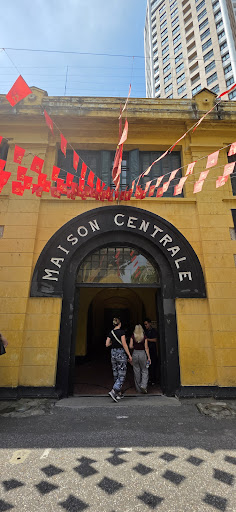
Hoa Lo Prison, former prison in Hanoi, Vietnam, that was originally constructed by Vietnam’s French colonial rulers and largely used to house political prisoners. It was later used for American prisoners of war (mainly airmen) during the Vietnam War. The Hoa Lo Prison was built around the turn of the 20th century on a street that had been known for the manufacture of portable earthen stoves, known as hoa lo, and was called the Maison Centrale. The prison was housed in buildings made of thick yellow stone. An imposing black door marking the entrance received the nickname “monster’s mouth” from Vietnamese prisoners. Those held there were mostly fighters for Vietnamese independence from France, and what went on behind the walls was the torture and abuse of prisoners. In 1913 its capacity was increased to allow for 600 inmates, but, by 1953, the number of prisoners had grown to more than 2,000. Most of them were Viet Minh resistance members, and the guillotine in the grounds was regularly in use. Do Muoi, general secretary of the Communist Party in the 1990s, was a former inmate who escaped along with 100 others through the sewer system in 1945. After the establishment of the Democratic Republic of Vietnam in 1954, the Hoa Lo Prison was initially used as an education center for revolutionary doctrine, but with increasing American involvement in the Vietnam War, it began housing American prisoners of war in 1964, and the facility was used until 1973. Inmates were kept shackled to their beds and were tortured and abused in violation of the Geneva Conventions. Inmates nicknamed it the “Hanoi Hilton.” Perhaps the most famous prisoner was U.S. Senator John McCain. In 1993 most of the prison was demolished for the building of highrises, including the Somerset Grand Hanoi complex. The remaining remnant of the prison was converted to a museum largely focusing on how the Vietnamese suffered at the hands of the French.
Jim ReaughJim Reaugh
Visiting the this prison was a deeply moving experience that left a lasting impression on me. Known as the "Hanoi Hilton" during the Vietnam War, this site is steeped in history and offers a sobering glimpse into the past. The exhibits are meticulously curated, providing a comprehensive narrative of the prison's history from its construction by the French colonists to its use during the Vietnam War. Walking through the narrow corridors and dimly lit cells, I could almost feel the weight of the stories held within these walls. (Yes - get the audioguide...it is Sooo worth it) The personal accounts, photographs, and artifacts brought the history to life in a way that was both educational and emotional. One of the most poignant sections of the museum is dedicated to the American POWs who were held here. The exhibits do an excellent job of conveying the harsh realities they faced, as well as the resilience and camaraderie that helped them endure. It’s a stark reminder of the human spirit’s capacity to withstand even the most challenging circumstances. What struck me most was the contrast between the prison's grim past and the bustling, vibrant city that surrounds it today. It’s a powerful testament to the passage of time and the progress that has been made. This place is not just a museum; it’s a place of reflection and remembrance, offering valuable lessons about history, resilience, and the importance of peace. If you’re in Hanoi, I highly recommend a visit. It’s a profound journey through history that will leave you with a deeper understanding of Vietnam’s past and a greater appreciation for the present.
See more posts
See more posts
hotel
Find your stay

Pet-friendly Hotels in Hà Nội

Find a cozy hotel nearby and make it a full experience.

Hoa Lo Prison – A Place of Profound Historical Significance Hoa Lo Prison, often referred to as the “Hanoi Hilton” during the Vietnam War, holds undeniable historical importance. A visit here offers a sobering and thought-provoking look into Vietnam’s tumultuous past, spanning from its colonial struggles against the French to the Vietnam War. However, the quality of the experience largely depends on how you choose to engage with the museum. To truly appreciate the depth of this site, I strongly recommend using the audio guide. It allows you to explore the exhibits at your own pace, immersing yourself in the narratives of those who lived, fought, and suffered here. The stories of the Vietnamese revolutionaries who endured brutal conditions under French colonial rule and the American POWs held during the war are presented with a balance of emotional resonance and factual depth. The audio guide adds nuance to the exhibits, enriching your understanding of the prison’s dual role as a symbol of resilience and propaganda. That said, the experience can be diminished by large tourist groups with guides. The confined nature of the former cells and hallways becomes overwhelming when crowded, and the noise from these groups can disrupt the solemn atmosphere that this site deserves. For this reason, I recommend planning your visit during off-peak hours or using noise-canceling headphones to stay immersed in the experience. The museum itself is well-curated, with artifacts such as letters, photographs, and personal items that humanize the historical accounts. The juxtaposition of the harrowing French colonial period and the more politically complex Vietnam War era invites visitors to reflect on the layers of history embedded within this site. While Hoa Lo Prison may not offer the grandeur of larger historical sites, its emotional and intellectual weight makes it a must-visit for those interested in understanding Vietnam’s history. Approach it with curiosity, sensitivity, and a willingness to delve into the difficult realities of the past, and you’ll find it to be a deeply rewarding experience.
Fernando Machado

Fernando Machado

hotel
Find your stay

Affordable Hotels in Hà Nội

Find a cozy hotel nearby and make it a full experience.

Get the Appoverlay
Get the AppOne tap to find yournext favorite spots!
Hoa Lo Prison, former prison in Hanoi, Vietnam, that was originally constructed by Vietnam’s French colonial rulers and largely used to house political prisoners. It was later used for American prisoners of war (mainly airmen) during the Vietnam War. The Hoa Lo Prison was built around the turn of the 20th century on a street that had been known for the manufacture of portable earthen stoves, known as hoa lo, and was called the Maison Centrale. The prison was housed in buildings made of thick yellow stone. An imposing black door marking the entrance received the nickname “monster’s mouth” from Vietnamese prisoners. Those held there were mostly fighters for Vietnamese independence from France, and what went on behind the walls was the torture and abuse of prisoners. In 1913 its capacity was increased to allow for 600 inmates, but, by 1953, the number of prisoners had grown to more than 2,000. Most of them were Viet Minh resistance members, and the guillotine in the grounds was regularly in use. Do Muoi, general secretary of the Communist Party in the 1990s, was a former inmate who escaped along with 100 others through the sewer system in 1945. After the establishment of the Democratic Republic of Vietnam in 1954, the Hoa Lo Prison was initially used as an education center for revolutionary doctrine, but with increasing American involvement in the Vietnam War, it began housing American prisoners of war in 1964, and the facility was used until 1973. Inmates were kept shackled to their beds and were tortured and abused in violation of the Geneva Conventions. Inmates nicknamed it the “Hanoi Hilton.” Perhaps the most famous prisoner was U.S. Senator John McCain. In 1993 most of the prison was demolished for the building of highrises, including the Somerset Grand Hanoi complex. The remaining remnant of the prison was converted to a museum largely focusing on how the Vietnamese suffered at the hands of the French.
PHƯƠNG PHAN

PHƯƠNG PHAN

hotel
Find your stay

The Coolest Hotels You Haven't Heard Of (Yet)

Find a cozy hotel nearby and make it a full experience.

hotel
Find your stay

Trending Stays Worth the Hype in Hà Nội

Find a cozy hotel nearby and make it a full experience.

Visiting the this prison was a deeply moving experience that left a lasting impression on me. Known as the "Hanoi Hilton" during the Vietnam War, this site is steeped in history and offers a sobering glimpse into the past. The exhibits are meticulously curated, providing a comprehensive narrative of the prison's history from its construction by the French colonists to its use during the Vietnam War. Walking through the narrow corridors and dimly lit cells, I could almost feel the weight of the stories held within these walls. (Yes - get the audioguide...it is Sooo worth it) The personal accounts, photographs, and artifacts brought the history to life in a way that was both educational and emotional. One of the most poignant sections of the museum is dedicated to the American POWs who were held here. The exhibits do an excellent job of conveying the harsh realities they faced, as well as the resilience and camaraderie that helped them endure. It’s a stark reminder of the human spirit’s capacity to withstand even the most challenging circumstances. What struck me most was the contrast between the prison's grim past and the bustling, vibrant city that surrounds it today. It’s a powerful testament to the passage of time and the progress that has been made. This place is not just a museum; it’s a place of reflection and remembrance, offering valuable lessons about history, resilience, and the importance of peace. If you’re in Hanoi, I highly recommend a visit. It’s a profound journey through history that will leave you with a deeper understanding of Vietnam’s past and a greater appreciation for the present.
Jim Reaugh

Jim Reaugh

See more posts
See more posts