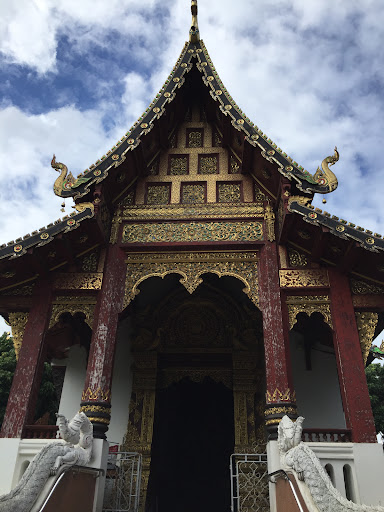
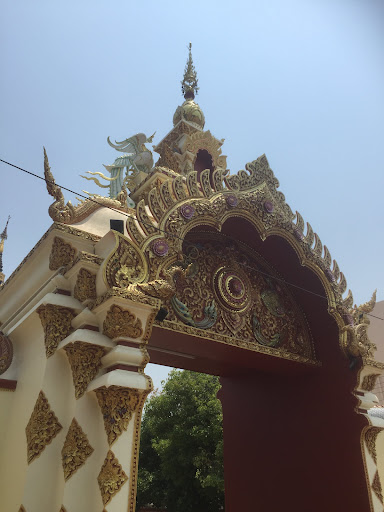
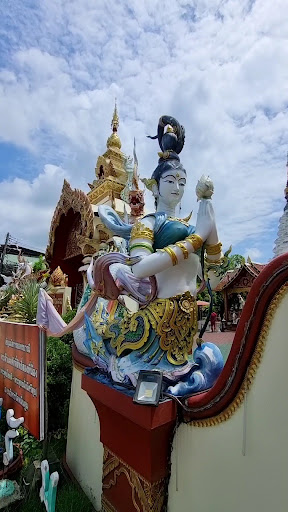
Wat Muen Tum things to do, attractions, restaurants, events info and trip planning
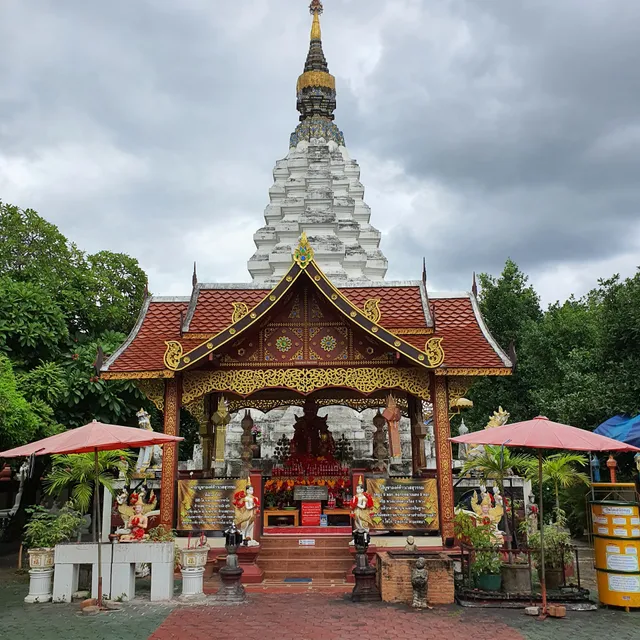
Basic Info
Wat Muen Tum
45 Prapokklao Road, Phra Sing, Mueang Chiang Mai District, Chiang Mai 50200, Thailand
4.6(115)
Save
spot
spot
Ratings & Description
Info
Cultural
Family friendly
Accessibility
attractions: Wat Jet Lin, Wat Chang Taem, Wua Lai Walking Street, Chiang Mai Gate, Missing Pieces : The Jigsaw Place, Wat Phantao, Wat Pha khao, Wat Chetta, Tha Phae Gate, Wat Chedi Luang, restaurants: Thaan Aoan, Freshtime food and juice, See You Soon Cafe Breakfast Brunch Coffee Dinner Thai food Drinks Shopping Hotel, Grill of India, Always Thaifood, The Real By Sushi & Thai WD, OHU bakery 오후, Fruit Cargo - Juice Bar & Vegetarian/Vegan Cafe, Coconut Shell Thai Food, WAKO BAKE at Old Town Chiang Mai, local businesses: Wat Muen Tum, Calm Massage and Spa ( Chiang Mai Gate branch ), Kalm Village Chiang Mai, Da Massage, Wat Chedi Luang, Wat Chang Taem, The Master Tattoo Chiang Mai, 8th House Chiangmai Old Town, City Pillar Shrine (San Lak Mueang), Wat Pan Whaen Thai Massage
 Learn more insights from Wanderboat AI.
Plan your stay

Pet-friendly Hotels in Chiang Mai Province
Find a cozy hotel nearby and make it a full experience.

Affordable Hotels in Chiang Mai Province
Find a cozy hotel nearby and make it a full experience.

The Coolest Hotels You Haven't Heard Of (Yet)
Find a cozy hotel nearby and make it a full experience.

Trending Stays Worth the Hype in Chiang Mai Province
Find a cozy hotel nearby and make it a full experience.
Reviews
Live events

Garden to Table - Thai culinary experience
Mon, Jan 26 • 2:00 PM
Haiya Sub-district, Chiang Mai, 50100, Thailand
View details
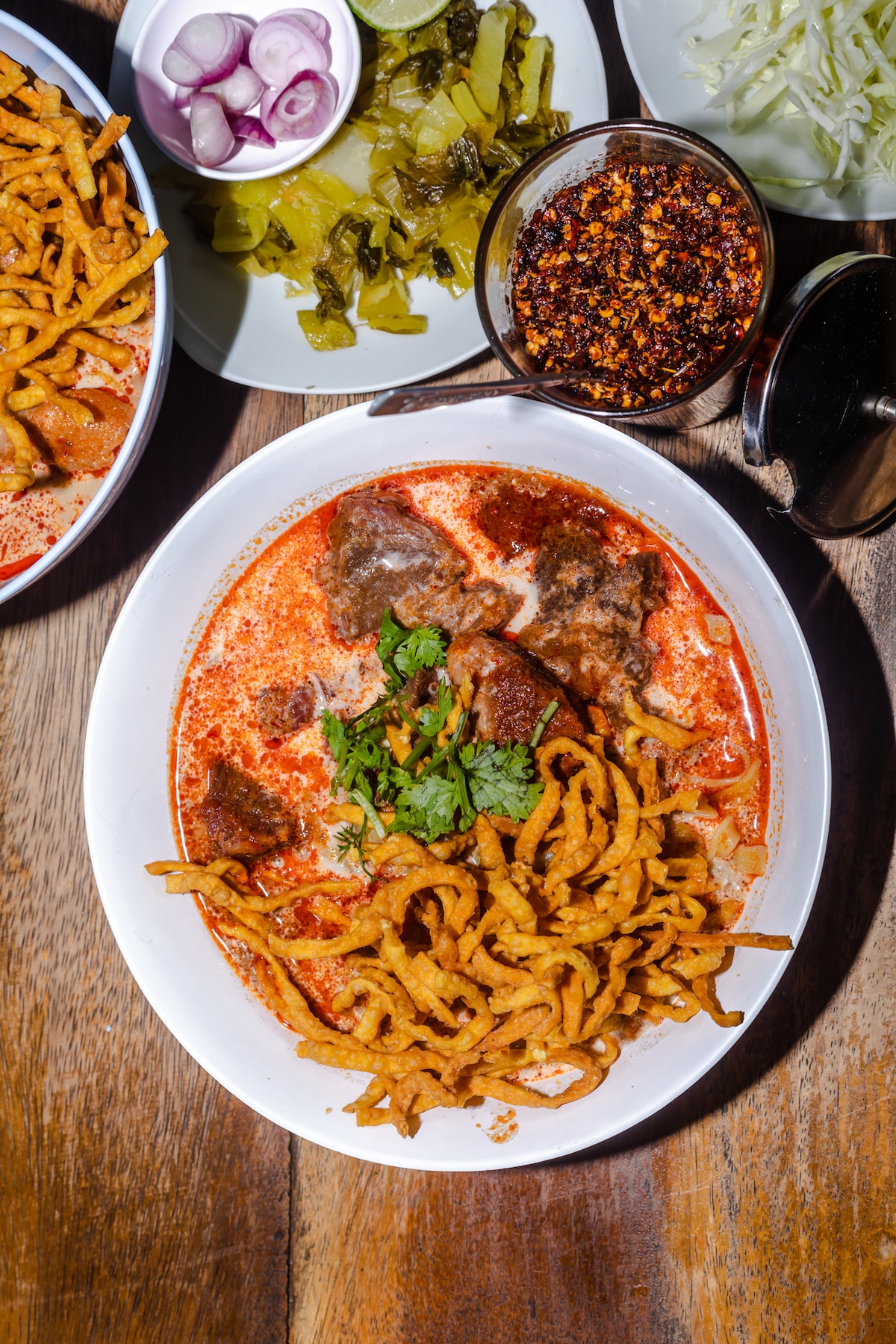
Lanna Kingdom Food Tour with 15-plus tastings
Mon, Jan 26 • 10:30 AM
Si Phum, Chiang Mai, 50200, Thailand
View details
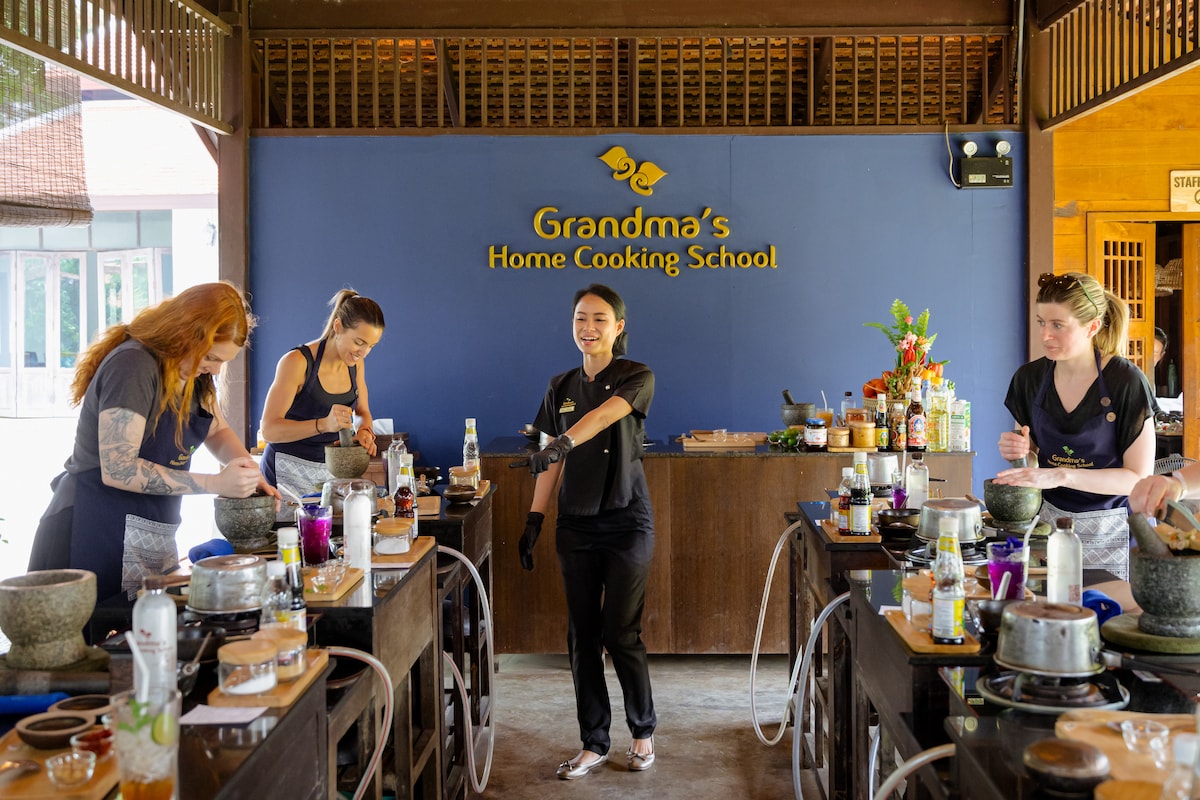
Cook Thai Dishes on Grandmas Organic Farm
Wed, Jan 28 • 9:00 AM
Saraphi, Chiang Mai, 50140, Thailand
View details
Nearby attractions of Wat Muen Tum
Wat Jet Lin
Wat Chang Taem
Wua Lai Walking Street
Chiang Mai Gate
Missing Pieces : The Jigsaw Place
Wat Phantao
Wat Pha khao
Wat Chetta
Tha Phae Gate
Wat Chedi Luang
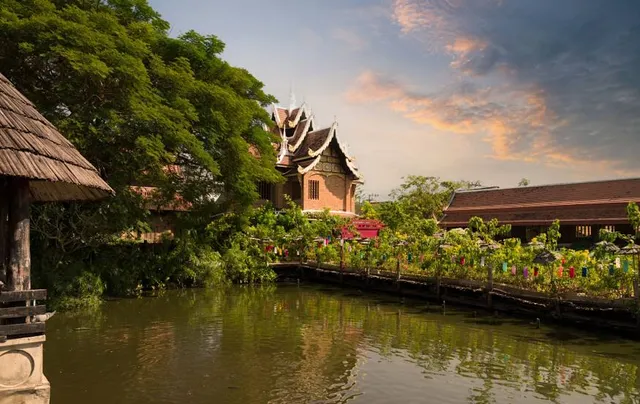
Wat Jet Lin
4.6
(828)
Closed
Click for details
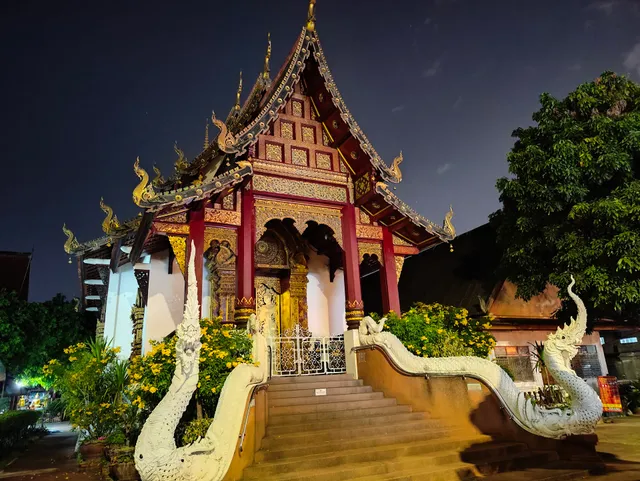
Wat Chang Taem
4.3
(82)
Open 24 hours
Click for details

Wua Lai Walking Street
4.5
(3.1K)
Open until 12:00 AM
Click for details
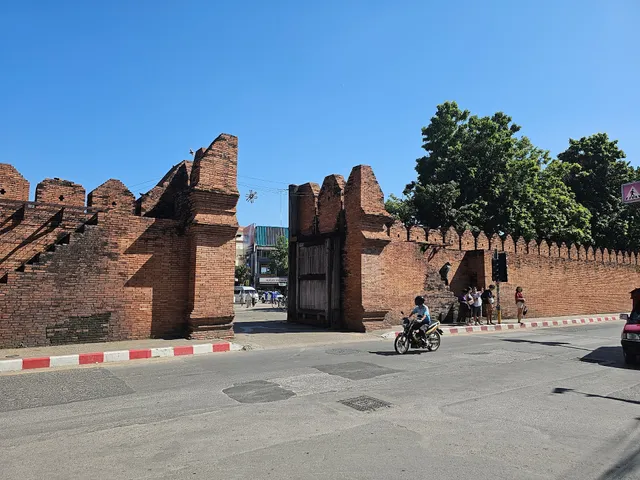
Chiang Mai Gate
4.4
(849)
Open until 12:00 AM
Click for details
Nearby restaurants of Wat Muen Tum
Thaan Aoan
Freshtime food and juice
See You Soon Cafe Breakfast Brunch Coffee Dinner Thai food Drinks Shopping Hotel
Grill of India
Always Thaifood
The Real By Sushi & Thai WD
OHU bakery 오후
Fruit Cargo - Juice Bar & Vegetarian/Vegan Cafe
Coconut Shell Thai Food
WAKO BAKE at Old Town Chiang Mai
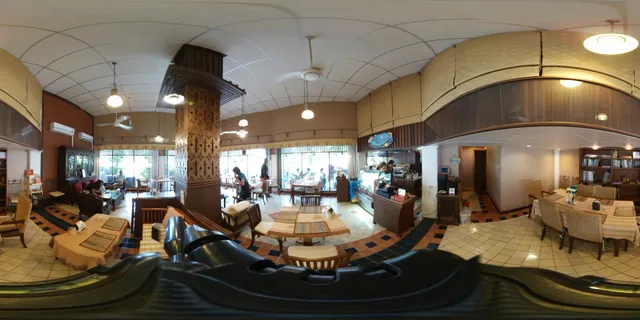
Thaan Aoan
4.6
(1.1K)
Closed
Click for details
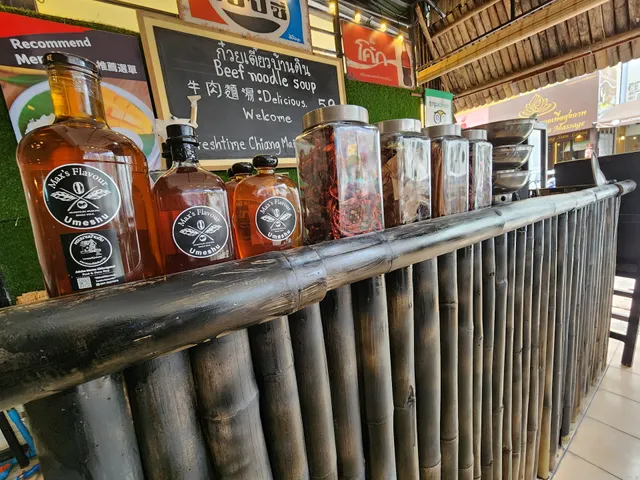
Freshtime food and juice
4.7
(254)
Closed
Click for details
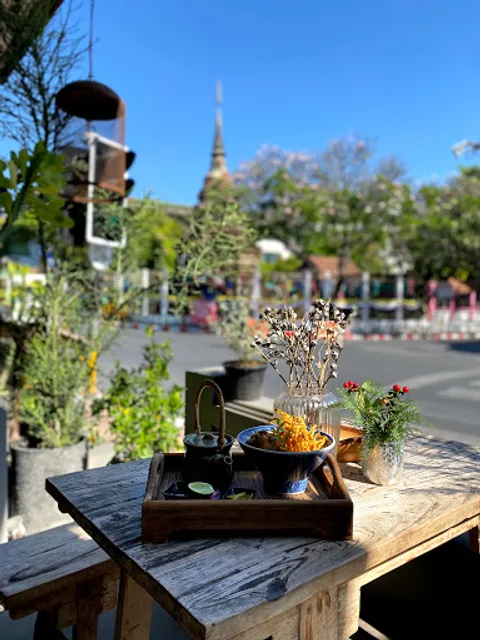
See You Soon Cafe Breakfast Brunch Coffee Dinner Thai food Drinks Shopping Hotel
4.0
(790)
$$
Click for details
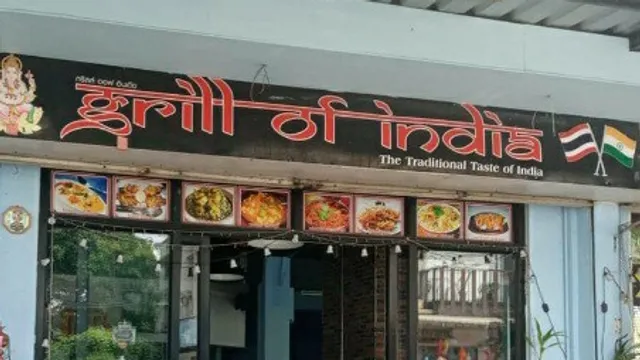
Grill of India
4.4
(403)
Open until 10:00 PM
Click for details
Nearby local services of Wat Muen Tum
Wat Muen Tum
Calm Massage and Spa ( Chiang Mai Gate branch )
Kalm Village Chiang Mai
Da Massage
Wat Chedi Luang
Wat Chang Taem
The Master Tattoo Chiang Mai
8th House Chiangmai Old Town
City Pillar Shrine (San Lak Mueang)
Wat Pan Whaen Thai Massage
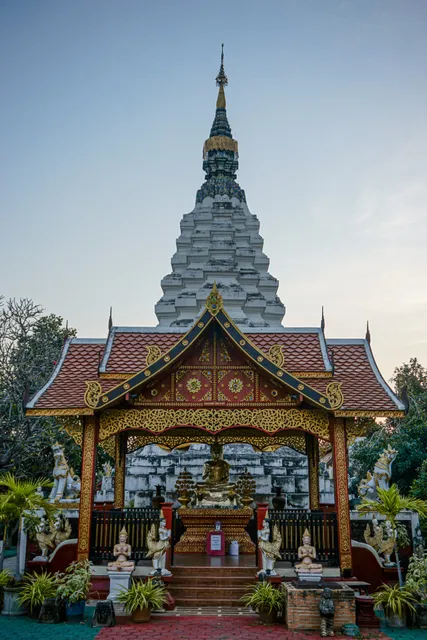
Wat Muen Tum
4.5
(74)
Click for details
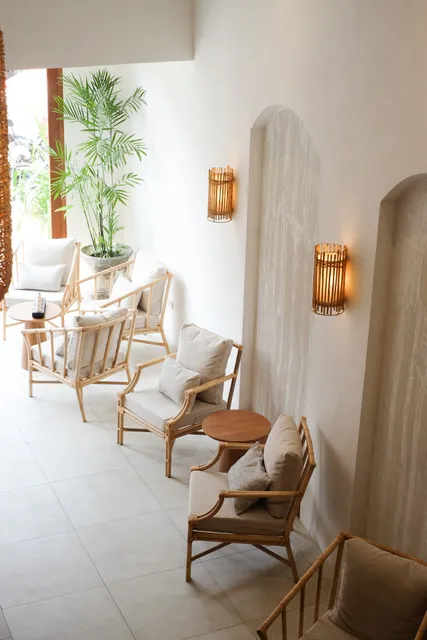
Calm Massage and Spa ( Chiang Mai Gate branch )
4.8
(1.1K)
Click for details
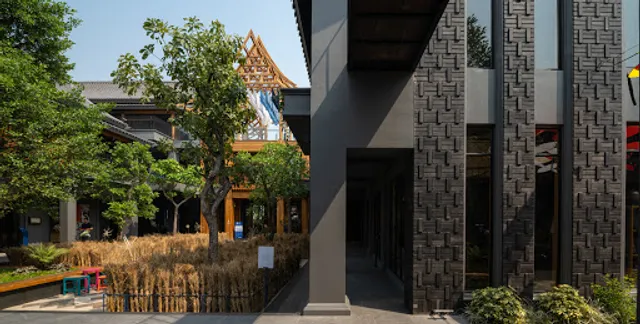
Kalm Village Chiang Mai
4.8
(1.2K)
Click for details
Da Massage
4.6
(448)
Click for details