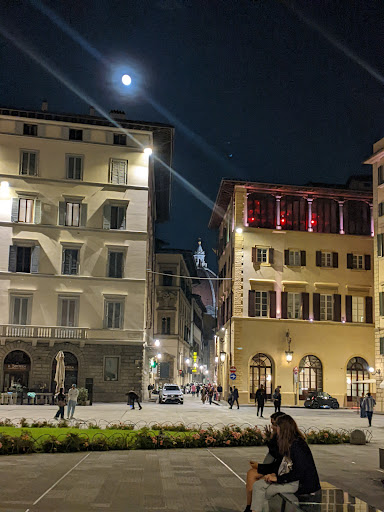
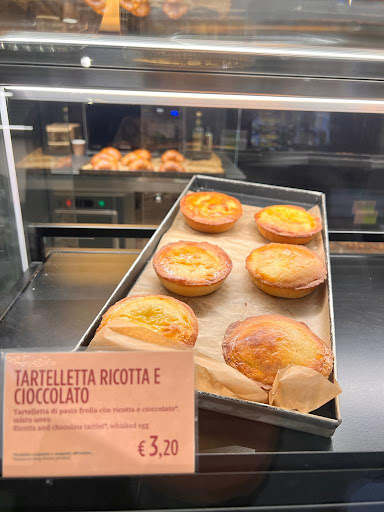
La Piadina di Casa Maioli - Santa Maria Novella things to do, attractions, restaurants, events info and trip planning
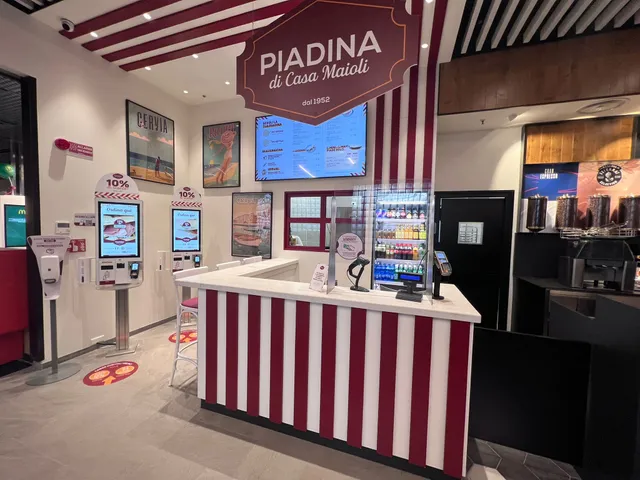
Basic Info
La Piadina di Casa Maioli - Santa Maria Novella
Piazza della Stazione, 50123 Firenze FI, Italy
4.7(2.2K)
Closed
Save
spot
spot
Ratings & Description
Info
attractions: Basilica of Santa Maria Novella, Officina Profumo - Farmaceutica di Santa Maria Novella, Firenzecard, Museum of Santa Maria Novella, Cappelle Medicee, Museo Novecento, Piazza del Duomo, Cenacolo del Fuligno, Galleria Poggiali, Cathedral of Santa Maria del Fiore, restaurants: Trattoria Osteria Dall'Oste SMN, Fratelli Cuore Pizzeria, Venchi, machi machi - Firenze S. Maria Novella (Underground), Panino Mondiale - Specialità Lampredotto, Starbucks - Firenze Santa Maria Novella, Trattoria Braciere Malatesta I Bistecca e Pizzeria a Firenze dal 1954, La Grotta Di Leo, Trattoria Dall'oste, Venchi Cioccolato e Gelato, Firenze Stazione Santa Maria Novella (Piazza della Stazione), local businesses: il Mercato Centrale Firenze, Galleria Commerciale Santa Maria Novella, Conad City, Farmacia Comunale Santa Maria Novella - Apoteca Natura, Kiko Milano, Freccia Lounge, ODStore, Dolce Vita Parrucchiere, L'Erbolario, Piazza del Mercato Centrale, 22r
 Learn more insights from Wanderboat AI.
Phone
+39 055 287342
Website
chefexpress.it
Open hoursSee all hours
Fri10 AM - 10 PMClosed
Plan your stay

Pet-friendly Hotels in Florence
Find a cozy hotel nearby and make it a full experience.

Affordable Hotels in Florence
Find a cozy hotel nearby and make it a full experience.

The Coolest Hotels You Haven't Heard Of (Yet)
Find a cozy hotel nearby and make it a full experience.

Trending Stays Worth the Hype in Florence
Find a cozy hotel nearby and make it a full experience.
Reviews
Live events

My Farm - three experiences in one day
Fri, Jan 30 • 9:15 AM
50124, Florence, Tuscany, Italy
View details
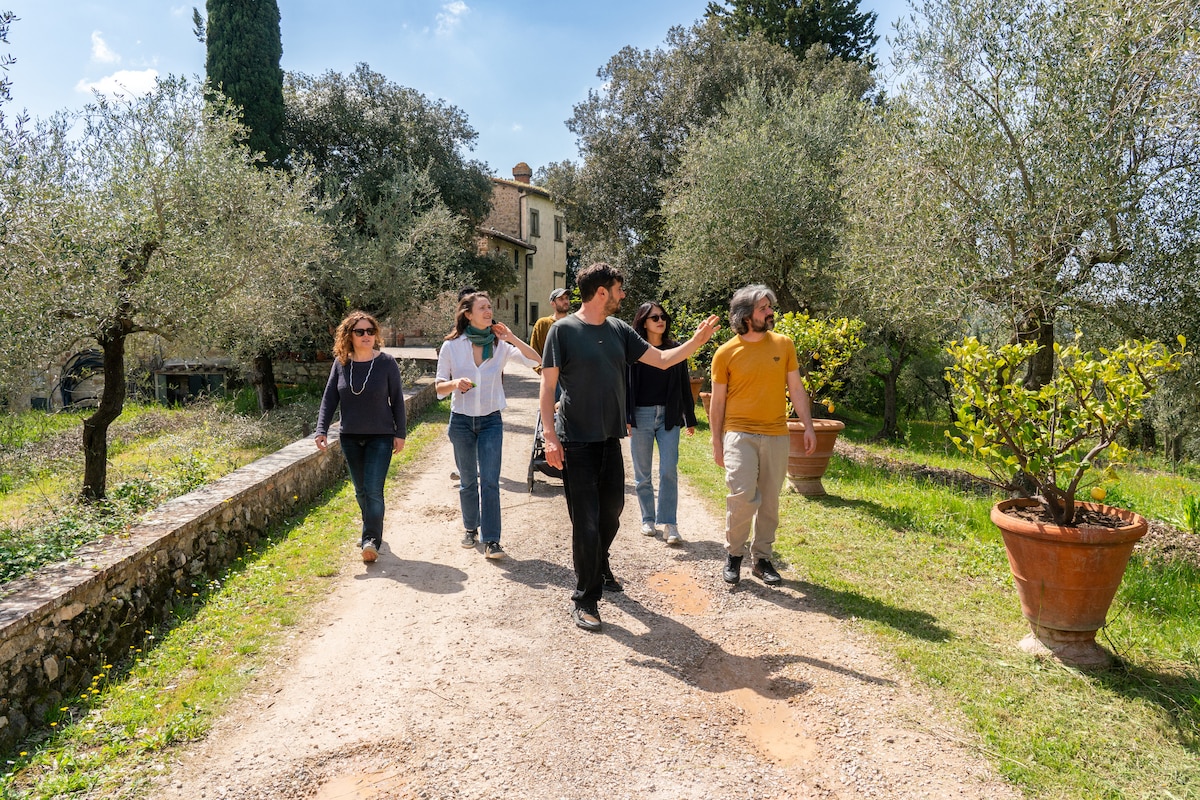
Organic oliveoil, orange wine tasting in chianti
Sat, Jan 31 • 12:00 PM
50022, Santa Cristina, Tuscany, Italy
View details
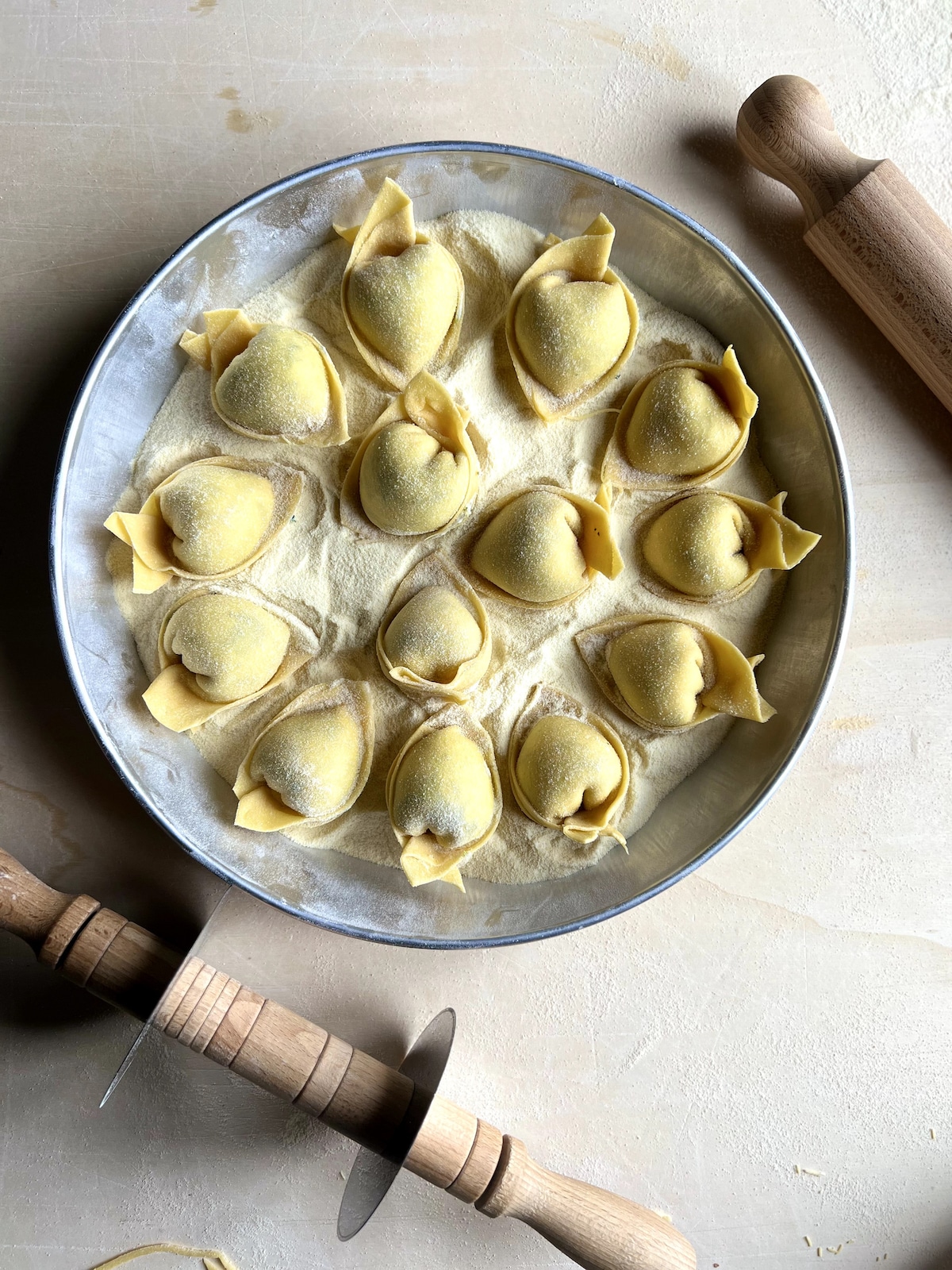
Francys Pasta&Gnocchi on the Florentine Hills
Fri, Jan 30 • 5:00 PM
50131, Florence, Tuscany, Italy
View details
Nearby attractions of La Piadina di Casa Maioli - Santa Maria Novella
Basilica of Santa Maria Novella
Officina Profumo - Farmaceutica di Santa Maria Novella
Firenzecard
Museum of Santa Maria Novella
Cappelle Medicee
Museo Novecento
Piazza del Duomo
Cenacolo del Fuligno
Galleria Poggiali
Cathedral of Santa Maria del Fiore
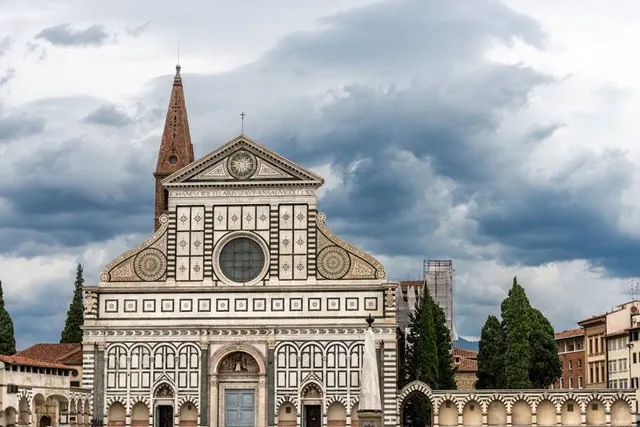
Basilica of Santa Maria Novella
4.7
(11.9K)
Closed
Click for details
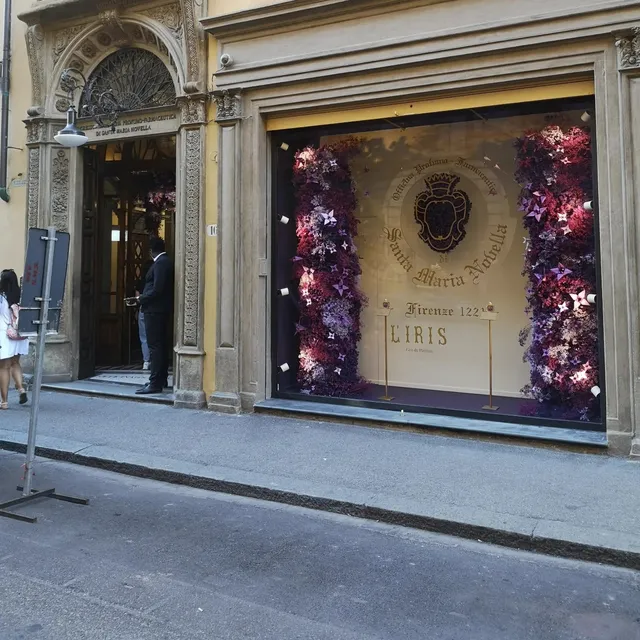
Officina Profumo - Farmaceutica di Santa Maria Novella
4.6
(1.5K)
Closed
Click for details
Firenzecard
3.2
(145)
Open 24 hours
Click for details
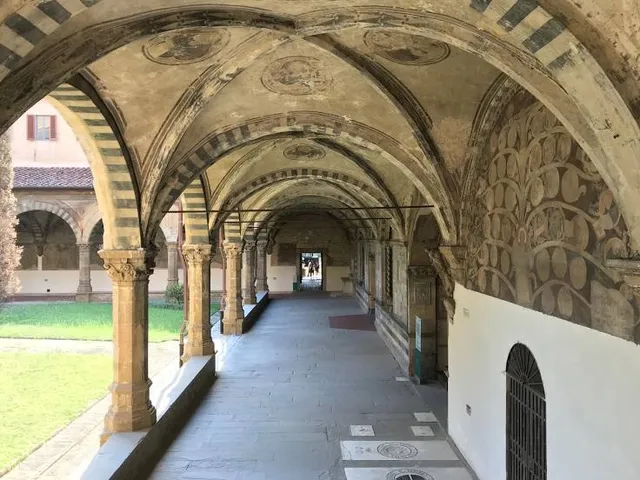
Museum of Santa Maria Novella
4.6
(103)
Closed
Click for details
Nearby restaurants of La Piadina di Casa Maioli - Santa Maria Novella
Trattoria Osteria Dall'Oste SMN
Fratelli Cuore Pizzeria
Venchi
machi machi - Firenze S. Maria Novella (Underground)
Panino Mondiale - Specialità Lampredotto
Starbucks - Firenze Santa Maria Novella
Trattoria Braciere Malatesta I Bistecca e Pizzeria a Firenze dal 1954
La Grotta Di Leo
Trattoria Dall'oste
Venchi Cioccolato e Gelato, Firenze Stazione Santa Maria Novella (Piazza della Stazione)
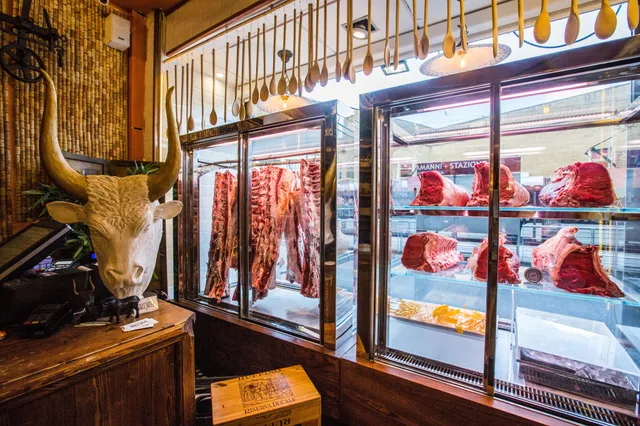
Trattoria Osteria Dall'Oste SMN
4.6
(5.1K)
$$
Closed
Click for details
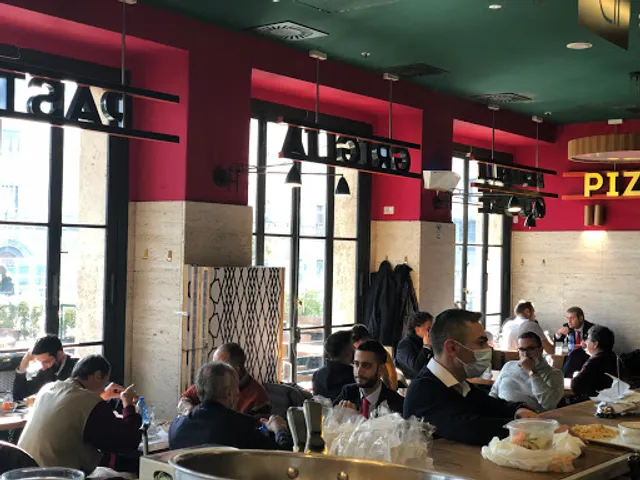
Fratelli Cuore Pizzeria
4.2
(1.2K)
Closed
Click for details
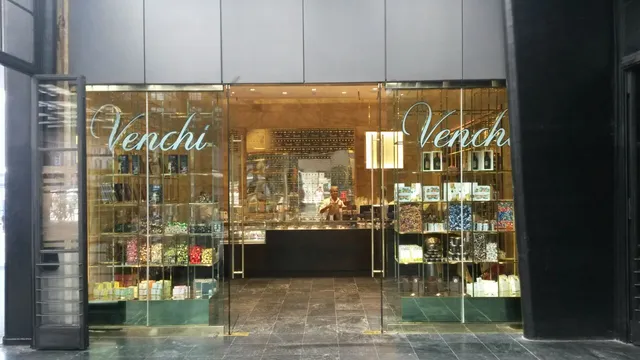
Venchi
4.7
(1.0K)
$$
Closed
Click for details

machi machi - Firenze S. Maria Novella (Underground)
4.8
(383)
Closed
Click for details
Nearby local services of La Piadina di Casa Maioli - Santa Maria Novella
il Mercato Centrale Firenze
Galleria Commerciale Santa Maria Novella
Conad City
Farmacia Comunale Santa Maria Novella - Apoteca Natura
Kiko Milano
Freccia Lounge
ODStore
Dolce Vita Parrucchiere
L'Erbolario
Piazza del Mercato Centrale, 22r
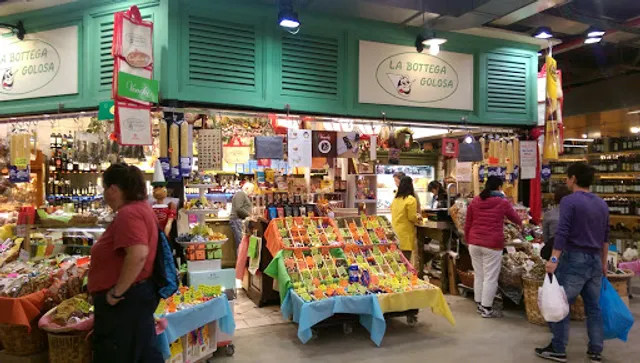
il Mercato Centrale Firenze
4.4
(19.8K)
Click for details
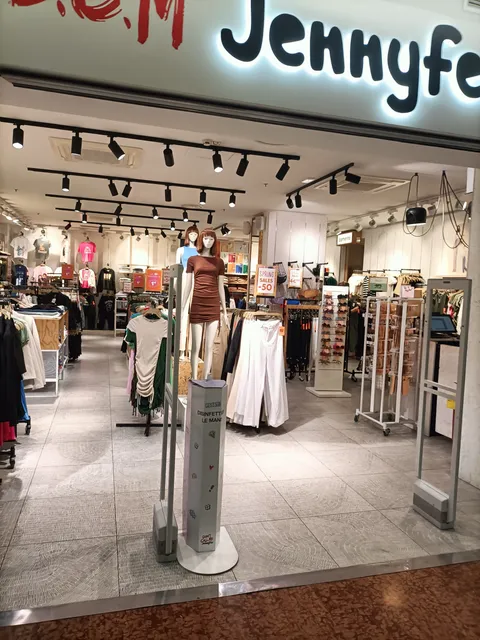
Galleria Commerciale Santa Maria Novella
4.1
(312)
Click for details
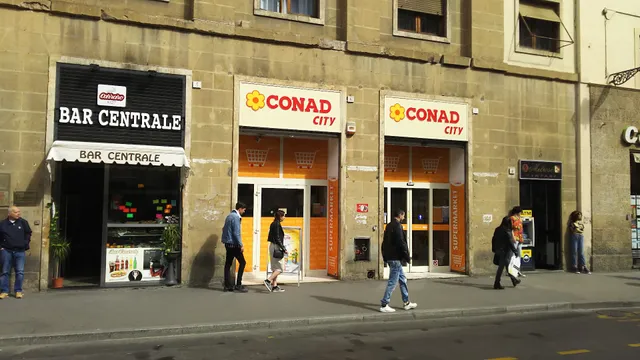
Conad City
4.0
(623)
Click for details
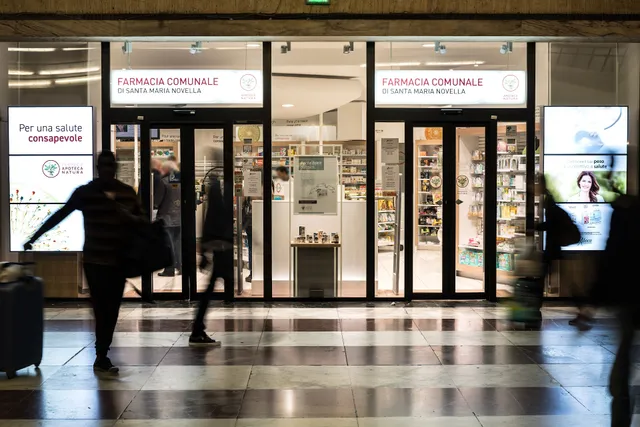
Farmacia Comunale Santa Maria Novella - Apoteca Natura
3.6
(177)
Click for details