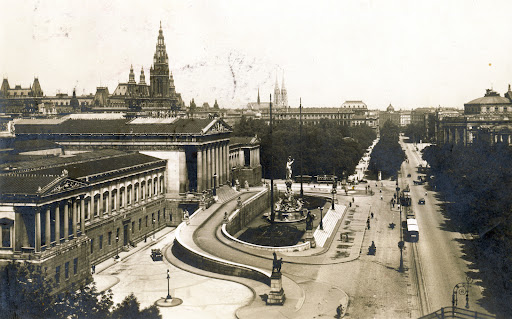
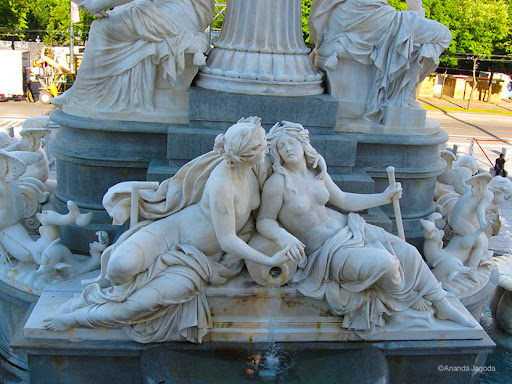
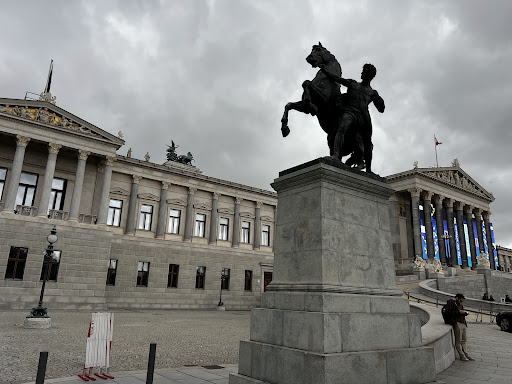
Pallas-Athene-Brunnen things to do, attractions, restaurants, events info and trip planning
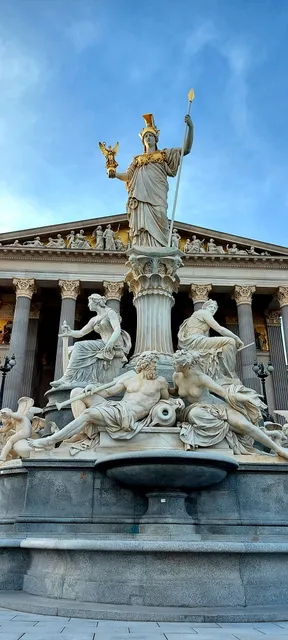
Basic Info
Pallas-Athene-Brunnen
Dr. Karl Renner-Ring, 1010 Wien, Austria
4.8(221)
Open until 12:00 AM
Save
spot
spot
Ratings & Description
Info
Cultural
Scenic
attractions: Austrian Parliament, Volksgarten, Rathausplatz, Museum of Natural History Vienna, Heldenplatz, Maria-Theresien-Platz, Burgtheater, Theseus Temple, Hofburg, Grete-Rehor-Park, restaurants: KELSEN im Parlament (Restaurant), Restaurant Bellaria, PIZZA SENZA DANZA, Café Landtmann, Cafe Restaurant Raimund, Justizcafé, Café Conditorei Sluka Rathausplatz, Phở Bến Thành, Café Eiles, Vestibül Restaurant im Burgtheater, local businesses: Parliament, Justizpalast, Vienna City Hall, Palais de Justice, Palacio de Auersperg, Ayuntamiento de Viena, Vienna Christmas Market walking, Museo Etnográfico de Viena, FITINN Fitnessstudio, Rathausplatz, Burgtheater
 Learn more insights from Wanderboat AI.
Phone
+43 1 401100
Open hoursSee all hours
TueOpen 24 hoursOpen
Plan your stay

Pet-friendly Hotels in Vienna
Find a cozy hotel nearby and make it a full experience.

Affordable Hotels in Vienna
Find a cozy hotel nearby and make it a full experience.

The Coolest Hotels You Haven't Heard Of (Yet)
Find a cozy hotel nearby and make it a full experience.

Trending Stays Worth the Hype in Vienna
Find a cozy hotel nearby and make it a full experience.
Reviews
Live events
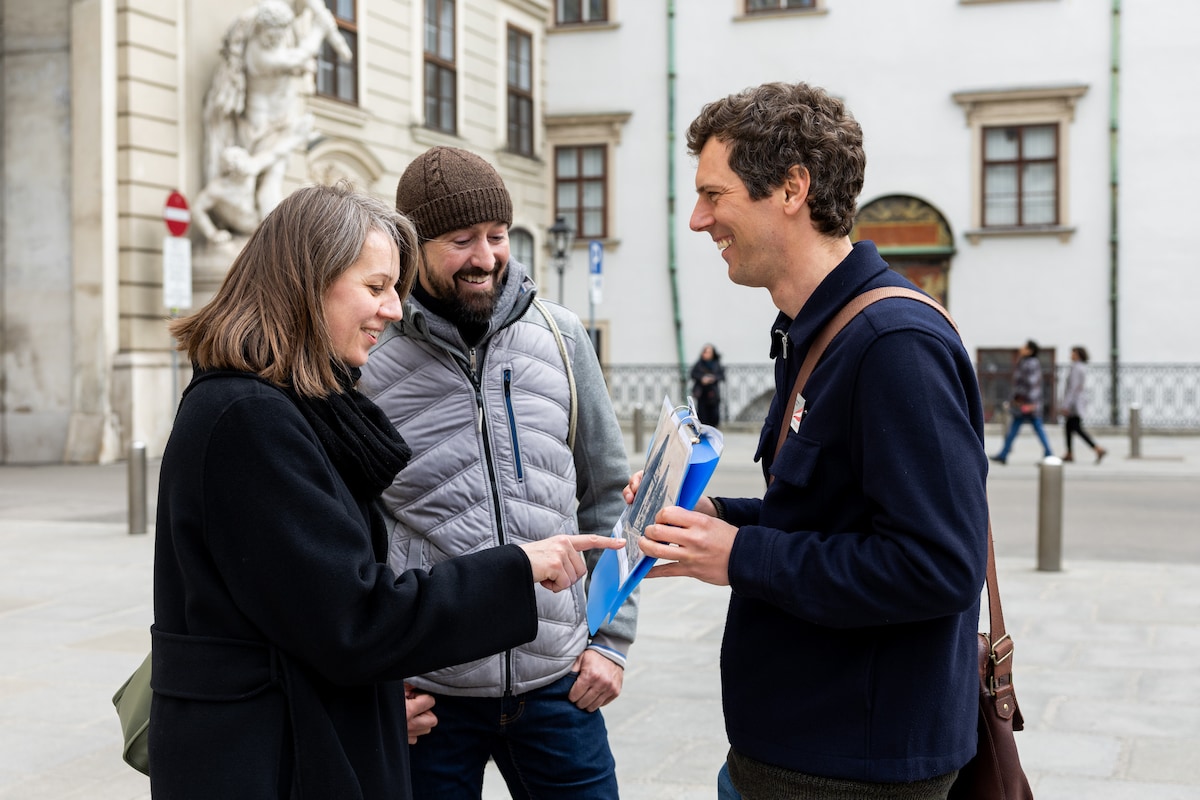
Explore historic Vienna
Wed, Feb 11 • 10:00 AM
Vienna, Vienna 1010, Austria
View details
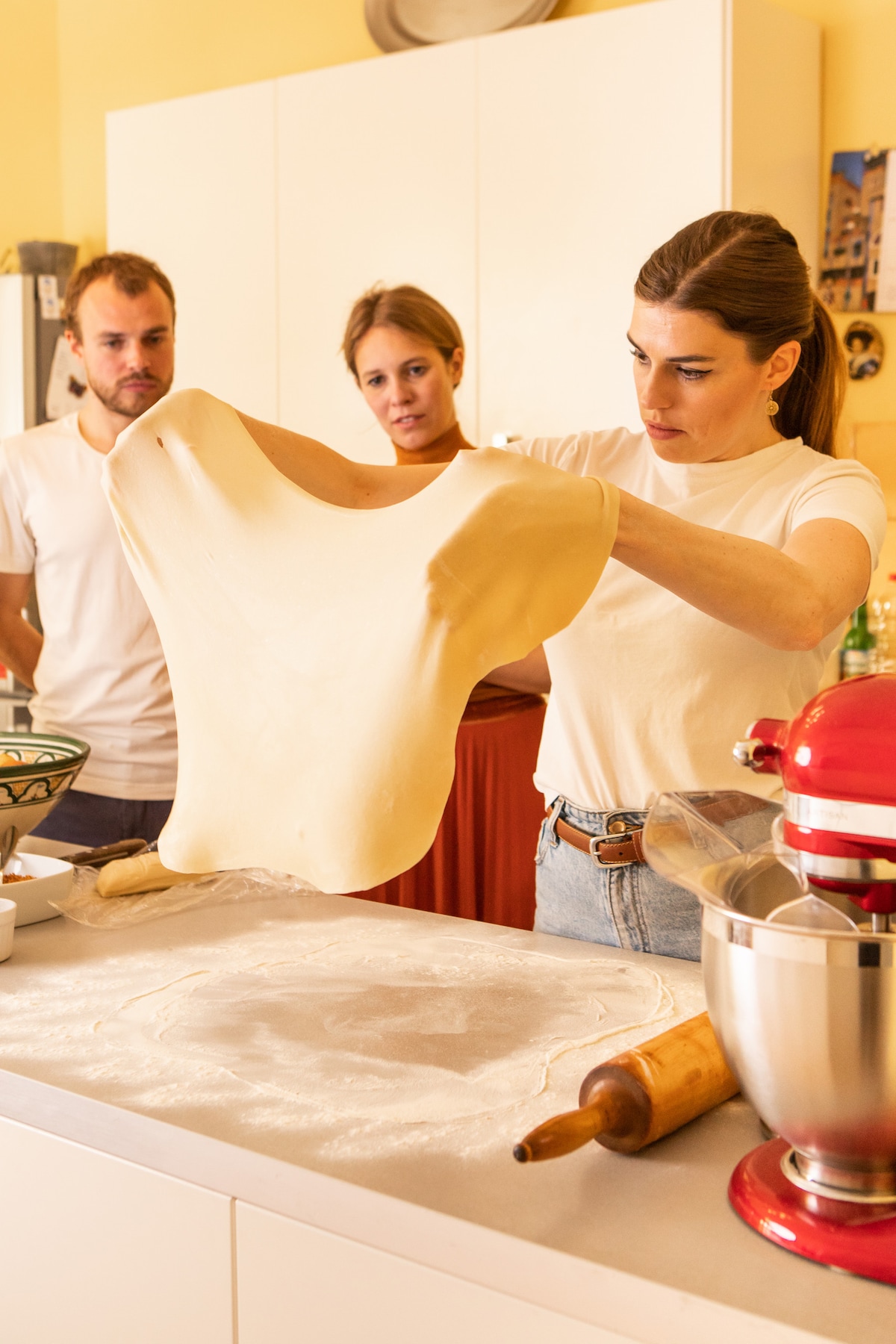
Cook schnitzel and strudel in a historic apartment
Wed, Feb 11 • 11:00 AM
Vienna, Vienna 1040, Austria
View details
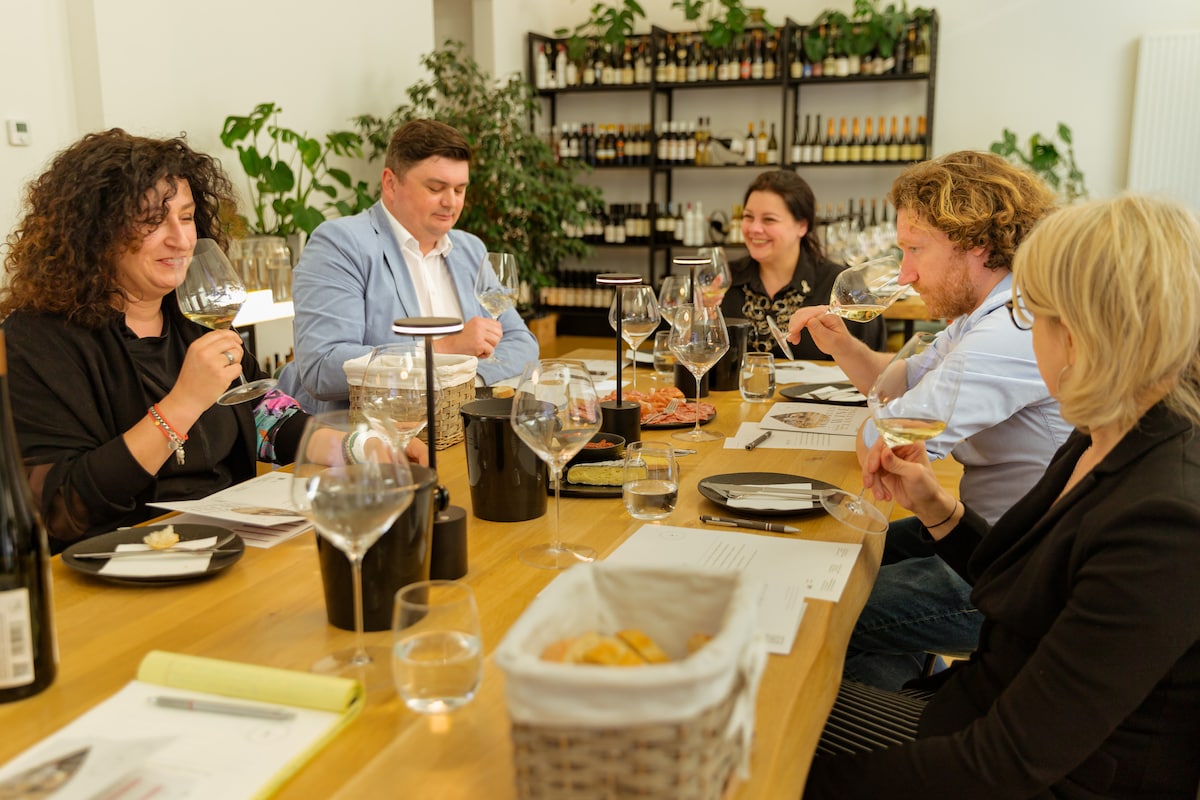
Taste Austrian wines in Vienna
Tue, Feb 10 • 2:00 PM
Vienna, Vienna 1020, Austria
View details
Nearby attractions of Pallas-Athene-Brunnen
Austrian Parliament
Volksgarten
Rathausplatz
Museum of Natural History Vienna
Heldenplatz
Maria-Theresien-Platz
Burgtheater
Theseus Temple
Hofburg
Grete-Rehor-Park
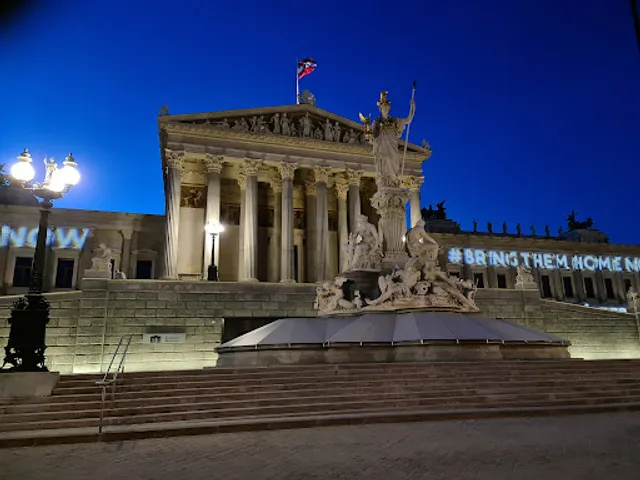
Austrian Parliament
4.6
(1.5K)
Closed
Click for details
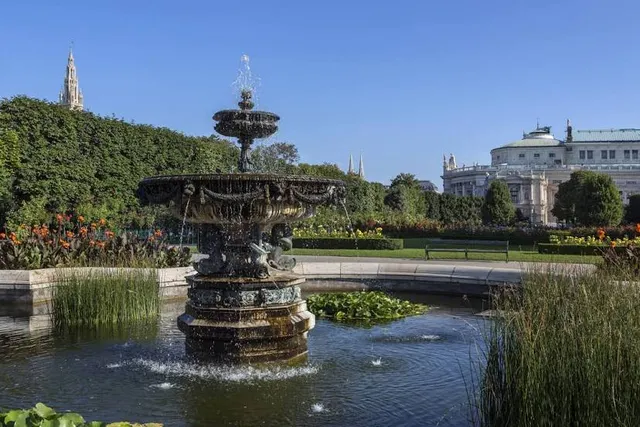
Volksgarten
4.6
(7.9K)
Closed
Click for details
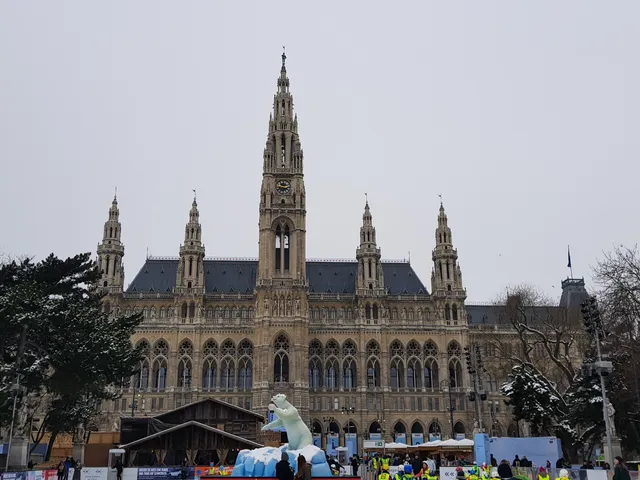
Rathausplatz
4.7
(16.6K)
Open until 12:00 AM
Click for details
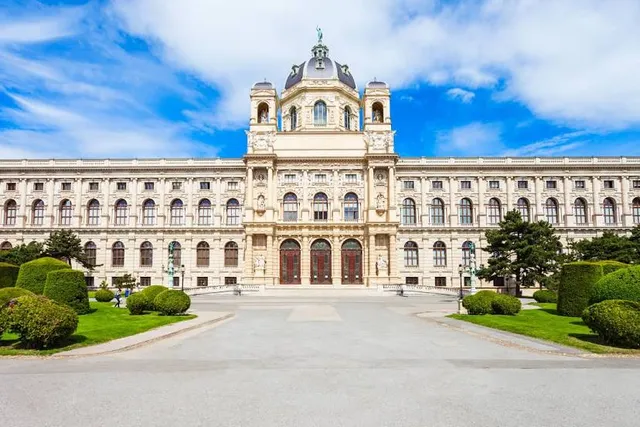
Museum of Natural History Vienna
4.8
(14.6K)
Open until 12:00 AM
Click for details
Nearby restaurants of Pallas-Athene-Brunnen
KELSEN im Parlament (Restaurant)
Restaurant Bellaria
PIZZA SENZA DANZA
Café Landtmann
Cafe Restaurant Raimund
Justizcafé
Café Conditorei Sluka Rathausplatz
Phở Bến Thành
Café Eiles
Vestibül Restaurant im Burgtheater
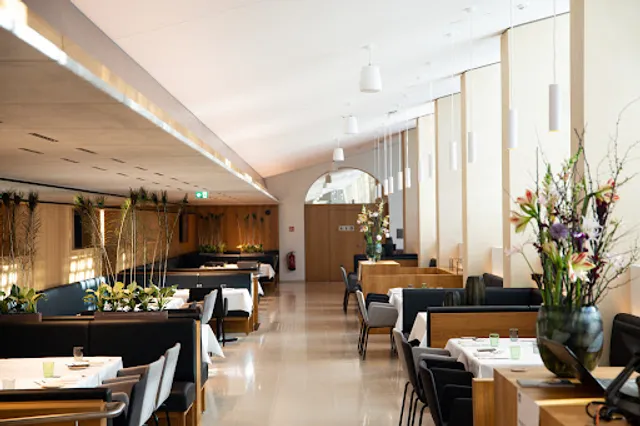
KELSEN im Parlament (Restaurant)
4.3
(134)
Closed
Click for details
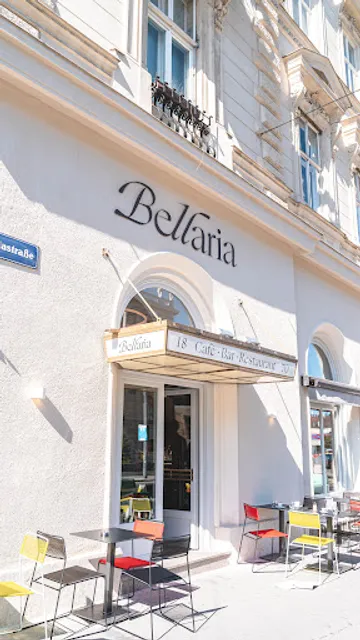
Restaurant Bellaria
4.2
(1.0K)
Closed
Click for details
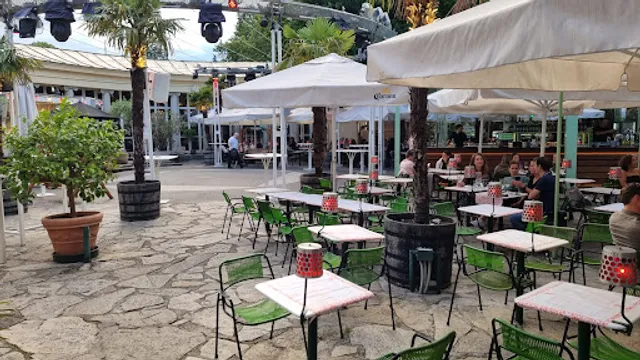
PIZZA SENZA DANZA
3.8
(345)
Click for details
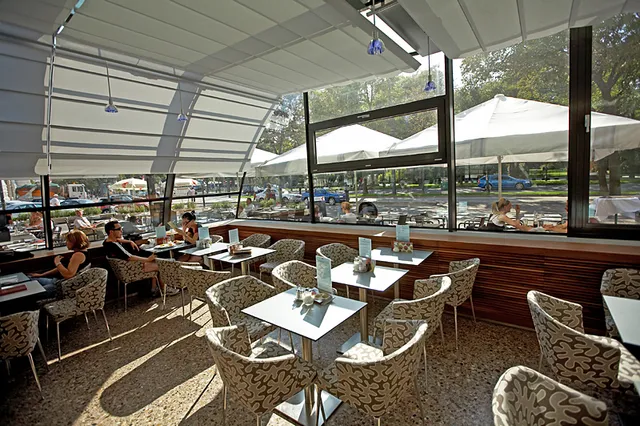
Café Landtmann
4.4
(7.3K)
Closed
Click for details
Nearby local services of Pallas-Athene-Brunnen
Parliament
Justizpalast
Vienna City Hall
Palais de Justice
Palacio de Auersperg
Ayuntamiento de Viena
Vienna Christmas Market walking
Museo Etnográfico de Viena
FITINN Fitnessstudio
Rathausplatz, Burgtheater
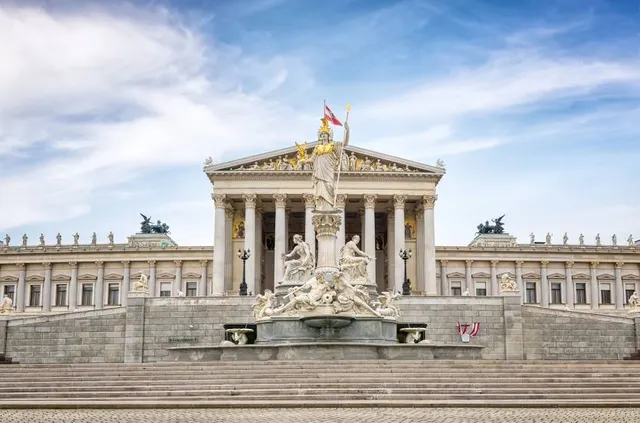
Parliament
4.5
(832)
Click for details
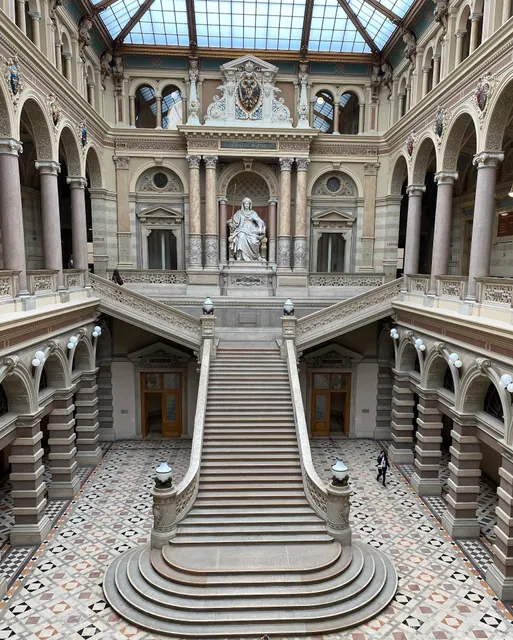
Justizpalast
4.0
(267)
Click for details
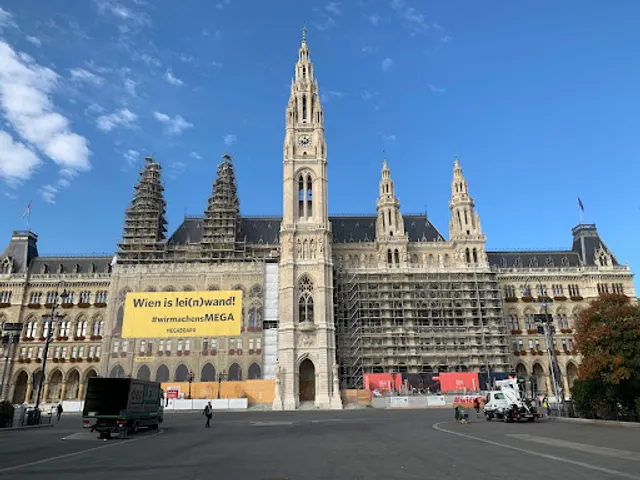
Vienna City Hall
4.7
(1.7K)
Click for details
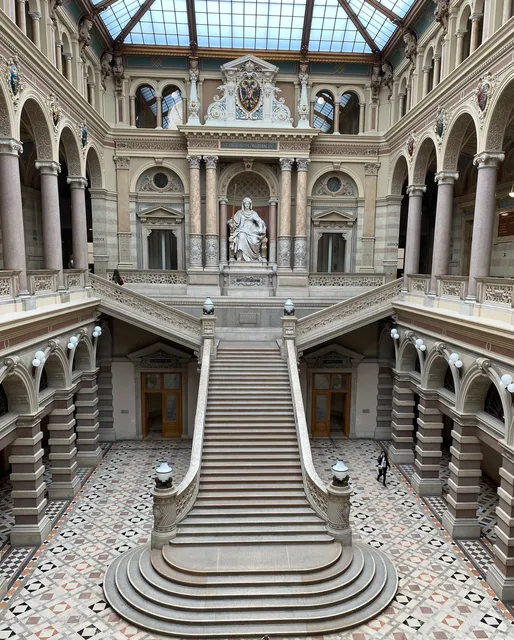
Palais de Justice
4.3
(123)
Click for details