Place d’Armes things to do, attractions, restaurants, events info and trip planning
Basic Info
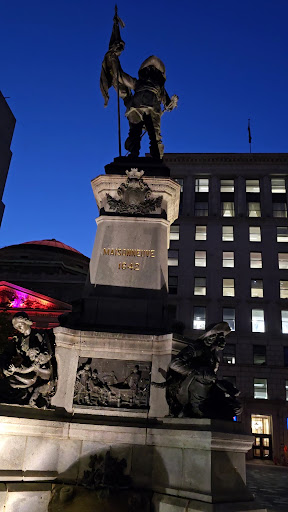
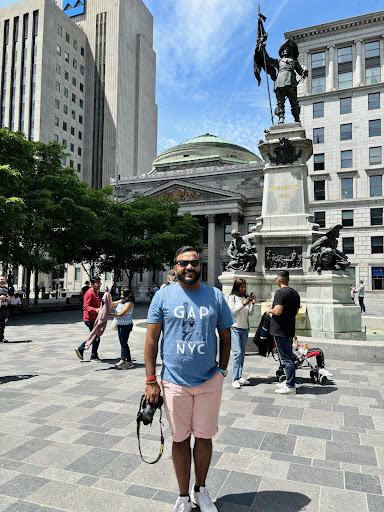
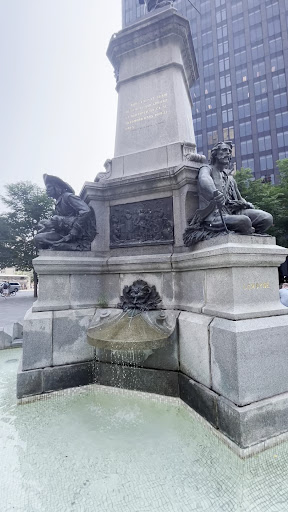
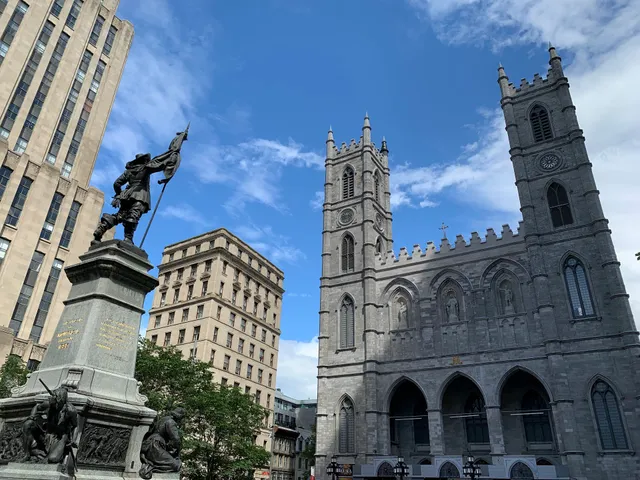
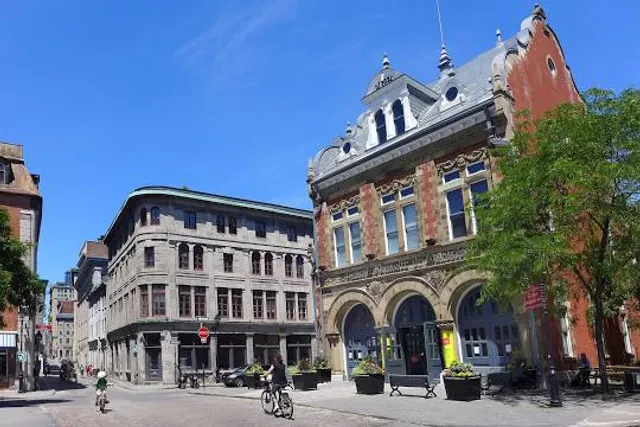
Place d’Armes
Côte de la Place d’Armes and, Rue Saint-Jacques, Montreal, Quebec, Canada
4.7(238)
Open until 12:00 AM
Save
spot
spot
Ratings & Description
Info
Cultural
Scenic
Outdoor
Family friendly
Accessibility
attractions: Notre-Dame Basilica of Montreal, Museum of Illusions Montréal, Monument to Paul de Chomedey, Sieur de Maisonneuve, Aldred Building, Montreal Convention Centre, Bank of Montreal Museum, OASIS immersion, Scandinave Spa (Vieux-Montréal), Montreal Museum of Archaeology and History, Parc de La Presse, restaurants: Brasserie 701, Kyo Bar Japonais, Crêperie Maison Bagatelle, Terrasse Place D'Armes, Pizzeria Bros (Old Montreal), Restaurant Sauvage, Lola Bar, Joverse, Tommy Café, Marché Saint Laurent, Montréal, local businesses: Rainspa, 500 Place d'Armes, Noël Éternel, Centro de historia de Montreal, EN VOGUE Salon de Coiffure, Montreal Chinatown, Swatow Plaza, DAMO Massage (Chinatown), Salon De Coiffure Zhang, World Trade Centre Montréal
 Learn more insights from Wanderboat AI.
Phone
(800) 971-7678
Website
hotelplacedarmes.com
Open hoursSee all hours
TueOpen 24 hoursOpen
Plan your stay

Pet-friendly Hotels in Montreal
Find a cozy hotel nearby and make it a full experience.

Affordable Hotels in Montreal
Find a cozy hotel nearby and make it a full experience.

The Coolest Hotels You Haven't Heard Of (Yet)
Find a cozy hotel nearby and make it a full experience.

Trending Stays Worth the Hype in Montreal
Find a cozy hotel nearby and make it a full experience.
Reviews
Live events
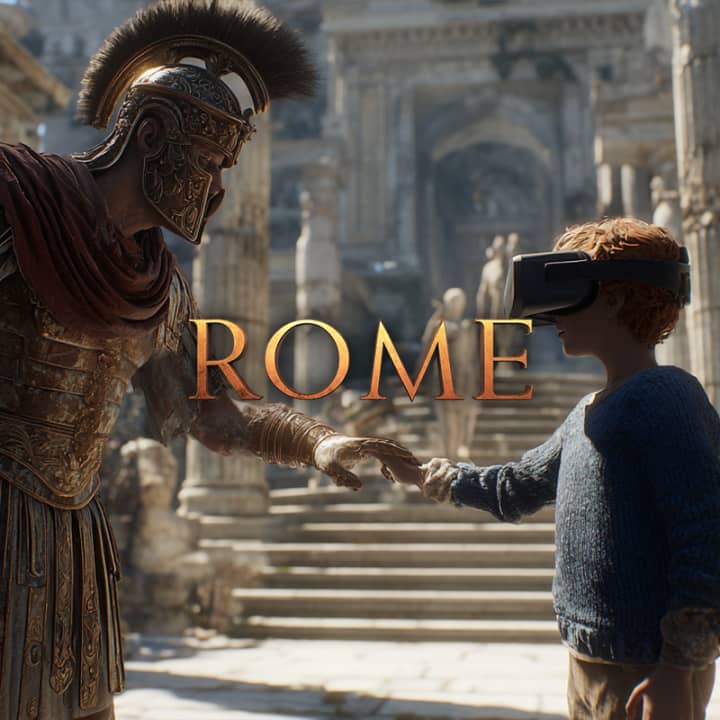
ROME, sur les traces de César
Wed, Feb 25 • 10:00 AM
201 Av. Viger O, Montréal, H2Z 1X7
View details
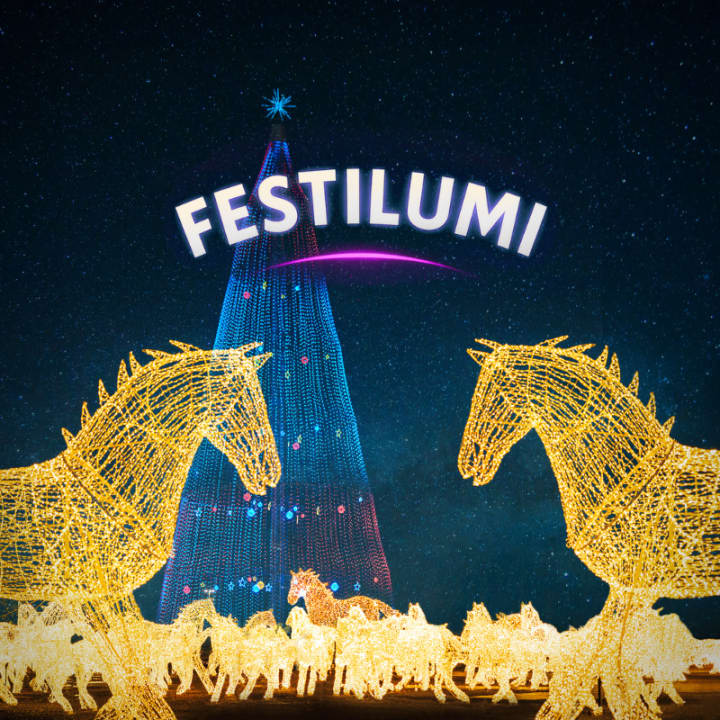
Festilumi
Wed, Feb 25 • 6:00 PM
315, rue du Marché-Central Montréal, H4N 3K1
View details

Les Derniers Remparts: l’expédition médiévale épique
Wed, Feb 25 • 12:00 PM
2 Rue de la Commune Ouest, Montréal, H2Y 4B2
View details
Nearby attractions of Place d’Armes
Notre-Dame Basilica of Montreal
Museum of Illusions Montréal
Monument to Paul de Chomedey, Sieur de Maisonneuve
Aldred Building
Montreal Convention Centre
Bank of Montreal Museum
OASIS immersion
Scandinave Spa (Vieux-Montréal)
Montreal Museum of Archaeology and History
Parc de La Presse
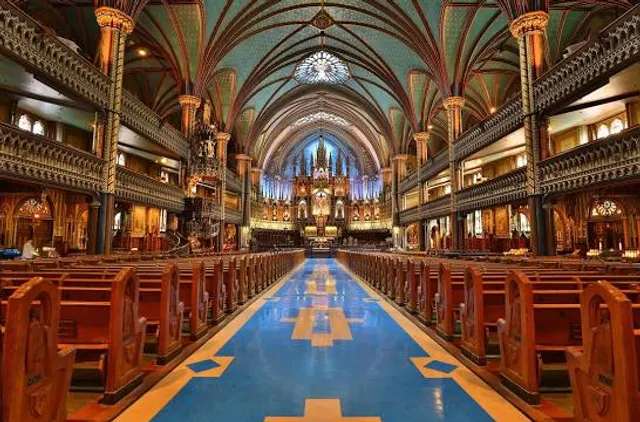
Notre-Dame Basilica of Montreal
4.7
(13.8K)
Closed
Click for details
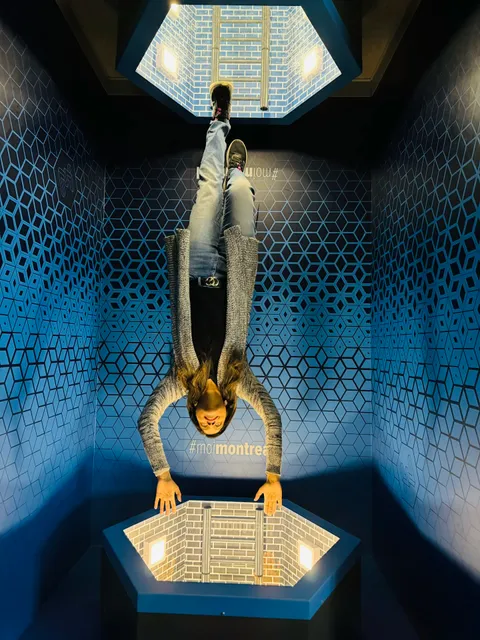
Museum of Illusions Montréal
4.1
(1.3K)
Closed
Click for details
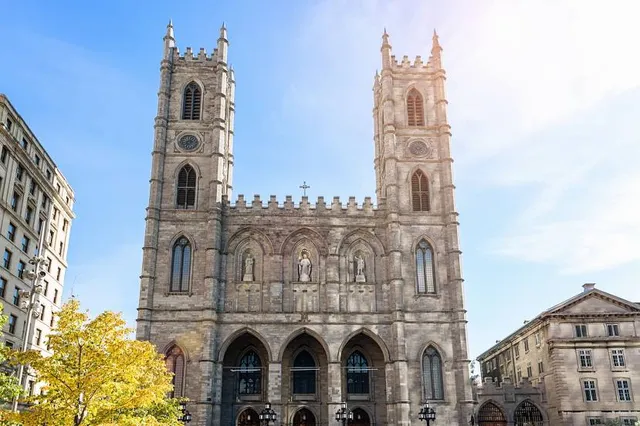
Monument to Paul de Chomedey, Sieur de Maisonneuve
4.7
(141)
Open until 12:00 AM
Click for details
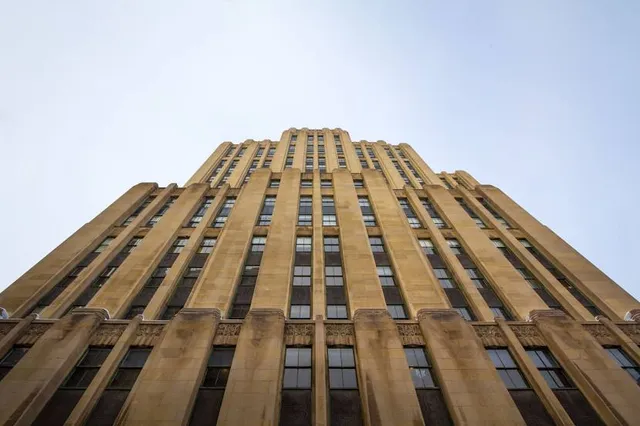
Aldred Building
4.4
(107)
Open 24 hours
Click for details
Nearby restaurants of Place d’Armes
Brasserie 701
Kyo Bar Japonais
Crêperie Maison Bagatelle
Terrasse Place D'Armes
Pizzeria Bros (Old Montreal)
Restaurant Sauvage
Lola Bar
Joverse
Tommy Café
Marché Saint Laurent, Montréal
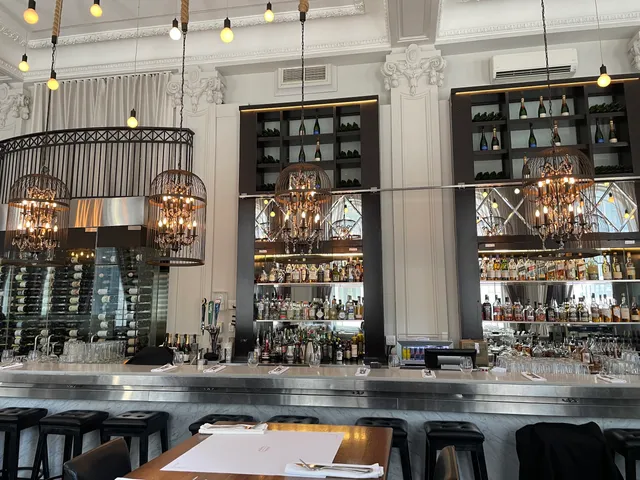
Brasserie 701
4.3
(1.7K)
$$$
Open until 11:00 PM
Click for details
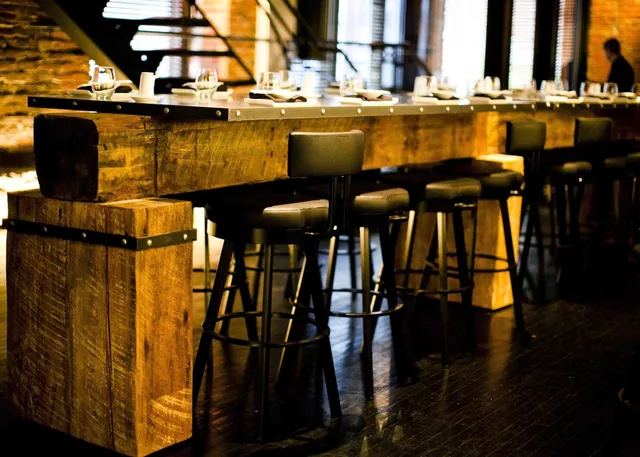
Kyo Bar Japonais
4.5
(1.7K)
$$
Open until 11:00 PM
Click for details
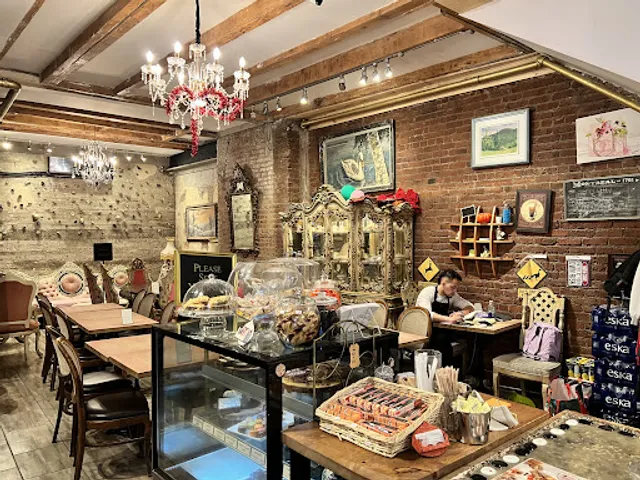
Crêperie Maison Bagatelle
4.7
(2.1K)
Open until 10:00 PM
Click for details
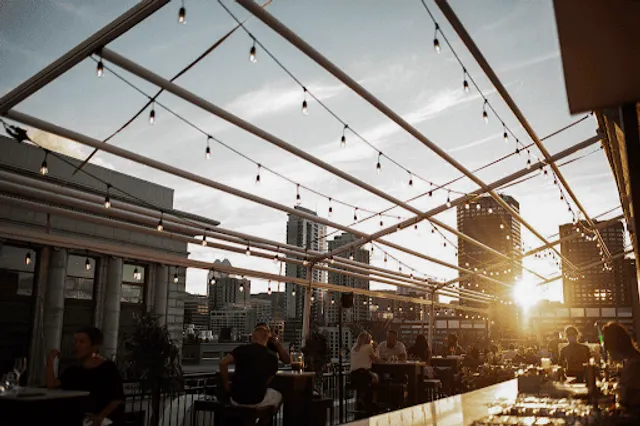
Terrasse Place D'Armes
4.2
(548)
$$$
Click for details
Nearby local services of Place d’Armes
Rainspa
500 Place d'Armes
Noël Éternel
Centro de historia de Montreal
EN VOGUE Salon de Coiffure
Montreal Chinatown
Swatow Plaza
DAMO Massage (Chinatown)
Salon De Coiffure Zhang
World Trade Centre Montréal

Rainspa
4.5
(162)
Click for details
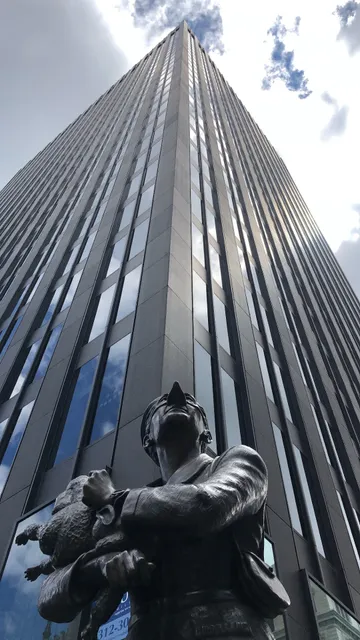
500 Place d'Armes
4.9
(259)
Click for details
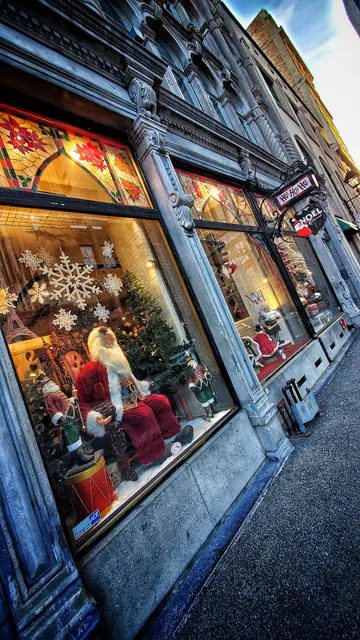
Noël Éternel
4.4
(264)
Click for details
Centro de historia de Montreal
4.4
(255)
Click for details