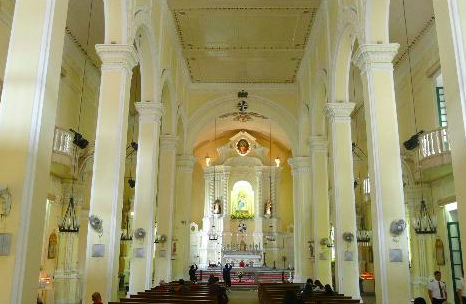
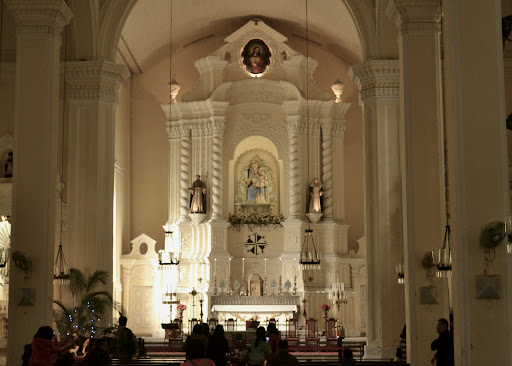
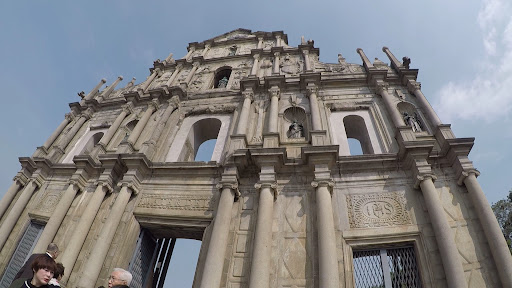
St. Dominic's Church things to do, attractions, restaurants, events info and trip planning
Basic Info
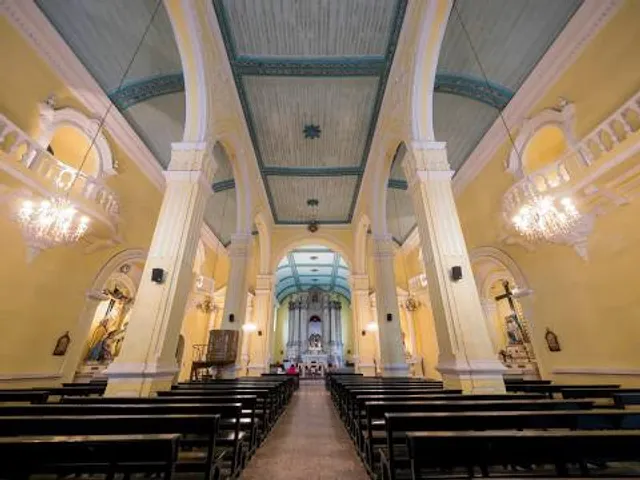
St. Dominic's Church
Largo de São Domingos, Macao
4.4(717)
Open until 6:00 PM
Save
spot
spot
Ratings & Description
Info
Cultural
Scenic
Family friendly
Accessibility
attractions: Senado Square, Ruins of Saint Paul's, Lou Kau Mansion, Cathedral of the Nativity of Our Lady, Macau, Holy House of Mercy, St. Dominic's Church Museum - Treasure of Sacred Art, 板樟堂前地, Sam Kai Vui Kun, Monte Fort, 女媧廟, restaurants: Wong Chi Kei (Largo do Senado), Portucau 澳葡坊, 營地街市熟食中心, Sei Kee Café, Sing Lei Cha Chaan Teng, 錦記牛雜, 梓記牛什, lemon cello, Indo-Pak Curry House, Wu Er Guang Chao Fu Noodle Restaurant, local businesses: Ruins of St. Paul's, Holy House of Mercy, Municipal Affairs Bureau, Livraria Portuguesa, Pastelaria Koi Kei, Mercado de S. Domingos Municipal Complex, POP MART (澳門新馬路板樟堂店), Patio de Chon Sau, Cartório da Sé, Salad(銀座廣場店)
 Learn more insights from Wanderboat AI.
Phone
+853 2836 7706
Website
macaumuseum.gov.mo
Open hoursSee all hours
Sun10 AM - 6 PMOpen
Plan your stay

Pet-friendly Hotels in Sé
Find a cozy hotel nearby and make it a full experience.

Affordable Hotels in Sé
Find a cozy hotel nearby and make it a full experience.

The Coolest Hotels You Haven't Heard Of (Yet)
Find a cozy hotel nearby and make it a full experience.

Trending Stays Worth the Hype in Sé
Find a cozy hotel nearby and make it a full experience.
Reviews
Nearby attractions of St. Dominic's Church
Senado Square
Ruins of Saint Paul's
Lou Kau Mansion
Cathedral of the Nativity of Our Lady, Macau
Holy House of Mercy
St. Dominic's Church Museum - Treasure of Sacred Art
板樟堂前地
Sam Kai Vui Kun
Monte Fort
女媧廟
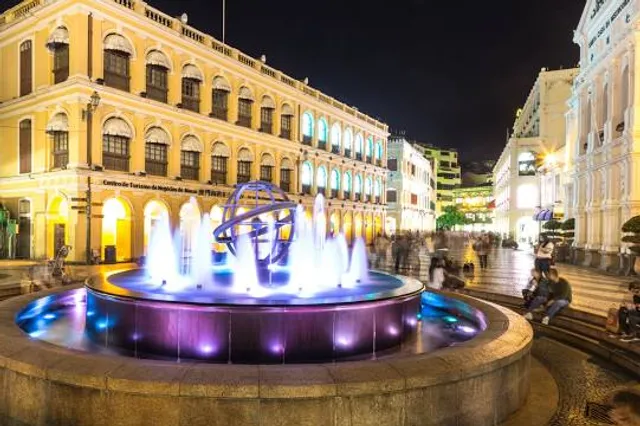
Senado Square
4.3
(5.7K)
Open until 12:00 AM
Click for details
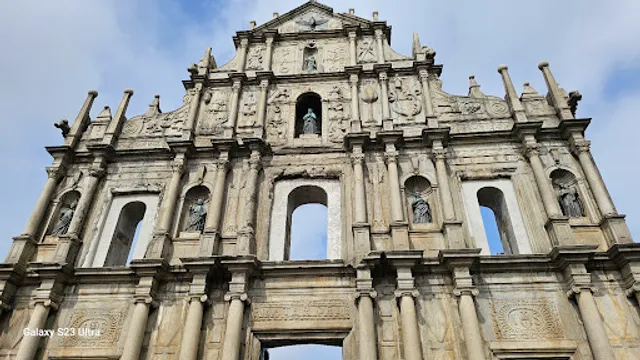
Ruins of Saint Paul's
4.4
(9.3K)
Open until 6:00 PM
Click for details
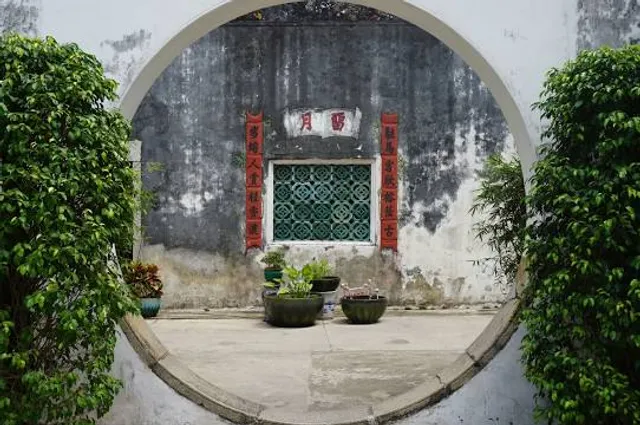
Lou Kau Mansion
4.1
(348)
Open until 6:00 PM
Click for details
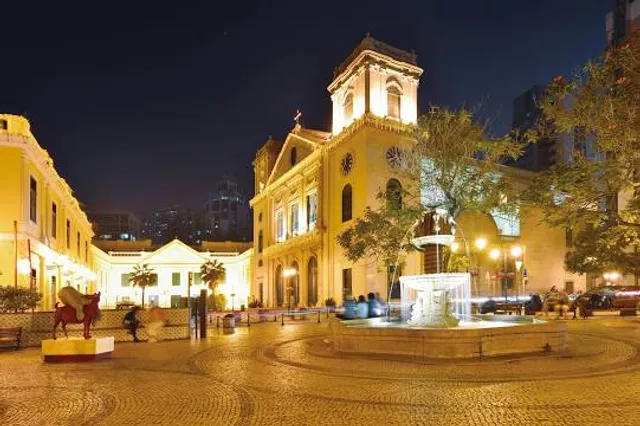
Cathedral of the Nativity of Our Lady, Macau
4.5
(241)
Open 24 hours
Click for details
Nearby restaurants of St. Dominic's Church
Wong Chi Kei (Largo do Senado)
Portucau 澳葡坊
營地街市熟食中心
Sei Kee Café
Sing Lei Cha Chaan Teng
錦記牛雜
梓記牛什
lemon cello
Indo-Pak Curry House
Wu Er Guang Chao Fu Noodle Restaurant
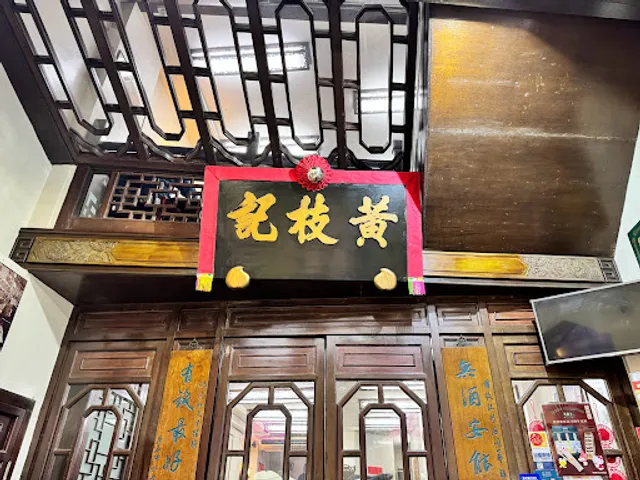
Wong Chi Kei (Largo do Senado)
3.8
(956)
$$
Open until 9:30 PM
Click for details
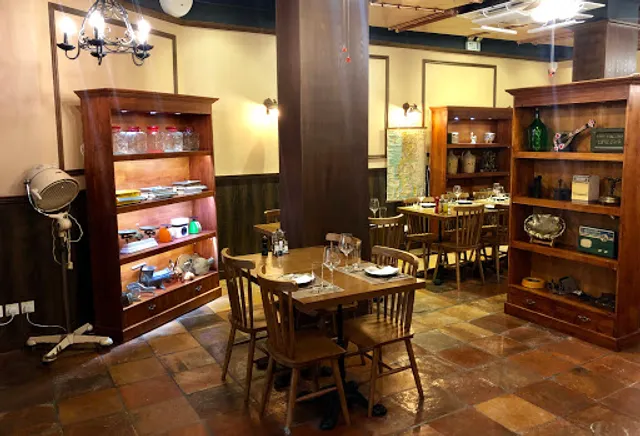
Portucau 澳葡坊
4.6
(456)
Open until 3:00 PM
Click for details
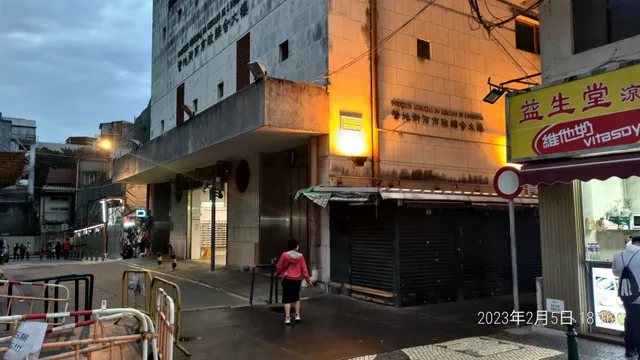
營地街市熟食中心
3.9
(128)
Open until 8:00 PM
Click for details
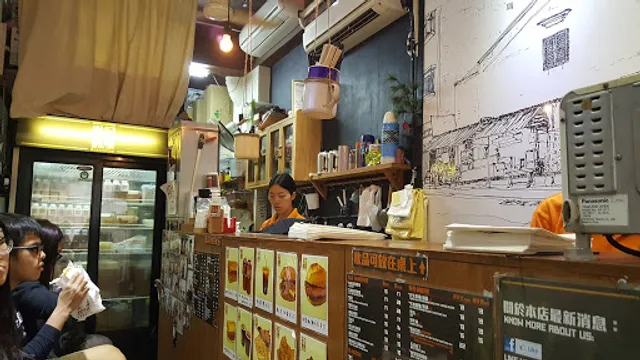
Sei Kee Café
4.2
(251)
Open until 7:00 PM
Click for details
Nearby local services of St. Dominic's Church
Ruins of St. Paul's
Holy House of Mercy
Municipal Affairs Bureau
Livraria Portuguesa
Pastelaria Koi Kei
Mercado de S. Domingos Municipal Complex
POP MART (澳門新馬路板樟堂店)
Patio de Chon Sau
Cartório da Sé
Salad(銀座廣場店)
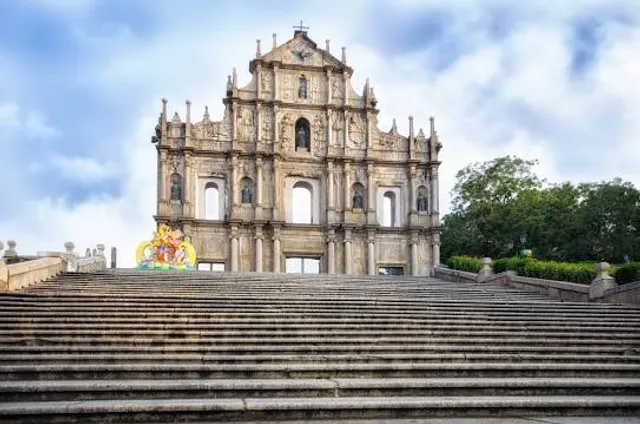
Ruins of St. Paul's
4.3
(7.8K)
Click for details
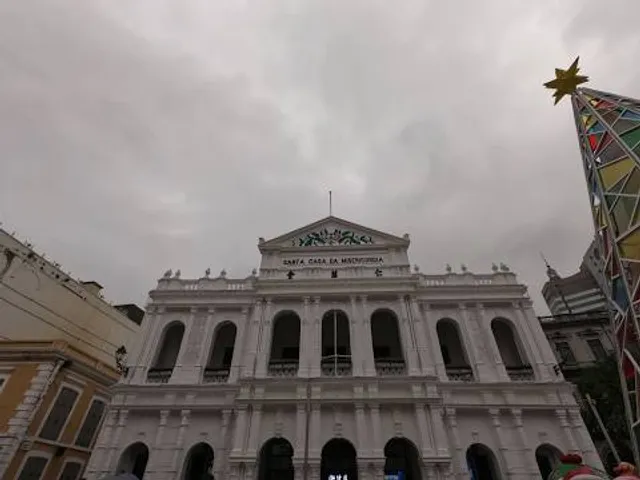
Holy House of Mercy
4.2
(67)
Click for details
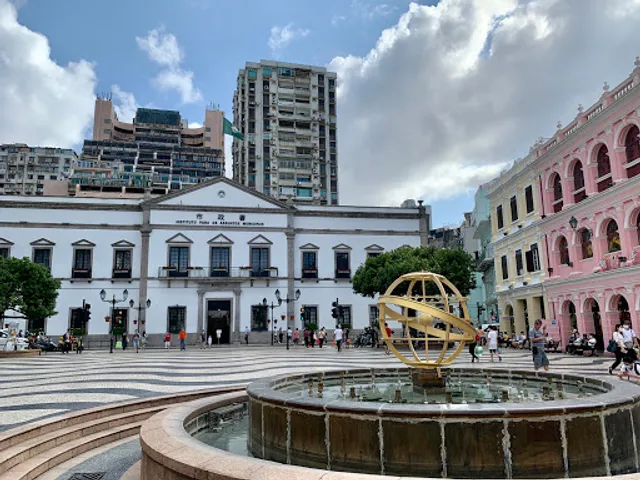
Municipal Affairs Bureau
4.2
(146)
Click for details
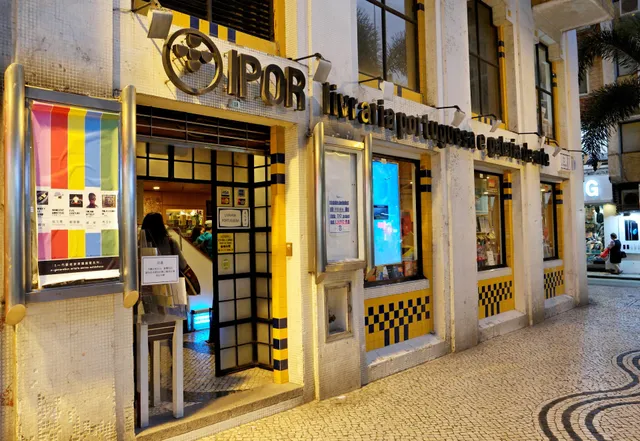
Livraria Portuguesa
4.4
(65)
Click for details