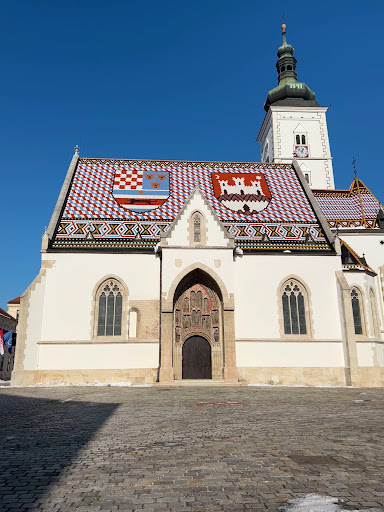
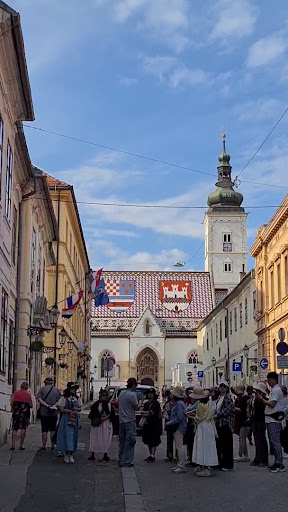
St. Mark’s Church things to do, attractions, restaurants, events info and trip planning
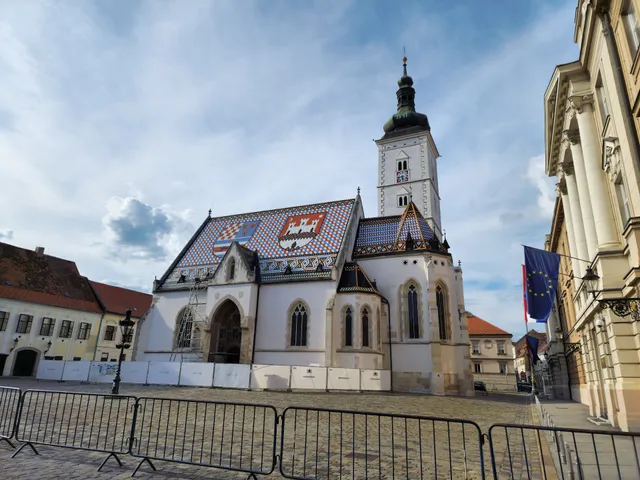
Basic Info
St. Mark’s Church
Trg Sv. Marka 5, 10000, Zagreb, Croatia
4.6(2.3K)
Open until 12:00 AM
Save
spot
spot
Ratings & Description
Info
Cultural
Scenic
Family friendly
Accessibility
attractions: Stone Gate, Klovićevi Dvori Gallery, Lotrščak Tower, Croatian Natural History Museum, Zagreb 80's museum, Croatian Museum of Naïve Art, Croatian History Museum, Meštrović Atelier, Zagreb City Museum, Dverce Palace, restaurants: Konoba Didov san, Restaurant Konoba Time4wine Zagreb Gornji Grad (Tradicional food/Sea food/Pasta/Pizza/Grill), Curry Bowl, Kavana Lav, History Bar & Club, Otto & Frank, Dubravkin put, Vincek slastičarnica, Kungfu Express, Lanterna na Dolcu, local businesses: St. Mark's Church, St. Catherine's Church, Tunel Grič, Park Bele IV, Parfumerija FABUspot Zagreb, Müller, DM - drogerie markt, Tržnica Dolac - Ribarnica, Souvenirs "Bloody Bridge", Crkva sv. Marije
 Learn more insights from Wanderboat AI.
Phone
+385 1 4851 611
Website
zupa-svmarkaev.hr
Open hoursSee all hours
MonClosedOpen
Plan your stay

Pet-friendly Hotels in City of Zagreb
Find a cozy hotel nearby and make it a full experience.

Affordable Hotels in City of Zagreb
Find a cozy hotel nearby and make it a full experience.

The Coolest Hotels You Haven't Heard Of (Yet)
Find a cozy hotel nearby and make it a full experience.

Trending Stays Worth the Hype in City of Zagreb
Find a cozy hotel nearby and make it a full experience.
Reviews
Live events
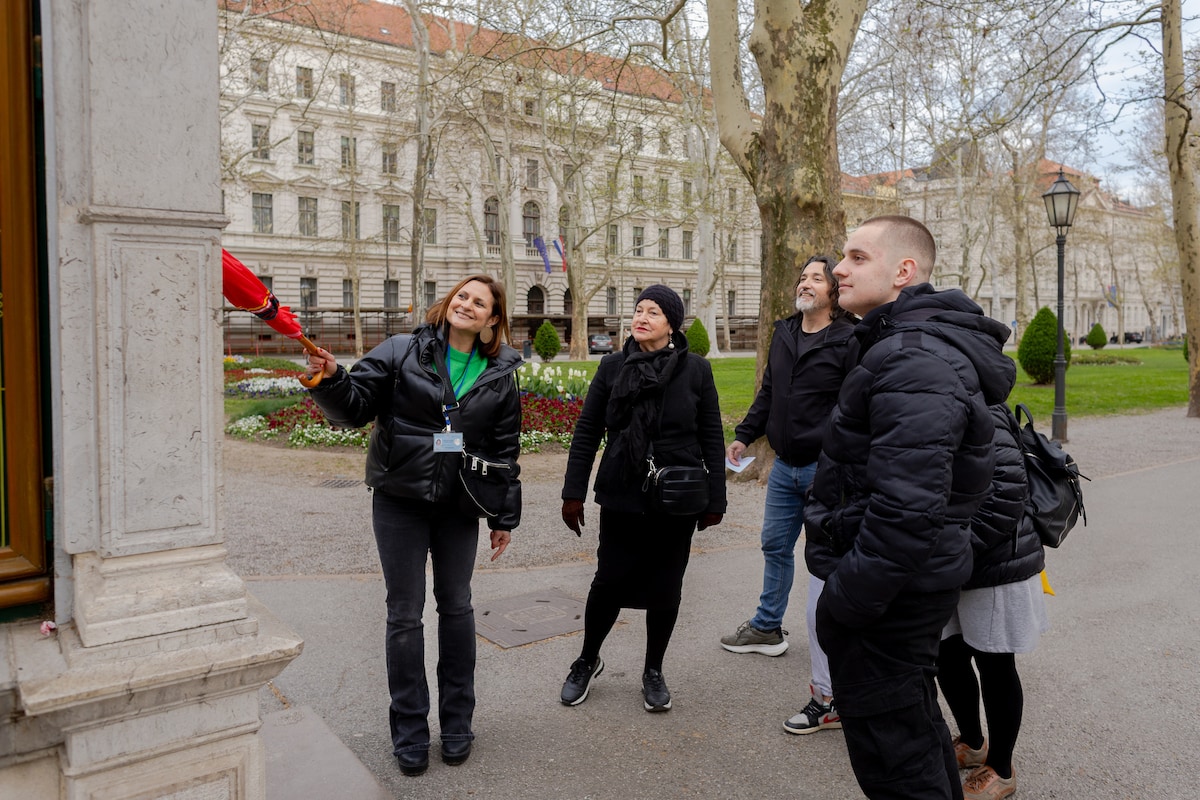
Jump into Zagreb: Small group walking tour
Tue, Jan 27 • 10:00 AM
10000, Zagreb, Croatia
View details
Nearby attractions of St. Mark’s Church
Stone Gate
Klovićevi Dvori Gallery
Lotrščak Tower
Croatian Natural History Museum
Zagreb 80's museum
Croatian Museum of Naïve Art
Croatian History Museum
Meštrović Atelier
Zagreb City Museum
Dverce Palace
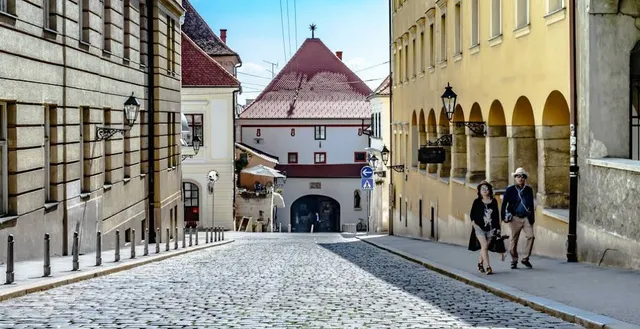
Stone Gate
4.7
(2.7K)
Open until 12:00 AM
Click for details
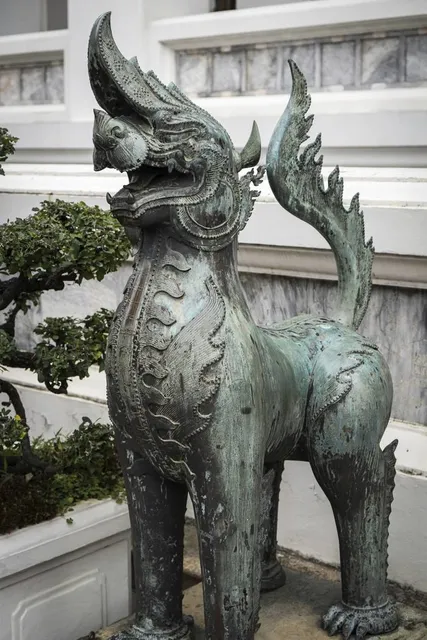
Klovićevi Dvori Gallery
4.7
(1.5K)
Open until 12:00 AM
Click for details
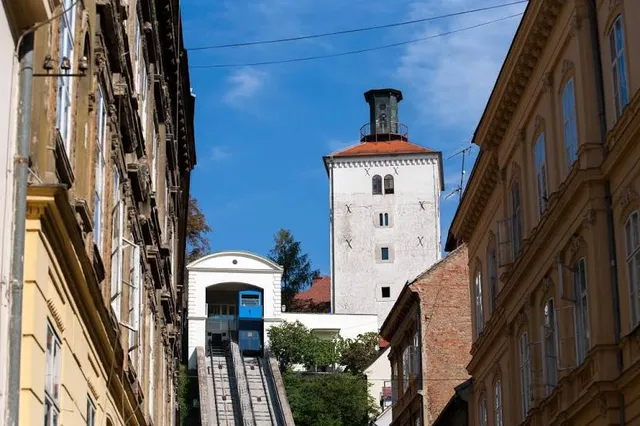
Lotrščak Tower
4.7
(2K)
Open until 12:00 AM
Click for details

Croatian Natural History Museum
4.6
(569)
Open until 12:00 AM
Click for details
Nearby restaurants of St. Mark’s Church
Konoba Didov san
Restaurant Konoba Time4wine Zagreb Gornji Grad (Tradicional food/Sea food/Pasta/Pizza/Grill)
Curry Bowl
Kavana Lav
History Bar & Club
Otto & Frank
Dubravkin put
Vincek slastičarnica
Kungfu Express
Lanterna na Dolcu
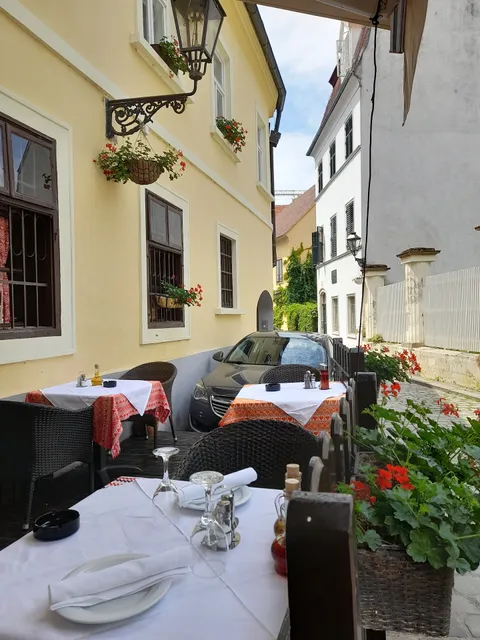
Konoba Didov san
4.5
(1.6K)
$$
Closed
Click for details
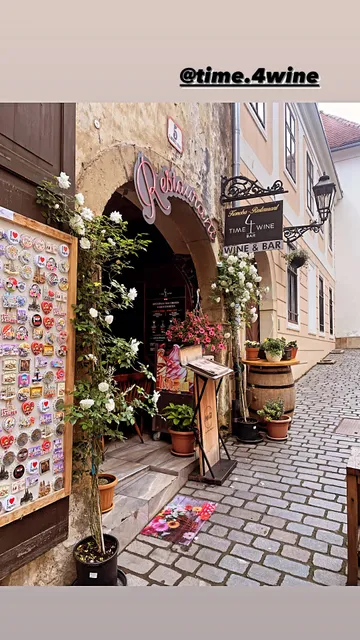
Restaurant Konoba Time4wine Zagreb Gornji Grad (Tradicional food/Sea food/Pasta/Pizza/Grill)
4.7
(984)
Closed
Click for details
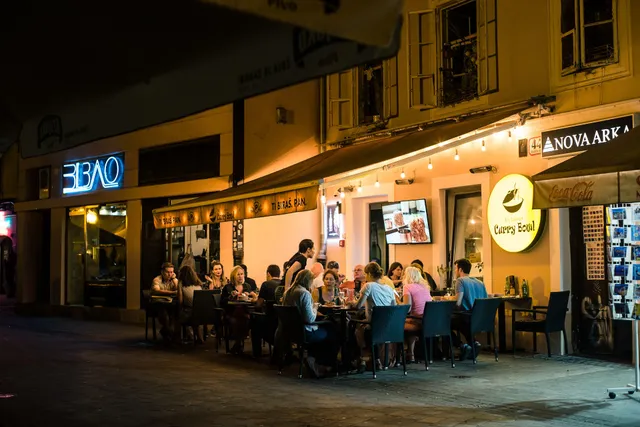
Curry Bowl
4.6
(2.1K)
Closed
Click for details
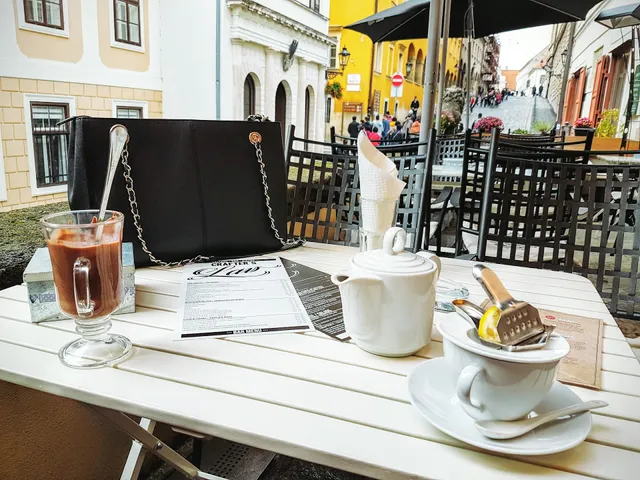
Kavana Lav
4.7
(335)
Click for details
Nearby local services of St. Mark’s Church
St. Mark's Church
St. Catherine's Church
Tunel Grič
Park Bele IV
Parfumerija FABUspot Zagreb
Müller
DM - drogerie markt
Tržnica Dolac - Ribarnica
Souvenirs "Bloody Bridge"
Crkva sv. Marije
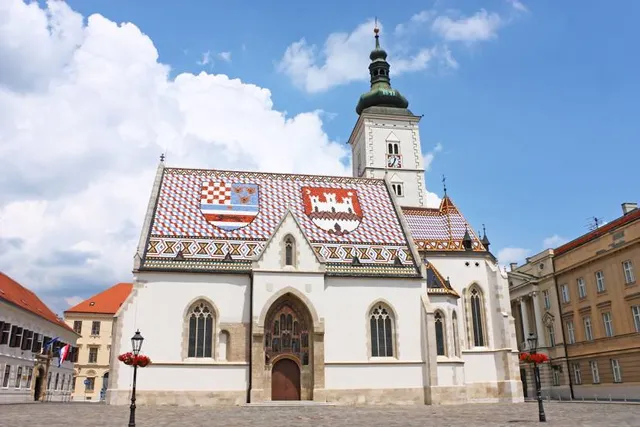
St. Mark's Church
4.6
(1.8K)
Click for details
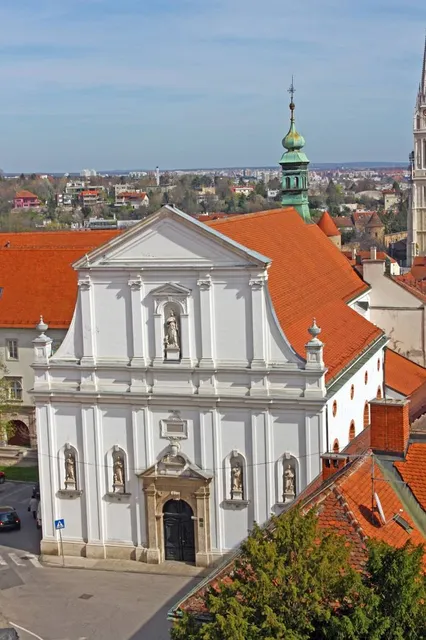
St. Catherine's Church
4.7
(210)
Click for details
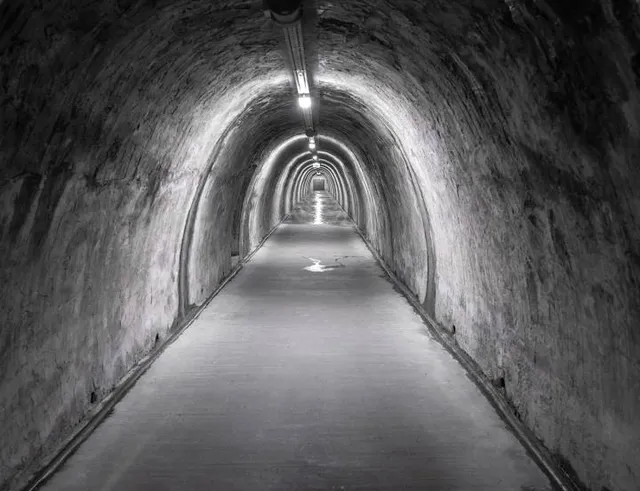
Tunel Grič
4.4
(166)
Click for details
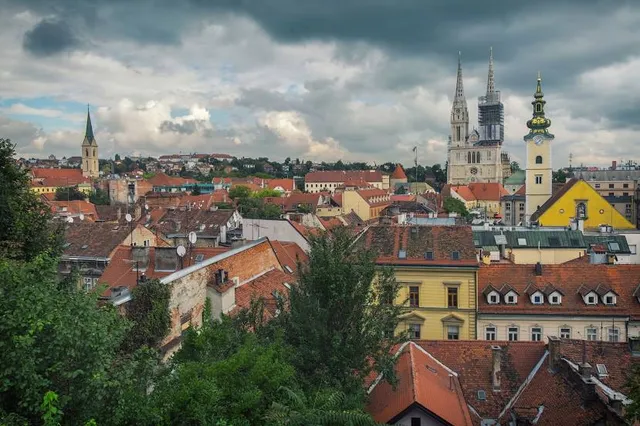
Park Bele IV
4.7
(59)
Click for details