Church of St. Simon things to do, attractions, restaurants, events info and trip planning
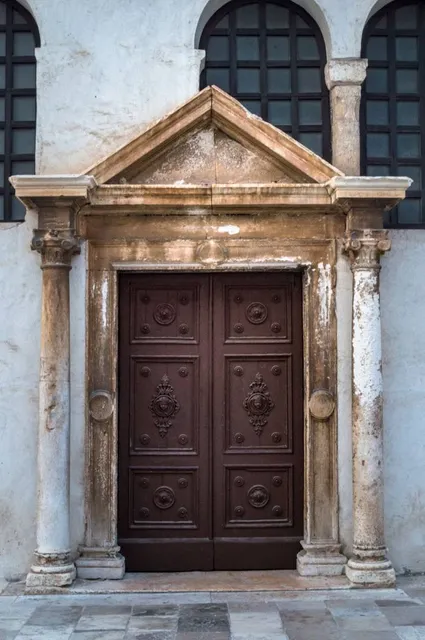
Basic Info
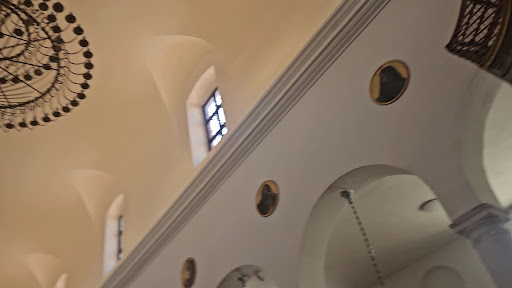
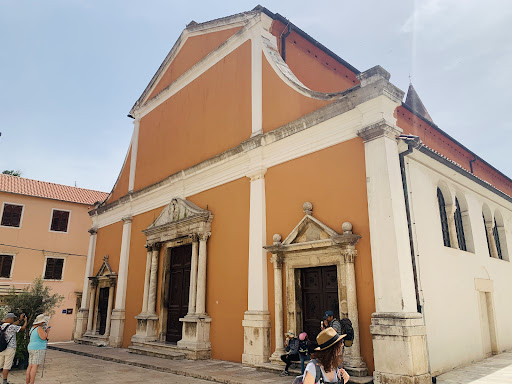
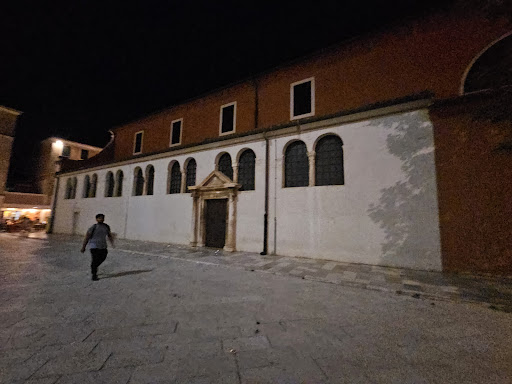
Church of St. Simon
Ul. don Ive Prodana 13, 23000, Zadar, Croatia
4.3(115)
Open 24 hours
Save
spot
spot
Ratings & Description
Info
Cultural
Family friendly
Accessibility
attractions: Narodni trg, The Five Wells Square, Duke's palace, Queen Jelena Madijevka Park, Museum of Ancient Glass, Captain's tower, Zadar City Walls, Land Gate, II Palaces, Church of St. Donatus, restaurants: Proto Food&More, Restoran 4 Kantuna, Bistro Rosmarino, Restaurant The Taste, Providur restaurant & wine bar, aROMA gelato experience Boutique Zadar, COLONNA bar&caffe, Restaurant Tinel, Restaurant Labrax - Fish & Wine bar, KONOBA Karuba
 Learn more insights from Wanderboat AI.
Website
zadar.travel
Plan your stay

Pet-friendly Hotels in Grad Zadar
Find a cozy hotel nearby and make it a full experience.

Affordable Hotels in Grad Zadar
Find a cozy hotel nearby and make it a full experience.

The Coolest Hotels You Haven't Heard Of (Yet)
Find a cozy hotel nearby and make it a full experience.

Trending Stays Worth the Hype in Grad Zadar
Find a cozy hotel nearby and make it a full experience.
Reviews
Nearby attractions of Church of St. Simon
Narodni trg
The Five Wells Square
Duke's palace
Queen Jelena Madijevka Park
Museum of Ancient Glass
Captain's tower
Zadar City Walls
Land Gate
II Palaces
Church of St. Donatus
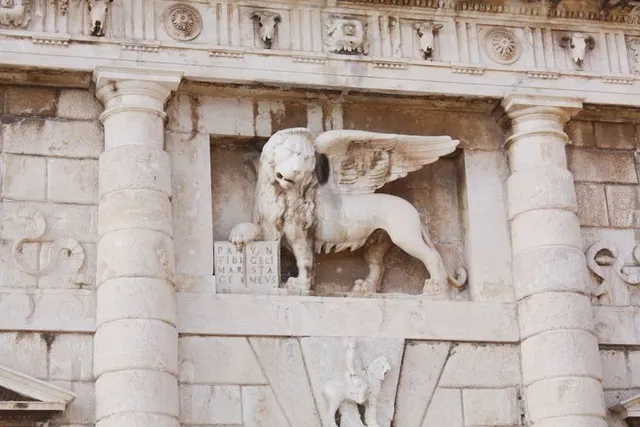
Narodni trg
4.7
(3.5K)
Open 24 hours
Click for details
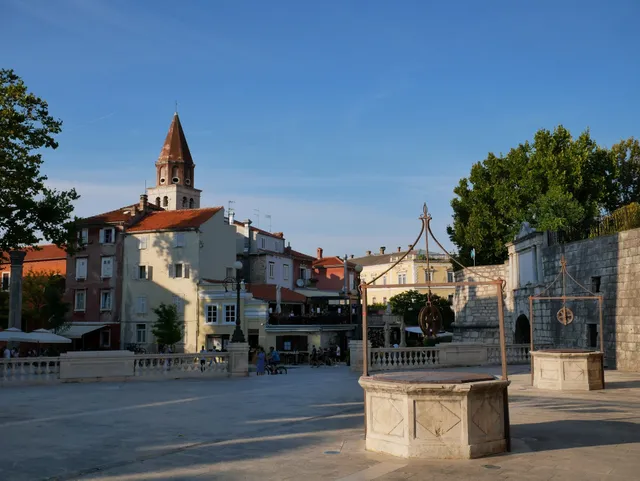
The Five Wells Square
4.6
(1.5K)
Open 24 hours
Click for details
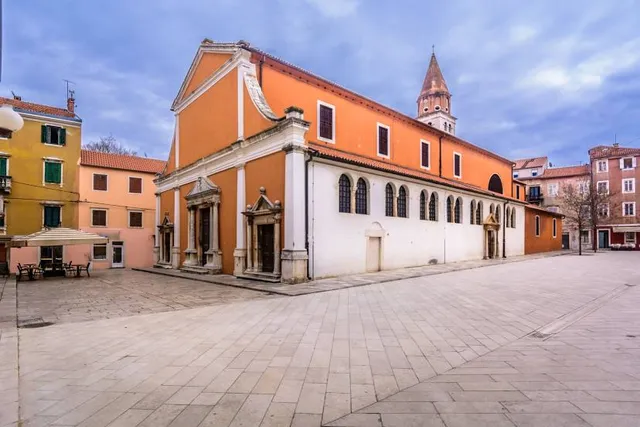
Duke's palace
4.7
(423)
Open 24 hours
Click for details
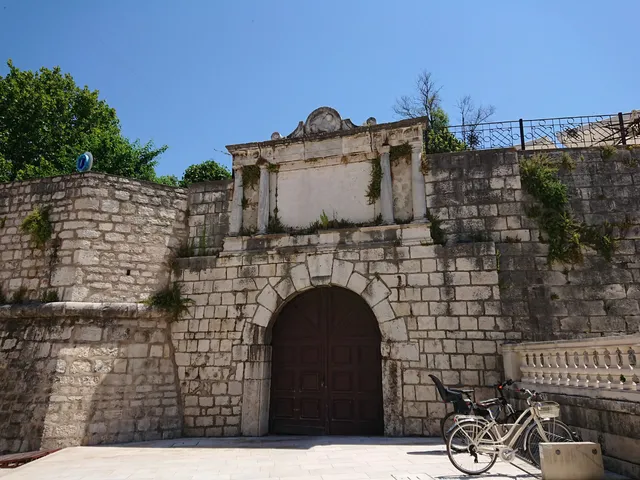
Queen Jelena Madijevka Park
4.7
(1.2K)
Open until 12:00 AM
Click for details
Things to do nearby
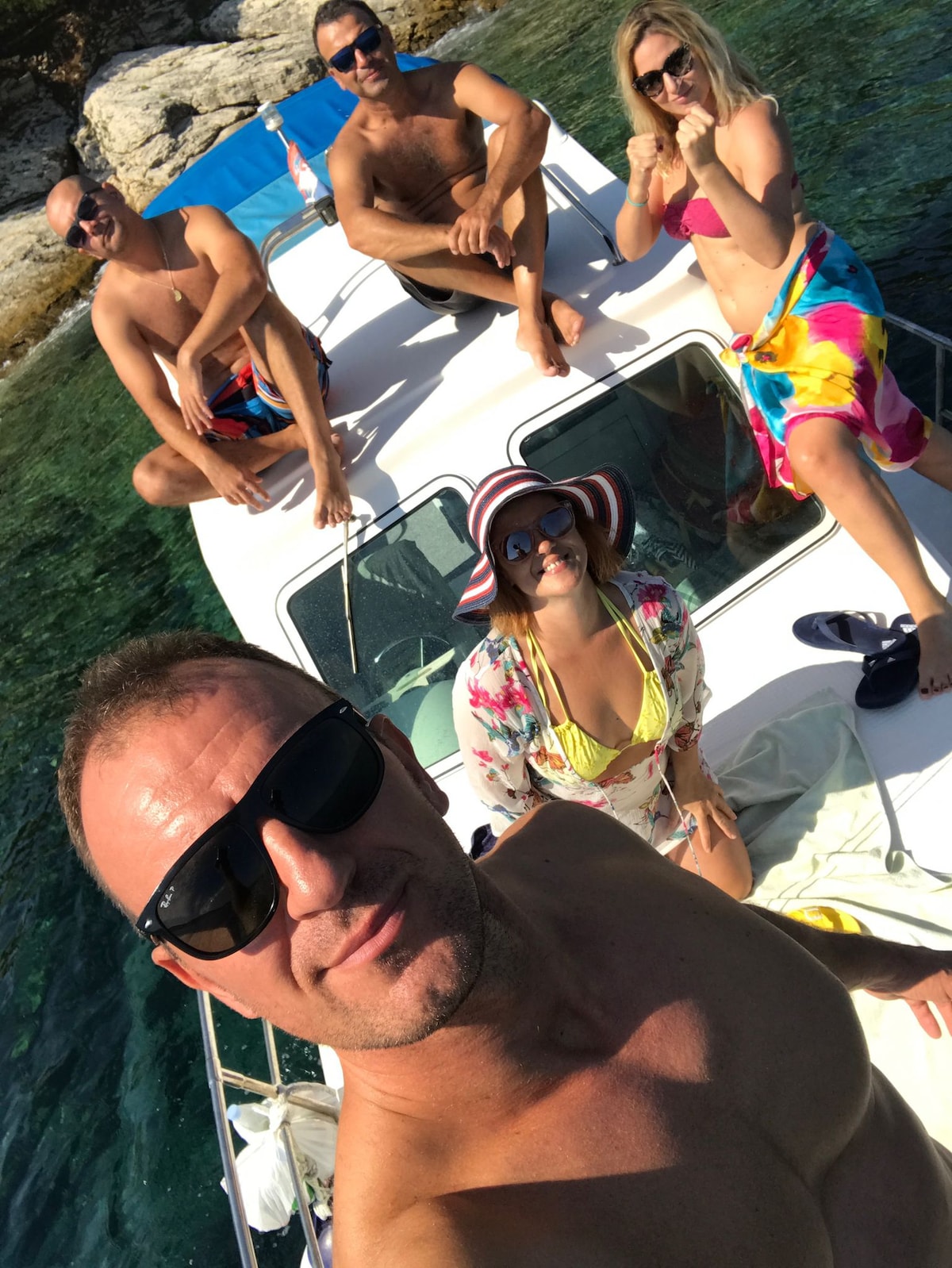
Enjoy a half-day tour with snorkeling and drinks
Mon, Jan 12 • 10:00 AM
23000, Zadar, Croatia
View details
Nearby restaurants of Church of St. Simon
Proto Food&More
Restoran 4 Kantuna
Bistro Rosmarino
Restaurant The Taste
Providur restaurant & wine bar
aROMA gelato experience Boutique Zadar
COLONNA bar&caffe
Restaurant Tinel
Restaurant Labrax - Fish & Wine bar
KONOBA Karuba
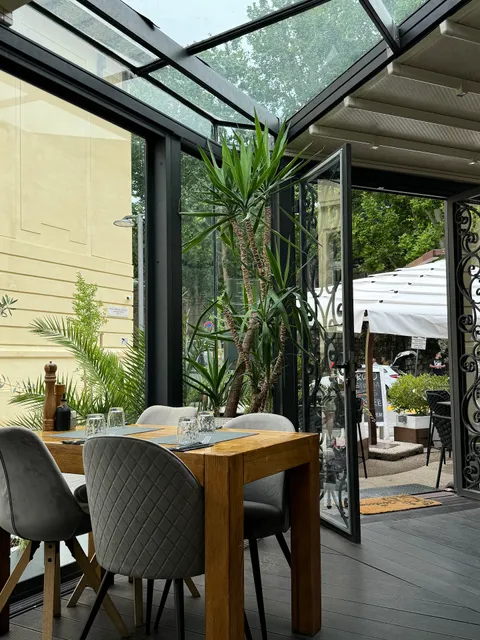
Proto Food&More
4.5
(882)
$$
Click for details
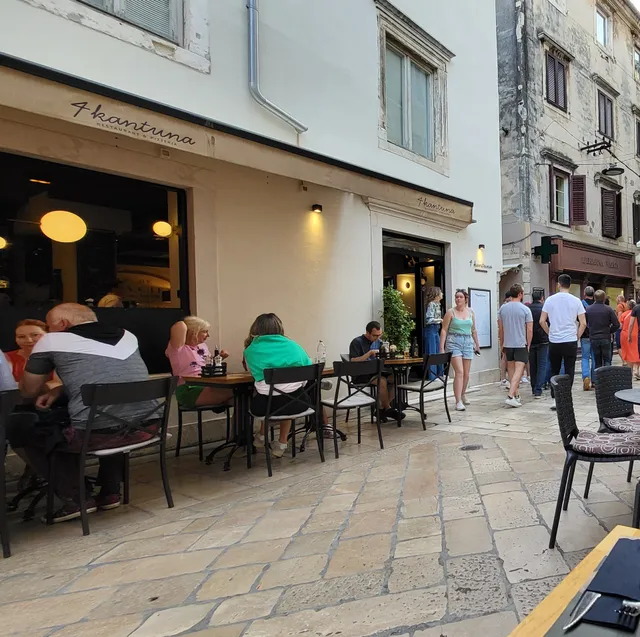
Restoran 4 Kantuna
4.6
(3.2K)
$$
Open until 12:00 AM
Click for details
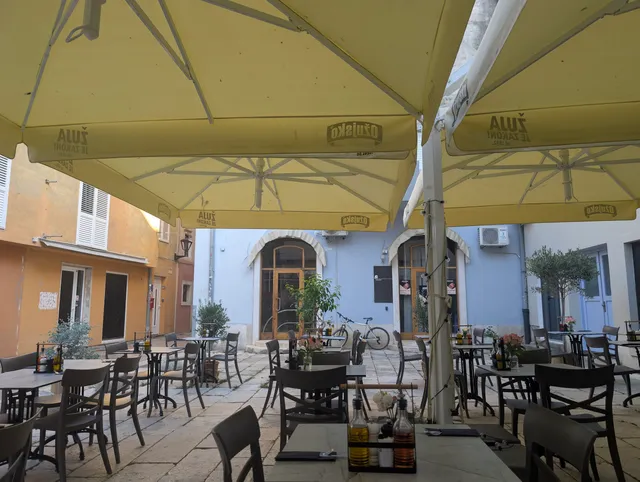
Bistro Rosmarino
4.8
(509)
Click for details
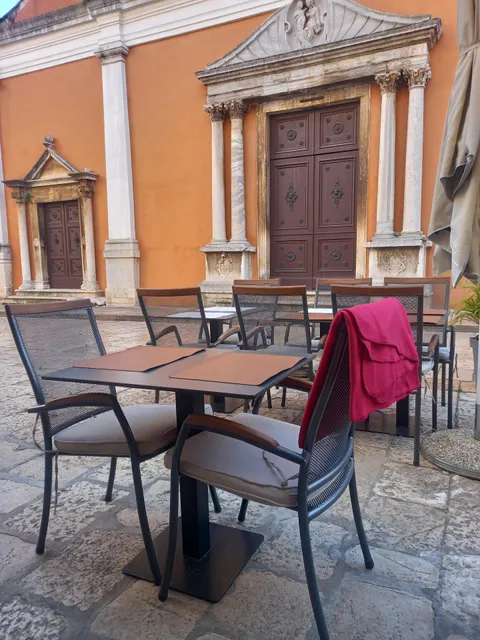
Restaurant The Taste
4.4
(351)
Closed
Click for details