Church of St. Donatus things to do, attractions, restaurants, events info and trip planning
Basic Info
Church of St. Donatus
Grgura Mrganića, 23000, Zadar, Croatia
4.6(4.2K)
Open until 5:00 PM

tickets
Save
spot
spot
Ratings & Description
Info
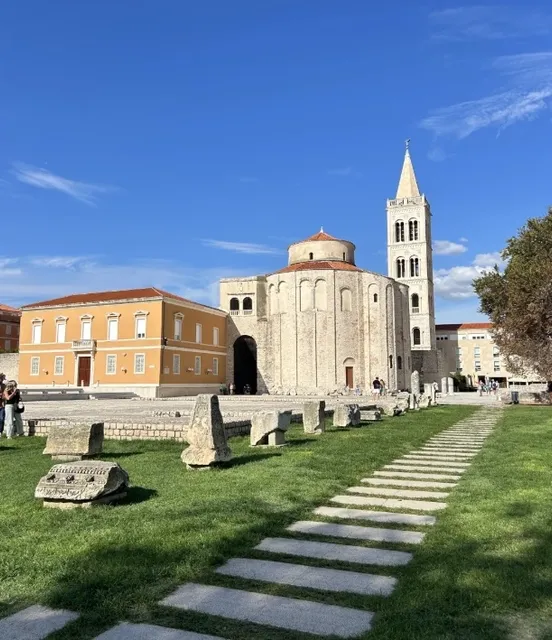
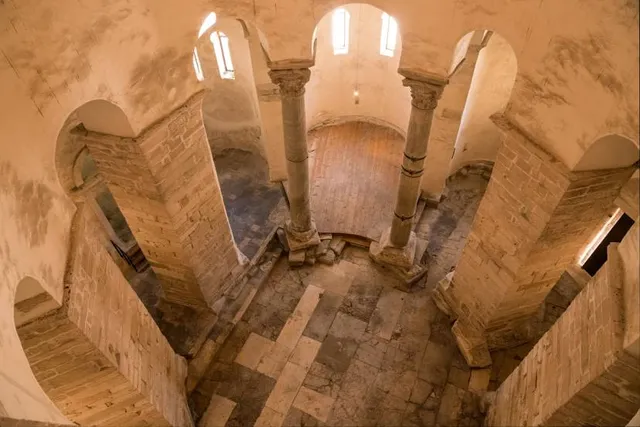
The Church of St. Donatus is a church located in Zadar, Croatia. Its name refers to Donatus of Zadar, who began construction on this church in the 9th century and ended it on the northeastern part of the Roman forum. Originally named Church of the Holy Trinity, in the 15th century it was re-dedicated to St Donatus.
Cultural
Accessibility
attractions: Roman Forum, Cathedral of St. Anastasia, Sea Organ, Old Town Zadar, Narodni trg, Benedictine Monastery of St. Maria, Arsenal Zadar MS, Stup srama, Sea Gate, The Church of St Chrysogonus, restaurants: Groppo, Tri Bunara, Restoran Bruschetta, Konoba Dalmacija - Tavern, Restaurant Kala - Zadar, RESTAURANT KULF, Coffee & Cake - Kavana CENTAR, Trattoria Mediterraneo, Teatro Konoba, La Famiglia, local businesses: Archdiocese of Zadar, Church of St. Mary, CROATIA ZADAR MARASKA STORE CROATIA ZADAR, Exposition permanente d'art religieux, Aura exclusive Zadar, Musée National de Zadar, Boutique Trendy Rinascimento, Gradski most, Church of St. Simon, Sites of Zadar Apartments
 Learn more insights from Wanderboat AI.
Phone
+385 23 250 613
Website
amzd.hr
Open hoursSee all hours
Sat9 AM - 5 PMOpen
Plan your stay

Pet-friendly Hotels in Grad Zadar
Find a cozy hotel nearby and make it a full experience.

Affordable Hotels in Grad Zadar
Find a cozy hotel nearby and make it a full experience.

The Coolest Hotels You Haven't Heard Of (Yet)
Find a cozy hotel nearby and make it a full experience.

Trending Stays Worth the Hype in Grad Zadar
Find a cozy hotel nearby and make it a full experience.
Reviews
Live events
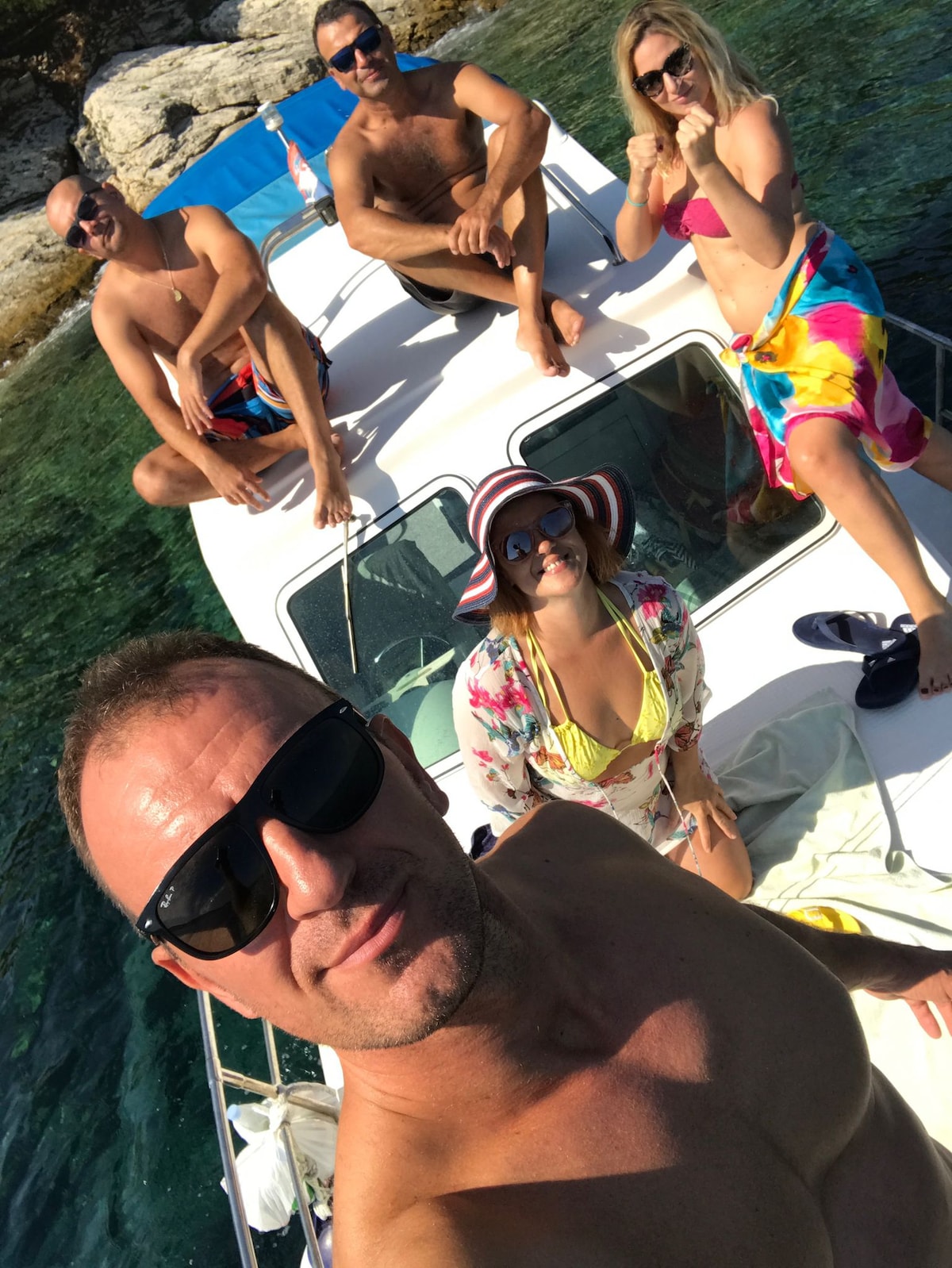
Enjoy a half-day tour with snorkeling and drinks
Sat, Feb 7 • 10:00 AM
23000, Zadar, Croatia
View details
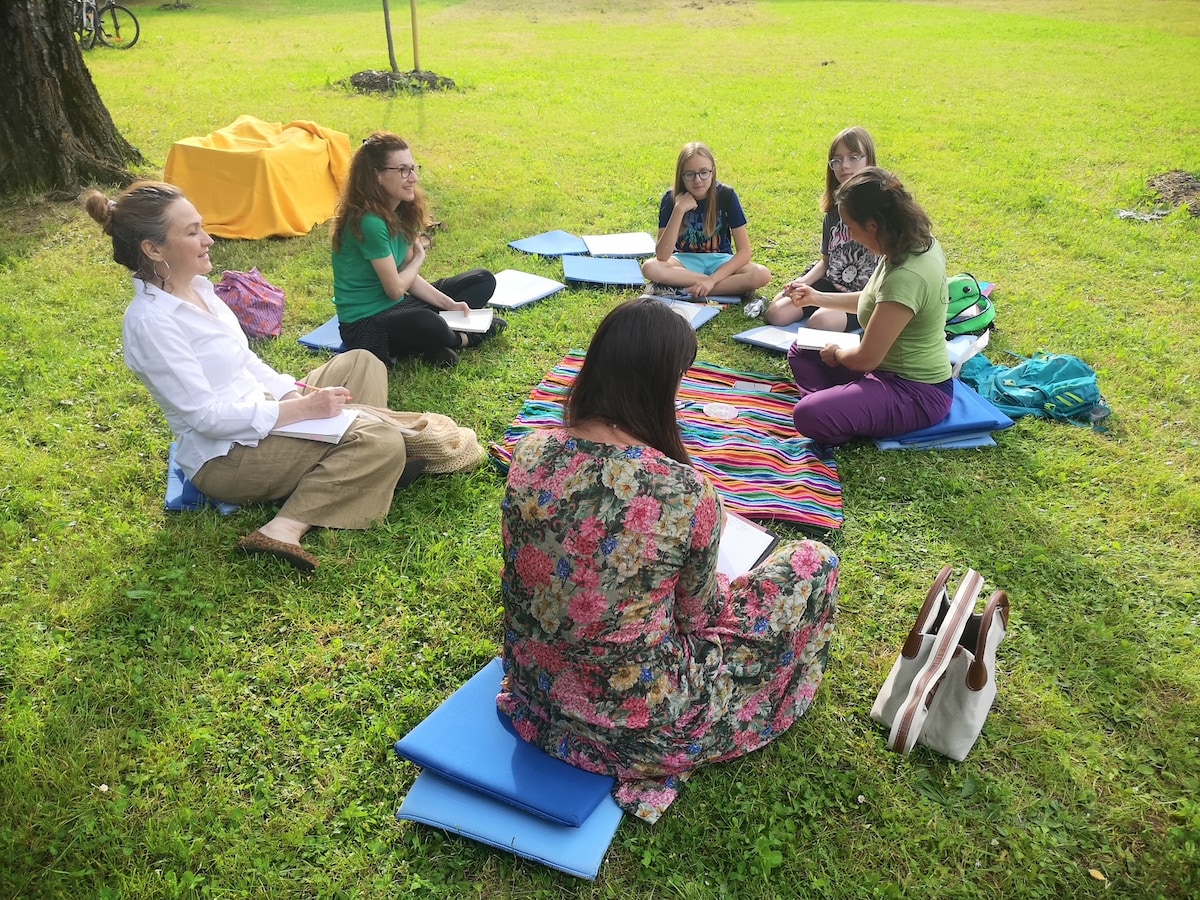
Discover the writer within on Island Iz, Croatia
Sat, Feb 7 • 11:30 AM
23284, Veli Iž, Croatia
View details
Nearby attractions of Church of St. Donatus
Roman Forum
Cathedral of St. Anastasia
Sea Organ
Old Town Zadar
Narodni trg
Benedictine Monastery of St. Maria
Arsenal Zadar MS
Stup srama
Sea Gate
The Church of St Chrysogonus
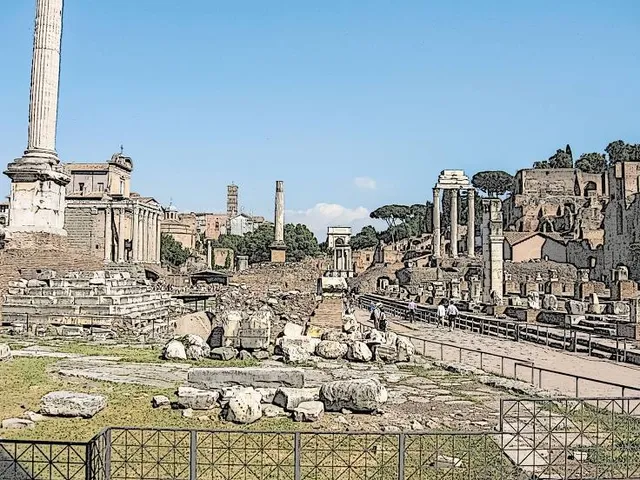
Roman Forum
4.7
(2.5K)
Open until 12:00 AM
Click for details
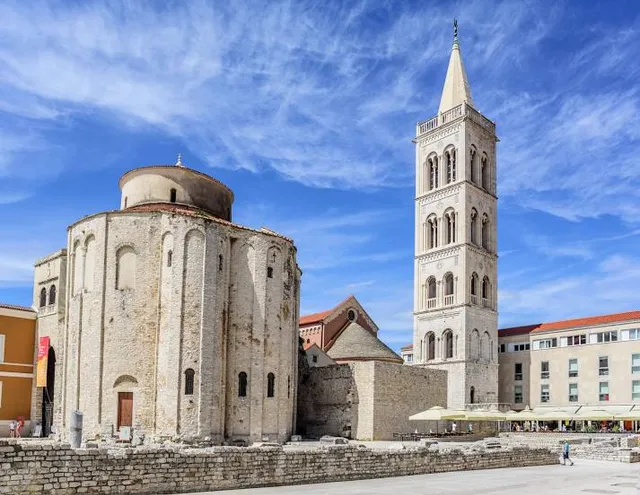
Cathedral of St. Anastasia
4.6
(1.3K)
Open until 12:00 AM
Click for details
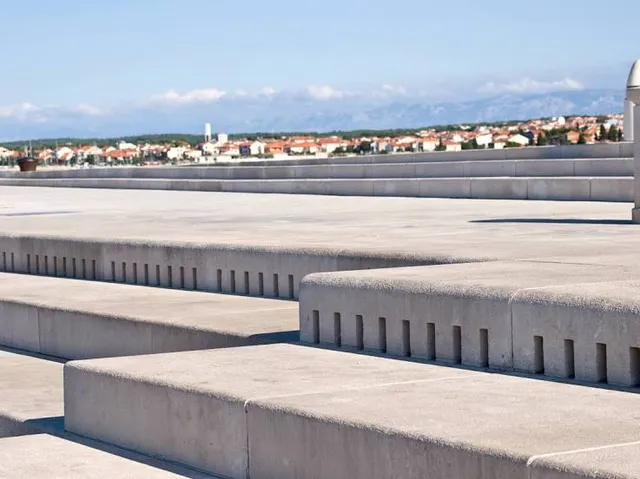
Sea Organ
4.7
(23.1K)
Open until 12:00 AM
Click for details
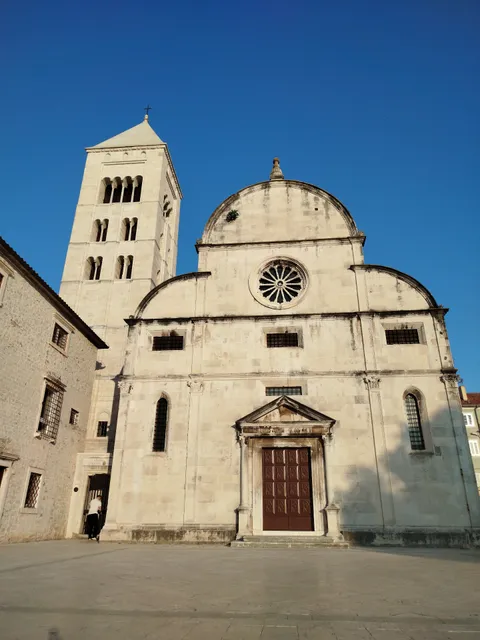
Old Town Zadar
4.7
(234)
Open until 12:00 AM
Click for details
Nearby restaurants of Church of St. Donatus
Groppo
Tri Bunara
Restoran Bruschetta
Konoba Dalmacija - Tavern
Restaurant Kala - Zadar
RESTAURANT KULF
Coffee & Cake - Kavana CENTAR
Trattoria Mediterraneo
Teatro Konoba
La Famiglia
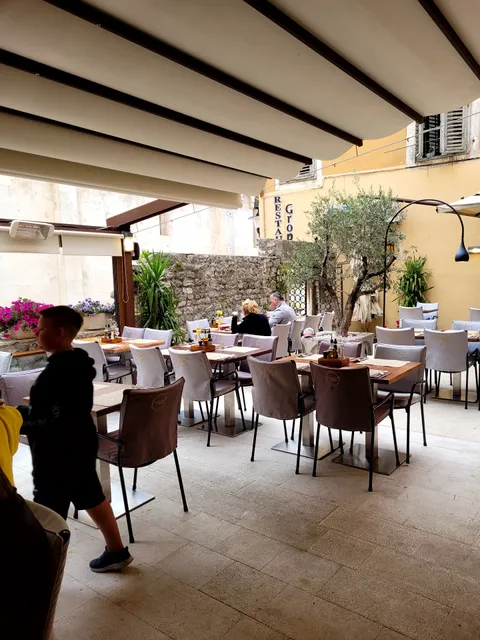
Groppo
4.2
(810)
Closed
Click for details
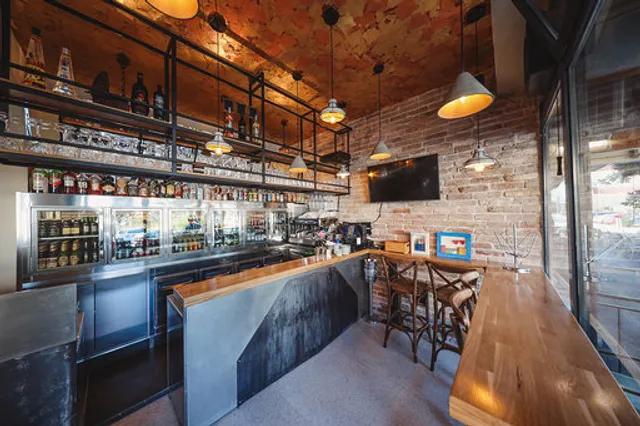
Tri Bunara
4.7
(1.6K)
Click for details
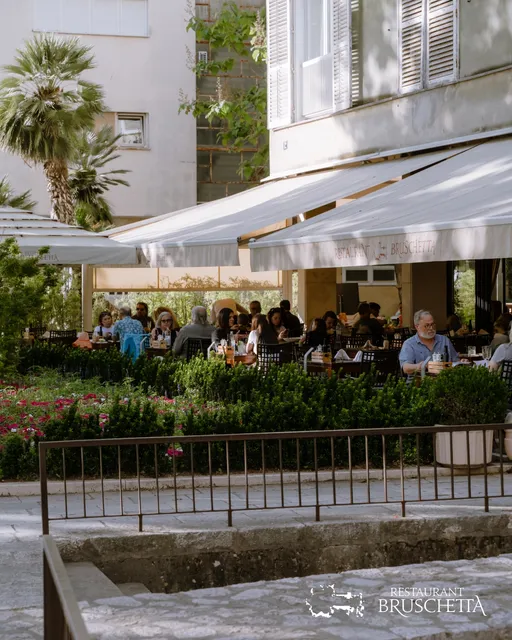
Restoran Bruschetta
4.6
(2.9K)
$$
Closed
Click for details
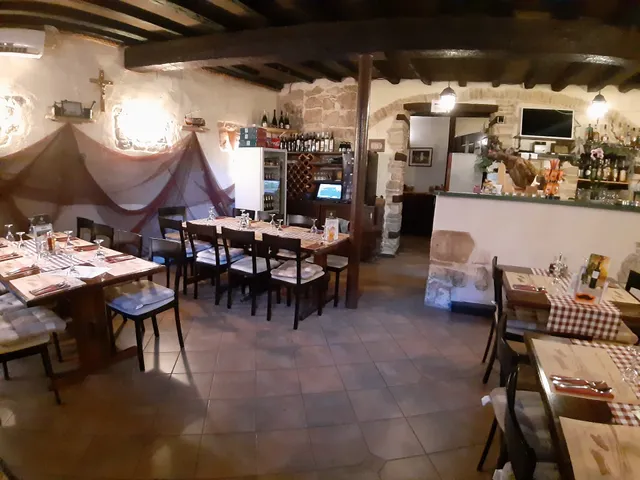
Konoba Dalmacija - Tavern
4.2
(705)
Click for details
Nearby local services of Church of St. Donatus
Archdiocese of Zadar
Church of St. Mary
CROATIA ZADAR MARASKA STORE CROATIA ZADAR
Exposition permanente d'art religieux
Aura exclusive Zadar
Musée National de Zadar
Boutique Trendy Rinascimento
Gradski most
Church of St. Simon
Sites of Zadar Apartments
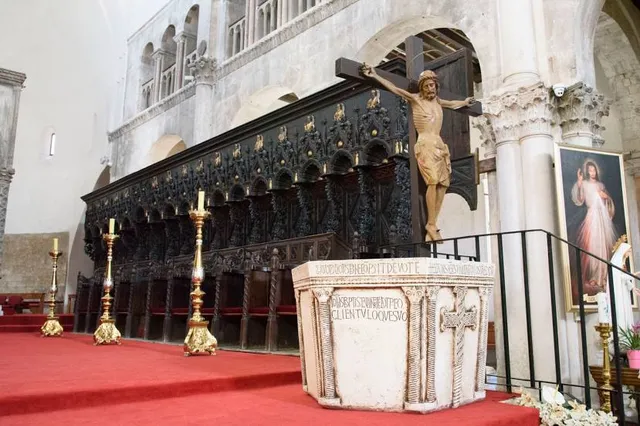
Archdiocese of Zadar
4.4
(39)
Click for details
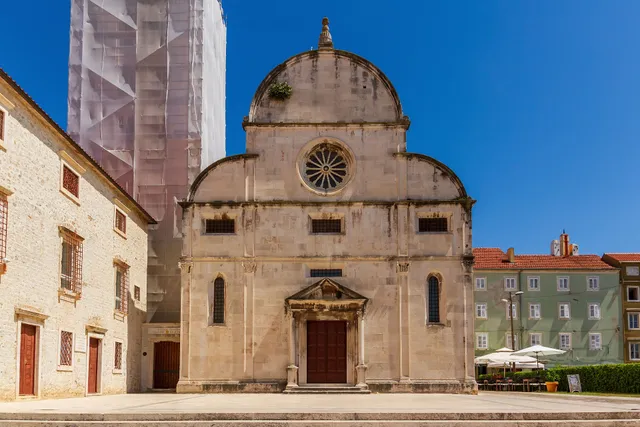
Church of St. Mary
4.8
(33)
Click for details
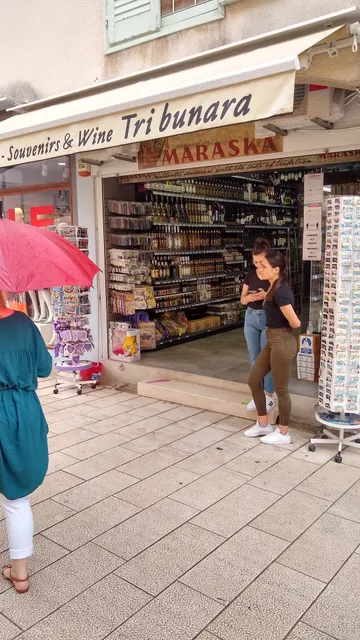
CROATIA ZADAR MARASKA STORE CROATIA ZADAR
4.5
(63)
Click for details
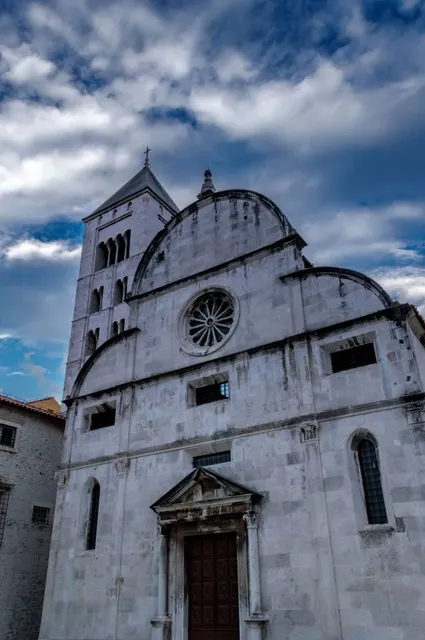
Exposition permanente d'art religieux
4.8
(23)
Click for details