HTML SitemapExplore
logo
Find Things to DoFind The Best Restaurants

Stup srama — Attraction in Grad Zadar

Name
Stup srama
Description
Nearby attractions
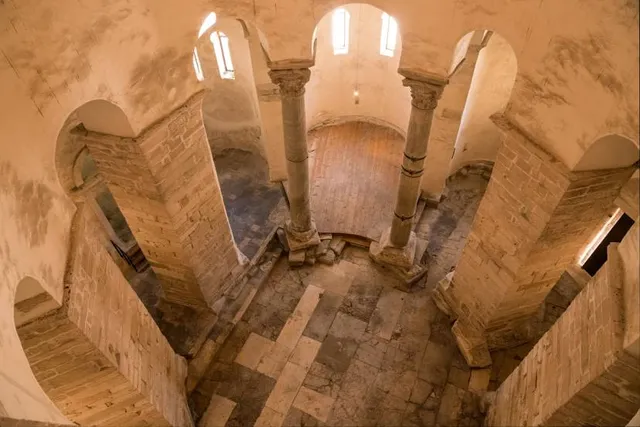
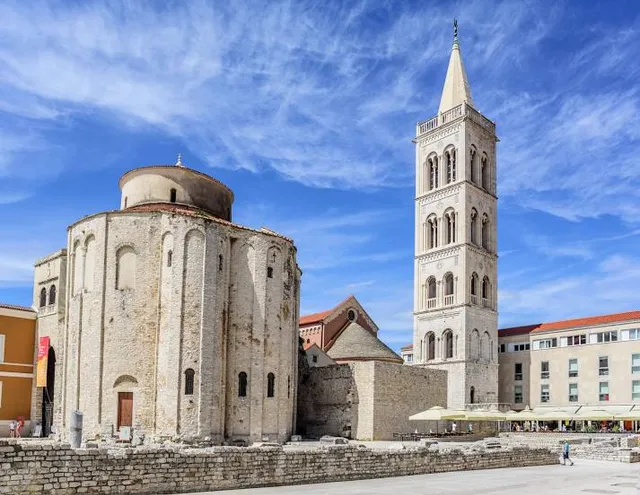
Church of St. Donatus
Grgura Mrganića, 23000, Zadar, Croatia
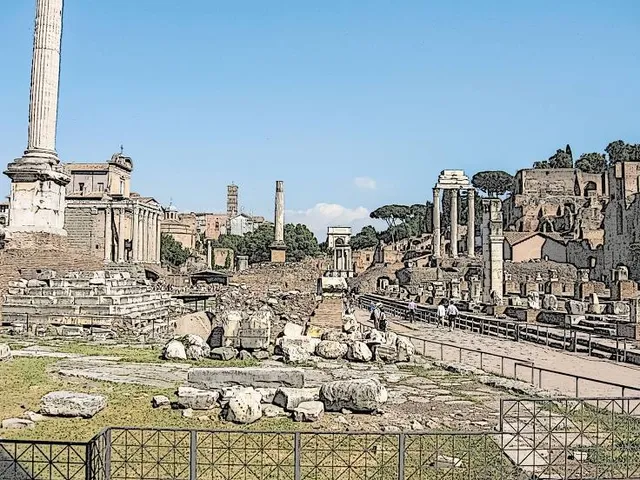
Roman Forum
23000, Zadar, Croatia
Cathedral of St. Anastasia
Trg Svete Stošije 2, 23000, Zadar, Croatia
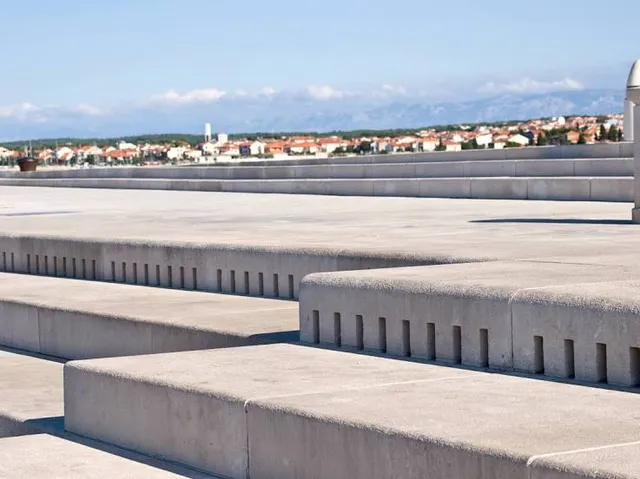
Sea Organ
Obala kralja Petra Krešimira IV, 23000, Zadar, Croatia
Old Town Zadar
Trg Svete Stošije 1-3, 23000, Zadar, Croatia
Arsenal Zadar MS
23000, Zadar, Croatia
Zadar Market
Ul. pod bedemom 1/A, 23000, Zadar, Croatia
Narodni trg
Narodni trg, 23000, Zadar, Croatia
Benedictine Monastery of St. Maria
Arheološki muzej, Madijevaca ul. 10, 23000, Zadar, Croatia
The Greeting to the Sun
Istarska obala, 23000, Zadar, Croatia
Nearby restaurants
Konoba Dalmacija - Tavern
Ul. Ivana Tanzlingera Zanottija 4, 23000, Zadar, Croatia
Groppo
Široka ul. 22, 23000, Zadar, Croatia
Tri Bunara
Ul. Jurja Bijankinija 8c, 23000, Zadar, Croatia
Teatro Konoba
Ul. Jurja Bijankinija 7, 23000, Zadar, Croatia
Restoran Konoba Martinac
Ul. Alesandra Paravije 7, 23000, Zadar, Croatia
Restaurant IMPERIUM
Grgura Mrganića, 23000, Zadar, Croatia
Restoran Bruschetta
Ul. Mihovila Pavlinovića 12, 23000, Zadar, Croatia
Restaurant Kala - Zadar
Nikole Matafara 3, 23000, Zadar, Croatia
Trattoria Mediterraneo
Madijevaca ul. 4, 23000, Zadar, Croatia
RESTAURANT KULF
Jadrina ul., 23000, Zadar, Croatia
Related posts
Keywords
Stup srama tourism.Stup srama hotels.Stup srama bed and breakfast. flights to Stup srama.Stup srama attractions.Stup srama restaurants.Stup srama travel.Stup srama travel guide.Stup srama travel blog.Stup srama pictures.Stup srama photos.Stup srama travel tips.Stup srama maps.Stup srama things to do.
Stup srama things to do, attractions, restaurants, events info and trip planning
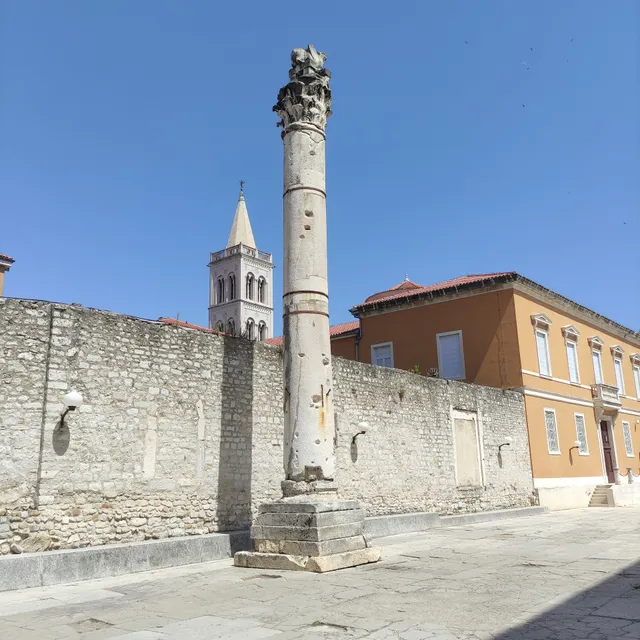
Stup srama
CroatiaGrad ZadarStup srama

Basic Info

Stup srama

Zeleni trg, 23000, Zadar, Croatia
4.5(61)
Open 24 hours
Save
spot

Ratings & Description

Info

Cultural
attractions: Church of St. Donatus, Roman Forum, Cathedral of St. Anastasia, Sea Organ, Old Town Zadar, Arsenal Zadar MS, Zadar Market, Narodni trg, Benedictine Monastery of St. Maria, The Greeting to the Sun, restaurants: Konoba Dalmacija - Tavern, Groppo, Tri Bunara, Teatro Konoba, Restoran Konoba Martinac, Restaurant IMPERIUM, Restoran Bruschetta, Restaurant Kala - Zadar, Trattoria Mediterraneo, RESTAURANT KULF
logoLearn more insights from Wanderboat AI.

Plan your stay

hotel
Pet-friendly Hotels in Grad Zadar
Find a cozy hotel nearby and make it a full experience.
hotel
Affordable Hotels in Grad Zadar
Find a cozy hotel nearby and make it a full experience.
hotel
The Coolest Hotels You Haven't Heard Of (Yet)
Find a cozy hotel nearby and make it a full experience.
hotel
Trending Stays Worth the Hype in Grad Zadar
Find a cozy hotel nearby and make it a full experience.

Reviews

Nearby attractions of Stup srama

Church of St. Donatus

Roman Forum

Cathedral of St. Anastasia

Sea Organ

Old Town Zadar

Arsenal Zadar MS

Zadar Market

Narodni trg

Benedictine Monastery of St. Maria

The Greeting to the Sun

Church of St. Donatus

Church of St. Donatus

4.6

(4.5K)

Closed
Click for details
Roman Forum

Roman Forum

4.7

(2.6K)

Open until 12:00 AM
Click for details
Cathedral of St. Anastasia

Cathedral of St. Anastasia

4.6

(1.3K)

Open 24 hours
Click for details
Sea Organ

Sea Organ

4.7

(23.5K)

Open 24 hours
Click for details

Things to do nearby

Make Zadar come alive with Zadar City Tour
Thu, Dec 4 • 11:00 AM
23000, Zadar, Croatia
View details

Nearby restaurants of Stup srama

Konoba Dalmacija - Tavern

Groppo

Tri Bunara

Teatro Konoba

Restoran Konoba Martinac

Restaurant IMPERIUM

Restoran Bruschetta

Restaurant Kala - Zadar

Trattoria Mediterraneo

RESTAURANT KULF

Konoba Dalmacija - Tavern

Konoba Dalmacija - Tavern

4.2

(743)

Click for details
Groppo

Groppo

4.2

(810)

Click for details
Tri Bunara

Tri Bunara

4.7

(1.5K)

$$

Closed
Click for details
Teatro Konoba

Teatro Konoba

4.5

(552)

Click for details
Get the Appoverlay
Get the AppOne tap to find yournext favorite spots!
Wanderboat LogoWanderboat

Your everyday Al companion for getaway ideas

CompanyAbout Us
InformationAI Trip PlannerSitemap
SocialXInstagramTiktokLinkedin
LegalTerms of ServicePrivacy Policy

Get the app

© 2025 Wanderboat. All rights reserved.
logo

Reviews of Stup srama

4.5
(61)
avatar
5.0
1y

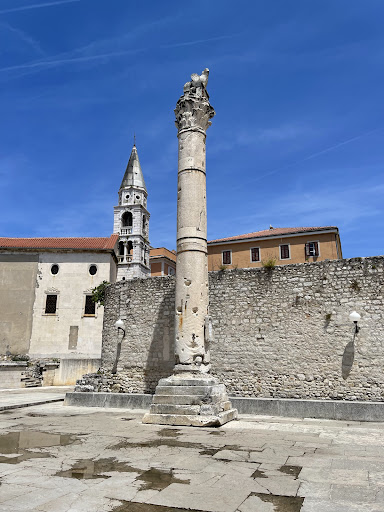
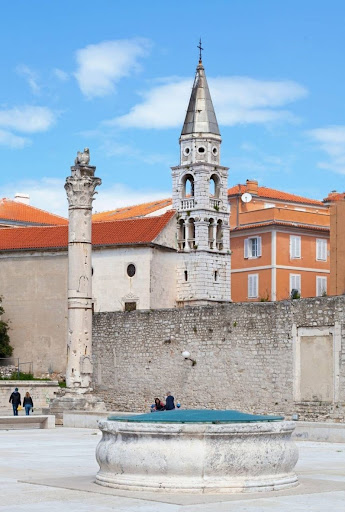
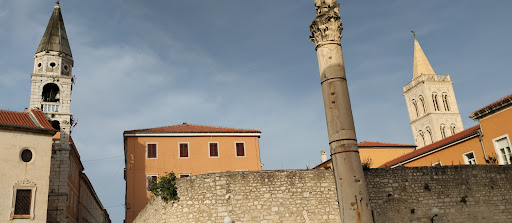
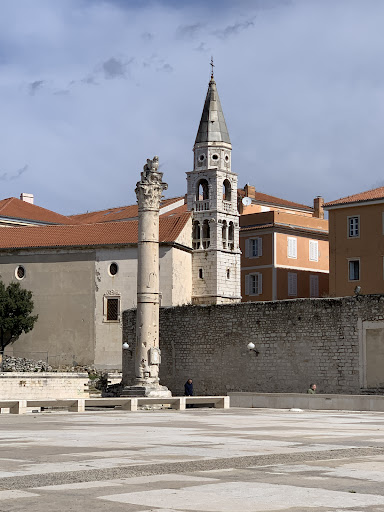
This column of pillar was a historical artefact built during the Roman times. It remains standing strong and tall, having survived the earthquake in the 6th century. We are really fortunate that it remains so well preserved and allows us to learn the history of Zadar through these ancient monuments.

This is known as the pillar of shame as in the past, people who committed crime would be persecuted and tied up to the column. The good people can then come over and humiliate and denounce the person tied to the pillar. Eventually, people believed that there was a devil in the pillar and placed a stone tablet with a cross to chase the devil away. The pillar eventually became a good symbol of the community.

Behind the pillar, lies the remains of an ancient temple. What’s left is the floor of the temple and three statue heads, one of which belonged to Medusa.

There are no information board to explain the significance of the pillars, and one needs to rely on tour guides or online research to know more about the history. Hopefully something the government...

   Read more
avatar
5.0
1y

La Colonna della Vergogna a Zadar è un affascinante monumento storico situato nel cuore del centro città, precisamente in Piazza Papa Giovanni Paolo II. Questo antico monumento medievale gioca un ruolo cruciale nella storia e nella cultura della regione. Collocata in una posizione centrale e ben visibile, la Colonna della Vergogna si trova vicino ad altri luoghi storici importanti, come il Pozzo e la Fontana di Piazza Giovanni Paolo II. Realizzata in pietra, la colonna si distingue per il suo design sobrio e austero, privo di ornamenti elaborati. Questo aspetto semplice, ma imponente, riflette la severità delle punizioni pubbliche che un tempo erano inflitte qui. Originariamente, la colonna serviva come strumento di giustizia pubblica: i condannati erano esposti su di essa per ricevere umiliazione pubblica, un metodo volto a fungere da deterrente e a mantenere la giustizia visibile. Questo modo di fare rifletteva le norme sociali e le pratiche giudiziarie dell’epoca, rendendo la giustizia un’esperienza collettiva. Oggi, la Colonna della Vergogna è un’importante attrazione turistica che offre uno spaccato sulla storia e sulle pratiche sociali del passato. La sua posizione centrale e la sua conservazione la rendono un simbolo di continuità storica e culturale, permettendo ai visitatori di riflettere sul passato della città. Facilmente accessibile e ben integrata nel tessuto urbano di Zadar, la Colonna della Vergogna rappresenta un punto di riflessione imperdibile per chiunque desideri comprendere la storia medievale della città e le dinamiche sociali di quel periodo. In sintesi, la Colonna della Vergogna, pur nella sua semplicità architettonica, è un pezzo importante di storia che continua a raccontare storie di giustizia e norme sociali. La sua presenza offre ai visitatori una connessione tangibile con il passato di Zadar, rendendola un elemento cruciale del patrimonio storico...

   Read more
avatar
3.0
1y

Pillar of shame (Stup srama) Στύλος της ντροπής Μια αρχαία πολυκαιρισμένη κολώνα με εμφανή τα σημάδια από τη φθορά του χρόνου αλλά και της ανθρώπινης καταστροφικής επέμβασης στέκεται στην άκρη μιας ιστορικής πλατείας της Κροατίας. Πρόκειται για έναν εντυπωσιακό διακοσμητικό κίονα (κορινθιακού ρυθμού) του 3ου αιώνα, που στέκεται ακόμη στη βορειοδυτική πλευρά του ρωμαϊκού φόρουμ. Δεκατέσσερα μέτρα ύψος και αρχαία ρωμαϊκή καταγωγή, η στήλη μετατράπηκε σε «Στύλο της ντροπής» το Μεσαίωνα. Απετέλεσε, δηλαδή, τον τόπο τιμωρίας οποιουδήποτε ταραχοποιού, κλέφτη ή παραβατικού πολίτη. Οι παραβάτες αλυσοδένονταν στη στήλη, χλευάζονταν, ταπεινώνονταν ή μαστιγώνονταν και έμειναν εκτεθειμένοι στο κοινό. Οι τιμωρίες μερικές φορές διαρκούσαν για ώρες και τις περισσότερες φορές ολόκληρη η πόλη περνούσε για να παρακολουθήσει αυτό το θέαμα. Οι συγκεντρωμένες μάζες ευχαρίστως τους εκτόξευσαν ύβρεις καθώς και ένα ευρύ φάσμα αντικειμένων. Σήμερα η τοποθεσία, ένα από τα πιο δημοφιλή σημεία, δεν προκαλεί ανησυχία στον τοπικό πληθυσμό. Δεν χρειάζεται να νιώθει κάποιος ντροπή ή φόβο όταν πλησιάζει την κολόνα. Η χρήση του ως εργαλείου για δημόσιες τιμωρίες ανήκει πια στο παρελθόν. Είναι σίγουρο όμως η πλατεία αυτή του Ρωμαϊκού Φόρουμ του τρίτου αιώνα ήταν κάποτε το κέντρο της οικονομικής, πολιτικής και κοινωνικής ζωής της πόλης, συνέχισε να επιτελεί την ίδια λειτουργία το Μεσαίωνα και σήμερα θεωρείται ως ένα από τα πιο δημοφιλή σημεία του Zadar προσελκύοντας...

   Read more
Page 1 of 7
Previous
Next

Posts

NahshonNahshon
This column of pillar was a historical artefact built during the Roman times. It remains standing strong and tall, having survived the earthquake in the 6th century. We are really fortunate that it remains so well preserved and allows us to learn the history of Zadar through these ancient monuments. This is known as the pillar of shame as in the past, people who committed crime would be persecuted and tied up to the column. The good people can then come over and humiliate and denounce the person tied to the pillar. Eventually, people believed that there was a devil in the pillar and placed a stone tablet with a cross to chase the devil away. The pillar eventually became a good symbol of the community. Behind the pillar, lies the remains of an ancient temple. What’s left is the floor of the temple and three statue heads, one of which belonged to Medusa. There are no information board to explain the significance of the pillars, and one needs to rely on tour guides or online research to know more about the history. Hopefully something the government can work on.
Ciro MagliuloCiro Magliulo
La Colonna della Vergogna a Zadar è un affascinante monumento storico situato nel cuore del centro città, precisamente in Piazza Papa Giovanni Paolo II. Questo antico monumento medievale gioca un ruolo cruciale nella storia e nella cultura della regione. Collocata in una posizione centrale e ben visibile, la Colonna della Vergogna si trova vicino ad altri luoghi storici importanti, come il Pozzo e la Fontana di Piazza Giovanni Paolo II. Realizzata in pietra, la colonna si distingue per il suo design sobrio e austero, privo di ornamenti elaborati. Questo aspetto semplice, ma imponente, riflette la severità delle punizioni pubbliche che un tempo erano inflitte qui. Originariamente, la colonna serviva come strumento di giustizia pubblica: i condannati erano esposti su di essa per ricevere umiliazione pubblica, un metodo volto a fungere da deterrente e a mantenere la giustizia visibile. Questo modo di fare rifletteva le norme sociali e le pratiche giudiziarie dell’epoca, rendendo la giustizia un’esperienza collettiva. Oggi, la Colonna della Vergogna è un’importante attrazione turistica che offre uno spaccato sulla storia e sulle pratiche sociali del passato. La sua posizione centrale e la sua conservazione la rendono un simbolo di continuità storica e culturale, permettendo ai visitatori di riflettere sul passato della città. Facilmente accessibile e ben integrata nel tessuto urbano di Zadar, la Colonna della Vergogna rappresenta un punto di riflessione imperdibile per chiunque desideri comprendere la storia medievale della città e le dinamiche sociali di quel periodo. In sintesi, la Colonna della Vergogna, pur nella sua semplicità architettonica, è un pezzo importante di storia che continua a raccontare storie di giustizia e norme sociali. La sua presenza offre ai visitatori una connessione tangibile con il passato di Zadar, rendendola un elemento cruciale del patrimonio storico della città.
Lefteris StamatelatosLefteris Stamatelatos
Pillar of shame (Stup srama) Στύλος της ντροπής Μια αρχαία πολυκαιρισμένη κολώνα με εμφανή τα σημάδια από τη φθορά του χρόνου αλλά και της ανθρώπινης καταστροφικής επέμβασης στέκεται στην άκρη μιας ιστορικής πλατείας της Κροατίας. Πρόκειται για έναν εντυπωσιακό διακοσμητικό κίονα (κορινθιακού ρυθμού) του 3ου αιώνα, που στέκεται ακόμη στη βορειοδυτική πλευρά του ρωμαϊκού φόρουμ. Δεκατέσσερα μέτρα ύψος και αρχαία ρωμαϊκή καταγωγή, η στήλη μετατράπηκε σε «Στύλο της ντροπής» το Μεσαίωνα. Απετέλεσε, δηλαδή, τον τόπο τιμωρίας οποιουδήποτε ταραχοποιού, κλέφτη ή παραβατικού πολίτη. Οι παραβάτες αλυσοδένονταν στη στήλη, χλευάζονταν, ταπεινώνονταν ή μαστιγώνονταν και έμειναν εκτεθειμένοι στο κοινό. Οι τιμωρίες μερικές φορές διαρκούσαν για ώρες και τις περισσότερες φορές ολόκληρη η πόλη περνούσε για να παρακολουθήσει αυτό το θέαμα. Οι συγκεντρωμένες μάζες ευχαρίστως τους εκτόξευσαν ύβρεις καθώς και ένα ευρύ φάσμα αντικειμένων. Σήμερα η τοποθεσία, ένα από τα πιο δημοφιλή σημεία, δεν προκαλεί ανησυχία στον τοπικό πληθυσμό. Δεν χρειάζεται να νιώθει κάποιος ντροπή ή φόβο όταν πλησιάζει την κολόνα. Η χρήση του ως εργαλείου για δημόσιες τιμωρίες ανήκει πια στο παρελθόν. Είναι σίγουρο όμως η πλατεία αυτή του Ρωμαϊκού Φόρουμ του τρίτου αιώνα ήταν κάποτε το κέντρο της οικονομικής, πολιτικής και κοινωνικής ζωής της πόλης, συνέχισε να επιτελεί την ίδια λειτουργία το Μεσαίωνα και σήμερα θεωρείται ως ένα από τα πιο δημοφιλή σημεία του Zadar προσελκύοντας τους επισκέπτες.
See more posts
See more posts
hotel
Find your stay

Pet-friendly Hotels in Grad Zadar

Find a cozy hotel nearby and make it a full experience.

This column of pillar was a historical artefact built during the Roman times. It remains standing strong and tall, having survived the earthquake in the 6th century. We are really fortunate that it remains so well preserved and allows us to learn the history of Zadar through these ancient monuments. This is known as the pillar of shame as in the past, people who committed crime would be persecuted and tied up to the column. The good people can then come over and humiliate and denounce the person tied to the pillar. Eventually, people believed that there was a devil in the pillar and placed a stone tablet with a cross to chase the devil away. The pillar eventually became a good symbol of the community. Behind the pillar, lies the remains of an ancient temple. What’s left is the floor of the temple and three statue heads, one of which belonged to Medusa. There are no information board to explain the significance of the pillars, and one needs to rely on tour guides or online research to know more about the history. Hopefully something the government can work on.
Nahshon

Nahshon

hotel
Find your stay

Affordable Hotels in Grad Zadar

Find a cozy hotel nearby and make it a full experience.

Get the Appoverlay
Get the AppOne tap to find yournext favorite spots!
La Colonna della Vergogna a Zadar è un affascinante monumento storico situato nel cuore del centro città, precisamente in Piazza Papa Giovanni Paolo II. Questo antico monumento medievale gioca un ruolo cruciale nella storia e nella cultura della regione. Collocata in una posizione centrale e ben visibile, la Colonna della Vergogna si trova vicino ad altri luoghi storici importanti, come il Pozzo e la Fontana di Piazza Giovanni Paolo II. Realizzata in pietra, la colonna si distingue per il suo design sobrio e austero, privo di ornamenti elaborati. Questo aspetto semplice, ma imponente, riflette la severità delle punizioni pubbliche che un tempo erano inflitte qui. Originariamente, la colonna serviva come strumento di giustizia pubblica: i condannati erano esposti su di essa per ricevere umiliazione pubblica, un metodo volto a fungere da deterrente e a mantenere la giustizia visibile. Questo modo di fare rifletteva le norme sociali e le pratiche giudiziarie dell’epoca, rendendo la giustizia un’esperienza collettiva. Oggi, la Colonna della Vergogna è un’importante attrazione turistica che offre uno spaccato sulla storia e sulle pratiche sociali del passato. La sua posizione centrale e la sua conservazione la rendono un simbolo di continuità storica e culturale, permettendo ai visitatori di riflettere sul passato della città. Facilmente accessibile e ben integrata nel tessuto urbano di Zadar, la Colonna della Vergogna rappresenta un punto di riflessione imperdibile per chiunque desideri comprendere la storia medievale della città e le dinamiche sociali di quel periodo. In sintesi, la Colonna della Vergogna, pur nella sua semplicità architettonica, è un pezzo importante di storia che continua a raccontare storie di giustizia e norme sociali. La sua presenza offre ai visitatori una connessione tangibile con il passato di Zadar, rendendola un elemento cruciale del patrimonio storico della città.
Ciro Magliulo

Ciro Magliulo

hotel
Find your stay

The Coolest Hotels You Haven't Heard Of (Yet)

Find a cozy hotel nearby and make it a full experience.

hotel
Find your stay

Trending Stays Worth the Hype in Grad Zadar

Find a cozy hotel nearby and make it a full experience.

Pillar of shame (Stup srama) Στύλος της ντροπής Μια αρχαία πολυκαιρισμένη κολώνα με εμφανή τα σημάδια από τη φθορά του χρόνου αλλά και της ανθρώπινης καταστροφικής επέμβασης στέκεται στην άκρη μιας ιστορικής πλατείας της Κροατίας. Πρόκειται για έναν εντυπωσιακό διακοσμητικό κίονα (κορινθιακού ρυθμού) του 3ου αιώνα, που στέκεται ακόμη στη βορειοδυτική πλευρά του ρωμαϊκού φόρουμ. Δεκατέσσερα μέτρα ύψος και αρχαία ρωμαϊκή καταγωγή, η στήλη μετατράπηκε σε «Στύλο της ντροπής» το Μεσαίωνα. Απετέλεσε, δηλαδή, τον τόπο τιμωρίας οποιουδήποτε ταραχοποιού, κλέφτη ή παραβατικού πολίτη. Οι παραβάτες αλυσοδένονταν στη στήλη, χλευάζονταν, ταπεινώνονταν ή μαστιγώνονταν και έμειναν εκτεθειμένοι στο κοινό. Οι τιμωρίες μερικές φορές διαρκούσαν για ώρες και τις περισσότερες φορές ολόκληρη η πόλη περνούσε για να παρακολουθήσει αυτό το θέαμα. Οι συγκεντρωμένες μάζες ευχαρίστως τους εκτόξευσαν ύβρεις καθώς και ένα ευρύ φάσμα αντικειμένων. Σήμερα η τοποθεσία, ένα από τα πιο δημοφιλή σημεία, δεν προκαλεί ανησυχία στον τοπικό πληθυσμό. Δεν χρειάζεται να νιώθει κάποιος ντροπή ή φόβο όταν πλησιάζει την κολόνα. Η χρήση του ως εργαλείου για δημόσιες τιμωρίες ανήκει πια στο παρελθόν. Είναι σίγουρο όμως η πλατεία αυτή του Ρωμαϊκού Φόρουμ του τρίτου αιώνα ήταν κάποτε το κέντρο της οικονομικής, πολιτικής και κοινωνικής ζωής της πόλης, συνέχισε να επιτελεί την ίδια λειτουργία το Μεσαίωνα και σήμερα θεωρείται ως ένα από τα πιο δημοφιλή σημεία του Zadar προσελκύοντας τους επισκέπτες.
Lefteris Stamatelatos

Lefteris Stamatelatos

See more posts
See more posts