Botanical Garden things to do, attractions, restaurants, events info and trip planning
Basic Info
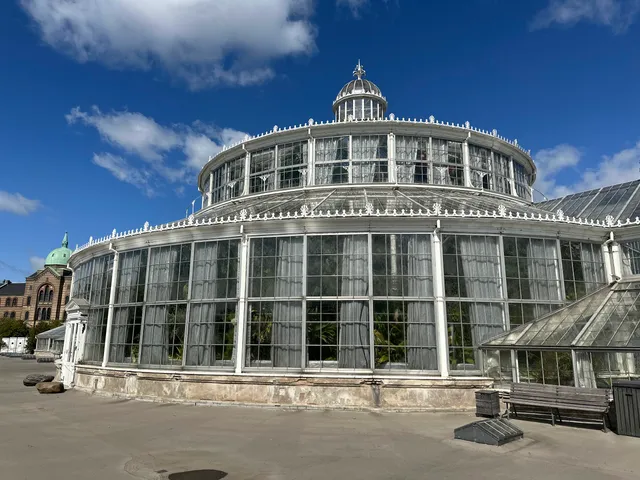
Botanical Garden
Gothersgade 128, 1123 København K, Denmark
4.5(3K)
Closed
Save
spot
spot
Ratings & Description
Info
A botanical garden or botanic garden is a garden with a documented collection of living plants for the purpose of scientific research, conservation, display, and education. Typically plants are labelled with their botanical names.
Outdoor
Relaxation
Family friendly
Accessibility
attractions: Rosenborg Castle, Workers Museum, IKONO Copenhagen, The Round Tower, The King's Garden, Livgardens Museum, Palmehuset, Trinitatis Kirke, Playground on Israel's Square, SMK – Statens Museum for Kunst, restaurants: Amager Bryghus Taproom Nørreport, ItalGastro, Det Vide Hus, KOPAN Linnésgade, Y's Café and cocktail, Keyser Social, Selma, Zahida Restaurant, Bobuska, The Midwestern Diner, local businesses: TorvehallerneKBH, Trinitatis Complex, Livgardens Kaserne, Indian Bites, Sømods Sweet shop, Timequest, Elextra.dk, Copenhagen Souvenir & Design World of Memories, Copenhagen Float, Pizzeria Imperia
 Learn more insights from Wanderboat AI.
Phone
+45 35 32 22 22
Website
snm.ku.dk
Open hoursSee all hours
Sat8:30 AM - 4 PMClosed
Plan your stay

Pet-friendly Hotels in Copenhagen Municipality
Find a cozy hotel nearby and make it a full experience.

Affordable Hotels in Copenhagen Municipality
Find a cozy hotel nearby and make it a full experience.

The Coolest Hotels You Haven't Heard Of (Yet)
Find a cozy hotel nearby and make it a full experience.

Trending Stays Worth the Hype in Copenhagen Municipality
Find a cozy hotel nearby and make it a full experience.
Reviews
Live events
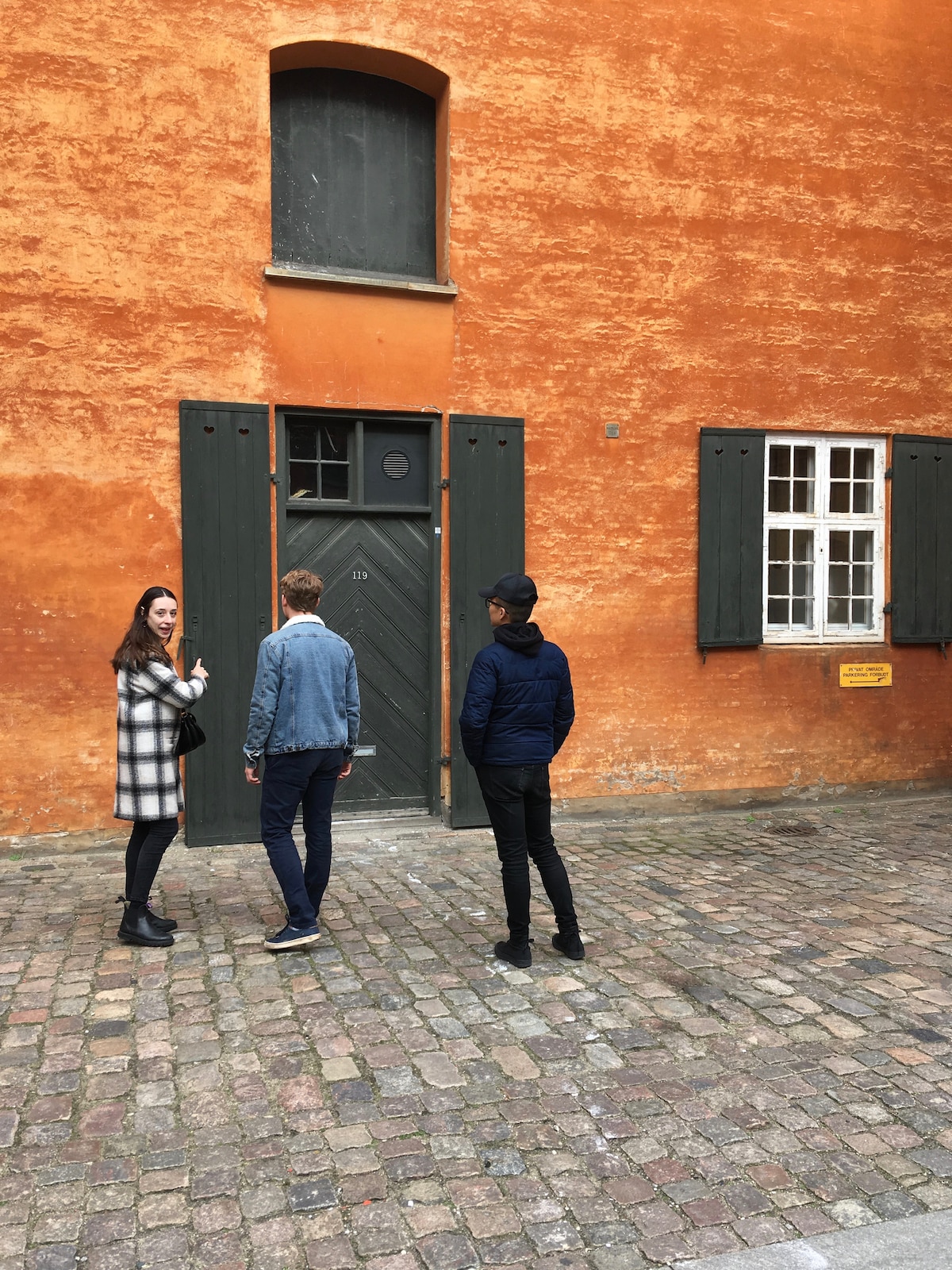
Discover Copenhagens design details
Tue, Feb 24 • 2:00 PM
1550, Copenhagen, Denmark
View details

IKONO Copenhagen
Sat, Feb 21 • 10:00 AM
Frederiksborggade 5, København, 1360
View details

Explore a crowdfunded space program
Sat, Feb 21 • 11:00 AM
1432, Copenhagen, Denmark
View details
Nearby attractions of Botanical Garden
Rosenborg Castle
Workers Museum
IKONO Copenhagen
The Round Tower
The King's Garden
Livgardens Museum
Palmehuset
Trinitatis Kirke
Playground on Israel's Square
SMK – Statens Museum for Kunst
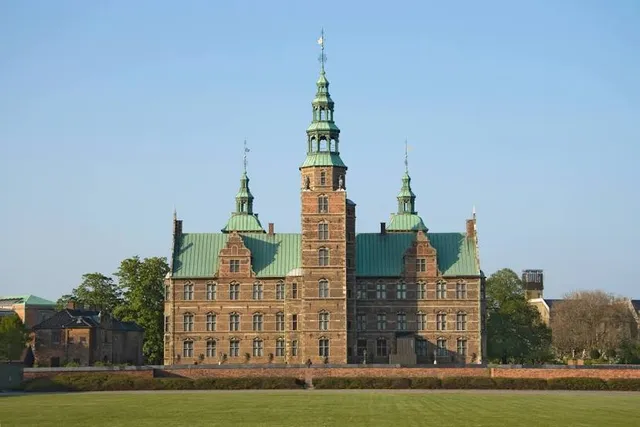
Rosenborg Castle
4.6
(9.2K)
Closed
Click for details
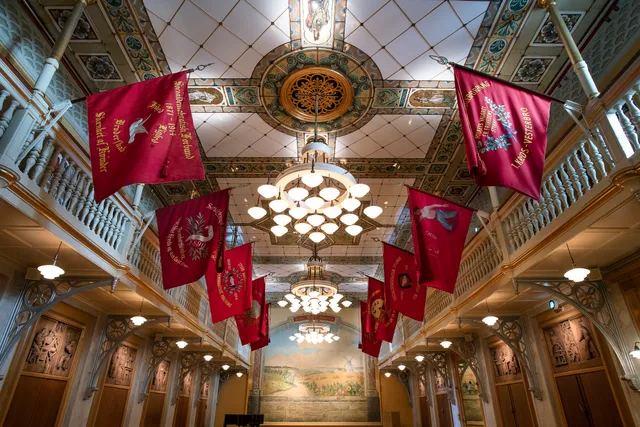
Workers Museum
4.4
(1.2K)
Closed
Click for details

IKONO Copenhagen
4.6
(1.5K)
Closed
Click for details
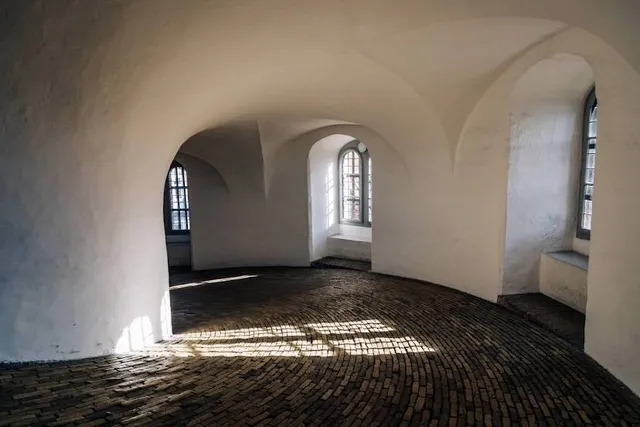
The Round Tower
4.5
(10.2K)
Open until 12:00 AM
Click for details
Nearby restaurants of Botanical Garden
Amager Bryghus Taproom Nørreport
ItalGastro
Det Vide Hus
KOPAN Linnésgade
Y's Café and cocktail
Keyser Social
Selma
Zahida Restaurant
Bobuska
The Midwestern Diner
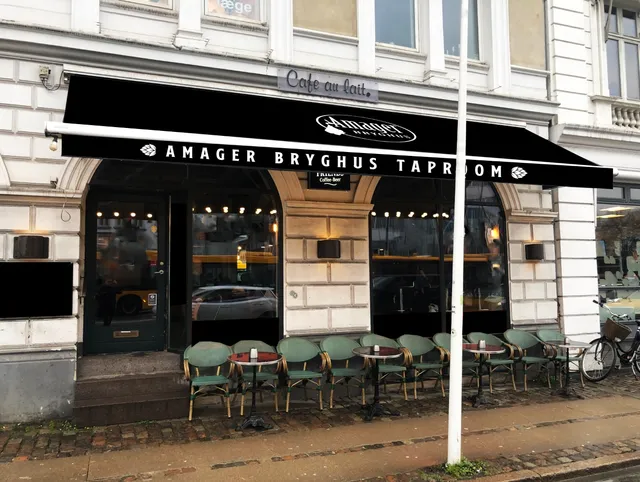
Amager Bryghus Taproom Nørreport
4.5
(321)
Closed
Click for details
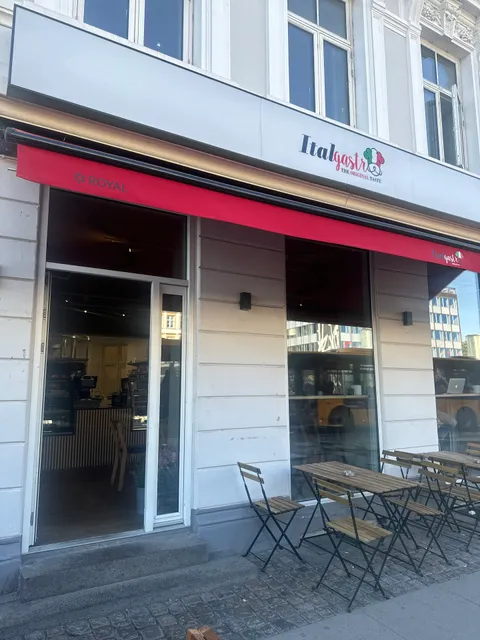
ItalGastro
4.8
(316)
Open until 12:00 AM
Click for details
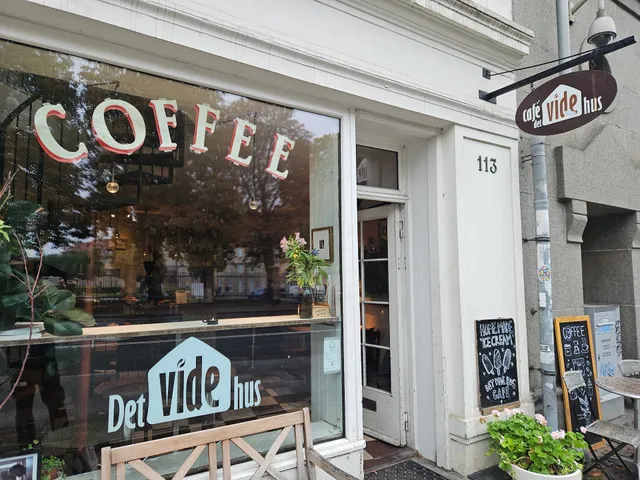
Det Vide Hus
4.6
(283)
Closed
Click for details

KOPAN Linnésgade
4.4
(318)
Closed
Click for details
Nearby local services of Botanical Garden
TorvehallerneKBH
Trinitatis Complex
Livgardens Kaserne
Indian Bites
Sømods Sweet shop
Timequest
Elextra.dk
Copenhagen Souvenir & Design World of Memories
Copenhagen Float
Pizzeria Imperia
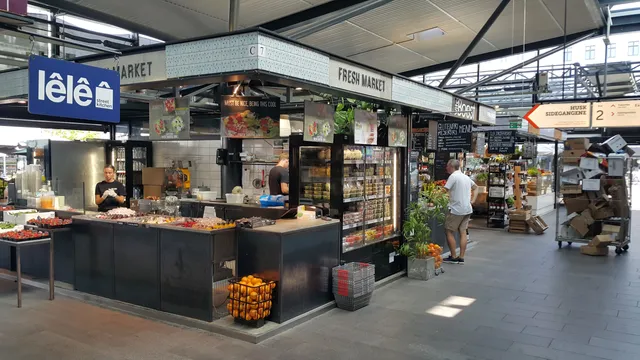
TorvehallerneKBH
4.5
(6.2K)
Click for details
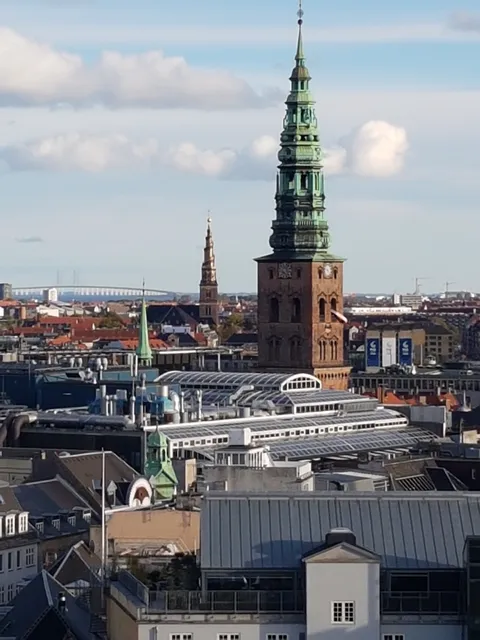
Trinitatis Complex
4.5
(10.2K)
Click for details
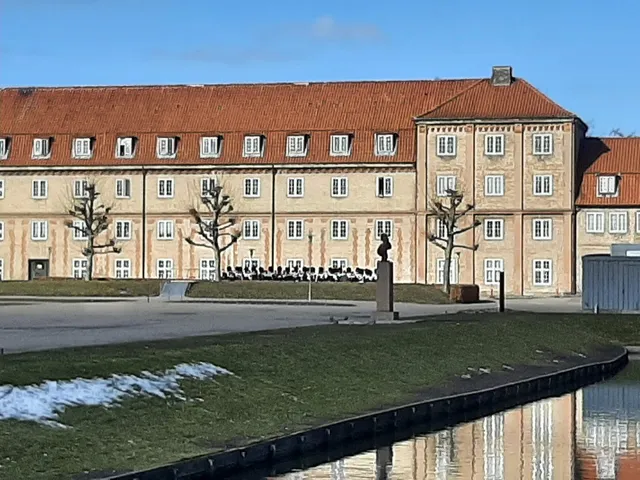
Livgardens Kaserne
4.6
(32)
Click for details
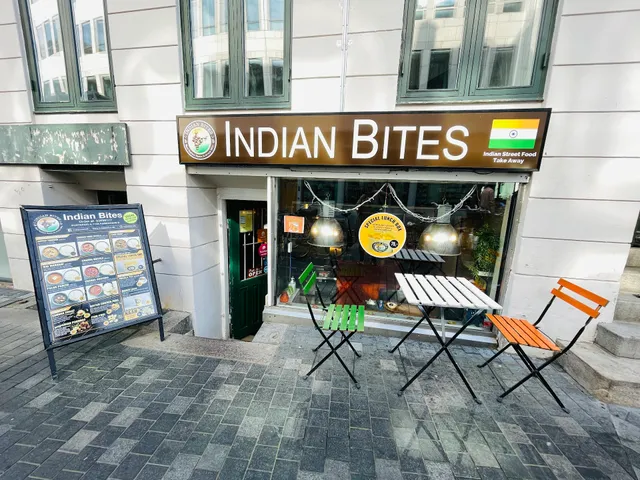
Indian Bites
4.7
(290)
Click for details