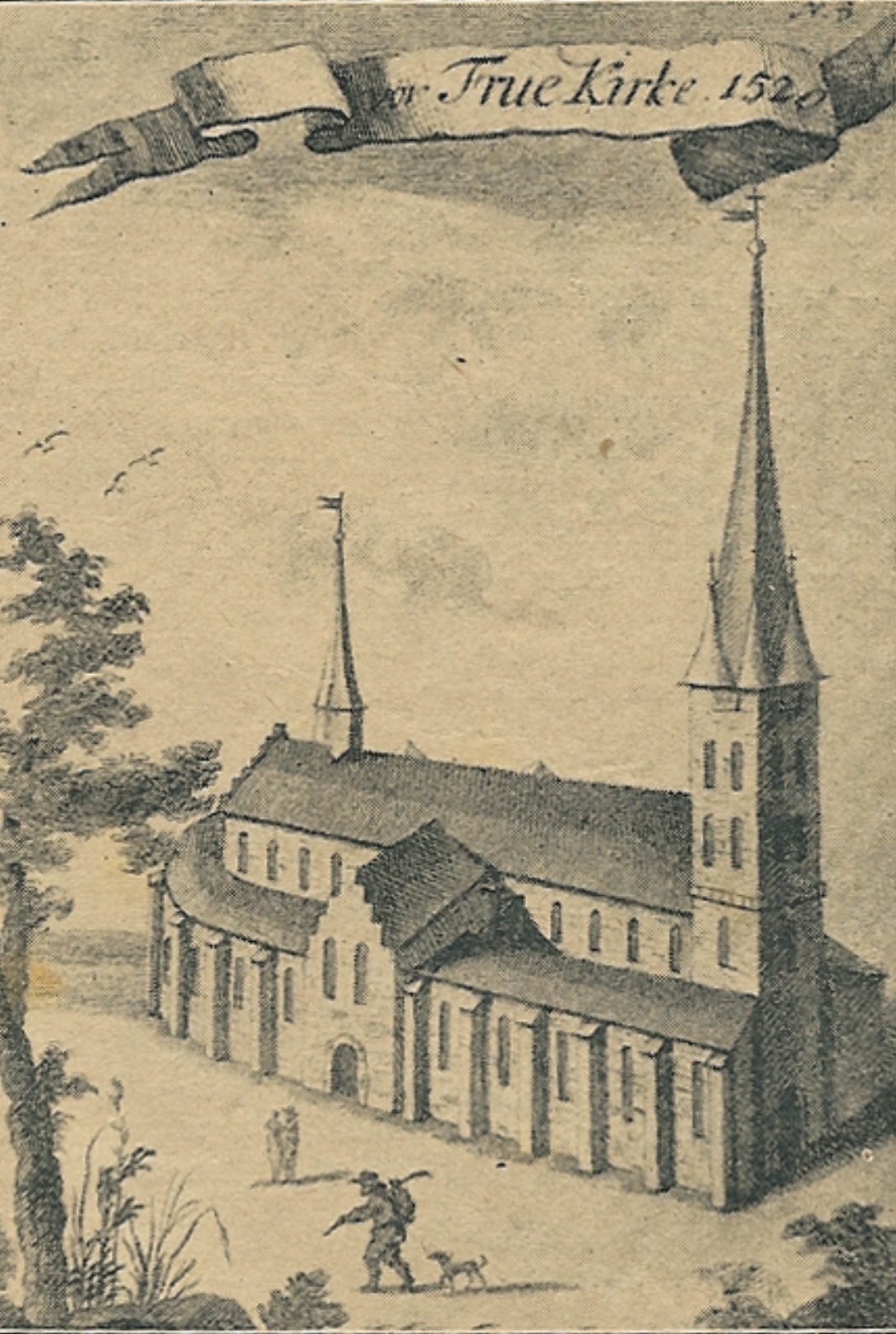
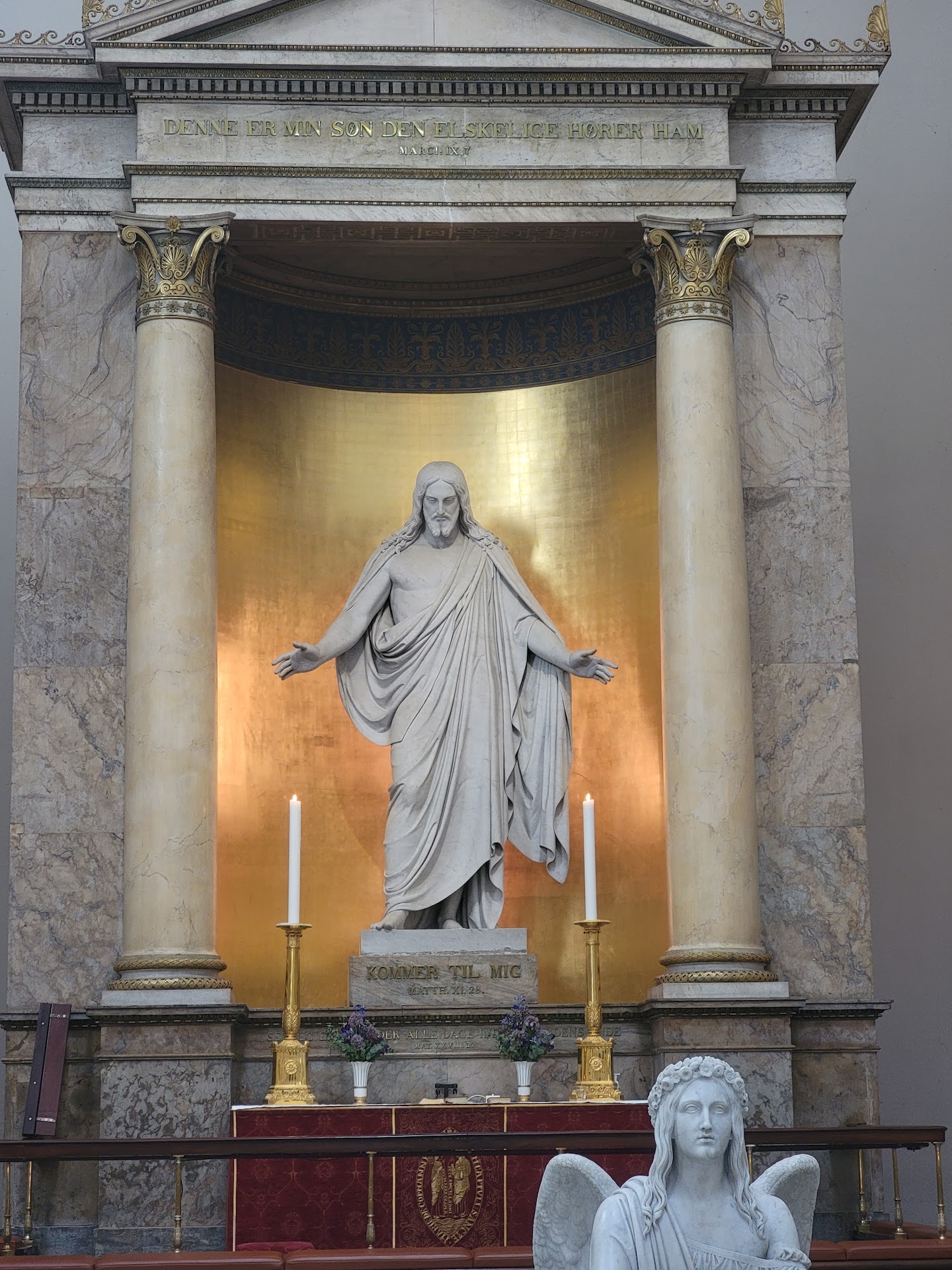
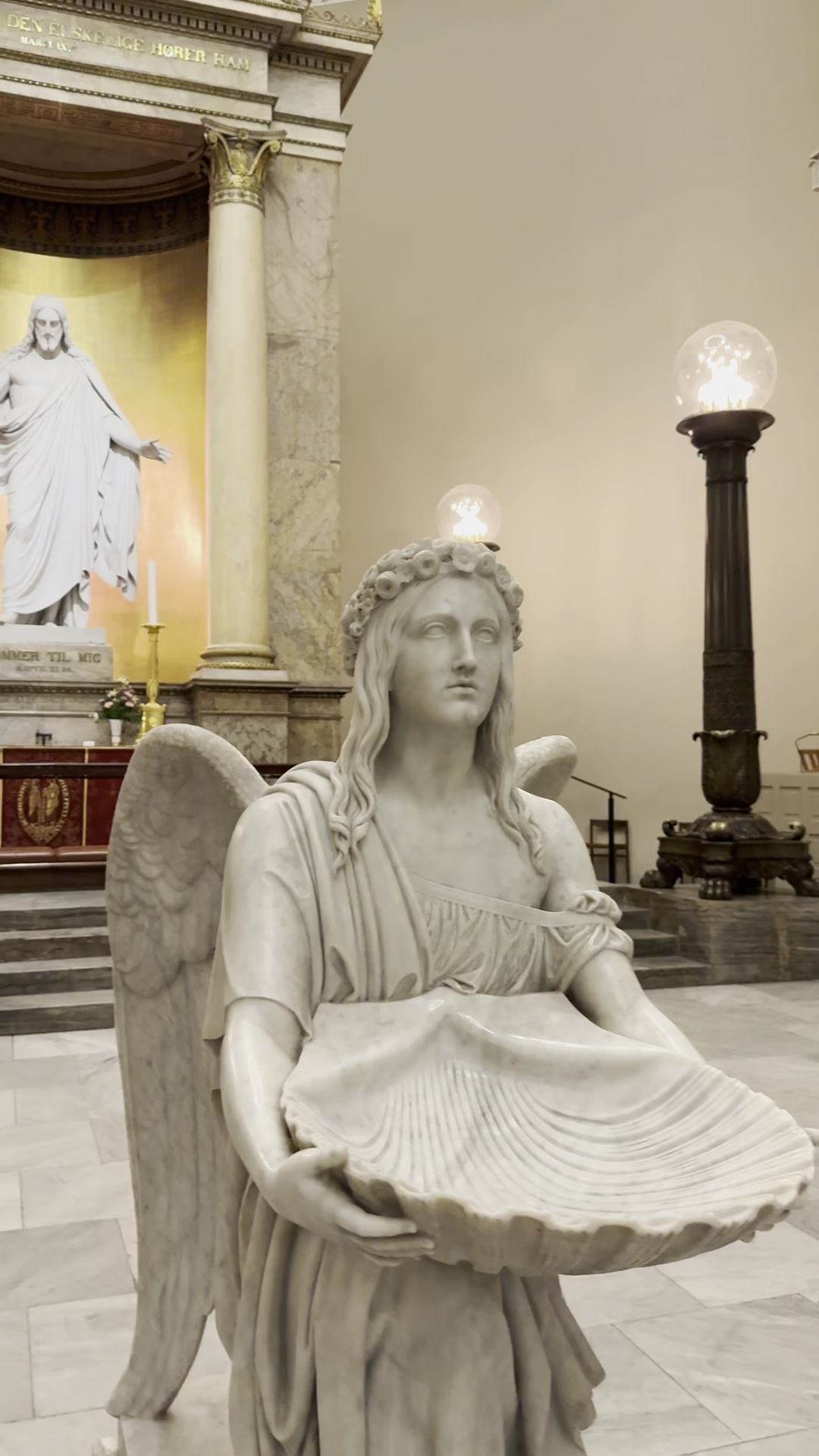
Church of Our Lady things to do, attractions, restaurants, events info and trip planning
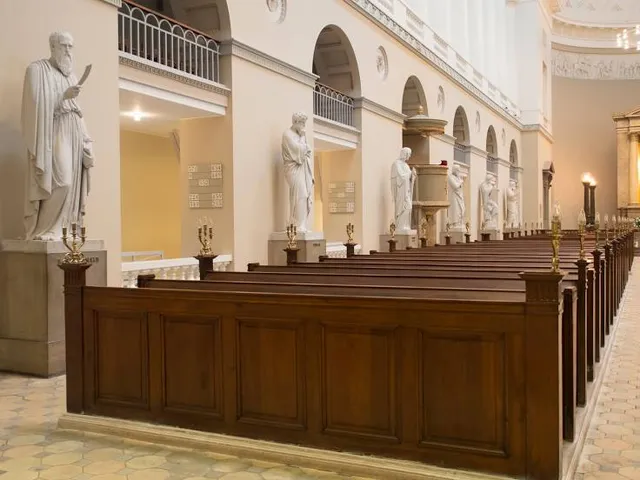
Basic Info
Church of Our Lady
Nørregade 8, 1165 København, Denmark
4.5(1.7K)
Closed
Save
spot
spot
Ratings & Description
Info
Cultural
Accessibility
attractions: The Round Tower, Copenhagen University, Caritasbrønden, Museum of Illusions | Copenhagen, Sankt Petri Kirke, City Hall Square, Church of the Holy Spirit, Ørstedsparken, Copenhagen Main Library, IKONO Copenhagen, restaurants: Paludan Bog & Café, Ristorante Italiano, Mæxico City, RizRaz, BellaDonna, Sporvejen, Charlie Scotts Bar., MAX Burgers, Amalfi Restaurant, Mr. Pho, local businesses: Trinitatis Complex, The LEGO® Store Copenhagen, Games Copenhagen, Doner Kebab, The Green Room, Den franske bogcafe, Strøget, Hereford Village, Gran Sinagoga de Copenhague, Grand Teatret
 Learn more insights from Wanderboat AI.
Phone
+45 33 15 10 78
Website
domkirken.dk
Open hoursSee all hours
Sat8 AM - 5 PMClosed
Plan your stay

Pet-friendly Hotels in Copenhagen Municipality
Find a cozy hotel nearby and make it a full experience.

Affordable Hotels in Copenhagen Municipality
Find a cozy hotel nearby and make it a full experience.

The Coolest Hotels You Haven't Heard Of (Yet)
Find a cozy hotel nearby and make it a full experience.

Trending Stays Worth the Hype in Copenhagen Municipality
Find a cozy hotel nearby and make it a full experience.
Reviews
Live events
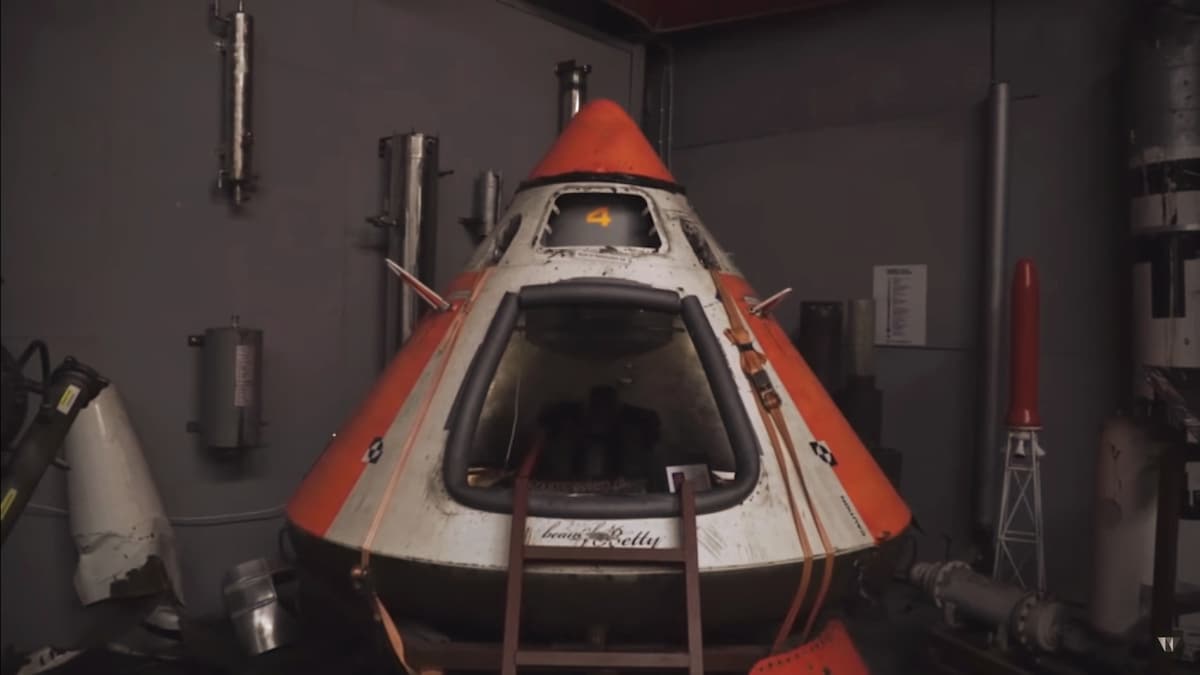
Explore a crowdfunded space program
Sat, Feb 7 • 11:00 AM
1432, Copenhagen, Denmark
View details
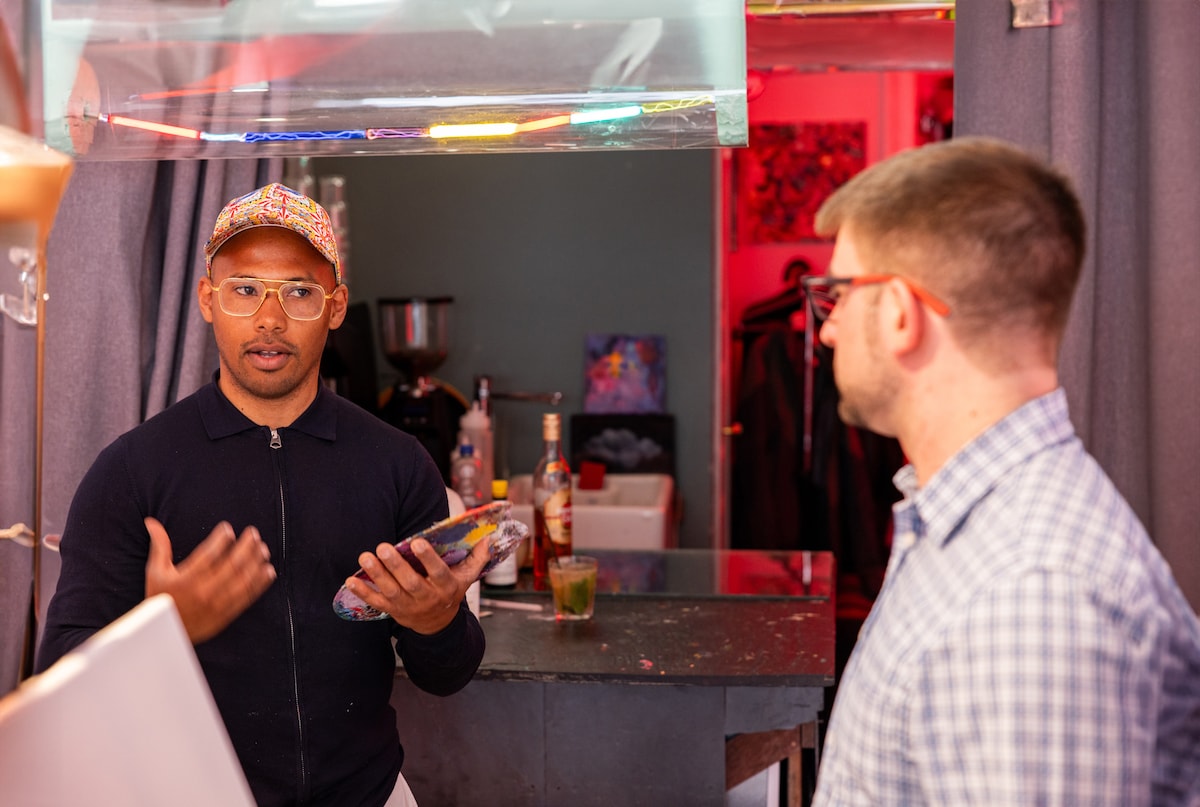
Make abstract art and cocktails with an artist
Sat, Feb 7 • 3:00 PM
1552, Copenhagen, Denmark
View details
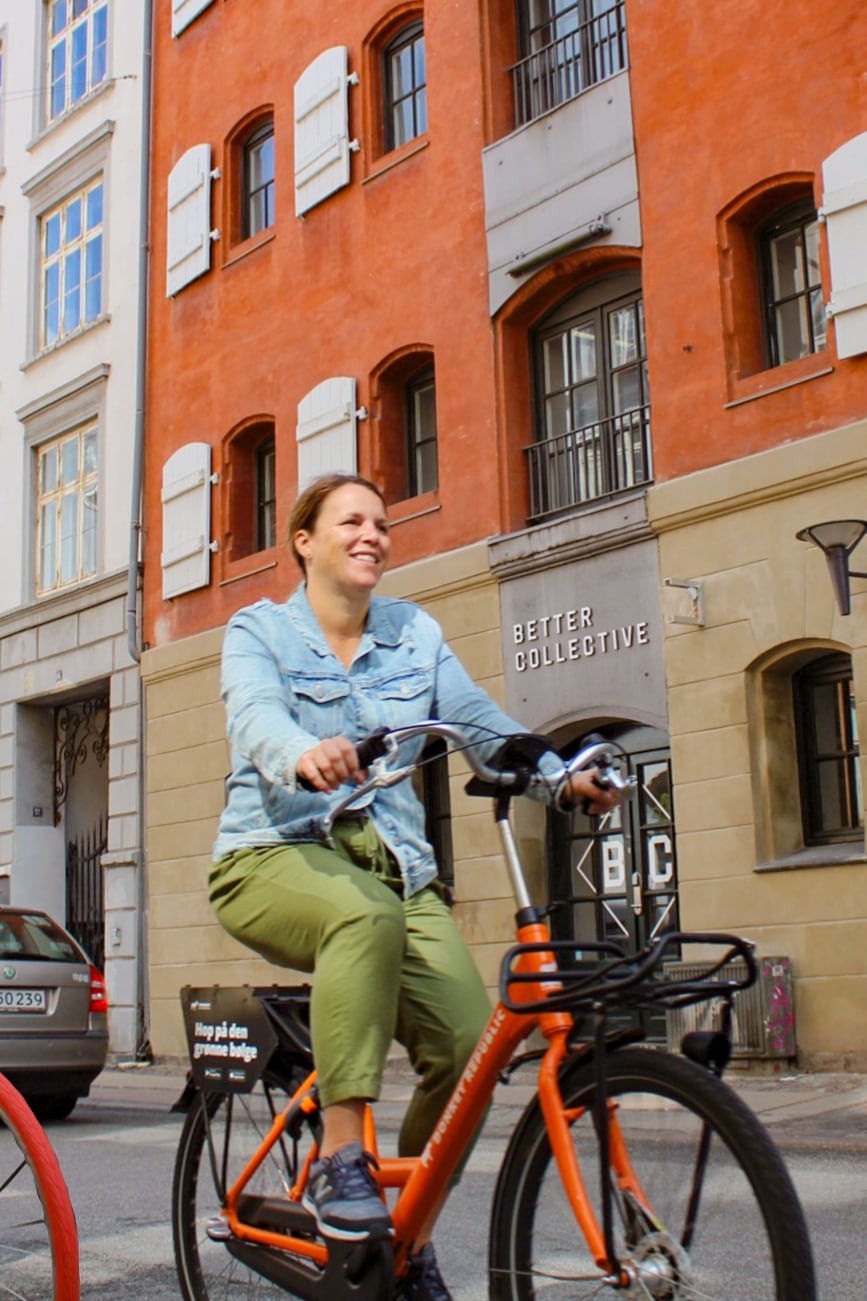
3-hour Culinary Bike Tour
Sat, Feb 7 • 12:00 PM
1057, Copenhagen, Denmark
View details
Nearby attractions of Church of Our Lady
The Round Tower
Copenhagen University
Caritasbrønden
Museum of Illusions | Copenhagen
Sankt Petri Kirke
City Hall Square
Church of the Holy Spirit
Ørstedsparken
Copenhagen Main Library
IKONO Copenhagen
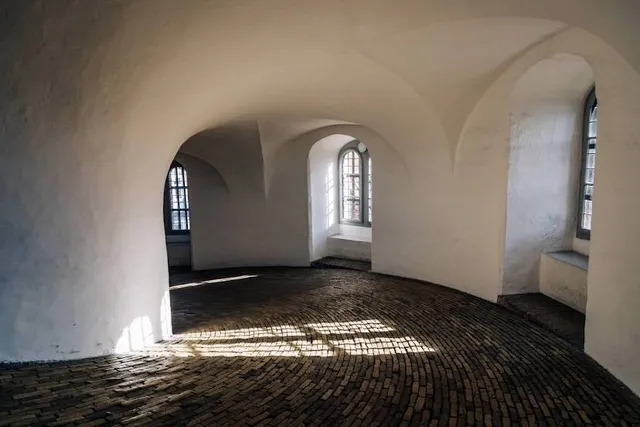
The Round Tower
4.5
(10.2K)
Open until 12:00 AM
Click for details
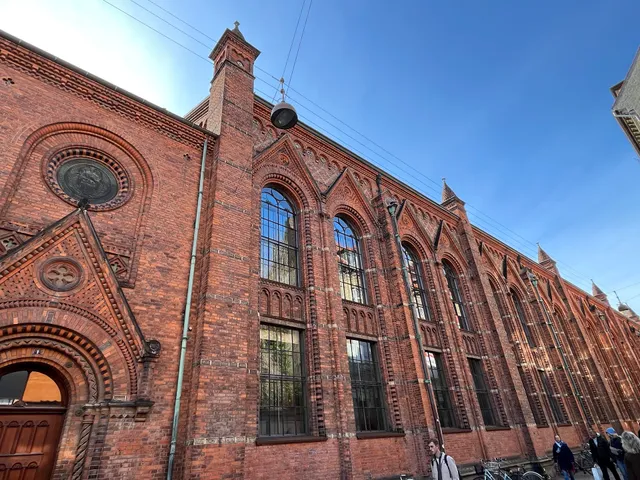
Copenhagen University
4.5
(218)
Open 24 hours
Click for details
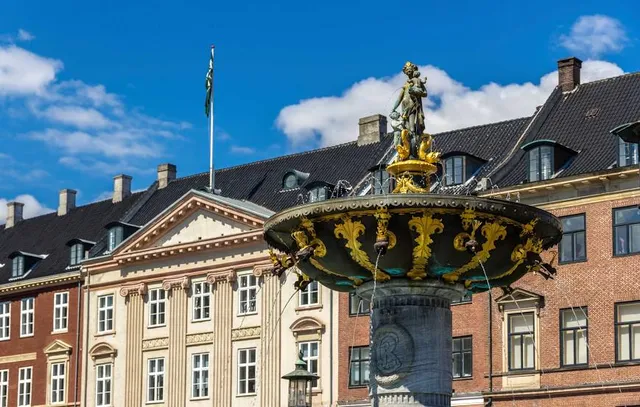
Caritasbrønden
4.3
(341)
Open until 12:00 AM
Click for details
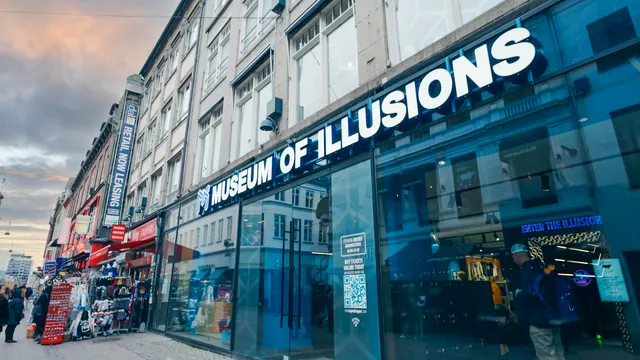
Museum of Illusions | Copenhagen
4.5
(1.2K)
Closed
Click for details
Nearby restaurants of Church of Our Lady
Paludan Bog & Café
Ristorante Italiano
Mæxico City
RizRaz
BellaDonna
Sporvejen
Charlie Scotts Bar.
MAX Burgers
Amalfi Restaurant
Mr. Pho
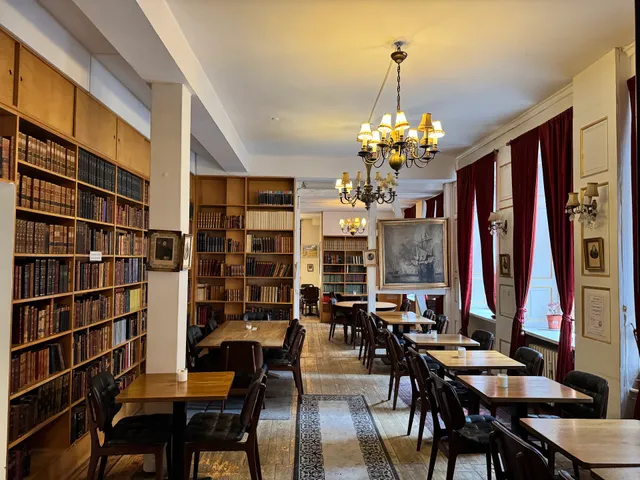
Paludan Bog & Café
4.5
(2.7K)
Closed
Click for details
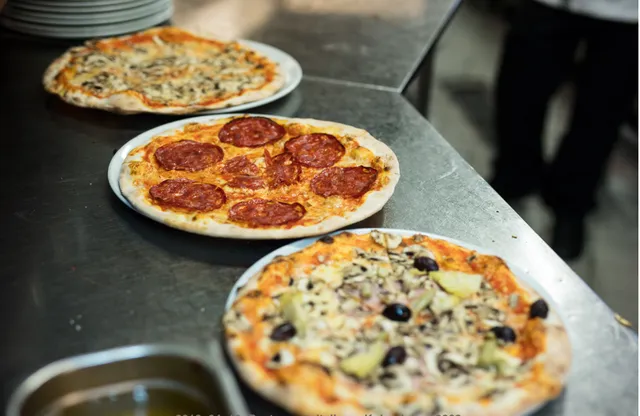
Ristorante Italiano
4.4
(2.3K)
Closed
Click for details
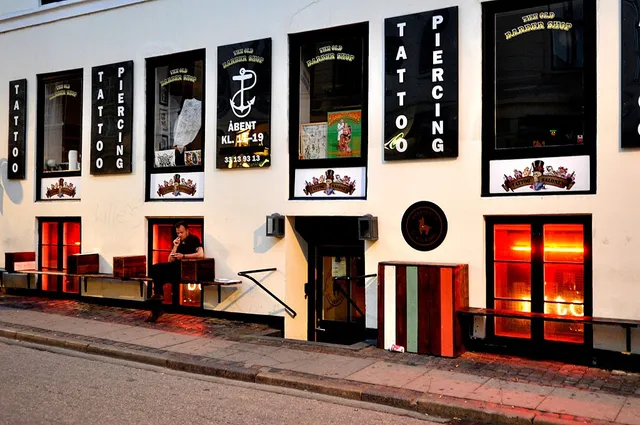
Mæxico City
4.4
(748)
Closed
Click for details
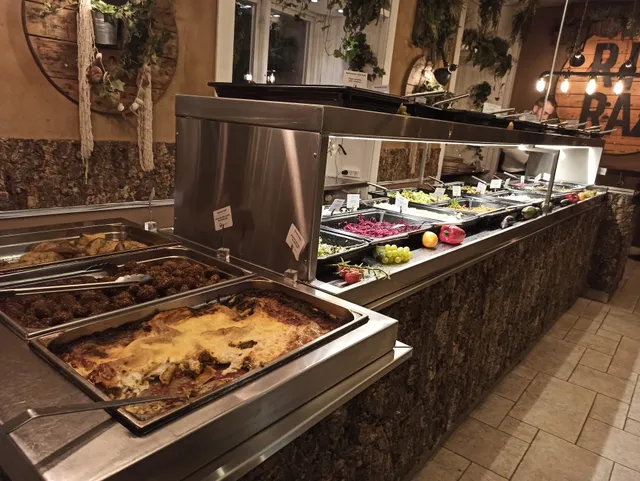
RizRaz
4.2
(1.5K)
Closed
Click for details
Nearby local services of Church of Our Lady
Trinitatis Complex
The LEGO® Store Copenhagen
Games Copenhagen
Doner Kebab
The Green Room
Den franske bogcafe
Strøget
Hereford Village
Gran Sinagoga de Copenhague
Grand Teatret
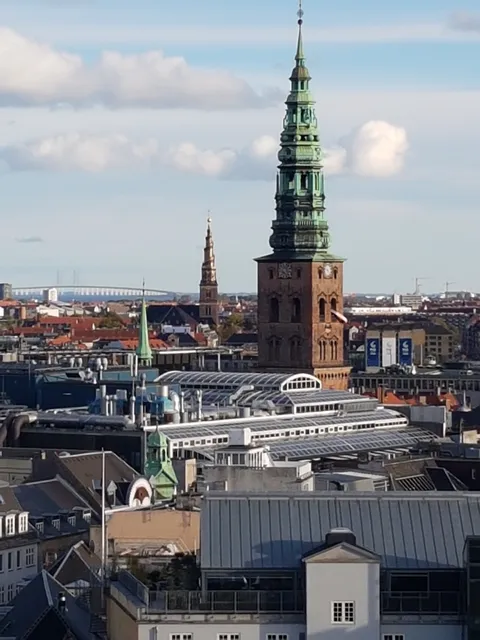
Trinitatis Complex
4.5
(10.2K)
Click for details
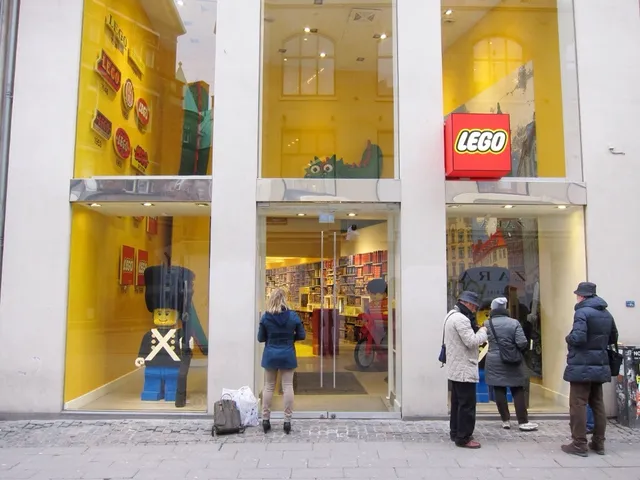
The LEGO® Store Copenhagen
4.5
(2.8K)
Click for details
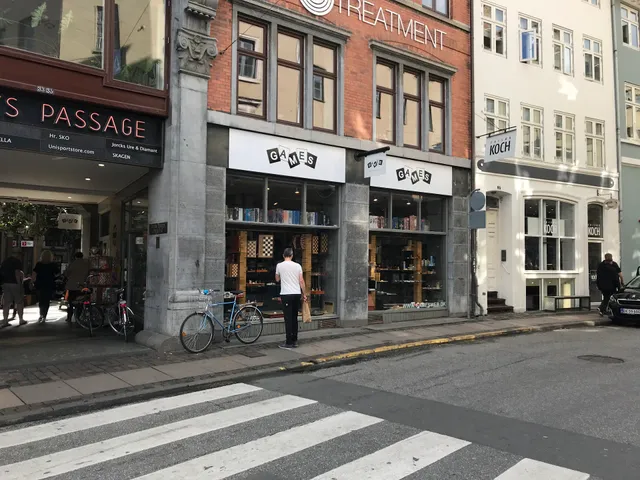
Games Copenhagen
4.6
(411)
Click for details
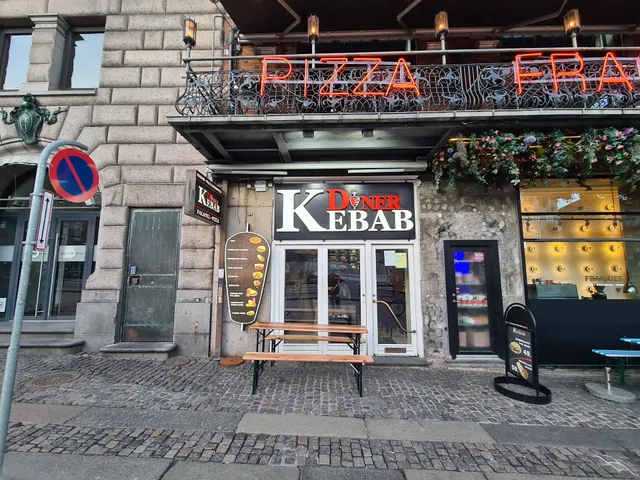
Doner Kebab
4.1
(152)
Click for details