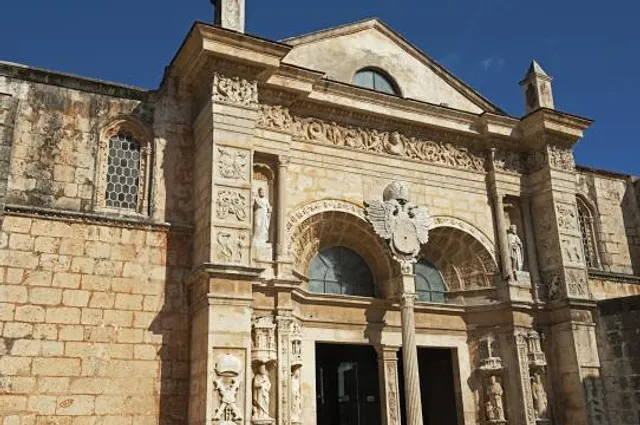
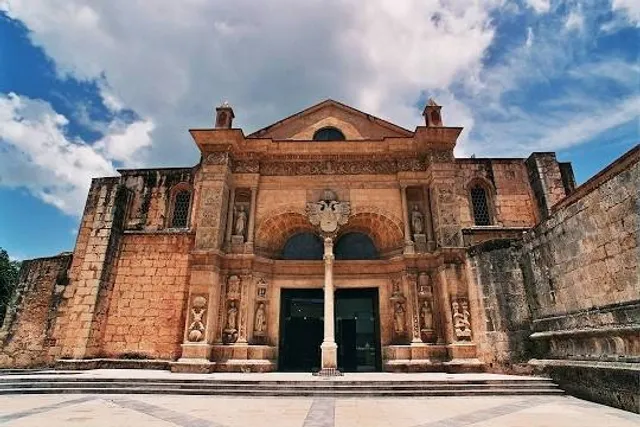
I was beyond belief when I went to visit the church yesterday! They charged me to let me in!!!!! This Cathedral, despite its historical background, is NOT a museum; this is an actual functioning church. The bench area was closed. There was no holy water available to venerate the saints properly. They only make the sacred water available before mass, which tourists are not allowed to go to because they can’t charge for mass, and they like to charge tourists. Since when did the Catholic Church charge a fee to enter the house of the Lord?! What was even more disturbing is the fact that you’re NOT allowed to worship during mass!!!! They shut the church to outsiders, and only the parishioners are permitted!!! Selective worship, denying services to Christ followers, and Catholics just for being visitors. I have had mass at the Milan Cathedral, St Pete’s Basilica, St Geronimo, etc., etc.!!! I have been to so many churches worldwide! It’s a disparage I have never heard of nor experienced. It’s greedy, unscrupulous, lucrative, and even predatory to cash a place of worship. It is morally wrong, unthinkable, and a sin. Just preposterous! The Eucharist is NOT exposed. Supposedly, it is there for adoration, but you’re unable to see it; therefore, it could be there, but more likely, it is not. Why are they hiding the Eucharist from the worshippers?! This monetary punishment to enter the church reminded me of Jesus and the merchants at the holy temple. Those were using the temple as a marketplace, selling doves and merchandise. This cathedral's circumstances present an immoral practice, even worse than the merchant's. The merchants in Jesus' days were selling their handmade merchandise; this cathedral is selling you God. The right to worship, the right to pray the rosary in his presence, and the right to meditate in a place of worship. The gospel says in Mathew 21: 12-17…"It is written, 'MY HOUSE SHALL BE CALLED A HOUSE OF PRAYER,' but you are making it a ROBBERS' DEN.” how can they get away with this? In the Dominican Republic, even the priest is a Tigre (Dominican slang for hustler in this context). How immoral and disheartening for one’s faith.
Also, prices are $80 DP without audio and $100 with an...
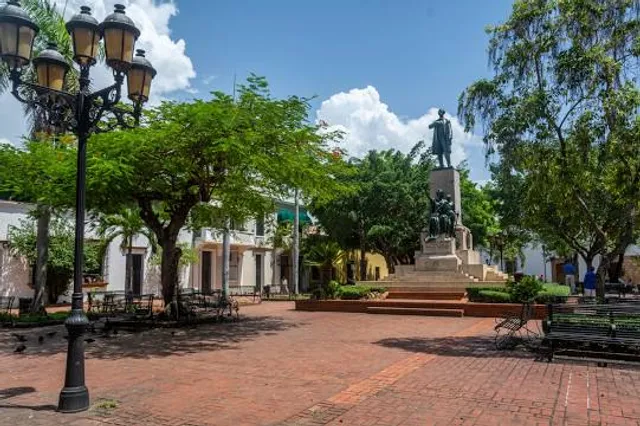
Read moreAs a major factor in the decision for Ciudad Colonial to become a UNESCO world heritage site, the five hundred year old Gothic style cathedral offers audio tours in multiple languages, along with supporting a regular parish. To reach the tourist entrance, visitors enter La Plazoleta de los Curas [Little Plaza of the Priests], so called because this was a place for the clergy to gather. Catedral Primada de América was spectacular in scale, but its size was also its weakness when keeping the attention of the visitor. Even with the decently lighting, easy walking, wheelchair accessible, plenty of places to sit, and expertly recorded audio tour, the constant stream of icons and names caused sensory overload. Visitors from around the world easily fit in the space and enjoyed the chapels both at their own pace and in their own language. Some of these visitors were older children on class trips who could no longer concentrate once they arrived at the tenth chapel or later. While this priceless historic site is a must-see for anyone traveling to Santo Domingo, along with a pilgrimage for devout Catholics, the experience is not be fun for the average visitor under eighteen. The cathedral is open to visitors from 9:00 a.m. to 4:00 p.m., Monday through Saturday. Tickets with an audio tour cost about RD$60 ($1.20 US). Only a few people at a time can purchase tickets from the inside booth, so one member of the party must go inside while the others wait...
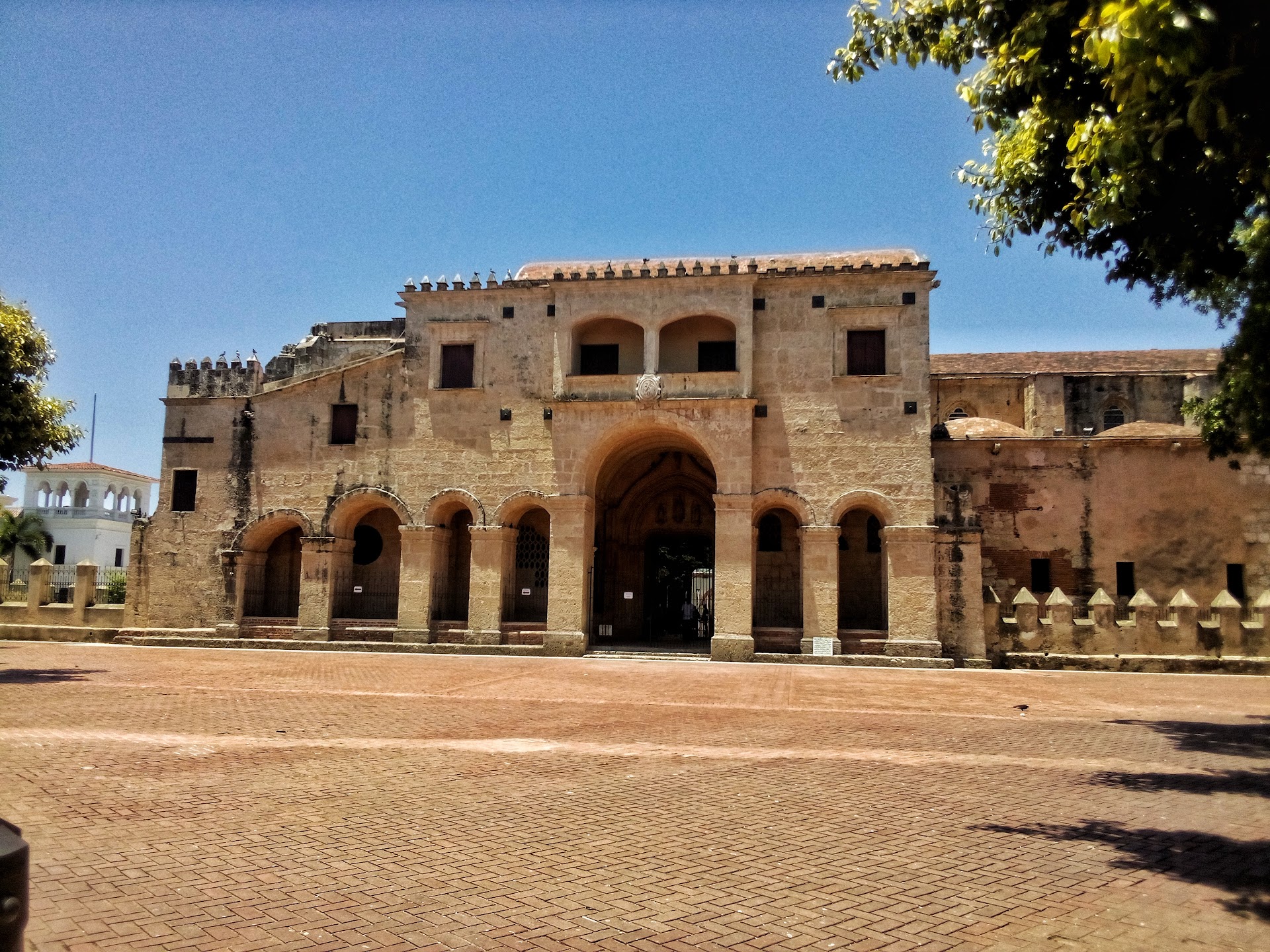
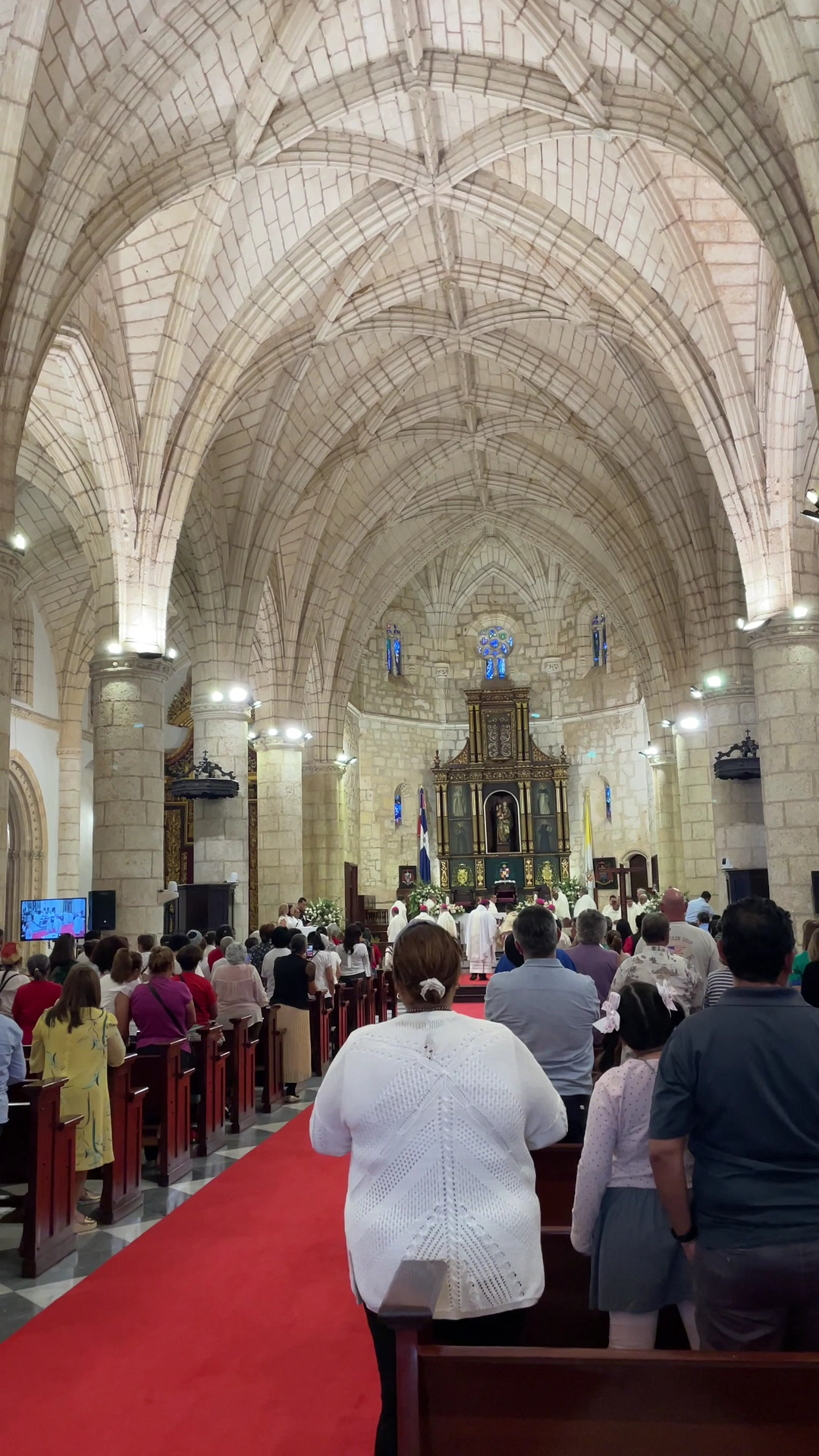
Read moreLa Catedral Primada de América, Catedral de Santo Domingo o Basílica Menor de Santa María de la Encarnación, es una catedral y basílica menor dedicada a Santa María de la Encarnación que se encuentra en la Ciudad Colonial de Santo Domingo, en República Dominicana. Su nombre oficial es Santa Iglesia Catedral Basílica Metropolitana de Nuestra Señora Santa María de la Encarnación o Anunciación. Está ubicada entre las calles Arzobispo Meriño e Isabela La Católica, junto al Parque Colón; quedando su puerta principal al oeste, frente a la calle Arzobispo Meriño, casi esquina Arzobispo Nouel. La catedral de Santo Domingo es la más antigua de América, construida por mandato del papa Julio II en 1504. Sede de la Arquidiócesis de Santo Domingo, su construcción comenzó en 1512, bajo el gobierno pastoral del primer obispo de Santo Domingo, fray García Padilla, que nunca llegó a la isla; sobre la base de planos del arquitecto Alonso de Rodríguez.Parados los trabajos, continuaron con un nuevo diseño por Luis de Moya y Rodrigo de Liendo en el 1522 con intervención del obispo Alessandro Geraldini.El arquitecto Alonso González, inspirándose en la Catedral de Sevilla, concluyó parcialmente la iglesia en el 1550.Sucesivamente Alonso de Fuenmayor, impulsó los trabajos y el 31 de agosto del año 1541 fue consagrada.En 1546 el papa Pablo III, la elevó al rango de Catedral Metropolitana y Primada de América a petición del rey Carlos I de España.1Otra promoción llegó en el 1930 cuando el papa Benedicto XV la elevó a “Basílica Menor de la Virgen de la Anunciación”.2 En la segunda mitad del siglo XVI, en el lado sur fue construido el sector del Claustro, con las celdas de los canónicos; otro ejemplo se encuentra en la Catedral de Salamanca en España.En el 1547 se interrumpieron los trabajos de la torre campanario, porque su altura superando la Torre del Homenaje, había dado disturbios a los centinelas.Fue cuartel general de las tropas de Sir Francis Drake durante su invasión de 1586, quien la saqueó. Al parecer en el 1665 hubo una segunda consagración. Inicialmente sin capillas, en el 1740 tenía 9 y actualmente posee 14. Merecen mención especial las capillas de Alonso de Suazo, de Rodrígo, de Bastídas, de Geraldini y la de Diego Caballero, así como la cripta de los Arzobispos y la capilla Bautismal lateral. Entre las obras, el cuadro de N. S. de la Antigua, donado por el Almirante. El órgano fue llevado a Magdeburgo en 1860. La arquitectura del edificio de la catedral de Santo Domingo se caracteriza por estilo gótico con bóvedas nervadas, sólidas paredes y tres puertas, dos de ellas góticas en contraste con la tercera y principal de estilo gótico plateresco. La catedral contiene un vasto tesoro artístico constituido con retablos, cuadros (entre ellos una tabla de la Virgen de la Altagracia datada en 1523), ebanistería antigua, mobiliario, monumentos y lápidas funerarias, entre otros objetos. Se destacan los mausoleos de los arzobispos del período colonial, también es de mencionarse la lápida funeraria de Simón Bolívar, uno de los antecesores del Libertador. En la catedral se albergaron durante un tiempo los restos de Cristóbal Colón, los cuales se trasladaron en 1795 a la Catedral de La Habana y finalmente, entre 1898 y 1899, a la Catedral de Sevilla.3 El valioso trono arzobispal, de estilo plateresco está fechado en 1540. Formaba parte del coro bajo, desmantelado a finales del pasado siglo para colocar el monumento de mármol en que se guardaron los restos de Cristóbal Colón. La Catedral está construida con piedra calcárea, si bien algunos muros son de mampostería y ladrillos, y cuenta con doce capillas laterales, tres naves libre y una nave principal. La cubierta de la nave central es a dos aguas. Las de las naves laterales está constituida por bóvedas de crucería que se acusan al exterior, como si se tratara de cúpulas semiesféricas. La longitud mayor de la basílica es de 54 m en la nave central hasta el fondo del presbiterio. El ancho de las tres naves es de 23 m. La altura mayor de piso a bóveda alcanza...
Read more