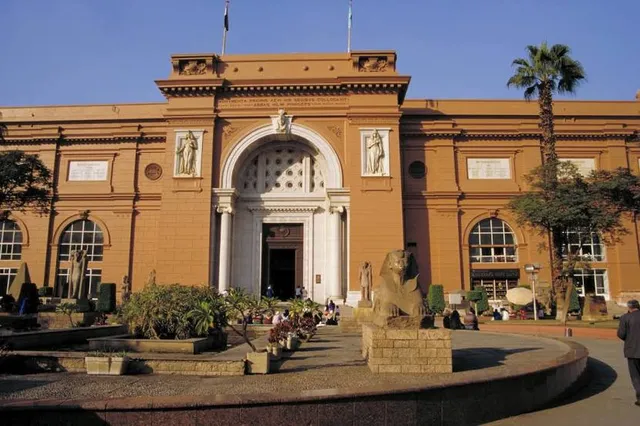
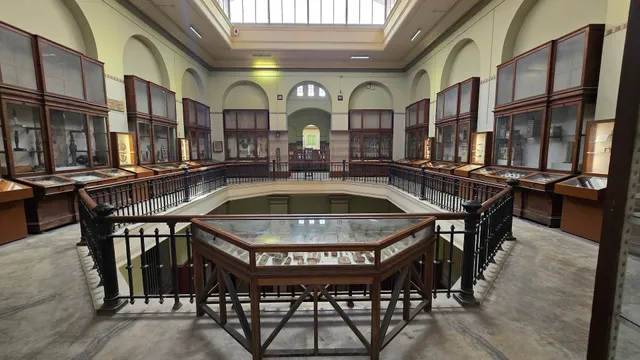
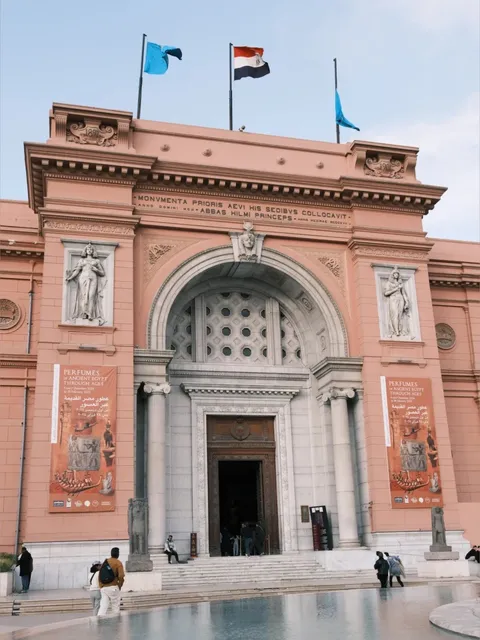
Visiting the Egyptian Museum in Cairo is not just a sightseeing experience — it feels like stepping directly into the memory of an entire civilization. The moment you enter the grand pink façade on Tahrir Square, you sense that you’re crossing a threshold between centuries. The museum itself is a living monument; built in 1902, it has witnessed Egypt’s modern history unfold right outside its doors, while preserving the treasures of pharaohs within. Inside, the atmosphere is unlike any other museum in the world. The air carries a faint scent of old papyrus and polished stone, the corridors echo softly underfoot, and every display case holds an artifact that once shaped the destiny of an empire. You are not looking at replicas here — these are the original masterpieces of human history. From the colossal statues of Amenhotep III and his queen Tiye to the exquisite jewelry of the Middle Kingdom, every exhibit tells its own story of craftsmanship, faith, and immortality. The highlight, of course, is the Tutankhamun Gallery, an awe-inspiring collection that leaves every visitor speechless. The golden mask, perfectly preserved for over three millennia, gleams under the soft light as if its young king were still watching over the Nile. Nearby, the delicate chariots, furniture, and ritual artifacts discovered in his tomb reveal the sophistication of the ancient world far beyond what textbooks can convey. Another unforgettable stop is the Royal Mummy Room, where the great pharaohs themselves rest in silence — Ramses II, Seti I, and others whose names have filled history books for centuries. Standing before them is both humbling and profound; these are not legends, but real people who once ruled one of humanity’s greatest civilizations. The building itself is part of the experience. Its architecture is beautifully old-world — high ceilings, ornate ironwork, and wooden display cases that feel like relics of early Egyptology. Some visitors might find it a bit outdated compared to modern museums, but that is precisely what gives it such charm and authenticity. You’re walking through the same halls that generations of archaeologists, historians, and explorers once walked, and that sense of continuity is priceless. The staff are courteous and knowledgeable, always ready to answer questions or share small details that bring the exhibits to life. If you can, consider joining a guided tour — it transforms your visit from passive observation into a fascinating journey through dynasties, beliefs, and artistic revolutions. Practical notes: the museum is located right in Tahrir Square, easily reachable by metro or taxi. Security is tight but efficient, and once inside, you’ll find basic amenities, a souvenir shop, and a café. Plan at least two to three hours — more if you’re a history lover. Photography is allowed in most areas (except the mummy room), but always double-check the latest rules. Although some collections are gradually being transferred to the new Grand Egyptian Museum in Giza, the Cairo Museum retains a soul that cannot be replaced. It’s the heart of Egyptology — intimate, mysterious, and wonderfully human. You don’t just learn history here; you feel it. If you visit Cairo, do not skip this place. Whether you’re a historian, an artist, or simply a curious traveler, the Egyptian Museum offers one of the most profound encounters with the ancient world anywhere on Earth. It’s a reminder that civilizations may rise and fall, but art, culture, and memory...
Read moreI've been here before and it is always a joy. A person could spend a full day, until the point of exhaustion, and not see everything in enough detail.
The ONLY downside is that some items are being migrated to the new museum in near to the pyramids. Currently, it is only about 20% of the inventory so still worth seeing.
Although the museum's layout can feel overwhelming due to its sheer size and the density of exhibits, each hall and corridor tells a story of a civilization that has fascinated the world for millennia.
The Egyptian Museum in Cairo (EMC) is the oldest archaeological museum in the Middle East.
It has the largest collection of Pharaonic antiquities in the world.
Among its masterpieces are Pharaoh Tutankhamun's treasure, including its iconic gold burial mask, widely considered one of the best-known works of art in the world and a prominent symbol of ancient Egypt.
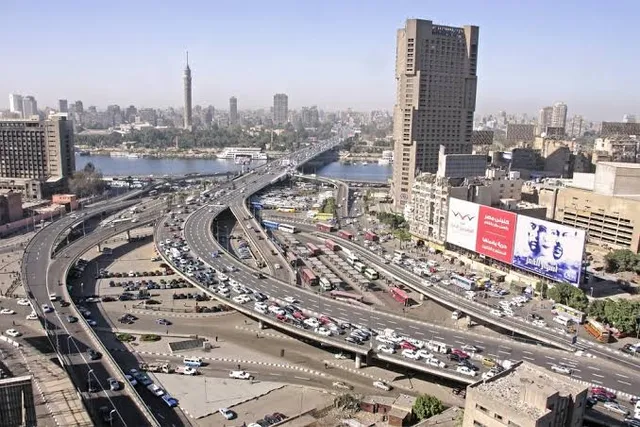
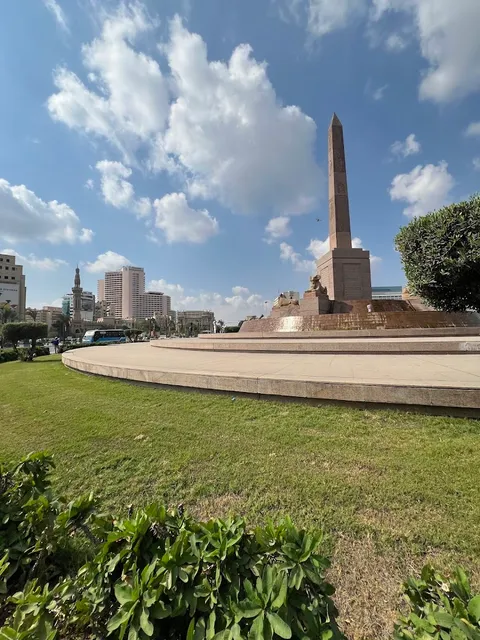
It is located on the northern side of Tahrir Square, Downtown, Cairo. It was built in 1901.
If you are coming by car there is underground parking and use elevator No. 2
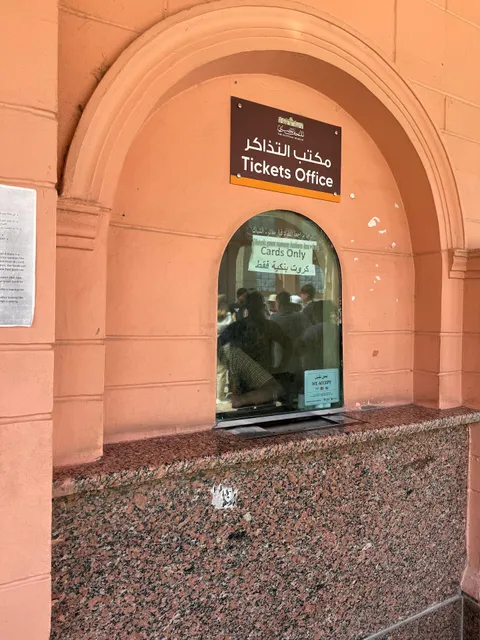
Tickets for Egyptians 30 LE and Foreigners 450 LE!! and covers everything inside. And Headsets are available don’t forget to ask for during buying tickets. Keep your ticket and re enter at the main entrance. A guided tour is a must to "put things to life".
You may take photos except for the King Tutankhamen exhibition on the first floor but I was lucky 😏
Plenty of toilets are available and there is an elevator and from the entrance till exit it’s Disability-Friendly.
There are two main floors in the museum, the ground floor and the first floor. On the ground floor is an extensive collection of large-scale works in stone including statues, reliefs and architectural elements. These are arranged chronologically in clockwise fashion, from the pre-dynastic to the Greco-Roman period. The first floor is dedicated to smaller works, including papyri, coins, textiles, and an enormous collection of wooden sarcophagi. The exhibits are labelled in Arabic and English and a few in French.
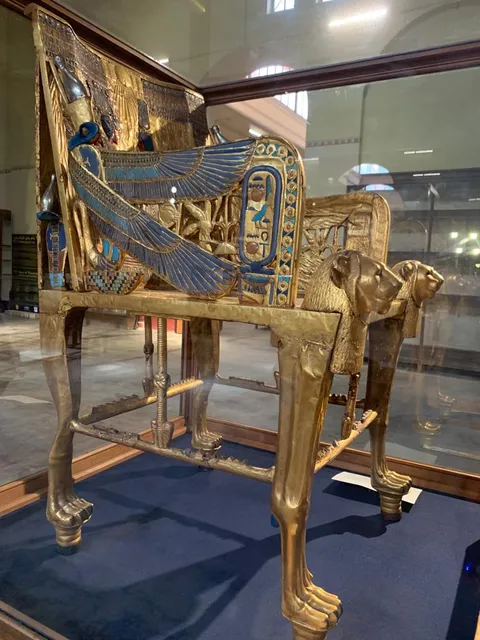
There is nowhere that is not worth seeing. Mummies, mummy portraits, statuary, jewellery, textiles, musical instruments, canopic jars, unwrapped mummies, SOLID GOLD everywhere including King Tutankhamens 110 kgs gold coffin and two stunning thrones.
The numerous pieces of papyrus are generally small fragments, owing to their decay over the past two millennia. Several languages are found on these pieces, including Greek, Latin, Arabic, and ancient Egyptian. The coins found on this floor are made of many different metals, including gold, silver, and bronze. The coins are not only Egyptian, but also Greek, Roman, and Islamic. This has helped historians research the history of Ancient Egyptian trade.
Also on the ground floor are artifacts from the New Kingdom, the time period between 1550 and 1069 BC. These artifacts are generally larger than items created in earlier centuries. Those items include statues, tables, and coffins (sarcophagi). It contains 42 rooms; with many items on view from sarcophagi and boats to enormous statues.
On the first floor are artifacts from the final two dynasties of Egypt, including items from the tombs of the Pharaohs Thutmosis III, Thutmosis IV, Amenophis II, Hatshepsut, and the courtier Maiherpri, as well as many artifacts from the Valley of the Kings, in particular the material from the intact tombs of Tutankhamun and Psusennes I.
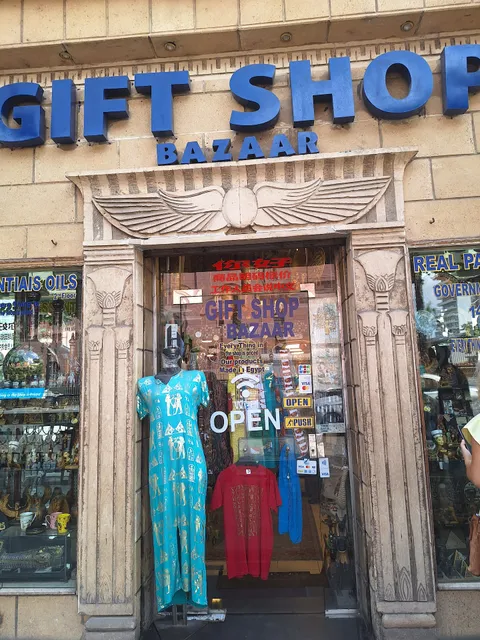
On existing there is shop with very nice souvenirs. They...
Read moreThe Egyptian Museum in Cairo, housed in a 1902 building, suffers from visible neglect and outdated facilities, making it a challenging visit in its current state. Its galleries are dusty and disorganized, with broken furniture and poor lighting, while the lack of air-conditioning renders afternoons unbearable in Cairo’s searing heat. Although the Tutankhamun collection remains a highlight, it will soon be relocated to the new Grand Egyptian Museum (GEM). Overall, the GEM offers a vastly superior visitor experience, and for souvenirs, the nearby bazaars provide better value than the museum shop.
The museum feels old and uncared for, with peeling paint and crumbling fixtures that betray decades of minimal maintenance. I have never seen a museum so deteriorated and dirty—dust coats nearly every surface, from display cases to the floor tiles. Many exhibits stand in darkness because lighting is either broken or completely absent, making it hard to appreciate the artifacts’ details. Even the furniture is broken, with benches cracked and display-case wires exposed, contributing to an atmosphere of neglect and disrepair.
There is no air-conditioning in the museum, so by afternoon—when temperatures routinely exceed 40 °C (104 °F) and can spike toward 45 °C (113 °F) in direct sun—it becomes virtually impossible to stay inside comfortably. Open windows and floor fans do little to mitigate the intense heat, and the lack of climate control accelerates dust accumulation on artifacts and surfaces.
The layout is chaotic, with no clear chronological or thematic order; visitors often wander between unrelated pieces without context or flow. Labels are printed in tiny font, making descriptions nearly illegible unless you’re right up against the glass.
The Tutankhamun collection remains the one truly compelling draw—its artifacts are iconic and exquisitely preserved. However, this exhibit will move to the Grand Egyptian Museum in July 2025, meaning its current display here is only temporary.
By contrast, the new Grand Egyptian Museum (GEM) boasts modern architecture, integrated climate control, clear exhibit sequencing, and state-of-the-art lighting—ensuring artifacts are both protected and beautifully showcased. There is no contest: the GEM delivers a comfortable, informative experience that the old museum simply cannot match.
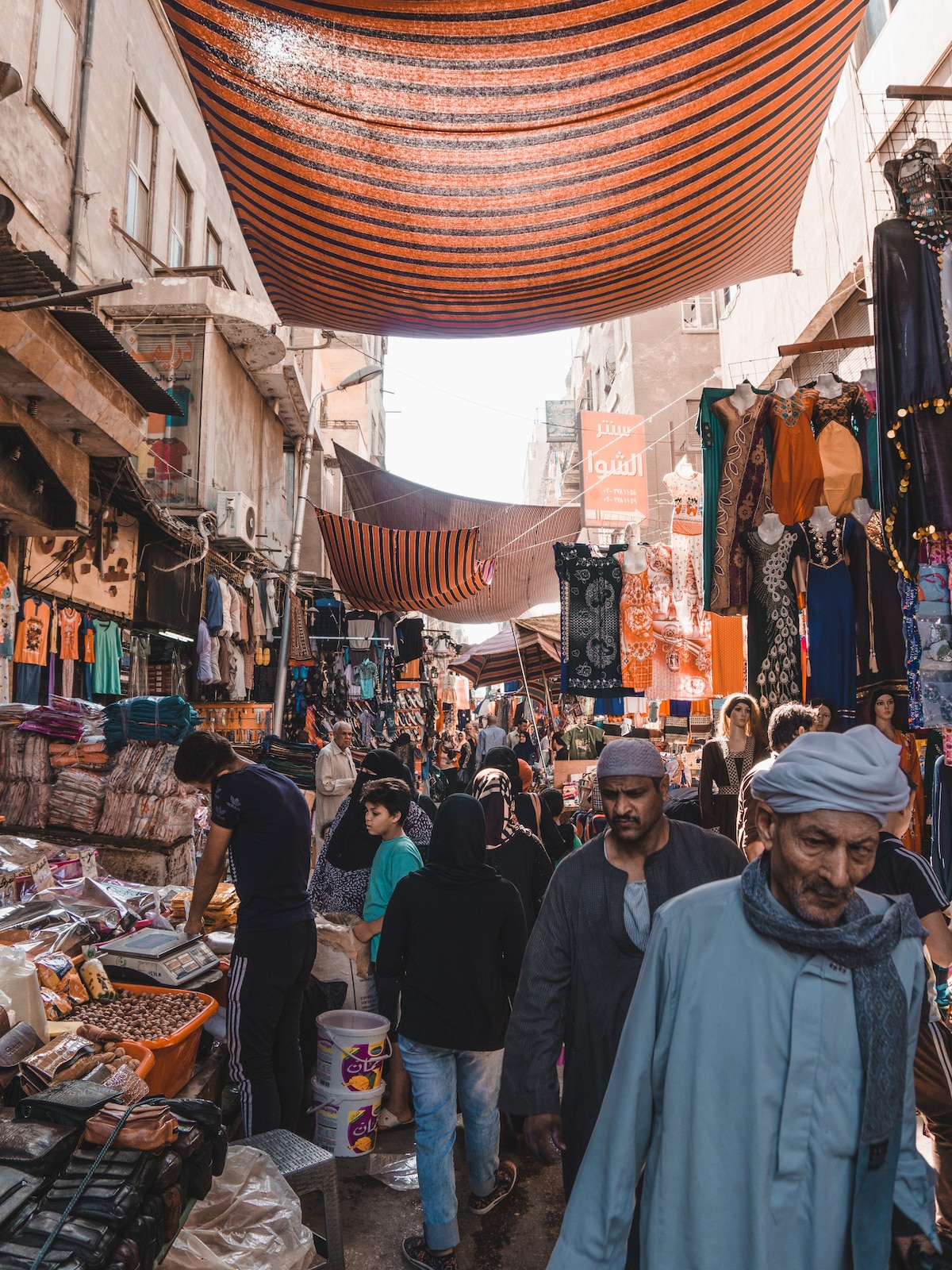
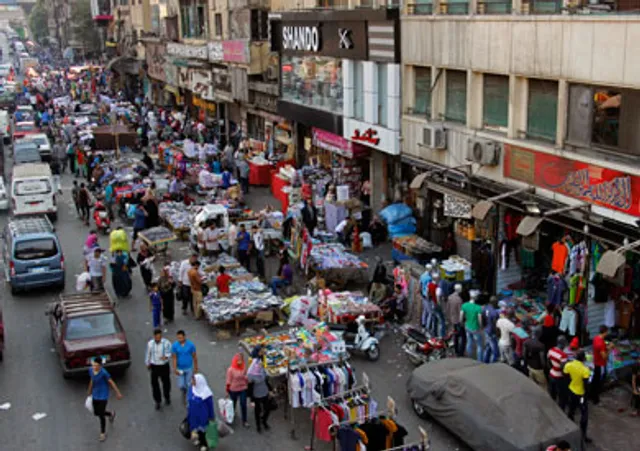
The museum’s souvenir shop is overpriced and offers a limited selection compared to local markets. For better prices and a wider variety of authentic Egyptian crafts, I recommend shopping at the Khan El-Khalili...
Read more